
Introduction:
Hey bloggers! Understanding copyright law can be tricky, but there’s a handy tool called fair use that can help you out.
Let’s examine what fair use is, why it’s important for bloggers, and how you can use it in your content.
Section 1: What is Fair Use?
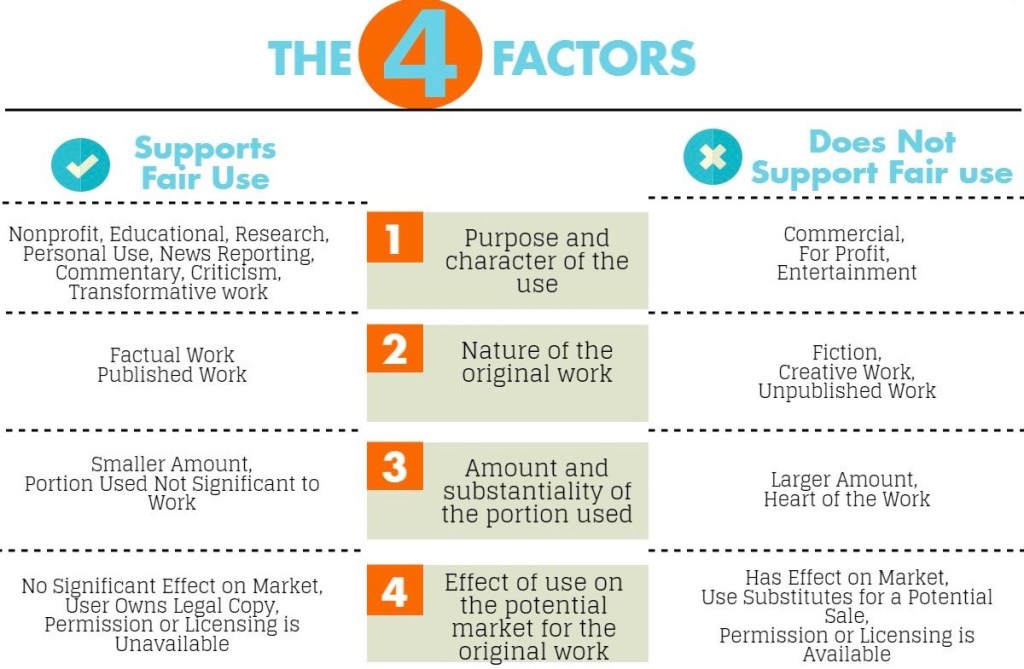
Fair use is like a permission slip that lets you use some copyrighted material without asking for permission. It’s all about finding a balance between respecting creators’ rights and sharing ideas freely. There are four things to think about when deciding if something falls under fair use: why you’re using it, what type of material it is, how much you’re using, and if it affects the market for the original work.
Section 2: Examples of Fair Use
Fair use covers lots of different situations that bloggers find themselves in. For example, if you’re giving your opinion on something, reporting news, making jokes, or teaching, fair use might apply. It’s all about using copyrighted material in a way that’s fair and doesn’t hurt the original creator.
Section 3: Limits and Things to Keep in Mind
Fair use doesn’t mean you can do whatever you want with someone else’s work. There are some limits. For instance, if you’re using material for commercial purposes, copying entire works, or not giving credit, it might not be fair use. It’s important to understand these limits and be respectful of other people’s work.
Section 4: Tips for Using Fair Use
If you’re not sure if your use of copyrighted material is okay, here are some things to consider. First, gather info about the material and how you plan to use it. Then, think about the four factors of fair use: why you’re using it, what type of material it is, how much you’re using, and if it affects the market for the original work. Keep records of your decision-making process, and remember that fair use isn’t a guarantee. If you’re unsure, it’s a good idea to get legal advice.
Repurposing content
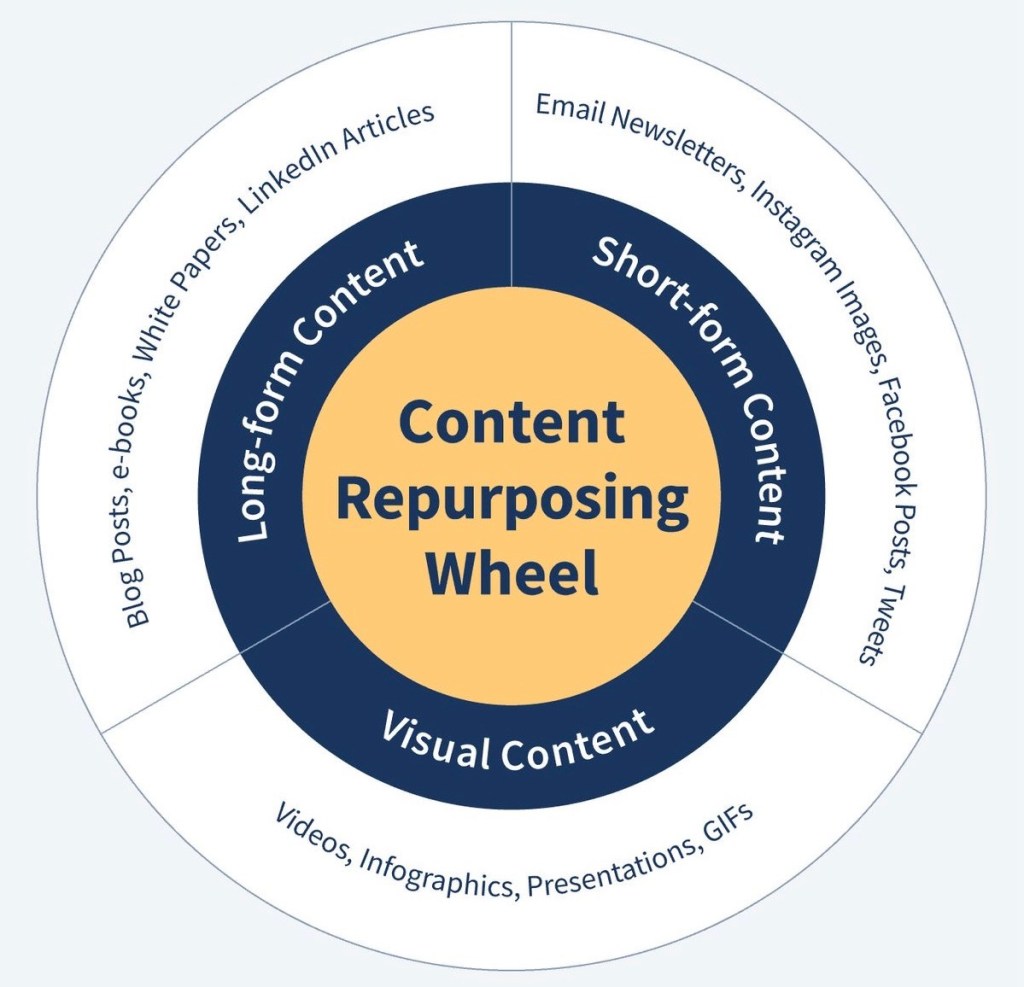
Repurposing content is a smart move to get more out of your work, but it’s important to know about copyright rules. Here’s how fair use fits in when you want to repurpose content:
Can I reuse my own content?
Yes! If you made it yourself (like writing, pictures, or videos), you own the copyright and can use it again however you want, like turning a blog post into a video.
Reusing someone else’s content:
This is where fair use comes in. Fair use lets you use a bit of someone else’s copyrighted material without asking, but only for certain things like comments, critiques, news, teaching, or making fun of things.
How fair use works with reusing:
Think about changes: Are you adding new material when you reuse? If you are, it’s more likely to be fair use. For example, summarizing a news story in a video review could be fair use.
How much you use: Don’t copy the most important parts. Using a small bit makes it more likely to be fair use.
What kind of material it is: Facts (like news) have less protection than creative material (like songs or movies). Using a bit of news is more likely to be fair use.
Will it hurt sales? If your new content stops people buying the old content, it’s not good for fair use.
Here are some examples:
Using quotes: It’s usually okay to include a short quote if you say something about it too.
Making reviews: Using bits of a movie or book to talk about them is often fair use.
Mixing things up: Using small bits of lots of things for fun or to talk about them could be fair use, but using lots might not be.
Important things to remember:
Fair use doesn’t always protect you. It’s just a thing you can say in court.
Always say who made the content you’re using, even if you think it’s fair use.
If you’re making money from it, it’s less likely to be fair use.
If you’re not sure, it’s best to ask the person who made it if you can use it or find something else to use.
There are other options too:
Find content that’s not copyrighted anymore or is free to use.
Some creators let you use their content with rules called Creative Commons licenses.
Ask the person who made it if you can use it.
Knowing about fair use can help you reuse content while being fair to others’ rights. But if you’re not sure, it’s better to ask or use something else.
In simple terms, fair use is about using material in a fair and respectful way. By understanding the rules and following best practices, you can create content that’s both original and respectful of others’ rights. Happy blogging!
Note:-
Understanding Fair Use: USA, India, and UK
Copyright laws safeguard creative works, yet they also include exceptions permitting the use of copyrighted material without explicit permission from the owner. Let’s explore how the concept of “fair use” operates in the United States, India, and the United Kingdom:
What’s Common:
Using Material Without Permission: In all three countries, certain situations allow the use of copyrighted material without needing permission from the copyright owner.
Purpose Matters: The reason behind using the material holds significance. Activities such as research, criticism, reviews, and news reporting are typically considered acceptable uses of copyrighted material.
Factors Considered:
US: Courts assess four factors:
The purpose of your use
The nature of the copyrighted work
The amount of the work you’re using
The effect of your use on the market for the original work
India: Courts make decisions on a case-by-case basis without strict rules.
UK: Fair dealing applies to certain activities rather than considering general factors.
Proving Fair Use:
US: You need to demonstrate fair use if challenged in court.
India & UK: The responsibility of proving fair dealing lies with the person using the copyrighted material.
Commercial Use:
US: Making a profit from the use might weaken your fair use claim, but it’s not always a deal-breaker.
India: Indian courts often view commercial use unfavourably when assessing fair dealing.
UK: Using material for commercial purposes is less likely to qualify as fair dealing compared to non-commercial use.
Choosing the Right Path:
US: Consider the four factors and seek legal advice if uncertain.
India: While there are no strict rules, it’s wise to request permission or consult a lawyer for complex cases.
UK: Adhere to the listed categories for fair dealing, but if your use doesn’t fit, obtaining permission is a safer option.
Remember: Copyright law can be intricate. This guide provides a fundamental overview, but for specific situations, consulting a copyright lawyer is recommended.
Explore more insights from Rise&Inspire
# Grasping Copyright Protocols
Discover more from Rise & Inspire
Subscribe to get the latest posts sent to your email.

Always interesting post 🌹
Thank you very much