Creating motivational blog posts on my website, “riseandinspire.co.in,” involves selecting inspiring topics, sharing personal stories or insights, incorporating quotes and references, providing practical advice, engaging with readers, using visuals, and ending with a call to action.
Regularly publishing such content and promoting it helps inspire and uplift my audience, building a dedicated readership seeking motivation and guidance from my blog.
This document, dating back 67 years, is connected to the celebration of Keralappiravi, which marks the establishment of the Indian state of Kerala on November 1, 1956.
Keralappiravi is a significant day for the people of Kerala, located in the southern part of India, known for its vibrant culture, traditions, and stunning natural landscapes.
The occasion is celebrated with various events, parades, cultural programs, and festivities to honour the state’s formation.
Introducing ‘Rise&Inspire’ – Your Source of Motivation, Positivity, and Personal Growth
riseandinspire.co.in
Welcome to ‘riseandinspire.co.in’where we’re dedicated to being your guiding light on the journey towards personal growth, motivation, and positivity. Our mission is simple yet profound: to provide you with the insights, stories, and actionable advice you need to lead a more fulfilling life.
Our Purpose:
🌟 For Those Seeking Daily Motivation:
Are you in need of a daily dose of inspiration to navigate life’s twists and turns? ‘Rise&Inspire’ is here to uplift your spirits and keep you motivated every day.
🌱 Those Pursuing Personal Growth:
If self-improvement and personal development are close to your heart, you’ve found your tribe. We’re all about cultivating a growth mindset and helping you become the best version of yourself.
🌈 Guidance for Those Facing Challenges:
Life can throw some tough punches, and we’re here to be your cornerman, offering guidance on overcoming obstacles and staying resilient.
🎨 For Creatives and Dreamers:
Calling all artists, writers, musicians, and creative minds! Find the inspiration you need to fuel your creative endeavours within our digital haven.
🚀 Entrepreneurs and Professionals:
Whether you’re a business owner, a professional, or a career-focused individual, we’ve got the motivational and inspirational fuel to keep your work and pursuits soaring.
💆 Wellness Enthusiasts:
We care about your mental, emotional, and physical well-being. Discover insights for maintaining a balanced and positive lifestyle.
🌟 Stories of Triumph:
We love sharing real-life stories of individuals who have triumphed over challenges and achieved incredible success. Let their experiences inspire your journey.
🌐 A Community of Uplifters:
Join our supportive and uplifting community, where like-minded people come together to share their passion for inspiration and positivity.
👨👩👧👦 For Parents and Educators:
Parents and educators, you’ll find valuable resources to instil positive values, motivation, and inspiration in your children or students.
📚 Lifelong Learners:
If you’re hungry for new perspectives, insights, knowledge, and wisdom to enrich your life, ‘Rise&Inspire’ is your go-to source.
Our Content:
At ‘Rise&Inspire,’ we curate stories of triumph, insights from experts, and actionable advice to empower you on your life’s journey.
Why Should You Read ‘Rise&Inspire’?
Because we’re here to help you rise above challenges, inspire your dreams, and grow into the best version of yourself. ‘Rise&Inspire’ is your daily companion in the pursuit of a brighter, more positive, and fulfilling life.
Connect with Us
Ready to join the ‘Rise&Inspire’ community? You can connect with us through social media, email, or the comments section. We can’t wait to hear your thoughts and share in your journey towards inspiration and personal growth.
Thank you for being a part of our vibrant community. Together, we will rise, inspire, and grow. Welcome to ‘Rise&Inspire’ – your beacon of motivation and positivity! 🌟✨💪🌱
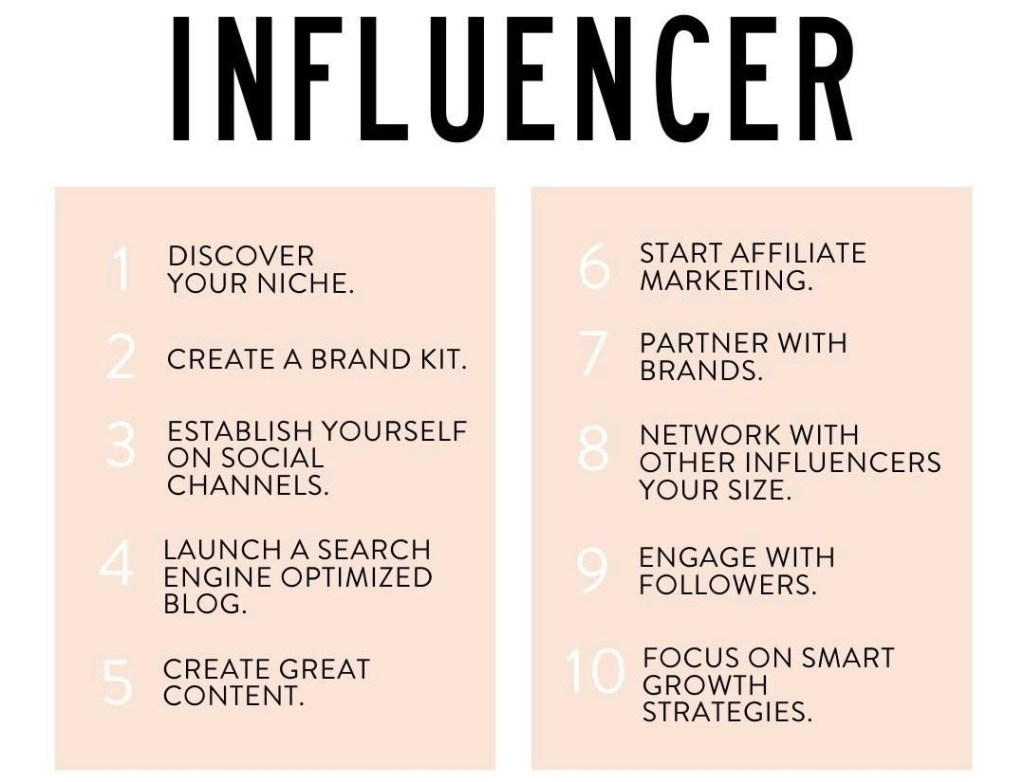
Partnering with Influencers: My Journey to Boosting ‘Rise and Inspire’
Dear readers of ‘Rise and Inspire,’ I want to share a personal journey with you – one that has played a pivotal role in the growth and success of my blog website.
It’s the story of how I partnered with influencers in my niche, covering motivation, personal development, and the tech industry, to not only boost my content but also connect with a wider and more engaged audience.
Step 1: Identifying the Right Voices
In the vast world of the internet, finding the right influencers was my first challenge. I scoured social media, blogs, and industry-specific forums to identify those whose values and expertise aligned with my niche.
Step 2: Building Relationships
Building a relationship with an influencer isn’t as simple as sending a cold email. I knew that authentic interactions matter. So, I engaged with them on social media, left thoughtful comments on their posts, and even mentioned them in my content when it was relevant. Genuine interactions were my building blocks.
Step 3: Giving Before Receiving
It’s easy to ask for favours, but I decided to provide value first. I began sharing their content, helping them expand their reach. This simple act laid the foundation for trust and reciprocity.
Step 4: Content Quality Matters
I believe in the power of quality content. Before approaching influencers, I ensured my blog was filled with informative, engaging, and well-crafted posts. My content needed to be something they would be proud to share.
Step 5: Reaching Out
When I felt the time was right, I crafted personalized messages to reach out to these influencers. My messages were genuine expressions of admiration for their work, combined with a clear explanation of how my content complemented their niche.
Step 6: Proposing Collaborations
Collaboration ideas were key. Whether it was co-authored blog posts, interviews, webinars, or social media campaigns, I made it clear how these partnerships could be mutually beneficial. The focus was on what we could create together.
Step 7: Making Sharing Easy
To make things as effortless as possible, I provided influencers with pre-written social media posts and ready-made graphics. This minimized the effort they needed to put in.
Step 8: Offering Incentives
When possible, I offered incentives like affiliate partnerships, exposure on my blog, or exclusive access to my content and services. I wanted my collaborations to be valuable for both parties.
Step 9: Respecting Their Schedules
Influencers often have busy schedules. I needed to be patient and flexible with timing and deadlines, respecting their time constraints.
Step 10: Tracking and Appreciating
As my collaborations bore fruit, I closely monitored their impact. When influencers shared my content, I made sure to express my gratitude, both publicly and privately.
Step 11: Building Long-Term Relationships
I didn’t see these collaborations as one-off events but as the start of long-term relationships. Consistent collaboration can lead to more extensive and mutually beneficial partnerships.
Step 12: Legal Considerations
It’s important to remember that collaborations should comply with relevant legal and disclosure requirements. Influencers need to disclose their relationship with your content, depending on local regulations.
Step 13: Transparency
Transparency was a cornerstone of my approach. I made sure my communications were clear, and I outlined the goals and benefits of the collaboration to avoid misunderstandings.
Step 14: Measuring and Adapting
I continually measured the success of my influencer partnerships, analyzing metrics like website traffic, social shares, and engagement to fine-tune my strategies.
The journey of partnering with influencers in my niche was transformative. It not only expanded my reach but also enriched my content. By approaching these collaborations with authenticity and respect, I’ve managed to connect with a broader and more engaged audience.
Remember, this journey is yours to start on as well. Seek out the influencers in your niche, engage genuinely, and offer value. With patience and persistence, you can reach new heights.
Note:-
Examples of influencers from different niches
Motivational Speaker – Tony Robbins: Tony Robbins is a renowned motivational speaker, life coach, and author. He has a massive following and is known for his inspirational content and seminars.
Personal Development Blogger – Tim Ferriss: Tim Ferriss is the author of “The 4-Hour Workweek” and a popular podcaster. He shares insights on personal development, productivity, and life optimization.
Tech YouTuber – Marques Brownlee (MKBHD) Marques Brownlee is a tech influencer on YouTube. He reviews the latest tech gadgets and provides insightful commentary on the tech industry.
These influencers have made significant impacts in their respective niches and have amassed dedicated followers who trust their recommendations and insights.
Partnering with influencers like these can help your content reach a broader and more engaged audience.
Humility shines brightest when we kneel before the cross. A Study of Sirach 3:18
In a world often driven by ambition, status, and the pursuit of greatness, the wisdom of Sirach 3:18 offers a profound and timeless lesson on the importance of humility. The verse reminds us that the greater we become, the more vital it is to humble ourselves, as it is in this humility that we find favour in the sight of the Lord.
Let us go into this sacred teaching and explore its significance by drawing upon resources from the Bible and other great books.
The Verse: Sirach 3:18
To set the stage, let us first examine the verse itself:
“The greater you are, the more you must humble yourself, so you will find favour in the sight of the Lord.” (Sirach 3:18, New Revised Standard Version)
This verse, found in the Book of Sirach, which is also known as Ecclesiasticus, is part of the wisdom literature in the Bible. It offers a concise but powerful message about the relationship between greatness and humility and how it impacts our standing with the divine.
The Essence of Humility
Humility, often viewed as a virtue, plays a pivotal role in various religious and philosophical traditions. It is a state of being that reflects an individual’s willingness to acknowledge their limitations and imperfections. Humility doesn’t negate one’s accomplishments or potential for greatness, but rather, it reinforces the idea that true greatness lies in acknowledging our dependence on a higher power and in our interactions with others.
Biblical Corroboration
To understand the concept of humility more comprehensively, it is worthwhile to explore how it is echoed in other parts of the Bible. One of the most notable references is found in the New Testament, where Jesus himself emphasized the importance of humility:
“Blessed are the meek, for they shall inherit the earth.” (Matthew 5:5, ESV)
In this verse from the Sermon on the Mount, Jesus extols the virtue of meekness, which is closely related to humility. This affirmation of humility as a path to blessings reinforces the wisdom of Sirach 3:18.
Learnings from Great Literature
In addition to biblical sources, the concept of humility and its connection to greatness is found in numerous other great books and works of literature. For instance, in William Shakespeare’s play “Twelfth Night,” Malvolio, a character who exudes arrogance and pride, learns the hard way that humility is a virtue to be embraced rather than scorned.
Conclusion
Sirach 3:18, with its succinct but profound wisdom, reminds us that as we ascend to greater heights, it is essential to remain grounded in humility. Through humility, we not only find favour in the sight of the Lord but also create an environment where we can better connect with our fellow human beings. Humility is not a sign of weakness but a testament to our strength in recognizing our place in the grand tapestry of existence.
In our journey through life, we should carry the message of Sirach 3:18 in our hearts, understanding that greatness is not about asserting superiority, but rather about embracing the modesty that keeps us in harmony with both our Creator and our fellow beings.
References
The Holy Bible, New Revised Standard Version.
The Holy Bible, English Standard Version.
William Shakespeare, “Twelfth Night.”
Various works on biblical exegesis and religious philosophy.
🌹Each morning, I receive an inspiring wake-up call from His Excellency, the Rt. Rev. Dr. Selvister Ponnumuthan, the Bishop of Punalur in Kerala, India. Today’s blog post draws inspiration from the verses he shared in his morning message.
In today’s digital age, in-depth articles stand as pillars of informative and comprehensive content creation. They not only offer a wealth of knowledge but also foster reader engagement, and enhance the credibility and authority of content creators.
If your goal is to inform, educate, and establish yourself as an expert in your field, crafting in-depth articles is an excellent strategy.
The Essence of In-Depth Articles
In-depth articles are not your run-of-the-mill content. They are an exploration of a subject that goes beyond the surface, offering readers a profound understanding of the topic.
Key aspects that define in-depth articles
1. Extensive Research
To craft an in-depth article, you start on a journey of comprehensive research. Content creators dive into various sources, including academic papers, credible websites, books, and expert interviews, to gather a comprehensive understanding of the topic.
2. Comprehensive Coverage
In-depth articles leave no stone unturned. They explore every facet of the subject matter, providing readers with a holistic view. Whether it’s a historical analysis, a detailed “how-to” guide, or an exploration of a complex concept, in-depth articles ensure no critical detail is overlooked.
3. Valuable Insights
The primary goal of in-depth articles is to offer valuable insights to the audience. This includes expert analysis, unique perspectives, or findings from original research. Readers walk away with a deeper understanding and often new knowledge they apply.
4. Critical Thinking
Content creators engage in critical thinking to evaluate and synthesize the information they find. They don’t just present facts; they offer interpretations, explanations, and context, fostering a higher level of understanding.
5. Engaging Writing
While in-depth articles are information-rich, they are far from dry or monotonous. Skilled content creators use engaging writing styles to maintain the reader’s interest throughout the extended content.
6. Problem Solving
In-depth articles often address complex problems or questions, providing solutions and actionable advice. They serve as valuable resources for readers seeking guidance.
7. Credibility and Trust
The depth of research and analysis in these articles builds credibility and trust with the audience. Readers know they rely on the content for accurate, well-supported information.
8. Length and Detail
In-depth articles tend to be longer than standard blog posts or articles. They range from several thousand to tens of thousands of words, depending on the complexity of the topic. This length allows for thorough exploration and detailed explanations.
9. Authority Building
Authors of in-depth articles often become recognized authorities in their field. Their content establishes them as experts and thought leaders, attracting a dedicated following.
10. SEO Benefits
Search engines favour in-depth content because it provides valuable information to users. Well-optimized in-depth articles rank higher in search results, driving more organic traffic to your website.
Resources for Further Exploration
To continue your journey into the world of in-depth content creation and content marketing, here are some valuable resources:
“The Skyscraper Technique” by Backlinko: Explore Brian Dean’s technique for creating in-depth content that outperforms existing articles on the same topic.
“The Art of Long-Form Content: A Guide to Content Marketing” by Content Marketing Institute: Access articles and e-books that help you understand the value of long-form content and how to create it effectively.
“How to Write High-Quality Blog Posts” by HubSpot: Dive into HubSpot’s comprehensive guide to writing high-quality blog posts, emphasizing the importance of detailed, in-depth content.
“SEO for Bloggers: The Ultimate Guide” by Moz: Learn from Moz’s guide to SEO for bloggers, which includes insights on how in-depth content improves search engine rankings and drives organic traffic.
“The Power of Evergreen Content: Why It’s Important and How to Create It” by Neil Patel: Explore Neil Patel’s article discussing the concept of evergreen content, which often aligns with in-depth articles, and how it benefits content creators.
“The Comprehensive Guide to Content Marketing Analytics & Metrics” by Kissmetrics: Find guidance on how to measure the impact of in-depth content and the metrics to monitor.
“E-A-T and SEO: How to Create Content that Google Wants” by Search Engine Journal: Delve into the concept of E-A-T (Expertise, Authoritativeness, Trustworthiness) and how in-depth content helps improve these aspects of your content.
“The Best Content Research Tools” by Smart Blogger: Discover a list of tools that aid in research and content creation, essential for crafting in-depth articles.
With these resources, you’ll be well-equipped to start on your journey of crafting in-depth articles that ignite knowledge, foster engagement, and establish your authority in your chosen field.
Transform Your Life with Rise&Inspire – Be part of our community, where uplifting vibes pave the way to success.
In the ever-expanding digital landscape, keeping up with valuable information is overwhelming. Whether you’re a seasoned blogger or a content creator just starting, the ability to stay informed and organized is essential. Fortunately, there are tools like Feedly, Pocket, and Flipboard that significantly ease the process of content aggregation.
In this blog post, we’ll explore these powerful tools and how they revolutionize the way you curate content.
The Significance of Content Aggregation
Before going into the details of these tools, let’s understand the concept of content aggregation. It’s the practice of gathering content from various sources such as blogs, news websites, and social media, and bringing it all together in one central location. This not only saves time but also ensures you stay updated on the latest news and trends in your niche.
Feedly: Your Personal News Hub
Feedly functions as your very own personalized newsstand. Here’s how it can help you:
Stay Organized: You can create categories or “collections” for different topics, making it easy to separate, for instance, technology news from food blogs.
Discover New Content: Feedly suggests content based on your interests, which is incredibly useful for finding new sources to follow.
Save for Later: You can save articles for reading later or share them with your audience.
Pocket: Your Digital Bookmark
Pocket is your digital bookmark, simplifying the process of saving articles, videos, and web pages for later consumption. Here’s why it’s invaluable:
Save Anything: You can save content from your browser or apps like X ‘Twitter’, and it syncs seamlessly across all your devices.
Offline Reading: Pocket allows you to download content for offline access, perfect for those long flights or commutes.
Tag and Organize: Adding tags to your saved items makes retrieval a breeze, ensuring you find what you need quickly.
Flipboard: A Digital Magazine
Flipboard takes content aggregation to a whole new level, transforming your interests into a beautifully curated digital magazine. Here’s what sets it apart:
Curated Content: Flipboard offers a visually appealing, magazine-style format, enhancing your content discovery experience.
Personalized Flipboard: Create your own “magazines” by adding content you love, then share them with your audience for a unique and engaging experience.
Follow Topics: Explore various topics and discover articles, videos, and images curated by others, broadening your horizons.
Considering all this, these tools empower you to streamline your content discovery and stay updated with ease. Whether you prefer the organized approach of Feedly, the convenience of Pocket, or the visually engaging world of Flipboard, these tools are your companions on the journey of content curation.
Give them a try, and witness how they transform your content creation process into a more efficient and enjoyable endeavour.
Transform Your Life with Rise&Inspire – Be part of our community, where uplifting vibes pave the way to success.
Have you ever come across a blog post that says “Comments closed”? If you have, you might wonder why the author decided not to allow any more comments on their post.
In this blog post, we’ll examine the reasons behind this decision, and we’ll explore why it doesn’t necessarily reflect anything about the author’s personality.
Why ‘Comments Closed’?
Control Over Discussions
One of the primary reasons a blog post has comments closed is the author’s desire for more control. Imagine you’ve put a lot of effort into writing a post, and you want the discussion to stay on topic. Allowing anyone to comment can sometimes lead to off-topic conversations or even spam. By closing comments, the author ensures that the conversation remains focused.
Time Management
Managing and moderating comments is a time-consuming task. Authors often have other commitments and responsibilities, and spending hours sifting through and moderating comments is a significant drain on their time. Closing comments is a way to save time and focus on other important tasks.
Content Finality
Think of a blog post as a conversation. Sometimes, you reach a point in a conversation where you’ve said everything you wanted to say, and there’s nothing more to add. The author feels the same way about their blog post. They believe that the topic has been thoroughly discussed, and there’s no need to continue the conversation.
Conclusion
In summary, when you see a blog post with “Comments closed,” it’s not necessarily a reflection of the author’s personality. Instead, it’s often a deliberate choice based on the need for control over discussions, time management, or a sense of content finality.
While it limits the interaction between the author and readers, it’s important to respect the author’s decision. They have their reasons for doing so, and it’s all part of managing a blog effectively.
Transform Your Life with Rise&Inspire – Be part of our community, where uplifting vibes pave the way to success.
We live in a world where information is at our fingertips. But sometimes, that information isn’t as reliable as we’d like. You might have heard of “misinformation” and “disinformation” – two tricky words with big consequences.
In this blog post, we’ll break down what they mean and why they matter.
What’s the Difference?
Misinformation is when wrong information is shared without bad intentions. It’s like telling your friend it’s going to rain when you thought it was, but it doesn’t. You didn’t mean to mislead; you just got it wrong.
Disinformation, on the other hand, is the sneaky cousin. It’s when someone spreads false information on purpose. Imagine if your friend told you it would rain, but they knew it wouldn’t, and they wanted to ruin your picnic. That’s disinformation.
The Power of Misinformation
Misinformation is not on purpose, but it still causes problems. Here’s why:
1. It Spreads Fast: Just like good news, bad information travels quickly, especially on social media. One wrong post can be shared thousands of times before anyone checks the facts.
2. It’s Confusing: Misinformation makes it hard to know what’s true. You hear different things from different sources, leaving you puzzled.
3. Harmful Consequences: Sometimes, wrong information leads to bad decisions, like avoiding a life-saving vaccine because of false rumours.
The Dark Side of Disinformation
Disinformation is a bigger concern. Here’s why it’s a real troublemaker:
1. Intentional Deception: The people behind disinformation want to deceive you. They want to influence your opinions, and elections, or even make money by tricking you.
2. Trust Issues: When you can’t trust what you see and hear, it erodes trust in society. You begin to doubt everything, and that’s not good for a healthy community.
3. Real-World Consequences: Disinformation causes real harm. For example, it sparks violence or creates confusion during emergencies.
How to Spot and Fight Back
So, how can you protect yourself from misinformation and disinformation?
1. Check the Source: Always look at where the information is coming from. Reliable news outlets and official websites are usually more trustworthy.
2. Fact-Check: If something sounds fishy, use fact-checking websites like Snopes, FactCheck.org, or PolitiFact to see if it’s true.
3. Share Wisely: Before sharing something, make sure it’s true. You don’t want to unintentionally spread false information.
Misinformation and disinformation are like the ghosts of the information age – they haunt our screens and conversations. But with a bit of scepticism and critical thinking, we can fend them off.
Remember, not everything you read or hear is true. Stay curious, stay informed, and stay safe!
Citations
Lewandowsky, S., Ecker, U. K. H., & Cook, J. (2017). “Beyond Misinformation: Understanding and Coping with the ‘Post-Truth’ Era.” Journal of Applied Research in Memory and Cognition. Link
Wardle, C., & Derakhshan, H. (2017). “Information Disorder: Toward an Interdisciplinary Framework for Research and Policy Making.” Council of Europe Report. Link
Pennycook, G., & Rand, D. G. (2020). “Fighting misinformation on social media using crowdsourced judgments of news source quality.” Proceedings of the National Academy of Sciences.
Transform Your Life with Rise&Inspire – Be part of our community, where uplifting vibes pave the way to success.
The Inspirational Journey of His Excellency, Bishop Selvister Ponnumuthan
Experience the Empowering Voyage of His Excellency, Bishop Selvister Ponnumuthan.
Introduction:
In a world filled with noise and chaos, finding moments of inspiration is challenging. But for those who follow “RiseandInspire,” a blog dedicated to spreading positivity and faith, inspiration comes each morning in the form of a wake-up call from His Excellency, the Rt. Rev. Dr. Selvister Ponnumuthan, the Bishop of Punalur in Kerala, India. His messages carry the wisdom and grace that have touched the lives of many, including the readers of this blog.
The Man Behind the Wake-Up Call:
His Excellency, Selvister Ponnumuthan, was born on 10th August 1956, the son of Sri. Ponnumuthu Nadar and Smt. Thankamma. His journey towards becoming a lamp of inspiration began at St. Vincent’s Minor Seminary, Thiruvananthapuram, in 1972. After years of dedication and unwavering faith, he was ordained as a priest in Utchakada on 19th December 1981.
A Quest for Knowledge and Faith:
But His Excellency’s journey didn’t end there. In the pursuit of enriching his knowledge and deepening his faith, Archbishop Soosa Pakiam sent him to Rome for higher studies. He immersed himself in doctoral studies, emerging with a wealth of wisdom and understanding in 1996.
A Scholar and a Shepherd:
Upon returning to India, His Excellency Selvister Ponnumuthan took on the role of a faculty member at St. Joseph Pontifical Seminary in Aluva. There, he served as an Animator, Dean of Theology, Vice Rector, and ultimately as the Rector. This period of his life was marked by nurturing young minds, guiding future leaders, and imparting the values of the Christian faith.
Bishop of Punalur:
In 2009, the Christian community in Punalur received a divine gift when His Excellency was appointed as the third Bishop of Punalur. His leadership has brought not only spiritual growth but also a deep sense of community to this serene corner of India.
The Wake Up Call Ministry:
One of the most profound ways His Excellency has touched lives is through the “Wake Up Call” ministry. Each morning, his messages resonate with the rich traditions of the Bible, offering insights that motivate, uplift, and inspire. Through this ministry, he has introduced countless people to the timeless wisdom contained within the scriptures.
Conclusion:
In a world often shrouded in uncertainty, the inspirational journey of His Excellency, Bishop Selvister Ponnumuthan, stands as a shining example of faith, dedication, and the transformative power of the Christian message. His wake-up calls not only awaken us to the beauty of each new day but also serve as a reminder of the incredible impact one person can have on a community, a nation, and the world.
As readers of “Rise&Inspire,” we are privileged to share in this journey, drawing inspiration from His Excellency’s morning messages. May his life and work continue to touch hearts, strengthen faith, and inspire us all to rise and inspire others in turn.
In the ever-evolving world of digital marketing, understanding your target audience is paramount. Among the most dynamic demographics are Generation Z and older generations. They differ not only in age but in their social media habits and preferences.
In this blog post, we’ll explore the key differences in marketing to Gen Z versus older generations on social media, to help you craft effective strategies that resonate with each group.
Generational Snapshots
Before going into the nuances of social media marketing, let’s paint a brief picture of these two diverse generations:
Generation Z (Gen Z): Born between the mid-1990s and mid-2010s, Gen Z is the first true digital native generation. They’ve grown up in a world where the internet, smartphones, and social media are an integral part of life.
Older Generations: This includes Generation X (born between the mid-1960s and early 1980s) and Baby Boomers (born between the mid-1940s and mid-1960s). They have witnessed the digital revolution and adapted to it later in life.
Key Differences in Social Media Marketing
Content Format
Gen Z tends to favour short, visual content, such as videos, GIFs, and stories.
Older generations, on the other hand, often prefer longer-form content like articles and blog posts.
Platform Preferences
Gen Z gravitates toward platforms like TikTok, Instagram, and Snapchat, while older generations are more likely to be active on Facebook and LinkedIn.
Engagement Expectations
Gen Z values authenticity and expects brands to engage with them on a personal level.
Older generations are more accepting of traditional advertising.
Influencer Marketing
Gen Z is highly influenced by social media influencers, making influencer marketing a powerful tool for reaching this audience.
Older generations are less swayed by influencer endorsements.
Privacy Concerns
Older generations tend to be more cautious about privacy and data security on social media, while Gen Z often shares more freely but expects transparency from brands.
Creating Effective Strategies
To successfully navigate the generational gap in social media marketing
Know Your Audience: Understand the preferences, behaviours, and values of each generation.
Tailor Content: Create content that aligns with the preferred content formats and platforms of your target audience.
Build Trust: Establish authenticity and trust with Gen Z, while respecting the privacy concerns of older generations.
Adapt and Evolve: Stay agile and adapt your strategies as social media trends and audience behaviours change.
“Maintaining Strong Bones: The Importance of DEXA Scans for Osteoporosis After 65”
This image depicts a woman getting a DEXA scan. It is a simple image that accurately conveys the topic of this blog post.
As we journey through life, our bodies undergo numerous changes, and one of the most significant concerns as we age is the health of our bones. Osteoporosis, a condition characterized by weakened bones, increases the risk of fractures and impacts our quality of life.
In this blog post, we’ll explore the importance of DEXA scans for osteoporosis, focusing on why women should consider them after the age of 65 and men after the age of 70.
Understanding Osteoporosis
Osteoporosis is often referred to as the “silent disease” because it progresses without any noticeable symptoms until a fracture occurs. Our bones naturally lose density as we age, but in osteoporosis, this loss is accelerated, making them fragile and prone to breaking.
Who’s at Risk?
Osteoporosis doesn’t discriminate; it affects both men and women. However, women are more susceptible to hormonal changes during menopause. That’s why healthcare guidelines recommend bone density scans for women after the age of 65.
For men, while osteoporosis is less common, it’s not unheard of. Their risk increases after the age of 70, so considering a bone density scan becomes important to monitor their bone health.
The Role of DEXA Scans
Dual-energy X-ray absorptiometry, or DEXA scans, is the gold standard for measuring bone density. It’s a painless and non-invasive procedure that allows healthcare professionals to assess the strength of your bones.
Why DEXA Scans Matter
Early Detection: DEXA scans can detect bone loss long before you experience a fracture. This early detection can prompt timely intervention to prevent future fractures.
Assessment of Fracture Risk: The results of a DEXA scan provide a T-score, which compares your bone density to that of a young, healthy adult. A lower T-score indicates a higher fracture risk.
Customized Treatment Plans: Armed with DEXA scan results, your healthcare provider can tailor a treatment plan to suit your specific needs, which might include lifestyle changes, dietary adjustments, or medication.
Monitor Progress: After an initial scan, follow-up scans can help track changes in your bone density over time, ensuring that your treatment plan is effective.
Authentic Resources
For those interested in a detailed understanding of the topic, the following authentic resources provide valuable insights and guidance:
Information on DEXA scans, their purpose, and what to expect during the procedure.
Conclusion
Maintaining strong bones is important for a healthy and active life as we age. DEXA scans play an important role in assessing bone health, allowing for early detection and personalized treatment plans.
What turns a friend into a foe? If this endeavour falters, are you aware of a reliable method to transform a friend into an adversary? Communication #Transformation #FriendshipToEnmity #Strategies #Relationships
This image is a depiction of a drone flying over a city. It is a metaphor for the growing importance of drones in our lives and India’s potential to become a global leader in the drone industry.
Drones are increasingly becoming a part of our lives, and India is poised to be a global player in this rapidly growing industry.
The Indian drone market is expected to grow to $20 billion by 2028, according to a report by Mordor Intelligence. This growth will be driven by several factors, including:
🚁The increasing use of drones in commercial applications, such as agriculture, logistics, and construction.
🚁The growing demand for drones from the Indian government and military.
🚁The government’s supportive policies for the drone industry.
India is already a major exporter of drones. In 2021-22, India exported $1.2 billion worth of drones, according to the Directorate General of Commercial Intelligence and Statistics.
The Indian drone industry is home to several leading manufacturers, such as Garuda Aerospace, Skye Air Mobility, and Throttle Aerospace Systems. These companies are developing innovative drone technologies for a wide range of applications.
The Indian government is also investing heavily in the drone industry. In 2022, the government announced a $100 million investment in the drone industry over the next three years. This investment is aimed at promoting the development of new drone technologies and applications.
India is also home to several drone training schools and research institutes. These institutions are training pilots and engineers for the drone industry and conducting research in new drone technologies.
Overall, India is making significant progress towards becoming a global leader in the drone industry. The country has a large and growing domestic market, a supportive government, and several innovative companies.
I would give specific examples of how Indian companies are leading the way in drone innovation:
🇨🇳Garuda Aerospace is developing a fleet of electric passenger drones that it plans to launch in India in 2023.
🇨🇳Skye Air Mobility is developing a drone delivery service that it plans to launch in India in 2023.
🇨🇳Throttle Aerospace Systems is developing a drone-based aerial photography and mapping service that it plans to launch in India in 2023.
The Indian government is also working to promote the use of drones in various sectors. For example, the government is using drones to monitor crops, deliver vaccines, and inspect infrastructure.
The drone industry is still in its early stages of development in India, but it can revolutionize many industries. With its large domestic market, supportive government, and innovative companies, India is well-positioned to become a global leader in the drone industry.
While the idea of using them to protect high-end smartphones is intriguing, recent market innovations are truly exceptional. For a closer look at this cutting-edge technology, watch a video demo for highlighting its capabilities.