Discover the most empowering and uplifting Quotes for my blog platform ‘riseandinspire.co.in,’ now curated under the ‘daily motivational Quotes for mood enhancement’ category.
Quotes are like little sparks of wisdom that can light up your day. Stick one where you can see it every day, like on your phone or a sticky note. Think about what it means to you and talk about it with friends or family. But the most important thing is to let it inspire you to do something positive in your life. You don’t have to be perfect to start something great, but you have to take that first step. Keep rising and inspiring others along the way!
“Kindness is the language which the deaf hear and the blind see.” – Mark Twain
(This quote emphasizes the power of kindness and empathy in connecting with others.)
Mark Twain’s statement, “Kindness is the language which the deaf hear and the blind see,” resonates with the concept that kindness transcends sensory limitations.
Dr. Stephen Post, a professor of preventive medicine and bioethics, emphasizes the significant benefits of kindness from a psychological standpoint. He suggests that our capacity for love and compassion greatly influences our perspective on life, self-realization, and physical health.
Research by neuroscientist Dr. Richard Davidson indicates that acts of kindness and compassion can positively affect brain activity. He explains that the brain’s plasticity allows it to be shaped by acts of kindness, leading to positive changes.
Psychologist Dr Sonja Lyubomirsky‘s studies demonstrate that engaging in acts of kindness contributes to overall life satisfaction. She argues that practising kindness fosters a sense of well-being and personal fulfilment over time.
In the realm of education, Dr. Michele Borba highlights the essential role of kindness in nurturing empathy, social skills, and problem-solving abilities. She emphasizes that kindness forms the basis for successful academic performance and future achievements.
The Dalai Lama emphasizes the intrinsic connection between kindness and happiness. He asserts that compassion is the key to happiness and that by showing compassion towards others, we also cultivate our happiness.
Psychologist Dr Barbara Fredrickson‘s “broaden-and-build theory” proposes that acts of kindness broaden our perspectives and strengthen emotional resilience, thereby enhancing overall well-being.
In summary, kindness functions as a universal language that fosters positive connections and enriches lives, transcending barriers of communication and perception.
Engaging in acts of kindness not only impacts others but also leads to personal growth and fulfilment.
“The only way to do great work is to love what you do. If you haven’t found it yet, keep looking. Don’t settle.” – Steve Jobs
This quote emphasizes the importance of passion and purpose in finding fulfilment.
Steve Jobs’ famous quote underscores the crucial role of passion and purpose in achieving professional fulfilment. This notion is reinforced by research across various fields:
Psychological Engagement: Mihaly Csikszentmihalyi, a renowned psychologist, suggests that peak performance and optimal experience arise when people immerse themselves in activities that ignite their passion.
Job Satisfaction and Performance: Studies in organizational psychology showcase a clear link between employee satisfaction and performance. For instance, a Journal of Applied Psychology study revealed that passionate workers are more likely to embrace challenges and actively seek growth in their roles.
Intrinsic Motivation: Frederick Herzberg’s Two-Factor Theory emphasizes the significance of internal motivators like accomplishment and recognition in driving job satisfaction. When people engage in work they find meaningful, they tap into intrinsic motivation, fueling the pursuit of excellence.
Purpose and Well-being: Research in positive psychology reveals a strong connection between finding purpose in work and overall well-being. People who perceive their work as meaningful and aligned with their values tend to experience greater fulfilment and happiness.
There’s no single “most impactful” quote that works universally for everyone. What resonates deeply with one person might leave another unmoved. The power of a quote lies in its connection to your values, aspirations, and current challenges.
Here’s guidance on finding impactful quotes
1. Consider your current goals: What are you hoping to achieve or improve in your life? Are you seeking more happiness, resilience, productivity, or something else entirely? Focusing on quotes related to your specific goals can make them more relevant and actionable.
2. Explore different sources: Look beyond famous historical figures and probe into quotes from diverse voices, including authors, poets, activists, everyday people, and even fictional characters. Varied perspectives can spark new insights.
3. Reflect and internalize: Don’t just collect quotes; spend time contemplating their meaning and how they apply to your life. Journaling or discussing them with trusted friends can deepen your understanding.
4. Focus on action: The true impact lies in putting the quote’s message into practice. Choose a quote that inspires you to take small, consistent steps towards your goals, and remember, progress, not perfection, is key.
Remember, the most impactful quote is the one that empowers you to take action and create positive change in your own life. So, explore, reflect, and choose the words that resonate most deeply with your unique journey.
Today’s impactful Quote
“Yesterday is history, tomorrow is a mystery, today is a gift.” – Eleanor Roosevelt
“You can’t control the wind, but you can adjust your sails,” said H. Jackson Brown Jr.
This reminds us that even though we can’t control everything, we can decide how we react to challenges.
The quote teaches us to stay flexible and resilient when facing difficulties, focusing on what we can change instead of worrying about what we can’t control.
It emphasizes staying positive and adapting to whatever obstacles come our way.
Mother Teresa’s quote, “Yesterday is gone. Tomorrow has not yet come. We have only today. Let’s begin,” urges us to value the present moment and make the most of it.
Jon Kabat-Zinn, the originator of Mindfulness-Based Stress Reduction (MBSR), emphasizes the profound impact of mindfulness: “Mindfulness entails purposefully paying attention in the present moment, without judgment.”
Renowned psychologist Ellen Langer underscores mindfulness’s role in fostering happiness: “Mindfulness involves being aware of what’s happening now, without longing for change in pleasant experiences or fearing that unpleasant ones will persist.”
Research reveals that mindfulness practices can alleviate stress, anxiety, and depression symptoms. They also enhance attention, cognitive abilities, and emotional regulation. Living mindfully promotes greater life satisfaction by nurturing an appreciation for everyday moments and relationships.
Mother Teresa’s quote inspires us to embrace the present moment for its potential for renewal, inspiration, and growth. Through mindfulness and gratitude, individuals can find fulfilment and purpose in their lives.
“The secret of happiness is not in doing what you like, but in liking what you do.” – James M. Barrie – This quote shifts the focus from seeking external pleasure to finding joy in the present moment and appreciating the process itself.
The true essence of happiness lies not in pursuing what you desire, but in embracing the beauty of what you do. It’s about finding profound fulfilment in the journey itself, savouring each moment with boundless joy and gratitude.” – James M. Barrie
The Power of Prayer: Bridging Spiritual Contemplation and Scientific Inquiry
In the realm of human inquiry, the effectiveness of prayer has been a subject of contemplation. While its impact often eludes empirical measurement, various studies and expert viewpoints shed light on its potential outcomes.
A study conducted by Harvard Medical School and published in the American Heart Journal, for instance, explored the health effects of intercessory prayer on cardiac patients. The findings suggested positive improvements in the condition of those who received prayer compared to a control group. Nevertheless, it’s important to acknowledge the challenges associated with measuring the spiritual dimension and conducting such studies.
The National Center for Biotechnology Information (NCBI) recognizes the psychological benefits of prayer, highlighting its potential contributions to emotional well-being, stress reduction, and an overall sense of peace. Additionally, practices like mindfulness and meditation, often intertwined with prayer, have gained acknowledgement for positively impacting mental health.
Experts such as Dr Herbert Benson, renowned in mind-body medicine, have looked into the physiological effects of prayer. Dr. Benson’s research on the “Relaxation Response” indicates that repetitive prayer or mantra-based practices can induce a state of deep relaxation, leading to various health benefits.
Contrastingly, scholars like Dr Richard Sloan, a behavioural medicine professor, caution against expecting miraculous outcomes solely from prayer. He emphasizes the importance of combining prayer with medical intervention and individual health behaviours.
In summary, while concrete empirical evidence on the direct impact of prayer remains elusive, the existing body of research underscores its potential to influence mental and emotional well-being. As people navigate the interplay of faith and science, a nuanced understanding of prayer’s outcomes necessitates consideration of diverse perspectives, recognizing both its subjective nature and potential for beneficial effects.
Join hands with Rise&Inspire for a dose of daily positivity!
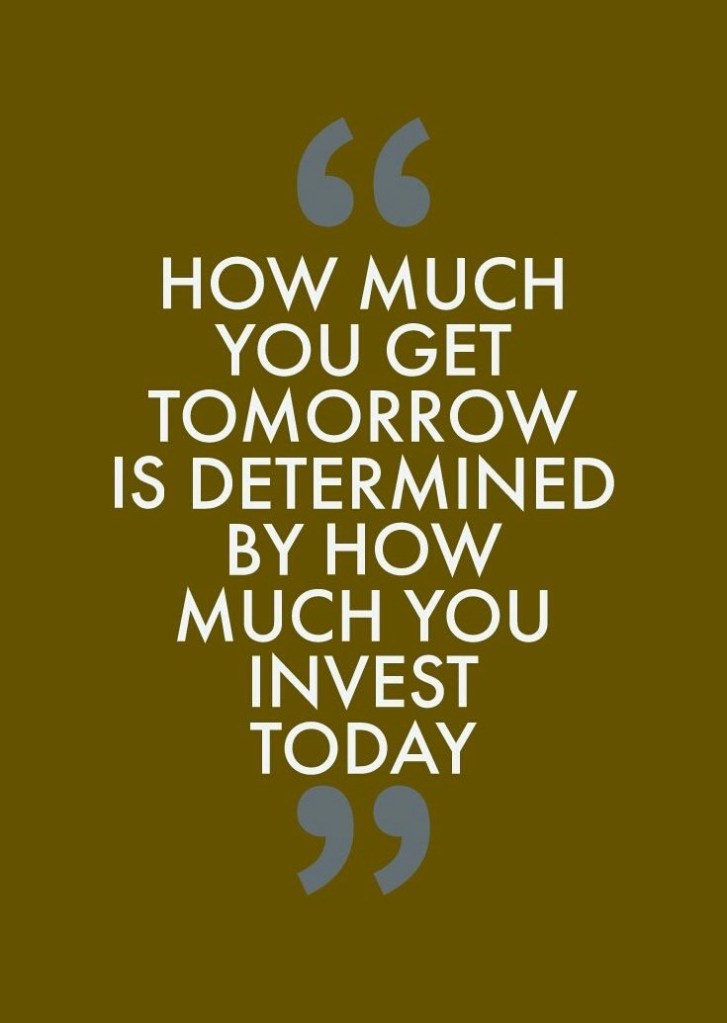
The concept emphasizes the proactive nature of securing a better future. Whether in finance, education, health, relationships, entrepreneurship, or personal development, the effort and resources invested today lay the foundation for future outcomes. It encourages a mindset of foresight, planning, and strategic action to maximize potential benefits in various aspects of life.
Fuel your ambitions with the positivity hub at riseandinspire.co.in!
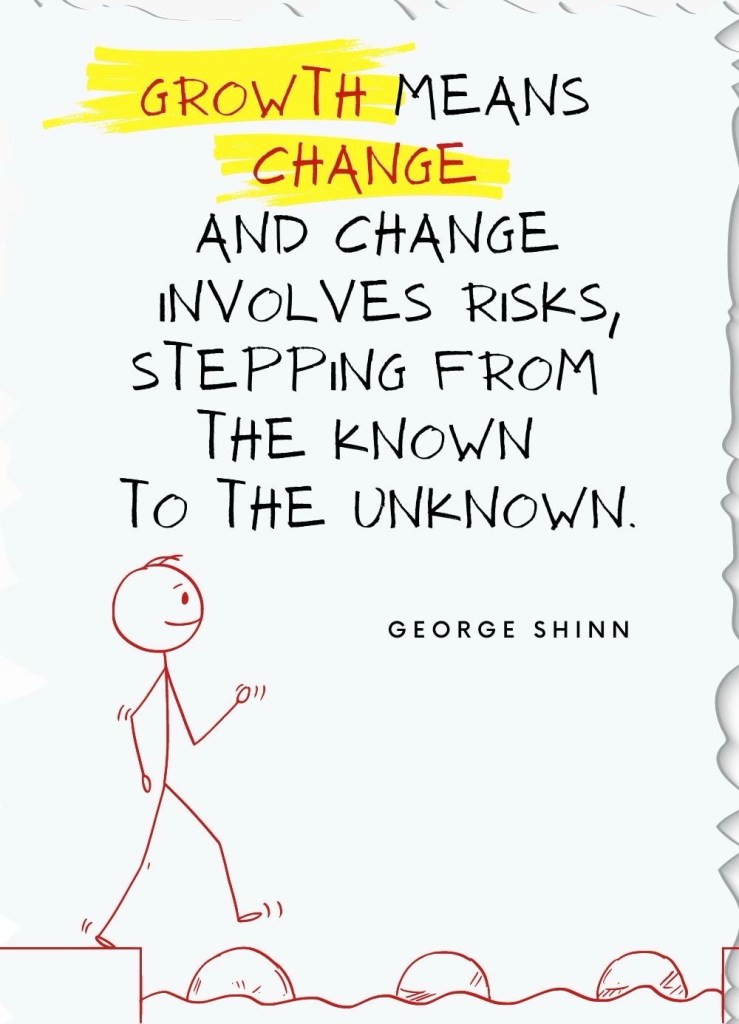
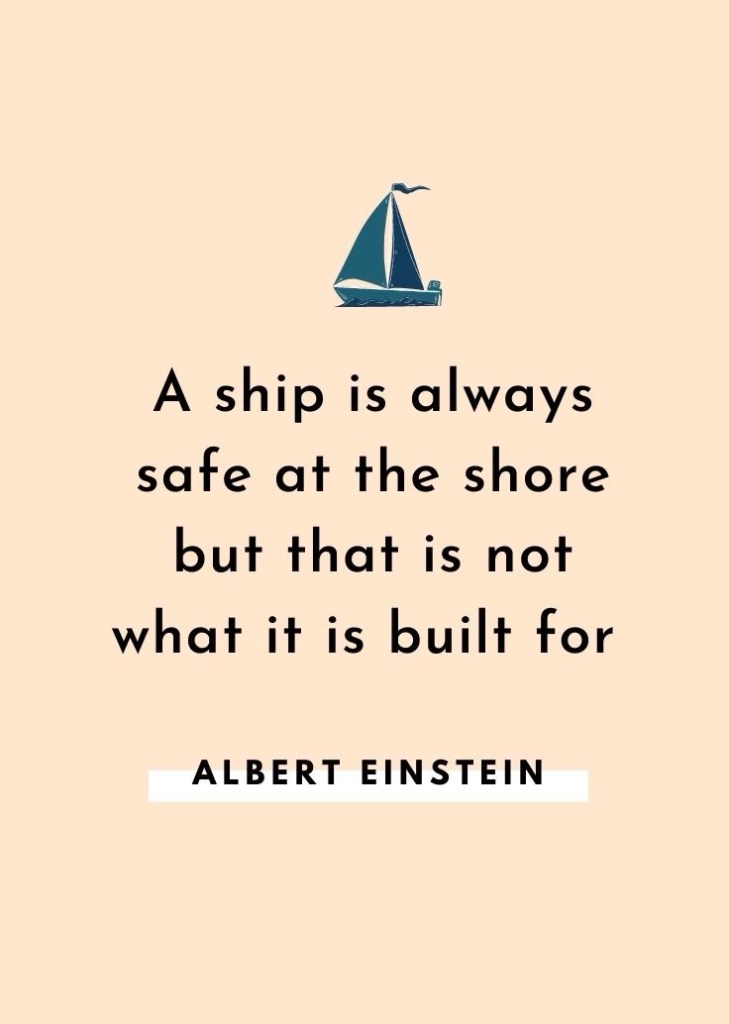
Beyond Safety: The Call of Adventure and Self-Discovery
This quote emphasizes that a ship’s primary purpose is to sail the open sea, face challenges, and explore new horizons. While it is secure when anchored at the shore, it’s not fulfilling its intended function.
Similarly, in life, staying within our comfort zones feels safe, but it prevents us from realizing our full potential. Taking risks, facing uncertainties, and venturing into the unknown are essential for personal and professional growth.
The quote encourages embracing challenges and pushing boundaries to truly live up to our capabilities.
From Edison to the Blogosphere: Adapting Strategies for Success
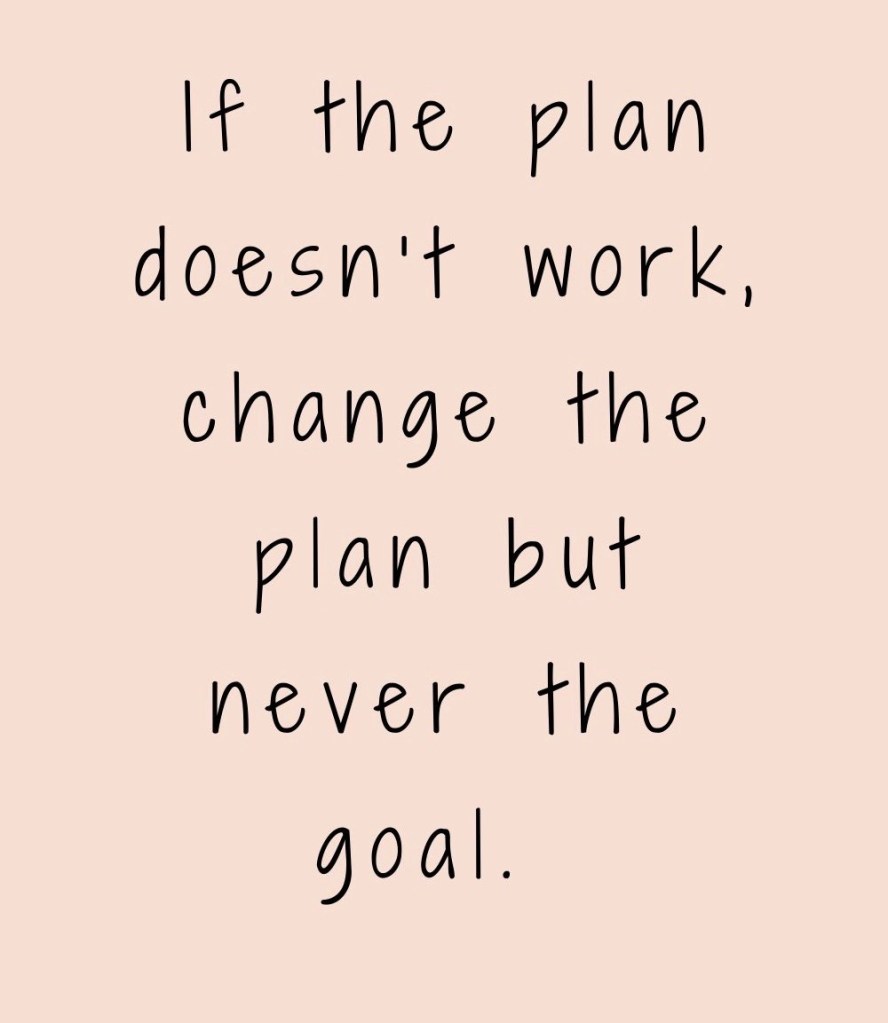
Adapting Plans, Staying Strong on Your Path
The saying “If the plan doesn’t work, change the plan, but never the goal” holds a big truth about dealing with life’s ups and downs. It’s like a motto for people who keep going, a reminder that problems are not the end but chances to improve our direction while always aiming for our goal.
Studies support this idea. A 2020 study from the University of Chicago found that those who stick to their goals despite setbacks are more likely to achieve them over time. This means it’s more about staying determined than sticking strictly to a fixed plan.
Real-life examples also show this. Think about the history of inventions. The Wright brothers had some failed attempts before making a successful aeroplane, and Thomas Edison had many so-called “failures” before creating the perfect light bulb. Each mistake was a lesson on the way to reaching their big goals.
Quotes from wise people back this up. Nelson Mandela said, “The greatest glory in living lies not in never falling, but in rising every time we fall,” emphasizing the importance of getting back up after setbacks. Winston Churchill added, “Success is going from failure to failure without losing enthusiasm,” stressing the need to stay determined when things get tough.
So, how can we follow this idea in our lives?
Be flexible: Instead of sticking too strictly to a plan, see it as something that can change based on what’s happening. Be open to new ideas, grab unexpected opportunities, and adjust your approach when needed.
Learn from mistakes: Treat setbacks as chances to learn, not as failures. Figure out what went wrong, find areas to improve, and use that knowledge to make your plan better.
Focus on progress, not perfection: Don’t get down if things don’t go perfectly. Celebrate any progress, no matter how small, and remember that even successful journeys have bumps along the way.
Keep a positive attitude: Staying positive is a strong tool when things get tough. Believe in yourself, your goals, and your ability to get past any problem.
How this principle applies to Bloggers
Content Flexibility: Instead of rigidly sticking to a predefined content calendar, be open to adjusting topics based on current trends, audience feedback, or industry changes. This flexibility ensures your blog stays relevant and engaging.
Learning from Analytics: Treat your blog analytics as valuable feedback. If certain types of posts or topics aren’t resonating with your audience, use this information to refine your content strategy. Analytics provide insights that can guide your plans.
Navigating Setbacks: Bloggers often face challenges such as fluctuations in traffic, algorithm changes, or creative blocks. Viewing these setbacks as opportunities to learn and improve allows you to adapt your approach, and find innovative ways to overcome obstacles.
Building a Positive Community: Cultivate a positive and engaged community around your blog. Respond to comments, encourage discussions, and create a space where both successes and challenges are shared. A supportive audience can be a source of inspiration and motivation.
Diversifying Platforms: Don’t be afraid to explore different platforms or mediums for your content. Whether it’s incorporating video, podcasts, or collaborating with others, diversifying your approach can attract new audiences and keep your blog dynamic.
Staying True to Your Voice: While adapting to changes, maintain the authenticity that makes your blog unique. Your voice and perspective are what connect you to your audience, so even as you adjust strategies, ensure your core message remains consistent.
Visit Rise&Inspire for more life-elevating content.
powerful affirmation expressing determination and confidence
Empowering people through the mantra of “I can and I will,”. This affirmation underscores determination and confidence. Acknowledging capability with “I can” and committing to action with “I will,” catalyzes resilience and perseverance.
The exploration of the idea revolves around the transformative potential embedded in the affirmation “I can and I will.” This powerful mantra, discussed here in the context of personal development, serves as a beacon of determination and confidence. The acknowledgement of individual capability through “I can” aligns with the recognition of skills and potential, while the commitment to action through “I will” establishes a clear path forward.
This exploration emphasizes how the repetition of this affirmation reinforces a positive mindset and self-belief. It becomes a dynamic duo that empowers people to confront challenges with resilience and a proactive attitude.
The core concept centres on the belief that self-affirmation and maintaining a positive mindset can act as catalysts, propelling people toward personal success and achievement. It’s an invitation to embrace the transformative journey of self-empowerment and growth through the lens of “I can and I will.”
Visit Rise&Inspire for more life-elevating content.
While the notion that “all fingers are not the same length, but when they bend, all stand equal” is metaphorical, it resonates with the philosophy of adaptability in life. Scientifically, fingers indeed vary in length due to genetic factors, yet their coordinated movement allows for efficient functioning. Similarly, life’s challenges differ, but adapting to diverse situations can enhance resilience and problem-solving skills.
Psychological studies, such as those by Dweck on mindset, emphasize the importance of adaptability for personal growth. Renowned psychologist Viktor Frankl’s observations in extreme conditions highlight how the ability to adjust one’s mindset can lead to a sense of meaning even in adversity.
In essence, the metaphor underscores the value of flexibility, providing a holistic perspective on navigating life’s complexities.
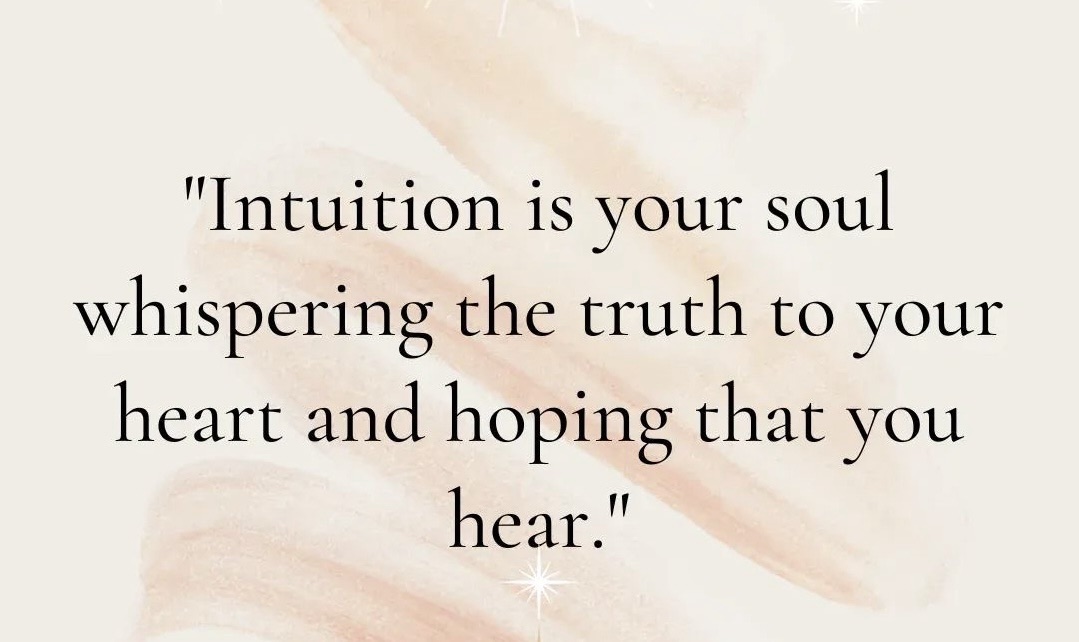
Trusting your soul is a powerful and essential concept that taps into your intuition and inner wisdom. It’s not an abstract idea; scientific and psychological research highlights the importance of aligning with your inner self. There is no doubt that intuition, often associated with trusting one’s soul, is a cognitive process deeply rooted in the subconscious mind. Studies, such as those published in the “Journal of Personality and Social Psychology,” emphasize the role of intuition in decision-making and problem-solving, indicating its significance in navigating life’s complexities.
Moreover, renowned psychologists like Carl Jung have emphasized the concept of the “collective unconscious,” suggesting that people have an innate reservoir of universal knowledge and wisdom within them. Trusting your soul, in this context, involves tapping into this collective wisdom that transcends individual experiences.
Additionally, neuroscience research supports the discourse on intuition. Brain imaging studies, as reported in journals like “Nature Neuroscience,” illustrate how the brain processes intuitive information differently than analytical reasoning. Thus, trusting your soul involves acknowledging the neural processes that guide your instincts.
Philosophically, thinkers like Rumi have underscored the idea of trusting one’s soul as a path to self-discovery and fulfilment. Rumi’s poetry often explores the depths of human consciousness and the transformative power of connecting with the soul.
To sum up, trusting your soul is not some obscure spiritual notion; it aligns with psychological, neurological, and philosophical understandings. Empirical evidence supports the idea that intuitive insights, often associated with trusting one’s soul, play a crucial role in decision-making and personal growth. As science and spirituality converge, the encouragement to trust your soul becomes a holistic approach to navigating life’s journey.
Transform Your Life with Rise&Inspire – Be part of our community, where uplifting vibes pave the way to success.










 Trusting your soul is a powerful and essential concept that taps into your intuition and inner wisdom. It’s not an abstract idea; scientific and psychological research highlights the importance of aligning with your inner self. There is no doubt that intuition, often associated with trusting one’s soul, is a cognitive process deeply rooted in the subconscious mind. Studies, such as those published in the “Journal of Personality and Social Psychology,” emphasize the role of intuition in decision-making and problem-solving, indicating its significance in navigating life’s complexities.