Discover the most empowering and uplifting Quotes for my blog platform ‘riseandinspire.co.in,’ now curated under the ‘daily motivational Quotes for mood enhancement’ category.
Goal vs. System: Which Path Leads to Lasting Success?
The Balance Between Vision and Action
Have you ever set a goal so big and inspiring that it filled you with energy—only to feel overwhelmed when the excitement faded and progress stalled? Or perhaps you focused so much on daily routines that you lost sight of the bigger picture? Success isn’t just about dreaming big or working hard—it’s about aligning the goal with the system that brings it to life.
“A goal without a system is just a wish, and a system without a goal is motion without direction. True success lies in combining the two.”
This quote highlights a fundamental truth about achieving meaningful success. Goals give us a destination, while systems provide the roadmap to get there. Let’s explore how each works and why combining them can be the game-changer you need.
Goal Only: Dreaming Without Doing
Setting goals is an essential first step toward success. Goals give us purpose, focus, and motivation. They define what we want—be it fitness, career growth, or financial freedom.
However, goal-only thinking can create pitfalls:
Frustration: Goals often feel distant, leading to stress or impatience.
Inconsistency: Without a process, progress becomes sporadic.
Fear of Failure: Missing a goal can feel like defeat rather than growth.
Imagine wanting to write a book but having no writing schedule. The dream stays alive, but the action never begins. Goals alone are like seeds without soil—they need systems to grow.
System Only: Movement Without Meaning
On the other hand, systems focus on habits, routines, and processes. They ensure consistency and keep us moving forward, even when motivation fades.
But focusing only on systems has its challenges:
Lack of Vision: Systems without goals can feel directionless, like running on a treadmill.
Low Motivation: Without a destination, there’s little excitement to sustain effort.
No Milestones: Progress becomes difficult to measure.
For instance, exercising daily without a fitness goal may improve health, but it won’t prepare you for a marathon if that’s your ultimate dream. Systems need purpose to be effective.
Goal + System: The Winning Formula
The real magic happens when goals and systems work together. Goals define your destination, and systems create the path to get there.
“Focus on the process, but never lose sight of the vision.”
When you have both:
Clarity: You know what you want and how to achieve it.
Momentum: Daily habits keep you moving forward.
Sustainability: Progress becomes part of your lifestyle, not just a fleeting effort.
Example: Goal: Write a 50,000-word novel in six months. System: Write 500 words daily, edit weekly, and review monthly progress.
With this approach, the goal sets the vision, and the system ensures steady progress.
Reflection: Align Your Vision and Action
Take a moment to evaluate your current approach. Are you relying only on goals, dreaming without action? Or are you stuck in systems, working hard but without clear direction?
True success lies in balance. Set inspiring goals and build systems that keep you on track. Just like tending a garden—where vision guides the design and daily care ensures growth—your dreams will flourish when you align purpose with process.
Don’t just dream. Build habits. Don’t just work. Stay focused. Success is not about choosing between goal or system—it’s about embracing both.
My biggest challenge has been balancing the time and energy required for consistent content creation while managing the technical and marketing aspects of blogging. Finding ways to automate tasks and engage with my audience more effectively has helped, but there’s always room for improvement.
Tackling Challenges—One Year Later: Lessons from a Blogger’s Journey
It’s interesting how the same WordPress prompt has come around again—“What are your biggest challenges?”—and, once again, I’m prompted to reflect on the journey of blogging. Exactly one year ago, when I first encountered this prompt, I wrote a post titled “Facing Monetization Challenges Head-On.” That post marked a pivotal point where I stepped into the world of monetization, unsure of what lay ahead. Fast forward to today, and as I look back over the years, I realize that blogging is more than just creating content—it’s a journey filled with growth, hurdles, and valuable lessons.
Now that I’ve been blogging for a little over a year, I want to share some of the biggest challenges I’ve faced in that time. These are lessons learned, mistakes made, and the triumphs that came from pushing through. So, let’s explore how I turned those stumbling blocks into stepping stones.
1. Monetization Mysteries—Still Solving the Puzzle
Last year, monetization was at the forefront of my mind. I stepped into the blogging world with big dreams of turning my passion into a source of income, but the reality quickly hit: it wasn’t as simple as slapping on a few ads and waiting for the checks to roll in. The biggest hurdle was figuring out how to monetize effectively.
I experimented with affiliate marketing, adding ad placements to my posts, and even reached out to brands for sponsored content. Some of these efforts were slow burns, and others didn’t quite pan out as expected. But that’s part of the learning curve, right?
Lessons Learned:
Diverse income streams are essential. I quickly realized that relying on just one source (like ads) wasn’t going to cut it. I think of expanding to digital products, coaching sessions, and even a small Patreon page for exclusive content.
Building trust with my audience came before anything else. If people don’t feel connected to your work, they’re less likely to buy what you’re selling.
Actionable Tips:
➤Experiment with different monetization strategies. Try affiliate links, ads, and even creating e-books or courses.
➤Take your time to build an authentic relationship with your audience. They’ll support you when you offer valuable content.
2. Content Consistency—Battling the Blank Page
This one took me by surprise. I had imagined blogging would be a steady stream of inspiration flowing from my mind to the page. But soon, I realized the reality was more like staring at a blank screen and wondering why nothing was coming out.
Consistency was a big struggle for me. With so many other responsibilities in life, finding the time and energy to produce content regularly became overwhelming. But I didn’t give up. Instead, I found ways to make it work.
Lessons Learned:
Editorial calendars are a lifesaver. Having a plan for the month or even the next few months takes a lot of pressure off.
Content batching helped me stay ahead. When I was in the creative zone, I’d write multiple posts at once, leaving me plenty of time to relax or focus on other tasks.
Actionable Tips:
✔️Plan your content with a calendar, and stick to it as much as possible.
✔️Try batching content creation when you’re feeling inspired—it’ll save you time when things get hectic.
3. Engagement Enigmas—Finding and Keeping Readers
Building a blog is one thing, but building a community around it? That’s a whole other challenge. I quickly learned that simply posting content wasn’t enough. I had to engage with my readers, build connections, and foster a community.
I ran giveaways, asked questions at the end of my posts, and started engaging more on social media. Still, growing that loyal audience took time. But with persistence came results.
Lessons Learned:
Personalized engagement was key. The more I interacted with readers—responding to comments, sharing their posts, or even asking for feedback—the more connected they felt.
Consistency in engagement mattered just as much as consistency in posting. Even on days when I didn’t have more posts, I made sure to comment or share something on social media.
Actionable Tips:
👣Always reply to comments and messages. It’s a simple way to build relationships.
👣Start a newsletter to nurture that connection and give your audience exclusive insights.
4. SEO and Algorithms—The Ever-Changing Rules
Ah, SEO. The beast that never stays the same. In the beginning, I wasn’t sure what keywords to target or how to optimize my posts for search engines. But as I learned, I realized that SEO is not just about stuffing posts with keywords—it’s about creating content that people want to read, and making it easy for them to find.
Keeping up with Google’s algorithm updates and social media platform changes was tough, but not impossible. I started dedicating time to learning SEO basics and gradually saw improvements in my traffic.
Lessons Learned:
SEO isn’t a one-time task. You have to constantly monitor and optimize your content.
➤Use SEO tools like Yoast to guide you in optimizing your posts.
➤Stay updated on SEO trends and adjust your content accordingly.
5. Tech Hiccups—Navigating the Backend Jungle
Anyone who’s ever run a blog knows that tech problems are part of the deal. Whether it was a plugin clash, a sudden website crash, or endless formatting issues, I learned the hard way that it’s essential to stay calm and figure it out—or ask for help.
Some days, I felt like I was navigating a jungle of tech problems, but each issue was a valuable lesson. Now, I’m much more comfortable handling the backend of my site and even know enough to troubleshoot some common issues on my own.
Lessons Learned:
Backups are a must. Never assume your site will be trouble-free.
I didn’t have to know everything. Asking for help when I needed it was a game-changer.
✔️Don’t be afraid to ask for help or hire someone if you’re stuck on a tech problem.
6. Creative Fatigue—When Inspiration Runs Dry
There were days when my brain just didn’t want to create. No matter how much coffee I drank or how many inspirational blogs I read, creativity wasn’t coming. I felt burned out and frustrated. But I realized that it was okay to take a step back.
Lessons Learned:
Rest is essential. Taking breaks, walking away from the blog, or trying something completely different helped me reset.
I learned to repurpose content—turning blog posts into social media updates, videos, or newsletters kept things fresh.
Actionable Tips:
👣Take time off when you need it. Creative energy comes back stronger when you’re well-rested.
👣Repurpose old content in new formats to keep your audience engaged.
7. Balancing Roles—Blogger, Marketer, and Everything in Between
As a solo blogger, I quickly learned that I wasn’t just a writer—I was also a marketer, tech support, social media manager, and accountant. Balancing all these roles was a challenge, but I learned to prioritize and automate when possible.
Lessons Learned:
Time management is key. I started scheduling my tasks and setting boundaries so I didn’t get overwhelmed.
Automation saved me so much time. Tools like Buffer for social media and email marketing platforms for newsletters took a load off.
Actionable Tips:
✔️Use tools to automate repetitive tasks.
✔️Set clear work hours and stick to them. You’re more productive when you’re not working 24/7.
Conclusion
Looking back over the past year, I’ve realized that every challenge was an opportunity for growth. Blogging hasn’t always been easy, but it’s been one of the most rewarding experiences I’ve had. And as I look forward to the next year, I’m ready to embrace new challenges, continue learning, and grow even more.
I’d love to hear from you: what were your biggest challenges over the past year? What strategies worked for you? Let’s keep the conversation going and help each other thrive in 2025!
The Journey to Success: A Path Paved with Dedication and Passion
Have you ever wondered what separates successful people from the rest? Is it luck, talent, or something more profound? The truth lies in the words of the timeless quote:
“Success is no accident. It’s hard work, perseverance, learning, studying, sacrifice, and most of all, love of what you are doing or learning to do.”
This powerful reminder teaches us that success isn’t random—it’s deliberate and earned through consistent effort. Let’s break down this formula for success and explore how you can apply it to your own journey.
1. Hard Work: The Foundation of Success
Success begins with effort. It’s the long hours spent refining skills, the extra mile taken when no one’s watching, and the willingness to face challenges head-on. Hard work transforms potential into reality. Without it, even the most talented individuals may fall short of their goals.
2. Perseverance: The Ability to Keep Going
Every path to success has obstacles. What sets achievers apart is their ability to persist, even when the going gets tough. Perseverance isn’t about never failing—it’s about getting back up every time you fall.
3. Learning and Studying: Building Expertise
Knowledge empowers action. Successful people dedicate time to learning and growing, staying updated, and improving their craft. Whether through formal education, self-study, or life experiences, continuous learning keeps you adaptable and prepared.
4. Sacrifice: Giving Up to Go Up
No great achievement comes without sacrifice. It might mean giving up leisure time, comfort zones, or short-term pleasures to achieve long-term goals. Sacrifice sharpens focus and builds resilience, reminding us of what truly matters.
5. Passion: Fuel for the Journey
Perhaps the most vital ingredient is love—love for your work, your goals, and the process of growth. Passion keeps you motivated when challenges arise, helping you push forward with enthusiasm and purpose.
Reflection: Cultivating the Mindset for Success
Success doesn’t happen overnight, and it certainly doesn’t happen by chance. It’s built one step at a time through deliberate actions and an unwavering belief in your vision.
Take a moment today to assess where you are on your journey. Are you putting in the work, staying persistent, and making the sacrifices needed to reach your goals? Most importantly, are you fueled by passion for what you’re doing?
Remember, success isn’t something you chase—it’s something you build. And when you build with intention, effort, and love, success becomes inevitable.
Embracing the Present: The Key to Peace and Progress
Have you ever caught yourself replaying past mistakes or worrying endlessly about the uncertainties of the future? It’s a common experience. We often find ourselves trapped between regret and anxiety—so much so that we forget the most powerful moment we have: the present.
“You can’t change the past and you can’t predict the future, but you can ruin the present by worrying about both.”
This simple yet profound saying reminds us of the importance of living fully in the present moment. The past is unchangeable, no matter how much we analyze it. The future is unpredictable, no matter how much we plan for it. But the present? The present is where life truly happens, and it’s the only space we can control.
Why Living in the Present Matters
When we dwell on past regrets, we lose precious time that could be spent building a better today. Similarly, when we fear the unknown future, we paralyze ourselves with “what-ifs” instead of taking action.
The past teaches lessons, and the future inspires dreams, but it’s in the present that we create reality.
By focusing on the now, we can:
Make intentional decisions.
Take action to shape a better future.
Build meaningful connections and experiences.
Living in the present allows us to be grounded, grateful, and purposeful. It empowers us to approach challenges with clarity and to celebrate small victories along the way.
Let Go, Focus, and Thrive
To embrace the present moment:
Release Regrets – Forgive yourself for past mistakes and learn from them. Growth happens when we let go of guilt and move forward.
Silence the Worries – Understand that most fears about the future never come true. Prepare wisely, but don’t let anxiety steal your peace.
Practice Mindfulness – Pause, breathe, and notice the world around you. Engage fully in conversations, tasks, and experiences.
Set Daily Intentions – Focus on what you can do today that aligns with your goals. Small steps create lasting change.
Reflection: Make Today Count
Take a moment to reflect—are you present in your life, or are you lost in time?
Instead of letting yesterday’s regrets or tomorrow’s uncertainties define you, focus on making today meaningful. Build habits, nurture relationships, and take bold actions now.
The truth is, the present is your greatest gift. Use it wisely, and you’ll transform not just today, but your entire life.
Rising Stronger—Fueling Your Journey with Motivation
Introduction Life often tests our strength, resilience, and determination. In moments of doubt and struggle, we must recognize that challenges are growth opportunities. Motivation is the fuel that keeps us moving forward, even when the path seems uncertain.
In this post, we explore five motivational passages to inspire you to face challenges, persist through difficulties, and create the future you deserve.
1. Embracing Challenges
“Life’s greatest lessons are often learned through its toughest challenges. The storms you face today are shaping the strength you need for tomorrow. Keep pushing forward, for growth often hides behind adversity. Trust the process, and remember that every setback is a setup for a comeback.”
Challenges are inevitable, but how we respond to them defines our success. View difficulties as stepping stones rather than obstacles. Each struggle carves out a stronger, wiser version of yourself. Keep moving forward with faith and determination, knowing that brighter days lie ahead.
2. The Power of Persistence
“Success is not built overnight. It is the result of small, consistent efforts that lead to big achievements. Even when the road gets tough, remind yourself why you started. Progress may be slow, but every step you take brings you closer to your dreams. Stay focused, stay patient, and never give up.”
Persistence is often the hidden ingredient behind extraordinary accomplishments. Small, daily efforts compound over time, leading to lasting results. When doubts arise, revisit your purpose, refocus your energy, and keep pushing forward—because persistence always pays off.
3. Believing in Yourself
“You are stronger than you think and capable of more than you imagine. Don’t let self-doubt hold you back from reaching your potential. Believe in yourself, even when no one else does. The moment you realize your worth is the moment you unlock limitless possibilities.”
Self-confidence is the foundation for achieving greatness. When you believe in your abilities, you silence the doubts that hold you back. Let your inner voice remind you of your strength, talent, and potential, and step boldly into the unknown.
4. Rising After Failure
“Failure is not the opposite of success—it is a stepping stone to it. Every failure teaches you something valuable. Learn, grow, and rise again. The key to success is not avoiding failure but refusing to let it define you.”
Failure is not the end; it’s part of the journey. Each setback carries a lesson that prepares you for greater success. Instead of fearing failure, embrace it as a learning experience. Stand up, dust yourself off, and keep moving forward with renewed strength.
5. Creating Your Future
“You are the author of your own story. Each day is a blank page filled with opportunities to create the life you desire. Write boldly, dream fearlessly, and act courageously. Your future is shaped by the decisions you make today—make them count.”
Your future is not determined by your past but by your present actions. Approach each day with intention and purpose. Write your story with courage and passion, knowing that you hold the pen to design the life you envision.
Conclusion Motivation is the spark that lights the fire within us, but it is action that keeps the flame burning. Whether you’re facing challenges, striving for success, or overcoming failures, let these passages remind you of your strength and potential. Rise stronger, dream bigger, and create the life you were meant to live.
What’s your favourite motivational mantra? Share it in the comments below and inspire others on their journey!
The Power of Self-Awareness: Navigating Life with Purpose
Life is a journey of constant learning, growth, and self-discovery. Every moment presents an opportunity to refine our character, strengthen our relationships, and align ourselves with the success we seek. But how often do we stop and consider the importance of our mindset in shaping the outcomes of our lives?
Mind Your Thoughts, Even When Alone
When you’re alone, your mind is free to wander, yet it’s in these quiet moments that your thoughts shape your future. Are you focused on growth and positivity, or do you entertain doubts and negativity? The power of your thoughts cannot be underestimated—what you think often manifests into what you experience. So, when you’re by yourself, mind your thoughts. Fill your mind with gratitude, hope, and visions of success, for these will guide your path forward.
Mind Your Words, Especially With Friends
The company you keep greatly influences your life. When you’re with friends, it’s easy to be swept up in conversations that may not always serve your highest good. What do you speak about when you’re with others? Are your words uplifting and motivating, or do they sow seeds of doubt and negativity? Mind your tongue. Speak words that inspire, encourage, and bring people closer to their potential. In doing so, you not only empower others but yourself as well.
Mind Your Temper in Times of Anger
Anger is a natural emotion, but how we respond to it defines our character. In moments of frustration, it’s easy to lose control, but it’s important to remember that anger only clouds our judgment. When you feel anger rising, pause, breathe, and mind your temper. The way you handle conflict can either strengthen or break relationships. Responding with calmness and understanding will not only help you maintain peace but will also attract harmony into your life.
Mind Your Behaviour in Groups
When you’re part of a group, your actions speak louder than words. How do you conduct yourself when surrounded by others? Do you uplift, support, and encourage those around you, or do you contribute to negativity? Mind your behaviour, for it leaves a lasting impression. The energy you bring into any situation often determines how you are received by others and how you feel about yourself. Approach every group interaction with kindness, patience, and empathy.
Mind Your Emotions in Times of Trouble
Trouble comes for all of us. When life presents challenges, it’s easy to let your emotions take over. However, it’s important to maintain emotional control, especially during difficult times. Mind your emotions in times of trouble, for how you react can make all the difference. Stay grounded, find inner peace, and trust that every storm passes. The ability to manage your emotions will help you navigate any obstacle and move closer to the success you desire.
Mind Your Ego When Blessings Arrive
Success, growth, and blessings are wonderful, but they can sometimes inflate our egos if we’re not careful. As God blesses you with new opportunities, achievements, and abundance, always remember to stay humble. Mind your ego. Humility is the key to sustaining success and growing even more. When you remain grounded and thankful, you open yourself up to receiving even more blessings and attracting the right people and opportunities into your life.
Reflection: Are You Cultivating the Right Mindset?
Take a moment to reflect on these guidelines. How often do you mind your thoughts, words, actions, and emotions? Are you living intentionally and nurturing the right mindset for success? By cultivating self-awareness in every aspect of your life, you create an environment where success, peace, and fulfilment can naturally flow to you.
Have you ever faced a moment when a mistake left you feeling defeated, only to later realize it taught you something invaluable? While achievements often come with applause and admiration, mistakes bring quiet lessons wrapped in humility—and sometimes, those lessons are far more powerful.
“A mistake that makes you humble is better than an achievement that makes you arrogant.”
This thought-provoking quote highlights that true growth often stems from setbacks, not successes. Mistakes have a unique way of grounding us, showing us where we need to improve, and strengthening our character.
Mistakes: The Foundation of Growth
Mistakes often carry a stigma. Many people fear failure because it bruises the ego. But what if we saw mistakes not as failures but as opportunities for growth?
Imagine a potter molding clay. Every imperfection reveals areas to smooth out, reshape, and refine. Similarly, mistakes shape us into stronger, wiser versions of ourselves—if we’re willing to learn from them.
When we learn from mistakes, we allow humility to take root. And humility opens the door to deeper connections, personal growth, and even greater success.
Achievements: The Double-Edged Sword
Achievements, on the other hand, often bring validation. While there’s nothing wrong with celebrating wins, an overemphasis on achievements can sometimes lead to arrogance.
The danger lies in letting success define our worth. Arrogance may build walls between us and others, while humility tears those walls down, allowing authentic relationships and lasting success to flourish.
True greatness isn’t about appearing perfect; it’s about being willing to admit imperfections and grow through them.
Lessons in Humility: Turning Mistakes into Strength
The next time you make a mistake, instead of lingering in frustration, ask yourself:
➤What can I learn from this?
➤How can this experience make me better?
➤What changes do I need to make moving forward?
By treating mistakes as teachers, we cultivate a mindset of humility and resilience—qualities that attract trust, respect, and deeper opportunities.
Reflection: Your Journey Toward Growth
Take a moment to reflect deeply: Are you focusing too much on achievements and neglecting the lessons in your mistakes?
True success lies in the balance—celebrating wins without losing humility and embracing failures without losing confidence. Remember, humility makes space for growth, and growth opens the door to lasting success.
So, don’t fear mistakes. Welcome them as companions on your journey. After all, a single lesson learned in humility can be more valuable than a thousand achievements gained in arrogance.
Listen to Your Emotions: The Hidden Messages Within
Emotions as Guiding Lights: Understanding What They Are Telling You
In the hustle and bustle of everyday life, we often find ourselves overwhelmed by emotions—anger, guilt, fear, and more. While these feelings may seem negative or uncomfortable, they are actually powerful signals that provide valuable insights into our personal growth. Rather than pushing them away, we must learn to listen to them and understand the lessons they bring.
“Every emotion carries a message, a hidden truth waiting to be discovered. The key is to listen.”
The Wisdom in Your Emotions
Each emotion we experience serves as a messenger, offering guidance for the journey ahead.
Consider the following:
➤Anger tells you, “Look into what you’re afraid to lose.” It’s a signal to examine your boundaries and protect what matters most.
➤Guilt whispers, “You’re not aligned with your values.” It’s a call to realign yourself with what truly matters to you.
➤Fear speaks, “You’re being challenged to grow.” Fear is often a sign that you’re on the brink of something big, urging you to step outside your comfort zone.
➤Shame gently reminds you, “Work on your sense of self-worth.” It calls you to rebuild your confidence and recognize your inherent value.
➤Anxiety says, “Learn to quiet your mind.” It invites you to practice mindfulness and find inner peace.
➤Regret offers the advice, “There’s an opportunity to change course.” It’s a reminder that it’s never too late to adjust your path.
➤Jealousy asks, “Acknowledge your true desires.” It reveals what you truly long for in life, urging you to take action toward your own goals.
➤Resentment challenges you, “Work on your victim mentality.” It calls for a shift in perspective, encouraging you to reclaim your power.
➤Sadness speaks softly, “Pay attention to what’s lacking.” It brings awareness to areas of your life that need nurturing or attention.
Embrace Your Emotions for Growth
Instead of running from these feelings, embrace them as opportunities for growth. Each emotion is a stepping stone to deeper understanding, self-awareness, and transformation. When we acknowledge the wisdom behind our emotions, we can make empowered choices that lead to positive change.
Reflection: Listen and Learn
Take a moment to reflect on your emotional landscape. Are there any emotions you’ve been avoiding or suppressing? Instead of seeing them as obstacles, try to understand the message they hold for you. Whether it’s anger, fear, or sadness, each emotion provides an opportunity to grow stronger, wiser, and more aligned with your true self.
Just as a gardener tends to the plants that grow in their garden, you must nurture your emotions, listening to what they have to teach you. When you embrace them with understanding and compassion, you’ll find that they lead you toward a life of greater fulfillment and purpose.
Finding Peace Where You Belong Have you ever felt uneasy in a job, relationship, or situation—despite your best efforts to make it work? You may have tried to convince yourself that you’re fine, yet deep down, something doesn’t feel right. This inner restlessness isn’t a flaw; it’s a signal.
“The Universe will never give you peace in something you were never meant to settle in.”
This quote carries a profound truth about life’s journey. Often, we force ourselves to stay in places that no longer serve us—jobs that drain us, relationships that break us, or routines that keep us stuck. We mistake comfort for peace, but true peace can’t be forced. It flows naturally when we’re in harmony with where we’re meant to be.
When Restlessness is a Gift Many see restlessness as something to suppress or fix. But what if it’s actually a gift? That stirring in your soul could be a divine nudge pushing you toward growth and purpose. It’s the Universe—or God—reminding you that you were not created to settle for less than what you deserve.
Think about a bird in a cage. No matter how beautiful the cage, it longs for the freedom of the sky. In the same way, your soul craves a life where it can fully soar. Settling might feel safe, but it can never feel peaceful if it keeps you from becoming who you’re meant to be.
Trust the Timing of Change Growth often begins with discomfort. It’s easy to cling to familiarity, but peace doesn’t exist in places that limit us. The discomfort you feel is not a punishment—it’s preparation. It’s guiding you to step out of what no longer fits and step into the life designed for you.
So, if you feel restless, don’t ignore it. Pay attention. Reflect on what’s causing the tension in your heart. Are you holding on to something out of fear—fear of change, fear of failure, or fear of the unknown?
Trust that what’s ahead is greater than what you’re leaving behind. The same Universe that stirs your soul will also guide your steps if you dare to let go.
Reflection: Are You Settling? Take a moment to evaluate your life. Are there areas where you’ve been forcing peace instead of flowing with it? Whether it’s your career, relationships, or personal growth, remember this:
You were not created to live a life of compromise. If something doesn’t bring you peace, perhaps it’s not meant to be your home.
Embrace the Call for More Listen to the restlessness within. It’s not there to discourage you but to direct you. Be brave enough to step away from what no longer fits and bold enough to step into what does.
Because when you stop settling, you don’t just find peace—you find purpose.
The Power of Attraction: How Self-Improvement Draws Success to You
The Garden of Your Life: Creating an Environment for Success
Have you ever found yourself chasing after dreams, opportunities, or people, only to see them slip further away? We all have moments when we focus so intently on what we want that we forget the most important thing: becoming the person who naturally attracts those things.
“There’s a profound truth in this: If you spend your time chasing butterflies, they’ll fly away. But if you spend your time making a beautiful garden, the butterflies will come to you.”
This quote speaks volumes about how we approach life’s desires. Often, we chase after success, love, or happiness with great effort, only to feel as if they remain elusive. But the key is not to chase them. Instead, we must focus on creating an environment within ourselves where those things will naturally come to us.
When we focus on improving ourselves—whether through learning, self-care, developing better habits, or embracing a positive mindset—we start to radiate the energy that draws everything we want into our lives. Just like a garden that nurtures the beauty of flowers and the arrival of butterflies, your life will attract what it needs when you tend to it with care and intention.
Attracting What You Deserve
The truth is simple: We attract based on who we are, not what we want. Your life is a reflection of your inner growth. If you want success, become someone who is prepared for it. If you desire love, cultivate kindness and openness. If you seek peace, work on building inner calm. When you focus on who you are becoming, the world will respond in kind.
Don’t chase, attract. By aligning your actions with the person you wish to be, you open doors to opportunities that may have previously felt out of reach. This is the law of attraction at its purest: when you become the best version of yourself, you don’t have to go after success. It will come to you naturally.
Reflection: Build Your Garden Today
Take a moment to reflect on your life. Are there areas where you’ve been chasing things instead of cultivating yourself? Whether it’s your career, relationships, or personal growth, remember that true attraction comes from within. Focus on becoming the person who embodies the success you desire, and watch as the universe brings it to you.
Just like a beautiful garden attracts the butterflies, when you focus on nurturing yourself, everything you’ve ever wanted will naturally find its way to you.
We often hear people say, “The universe has a plan for you.” But what if the first step in that plan is actually in your hands? The truth is, the moment you make a decision to improve your life, you shift the energy around you.
“Once you decide you want a good life, the Universe will start moving things for you to have it. The people you need will happen, the doors you need to open will unblock. But not until you decide… Once you truly, sincerely decide, miracles will happen.”
This powerful quote reminds us that our choices shape the course of our lives. We often wait for things to fall into place, hoping that opportunities will appear or the right people will cross our paths. But the key to unlocking those opportunities lies in the simple act of deciding.
When you truly decide to create the life you desire, the universe responds in ways you can’t yet understand. You’ll find yourself meeting the right people at the right time, doors that once seemed closed will open, and you’ll find paths you didn’t even know existed. It all begins with one powerful word: decide.
So, what will you choose today? Your future starts with the decision you make right now. Trust that once you commit, the universe will begin to align everything around you for your success. Miracles don’t just happen—they are the results of the choices you make with confidence and intention.
Reflection: Take a moment today to reflect on where you need to make a decision. What area of your life needs commitment? Whether it’s your career, relationships, or personal growth, know that by simply deciding, you’ve already set the wheels of change in motion.
Remember, once you decide, everything else follows.
I wouldn’t call myself a good judge of character, but I’ve learned that understanding people through empathy and emotional intelligence is far more valuable than making quick judgments. Instead of focusing on judging, I now focus on listening, observing, and connecting to build stronger relationships and meaningful insights.
“Beyond Judgments: Cultivating Emotional Intelligence in the Digital Era”
Introduction: The Timeless Question
It’s funny how some questions never seem to go out of style. When I saw today’s WordPress prompt—“Are you a good judge of character?”—I had the same experience. Exactly one year ago, WordPress asked the very same question, and I wrote a blog post titled “Judging Character in the Digital Age.”
In that post, I made an honest confession—I admitted that I wasn’t a particularly good judge of character. Back then, I reflected on how the digital world often makes it even harder to read people accurately. Carefully curated profiles and rehearsed responses can mask true personalities, leaving us fumbling for clues about who someone really is.
Now, a year later, I’m revisiting this question, but this time with a different focus. Instead of asking whether I can judge someone’s character, I’m asking a more important question—do I really need to judge at all?
Over the past year, I’ve learned that being a good judge of character isn’t about sizing people up quickly. It’s about understanding them deeply—their motives, fears, and emotions. And that’s not about judgment; it’s about emotional intelligence.
Judging Character vs. Understanding Behaviour
I used to believe that being a sharp judge of character was an essential life skill. After all, we hear phrases like “Trust your gut” and “First impressions are everything” all the time. But the more I thought about it, the more I realized how flawed this mindset can be.
Judgments are often rushed. They’re shaped by biases—conscious or unconscious—and by incomplete information. Worse, in the digital age, they’re influenced by online personas that may or may not reflect reality.
For instance, how often do we assume someone’s personality based on their social media presence? A polished LinkedIn profile may convince us that someone is reliable and accomplished, but a single controversial tweet might make us label them arrogant or careless. In both cases, we’re basing opinions on fragments of a much bigger picture.
This realization made me question the very need to judge. Instead of trying to categorize people as “good” or “bad,” what if we focused on understanding them?
Emotional Intelligence—The Modern Superpower
This is where emotional intelligence (EI) comes into play. I first came across the concept a few years ago, but I never fully grasped its importance until recently. Emotional intelligence is the ability to recognize, understand, and manage not only your own emotions but also those of others.
Breaking it down, emotional intelligence involves:
Self-awareness: Knowing what you’re feeling and why.
Empathy: Putting yourself in someone else’s shoes without rushing to judgment.
Social skills: Building meaningful relationships rather than superficial connections.
Self-regulation: Staying calm under pressure and avoiding reactive decisions.
Motivation: Maintaining focus even when faced with setbacks.
As I explored these principles, I realized that emotional intelligence isn’t only helpful—it’s transformational as well. It shifts the focus from judging people to understanding them. And that change in perspective can make all the difference.
Practical Tips to Enhance Emotional Intelligence
Of course, knowing the value of emotional intelligence is one thing—practising it is another. Over the past year, I’ve tried a few techniques to strengthen my EI, and here are some that really worked:
Active Listening Instead of planning my response while someone else was talking, I started focusing entirely on what they were saying—and what they weren’t. Sometimes, emotions hide between words, and paying attention helps uncover them.
Observing Body Language I became more mindful of nonverbal cues—gestures, facial expressions, and posture. It’s fascinating how much people communicate without saying a word.
Asking Open-Ended Questions I stopped asking questions that could be answered with a simple “yes” or “no.” Instead, I began asking questions like “What made you feel that way?” or “Can you tell me more about that experience?” These conversations often revealed insights I would’ve otherwise missed.
Mindfulness Practices I also started meditating regularly. It helped me stay grounded and avoid jumping to conclusions based on my emotions.
Digital Literacy Since so much of our communication happens online, I made an effort to read messages in context instead of assuming tone or intent. Emojis, punctuation, and timing can sometimes be misleading, so I reminded myself to take a moment and seek clarity before reacting.
The Role of Technology in Character Assessment
Speaking of the digital world, I can’t ignore how technology has changed the way we evaluate people. From AI tools that analyze emotions to dating apps that rank compatibility scores, we’re relying more than ever on algorithms to judge character.
While these tools can be useful, I believe they should supplement, not replace human judgment. After all, no algorithm can fully grasp the nuances of human emotions and relationships. That’s why emotional intelligence is more important now than ever—it helps us interpret both data and humanity.
Embracing Growth Instead of Judgment
One of the biggest lessons I’ve learned this past year is that people evolve—and so should our perceptions of them. Instead of labelling someone based on a single interaction, I now try to focus on growth, learning, and collaboration.
For example, rather than dismissing someone as “difficult,” I ask myself what challenges they might be facing. Is their behaviour a result of stress, insecurity, or past experiences? Viewing people through this lens has made me more patient, understanding, and—ironically—a better judge of character without even trying to be one.
Conclusion: Moving Beyond Judgment
So, am I a good judge of character today? Honestly, I still wouldn’t say so. But I’ve come to realize that I don’t need to be. What I need is the ability to understand, connect, and empathize.
Instead of forming snap judgments, I’m learning to ask better questions, listen more deeply, and approach people with curiosity rather than scepticism. And in doing so, I’ve not only built stronger relationships but also grown as a person.
If you’ve ever wondered whether you’re a good judge of character, I invite you to step back and shift your focus. Practice emotional intelligence. Cultivate empathy. And most importantly, give people—and yourself—the grace to grow.
Because, in the end, understanding will always matter more than judgment.
I’m most happy when I embrace both the science and practice of happiness—through gratitude, mindfulness, small acts of kindness, and savouring micro-moments. It’s in the quiet, everyday experiences that joy often hides, and by cultivating these practices, I’ve learned that happiness is a journey, not a destination.
Today’s WordPress prompt—“When are you most happy?”—caught my attention and set my thoughts in motion. Exactly one year ago, I wrote a blog post in response to the same question. That post, titled “A Blogger’s Journey Explained,” captured my thoughts at the time: I found happiness in the pursuit of knowledge, the joy of sharing helpful content, and the rhythm of learning alongside my readers.
But today, as I reflect on that same question, my answer feels… different.
The Happiness Blueprint: Lessons from Science and Practice
Introduction: Happiness as a Science and a Personal Practice
When it comes to understanding happiness, it’s easy to think of it as a fleeting, unpredictable emotion. Yet, over the past year, I’ve come to realize that happiness is both a science and a practice. It’s not just about having occasional bursts of joy or big wins—it’s something we can cultivate, study, and continuously nurture. From scientific research to personal experiences, the journey to happiness involves a balance of understanding biological, psychological, and practical elements.
As I reflect on my journey over the past year, I’ve discovered that happiness is deeply influenced by both external factors and our own internal practices.
Let’s explore the science behind happiness and how we can apply these insights to enhance our daily lives.
1. The Biology of Happiness: Understanding the Role of Hormones
At its core, happiness is not an abstract idea—it’s rooted in biology. Neuroscientific research has revealed that our emotional well-being is driven by certain neurotransmitters and hormones. Key players include dopamine, serotonin, and oxytocin, each playing a distinct role in our experiences of happiness.
→Dopamine is often referred to as the “feel-good” hormone. It is released when we achieve something or experience pleasure, and it helps reinforce behaviours that make us feel good. This could be the feeling of accomplishment after completing a task or the simple joy of indulging in a favourite treat.
→Serotonin is associated with mood regulation and feelings of well-being. It’s often boosted by physical activity, exposure to sunlight, and meaningful social interactions. Maintaining a balanced serotonin level can help manage stress and promote a sense of calm and contentment.
→Oxytocin, sometimes called the “love hormone,” is released during moments of bonding, trust, and affection. Whether it’s a hug from a loved one or the joy of helping others, oxytocin fosters feelings of connection and support.
Understanding these biological processes has helped me realize that happiness is often a biochemical experience, and when we nurture the conditions for these hormones to be released—through positive actions and healthy behaviours—we actively increase our happiness.
2. The Psychology of Joy: Studies on Gratitude, Purpose, and Micro-Moments
Beyond the physical components of happiness, psychology plays an important role in shaping our emotional experiences. Over the past year, I’ve explored various psychological theories and research that shed light on how we can boost our joy through mindset shifts and behavioural practices.
➤Micro-Moments: Happiness research has introduced the concept of “micro-moments”—small, brief experiences that can bring joy. A 2018 study by Barbara Fredrickson highlights how tiny moments, like sharing a smile or feeling a sense of awe, can have a cumulative effect on our well-being. By learning to recognize and savour these fleeting moments, I’ve come to realize that joy often lies in the smallest experiences.
3. Practical Strategies: Cultivating Happiness Through Daily Practices
While the science behind happiness is fascinating, the real transformation happens when we integrate these insights into our everyday lives. Over the past year, I’ve experimented with several practical strategies to foster happiness, and here are a few that I’ve found particularly effective:
⌲Gratitude Journaling: As mentioned, practising gratitude has become a cornerstone of my daily routine. Every morning, I jot down three things I’m thankful for. This small act has helped me reframe my perspective and notice the positive elements of my day, even when challenges arise.
⌲Mindfulness Techniques: Mindfulness is the practice of being present and fully engaged in the moment. Techniques such as meditation, deep breathing, and body scans have been essential in helping me manage stress and focus on the present. By practising mindfulness, I’ve been able to foster a sense of calm and contentment that’s not tied to any particular event but to my awareness.
⌲Acts of Kindness: Research shows that performing acts of kindness can boost our happiness. Whether it’s offering a compliment, helping a neighbour, or donating time to a cause, these actions not only benefit others but also enhance our sense of well-being. I’ve made it a point to engage in small acts of kindness regularly, and the sense of joy and connection I receive in return is immeasurable.
4. Tech and Happiness: Exploring Tools Like Mood Trackers and Wellness Apps
In today’s digital age, technology has emerged as both a potential aid and a challenge to our pursuit of happiness. Over the past year, I’ve explored various wellness apps and tools designed to help track moods, manage stress, and encourage gratitude.
✔️Mood Trackers: Apps like Daylio and Reflectly allow users to track their moods over time and identify patterns. By noting how I felt at different times of the day, I was able to see how external factors—like sleep, work, and social interactions—affected my emotional state. These insights helped me make adjustments to improve my overall well-being.
✔️Wellness Apps: Platforms such as Calm and Headspace introduced me to guided meditations and relaxation exercises that helped reduce stress. As I made a habit of using these apps, I noticed a significant improvement in my ability to manage anxiety and cultivate a sense of inner peace.
While I initially approached these tools with scepticism, I’ve come to appreciate how technology can support happiness by providing structure, mindfulness, and a sense of accountability.
Conclusion: Happiness as a Balance Between Science and Practice
The journey of understanding happiness has been a fascinating blend of scientific exploration and personal practice. From the biology of joy to the psychology of gratitude and purpose, the tools we have to enhance our happiness are grounded in both research and lived experience.
Ultimately, happiness is not a destination—it’s a process. It requires consistent effort, self-awareness, and openness to new practices. As I continue to explore what brings me joy, I’ve learned that happiness is not just something we feel but something we actively cultivate. By blending scientific insights with personal practices, we can each create our happiness blueprint and nurture a sense of well-being that lasts.
In the end, the science and practice of happiness work hand-in-hand, offering us both the knowledge to understand it and the tools to live it.
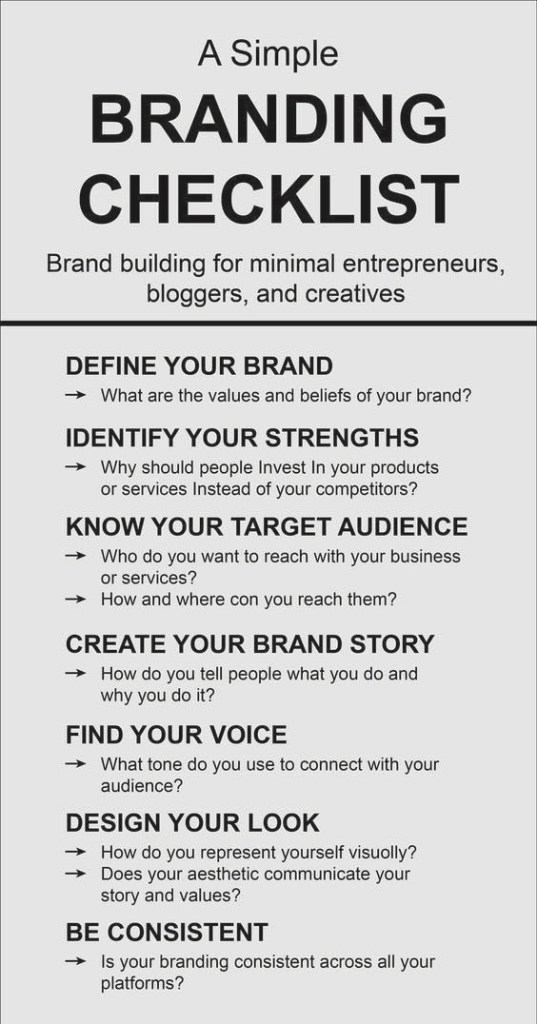
Brands are far more than just logos or commercial entities. They are symbols of the values, ideals, and emotions we carry with us throughout our lives.
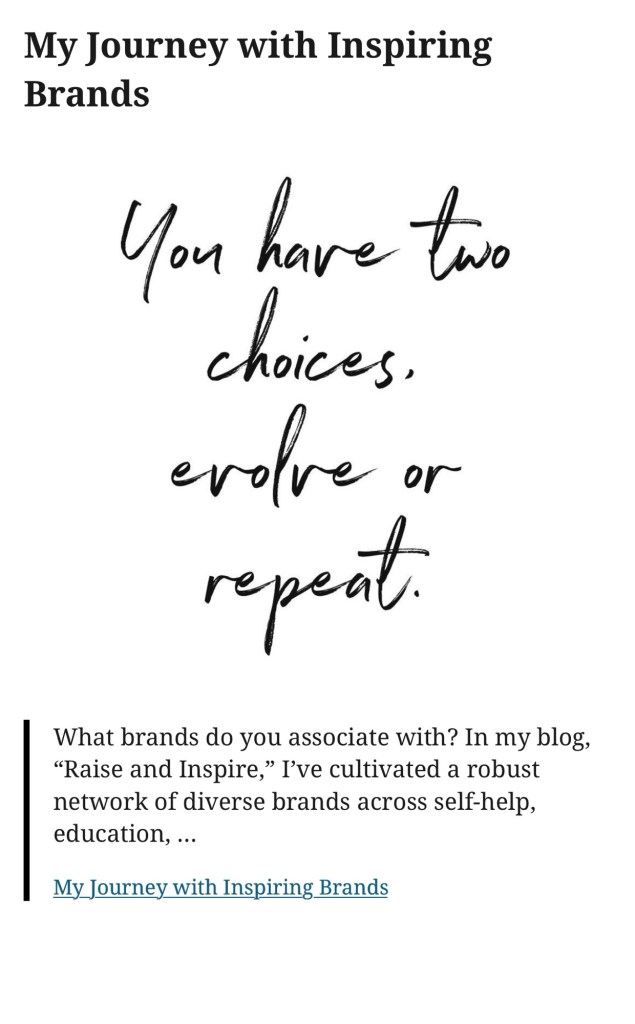
When I first saw today’s WordPress prompt, “What brands do you associate with?” my mind flashed back to the same question posed a year ago. Back then, I shared a straightforward reflection on the various brands I engage with through my blog, Rise&Inspire. But this time, I wanted to take a completely different approach, diving deeper into what these brands actually mean to me. What if the brands I associate with aren’t simply products I use or partnerships I’ve fostered? What if they are reflections of who I am—of my identity, my values, and even the philosophies that shape my life?
Today, I’m exploring brands from a perspective that goes beyond logos and products. I want to look at the real brand associations—the ones that shape my daily existence and influence my journey as a human being.
Brand as a Reflection of Self-Identity: What They Say About Us
I’ve come to realize that the brands we choose to associate with are more than just logos slapped on products; they’re symbols that reflect our values, aspirations, and even our personalities. When I think of the brands I engage with daily—whether it’s technology companies, wellness platforms, or educational institutions—I can’t help but notice how they align with the core elements of my own identity.
In many ways, I believe we are the brands we choose. Take my relationship with brands that focus on personal development, like TED or Coursera. They aren’t simply tools for learning—they represent my lifelong commitment to growth and the belief that knowledge is transformative. Every time I engage with these platforms, I’m reaffirming that part of myself that is always seeking to learn, to grow, and to inspire others to do the same.
Much like a story’s protagonist, we’re all characters developing over time, and the brands we choose are, in a sense, part of our character arcs. For me, certain brands embody the traits of a “hero” striving for self-improvement or an “explorer” yearning for discovery. It’s no accident that the brands I associate with mirror these archetypes in my journey.
The Invisible Brands: Associations We Don’t Always Recognize
Not all brands are commercial. In fact, some of the most influential “brands” in my life aren’t companies at all. They’re ideas, philosophies, and movements that guide my thinking and behaviour.
Minimalism, for example, is a “brand” that I’ve incorporated into my lifestyle over the years. It’s not something I buy; it’s a philosophy that influences how I make decisions, how I curate my life, and how I seek clarity through simplicity. The minimalist approach helps me declutter not just my physical space, but also my mental and emotional landscapes.
In the same vein, sustainability has become another powerful “invisible brand” that I identify with. Every time I make a conscious choice to support environmentally responsible businesses or adopt eco-friendly habits, I align myself with this broader movement. These are the brands that are not advertised on billboards but are ever-present in shaping how I live.
Emotion-Driven Brands: How Feelings Influence My Brand Choices
We often think of brands as transactional—something we purchase or subscribe to. But what if I told you that many of the brands I associate with have a strong emotional resonance? My brand choices are often driven by feelings more than logic.
My attachment to Apple products stems from a similar emotional space—they remind me of innovation and creativity, two qualities I constantly strive to nurture in myself and through Rise&Inspire.
Beyond Consumption: Brands as Ideals and Philosophies
I’m not simply interested in brands because they sell products; I’m drawn to the ones that resonate with the ideals I hold dear. Brands that align with my values—like ethical practices, community development, and sustainability—are the ones that stick with me for the long haul.
Similarly, brands that champion social equity and diversity, resonate with my belief in building an inclusive community. These brands are more than businesses; they are catalysts for change, reflecting the kind of world I want to be a part of.
The Rise&Inspire Brand: Building a Personal Brand in the Modern Age
This reflection brings me to Rise&Inspire—the personal brand I’ve been building through my blog. What started as a space to share ideas and reflections has blossomed into a platform that represents positivity, growth, and resilience. Just like the brands I associate with, Rise&Inspire is a reflection of my values and beliefs.
I’ve always believed that personal branding isn’t about what you do; it’s about why you do it. Through Rise&Inspire, I aim to cultivate a space where readers can feel empowered to live their best lives, align with their true purpose, and embrace personal growth.
In many ways, Rise&Inspire has become a brand that others associate with—just as I associate with the values-driven companies I admire. The trust and authenticity I’ve built with my readers are what define this brand.
Conscious Consumption: Curating My Brand Associations
Over the years, I’ve become more intentional about the brands I allow into my life. It’s not about consumerism anymore—it’s about curating my life to align with my values and aspirations.
I remember a time when I was heavily invested in fast fashion, drawn in by the allure of low prices and trendy designs. However as my values shifted towards sustainability and conscious consumption, I realized that this brand association no longer served me. I made the conscious choice to part ways with those brands, seeking instead ones that reflected my new understanding of ethical responsibility.
This act of “decluttering” brands from my life has been a powerful practice in aligning my daily choices with the person I aspire to be.
What the Future Holds: Evolving Brand Associations
As I continue to evolve, I know that the brands I associate with will change as well. Just as my values and priorities have shifted over time, so too will the brands that reflect my identity.
I invite you to take a moment and reflect on your brand associations. What do they say about who you are today, and who you hope to become? Are there brands that no longer resonate with you, or ones you’re excited to welcome into your life?
Conclusion: More Than Just Logos—Brands as Lifelong Companions
In the end, brands are far more than just logos or commercial entities. They are symbols of the values, ideals, and emotions we carry with us throughout our lives. As I continue to journey through personal and professional growth, I’ll remain mindful of the brands that shape my story, ensuring that they reflect not just where I’ve been, but where I’m headed.
When I first saw today’s WordPress prompt, “What brands do you associate with?” my mind flashed back to the same question posed a year ago. Back then, I shared a straightforward reflection on the various brands I engage with through my blog, Rise&Inspire.
Call to Action: Join the Conversation!
Now I turn the conversation over to you. What brands do you associate with, and how do they reflect your journey? I’d love to hear your thoughts—let’s explore this idea together!
Share a lesson you wish you had learned earlier in life.
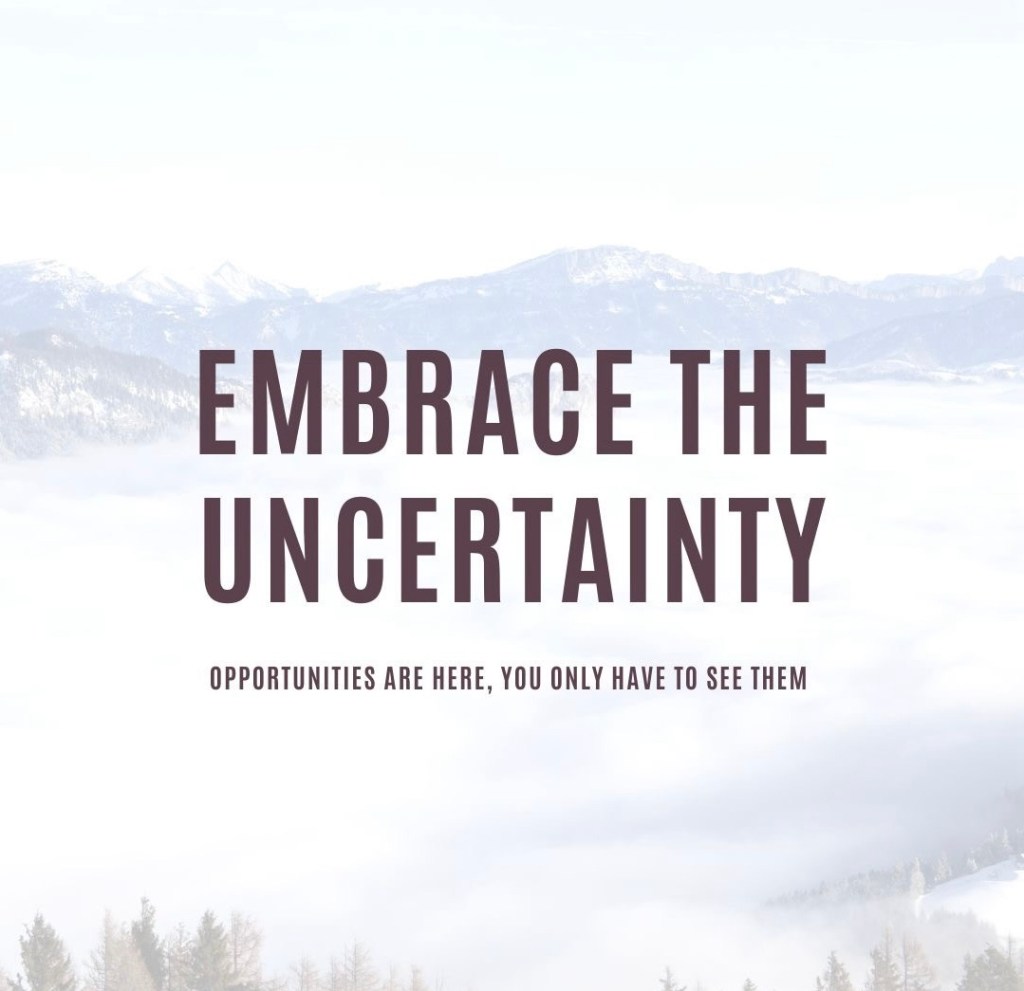
If there’s one thing I wish I had learned earlier, it’s that the only true certainty in life is its uncertainty.
Mastering the Art of Embracing Uncertainty: A Lesson I Wish I Had Learned Sooner
1. Opening Hook: The Illusion of Certainty
“What if the greatest certainty in life is uncertainty itself?”
This question used to unsettle me. Like most people, I grew up believing that the key to success was planning every step, preparing for every possible outcome, and staying in control. But life—unpredictable, chaotic, and often uncontrollable—had other plans. If I could go back, the one lesson I would teach my younger self is this: embrace uncertainty. It’s not an enemy to avoid but a powerful force that can lead to personal growth, freedom, and creativity.
2. Introduction: The Early Years of Chasing Stability
For much of my life, I thought success and happiness were directly linked to having a clear, predictable path. Society and culture teach us that certainty equates to security, so I followed the well-worn path: structured goals, well-thought-out plans, and a firm grip on every detail. The lesson I wish I had learned sooner is that trying to control everything leads to stress, disappointment, and missed opportunities.
It’s easy to confuse certainty with safety, but in reality, it’s just a comforting illusion. The more I sought control, the more anxious I became. Yet, I resisted what life was trying to show me all along: uncertainty is inevitable—and it’s okay.
3. The Struggle with Uncertainty: My Unyielding Quest for Control
I used to think that controlling every aspect of my life would shield me from failure or disappointment. Whether it was in my career, relationships, or personal goals, I believed that if I could anticipate every outcome, I could avoid mistakes. But I soon realized that life doesn’t work that way.
A major turning point came when a meticulously planned career move didn’t go as expected. I felt betrayed by the unpredictability of life—after all, I had done everything “right.” The frustration, anxiety, and stress that followed were signs of my deep-rooted belief that certainty was essential for success.
Looking back, I see how futile that mindset was. Life doesn’t conform to our carefully laid-out plans, and the more we cling to them, the harder it becomes to adapt when things inevitably shift.
4. The Shift: When Life Forced Me to Let Go
One of the most pivotal moments in my life came unexpectedly, as it often does. I was presented with an opportunity that, on paper, didn’t align with my carefully thought-out plan. My instinct was to reject it—after all, it didn’t fit into my “safe” vision for the future. But for the first time, I allowed myself to lean into the unknown. I took a leap, and the experience taught me more than I could have ever learned from sticking to the plan.
In that moment, I realized that uncertainty wasn’t something to fear—it was something to embrace. It was a gateway to possibilities I hadn’t even considered. By loosening my grip on control, I found freedom, creativity, and growth that I never would have discovered had I stayed on the rigid path I’d set for myself.
5. The Lesson: Embracing Uncertainty as a Path to Growth
Once I began to embrace uncertainty, my entire perspective shifted. Instead of fearing the unknown, I started seeing it as a space of possibility. Opportunities that I might have previously dismissed suddenly became exciting challenges. The more I let go of my need to control, the more I was able to truly experience life’s richness.
One key idea that reshaped my thinking is the concept of adaptive resilience. Resilience isn’t just about bouncing back from adversity; it’s about thriving in ambiguity. Learning to adapt in the face of uncertainty made me stronger, more flexible, and, ultimately, more fulfilled.
In hindsight, the lesson is simple: Life isn’t meant to be controlled—it’s meant to be experienced. By embracing the unknown, we open ourselves up to new perspectives, relationships, and possibilities.
6. Practical Steps: How You Can Learn to Embrace Uncertainty
This shift in perspective didn’t happen overnight. It took time, reflection, and small steps. Here’s what helped me—and what might help you—learn to embrace uncertainty in life:
Shift Your Mindset: See Uncertainty as Opportunity
Start by reframing uncertainty as a space for growth. Every uncertain moment is a chance to learn something new about yourself or the world.
Practice Letting Go: Focus on What You Can Control
Letting go doesn’t mean you stop caring. It means releasing the unrealistic expectation that everything will go exactly as planned. Start with small decisions—let go of controlling every detail and trust the process.
Be Open to Experimentation: Try Without Expectation
Start exploring without attaching yourself to specific outcomes. Whether it’s a new hobby, career change, or relationship, allow yourself to try new things without the pressure of guaranteed success.
Find Comfort in Discomfort: Build Emotional Resilience
Learn to sit with discomfort. Uncertainty can feel unsettling, but developing mindfulness and self-awareness can help you remain grounded in times of ambiguity. Practices like journaling, meditation, or deep breathing can help.
Focus on the Process, Not the Result: Enjoy the Journey
Instead of fixating on achieving specific results, focus on the experience itself. Life is more fulfilling when we engage in the present, allowing ourselves to appreciate each moment as it comes.
7. The Role of Faith: Trusting in Something Greater (Optional)
If I’m being completely honest, faith has played a major role in my journey to embrace uncertainty. Trusting in something greater than myself allowed me to find peace in not knowing. Whether you turn to religion, spirituality, or a sense of universal connection, having faith in something larger can provide a sense of calm amidst life’s unpredictability.
8. Conclusion: The Gift of Uncertainty
If there’s one thing I wish I had learned earlier, it’s that the only true certainty in life is its uncertainty. We can plan all we want, but the future will always remain unknown—and that’s not something to fear. Embracing uncertainty has allowed me to grow in ways I never thought possible.
This lesson is one that keeps unfolding. Even today, I remind myself to lean into the unknown, to trust in the journey, and to find joy in life’s unpredictable beauty. So if you’re like I was—gripping tightly to control—I encourage you to let go, just a little, and see what happens. The unknown might just be the most exciting part of life.
9. Call to Action: Your Turn to Embrace the Unknown
Have you ever experienced a moment when you had to let go of control and embrace uncertainty? How did it change your life? I’d love to hear your stories in the comments.
Let’s explore together how we can grow through life’s unpredictability and support each other in navigating the unknown.
This approach not only shifts the lesson from practical advice (like financial literacy) [ Today’s prompt is a repeat of one I responded to on September 18, 2023.] to a more abstract, philosophical reflection on life’s unpredictability but also presents it as a deeply personal, first-person narrative. By embracing uncertainty, the post offers an innovative perspective that’s both relatable and inspiring to readers.
For more inspiration and practical insights, visit Rise&InspireHub and explore ways to live out these teachings in your everyday life.