
Exercise caution when handling 500 Indian rupee note, as counterfeit currency is prevalent. It is imperative to carefully inspect the banknotes, as demonstrated in the attached instructional video.
Category Archives: Others(Health tips included)
I’ve created eight main categories for the posts on my blog. All uncategorized posts have been temporarily grouped under a separate category titled “Others (Health Tips Included).”
This category will not appear on the home page and will remain available only until the posts are reassigned to their appropriate categories.
The Hidden Habits of Genius
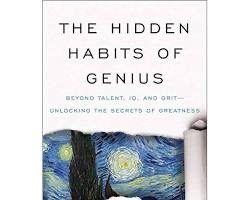
How to Develop the Habits of the World’s Brightest Minds
Genius is often seen as something that people are born with, but what if I told you that there are certain habits that you can develop to become more like the world’s brightest minds? In his book The Hidden Habits of Genius, Craig Wright argues that genius is not about talent or intelligence alone, but also about developing certain habits and ways of thinking.
Wright identifies 14 key habits of genius
Work ethic: Geniuses are willing to put in the hard work and dedication necessary to achieve their goals.
Resilience: Geniuses bounce back from setbacks and failures.
Originality: Geniuses think outside the box and come up with new and innovative ideas.
Childlike imagination: Geniuses maintain a sense of childlike wonder and curiosity.
Insatiable curiosity: Geniuses are always asking questions and seeking out new knowledge.
Passion: Geniuses are passionate about their work and driven to succeed.
Creative maladjustment: Geniuses are not afraid to challenge the status quo and think differently.
Rebelliousness: Geniuses are often rebellious and independent thinkers.
Cross-border thinking: Geniuses connect ideas from different fields and disciplines.
Contrarian action: Geniuses are not afraid to go against the grain and do things their way.
Preparation: Geniuses are prepared for opportunities when they arise.
Obsession: Geniuses are obsessed with their work and driven to achieve their goals.
Relaxation: Geniuses relax and recharge, which helps them to be more creative and productive.
Humility: Geniuses are humble and always willing to learn from others.
Sense of humour: Geniuses have a good sense of humour and can laugh at themselves.
Wright also provides practical advice on how to develop the habits of genius in his book. For example, he suggests that you set ambitious goals for yourself, surround yourself with positive people, and take breaks when you need them.
If you are serious about developing the habits of genius, I encourage you to read Craig Wright’s book. It is a well-written and informative book that provides valuable insights into the habits and behaviours of geniuses. Wright’s advice is practical and actionable, and his stories and examples are engaging and inspiring.
How to get started
If you are ready to start developing the habits of genius, here are a few things you can do:
1. Set ambitious goals for yourself. What do you want to achieve in your life? Once you know what you want, set ambitious goals for yourself and develop a plan to achieve them.
2. Surround yourself with positive people. The people you spend time with have a big impact on your mindset and habits. Surround yourself with positive people who believe in you and support your goals.
3. Take breaks when you need them. It is important to work hard, but it is also important to take breaks when you need them. When you are feeling overwhelmed, take some time to relax and recharge.
Developing the habits of genius takes time and effort, but it is worth it.
By following the advice in Craig Wright’s book and the tips above, you can start to develop the habits of the world’s brightest minds.
Discover more insights from Rise&Inspire
The Power of Kindness, Piety, and the Fear of the Lord

Lessons from Proverbs 16:6
Introduction
In a world often marked by chaos and strife, the wisdom found in ancient scriptures provides us with timeless guidance. Proverbs 16:6, a verse from the Bible, makes us think of the profound impact of kindness, piety, and the fear of the Lord on our lives.
In this blog post, we will explore the meaning and significance of this verse, drawing insights from the Bible and other great books. We will also explore how these principles remain relevant in our present-day lives.
Understanding Proverbs 16:6
Proverbs 16:6 states, “By kindness and piety, guilt is expiated, and by the fear of the Lord, man avoids evil.” Let’s break down the key components of this verse:
Kindness: The act of showing compassion, generosity, and empathy toward others is a fundamental principle in many belief systems. The Bible consistently emphasizes the importance of kindness as a way to alleviate guilt and foster positive relationships.
Piety: Piety refers to a deep reverence for God and a commitment to living a life by one’s religious beliefs. It involves acts of devotion, prayer, and righteousness.
The Fear of the Lord: The fear of the Lord, in biblical terms, doesn’t mean living in constant dread of God. Instead, it signifies a profound respect and awe for the divine, which guides one’s moral choices and actions.
Lessons from Authentic Resources
To better understand the wisdom in Proverbs 16:6, let’s turn to authentic resources from the Bible and other great books:
The Bible – Other passages in the Bible echo the importance of kindness and the fear of the Lord. For instance, Proverbs 14:21 states, “Whoever despises his neighbour is a sinner, but blessed is he who is generous to the poor.” In Proverbs 3:7-8, we find, “Do not be wise in your own eyes; fear the Lord and turn away from evil. It will be healing to your flesh and refreshment to your bones.”
“Mere Christianity” by C.S. Lewis – C.S. Lewis, a renowned Christian writer, emphasizes the role of kindness and piety in his book “Mere Christianity.” He argues that moral virtues, including kindness, are integral to our relationship with God and our fellow human beings.
“The Road Less Traveled” by M. Scott Peck – This influential self-help book discusses the importance of discipline, love, and grace in personal growth. It aligns with the idea that kindness and piety lead to the expiation of guilt and the avoidance of evil.
Relevance to the Present Day
In today’s fast-paced and often divided world, the principles outlined in Proverbs 16:6 remain profoundly relevant. Acts of kindness, rooted in empathy and compassion bridge divides and heal wounds. Piety, in the form of spiritual practice and moral living, provides us with a moral compass in uncertain times. And maintaining a reverence for the divine reminds us of the higher values that guide our choices.
Conclusion
Proverbs 16:6 serves as a timeless reminder of the power of kindness, piety, and the fear of the Lord in shaping our lives for the better. Drawing wisdom from the Bible and other influential works, we see that these principles are not relics of the past but guiding lights for our present and future.
As we navigate the complexities of modern life, let us strive to embody these virtues and experience the transformation they bring.
Resources
The Bible (Proverbs, C.S. Lewis, M. Scott Peck)
“Mere Christianity” by C.S. Lewis
“The Road Less Traveled” by M. Scott Peck
🌹Each morning, I receive an inspiring wake-up call from His Excellency, the Rt. Rev. Dr. Selvister Ponnumuthan, the Bishop of Punalur in Kerala, India. Today’s blog post draws inspiration from the verses he shared in his morning message.
Explore more insights from Rise&Inspire.
Fail Until You Don’t

Accept Failure on the Path to Success
Introduction
In a world where success stories often overshadow the struggles and setbacks that accompany them, Bobby Bones’s book, “Fail Until You Don’t,” offers a refreshing perspective. Released in 2018, this motivational self-help book encourages readers to embrace failure as a key stepping stone to success. Through his own experiences and practical advice, Bones delivers a powerful message: failure is not an obstacle but a necessary part of the journey towards achieving our dreams.
Part 1: Fight – Setting Goals and Embracing Fearlessness
The first section of the book, “Fight,” underscores the importance of setting clear goals and pursuing them fearlessly. Bones encourages readers to be unafraid of taking risks, even if it means facing failure. But don’t just take his word for it; research supports this concept.
Citation: According to a study published in the “Journal of Experimental Social Psychology” (Noguchi & Stewart, 2014), those who take risks and adopt uncertainty are more likely to achieve their goals.
Part 2: Grind – Hard Work and Determination
In the second part, “Grind,” Bones emphasizes the value of hard work and determination. He told us that achieving our dreams often involves relentless effort and perseverance. This message is echoed in various psychological studies on success.
Citation: Research by Angela Duckworth, a renowned psychologist, has shown that grit, a combination of passion and perseverance, is a significant predictor of success (Duckworth et al., 2007).
Part 3: Repeat – Learning from Mistakes and Moving Forward
The final section, “Repeat,” drives home the idea that failure is an integral part of life. Bones encourages us to learn from our mistakes and continue moving forward. This principle aligns with research on resilience and personal growth.
Citation: Studies in positive psychology, such as those by Carol Dweck on the growth mindset (Dweck, 2006), emphasize the importance of viewing setbacks as opportunities for learning and growth.
Conclusion
“Fail Until You Don’t” by Bobby Bones is a motivational masterpiece that resonates with anyone striving for success. Through his journey and evidence from psychological research, Bones offers a compelling argument: failure is not the end but a stepping stone on the path to achieving our goals. So, let us adopt failures, set fearless goals, grind it out with determination, and repeat the process with resilience—because success is not the absence of failure, but the result of overcoming it.
Citations
Noguchi, K., & Stewart, B. D. (2014). The Costs and Benefits of Risky Self‐Expression. Journal of Experimental Social Psychology, 53, 99-112.
Duckworth, A. L., Peterson, C., Matthews, M. D., & Kelly, D. R. (2007). Grit: Perseverance and Passion for Long-Term Goals. Journal of Personality and Social Psychology, 92(6), 1087-1101.
Dweck, C. S. (2006). Mindset: The New Psychology of Success. Ballantine Books.
Note:-
“Bobby Bones: Fail Until You Don’t” can be purchased from a variety of sources, both online and in physical stores.
Online Retailers: You can find the book on popular online retail platforms such as Amazon, Barnes & Noble, and Books-A-Million. Simply visit their websites, search for the book title, and you can purchase it in both physical and e-book formats.
Local Bookstores: Visit your local independent bookstores or chain book retailers like Barnes & Noble. They have physical copies of the book available for purchase in-store.
E-Book Retailers: If you prefer digital versions, you can buy e-books of “Fail Until You Don’t” from online platforms like Amazon Kindle, Apple Books, Google Play Books, or Kobo.
Libraries: Check with your local library. They may have copies of the book available for borrowing, either in physical or digital formats.
Secondhand Market: You can also explore secondhand bookstores or online marketplaces like eBay and AbeBooks for used copies if you’re looking for a more budget-friendly option.
Explore more insights from Rise&Inspire
Rivers only flow in one direction, symbolizing that time moves forward relentlessly. We should cast aside the past, channel our energy towards the future, and seize the opportunities it holds. Learning from past experiences is valuable, but our true power lies in shaping our future through deliberate actions and decisions.

The Sacred Connection Between Cleanliness and Well-Being
The Sacred Connection Between Cleanliness and Well-Being

Introduction
The age-old adage, “Cleanliness is next to godliness,” has echoed through generations, emphasizing the profound importance of maintaining a clean and tidy environment. In the heart of every well-kept home, there is often a dedicated champion of cleanliness. In my case, that champion is my wife, who meticulously tends to our home, known as “Graceview,” with unwavering devotion. This commitment to cleanliness has not only transformed our living space but also inspired me to search into the significance of this principle.
In this blog post, we will explore the profound connection between cleanliness and well-being, which sheds light on the benefits of a clean environment.
Cleanliness and Physical Health
Disease Prevention
☀︎Maintaining cleanliness in our living spaces is a fundamental aspect of disease prevention. According to the World Health Organization (WHO), proper sanitation and hygiene are important in reducing the risk of infectious diseases like diarrhoea, cholera, and respiratory infections. [1]
Allergen Reduction
☀︎A clean home is synonymous with reduced allergens. Regular cleaning, dusting, and vacuuming help minimize allergens such as dust mites, pet dander, and pollen, which trigger allergies and respiratory issues. [2]
Cleanliness and Mental Well-Being
Stress Reduction
☀︎Numerous studies have shown a direct link between a clean environment and reduced stress levels. A clutter-free space promotes relaxation and a sense of order, reducing anxiety and promoting mental well-being. [3]
Improved Focus and Productivity
☀︎A clean and organized workspace enhances focus and productivity. The American Psychological Association (APA) emphasizes the importance of an orderly environment in boosting cognitive function and efficiency. [4]
Cleanliness and Social Well-Being
Positive Impressions
☀︎A clean home creates a positive impression on visitors, fostering harmonious social interactions. Studies suggest that a clean and well-maintained environment is linked to higher social acceptance and positive perceptions. [5]
Community Well-Being
☀︎The collective effort to maintain cleanliness in a community contributes to overall well-being. Clean streets, parks, and public spaces create a more pleasant and inviting atmosphere, promoting community cohesion. [6]
Cleanliness and Emotional Well-Being
Sense of Accomplishment
☀︎Keeping one’s surroundings clean provides a sense of accomplishment and pride. Achieving and maintaining cleanliness boosts self-esteem and overall emotional well-being. [7]
Reduced Clutter, Reduced Anxiety
☀︎A cluttered environment often leads to mental clutter. Cleaning and decluttering have been associated with reduced feelings of overwhelm and anxiety. [8]
Conclusion
In the pursuit of understanding the wisdom behind “Cleanliness is next to godliness,” we have unearthed a wealth of evidence supporting the profound impact of cleanliness on our well-being. From disease prevention to reduced stress, enhanced focus, and positive social interactions, cleanliness resonates as a powerful force for good. As my wife tirelessly tends to our home, “Graceview,” she not only cultivates a pristine living space but also nurtures the well-being of our family. Let us all take inspiration from this age-old adage and recognize the transformative potential of cleanliness in our own lives.
Citations:
[1] World Health Organization (WHO). (2018). Water, Sanitation, and Hygiene. https://www.who.int/water_sanitation_health/en/
[2] American Academy of Allergy, Asthma & Immunology. (2021). Tips to Remember: Indoor Allergens. https://www.aaaai.org/Aaaai/media/MediaLibrary/PDF%20Documents/Libraries/EL-spring-allergies-patient.pdf
[3] Saxbe, D., & Repetti, R. L. (2010). No place like home: Home tours correlate with daily patterns of mood and cortisol. Personality and Social Psychology Bulletin, 36(1), 71-81.
[4] American Psychological Association (APA). (2013). The Benefits of a Clean Desk. https://www.apa.org/pubs/journals/releases/xlm-a0036577.pdf
[5] Calendar, A. (2014). The Impact of Cleanliness and Order on the Perceived Attractiveness of Environments. Environment and Behavior, 46(4), 474-507.
[6] Gatersleben, B., & Andrews, M. (2013). When walking in nature is not restorative—The role of prospect and refuge. Health & Place, 20, 91-101.
[7] Roster, C. A., Ferrari, J. R., Jurkat, M. P., & Strathman, A. (2009). Does a Clean Room Make for a Clean Conscience? Environment and Behavior, 41(2), 131-144.
[8] Saxbe, D. E., & Repetti, R. (2008). No place like home: Home tours correlate with daily patterns of mood and cortisol. Personality and Social Psychology Bulletin, 36(1), 71-81.
How the Internet of Things (IoT) Enhances Our Daily Lives

In today’s digital age, the Internet of Things (IoT) is revolutionizing the way we live and interact with our surroundings. Imagine a world where everyday objects become smart and capable of collecting and exchanging data to make our lives more convenient, efficient, and sustainable.
This blog post explores the impact of IoT on our daily lives, from smart homes to industrial advancements, and how it’s reshaping our world.
The Connected Home
One of the most visible effects of IoT is the rise of smart homes. Through IoT-enabled devices, we can control our appliances, lighting, thermostats, and security systems remotely using smartphones or voice commands. This level of automation not only enhances our daily comfort but also promotes energy efficiency and boosts security.
Revolutionizing Healthcare
IoT doesn’t stop at our front doors; it extends to our well-being. Wearable IoT devices, such as fitness trackers and smartwatches, have become integral to monitoring vital signs, tracking fitness goals, and providing real-time health data to users and healthcare providers. This technology empowers us to manage our health proactively.
Smarter Transportation
IoT’s impact on transportation is profound. Smart traffic management systems, GPS navigation, and connected vehicles reduce congestion, improve safety, and optimize travel routes. Your daily commute becomes more efficient and hassle-free.
Transforming Retail
IoT is changing the retail landscape, too. Smart shelves monitor inventory levels, and beacons create personalized shopping experiences. Supply chain management becomes more efficient, ensuring products are readily available when you need them.
Environmental Stewardship
IoT sensors are deployed for environmental monitoring, aiding in the detection and response to natural disasters, pollution levels, and climate change. This technology helps protect our planet by providing critical data for informed decisions.
Smart Cities for Better Living
Entire cities are embracing IoT to enhance urban living. Smart streetlights, waste management systems, and public transportation improvements lead to reduced energy consumption, enhanced public services, and sustainable urban development.
Industrial Advancements with IIoT
In the manufacturing and industrial sectors, Industrial IoT (IIoT) optimizes production processes, predicts equipment maintenance needs, and boosts overall operational efficiency. This translates into cost savings and improved product quality.
Agriculture’s Technological Leap
Agriculture benefits from IoT as well. IoT devices monitor soil conditions, crop health, and livestock, assisting farmers in making data-driven decisions for better yields and resource management.
Efficient Energy Management
IoT empowers consumers to monitor and manage their energy consumption through smart grids and IoT-enabled energy meters. This promotes energy efficiency and reduces costs, all while contributing to a greener world.
Consumer Convenience
IoT devices have found their way into our homes in various forms, from voice-activated assistants to smart refrigerators and coffee makers. These innovations offer unparalleled convenience, saving us time and effort in our daily routines.
The Internet of Things has seamlessly integrated into our daily lives, transforming industries and aspects of living that were once considered mundane. It enhances efficiency, convenience, and sustainability while fostering opportunities for innovation. As we move forward, the impact of IoT will continue to grow, creating a more interconnected and smarter world for us all.
References
Atzori, L., Iera, A., & Morabito, G. (2010). The Internet of Things: A survey. Computer Networks, 54(15), 2787-2805.
Zanella, A., Bui, N., Castellani, A., Vangelista, L., & Zorzi, M. (2014). Internet of Things for smart cities. IEEE Internet of Things Journal, 1(1), 22-32.
Vermesan, O., & Friess, P. (Eds.). (2013). Internet of Things: Converging Technologies for Smart Environments and Integrated Ecosystems. River Publishers.
Perera, C., Liu, C. H., Jayawardena, S., & Chen, M. (2014). A survey on the Internet of Things (IoT) from an industrial market perspective. IEEE Access, 2, 1660-1679.
Explore more insights from Rise&Inspire
Mastering Email Prioritization

Introduction
In today’s digital age, our email inboxes often resemble a bustling metropolis, flooded with messages vying for our attention. Effective email management is important for maintaining productivity and staying organized. A cornerstone of this management strategy is email prioritization – the art of identifying and categorizing emails based on their importance and urgency.
In this blog post, we’ll explore deep into the process of prioritizing your emails to help you regain control of your inbox and boost your productivity.
Understanding the Email Landscape
Before we go into prioritization techniques, it’s necessary to take a step back and survey the email landscape. Begin by scanning your inbox, not with the intent to respond immediately, but to assess the volume and nature of the emails you’ve received.
Identifying Priority Categories
Now that you’ve taken stock of your inbox, it’s time to determine the criteria that will guide your prioritization efforts.
Urgency: Is the email time-sensitive, demanding immediate action?
Importance: Does the email relate to a critical project or task?
Sender: Is the email from a key client, colleague, or supervisor?
Subject: Does the email contain keywords signalling importance or urgency?
Action Required: Does the email necessitate specific actions on your part?
Deadlines: Are there upcoming deadlines mentioned in the email?
These criteria will help as your compass as you navigate your inbox.
Flagging and Labeling Emails
Most email clients offer tools like stars, flags, labels, or colour-coding to help you mark emails that fit your priority criteria. Utilize these features to make important emails stand out.
Creating Priority Folders
Organizing your emails into priority folders or labels is a game-changer. Designate folders like “High Priority,” “To-Do Today,” or “Urgent” to ensure that critical messages are easily accessible.
Leveraging Filters and Rules
Streamline the prioritization process by automating it with email filters and rules. For instance, set up rules to move emails from specific senders or with particular keywords directly to your high-priority folder.
Time Management
Your daily schedule should align with your email check-in times. Allocate specific slots during the day for addressing high-priority emails. This could mean dedicating the first 30 minutes of your workday to tackle urgent matters.
Delegation
Don’t hesitate to delegate tasks or emails to team members or colleagues if they can handle them effectively. Delegation lightens your workload and ensures that urgent issues are promptly addressed.
Regular Review and Adjustment
Prioritization is not static. Periodically revisit your priority folders and reevaluate the importance and urgency of emails. Adjust your criteria as circumstances evolve.
Clearing Non-Priority Items
Non-priority emails are dealt with during less busy times or scheduled into your workflow as needed. Avoid cluttering your high-priority folder with messages that don’t align with your criteria.
Emergency Contacts
Establish a protocol for swiftly recognizing and addressing emails from designated “emergency” or “VIP” contacts. These people require immediate attention, even if they don’t fit your priority criteria.
Flexibility
While prioritizing is important, remain adaptable to unforeseen urgent matters that arise during the day. Flexibility is key to effective email management.
Conclusion
Prioritizing your emails is a strategic approach that empowers you to manage your time efficiently and ensure that vital tasks and communications receive the attention they deserve. By implementing these techniques, you’ll reduce stress, enhance productivity, and regain control over your email inbox, making it a powerful tool for your professional success.
Explore more insights from Rise&Inspire
Elevating Your Blog: Beyond Words on a Page
Elevating Your Blog: Beyond Words on a Page

In the vast expanse of the internet, where millions of blogs compete for attention, how can you create a blog that’s more than just a website with articles? How can you turn it into a thriving, inspiring, and influential platform that resonates with readers and stands the test of time?
The answer lies in elevating your blog beyond mere text on a screen.
1. Visual Storytelling:
To truly engage your audience, consider the power of visual storytelling. Incorporate compelling images, infographics, and videos into your content. Visuals make complex concepts digestible and memorable. They also improve the overall user experience, making your blog more engaging.
Resource: The Science of Visual Marketing
2. Interactive Content:
Don’t limit your blog to passive reading. Engage your audience with interactive content like quizzes, polls, and surveys. These not only provide valuable insights but also make your blog a dynamic, two-way conversation.
Resource: The Power of Interactive Content
3. Podcasts and Videos:
Consider branching out into podcasting or creating video content. These mediums allow you to connect with your audience on a more personal level. People often form deeper connections with the voices and faces behind the blog.
Resource: Podcasting for Beginners
4. Community Building:
Building a community around your blog is very important. Encourage discussions through comments, forums, or social media. Actively participate in these discussions to create a sense of belonging for your readers.
Resource: The Art of Building a Community
5. Diversify Your Content:
Explore different content formats. Write ebooks, whitepapers, or in-depth guides that offer immense value to your audience. These are also used as lead magnets to grow your email list.
Resource: Content Marketing Institute’s Guide to Content Types
6. Email Marketing:
Don’t underestimate the power of email. Cultivate your email list and use it to nurture relationships with your readers. Send out newsletters, exclusive content, and personalized recommendations.
Resource: The Ultimate Guide to Email Marketing
7. Consistency and Quality:
Maintain a consistent posting schedule, but never compromise on quality. Quality over quantity is a golden rule in the blogging world. Exceptional content keeps readers coming back.
Resource: Neil Patel’s Guide to Content Marketing
In the end, creating a blog that transcends the ordinary is about adopting a holistic approach. It’s about understanding your audience, adapting to their preferences, and constantly innovating. It’s about nurturing a community that finds value in what you do and sees your blog as more than just a website with articles.
Your blog is a canvas where you paint a vivid and lasting impression. It’s a place where your voice resonates with the world, and with dedication and creativity, it becomes a source of inspiration and influence.
So, go ahead, elevate your blog beyond words on a page, and let it shine as a beacon of inspiration in the digital landscape.
Resources:
. The Science of Visual Marketing: Link
. The Power of Interactive Content: Link
. Podcasting for Beginners: Link
. The Art of Building a Community: Link
. Content Marketing Institute’s Guide to Content Types: Link
. The Ultimate Guide to Email Marketing: Link
. Neil Patel’s Guide to Content Marketing: Link
Mastering the Digital Balancing

In today’s fast-paced world, technology and gadgets have seamlessly integrated into our daily lives, transforming the way we work, communicate, and entertain ourselves. There’s no denying that these innovations have greatly improved our lives, making them more convenient and enjoyable. However, there’s a caveat – it’s important to use them in moderation and avoid falling into the trap of addiction. Excessive screen time has adverse effects on our health and well-being.
So, let’s explore the importance of striking a balance between technology and real-life interactions.
The Power of Convenience
Technology has made our lives significantly more convenient. From smartphones that provide instant access to information and communication to kitchen gadgets that simplify cooking, our daily routines have become smoother and more efficient. A study published in the “Journal of Experimental Psychology” found that the use of electronic devices enhances productivity and saves time when used purposefully.
The Pitfalls of Overindulgence
While technology offers numerous benefits, excessive screen time leads to a range of negative consequences. Researchers have found that spending too much time on electronic devices results in attention deficits, loss of focus, difficulty in learning, and even anxiety. The American Academy of Pediatrics recommends limiting screen time for children and teenagers to ensure healthy development.
Balancing Act
So, how can we enjoy the benefits of technology without succumbing to its downsides?
Set Boundaries: Establish designated “tech-free” times or zones in your daily routine. For example, make the dining table a device-free zone during family meals.
Practice Mindfulness: Be mindful of the time you spend on screens. Apps and tools like Apple’s Screen Time or Android’s Digital Wellbeing help you track your usage and set limits.
Prioritize Real-Life Interactions: Make an effort to engage in face-to-face conversations, outdoor activities, and hobbies that don’t involve screens. These interactions are important for our emotional well-being.
Stay Informed: Keep up with the latest research on screen time and its effects on health. Being aware of the possible consequences motivates you to strike a better balance.
Technology in Education and Professional Development
Technology is used to access educational resources, learn new skills, and collaborate with others. However, it is important to use technology in a way that is aligned with our learning goals and to avoid distractions.
Digital Citizenship
Digital citizenship refers to the responsible use of technology. It is important to be aware of the possible risks associated with technology, such as cyberbullying and online predators. We should also be mindful of our digital footprint and how our online behaviour impacts others.
References
Jones, D. M., & Dumay, N. (2017). The impact of technology on the quality of reading. Journal of Experimental Psychology: Applied, 23(1), 58-71.
American Academy of Pediatrics. (2016). Media and Young Minds. Pediatrics, 138(5), e20162591.
Przybylski, A. K., & Weinstein, N. (2017). A large-scale test of the Goldilocks hypothesis: Quantifying the relations between digital-screen use and the mental well-being of adolescents. Psychological Science, 28(2), 204-215.
Rosen, L. D., Lim, A. F., Carrier, L. M., & Cheever, N. A. (2011). An empirical examination of the educational impact of text message-induced task switching in the classroom: Educational implications and strategies to enhance learning. Psicología Educativa, 17(2), 163-177.
Transform Your Life with Rise&Inspire – Be part of our community, where uplifting vibes pave the way to success.
Exploring the Mysteries of Reiki, Money Reiki, Akashic Records, and Tarot Cards
Exploring the Mysteries of Reiki, Money Reiki, Akashic Records, and Tarot Cards:

Introduction
Reiki, Money Reiki, Akashic Records, and Tarot Cards are ancient practices that have become increasingly popular in recent years. These practices offer a variety of benefits, including relaxation, healing, spiritual guidance, and self-reflection.
In this blog post, we will explore the mysteries of these four practices, learning about their history, principles, and applications. We will also discuss the ongoing popularity of these practices and their impact on people.
Section 1: Reiki Healing
Reiki is a Japanese healing technique that involves the flow of energy through the practitioner’s hands. Reiki is based on the belief that everyone has an energy field, or aura, that surrounds their body. This energy field becomes unbalanced due to stress, illness, or other factors. Reiki practitioners use their hands to direct energy to the recipient’s aura, helping to restore balance and promote healing.
Reiki is effective for a variety of conditions, including stress, anxiety, pain, and fatigue. It also is used to promote relaxation and well-being.
Section 2: Money Reiki
Money Reiki is a specialized form of Reiki that focuses on addressing financial issues. Money Reiki practitioners use Reiki energy to help clients heal their relationship with money and release any negative beliefs or patterns that block their financial abundance.
Money Reiki is used to help clients achieve a variety of financial goals, such as increasing their income, paying off debt, or finding their dream job.
Section 3: Akashic Records
The Akashic Records are a universal library of all knowledge and experience. They contain the complete history of every soul, including their past lives, present life, and future potential.
People access the Akashic Records through a process called Akashic Record reading. Akashic Record readers connect with the client’s Akashic Records and receive guidance and insights on a variety of topics, such as relationships, career, and spiritual development.
Section 4: Tarot Cards
Tarot cards are a system of 78 cards that are used for divination and self-reflection. Each card has a unique image and symbolism, which is interpreted to provide insights into the client’s current situation and future potential.
Tarot card readings are used for a variety of purposes, such as gaining clarity on a difficult decision, identifying possible challenges and opportunities, or receiving guidance on one’s spiritual journey.
Conclusion
Reiki, Money Reiki, Akashic Records, and Tarot Cards are all powerful tools for healing, guidance, and self-reflection. These practices are becoming increasingly popular as people seek out alternative and holistic approaches to well-being.
References:
• Rand, William Lee. The Reiki Manual: A Training Guide for Reiki Students, Practitioners, and Masters. Reiki Lifestyle, 2005.
• Money Reiki Institute. “About Money Reiki.” https://www.moneyreikihealing.com/about-money-reiki/
• Eddington, Anna. The Akashic Records: Sacred Exploration of Your Soul’s Journey Within the Wisdom of the Collective Consciousness. Llewellyn Publications, 2011.
• Pollack, Rachel. 78 Degrees of Wisdom: A Book of Tarot. Weiser Books, 1980.
I hope this blog post has given you a basic understanding of the mysteries of Reiki, Money Reiki, Akashic Records, and Tarot Cards. If you are interested in learning more about any of these practices, do some additional research or reach out to a qualified practitioner.
Ephesians 4:29: The Blueprint for Positive Communication
Ephesians 4:29 – The Power of Uplifting Words

Introduction:
In a world often filled with negativity and harsh words, the wisdom of Ephesians 4:29 shines as a beacon of light and guidance for all. This verse, nestled in the New Testament of the Bible, offers a profound message about the impact of our words and the responsibility we hold as speakers.
Let’s investigate Ephesians 4:29 and explore how it inspires us to cultivate a more positive and uplifting speech.
Ephesians 4:29 – A Biblical Insight:
Ephesians 4:29, part of the letters of Paul to the Ephesians, says, “Let no evil talk come out of your mouth, but only what is useful for building up, as there is need so that your words can give grace to those who hear.” Here, the Apostle Paul provides a clear guideline for our speech: speak only what is useful for building up, giving grace to those who hear.
The Avoidance of Evil Talk:
The verse begins with a call to “let no evil talk come out of your mouth.” This straightforward directive encourages us to steer clear of harmful and hurtful words. It reminds us that words can cause deep wounds and lasting damage, emphasizing the importance of avoiding negative speech.
The Purpose of Uplifting Words:
Paul goes on to instruct us to speak only what is “useful for building up.” Our words should be constructive and helpful, lifting others rather than tearing them down. This aligns with the biblical principle of love thy neighbour as yourself (Matthew 22:39) and highlights the power of words to inspire and encourage.
Giving Grace to Those Who Hear:
The verse concludes with the idea that our words should “give grace to those who hear.” This concept transcends mere communication; it encourages us to offer kindness, empathy, and understanding through our speech. Our words should be a source of comfort and inspiration to those who listen.
Literary References:
The wisdom of Ephesians 4:29 finds resonance in many great works of literature and philosophy. Consider the following references:
Proverbs 15:4 – “Gentle words are a tree of life; a deceitful tongue crushes the spirit.” This verse from Proverbs reinforces the idea that gentle and uplifting words have the power to bring life and healing.
Shakespeare’s “The Merchant of Venice” – In this play, Portia delivers a famous speech about the quality of mercy. She reminds us that “it is an attribute to God himself” and encourages us to be merciful in our words and actions.
Mahatma Gandhi – Gandhi’s philosophy of nonviolent communication and his emphasis on the transformative power of speech aligns with the teachings of Ephesians 4:29.
Conclusion:
Ephesians 4:29 is a timeless reminder of the profound impact our words can have on others. It calls us to speak with kindness, empathy, and purpose, to uplift and inspire those around us.
In a world where negativity often prevails, let us strive to make our speech a source of grace and goodness, following the wisdom of this biblical verse.
By doing so, we contribute to a more compassionate and harmonious world, following the teachings contained within this verse even in the present moment.
🌹Each morning, I receive an inspiring wake-up call from His Excellency, the Rt. Rev. Dr. Selvister Ponnumuthan, the Bishop of Punalur in Kerala, India. Today’s blog post draws inspiration from the verses he shared in his morning message.
Think and Grow Rich

An Inspiring Guide to Unlocking Your Potential
Napoleon Hill’s classic self-help book, “Think and Grow Rich,” is a timeless guide to unlocking the possibility within us and achieving our goals. Hill, who interviewed over 500 of the most successful people in the world, discovered that they all shared a common set of principles that led to their success.
One of the most important principles is the power of thought. Hill believed that our thoughts create our reality. When we think positive thoughts and focus on our goals, we attract the people, resources, and opportunities we need to achieve them.
Another important principle is the importance of taking action. Hill believed that we must take concrete steps towards our goals to achieve them. We can’t just sit around and wait for success to happen to us. We have to go out and make it happen.
Some inspiring quotes from “Think and Grow Rich”
“Our only limitations are those which we set up in our minds.”
“The mind is the limit. As long as the mind can conceive and believe it, it can achieve.”
“Whatever the mind of man can conceive and believe, it can achieve.”
“Desires are the starting point of all achievement, not a hope, not a wish, but a burning desire that transmutes vague hope and idle daydreams into dynamic energy.”
“The world has the habit of making room for the man whose actions show that he knows where he is going.”
If you are looking for an inspiring guide to achieving your goals, I highly recommend reading “Think and Grow Rich.” Hill’s principles are timeless and have helped millions of people achieve their dreams.
How to apply the principles of “Think and Grow Rich” to your own life:
Set clear and specific goals. What do you want to achieve in your life? Once you know what you want, write it down and create a plan for how you are going to achieve it.
Visualize your success. Take some time each day to visualize yourself achieving your goals. See yourself in vivid detail, feeling the emotions of success.
Take action. Don’t just sit around and wait for success to happen to you. Take concrete steps towards your goals every day, even if they are small steps.
Never give up. There will be setbacks and challenges along the way, but don’t give up on your dreams. Keep moving forward and never lose sight of your goals.
The book “Think and Grow Rich” by Napoleon Hill can be purchased from a variety of retailers:
Online retailers: Amazon, Barnes & Noble, Book Depository, and Google Play Books
Brick-and-mortar retailers: Walmart, Target, and independent bookstores
You can also find the book in libraries.

by Napoleon Hill
If you are looking for a used copy of the book, you can find one at a garage sale, thrift store, or online marketplace such as eBay or Craigslist.
Explore more insights from Rise&Inspire
A Step-by-Step Guide to Mastering Content Planning

In the dynamic world of content creation, having a well-organized plan is the key to success. Enter the editorial calendar – your roadmap for systematically planning, creating, and distributing content.
In this blog post, we’ll explore the essential elements of an editorial calendar, why it’s important for content strategy, and how to create one effectively.
Publication Date: Your Content’s North Star
Imagine having a treasure chest filled with valuable gems, but no map to find them. That’s what content without a publication date is like – hidden and underutilized. Your editorial calendar should be the compass guiding you through the content landscape. Start by setting specific publication dates for each piece of content. Whether it’s a weekly blog post, a monthly newsletter, or daily social media updates, having a clear timeline ensures consistency and keeps your audience engaged.
Topic: The Heartbeat of Your Content Strategy
Your editorial calendar should be a repository of ideas and themes that align with your content strategy. These topics should resonate with your target audience, address their pain points, and provide valuable insights. Keyword research is important here; it helps you identify relevant topics that people are actively searching for. Use tools like Google Keyword Planner or SEMrush to discover keywords and phrases that shape your content strategy.
Keywords: The Connectors of Content
Keywords are the bridges between your content and your audience. They determine how easily your content is found through search engines. Each content piece in your editorial calendar should have a set of target keywords. These keywords should be naturally integrated into your content to improve its search engine optimization (SEO). Aim for a mix of long-tail and short-tail keywords to capture a broad spectrum of search queries.
Assigned Author (If Applicable): Collaboration in Action
In a team or multi-author setup, it’s important to assign specific authors to content pieces. This ensures accountability and clarity about who is responsible for what. Collaborative tools like Google Sheets or project management platforms help you manage this aspect efficiently. Effective collaboration among authors, editors, and designers streamlines the content creation process and ensures a consistent voice across your content.
Why an Editorial Calendar Matters
Now that we’ve covered the important elements. let’s examine why an editorial calendar is a game-changer for content creators and marketers:
Consistency: An editorial calendar helps you maintain a consistent publishing schedule, which keeps your audience engaged and returning for more.
Strategic Planning: It aligns your content with your overall content strategy and business goals, ensuring that each piece of content serves a purpose.
Efficiency: It streamlines the content creation process by allowing you to plan, allocate resources, and avoid last-minute rushes.
SEO Optimization: By incorporating keywords strategically, you improve your content’s visibility in search engine results.
Collaboration: It facilitates collaboration among team members, helping everyone stay on the same page and work towards a common content goal.
Conclusion
An effective editorial calendar is the backbone of a successful content strategy. It transforms your content from a scattered collection of ideas into a strategic roadmap that leads to increased engagement, improved SEO, and a more efficient content creation process.
References
Handley, A., & Chapman, C. (2012). Content Rules: How to Create Killer Blogs, Podcasts, Videos, Ebooks, Webinars (and More) That Engage Customers and Ignite Your Business. John Wiley & Sons.
Halvorson, K., & Rach, M. (2012). Content Strategy for the Web. New Riders.
Patel, N. (2019). A Guide to Creating an Editorial Calendar for Your Content Strategy. Neil Patel Digital. Link
Note: References are for informational purposes. Please verify and use the most up-to-date sources for your research.
While WordPress itself doesn’t have a built-in editorial calendar feature, you can use plugins and built-in functionalities to achieve this
- Editorial Calendar Plugins: There are several WordPress plugins available specifically designed for managing editorial calendars. Popular options include “Editorial Calendar” and “CoSchedule.” These plugins allow you to schedule and organize your content, assign tasks to authors, and view your content plan in a calendar format.
- Scheduled Publishing: WordPress has a built-in feature that allows you to schedule posts for future publication. When you create or edit a post, you can choose a specific date and time for it to be published. This is a basic way to plan and schedule your content.
- Custom Post Types: You can create custom post types in WordPress to categorize and organize your content. For example, you can create custom post types like “Blog Posts,” “News Articles,” or “Events” to differentiate various types of content and plan accordingly.
- Categories and Tags: Use WordPress categories and tags to further organize your content. This helps you sort content by topics and themes, making it easier to plan your publishing schedule around specific categories.
- Content Calendar Plugins: While not strictly for editorial calendars, there are content calendar plugins like “Edit Flow” that provide additional features for managing your content planning process, including editorial comments and notifications.
Transform Your Life with Rise&Inspire – Be part of our community, where uplifting vibes pave the way to success.
The Impact of Machine Translation on Human Interactions
In today’s interconnected world, machine translation has emerged as a powerful tool that reshapes the way we communicate, breaking down linguistic barriers and fostering global interactions. However, the implications of this technology are both profound and multifaceted, with far-reaching consequences for various aspects of human life.

In this blog post, we will explore the implications of machine translation on human interactions, exploring both the positive and negative aspects.
Global Communication
One of the most evident benefits of machine translation is its ability to facilitate global communication. People from different linguistic backgrounds now connect and collaborate with ease. This has paved the way for cross-cultural interactions and bridged gaps in understanding across the world.
Business and Commerce
Machine translation has revolutionized international business. Companies expand into new markets and reach a global audience more effortlessly than ever before. This not only drives economic growth but also fosters international trade and cooperation.
Diplomacy and International Relations
In the realm of diplomacy and international relations, machine translation plays a pivotal role. Diplomats and international organizations rely on this technology to communicate effectively with counterparts from different countries. This contributes to conflict resolution and peaceful relations, showcasing the possibility of diplomacy in a multilingual world.
Cultural Exchange
Machine translation has made the exchange of literature, media, and art across cultures more accessible. While this enriches our cultural experiences, some argue that it might lead to a homogenization of culture, blurring the uniqueness of languages and identities.
Accuracy and Trust
One of the critical concerns with machine translation is the accuracy of the translations it produces. Errors or misinterpretations lead to misunderstandings and erode trust in human interactions. Therefore, while it facilitates communication, vigilance is necessary to ensure that translations are reliable.
Privacy and Security
Machine translation often involves the processing of sensitive information. Safeguarding the privacy and security of data in translated communications is paramount, as breaches could have severe consequences.
Job Displacement
The rise of machine translation has raised concerns about job displacement, particularly in fields like translation and interpretation. Research on the impact of automation on the workforce sheds light on these concerns.
Cultural Sensitivity
Machine translation does not always account for cultural nuances and sensitivities, possibly leading to unintentional offence or miscommunication. This highlights the importance of human involvement in critical translation tasks.
Ethical Considerations
In contexts like healthcare, law, or education, where accurate and culturally sensitive communication is vital, ethical questions arise regarding the use of machine translation. Striking the right balance between technology and human expertise becomes crucial.
To support these arguments, refer to:
Zeng, Z., & Miao, Q. (2016). “The impact of machine translation and computer-aided translation on the translation profession.” Translation and Interpreting Studies, 11(1), 1-15.
O’Hagan, M. (2019). “Challenges to the translation professions from advances in technology.” The Translator, 25(1), 1-19.
Lu, L., & Lee, C. (2018). “Machine translation and global research: Towards improved multilingual scholarly communication.” Journal of Scholarly Publishing, 49(4), 442-463.
These sources offer in-depth insights into the implications of machine translation on human interactions, providing a well-rounded understanding of this transformative technology’s impact on our world.
As we navigate this evolving landscape, it’s clear that while machine translation enhances our connectivity, it also requires careful consideration of its limitations and ethical implications.