Measuring Success in the IT Field

Key Indicators and Metrics

Introduction

Success in the Information Technology (IT) field is a multifaceted concept, encompassing various factors that go beyond technical skills. It’s important to evaluate an IT professional’s performance holistically.

In this blog post, we’ll explore the key indicators and metrics used to measure the success of persons working in the IT sector.

Technical Proficiency

Technical proficiency is the foundation of an IT professional’s success. It involves having expertise in programming languages, systems administration, networking, cybersecurity, or any specialized areas relevant to their role. Continuous improvement in technical skills is very important.

Certifications and Training

Earning industry-recognized certifications and undergoing regular training are strong indicators of success. Certifications like CompTIA, Cisco, or AWS validate an IT professional’s knowledge and dedication to staying updated.

Problem-Solving Abilities

IT professionals are problem solvers. Success is measured by their ability to troubleshoot, debug, and efficiently resolve technical issues. Quick and effective solutions are invaluable.

Project Delivery

Meeting project deadlines and delivering high-quality work is a key metric. Success in IT involves completing projects on time, within budget, and meeting all requirements. It showcases reliability.

Innovation and Creativity

Innovation and creative problem-solving set IT professionals apart. Success is evident when people contribute ideas or solutions that improve processes, systems, or products.

Team Collaboration

In many IT projects, collaboration with cross-functional teams is important. Being a valuable team member, communicating effectively, and contributing to group objectives are vital indicators of success.

Client or User Satisfaction

If an IT professional’s work directly impacts clients or end-users, their satisfaction and feedback matter. Positive client relationships and exceptional user experiences reflect success.

Leadership and Management

In senior roles, leadership skills become important. Effective leadership involves guiding teams, making strategic decisions, and achieving organizational goals.

Adaptability and Learning

Given the ever-evolving nature of technology, adaptability is vital. Success includes the ability to embrace new tools, languages, and methodologies. Continuous learning reflects dedication.

Industry Recognition

Awards, accolades, or invitations to speak at conferences are indicators of industry recognition and success. It highlights a professional’s expertise and contributions.

Ethics and Integrity

Maintaining ethical standards and the integrity of systems and data is paramount. Success in IT includes a commitment to security and ethical practices.

Career Advancement

Advancing in one’s career, whether through promotions, salary increases, or moving into more challenging roles, signifies success and growth.

Contributions to Open Source or Communities

Active participation in open-source projects or tech communities demonstrates a commitment to knowledge sharing and community building, indicating a successful IT professional.

Work-Life Balance

Achieving a healthy work-life balance is a form of success. Balancing a demanding IT career with personal well-being is important for long-term satisfaction.

Conclusion

Measuring success in the IT field is a comprehensive process that considers technical skills, professional growth, contributions to projects, and ethical considerations. IT professionals who excel in these areas are likely to have a fulfilling and impactful career in this ever-evolving industry.

References

CompTIA. (n.d.). CompTIA Certification Guide. Link

Cisco. (n.d.). Cisco Certifications. Link

AWS (Amazon Web Services). (n.d.). AWS Certification. Link

Weller, P., & Weller, P. (2018). The Importance of Soft Skills in the IT Industry. LinkedIn. Link

International Association of Software Architects. (n.d.). Code of Ethics and Professional Practices. Link

IEEE Computer Society. (n.d.). Software Engineering Code of Ethics and Professional Practice. Link

Global Knowledge. (2018). IT Skills and Salary Report. Link

TechCrunch. (2020). The Beginner’s Guide to Contributing to Open Source Projects. Link

Transform Your Life with Rise&Inspire – Be part of our community, where uplifting vibes pave the way to success.


Blogger’s Roadmap to Success

Blogger’s Roadmap to Success: Setting SMART Goals and Staying Motivated:

Introduction:

As a fellow blogger, I understand the exciting yet challenging journey of building an online presence. It’s a path filled with creativity, content creation, and the pursuit of personal and professional growth.

In this blog post, I’ll share my own experiences and insights on setting SMART goals and creating action plans as a blogger, along with tips to keep that motivation fire burning throughout the journey.

Setting SMART Goals

Let’s start with setting SMART goals, a framework that has been instrumental in my blogging journey:

Specific: Make your goals clear and precise. Instead of a vague goal like “grow my blog,” specify what you want to achieve, such as “increase monthly blog traffic by 20%.”

Measurable: Define metrics to track your progress. For example, if you aim to boost your email subscribers, set a target number (e.g., “gain 500 new subscribers in six months”).

Achievable: Ensure your goals are realistic within your current resources and constraints. Setting unattainable goals leads to frustration.

Relevant: Align your goals with your long-term vision. Ask yourself if each goal contributes to your overall blogging aspirations.

Time-Bound: Establish deadlines for your goals. This adds a sense of urgency and accountability. For instance, “achieve 10,000 blog views by the end of the year.”

Creating Action Plans

Once you’ve set your SMART goals, it’s time to create action plans to achieve them:

Break Goals into Milestones: Divide your goals into smaller, manageable milestones. These are like stepping stones that lead you to your ultimate destination.

Prioritize Tasks: Identify the specific tasks required to reach each milestone. Prioritize them based on their impact and time sensitivity.

Set Deadlines: Assign deadlines to each task. Use tools like calendars or task management apps to stay organized.

Seek Expert Guidance: Don’t hesitate to learn from experts in the blogging field. There’s a wealth of knowledge available in courses, webinars, and industry blogs.

Consistency is Key: Establish a consistent content schedule. Whether it’s publishing blog posts, sending newsletters, or engaging on social media, consistency builds trust with your audience.

Maintaining Motivation

Now, let’s address the vital issue of maintaining motivation:

Visualize Success: Imagine the sense of accomplishment and the benefits of achieving your goals. Visualizing success boosts motivation.

Celebrate Small Wins: Acknowledge and celebrate your achievements along the way. It reinforces your commitment to your goals.

Stay Accountable: Share your goals with a trusted friend or fellow blogger who holds you accountable. Public accountability is a powerful motivator.

Refresh Your Creativity: If you feel stuck, take a break, explore new content formats, or collaborate with others to inject fresh creativity into your blog.

Remember Your ‘Why’: Revisit your initial reasons for starting your blog. Passion and purpose are strong motivators. Reconnecting with your ‘why’ can reignite your drive.

In my blogging journey, these strategies have been invaluable. They’ve helped me set clear objectives, take actionable steps, and stay motivated even during challenging times.

Blogging is a journey, not just a destination, and setting SMART goals can guide you toward your desired destination.

References:

▪️ Doran, G. T. (1981). There’s a S.M.A.R.T. way to write management’s goals and objectives. Management Review, 70(11), 35-36. Link

▪️ Pink, D. H. (2009). Drive: The Surprising Truth About What Motivates Us. Riverhead Books.

Explore more insights from Rise&Inspire

Visit: RiseNinspireHub

See All my posts

My email address

1 Corinthians 13:4-7: A blueprint for love

1 Corinthians 13:4-7: A blueprint for love

The passage from 1 Corinthians 13:4-7 is one of the most well-known and beloved passages in the Bible. It is a poetic and powerful description of what love truly is.

The passage begins by stating that love is patient and kind. This means that love is slow to anger and quick to forgive. It is also gentle and compassionate, even when others are difficult or unkind.

Next, the passage says that love is not envious or boastful or arrogant or rude. This means that love does not compare itself to others or seek to be better than them. It is also humble and respectful, even of those who are different or less fortunate.

The passage continues by saying that love does not insist on its way. This means that love is selfless and puts the needs of others before its own. It is also flexible and willing to compromise.

The passage also says that love is not irritable or resentful. This means that love does not hold grudges or dwell on past hurts. It is also forgiving and understanding.

Finally, the passage says that love does not rejoice in wrongdoing, but rejoices in the truth. This means that love loves what is good and hates what is evil. It is also honest and truthful, even when it is difficult.

The passage concludes by saying that love bears all things, believes all things, hopes all things, and endures all things. This means that love is unconditional and never gives up on others. It is also steadfast and faithful, even in the face of adversity.

Famous books and the Bible on love

Many famous books and authors have commented on the passage from 1 Corinthians 13:4-7. For example, the poet John Donne wrote:

Love is not love which alters when it alteration finds,

Or bend with the remover to remove:

O no! it is an ever-fixed mark

That looks on tempests and is never shaken;

It is the star to every wandering bark,

Whose worth’s unknown, although his height is taken.

The novelist Leo Tolstoy wrote:

Love is the only force capable of transforming an enemy into a friend.

The theologian Martin Luther King Jr. wrote:

Love is the ultimate power. It is the greatest force that the world has known. It is stronger than hate, stronger than anger, stronger than greed. It is the only force capable of transforming an enemy into a friend.

How to live a life of love

The passage from 1 Corinthians 13:4-7 is a blueprint for living a life of love. If we want to love others the way that God loves us, we need to strive to be patient, kind, selfless, forgiving, and truthful. We also need to be willing to bear with others, believe in them, hope for them, and endure through difficult times.

It is important to remember that love is not always easy. There will be times when we are tempted to be impatient, unkind, selfish, resentful, and deceitful. But if we want to live a life that is truly meaningful and fulfilling, we must choose to love others, even when it is difficult.

References

• Donne, John. “Love’s Alchemy.” Poems. New York: Penguin Classics, 1991.

• Tolstoy, Leo. “The Death of Ivan Ilyich.” Great Books of the Western World. Chicago: Encyclopedia Britannica, 1952.

• King Jr., Martin Luther. “Letter from Birmingham Jail.” Why We Can’t Wait. New York: HarperCollins, 1991.

🌹Each morning, I receive an inspiring wake-up call from His Excellency, the Rt. Rev. Dr. Selvister Ponnumuthan, the Bishop of Punalur in Kerala, India. Today’s blog post draws inspiration from the verses he shared in his morning message.

A World Without Technology

The Hypothetical Scenario: A World Without Technology:

A farmer ploughing a field with a horse-drawn plough.

Imagine a world where all forms of technology suddenly stop working. It’s a scenario that might sound like the plot of a science fiction movie, but it’s a thought-provoking exercise in understanding the extent to which our lives and society depend on technology.

While such a complete and sudden loss of technology is highly unlikely, it serves as a valuable hypothetical scenario for disaster preparedness and to shed light on the vulnerabilities of our technology-dependent world.

Our Dependence on Technology

The modern world is deeply entwined with technology. From smartphones and the internet to transportation and healthcare, technology permeates every aspect of our lives. We rely on it for communication, work, entertainment, and even basic daily tasks.

The Ripple Effect of a Technological Collapse

Communication Breakdown: One of the first consequences of a technological collapse would be a communication breakdown. The internet, smartphones, and even landline phones would cease to function. Staying connected with loved ones, colleagues, and the world would become a challenge.

Economic Disruption: Businesses and industries of all kinds depend on technology for daily operations. Manufacturing, logistics, and finance would be severely disrupted, potentially leading to economic turmoil.

Transportation Gridlock: Modern transportation systems, from cars and trains to aeroplanes, rely on technology for navigation, safety, and maintenance. A sudden loss of technology could result in transportation gridlock, impacting daily commutes and the movement of goods.

Healthcare Challenges: Hospitals and healthcare providers heavily depend on medical technology for patient care, diagnosis, and record-keeping. The inability to access medical records and essential equipment could jeopardize patient health.

Supply Chain Disruptions: Supply chains, which ensure the flow of goods from production to consumption, rely on technology for efficiency and coordination. A technological collapse could lead to shortages of essential goods, including food and medication.

Society’s Response

In the face of such a crisis, society would likely respond by reverting to analogue methods of communication and production. People would adapt, but the transition would be challenging and time-consuming.

Preparedness and Redundancy

While this scenario is hypothetical, it underscores the importance of disaster preparedness and redundancy in our technological infrastructure. The real world has multiple layers of backup systems in place to prevent such an extreme event. This includes data backups, redundancy in power grids, and cybersecurity measures to protect against cyberattacks.

Conclusion

A world without technology is a stark and improbable scenario, but it serves as a valuable exercise in understanding our dependence on technology and the importance of preparedness. It reminds us to appreciate the incredible advancements that technology has brought to our lives while acknowledging the need for robust backup systems to safeguard our increasingly interconnected world.

In a rapidly evolving technological landscape, it’s necessary to continue exploring hypothetical scenarios like this one to better understand and address the vulnerabilities of our technology-dependent society.

References:

• Blyth, M., & Katz, J. (2015). Handbook of Science and Technology Studies. MIT Press.

• Hick, S. (2017). Technological Failure and its Impact on Society. RSM Digital Library, 14(10), 1-14.

• Moor, J. H. (1998). The Dartmouth College Artificial Intelligence Conference: The Next Fifty Years. AI Magazine, 19(2), 37-38.

Safely Managing Media Files on WordPress Website

Safely Managing Media Files on Your WordPress Website: Avoiding Content Loss and SEO Impact:

This image shows a person managing media files on a WordPress website.

When managing your WordPress website, it’s not uncommon to encounter the need to clean up your Media Library by deleting unnecessary or redundant media files. However, before you engage in a deletion spree, it’s important to understand the impact of removing these files on your website’s content, aesthetics, user experience, and SEO.

In this blog post, we’ll explore why caution is necessary when deleting media files and provide a step-by-step guide on how to do it safely.

We’ll also discuss the importance of backups, content dependencies, updating references, and setting up redirects to minimize adverse effects.

Why Deleting Media Files Requires Caution

Content Loss: Media files, such as images, videos, and documents, are integral components of your website’s content. Deleting them without consideration leads to content loss. For example, if you remove the source files of images used in your posts and pages, these images will display as broken or missing, negatively impacting the user experience.

Aesthetic and User Experience Impact: Visual elements, including images and videos, contribute significantly to your website’s aesthetics and user experience. Deleting them disrupts the overall look and feel of your site, making it less engaging for visitors and driving them away.

SEO Consequences: Media files often play a role in optimizing your content for search engines. For instance, alt text for images helps with SEO. Removing these files has an SEO impact, leading to lower rankings in search engine results and reduced visibility.

Safely Managing Media Files

Back-Up Your Content: Before you delete any media files, create a backup of your entire website. This ensures that you restore content if something goes wrong during the deletion process.

Review Content Dependencies: Examine where each media file is used on your website. Check your posts, pages, galleries, and any other content to identify where the file is referenced. This step helps you understand the extent of the impact of deleting a particular file.

Replace or Update References: Instead of immediately deleting a file, consider replacing or updating references to it. For example, if you have a newer version of an image, upload it and update references in your content to point to the new file. Ensure that your content still looks and functions as intended after making these changes.

Consider Redirects: In cases where you must delete a file that’s deeply integrated into your site, think about setting up redirects. Redirects ensure that visitors are directed to an alternative page or content, mitigating the negative effects of deletion.

Conclusion

Deleting media files from your WordPress website is necessary to free up storage space, but it’s a process that requires careful consideration. Content loss, aesthetic impact, and SEO consequences are potential risks. To safely manage your media files, always start by backing up your content, reviewing content dependencies, updating references, and considering redirects when necessary. By following these precautions and taking a thoughtful approach, you can maintain the integrity of your website while optimizing its performance.

Source

• Moz. (n.d.). The Beginner’s Guide to SEO. Link

• WordPress.org. (n.d.). Media Library. Link

• WPBeginner. (2023). How to Delete Images and Media Files in WordPress. Link

• Yoast. (n.d.). Image SEO: Alt Tag and Title Tag Optimization. Link

• WPExplorer. (2023). How to Redirect URLs in WordPress. Link

• HubSpot. (n.d.). How to Backup a WordPress Site: The Complete Guide. Link

Serendipity: More Than Just Luck – The Art of Creating Smart Opportunities

Serendipity: More Than Just Luck – The Art of Creating Smart Opportunities:

Person finding a solution to a problem

Introduction

Serendipity, often described as a fortunate accident or a chance encounter, is a concept that has captured the imagination of many. But is serendipity merely a stroke of luck, or is it something more profound?

In this article, we will explore the idea that serendipity is not passive luck but an active process of spotting and connecting opportunities, supported by evidence from various fields.

Understanding Serendipity

To truly grasp the nature of serendipity, we must debunk the myth that it’s merely luck. Serendipity is about actively engaging with your surroundings, being open to new experiences, and having the insight to recognize unexpected opportunities. It’s the art of seeing bridges where others see gaps.

Evidence from Science

Psychology: Research in psychology suggests that serendipity is more than random chance. Dr. Gary Klein, a cognitive psychologist, coined the term “mindful action” to describe the deliberate actions taken by individuals who seem to encounter serendipitous moments more frequently. These people actively seek out new experiences, connect seemingly unrelated ideas, and are more open to possibilities.

Neuroscience: Studies in neuroscience reveal that our brains are wired to recognize patterns and make connections. When we actively seek out information or experiences, our brains become more attuned to identifying relevant connections, leading to serendipitous discoveries. This is often referred to as the “prepared mind” phenomenon.

Technology: In the world of technology and innovation, serendipity plays a significant role. Many groundbreaking inventions and discoveries, from penicillin to the microwave oven, were born out of unexpected occurrences. Scientists and inventors were quick to recognize these unplanned events as opportunities and took action to explore them further.

Business: Serendipity is not limited to science; it’s also a driving force in the business world. Companies like 3M encourage employees to explore side projects and creative endeavours, fostering an environment where serendipitous discoveries can lead to innovative products and solutions.

The Role of Initiative and Action

Serendipity isn’t passive; it requires initiative and action. It’s about seizing the moment when you stumble upon something unexpected. Consider the story of Alexander Fleming, who discovered penicillin due to mould contamination in his lab. Instead of dismissing it as a mishap, he took action, recognized its potential, and changed the course of medicine.

Creating Smart Luck

Serendipity is, in essence, the art of creating smart luck. It’s about being proactive, curious, and open-minded. By actively seeking new experiences, connecting seemingly unrelated dots, and having the courage to explore unexpected opportunities, we increase our chances of encountering serendipity.

Conclusion

Serendipity is not merely luck that happens to us; it’s a dynamic process that we actively engage in. By understanding that serendipity involves recognizing and connecting opportunities, we adopt it as a valuable tool in our personal and professional lives. So, let’s cultivate the art of serendipity, for it is not just a stroke of luck; it is the result of a prepared mind and an open heart, ready to spot and create opportunities in the unlikeliest of places.

Some resources that provide further insights and evidence to support the argument that serendipity is more than just luck, backed by scientific research and real-world examples:

“The Power of Serendipity” by Christian Busch: This book explores the concept of serendipity and provides real-life stories and examples of how people and organizations have actively created opportunities through serendipitous encounters.

“The Art of Thinking Clearly” by Rolf Dobelli: This book explores cognitive biases and logical fallacies, shedding light on how our minds work when it comes to recognizing opportunities and serendipitous moments.

“The Medici Effect” by Frans Johansson: Johansson’s book explores the intersection of diverse fields and how innovation often occurs when unrelated ideas and concepts come together, a process closely related to serendipity.

“How We Invented the World” (Netflix Series): This documentary series highlights various inventions and discoveries that were the result of serendipitous moments, providing real-world examples of how initiative and action played a crucial role.

Psychological Studies on Serendipity: Academic papers and studies on serendipity in psychology, such as “Serendipity: Towards a Psychology of Discovery and Creativity” by Mihaly Csikszentmihalyi and others, explain the cognitive processes behind recognizing and creating serendipitous opportunities.

Innovation and Business Research: Explore case studies and articles on how companies like Google, 3M, and Apple have fostered environments where serendipity thrives and leads to innovative breakthroughs.

Scientific Discoveries: Look into the stories of famous scientific discoveries like penicillin (Alexander Fleming) or the microwave oven (Percy Spencer), where unexpected events led to groundbreaking findings.

The above resources provide valuable evidence and insights to support the argument presented in the article.

The Joy of Serendipity

What’s your favorite word?

“Serendipity”

The Joy of Serendipity:

A person finding a lost treasure represents the unexpected joy of serendipitous discoveries.

Introduction

The word “serendipity” comes from the Persian fairy tale “The Three Princes of Serendip”. In the story, the princes were always making fortunate discoveries by accident. The word serendipity is now used to describe the faculty of making happy and unexpected discoveries by accident.

What is Serendipity?

Serendipity is a wonderful word that encapsulates the joy of unexpected discoveries. It is the feeling of finding something wonderful that you weren’t looking for. It’s a reminder that there is beauty and joy to be found in the unexpected.

Examples of Serendipity

There are many examples of serendipity in everyday life. For example, you might meet your future spouse by chance, or you might find a great job that you weren’t even looking for. You might also make a new friend or learn something new by simply being open to new experiences.

The Benefits of Serendipity

Find new and exciting opportunities

Learn new things

Meet new people

Make new friends

Expand our horizons

Become more open-minded

Appreciate the beauty of the unexpected

How to Increase Serendipity

Be open to new experiences.

Don’t be afraid to take risks.

Be curious and ask questions.

Talk to people you don’t know.

Travel and explore new places.

Keep your eyes and ears open.

Conclusion

Serendipity is a wonderful thing. It enriches our lives in many ways. By being open to new experiences and being willing to take risks, we increase our chances of experiencing serendipity.

So next time you’re out and about, keep your eyes and ears open for the unexpected. You never know what you might find.

Inspiring Quote

“The world is full of magical things, patiently waiting for our senses to grow sharper.” – W.B. Yeats

Call to Action

What are you waiting for? Go out and start looking for serendipity! You never know what you might find.

To dive deeper into empowering content and fresh insights, visit Rise&Inspire at RiseNinspireHub.

Discover all my latest posts and connect with me directly via email.

The Importance of Discernment

The Importance of Discernment:

A woman weighing two different options represents the need to carefully consider all sides of an issue before making a decision.

Introduction

In the book of Job, Elihu, one of Job’s friends, makes the statement: “For the ear tests words as the palate tastes food. Let us choose for ourselves what is right; Let us understand among ourselves what is good.” (Job 34:3-4)

This statement is a reminder of the importance of discernment. Discernment is the ability to judge what is true, right, and good. It is essential for making wise decisions in life.

The Importance of Discernment in the Bible

The Bible teaches us the importance of discernment in many places. For example, in the book of Proverbs, we are told: “The heart of the discerning acquires knowledge, for the ear of the wise seeks knowledge.” (Proverbs 18:15)

We are also told in the book of Ecclesiastes: “The discerning see danger and take refuge, but the simple keep going and suffer for it.” (Ecclesiastes 10:8)

These verses teach us that discernment is important for avoiding danger and making wise decisions.

So how can we develop discernment?

A few ideas:

✝️Be a good listener. The first step to discernment is to be a good listener. This means paying attention to what people are saying, both verbally and nonverbally. It also means being open to new ideas and perspectives.

✝️Be willing to learn. Discernment requires a willingness to learn. This means being open to new information and being willing to change your mind when presented with new evidence.

✝️Be humble. Discernment also requires humility. This means being willing to admit when you are wrong and being open to the insights of others.

✝️Pray for wisdom. Finally, we develop discernment by praying for wisdom from God. James 1:5 tells us that if we ask God for wisdom, he will give it to us generously.

The Benefits of Discernment

There are many benefits to having discernment. Discernment helps us:

• Make wise decisions

• Avoid danger

• Protect ourselves from deception

• Identify true friends from false friends

• Navigate difficult situations

• Live a more fulfilling life

Conclusion

The ability to discern what is true, right, and good is important for living a wise and fulfilling life. The Bible teaches us the importance of discernment and gives us tips on how to develop it.

If we want to make wise decisions and live a life that is pleasing to God, we must cultivate discernment.

Source

▪️The Bible: Proverbs 18:15; Ecclesiastes 10:8; James 1:5

▪️The Catechism of the Catholic Church: paragraphs 1806-1816

▪️The Book of Common Prayer: The General Confession

▪️The writings of the saints: St. Thomas Aquinas, St. Teresa of Avila, St. John of the Cross

▪️The works of modern theologians: C.S. Lewis, Dorothy Sayers, Henri Nouwen

🌹Each morning, I receive an inspiring wake-up call from His Excellency, the Rt. Rev. Dr. Selvister Ponnumuthan, the Bishop of Punalur in Kerala, India. Today’s blog post draws inspiration from the verses he shared in his morning message.

Understanding the Impact of Cyberbullying

The Silent Scourge: Understanding the Impact of Cyberbullying:

This image is used to represent the way that cyberbullying makes victims feel isolated, alone, and hurt.

Introduction

In an era where technology has become an integral part of our lives, the rise of cyberbullying is a concerning trend. It’s important to recognize that cyberbullying is just as harmful as traditional bullying, if not more so, due to its pervasive nature.

This blog post aims to shed light on the severe consequences of cyberbullying, supported by authentic references and underscores the importance of addressing this pressing issue.

Emotional Distress

Cyberbullying takes a toll on victims’ mental health, causing emotional distress that is profound and long-lasting. Victims often experience feelings of depression, anxiety, and isolation. The online harassment they endure leads to a significant decline in their overall well-being. Cyberbullying erodes victims’ self-esteem and manifests in sleep disturbances and eating problems.

Reference: Hinduja, S., & Patchin, J. W. (2010). Cyberbullying and self-esteem. Journal of School Health, 80(12), 614-621.

Academic Problems

The emotional turmoil caused by cyberbullying spills over into victims’ academic lives. The constant fear and anxiety associated with online harassment make it difficult for them to concentrate in school. As a result, victims struggle academically, leading to poor grades and decreased academic performance.

Reference: Kowalski, R. M., Limber, S. P., & Agatston, P. W. (2012). Cyberbullying: Bullying in the digital age. John Wiley & Sons.

School Avoidance

In severe cases, cyberbullying pushes victims to the point of avoiding school altogether. The fear of encountering their tormentors online or in person is overwhelming. School avoidance not only hinders victims’ education but also deprives them of the social interactions and support systems that schools provide.

Reference: Patchin, J. W., & Hinduja, S. (2017). School climate 2.0: Preventing cyberbullying and sexting one classroom at a time. Corwin Press.

Self-Harm

Tragically, some victims of cyberbullying resort to self-harm as a coping mechanism. The relentless torment, coupled with feelings of hopelessness, drives individuals to engage in self-destructive behaviours such as cutting or, in extreme cases, contemplating suicide. This underscores the urgency of addressing cyberbullying as a public health concern.

Reference: Hinduja, S., & Patchin, J. W. (2018). Connecting adolescent suicide to the severity of bullying and cyberbullying. Journal of School Violence, 17(1), 333-345.

Conclusion

Cyberbullying is not a mere online inconvenience; it has devastating real-world consequences. Victims experience emotional distress, academic setbacks, school avoidance, and even the risk of self-harm.

Information Source:

▪️Hinduja, S., & Patchin, J. W. (2010). Cyberbullying and self-esteem. Journal of School Health, 80(12), 614-621.

▪️Kowalski, R. M., Limber, S. P., & Agatston, P. W. (2012). Cyberbullying: Bullying in the digital age. John Wiley & Sons.

▪️Patchin, J. W., & Hinduja, S. (2017). School climate 2.0: Preventing cyberbullying and sexting one classroom at a time. Corwin Press.

▪️Hinduja, S., & Patchin, J. W. (2018). Connecting adolescent suicide to the severity of bullying and cyberbullying. Journal of School Violence, 17(1), 333-345.

Postscript:-

🪖Children and teenagers: Children and teenagers are more vulnerable to cyberbullying because they are still developing their social skills and are more susceptible to peer pressure.

🪖People who are different: People who are different from the majority, such as those who are overweight, have disabilities, or belong to a minority group, are more likely to be cyberbullied because they are seen as easy targets or because the bully may be motivated by prejudice.

🪖People who are shy or withdrawn: People who are shy or withdrawn are more likely to be cyberbullied because they are seen as easy targets or because they are less likely to report the bullying.

🪖People who have been bullied in the past: People who have been bullied in the past are more likely to be cyberbullied again because they are more vulnerable to the bullying or because the bully may be motivated by revenge.

🪖People who use social media a lot: People who use social media a lot are more visible online, which makes them more accessible to bullies.

The 3D Printing Revolution

The 3D Printing Revolution: Transforming Manufacturing and Beyond:

This image shows a 3D printer in the manufacturing industry. The printer is creating a prototype of a car part.

Introduction

In recent years, 3D printing has emerged as a transformative technology with the power to reshape industries and redefine the way we create objects. Unlike traditional manufacturing methods, 3D printing offers numerous advantages, including customization, reduced waste, speed, and precision.

In this article, we will explore these advantages in-depth and discuss the wide-ranging applications of 3D printing. Each point will be supported by authentic references for a thoroughly researched perspective.

Customization

One of the most compelling advantages of 3D printing is its ability to create customized products tailored to individual needs. Traditional manufacturing methods often involve mass production, where products are identical. In contrast, 3D printing allows for the easy customization of objects, whether it’s a personalized prosthetic limb or a unique piece of jewellery.

Reference: Hull, C. W. (1986). Apparatus for production of three-dimensional objects by stereolithography. US Patent No. 4,575,330.

Reduced Waste

Traditional manufacturing processes generate significant waste, as they often require cutting, milling, or moulding materials into shape, resulting in excess material that goes unused. 3D printing, on the other hand, is an additive manufacturing process, which means it only uses the material necessary to create the object. This waste reduction is not only environmentally responsible but also cost-effective.

Reference: Kreiger, M., & Pearce, J. M. (2013). Environmental life cycle analysis of distributed three-dimensional printing and conventional manufacturing of polymer products. ACS Sustainable Chemistry & Engineering, 1(12), 1511-1519.

Speed

Speed is another notable advantage of 3D printing. Traditional manufacturing methods often involve time-consuming processes like tooling and setup, which extend the time to market for new products. 3D printing allows for rapid prototyping and production, significantly reducing the time it takes to bring a concept to reality.

Reference: Campbell, T. A., & Ivanova, O. S. (2013). 3D printing of multifunctional nanocomposites. Nano Today, 8(2), 119-120.

Precision

Precision is important in various applications, such as aerospace, healthcare, and engineering. 3D printing technologies, including stereolithography and selective laser sintering, create objects with unparalleled precision and intricate details. This precision is vital for producing components that demand high accuracy and quality.

Reference: Gibson, I., Rosen, D. W., & Stucker, B. (2010). Additive manufacturing technologies: 3D printing, rapid prototyping, and direct digital manufacturing. Springer Science & Business Media.

The Future of 3D Printing

3D printing is not just confined to these advantages; it has the power to revolutionize a wide range of industries. From healthcare (custom prosthetics and tissue engineering) to aerospace (lightweight components and prototypes), and even in architecture (complex structural models), the applications are endless.

As the technology continues to develop, we expect even more groundbreaking applications to emerge. Researchers are exploring new materials, faster printing techniques, and increased scalability, which will further expand the possibilities of 3D printing.

As 3D printing technology evolves, we anticipate a future filled with exciting and innovative applications that will shape the world as we know it.

References:

. Hull, C. W. (1986). Apparatus for production of three-dimensional objects by stereolithography. US Patent No. 4,575,330.

. Kreiger, M., & Pearce, J. M. (2013). Environmental life cycle analysis of distributed three-dimensional printing and conventional manufacturing of polymer products. ACS Sustainable Chemistry & Engineering, 1(12), 1511-1519.

. Campbell, T. A., & Ivanova, O. S. (2013). 3D printing of multifunctional nanocomposites. Nano Today, 8(2), 119-120.

. Gibson, I., Rosen, D. W., & Stucker, B. (2010). Additive manufacturing technologies: 3D printing, rapid prototyping, and direct digital manufacturing. Springer Science & Business Media.

The Power of CRISPR/Cas9: Applications Beyond Imagination

The Power of CRISPR/Cas9: Applications Beyond Imagination:

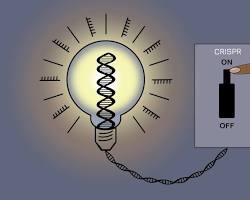
This image shows a simplified representation of the CRISPR/Cas9 gene editing system.

CRISPR/Cas9 {Clustered Regularly Interspaced Short Palindromic Repeats (CRISPR) and CRISPR-associated protein 9 (Cas9)}is a gene-editing technology that has the potential to revolutionize the way we address diseases, feed the world, clean our environment, and power our future.

Treatment of Diseases

One of the most promising applications of CRISPR/Cas9 is in the realm of medicine. Scientists are harnessing its precision to target and edit genes associated with various diseases, including sickle cell anaemia, cystic fibrosis, and cancer.

For example, CRISPR/Cas9 has been used to correct the genetic mutation that causes sickle cell anaemia in mice. In a clinical trial, CRISPR/Cas9 was used to treat patients with cancer by targeting the genes that drive tumour growth.

Genetically Modified Crops

In agriculture, CRISPR/Cas9 is a game-changer. It allows scientists to create crops that are resistant to pests, diseases, and herbicides, reducing the need for harmful chemicals.

For example, CRISPR/Cas9 has been used to create soybeans that are resistant to the herbicide glyphosate. This helps to reduce the use of glyphosate, which has been linked to health problems in humans and animals.

Bioremediation

Environmental pollution is a pressing global concern. CRISPR/Cas9 offers a unique solution through bioremediation. This technique involves editing the genes of microorganisms to target and break down harmful pollutants.

For example, CRISPR/Cas9 has been used to clean up oil spills by editing the genes of bacteria to make them more efficient at breaking down oil.

Creation of New Biofuels

The quest for sustainable energy sources has led researchers to explore CRISPR/Cas9 in the realm of biofuels. By editing the genes of algae and bacteria, scientists can create new strains that are highly efficient at producing biofuels like ethanol and biodiesel.

For example, CRISPR/Cas9 has been used to create algae that produce more oil than wild-type algae. This could help to reduce our reliance on fossil fuels and mitigate the impact of climate change.

Personalized Medicine

CRISPR/Cas9’s precision allows for the development of personalized medicine. By editing a patient’s genes, it becomes possible to tailor treatments to their unique genetic makeup.

For example, CRISPR/Cas9 is being used to develop cancer treatments that are specifically targeted to the patient’s tumour.

The Future of CRISPR/Cas9

The applications of CRISPR/Cas9 are still expanding as researchers continue to unlock its full potential. Ethical considerations and regulatory frameworks are important to ensure the responsible and safe use of this revolutionary technology.

References:

▪️Doudna, J. A., & Charpentier, E. (2014). The new frontier of genome engineering with CRISPR-Cas9. Science, 346(6213), 1258096. Link

▪️National Institutes of Health. (2021). What are genome editing and CRISPR-Cas9? Link

▪️Lino, C. A., & Harper, J. C. (2018). CRISPR-Cas9: A revolutionary tool for cancer modelling. Oncotarget, 9(5), 6433-6434. Link

▪️Hickey, J. M., & Kinghorn, B. P. (2020). Applications of CRISPR technologies in livestock. Trends in Biotechnology, 38(4), 408-423. Link

▪️National Academies of Sciences, Engineering, and Medicine. (2016). Genetically Engineered Crops: Experiences and Prospects. National Academies Press. Link

🏆Exploring Wisdom 16:13

The Power of Wisdom: Exploring Wisdom 16:13

An image of a labyrinth, symbolizing the challenges we face in life and the path to wisdom.

In the realm of ancient wisdom literature, the Book of Wisdom has always held a special place. Within its verses, we find timeless insights that continue to resonate with us today.

One such verse, Wisdom 16:13, speaks of the profound power of wisdom over life and death, leading us to contemplate its meaning and relevance in our lives.

The verse reads:

“For you have dominion over life and death; you lead down to the gates of the nether world and lead back.”

Dominion Over Life and Death

The first part of the verse asserts that wisdom has dominion over life and death. This means that wisdom has the power to influence our lives profoundly. It helps us make wise choices that lead to a long and healthy life, or it leads us down a path of destruction.

Incorporating Other Wisdom Traditions

The concept of wisdom having dominion over life and death is not unique to the Book of Wisdom. It is found in many other wisdom traditions around the world. For example, in Buddhism, the Eightfold Path is seen as a way to lead one out of suffering (death) and towards enlightenment (life). In Hinduism, the wisdom of the Bhagavad Gita is seen as a guide to help us navigate life’s challenges and achieve spiritual growth.

The Gates of the Nether World

The second part of the verse speaks of leading “down to the gates of the nether world.” This phrase invokes imagery of facing life’s darkest moments and challenges. Wisdom helps us confront our fears, regrets, and uncertainties, guiding us through the metaphorical gates of despair and into the light of understanding and resilience.

Leading Back

The verse concludes with the promise of leading us back. This means that wisdom not only helps us navigate difficult times but also helps us find our way back to a place of balance and wholeness. It offers the hope of redemption, growth, and renewal.

Practical Applications

How can we apply the wisdom of this verse in our lives today?

A few ideas:

👉Accept lifelong learning. The more we learn, the wiser we become. Seek knowledge and wisdom continuously to make informed decisions and grow as a good person.

👉Face challenges with courage. When life takes you to the gates of the nether world, remember that wisdom guides you back. Have the courage to confront difficulties and seek solutions.

👉Cultivate resilience. Wisdom equips you with the tools to bounce back from setbacks and learn from adversity.

Conclusion

Wisdom 16:13 tells us that wisdom is a powerful force in our lives. It helps us navigate the complexities of existence, helps us face life’s challenges, and leads us back to a place of growth and renewal.

By using wisdom, we live a more fulfilling and meaningful life.

🌹Each morning, I receive an inspiring wake-up call from His Excellency, the Rt. Rev. Dr. Selvister Ponnumuthan, the Bishop of Punalur in Kerala, India. Today’s blog post draws inspiration from the verses he shared in his morning message.

If you’d like to read more thought-provoking reflections, please visit my blog at Rise&Inspire /RiseNinspireHub. I look forward to sharing more insights with you soon.

Email:kjbtrs@riseandinspire.co.in

“Pants Optional”The Lighthearted Side of Remote Work:

“Pants Optional”The Lighthearted Side of Remote Work:

“Pants optional”

In recent years, remote work has become increasingly popular, offering people the freedom to work from the comfort of their own homes. One amusing and relatable term that has emerged from this trend is “pants optional.” While not an official term by any means, it humorously captures a key aspect of remote work: the flexibility to choose your attire without the constraints of a traditional office dress code.

The “Pants Optional” Phenomenon

The phrase “pants optional” isn’t just a humorous quip; it reflects a reality for many remote workers. It acknowledges the fact that when you work from home, you have the liberty to decide what you wear during your workday. It’s a nod to the comfort and convenience that comes with remote work, where you opt for sweatpants, pyjamas, or your most comfortable loungewear.

This concept has found its way into internet culture, with countless memes and social media posts playfully celebrating the freedom from office attire. But it’s important to recognize that not all remote work arrangements are “pants optional,” and some employers have different expectations.

Remote Work Terminology

While “pants optional” adds a touch of humour to remote work discussions, there are more formal terms to describe this work arrangement. Let’s explore a few of them:

Remote Work: This is the umbrella term for any work that takes place outside the traditional office setting.

Telecommuting: Often used interchangeably with remote work, telecommuting specifically refers to working from a distant location, typically one’s home.

Virtual Work: This term emphasizes the use of digital tools and technologies to perform tasks and collaborate with colleagues, regardless of location.

Home Office: This phrase highlights the workspace within one’s home designated for work-related activities.

Work-from-Anywhere: Some remote jobs offer the ultimate flexibility, allowing employees to work from any location they choose.

The Takeaway

In the world of remote work, “pants optional” performs as a playful reminder of the comforts and liberties that come with this arrangement. While the term is not official, it captures a sentiment shared by many remote workers.

However, it’s important to remember that remote work dress codes vary widely based on company culture and job requirements. Some positions still necessitate a professional appearance during virtual meetings or client interactions.

Therefore, it is concluded that remote work provides the flexibility to choose what you wear while you work, and the specifics depend on your employer’s policies.

As remote work continues to evolve, it’s important to strike a balance between comfort and professionalism, ensuring that both employees and employers are on the same page when it comes to dress code expectations.

Resources:

Forbes: Remote Work Isn’t Just About Working From Home

Harvard Business Review: The Pandemic Hasn’t Halted the Global Workforce Shift to Remote Work

SHRM: Remote Work: The ‘New Normal’ Has Its Perks

HR Dive: Dress Code in the Age of Remote Work: It’s Complicated

The Hand That Holds Life

Finding Comfort and Purpose in Job 12:10

The Book of Job is a profound narrative of suffering, resilience, and finally, restoration. In the depths of his anguish, Job questions the reasons behind his trials, seeking answers from the divine. In response, God delivers a powerful message through Job 12:10, stating, “In his hand is the life of every living thing and the breath of every human being.”

This verse serves as a poignant reminder that God is both the creator and sustainer of life itself. It underscores the idea that our existence, every breath we take, is intricately tied to the divine. This revelation is both a source of profound comfort and a compelling challenge for our faith.

God’s Sovereignty: Job 12:10 echoes the notion of God’s sovereignty over creation. It reassures us that even in moments of confusion and suffering, God is in control. We do not always comprehend the reasons behind our trials, but we trust that God has a purpose for them. This awareness provides solace and strengthens our faith in challenging times.

Hope in God’s Presence: When life becomes overwhelming, we feel lost and alone. However, Job 12:10 reminds us that God is constantly with us, holding our lives in His hands. His unwavering love and presence offer hope, serving as a steadfast anchor amid life’s storms. Even when we do not see the path forward, we trust that God is guiding us.

Living a Purposeful Life: Recognizing that God is the giver of life inspires us to live our lives in alignment with His will. We are driven to seek ways to honour Him, make a positive impact on others, and fulfil our divine purpose. Our actions become a reflection of gratitude for the life He has bestowed upon us.

In times of suffering or uncertainty, the message of Job 12:10 offers profound wisdom and encouragement. It reaffirms our faith in God’s sovereignty, instils hope in His abiding presence, and motivates us to lead purposeful lives dedicated to His glory.

Therefore, even when you feel overwhelmed, God is holding your life in His hands. His love is unwavering, and He will never let you go. So, find solace in His sovereignty, draw strength from His presence, and live each day to honour the divine hand that holds your life.

🌹Each morning, I receive an inspiring wake-up call from His Excellency, the Rt. Rev. Dr. Silvester Ponnumuthan, the Bishop of Punalur in Kerala, India. Today’s blog post draws inspiration from the verses he shared in his morning message.

Transform Your Life with Rise&Inspire – Be part of our community, where uplifting vibes pave the way to success.

The Divine Potter

Finding Inspiration in Isaiah 64:8-9

Introduction

Isaiah 64:8-9 is a profound passage from the Bible that beautifully portrays the relationship between humanity and the divine. In just a few lines, it encapsulates a message of hope, redemption, and our unique connection with the Creator.

This blog post explores the inspiring and informative aspects of these verses, shedding light on their significance in our lives.

The Imagery of the Divine Potter

The passage begins with a powerful metaphor: “We are the clay and you are our potter.” This metaphorical imagery teaches us about the nature of our existence. Just as a potter shapes clay into a vessel, so too does God shape and mould us. This reminds us that we are a work in progress, continuously evolving and growing.

Acknowledging Imperfection

In the verse, the plea is made: “Do not be exceedingly angry, O Lord, and do not remember iniquity forever.” Here, we are reminded of our imperfections and our need for forgiveness. It’s a humbling acknowledgement of our humanity, emphasizing the importance of seeking God’s grace and mercy.

The Assurance of God’s Love

The passage concludes with the declaration: “Now consider, we are all your people.” This statement reaffirms our identity as children of God. It’s a reminder that no matter our faults or mistakes, we are still cherished and embraced by a loving Creator.

The Power of Transformation

Isaiah 64:8-9 also teaches us about the transformative power of God. Just as a lump of clay is transformed into a beautiful vessel, our lives are transformed through our faith and trust in God. It’s a message of hope that encourages us to strive for positive change.

Embracing Our Divine Purpose

These verses encourage us to consider our place in God’s plan. We are not merely aimless beings but are part of a greater purpose. Recognizing this purpose provides a sense of fulfilment and direction in our lives.

Practical Application

So, how can we apply the wisdom of Isaiah 64:8-9 in our lives? We can start by:

a. Cultivating humility and recognizing our need for growth.

b. Seeking forgiveness and striving for righteousness.

c. Embracing our identity as children of God.

d. Trusting in God’s transformative power.

e. Discovering and living out our divine purpose.

Conclusion

Isaiah 64:8-9 offers us a glimpse into the profound relationship between humanity and the divine. It reminds us of our capacity for transformation, the assurance of God’s love, and our unique purpose in this world. As we reflect on these verses, may we find inspiration and guidance on our spiritual journey, knowing that we are, indeed, the work of God’s hand?

🌹Each morning, I receive an inspiring wake-up call from His Excellency, the Rt. Rev. Dr. Silvester Ponnumuthan, the Bishop of Punalur in Kerala, India. Today’s blog post draws inspiration from the verses he shared in his morning message.

Visit Rise&Inspire for more inspiration