How Can Isaiah 50:6–7 Strengthen Your Faith in Times of Trial?

A Rise & Inspire Biblical Reflection

By Johnbritto Kurusumuthu

Discover the powerful message of Isaiah 50:6–7 and learn how unwavering faith, like the Servant’s, can guide you through life’s challenges. Includes prayer, meditation, and a special message from the Bishop of Punalur.

Standing Firm Amidst Trial: 

A Reflection on Isaiah 50:6–7

Textual Analysis

Isaiah 50:6–7 is a powerful excerpt from the “Servant Songs” found in the book of Isaiah. These verses describe a figure who endures suffering without resistance—offering his back to those who strike him and his face to humiliation. The language is vivid and moving, expressing a deep willingness to face hardship while maintaining trust in divine deliverance. The phrase “set my face like flint” stands out as a symbol of unwavering determination and resilience in the face of adversity.

Exegetical Analysis

Traditionally, this passage is seen as a prophetic description of the suffering of Jesus Christ, particularly His passion. Written around the 8th century BCE, the book of Isaiah delivers messages of judgment, redemption, and hope. Here, the Servant—identified by Christians as Christ—faces scorn and abuse, yet holds fast in the knowledge that God will vindicate Him. The historical context suggests that Isaiah was speaking to a suffering Israel, reinforcing that God’s chosen one would endure pain but would not be abandoned.

For today’s believers, Isaiah 50:6–7 is a reminder that faith often requires endurance. Just as the Servant bore suffering with strength and dignity, we are called to trust in God’s justice and remain steadfast in our spiritual mission, regardless of the challenges we face.

Wake-Up Call Message from His Excellency, the Rt. Rev. Dr. Selvister Ponnumuthan

“Beloved in Christ, this verse is a call to unwavering faith in the midst of hardship. We are often faced with challenges—rejection, ridicule, or moments when the path forward seems insurmountable. Yet, the Lord reminds us that disgrace is not our fate when we stand firm in faith. Let this passage guide our steps as we follow the example of Christ, walking with courage and conviction. May this reflection bring strength to your heart and deepen your trust in God’s unshakable promise.”

Watch and Reflect

To further reflect on this powerful verse, watch the video reflection here:

Isaiah 50:6–7 Reflection – YouTube

Prayer and Meditation

Prayer

Lord God,

You are the source of strength and courage.

You have shown through Your Servant that disgrace has no hold on those who trust in You.

Grant me a heart that does not falter in the face of adversity.

Let my soul be steadfast like flint, unwavering in faith and firm in hope.

May Your presence shield me from shame and lead me to Your divine purpose.

Through Christ our Lord, Amen.

Meditation

Close your eyes and breathe deeply. Imagine standing before the storm with fearless determination. Feel the presence of God wrapping around you like armor, shielding you from despair. Reflect on the trials that have tested your spirit and ask yourself: How can I stand firm in faith today?

As you meditate on Isaiah 50:6–7, embrace the promise that disgrace will never define you.

Note:-

Today’s Verse – April 18, 2025

“I gave my back to those who struck me and my cheeks to those who pulled out the beard;
I did not hide my face from insult and spitting.
The Lord God helps me; therefore I have not been disgraced;
therefore I have set my face like flint, and I know that I shall not be put to shame.”
— Isaiah 50:6–7 (NRSV)

Malayalam
“അടിച്ചവര്‍ക്ക്‌ പുറവും താടിമീശ പറിച്ചവര്‍ക്കു കവിളുകളും ഞാന്‍ കാണിച്ചുകൊടുത്തു. നിന്ദയില്‍ നിന്നും തുപ്പലില്‍ നിന്നും ഞാന്‍ മുഖം തിരിച്ചില്ല. ദൈവമായ ഐശ്വരന്‍ എന്നെ സഹായിക്കുന്നതിനാല്‍ ഞാന്‍ പതറുകയില്ല. ഞാന്‍ എന്റെ മുഖം ശിലാതുല്യമാക്കി. എനിക്കു ലജ്ജിക്കേണ്ടി വരുകയില്ലെന്നു ഞാനറിയുന്നു.”
— ഏശയ്യാ 50 : 6–7

Tamil
“அடிக்கிறவர்களுக்கு என் முதுகையும், தாடைமயிரைப் பிடுங்குகிறவர்களுக்கு என் தாடையையும் ஒப்புக்கொடுத்தேன்;
அவமானத்திற்கும் உமிழ்நீருக்கும் என் முகத்தை மறைக்கவில்லை.
ஆண்டவர் எனக்குத் துணைசெய்கிறார்; ஆகையால் நான் வெட்கப்படேன்;
ஆதலால் என் முகத்தைக் கற்பாறையைப்போலாக்கினேன்;
வெட்கப்படமாட்டேன் என்பதைக் கெட்டியாக அறிந்திருக்கிறேன்.”
— எசாயா 50:6–7

May this verse strengthen your spirit today, reminding you that God’s help makes you unshakable.

🌐 Home | Blog | About Us | Contact| Resources

Categories: Astrology & Numerology | Daily Prompts | Law | Motivational Blogs | Motivational Quotes | Others | Personal Development | Tech Insights | Wake-Up Calls

📱 Follow us: @RiseNinspireHub

© 2025 Rise&Inspire. All Rights Reserved.

Word Count:729

Is Isaiah 53:5 the Key to Understanding Christ’s Sacrifice?

Rise & Inspire Biblical Reflection
By Johnbritto Kurusumuthu

Explore Isaiah 53:5 through a historical, theological, and spiritual lens. Discover how this powerful verse offers a message of healing, redemption, and purpose, with insights from Rt. Rev. Dr. Selvister Ponnumuthan.

Examining Isaiah 53:5: 

A Historical and Spiritual Journey

Deciphering the Words

The verse, Isaiah 53:5, reads:
“But he was wounded for our transgressions, crushed for our iniquities; upon him was the punishment that made us whole, and by his bruises we are healed.”

Written in classical Hebrew, the language is poetic yet stark. Key terms reveal profound theological weight:

  • Wounded (mecholal) derives from chalal (“pierced”), implying violent, intentional harm.
  • Transgressions (pesha’einu) connotes deliberate rebellion against divine law.
  • Crushed (medukka) stems from daka (“shattered”), evoking total brokenness.
  • Healed (nirpa-lanu) comes from rapha (“restore”), suggesting holistic renewal.

The parallel structure contrasts humanity’s sin with the servant’s suffering, framing redemption through substitutionary sacrifice.

Context and Purpose

Authorship and Historical Context
Isaiah 53 is part of the “Servant Songs” in Deutero-Isaiah (chapters 40–55), likely composed during the Babylonian exile (6th century BCE). The anonymous prophet addresses a displaced Israel, offering hope through the metaphor of a suffering servant. While Jewish tradition often interprets the servant as collective Israel, Christians view it as a messianic prophecy fulfilled in Jesus.

Original Message
To exiles feeling abandoned, the text reimagines suffering as redemptive. The servant’s agony becomes a conduit for communal healing, challenging notions of power and victory
.

Modern Relevance
Today, the verse invites reflection on sacrifice and solidarity. It critiques a world obsessed with self-preservation, urging believers to embrace redemptive love and justice.

A Wake-Up Call from His Excellency, the Rt. Rev. Dr. Selvister Ponnumuthan

In his latest message, Bishop Ponnumuthan emphasizes the urgency of embodying Christ’s sacrificial love in a fractured world. He states:

“Isaiah 53:5 is not merely a historical artifact—it is a living call to action. Just as the servant bore humanity’s brokenness, we are tasked with carrying one another’s burdens. Healing begins when we confront injustice, comfort the wounded, and repent of complacency.”

Watch His Excellency’s full exhortation here:
https://youtu.be/XwAtaM6K6Zk

Prayer and Meditation: 

Pathways to Healing

Prayer
Gracious Healer, we thank You for the Servant who bore our griefs. Forgive our rebellions and the fractures we’ve ignored. As You were pierced for our sins, mend our divisions. Strengthen us to advocate for the marginalized, to weep with the broken, and to seek peace. May Your bruises inspire our courage. Amen.

Meditation

  1. Visualize the Servant: Imagine the wounds described in Isaiah 53:5. Sit with the weight of unconditional love.
  2. Reflect on Healing: Where do you need restoration—spiritually, emotionally, relationally? Offer this to God.
  3. Commit to Action: Identify one way to “bear another’s burden” this week—a kind word, a stand for justice, or silent solidarity.

Final Thought
Isaiah 53:5 is both a mirror and a map: it reveals our frailty and charts a path to wholeness through selfless love. Let us rise, inspired to heal as we have been healed.

Rise & Inspire
—Johnbritto Kurusumuthu

Today’s Verse: April 15, 2025 — Isaiah 53:5

English:
“But he was wounded for our transgressions, crushed for our iniquities; upon him was the punishment that made us whole, and by his bruises we are healed.”
— Isaiah 53:5

Malayalam:
“നമ്മുടെ അതിക്രമങ്ങള്‍ക്കു വേണ്ടി അവന്‍ മുറിവേല്‍പ്പിക്കപ്പെട്ടു. നമ്മുടെ അകൃത്യങ്ങള്‍ക്കു വേണ്ടി ക്‌ഷതമേല്‍പ്പിക്കപ്പെട്ടു. അവന്റെ മേലുള്ള ശിക്‌ഷ നമുക്കു രക്‌ഷ നല്‍കി; അവന്റെ ക്‌ഷതങ്ങളാല്‍ നാം സൗഖ്യം പ്രാപിച്ചു.”
— ഏശയ്യാ 53:5

Tamil:
“நம்முடைய மீறுதல்களுக்காக அவர் காயமடைந்தார்; நம்முடைய அக்கிரமங்களுக்காக அவர் நொறுக்கப்பட்டார். நமக்குச் சமாதானம் வருவதற்காக அவர் மீது தண்டனை வந்து சேர்ந்தது; அவருடைய காயங்களால் நாங்கள் குணமடைகிறோம்.”
— ஏசாயா 53:5

This trilingual presentation serves as a closing meditation—uniting readers across languages in a shared reflection on healing, sacrifice, and divine love.

🌐 Home | Blog | About Us | Contact| Resources

Categories: Astrology & Numerology | Daily Prompts | Law | Motivational Blogs | Motivational Quotes | Others | Personal Development | Tech Insights | Wake-Up Calls

📱 Follow us: @RiseNinspireHub

© 2025 Rise&Inspire. All Rights Reserved.

Word Count:675

Are You Pursuing Peace and Holiness Daily?

A Rise & Inspire Biblical Reflection

By Johnbritto Kurusumuthu

Hebrews 12:14 – A Call to Peace and Holiness

“Pursue peace with everyone and the holiness without which no one will see the Lord.”
— Hebrews 12:14 (NRSV)

This verse offers profound guidance for our spiritual journey. It serves both as an invitation and a challenge—calling us to actively engage in two essential aspects of Christian living: peace with others and holiness before God.

Textual Insight: More Than a Suggestion

The Greek word for pursue, diōkete, implies persistent, determined effort—not a casual approach. The peace mentioned (eirēnēn) isn’t just the absence of conflict, but a state of deep well-being and relational harmony. Meanwhile, holiness(hagiasmon) refers to a life set apart for God, marked by moral purity and spiritual transformation.

The conjunction “and” binds these two pursuits together—they are inseparable on our path toward seeing the Lord. Holiness is not optional—it is essential.

Contextual Reflection: The Letter to the Hebrews

Hebrews was written to believers facing persecution, tempted to turn back from their faith. Chapter 12 encourages endurance, discipline, and focus on Jesus.

Placed in this context, Hebrews 12:14 reminds us that faith is communal as well as personal. The call to peace isn’t only for times of ease—it’s especially for seasons of trial. Just like Christ called us to love even our enemies, we are reminded that peace is a radical choice.

The pursuit of holiness is a call to transformation—not merely ethical living, but becoming like Christ. As we are changed, we are prepared to truly see God, both in this life and the next.

Bishop Selvister Ponnumuthan beautifully echoes this truth in his powerful message, reminding us that peace and holiness are not passive gifts—they are active pursuits requiring discipline and grace.

Today’s Relevance: A Countercultural Command

In a world filled with division and noise, this verse invites us to swim upstream. Peace must be pursued—not through compromise of truth but through love that reaches across differences. And holiness must be cultivated—not for appearance, but for authentic transformation.

Our relationship with God (vertical) and with others (horizontal) are deeply intertwined. As John writes elsewhere, “Anyone who does not love a brother or sister, whom he has seen, cannot love God, whom he has not seen.” (1 John 4:20)

Faith is not merely personal—it must spill over into every relationship, every interaction, every corner of life.

Wake-Up Call: A Word from Bishop Selvister Ponnumuthan

“The pursuit of peace and holiness is not optional for the believer—it is the very path by which we come to see God.”

His Excellency, Rt. Rev. Dr. Selvister Ponnumuthan, urges us not to grow complacent. Hebrews 12:14 is a spiritual alarm clock—it calls us away from passivity and into daily, disciplined action.

In this age of instant gratification, we’re reminded that true spiritual growth often feels slow, deliberate, and even uncomfortable. But it is worth the cost.

A Prayer of Pursuit

Heavenly Father,

Your word challenges us to pursue peace and holiness with unwavering commitment. We confess the times we’ve favored comfort over truth, or devotion over reconciliation.

Empower us, Lord, to be peacemakers in our homes, workplaces, and communities. Help us speak with grace, listen with empathy, and forgive with courage.

Sanctify us, not for selfish fulfillment, but so our lives reflect Your love and light to a watching world.

We pause now to lift up relationships that need healing…
— Pause for silent reflection —

We confess areas where we have compromised our call to holiness…
— Pause for silent reflection —

Give us the courage to take a step today—toward peace, toward purity, and toward You.

In Jesus’ name,
Amen.

Meditation Moment: Your Step Toward Peace

Set aside five quiet minutes.

Close your eyes. Imagine yourself standing in God’s presence, surrounded by His radiant peace and purity.

Now, gently bring to mind someone you need to make peace with. Ask God to show you one simple action you can take today. Maybe it’s a call, a message, or a prayer.

Let this verse become your compass today:
“Pursue peace with everyone and the holiness without which no one will see the Lord.”

Today’s Verse: 14 April 2025

“Pursue peace with everyone and the holiness without which no one will see the Lord.”
— Hebrews 12:14

“എല്ലാവരോടും സമാധാനത്തില്‍ വര്‍ത്തിച്ച്‌ വിശുദ്‌ധിക്കു വേണ്ടി പരിശ്രമിക്കുവിന്‍. വിശുദ്‌ധി കൂടാതെ ആര്‍ക്കും കര്‍ത്താവിനെ ദര്‍ശിക്കാന്‍ സാധിക്കുകയില്ല.”
— ഹെബ്രായര്‍ 12:14

“யாவருடனும் சமாதானமாக வாழவும், பரிசுத்த வாழ்க்கையை நாடவும் முயற்சி செய்யுங்கள்; ஏனெனில் பரிசுத்தமில்லாமல் எந்த மனுஷனும் ஆண்டவரை தரிசிக்க முடியாது.”
— எபிரெயர் 12:14

🌐 Home | Blog | About Us | Contact| Resources

Categories: Astrology & Numerology | Daily Prompts | Law | Motivational Blogs | Motivational Quotes | Others | Personal Development | Tech Insights | Wake-Up Calls

📱 Follow us: @RiseNinspireHub

© 2025 Rise&Inspire. All Rights Reserved.

Word Count:807

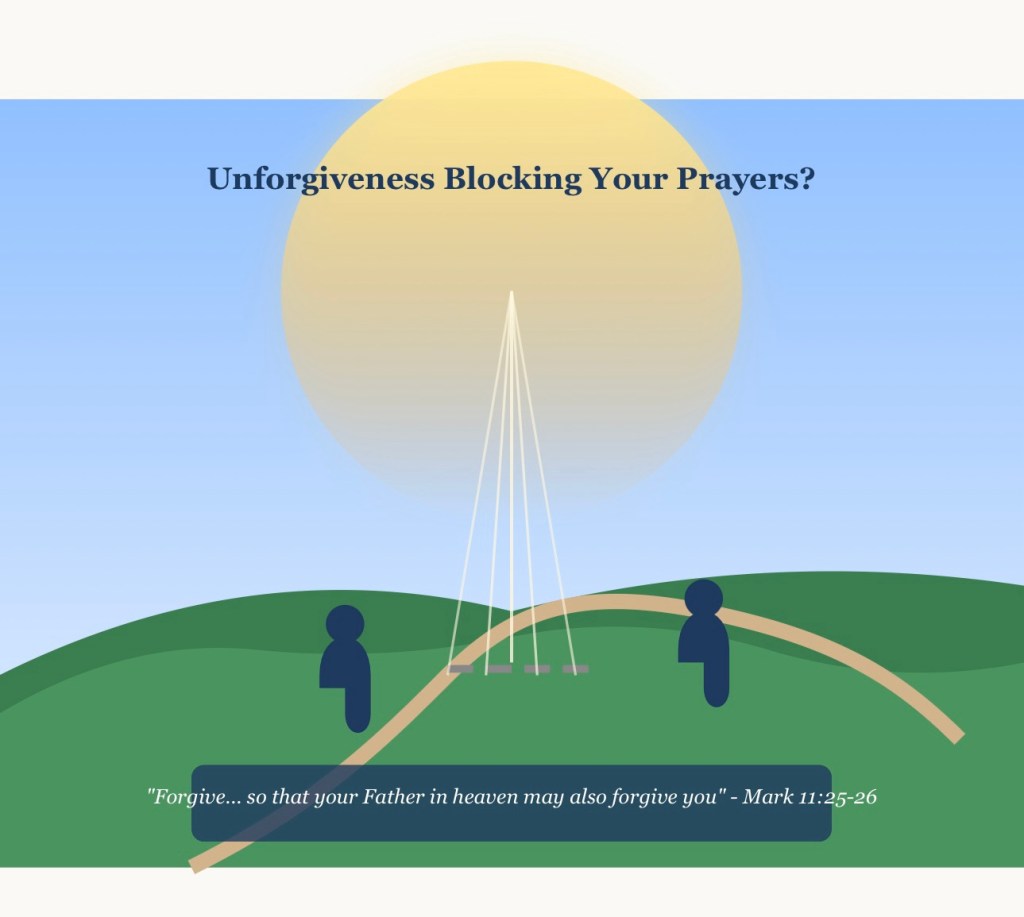
Is Unforgiveness Blocking Your Prayers?


Forgiveness and Prayer – Mark 11:25-26
A Reflection on Mark 11:25-26

Today’s Verse: 31/03/2025

“Whenever you stand praying, forgive, if you have anything against anyone, so that your Father in heaven may also forgive you your trespasses.”
— Mark 11:25-26

“നിങ്ങള്‍ പ്രാര്‍ഥിക്കുമ്പോള്‍ നിങ്ങള്‍ക്ക്‌ ആരോടെങ്കിലും എന്തെങ്കിലും വിരോധമുണ്ടെങ്കില്‍, അതു ക്‌ഷമിക്കുവിന്‍. അപ്പോള്‍ സ്വര്‍ഗ്ഗത്തിലുള്ള നിങ്ങളുടെ പിതാവ്‌ നിങ്ങളുടെ തെറ്റുകള്‍ ക്ഷമിക്കും.”
— മര്‍ക്കോസ്‌ 11:25-26

“நீங்கள் ஜெபம் செய்யும்போது, ஒருவனுக்கெதிராக உங்களுக்குப் ஏதாவது குறை உண்டானால், உங்கள் பரலோகத் தந்தை உங்கள் தவறுகளை மன்னிப்பதற்காக, நீங்கள் அவனை மன்னியுங்கள்.
நீங்கள் மன்னிக்கவில்லை என்றால், பரலோகத்திலிருக்கிற உங்கள் பிதாவும் உங்கள் தவறுகளை மன்னிக்கமாட்டார்.”
— மாற்கு 11:25-26

A Rise & Inspire Biblical Reflection

By Johnbritto Kurusumuthu
Date: March 31, 2025

The Transformative Power of Forgiveness: 

A Reflection on Mark 11:25-26

Opening Prayer

Heavenly Father,
We come before You on this blessed day, grateful for the gift of Your Word and the wisdom it imparts. As we reflect on the words of Your Son in Mark 11:25-26, open our hearts to receive its truth. Guide us, Lord, as we delve into this sacred text, that we might understand its historical roots, its eternal message, and its urgent call to forgive as You have forgiven us. Amen.

Prayer & Meditation: A Journey Through Mark 11:25-26

1. Textual Analysis: Unpacking the Historical Document

Lord, as we imagine examining an ancient manuscript of Mark’s Gospel, we marvel at the careful strokes of Greek letters preserving Your truth. The words aphiete (“forgive”) and paraptōma (“trespasses”) leap from the page. In their literal sense, You command us to release grievances before approaching You in prayer. The structure is clear: forgiveness is not optional but essential—a divine prerequisite for receiving Your mercy.

2. Exegetical Insight: Context and Purpose

Gracious God, we acknowledge that Your servant Mark penned these words around 70 CE, a time of upheaval for early Christians. Written likely in Rome, this Gospel strengthened believers facing persecution, reminding them that their faith must be rooted in love and reconciliation. The message is timeless: unresolved bitterness hinders communion with You. Just as You forgave us through Christ’s sacrifice, we are called to mirror that grace daily.

3. Message for Today: A Call to Radical Forgiveness

Father, how often do we cling to hurts, allowing them to fester? This passage pierces our pride, urging us to lay down anger and embrace liberation. In a world fractured by division, Your command to forgive is a balm. Teach us, Lord, to see forgiveness not as weakness but as a reflection of Your strength—a pathway to healing and unity.

A Wake-Up Call from His Excellency, Rt. Rev. Dr. Selvister Ponnumuthan

“Beloved, Mark 11:25-26 is not a suggestion—it is a divine imperative. Forgiveness is the heartbeat of Christian discipleship. When we withhold it, we build walls between ourselves and God’s grace. Let this verse shake us from complacency. Choose forgiveness today, not because others deserve it, but because Christ deserves our obedience.”

Meditation: Reflect, Release, and Restore

Close your eyes, breathe deeply, and ask:

  • Who have I not forgiven? What weight does this grudge place on my soul?
  • How might releasing this hurt draw me closer to God and others?

Pray silently: Lord, soften my heart. Help me forgive as You do—freely and fully.

Closing Prayer

Merciful Father,
We thank You for the clarity of Your Word. Forgive us for the times we’ve held onto resentment, thinking it justified. Equip us with courage to reconcile, trusting that Your forgiveness covers our failings. As we strive to live Mark 11:25-26, may our prayers rise unhindered, our hearts lightened by grace.

We ask this in Jesus’ name. Amen.

Blessing

Go forth, liberated by forgiveness, to be ambassadors of Christ’s reconciling love.

Video Reflection

For further inspiration, watch “The Freedom of Forgiveness”, a powerful testimony on embracing God’s call to let go and heal.

Rise & Inspire—Where Scripture Meets the Soul.
🌐 Home | Blog | About Us | Contact| Resources

Categories: Astrology & Numerology | Daily Prompts | Law | Motivational Blogs | Motivational Quotes | Others | Personal Development | Tech Insights | Wake-Up Calls

📱 Follow us: @RiseNinspireHub

© 2025 Rise&Inspire. All Rights Reserved.

Word Count:676

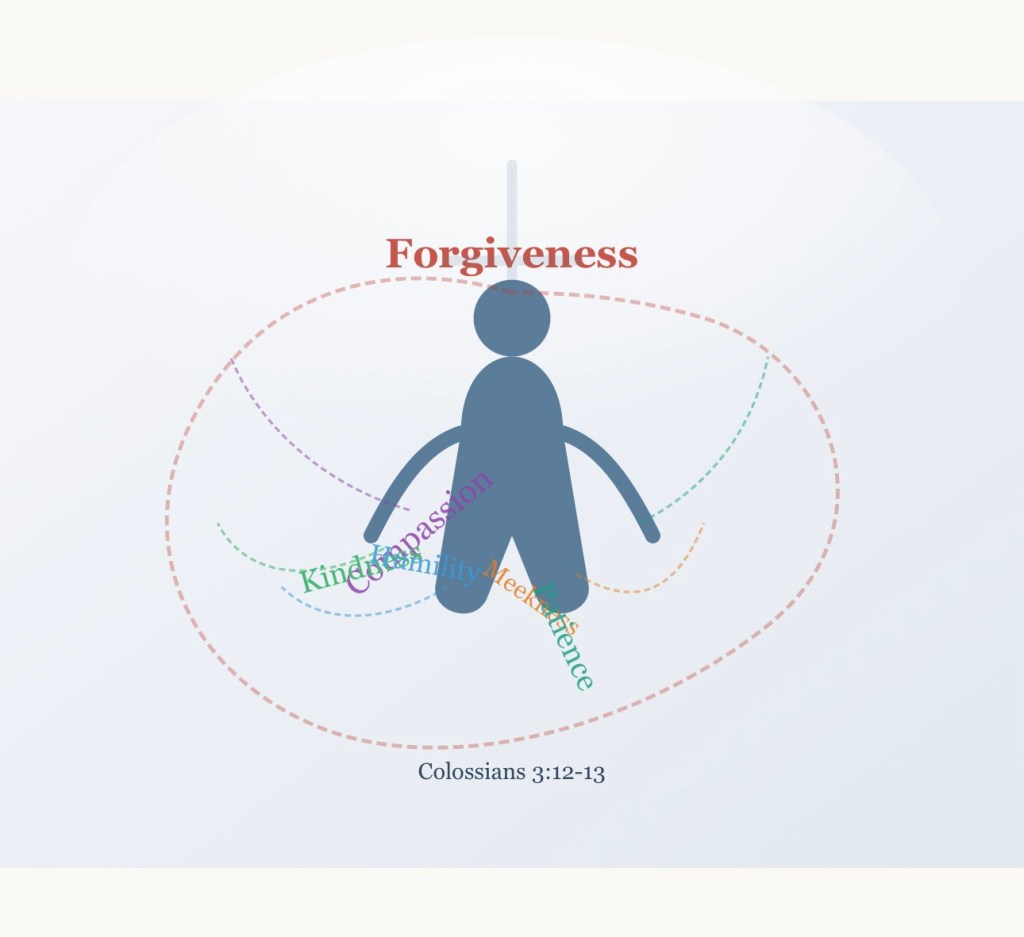
Are You Truly Clothed in Forgiveness and Grace?


Clothed in Forgiveness and Grace

A Journey of Compassion and Grace

By Johnbritto Kurusumuthu | A Rise & Inspire Biblical Reflection

The Verse: 

Colossians 3:12-13 

Colossians 3:12-13 in Multiple Translations: English, Malayalam, and Tamil

“Bear with one another and, if anyone has a complaint against another, forgive each other; just as the Lord has forgiven you, so you also must forgive. As God’s chosen ones, holy and beloved, clothe yourselves with compassion, kindness, humility, meekness, and patience.” 

Colossians 3 : 12-13

“അതിനാല്‍, ദൈവത്തിന്റെ തെരഞ്ഞെടുക്കപ്പെട്ടവരും വാത്‌സല്യഭാജനങ്ങളും പരിശുദ്‌ധരുമെന്ന നിലയില്‍ നിങ്ങള്‍ കാരുണ്യം, ദയ, വിനയം, സൗമ്യത, ക്‌ഷമ എന്നിവ ധരിക്കുവിന്‍. ഒരാള്‍ക്കു മറ്റൊരാളോടു പരിഭവമുണ്ടായാല്‍ പരസ്‌പരം ക്‌ഷമിച്ചു സഹിഷ്‌ണുതയോടെ വര്‍ത്തിക്കുവിന്‍. കര്‍ത്താവ്‌ നിങ്ങളോടു ക്‌ഷമിച്ചതുപോലെ തന്നെ നിങ്ങളും ക്‌ഷമിക്കണം.”

കൊളോസോസ്‌ 3 : 12-13

12 ஆகையால், நீங்கள் தேவனால் தெரிந்துகொள்ளப்பட்ட பரிசுத்தரும் பிரியருமாய், உருக்கமான இரக்கத்தையும், தயவையும், மனத்தாழ்மையையும், சாந்தத்தையும், நீடிய பொறுமையையும் தரித்துக்கொண்டு;

13 ஒருவரையொருவர் தாங்கி, ஒருவர்பேரில் ஒருவருக்குக் குறைபாடு உண்டானால், கிறிஸ்து உங்களை மன்னித்ததுபோல, ஒருவருக்கொருவர் மன்னியுங்கள்.

கொலோசையர் 3:12-13

Quotes for Reflection

“To be a Christian means to forgive the inexcusable because God has forgiven the inexcusable in you.” —C.S. Lewis

“Without forgiveness, there’s no future.” —Desmond Tutu

Introduction: 

The Call to Forgive in a Fractured World

In an era marked by division and conflict, Colossians 3:12-13 offers a radical blueprint for unity:
“Clothe yourselves with compassion, kindness, humility, meekness, and patience… forgive as the Lord forgave you.”

These words invite us to embody Christ-like virtues, transforming our relationships and communities. But what does it truly mean to “wear” these traits daily? 

Let’s explore this transformative passage.

Historical and Literary Context

Author and Audience

Written by Paul during his imprisonment (AD 60–62), Colossians addresses a church combating syncretism—a blend of pagan rituals, Jewish legalism, and early Gnostic ideas. The false teachings minimized Christ’s supremacy, prompting Paul to reaffirm, “In Him, all things hold together” (Colossians 1:17).

Literary Structure

Chapter 3 shifts from doctrine to practice. After urging believers to “put off” old vices (Colossians 3:8-9), Paul exhorts them to “clothe themselves” in virtues reflecting their new identity in Christ. The metaphor of clothing signifies intentional, daily action—like putting on a uniform of grace.

Theological Insights: God’s Character and Our Response

Chosen, Holy, Beloved

These three terms anchor the passage. As God’s chosen (elected for purpose), holy (set apart), and beloved (deeply loved), believers are called to mirror His nature.

Virtues as Divine Reflection

  • Compassion (Greek splanchna): Literally “bowels,” symbolizing deep empathy.
  • Kindness (chrēstotēs): Generosity without merit.
  • Humility (tapeinophrosynē): Rejecting self-exaltation, as Christ “humbled Himself” (Philippians 2:8).
  • Patience (makrothymia): Long-suffering amid provocation.

Forgiveness as Mandate


Clothed in Forgiveness and Grace

The Greek charizomai (“forgive”) derives from charis (grace). We forgive because God’s grace first covered us (Ephesians 4:32).

Cross-References

  • Matthew 18:21-22: Peter’s question on forgiveness limits; Jesus’ reply shatters them.
  • Luke 6:36: “Be merciful, just as your Father is merciful.”
  • 1 Peter 4:8: “Love covers a multitude of sins.”

Modern Application: From Ancient Text to Today’s Struggles

Real-Life Scenarios

  • A coworker takes credit for your idea.
  • A family feud over inheritance.
  • Social media vitriol from a friend.

Misinterpretations Clarified

  • “Forgiveness enables abuse.” No—forgiveness releases bitterness; boundaries protect.
  • “Virtues imply weakness.” False—Jesus modelled meekness (power under control) and kindness even on the cross (Luke 23:34).

Actionable Steps and Reflection

  1. Daily Examen – End each day by asking, “Where did I mirror Christ’s compassion today?”
  2. The Forgiveness Letter – Write (but don’t send) a letter releasing someone’s debt.
  3. Virtue Practice – Focus on one trait weekly (e.g., “Today, I choose kindness in traffic”).

Reflection Questions

  • Which virtue feels most challenging? Why?
  • Who in your life models Christ-like forgiveness?
  • How does unforgiveness hinder your spiritual growth?

Guided Meditation: Clothed in Grace

Find a quiet place. Breathe deeply. Read Colossians 3:12-13 aloud.

  1. Visualize – Imagine dressing in a robe symbolizing compassion. Feel its weight as God’s love.
  2. Confess – “Lord, I struggle to forgive [name]. Help me release this hurt.”
  3. Receive – Pray “Clothe me in Your humility today,” resting in His presence.

Devotional Entry: Walking in Forgiveness

Verse: “Bear with one another… as the Lord forgave you.” (Colossians 3:13)

Reflection

Forgiveness isn’t a feeling but a choice—a daily surrender to God’s higher way. When resentment arises, remember the cross: Jesus bore your sins so you might bear others’ faults graciously.

Prayer

“Lord, strip me of pride. Clothe me in Your kindness. When wounds deepen, remind me: You forgave first. Amen.”

Conclusion: A Call to Radical Love

As His Excellency, the Rt. Rev. Dr. Selvister Ponnumuthan urges, “Let forgiveness be your anthem in a world singing songs of revenge.” This week, watch this powerful testimony on reconciliation to see grace in action.

Call to Action


AI-generated artwork inspired by Colossians 3:12-13.

Share this post with someone needing encouragement. Comment below: “I choose to wear [virtue] today.” Together, let’s rise as Christ’s ambassadors—clothed in grace, walking in forgiveness.

May the God of patience and comfort empower you to reflect His heart daily.

—Johnbritto Kurusumuthu | Rise & Inspire

🌐 Home | Blog | About Us | Contact| Resources

📱 Follow us: @RiseNinspireHub

© 2025 Rise&Inspire. All Rights Reserved.

Word Count:837

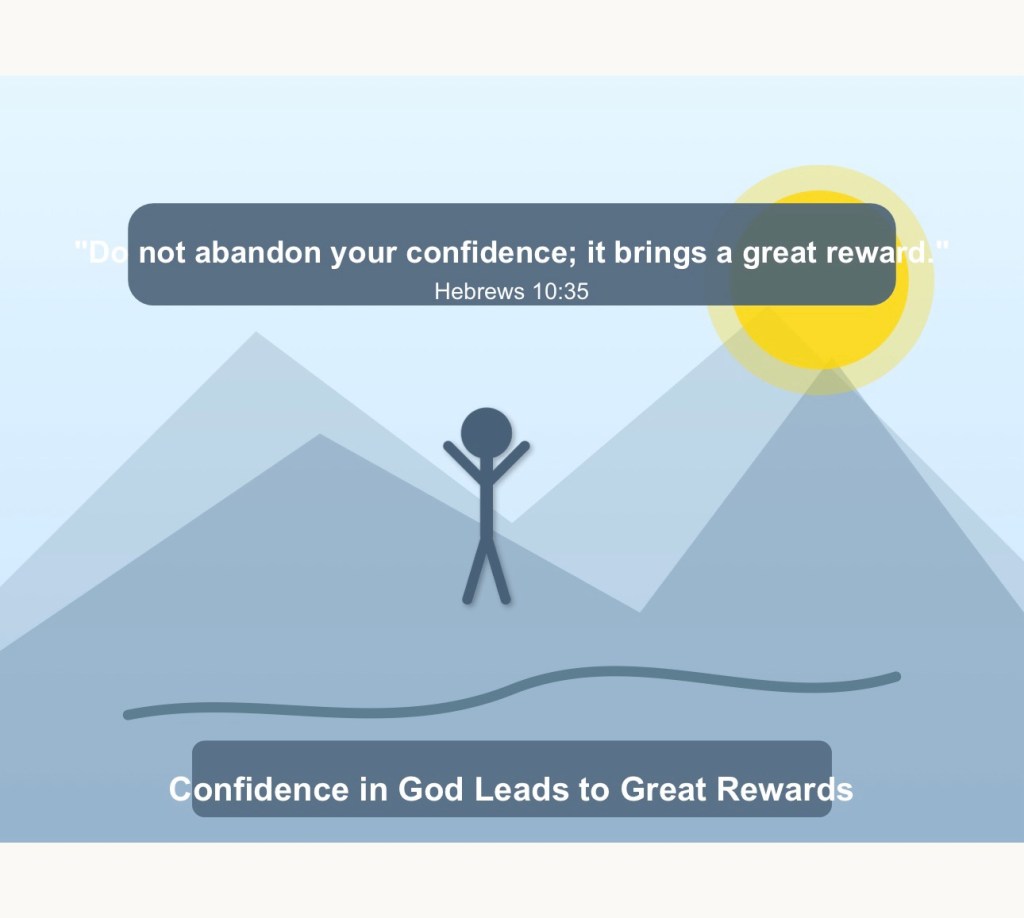
How Can Confidence in God Lead to Great Rewards?


Confidence in God – Hebrews 10:35 Illust…

“Hold tightly to your bold trust in God; it leads to unimaginable blessings.”

“Many assume that faith guarantees a problem-free life. Instead, it assures that God is with us, even in trials.”

“Some think this verse promises instant blessings, but its primary focus is eternal rewards and spiritual growth.”

A Rise & Inspire Biblical Reflection by Johnbritto Kurusumuthu

The Verse:

“Do not, therefore, abandon that confidence of yours; it brings a great reward.” – Hebrews 10:35

“നിങ്ങളുടെ ആത്‌മധൈര്യം നിങ്ങള്‍ നശിപ്പിച്ചു കളയരുത്‌. അതിനു വലിയ പ്രതിഫലം ലഭിക്കാനിരിക്കുന്നു.” – ഹെബ്രായര്‍ 10:35

“ஆகையால், மிகுந்த பலனுக்கேதுவான உங்கள் தைரியத்தை விட்டுவிடாதிருங்கள்.”-எபிரேயர் அதிகாரம் – 10:35

bible.catholicgallery.org

Confidence is the foundation of faith. It is the unwavering trust that God’s promises are true and that He is working for our good, even when circumstances suggest otherwise. In Hebrews 10:35, we are encouraged not to abandon our confidence because it will bring great rewards. But what does this verse truly mean? How does it apply to our lives today?

Let us explore the depth of this powerful scripture and how we can live by its truth.

What Is the Context of Hebrews 10:35?

Historical Background

The Epistle to the Hebrews was written to Jewish Christians facing intense persecution and societal pressure to abandon their faith. Scholars suggest it was composed before 70 AD, a time when the Temple still stood, but tensions between Jewish tradition and the burgeoning Christian movement were escalating. The author emphasizes Christ’s supremacy over the old covenant, urging believers to hold fast despite suffering.

Hebrews 10:35 sits within a larger exhortation (vv. 19–39) to persevere. Earlier verses remind readers of their past endurance (Hebrews 10:32–34), while verse 35 bridges a call for future faithfulness. The Greek word for “confidence” (parrhesia) connotes boldness, openness, and unwavering trust—a radical stance in a hostile world.

Literary and Theological Significance

The verse centres on two themes:

Confidence in Christ – This is not self-reliance but trust in God’s promises.

“Let us then approach God’s throne of grace with confidence.” (Hebrews 4:16)

Eternal Reward – The “great reward” is not earthly success but eternal communion with God.

“Blessed is the one who perseveres under trial.” (James 1:12)

Paraphrase – “Hold tightly to your bold trust in God; it leads to unimaginable blessings.”

What Does the Bible Say About Confidence in God?

Hebrews 10:35 is reinforced by several other scriptures:

Philippians 1:6 – “… being confident of this, that he who began a good work in you will carry it on to completion until the day of Christ Jesus.”

Proverbs 3:26 – “For the Lord will be your confidence and will keep your foot from being caught.”

Isaiah 41:10 – “Do not fear, for I am with you; do not be dismayed, for I am your God. I will strengthen you and help you; I will uphold you with my righteous right hand.”

These verses remind us that our confidence should not be in ourselves, but in God, who is faithful to His promises.

How Does This Verse Apply to Our Lives Today?

Many times, we face trials that shake our faith—loss, financial struggles, disappointments, or unanswered prayers. In such moments, we may question if God is still with us. However, Hebrews 10:35 reminds us to hold on.

Real-Life Connection

Imagine an entrepreneur who has worked tirelessly to build a business, facing repeated failures. Or a student struggling with academics despite hard work. Perhaps a believer is praying for healing but sees no immediate change.

In all these cases, confidence in God’s plan is essential. Faith doesn’t mean everything will be easy; it means we trust that God’s purpose will prevail, even when we don’t understand.

Actionable Steps to Strengthen Your Confidence in God

1. Meditate on God’s Word Daily – Faith grows by hearing and studying scripture (Romans 10:17).

2. Recall Past Victories – Reflect on times God has been faithful in your life.

3. Pray Boldly – Speak to God with assurance that He hears you (1 John 5:14).

4. Surround Yourself with Faith-Building People – Community strengthens faith (Hebrews 10:25).

5. Trust in God’s Timing – Delays are not denials; God’s plan is always perfect (Ecclesiastes 3:11).

Reflection Questions for Deeper Insight

1. Have you ever felt tempted to abandon your confidence in God? What circumstances led to that?

2. How can you strengthen your faith when you face trials?

3. What past experiences remind you of God’s faithfulness?

4. How can you encourage someone else to remain confident in God today?

A Guided Prayer Based on Hebrews 10:35

Heavenly Father,

I come before You, acknowledging that at times, my confidence wavers. Life’s challenges test my faith, but I choose to trust in Your promises. Your Word assures me that holding onto my confidence will bring great rewards. Strengthen my heart, Lord. Help me to remain steadfast, to walk in faith even when I cannot see the way ahead. Remind me of Your faithfulness, and let my life be a testimony of unwavering trust in You.

In Jesus’ name, Amen.

A Devotional Moment: How Can You Live Out Hebrews 10:35?

Faith is not just about belief—it’s about action. Confidence in God means stepping forward despite uncertainty. Today, make a commitment to trust God more deeply. Speak words of faith, not doubt. Pray with conviction, not hesitation. Encourage someone who is struggling to hold onto their faith.

Watch this inspiring video on confidence in God:

Hebrews 10:35 – Encouragement to Keep the Faith

Common Misinterpretations of Hebrews 10:35

1. Confidence in God does not mean everything will go as planned. Many assume that faith guarantees a problem-free life. Instead, it assures that God is with us, even in trials.

2. The “great reward” is not always immediate. Some think this verse promises instant blessings, but its primary focus is eternal rewards and spiritual growth.

A Hopeful Takeaway: God Rewards Unwavering Faith

Confidence in God is the key to endurance. The early Christians faced persecution, yet they were encouraged to persevere. Today, we face different struggles, but the message remains the same—hold onto faith, and you will see God’s hand at work.

A Call to Action by His Excellency, the Rt. Rev. Dr. Selvister Ponnumuthan

“My dear brothers and sisters in Christ, let us not abandon our confidence in the Lord. Stand firm in faith, knowing that God’s promises never fail. As you go about your day, remember that perseverance in faith is a testimony to God’s greatness. Encourage others, pray without ceasing, and let your life be a beacon of faith. May God bless you abundantly as you walk in confidence!”

🌐 Home | Blog | About Us | Contact| Resources

📱 Follow us: @RiseNinspireHub

© 2025 Rise&Inspire. All Rights Reserved.

Word Count:1134

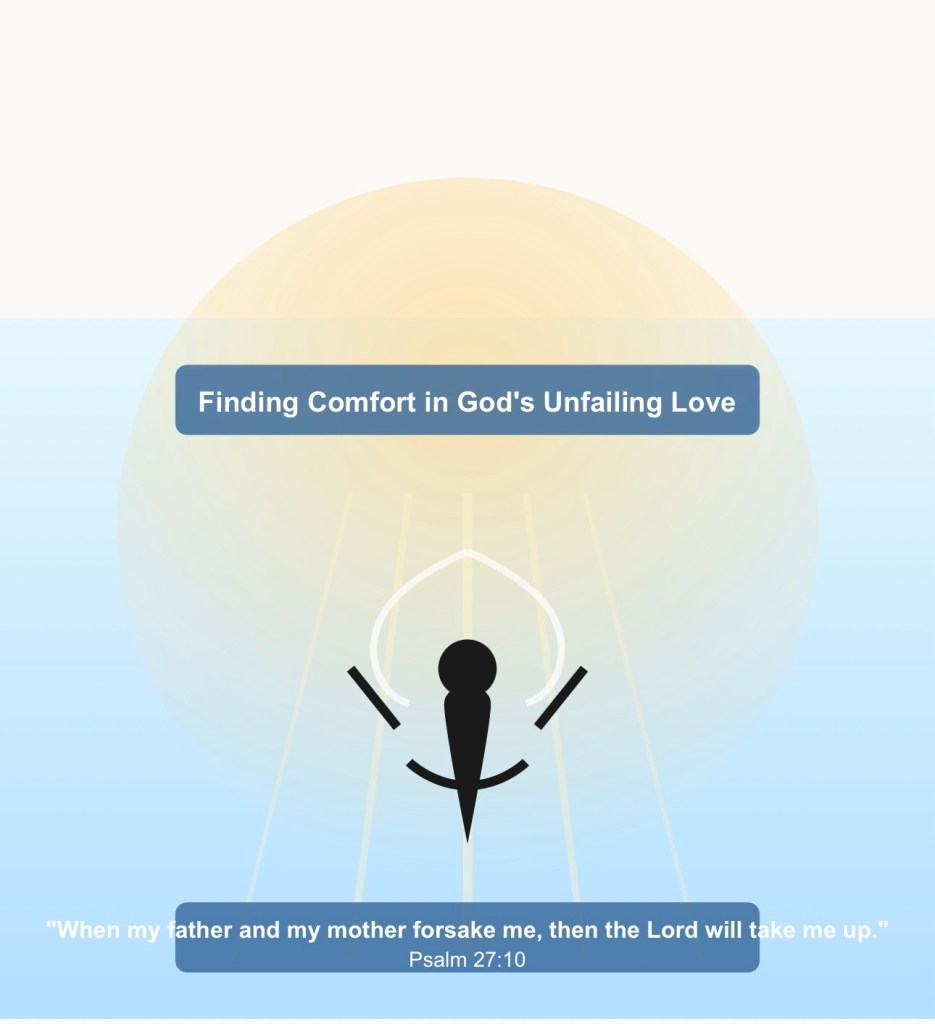
Who Will Never Abandon You?

Finding Comfort in God’s Unfailing Love:

Reflections on Psalm 27:10

“When my father and my mother forsake me, then the Lord will take me up.” – Psalm 27:10

A Rise & Inspire Biblical Reflection By  Johnbritto Kurusumuthu

1. The Promise of God’s Love

Human relationships, no matter how deep, can sometimes falter. We may experience rejection, loneliness, or even abandonment by those we trust the most. But Psalm 27:10 reassures us that even when people fail us, God never will. His love remains steadfast, embracing us when we feel most alone.

A Thought to Reflect On: Have you ever felt abandoned or forgotten? How did God’s presence bring you comfort during that time?

2. Understanding Psalm 27:10 in Context

Psalm 27 is a declaration of unwavering faith and trust in God. King David, its author, experienced many hardships—betrayal, exile, and danger. Yet, he found solace in God’s love and protection.

  • Verses 1-6 express confidence in God’s care and strength.
  • Verses 7-14 shift into a heartfelt plea for God’s continued presence and guidance.

David acknowledges human frailty but declares that God’s love is stronger than any rejection he might face.

3. Biblical Cross-References

The theme of God’s unfailing love is woven throughout Scripture:

  • Isaiah 49:15 – “Can a woman forget her nursing child…? Yet I will not forget you.”
  • Hebrews 13:5 – “I will never leave you nor forsake you.”
  • John 14:18 – “I will not leave you as orphans; I will come to you.”

These verses remind us that even when earthly relationships let us down, God remains our ultimate refuge.

4. Relating to Our Lives Today

In a world where isolation and rejection are common, Psalm 27:10 speaks directly to our hearts. Whether due to family estrangement, broken friendships, or personal struggles, many of us face moments of loneliness.

How can we respond?

  • Seek God’s Presence Daily – Spend time in prayer, worship, and Scripture.
  • Lean on Christian Community – Surround yourself with people who encourage and uplift you.
  • Find Strength in God’s Promises – Memorize and meditate on Bible verses that affirm His love.

Challenge for the Week: Reflect on a time when you felt alone. How did God’s presence bring you peace? Write it down as a reminder of His faithfulness.

5. Message from His Excellency, Rt. Rev. Dr. Selvister Ponnumuthan

“Beloved in Christ, know that God’s love is unchanging. Even when the world turns away, He remains by your side. May you find strength in His promises and extend His love to those who feel abandoned. Trust in Him, for He will never forsake you.”

6. A Guided Prayer & Meditation

Prayer:
Heavenly Father, thank You for Your unfailing love. In moments of loneliness, help me find comfort in Your presence. Strengthen my faith and remind me that You will never abandon me. In Jesus’ name, Amen.

Meditation Exercise:

  1. Find a quiet place.
  2. Read Psalm 27:10 slowly, allowing each word to sink in.
  3. Picture yourself in God’s loving embrace, surrounded by His peace.
  4. Thank Him for His presence in your life.

7. A Call to Action

God’s love is not just for us to receive—it’s also for us to share.

  • Encourage someone today who may be feeling abandoned.
  • Share this message with someone who needs hope.
  • Trust in God’s promises and remind yourself daily of His unfailing love.

Video Link

To enhance your understanding and engagement with Psalm 27:10, watch this inspiring video: Psalm 27:10 Video

Final Thought

No matter what happens, God’s love for you remains unshaken. In your darkest moments, He is there, holding you close. Trust in Him, and you will never be alone.

Would you like to share how God’s love has strengthened you? Feel free to comment below—I’d love to hear your story!

Psalm 27:10 in Different Translations – A Promise of God’s Unfailing Love

The verse from Psalm 27:10 reassures us that even if earthly relationships fail, God remains our steadfast refuge. Below are different translations of this powerful promise:

English (KJV): “If my father and mother forsake me, the Lord will take me up.” (Psalms 27:10)

Malayalam (Satyavedapusthakam): “അപ്പനും അമ്മയും എന്നെ ഉപേക്‌ഷിച്ചാലും കര്‍ത്താവ്‌ എന്നെ കൈക്കൊള്ളും.” (സങ്കീര്‍ത്തനങ്ങള്‍ 27:10)

Tamil (Catholic Bible): “என் தகப்பனும் என் தாயும் என்னைக் கைவிட்டாலும், ஆண்டவர் என்னைச் சேர்த்துக்கொள்ளுவார்.” (Psalms 27:10)

🌐 Home | Blog | About Us | Contact| Resources

📱 Follow us: @RiseNinspireHub

© 2025 Rise&Inspire. All Rights Reserved.

Word Count:738

What Does It Mean That ‘The Lord Is My Helper’?

A Rise & Inspire Biblical Reflection By  Johnbritto Kurusumuthu

Finding Courage in God’s Presence: 

A Reflection on Hebrews 13:6

“So we can say with confidence, ‘The Lord is my helper; I will not be afraid. What can anyone do to me?’”

— Hebrews 13:6 (NRSV)

Introduction

Fear is one of the most powerful emotions we experience. It can paralyze us, make us doubt our faith, and lead us away from trusting in God. But Hebrews 13:6 offers a bold declaration of faith and courage—one that reminds us that, no matter what challenges we face, God is always by our side. This verse is not just a statement; it is a promise and an invitation to live fearlessly under the protection of God’s unfailing help.

Historical, Literary, and Theological Background

Historical Context

The book of Hebrews was written to Jewish Christians facing persecution, hardship, and societal rejection. They were pressured to abandon their faith in Jesus and return to Judaism. The author of Hebrews encouraged them to hold fast to their faith, reminding them of God’s faithfulness throughout history.

Hebrews 13:6 is a paraphrase of Psalm 118:6, which says:

“The Lord is with me; I will not be afraid. What can mere mortals do to me?”

This connection shows that God’s faithfulness is not new—it is a theme woven throughout Scripture, reassuring believers across generations.

Literary Context

This verse is part of Hebrews 13, which emphasizes Christian conduct, contentment, and trust in God. Just before this verse, Hebrews 13:5 encourages believers to avoid greed and trust in God’s provision:

“Keep your lives free from the love of money, and be content with what you have, because God has said, ‘Never will I leave you; never will I forsake you.’”

Thus, Hebrews 13:6 is a response to that assurance—since God never abandons us, we can boldly proclaim our trust in Him.

Theological Insights

This verse teaches:

God is our Helper – He is actively involved in our lives.

Fear has no power over us – When God is our source of strength, no earthly threat can shake us.

• Our identity is in Christ – We are not defined by fear but by faith in an unshakable God.

Hebrews 13:6 in Real Life: Trusting God in Difficult Times

Life is filled with uncertainties—job loss, health crises, broken relationships, and the fear of failure. But this verse reminds us that we are never alone.

Real-Life Connection: A Story of Faith

Consider a person diagnosed with a serious illness. The fear of the unknown can be overwhelming. But by anchoring themselves in this verse, they find peace, knowing that God is their Helper. Doctors and treatments may work, but ultimate healing—whether physical or spiritual—rests in God’s hands.

Similarly, in moments of financial instability, rather than being consumed by anxiety, we can trust that God will provide as He has always done.

Actionable Steps: How to Apply Hebrews 13:6 in Daily Life

1. Speak the Verse Daily – Start your morning by declaring, “The Lord is my helper; I will not be afraid.”

2. Write a Fear List – Identify your fears, then surrender them in prayer, trusting God to handle them.

3. Practice Gratitude – Focus on what God has done rather than what you fear.

4. Encourage Others – Share this verse with someone going through a difficult time.

Reflection Questions for Spiritual Growth

• What fears do I need to surrender to God today?

• How have I seen God’s help in my past struggles?

• What steps can I take to grow in confidence in God’s provision?

Guided Meditation & Prayer on Hebrews 13:6

Guided Meditation

1. Find a quiet place where you can be still before God.

2. Close your eyes and breathe deeply. Imagine yourself sitting at the feet of Jesus.

3. Repeat the verse slowly: “The Lord is my helper; I will not be afraid.” Let its truth sink into your heart.

4. Visualize God’s protection surrounding you like a warm, unbreakable shield.

5. Give your fears to God, one by one. Picture Him taking them from you and replacing them with peace.

Prayer for Strength and Courage

“Heavenly Father, thank You for being my Helper. When fear tries to overwhelm me, remind me of Your presence. I surrender my worries and trust that You are in control. Strengthen my faith, Lord, so I can walk boldly, knowing You are with me. No situation, no person, no trial is greater than You. I declare today that I will not be afraid, for You are my rock and my salvation. In Jesus’ name, Amen.”

Devotional: Living Without Fear

Bible Reading: Psalm 118:6, Isaiah 41:10, Romans 8:31

Meditate on these verses that echo the truth of Hebrews 13:6.

Daily Challenge

Write Hebrews 13:6 on a sticky note and place it where you will see it often. Let it be a daily reminder of God’s presence.

Encouraging Quote

“Faith is not the absence of fear but the confidence that God is greater than our fears.”

Avoiding Misinterpretation

Some may think that this verse means believers will never face difficulties. But the truth is, Jesus Himself said:

“In this world you will have trouble. But take heart! I have overcome the world.” — John 16:33

God does not promise a trouble-free life, but He promises His presence, strength, and ultimate victory.

Connecting Hebrews 13:6 to Jesus and Today’s World

Jesus lived out this verse perfectly. He faced opposition, betrayal, and suffering, yet He never lived in fear because He fully trusted the Father. As followers of Christ, we are called to do the same.

In today’s world, where anxiety and uncertainty dominate, this verse is a powerful anchor. Whether we fear global crises, personal setbacks, or the future, Hebrews 13:6 reminds us: God is greater than our fears.

Call to Action: A Message from His Excellency, the Rt. Rev. Dr. Selvister Ponnumuthan

“Dear brothers and sisters in Christ, let us hold fast to the truth of Hebrews 13:6. The world may be uncertain, but our God remains unchanging. Walk boldly, live confidently, and trust completely in His help. May you find strength in His promises and live a life free from fear. Share this message with someone in need, and be a beacon of faith in this troubled world.”

Enhancing Your Faith with Worship

To deepen your connection to this verse, listen to this uplifting song:

Watch here → Hebrews 13:6 Worship Song

Final Takeaway

You are never alone. Whatever you are facing today, know that God is your Helper. Fear has no power over a heart that trusts in the Lord. Walk in faith, speak His promises, and embrace the peace that comes from knowing you are held by an unshakable God.

May Hebrews 13:6 be your declaration of courage today and always!

The Lord Is My Helper: Finding Strength in Hebrews 13:6

Here are translations of Hebrews 13:6 in different languages:

  • English: So we can say with confidence, “The Lord is my helper; I will not be afraid. What can anyone do to me?”(Hebrews 13:6)
  • Malayalam: അതിനാല്‍ നമുക്ക്‌ ആത്‌മധൈര്യത്തോടെ പറയാം: കര്‍ത്താവാണ്‌ എന്റെ സഹായകന്‍; ഞാന്‍ ഭയപ്പെടുകയില്ല; മനുഷ്യന്‌ എന്നോട്‌ എന്തു ചെയ്യാന്‍ കഴിയും? (ഹെബ്രായര്‍ 13:6)
  • Tamil: ஆகையால் நாம் தைரியமாகச் சொல்லலாம்: இறைவன் எனக்கு துணையாக இருக்கிறார்; நான் பயப்படேன்; மனுஷன் என்ன செய்யப் போகிறான்? (Hebrews 13:6)

🌐 Home | Blog | About Us | Contact| Resources

📱 Follow us: @RiseNinspireHub

© 2025 Rise&Inspire. All Rights Reserved.

Word Count:1257

Why Was the Rejected Stone Chosen as the Cornerstone?

Jesus: The Foundation of Our Faith

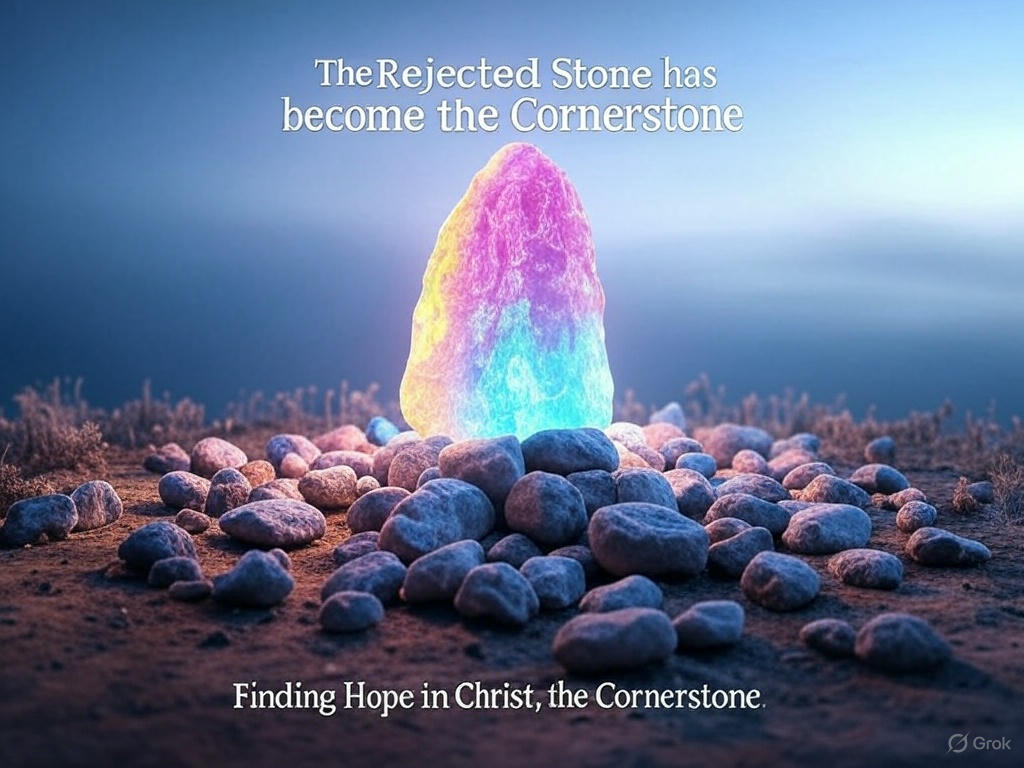
“This Jesus is ‘the stone that was rejected by you, the builders; it has become the cornerstone.’ There is salvation in no one else, for there is no other name under heaven given among mortals by which we must be saved.”

Acts of Apostles 4: 11-12

This Verse from Acts of the Apostles 4:11-12 highlights a powerful truth about Jesus’ role in salvation.

Breaking It Down:

  1. “The stone that was rejected by you, the builders; it has become the cornerstone.”
    • The metaphor of a “stone” refers to Jesus.
    • The “builders” are the religious leaders who rejected Him.
    • Despite their rejection, God made Jesus the cornerstone—the most important and foundational part of faith.
  2. “There is salvation in no one else…”
    • Jesus is the only way to salvation.
    • No other prophet, leader, or belief system can offer redemption and eternal life.
  3. “For there is no other name under heaven given among mortals by which we must be saved.”
    • Only through faith in Jesus can humanity be saved.
    • His name carries divine authority, and He is the bridge between God and people.

Paraphrased Meaning:

Even though Jesus was rejected, God made Him the foundation of salvation. No one else has the power to save—He is the only way to eternal life.

A Rise & Inspire Biblical Reflection By  Johnbritto Kurusumuthu,

The Rejected Stone: 

Finding Hope in Christ, the Cornerstone

Introduction: 

A Story of Rejection Turned to Purpose

Imagine a construction site where builders discard a stone, deeming it flawed. Years later, that same stone becomes the cornerstone of a majestic cathedral. This mirrors Jesus’ story—rejected by humanity but chosen by God to become the foundation of salvation. Acts 4:11-12 invite us to see beyond rejection and trust God’s redemptive plan.

Historical and Literary Context

Peter spoke these words to the Sanhedrin, the Jewish ruling council, after healing a lame man (Acts 3-4). Facing persecution, he boldly reinterpreted Psalm 118:22, a hymn sung during Passover, to declare Jesus as the Messiah. The “builders” (religious leaders) rejected Him, yet God exalted Him as the cornerstone—the stone that aligns and supports the entire structure of faith.

Theological Insight: Jesus’ resurrection validated His role as the exclusive source of salvation (John 14:6). This isn’t about superiority but sufficiency: Christ alone fulfils humanity’s need for redemption.

Cross-References and Paraphrase

  • Psalm 118:22: The stone the builders rejected has become the cornerstone.
  • 1 Peter 2:4-8: Believers are living stones built on Christ.
  • Isaiah 28:16: God’s precious cornerstone promises stability.

Paraphrase: You rejected Jesus, but God made Him the foundation of salvation. No one else can save—He’s the only way.

Modern Struggles and Real-Life Connections

In a world of pluralism and existential doubt, this verse confronts our search for hope. Like the rejected stone, many face dismissal—in careers, relationships, or self-worth. Yet God repurposes rejection for His glory.

Quote: God can turn your scars into stars.

Watch: Video on Peter’s Boldness explores how early Christians transformed societal margins into centers of faith.

Clarifying Misinterpretations

Some view “no other name” as exclusionary. Yet this isn’t condemnation but invitation: Christ’s sacrifice is universally sufficient, not culturally exclusive. As Timothy Keller said, The Gospel is offensive enough without us adding to it.

Actionable Steps and Reflection

  1. Trust in Rejection: Journal a time rejection led to growth. How did God work?
  2. Share Boldly: Invite someone to explore Jesus’ teachings.
  3. Build Community: Support others facing rejection.

Reflection Questions:

  • Where do I seek salvation outside Christ (approval, success)?
  • How can I view my rejected areas as avenues for God’s purpose?

Guided Meditation: The Living Cornerstone

  1. Sit quietly, visualizing a crumbling wall.
  2. Imagine Jesus as a radiant cornerstone. Place your struggles against Him.
  3. Pray: Lord, align my life with Your foundation. Turn my rejections into redemption.

Devotional Entry: Embracing the Cornerstone

Read: Acts 4:11-12.
Reflect: How does Christ’s sufficiency comfort you today?
Pray: Jesus, anchor me in Your truth. When I feel rejected, remind me I’m chosen. Amen.

Conclusion: A Call to Build on Christ

Beloved, Christ’s resurrection transforms our brokenness into beauty. Let’s build our lives on Him—the unshakable cornerstone.

Call to Action: Share your story of redemption with #CornerstoneHope. 

Together, let’s proclaim: Salvation is found in no one else!

May the grace of our Lord Jesus Christ, the love of God, and the fellowship of the Holy Spirit guide you always.
Rt. Rev. Dr. Selvister Ponnumuthan

Jesus Christ: The Cornerstone of Salvation

“This Jesus is ‘the stone that was rejected by you, the builders; it has become the cornerstone.’ There is salvation in no one else, for there is no other name under heaven given among mortals by which we must be saved.”

Acts of Apostles 4: 11-12

“വീടുപണിക്കാരായ നിങ്ങള്‍ തള്ളിക്കളഞ്ഞ കല്ല്‌ മൂലക്കല്ലായിത്തീര്‍ന്നു. ആ കല്ലാണ്‌ യേശു. മറ്റാരിലും രക്‌ഷയില്ല. ആകാശത്തിനു കീഴെ മനുഷ്യരുടെയിടയില്‍ നമുക്കു രക്‌ഷയ്‌ക്കു വേണ്ടി മറ്റൊരു നാമവും നല്‍കപ്പെട്ടിട്ടില്ല.”

അപ്പ. പ്രവര്‍ത്തനങ്ങള്‍ 4: 11-12

Tamil (திருவிவிலியம் – Catholic Bible)

“நீங்கள் கட்டிடக்காரர்களாகியிருக்க, நிராகரிக்கப்பட்ட கல், மூலையில் தலைக்கல்லாகி விட்டது. அவரைத் தவிர வேறு யாராலும் மீட்பைப் பெற முடியாது; வானத்தின் கீழ் மனிதர்களுக்குள் நாம் மீட்பைப் பெறுவதற்கு ஏற்ற வேறு பெயர் எதுவும் அளிக்கப்படவில்லை.”
— அப்போஸ்தலர் 4:11-12

🌐 Home | Blog | About Us | Contact| Resources

📱 Follow us: @RiseNinspireHub

© 2025 Rise&Inspire. All Rights Reserved.

Word Count:881

Is Your Heart Ready for Divine Surgery?


Divine Heart Surgery – Psalm 139:23-24

A Rise & Inspire Biblical Reflection by Johnbritto Kurusumuthu

Have you ever had your phone freeze at the worst possible moment? The screen stops responding, and no matter how many times you tap, it just won’t work. The only solution? A reset.

Now, imagine your heart like that phone—filled with worries, fears, and regrets that slow you down. What if God wants to “reset” your heart, clearing out everything that holds you back? Psalm 139:23-24 is a prayer asking God to search our hearts and lead us in the right direction.

This post is an invitation to take a closer look at your spiritual life. Are you holding on to things that need to go? Are you open to God’s guidance? Let’s explore this powerful prayer together and allow God to refresh our hearts.

Psalm 139:23-24 isn’t about divine snooping. It’s an invitation to deep, spiritual healing. Are you ready to let God search your heart? 

Let’s explore this ancient prayer with fresh eyes.

Psalm 139:23-24:

“Search me, O God, and know my heart; test me and know my thoughts. See if there is any wicked way in me, and lead me in the way everlasting.”

Malayalam Translation:

“ദൈവമേ, എന്നെ പരിശോധിച്ച്‌ എന്റെ ഹൃദയത്തെ അറിയണമേ! എന്നെ പരീക്‌ഷിച്ച്‌ എന്റെ വിചാരങ്ങള്‍ മനസ്‌സിലാക്കണമേ! വിനാശത്തിന്റെ മാര്‍ഗത്തിലാണോ ഞാന്‍ ചരിക്കുന്നതെന്നു നോക്കണമേ! ശാശ്വതമാര്‍ഗത്തിലൂടെ എന്നെ നയിക്കണമേ!”

സങ്കീര്‍ത്തനങ്ങള്‍ 139: 23-24

Tamil Catholic Bible (திருப்பாடல்கள் 139:23-24):
“என்னைக் கவனித்து, என் உள்ளத்தைக் காணும்; என்னைப் பரிசோதித்து, என் சிந்தனைகளை அறிந்து கொளும்.
என்னுள் தீய வழி ஏதாவது இருக்கிறதா என்று பார்த்து, நித்திய வழியில் என்னை நடத்தும்.”

Why This Prayer Still Matters to You

David’s words in this psalm move from awe at God’s omnipresence (verses 1–18) to a raw, personal plea for purification. In a culture that often focuses on outward appearances, David dares to ask God: “Dig deeper.”

The phrase “wicked way” (Hebrew דֶּרֶךְ כָּעַס—path of pain/grief) refers not just to obvious sins but to anything that leads you away from God’s purpose.

Cross-References:

  • “Create in me a pure heart” (Psalm 51:10).
  • “I the Lord search the heart” (Jeremiah 17:10).

Are You Hiding Behind a Filter?

Think about how much effort you put into curating your Instagram feed or perfecting your LinkedIn profile. But what about your heart?

David’s prayer dismantles the façades we build:

  1. “Search me” – Like a spiritual MRI, this prayer reveals hidden anxieties.
  2. “Test me” – God’s exams aren’t punitive; they refine and transform you (James 1:2–4).
  3. “Lead me” – This isn’t about reaching a destination; it’s about continually aligning with God’s eternal rhythm.

Misinterpretation Alert: “Wicked way” doesn’t just mean malice. It includes any habit, distraction, or thought pattern that pulls you off course.

Your Heart Check-Up: 3 Steps to Clarity

  1. Daily Scan – Spend five minutes asking, “God, what’s running in my background?”
  2. Journal Anxieties – Write down your worries, then pray Psalm 139:23-24 over each one.
  3. Accountability Check – Share one insight with a trusted friend.

Reflection Questions:

  • What area of your life feels “off-limits” to God?
  • How does knowing God sees everything bring you peace instead of fear?

Guided Meditation: A Soul Detox

Watch: Ambient Worship Video
Pause at 2:10. Close your eyes. Breathe deeply. Pray aloud:

“God, scan my heart like a surgeon. Highlight what harms, heal what hurts. Reboot me into Your everlasting rhythm. Amen.”

Jesus & the Heart’s GPS

Jesus embodied this prayer perfectly. He told Nathanael, “I saw you under the fig tree” (John 1:48), proving that God sees and knows you completely—and still calls you forward.

In a world where people feel unseen and misunderstood, Psalm 139 reminds you of a powerful truth:

You are fully known and fully loved.

Quote to Reflect On:

“God loves us as we are, but too much to leave us as we are.” —Tim Keller

Your Turn: Take the Next Step

A Call to Action by His Excellency, the Rt. Rev. Dr. Selvister Ponnumuthan:

“Share this post with someone who dares to pray boldly. Subscribe for a seven-day ‘Heart Check’ devotional, and let’s grow together on this journey!”

Social Media Prompt:

“What’s God revealing in your ‘heart scan’? Share your thoughts using #SoulAudit #Psalm139.”

Want to Go Deeper?

Final Prayer: Open Your Heart to Healing

“Divine Surgeon, operate on my hidden corners.
Where I cling to control, grant surrender.
Where I hoard hurt, pour forgiveness.
Recalibrate my chaos into Your everlasting song.
In Jesus’ name, Amen.”

Engage & Share

Comment below: What did God reveal in your “heart scan” today?
Share this post and invite others into courageous transparency!

🌐 Home | Blog | About Us | Contact| Resources

📱 Follow us: @RiseNinspireHub

© 2025 Rise&Inspire. All Rights Reserved.

Word Count:789

What Does the Bible Say About Overcoming Envy?

വിദ്വേഷം തരണം ചെയ്യുന്നത് സംബന്ധിച്ച് ബൈബിള്‍ എന്താണ് പറയുന്നത്?

பொறாமையை வெல்லுவதற்காக திருவிவிலியம் என்ன கூறுகிறது?

Discovering Timeless Hope in Proverbs 23:17-18

A Rise & Inspire Biblical Reflection by Johnbritto Kurusumuthu

A Relatable Hook: The Social Media Trap

You’re scrolling through LinkedIn, and there it is—a post from a former colleague celebrating a promotion you had hoped for. Your stomach twists. Why them, not me? Sound familiar? Envy’s bitterness is universal. But Scripture offers a lifeline:

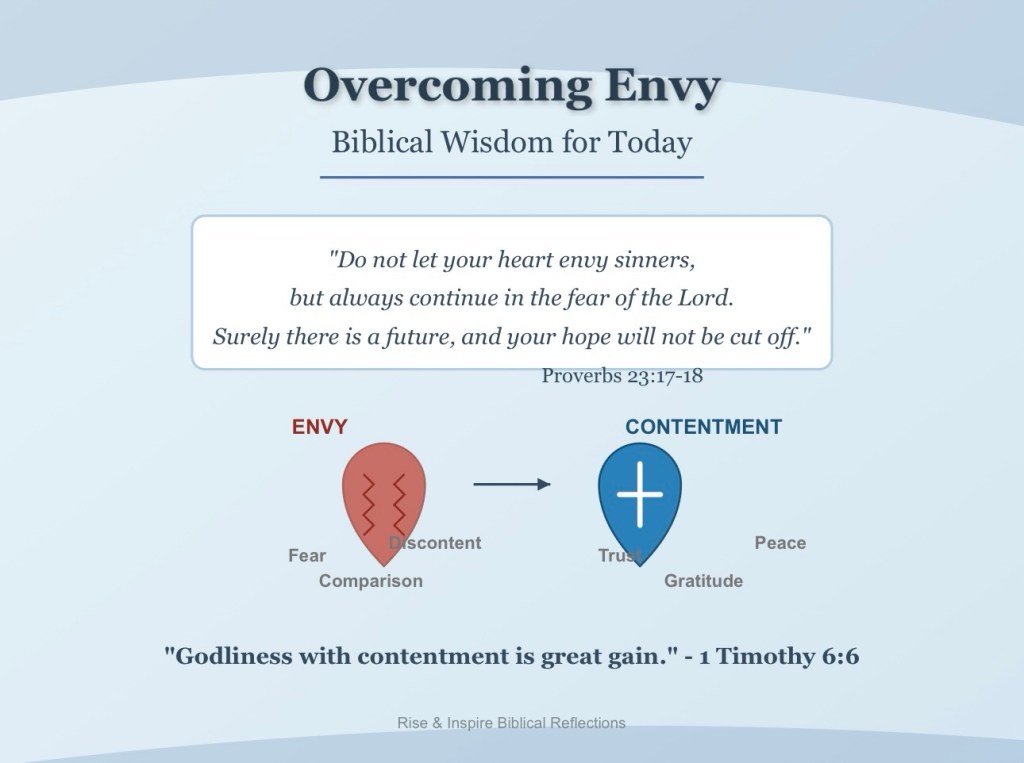
“Do not let your heart envy sinners, but always continue in the fear of the Lord. Surely there is a future, and your hope will not be cut off.” (Proverbs 23:17-18, NIV)

The Malayalam translation emphasizes “നിന്റെ ഹൃദയം പാപികളെ നോക്കി അസൂയപ്പെടരുത്‌; എപ്പോഴും ദൈവഭക്‌തിയില്‍ ഉറച്ചുനില്‍ക്കുക. തീര്‍ച്ചയായും നിനക്കൊരു ഭാവിയുണ്ട്‌; നിന്റെ പ്രതീക്‌ഷയ്‌ക്കു ഭംഗം നേരിടുകയില്ല.”

The Tamil translation highlights “உன் இருதயம் பாவிகளைப் பொறாமை கொள்ளாதே; எப்போதும் ஆண்டவருக்குள் பயத்தோடு நிலைத்திரு. நிச்சயமாக உனக்கொரு எதிர்காலம் இருக்கிறது; உன் நம்பிக்கை முறியடிக்கப்படாது.”

—your hope will remain unbroken.

Let’s dive deeper.

Context: 

Wisdom in a World of Illusions

Historical Lens:

Proverbs, written by Solomon around 900 BCE, was designed to guide young leaders in ancient Israel. In a world where idolaters flaunted their success, the temptation to envy was real.

Theological Core:

“Fear of the Lord” (yir’ah in Hebrew) doesn’t mean living in terror—it’s a call to awe-inspired obedience. While envy distracts you, reverence for God redirects your heart.

Verse Breakdown: 

Key Words & Cross-References

  • Envy (Hebrew qin’ah): A consuming fire that drains life (Proverbs 14:30). Instead, Psalm 37:1 reminds you: “Do not fret because of those who prosper.”
  • Future (Hebrew acharith): More than earthly success, it points to eternal security (Jeremiah 29:11).
  • Paraphrase: “Don’t crave the temporary wins of the ungodly. Worship God wholeheartedly—your forever reward is guaranteed.”

Personal Reflection: 

When God Rewrote Your Timeline

Maybe you’ve watched your peers advance while you felt stuck. A friend of mine lost a dream job and battled resentment. But stepping away from social media helped him rediscover Psalm 73: “Whom have I in heaven but You?” His “future” wasn’t ruined—it was recalibrated.

What if God is rewriting your story too?

Practical Application: 

From Envy to Expectation

  1. Gratitude Journaling: Write down three daily blessings to refocus on God’s gifts.
  2. Serve Secretly: Volunteer anonymously—breaking comparison’s grip.
  3. Scripture Post-Its: Memorize Proverbs 23:18 and place it where you’ll see it daily.

Reflection Questions:

  • When did envy last cloud your joy? How might “fearing God” shift your perspective?
  • What does an “unbroken hope” look like in your current season?

Prayer:

“Father, forgive my restless heart. Teach me to treasure Your presence over others’ possessions. Anchor my hope in Your eternal plan. Amen.”

Debunking Misconceptions

  • Myth 1: “Fear of the Lord = Scared Obedience.” Truth: It’s about relational reverence (Deuteronomy 10:12).
  • Myth 2: “Future = Material Wealth.” Truth: Your true inheritance is peace, purpose, and eternity (Matthew 6:20).

The Bigger Picture: 

Jesus & Modern Struggles

Jesus warned: “Life does not consist in an abundance of possessions.” (Luke 12:15)

In today’s world of Instagram highlights and LinkedIn success stories, envy is amplified. But Christ’s kingdom flips the script: “The meek will inherit the earth.” (Matthew 5:5)

Guided Meditation: 

Breathing Hope

  1. Sit quietly. Breathe in: “I release envy.” Breathe out: “I receive Your future.”
  2. Picture yourself placing your worries at Jesus’ feet. Hear Him whisper: “Your story isn’t over.”
  3. Close to this video, is a musical reminder of God’s faithfulness.

7-Day Devotional: 

Anchored in Hope

Day 1: Read Proverbs 23:17-18. Ask: Where does envy lurk in my heart?
Prayer: “God, reveal where I have prioritized worldly success over You.”
(Continue with daily readings: Psalm 37, Ecclesiastes 2, etc.)

Closing Encouragement by His Excellency, the Rt. Rev. Dr. Selvister Ponnumuthan 

“Dear friend, your hope is tethered to Heaven’s throne. Share this post, tag someone who needs encouragement, and join our #HopeOverEnvy challenge. Your future is radiant!”

Final Thought:

Envy shouts, “You’re missing out!” but God whispers, “You’re rooted in Me.” Choose the whisper.

🌐 Home | Blog | About Us | Contact| Resources

📱 Follow us: @RiseNinspireHub

© 2025 Rise&Inspire. All Rights Reserved.

Word Count:686

Are You Stronger Than Your Struggles?

“Overcoming Your Struggles Through the Power of God’s Faithfulness”

A Rise & Inspire Biblical Reflection By  Johnbritto Kurusumuthu,

The Verse That Holds Us Up:
“No testing has overtaken you that is not common to everyone. God is faithful, and He will not let you be tested beyond your strength, but with the testing He will also provide the way out so that you may be able to endure it.”
—1 Corinthians 10:13
മനുഷ്യസാധാരണമല്ലാത്ത ഒരു പ്രലോഭനവും നിങ്ങൾക്കു നേരിട്ടിട്ടില്ല. ദൈവം വിശ്വസ്തനാണ്. നിന്റെ ശക്തിക്കതീതമായ പ്രലോഭനങ്ങൾ ഉണ്ടാകാൻ അവിടുന്ന് അനുവദിക്കുകയില്ല. പ്രലോഭനങ്ങൾ ഉണ്ടാകുമ്പോൾ അവയെ അതിജീവിക്കാൻ വേണ്ട ശക്തി അവിടുന്ന് നിനക്കു നൽകും.”
—1
കൊറിന്തോസ് 10:13

The Heart of the Message

What if the struggles you’re facing today aren’t meant to break you—but to reveal the unbreakable strength God has placed within you? In 1 Corinthians 10:13, we find a promise that pulses with hope: God is faithful. He doesn’t just watch from a distance as we stumble through trials—He steps into the storm with us. Your struggles are not a sign of abandonment; they’re an invitation to discover His power, His presence, and the resilience He’s woven into your soul.

You are stronger than your struggles—not because of your own might, but because the One who holds the universe holds you. Let’s dive into this truth and rise together.

A Light in the Darkness

This verse isn’t just words on a page—it’s a lifeline. Let’s break it down and see how it meets us where we are:

  1. Your Struggle Is Not Uncommon
    “No testing has overtaken you that is not common to everyone.”
    Feel like you’re the only one drowning? You’re not. The pain, the doubt, the temptation—it’s part of the human story. This truth shatters the lie of isolation and calls you into connection. You’re not alone in this battle.
  2. God’s Faithfulness Never Falters
    “God is faithful.”
    When everything else shakes, He stands firm. His faithfulness isn’t a fleeting feeling—it’s a rock-solid reality. Even when you can’t see the way forward, He’s already there, steady and sure.
  3. Your Limits Are Known
    “He will not let you be tested beyond your strength.”
    God sees you—really sees you. He knows exactly how much you can carry, and He won’t let the weight crush you. This isn’t about avoiding hardship; it’s about trusting that every trial is measured by a hand that loves you.
  4. A Way Through, Not Just Out
    “He will also provide the way out so that you may be able to endure it.”
    Sometimes the “way out” isn’t an escape hatch—it’s a quiet strength, a friend’s voice, a spark of courage you didn’t know you had. God doesn’t always remove the storm, but He always equips you to stand in it.

Living the Promise: Steps to Rise Above

How do we take this truth from our heads to our hearts? Here’s how to walk it out when the waves crash in:

  • Anchor Yourself in Trust
    When the chaos feels too big, pause and whisper: This isn’t beyond God’s reach. Let go of the need to control and ask, What are You showing me, Lord? He’s shaping something beautiful through the struggle.
  • Seek the Hidden Path
    God’s “way out” might be a scripture that lights up your soul, a friend who listens, or a moment of peace in the madness. Keep your eyes open—He’s already moving.
  • Reach Out, Not In
    Struggles lose their power when shared. You weren’t meant to carry this alone. Let someone in— vulnerability is strength in disguise.
  • Run the Race with Endurance
    Endurance isn’t about gritting your teeth; it’s about lifting your eyes. Every step through the trial builds a faith that can’t be shaken. You’re not just surviving—you’re overcoming.

A Prayer to Stand Strong

Take a moment. Breathe. Let this prayer wash over you:

Heavenly Father,
In the shadows of my struggles, I lift my heart to You. Thank You for being faithful when I falter, for seeing me when I feel invisible. Show me the way You’ve carved through this storm. When I’m weak, be my strength. When I’m lost, be my guide. Let me endure—not with clenched fists, but with a spirit surrendered to Your love. Turn my trials into testimonies of Your grace. In Jesus’ name, Amen.

A Word of Encouragement

From His Excellency, the Rt. Rev. Dr. Selvister Ponnumuthan:
“Beloved, 1 Corinthians 10:13 isn’t just a promise—it’s God’s vow to you. He doesn’t abandon you to the fire; He walks through it with you. Your struggles are not the end of your story—they’re the beginning of a miracle. Lift your head, lean on His strength, and let your life sing of His faithfulness. You are never alone, for the King of all creation fights for you.”

A Song to Lift Your Spirit

Need a melody to carry this truth deeper? Listen to “Way Maker”—a song that declares God’s relentless love and provision. Let it remind you: Even when the night is long, He’s making a way.

The Final Truth: You Were Made to Triumph

Storms will come. That’s a given. But here’s the greater truth: You were built to overcome. Not because you’re invincible, but because the God who spoke light into darkness lives in you. Your struggle doesn’t have the final word—He does.

So stand, dear friend. You’re not alone in the fight. You’re equipped with His strength. And you will rise—not just to endure, but to shine.

“The same God who parted seas and raised the dead is carving a path through your pain. Trust Him. You are stronger than you know—because He is with you.”

Join the Journey:
For more reflections to fuel your faith, follow Rise & Inspire. Together, let’s turn struggles into songs of victory.

🌐 Home | Blog | About Us | Contact| Resources

📱 Follow us: @RiseNinspireHub

© 2025 Rise&Inspire. All Rights Reserved.

Word Count:986

What Does Matthew 18:19-20 Teach Us About the Power of Praying Together?

God designed faith to be lived in the community.

Jesus’ Promise in Matthew 18:19-20
The Power of Praying Together

A Rise & Inspire Biblical Reflection

By Johnbritto Kurusumuthu, founder and Editor-in-Chief of Rise &Inspire.

“Again, truly I tell you, if two of you agree on earth about anything you ask, it will be done for you by my Father in heaven. For where two or three are gathered in my name, I am there among them.”

Matthew 18: 19-20

“വീണ്ടും ഞാന്‍ നിങ്ങളോടു പറയുന്നു: ഭൂമിയില്‍ നിങ്ങളില്‍ രണ്ടു പേര്‍ യോജിച്ചു ചോദിക്കുന്ന ഏതു കാര്യവും എന്റെ സ്വര്‍ഗസ്‌ഥനായ പിതാവ്‌ നിറവേറ്റിത്തരും. എന്തെന്നാല്‍, രണ്ടോ മൂന്നോ പേര്‍ എന്റെ നാമത്തില്‍ ഒരുമിച്ചു കൂടുന്നിടത്ത്‌ അവരുടെ മധ്യേ ഞാന്‍ ഉണ്ടായിരിക്കും.”

മത്തായി 18: 19-20

Introduction

There is something deeply powerful and beautiful about coming together in prayer.

Whether in a crowded sanctuary, a quiet living room, or even a virtual meeting, the act of uniting hearts in faith carries a divine weight.

 In Matthew 18:19-20, Jesus makes a breathtaking promise: when two or three agree in prayer, God listens and acts. But what does this mean for us today? Let’s explore the depth of this passage and how it invites us into a richer, more communal spiritual life.

The Context of Unity and Agreement

Jesus spoke these words while teaching His disciples about resolving conflict, restoring relationships, and living in humility (Matthew 18:1-20). The broader theme is community—how believers ought to relate to one another. Verses 19-20, then, are not just about prayer but about unified purpose.

If two of you agree on earth…

The Greek word for “agree” here is symphoneō, meaning “to sound together” or “harmonize.” It’s the root of our word “symphony.” Jesus isn’t asking for robotic uniformity but for hearts aligned in love, humility, and a shared desire for God’s will. When we pray in such unity, Jesus says, the Father responds.

Where two or three are gathered…

In Jewish tradition, a minyan (quorum of ten) was required for certain prayers. Jesus radically redefines this: even two or three believers united in His name, create sacred space. His presence isn’t limited by numbers but by the authenticity of their fellowship.

Practical Reflections for Today

Prayer Is Relational: God designed faith to be lived in community. Whether praying with a spouse, friend, or small group, our combined faith amplifies our spiritual impact.

Agreement ≠ Control: Unity in prayer isn’t about manipulating God but surrendering to His wisdom. It’s saying, “Your will, not ours” (Matthew 6:10).

Small Is Sacred: Don’t underestimate the power of a tiny group. A coffee-shop Bible study, a family dinner prayer, or a tearful phone call with a friend—Jesus is there.

But What If God Says ‘No’?

Jesus’ promise isn’t a blank cheque. God answers according to His perfect love and timing (1 John 5:14). Even in unmet requests, His presence remains the greater gift.

A Meditative Prayer

Heavenly Father,

We come before You, two or three in Your name,

Humbly aligning our hearts with Yours.

Teach us to pray not for our glory, but Yours,

To seek unity over division, faith over fear.

When doubts arise, remind us: You are here.

In the silence, the struggle, the sacred “yes” or “no,”

Let us feel Your presence—closer than breath.

Bind us together in love,

That our prayers may rise like incense,

A symphony of hope echoing in heaven.

Amen.

A Message from Bishop Selvister Ponnumuthan

Dear brothers and sisters in Christ,

Matthew 18:20 is a call to awaken to the power of communal worship. In a world fragmented by individualism, the Church is called to model Christ’s unifying love. Gather often—in homes, churches, or digital spaces. Let your prayers be bold, your hearts tender, and your fellowship unbroken. Remember: when you lift your voices together, heaven leans in. Go now, and be the answer to someone else’s prayer.

—His Excellency, the Rt. Rev. Dr. Selvister Ponnumuthan

Deepening Understanding Through Reflection

For further insight, watch this short sermon on The Power of Agreement in Prayer, which unpacks how unity in Christ transforms our spiritual lives.

Conclusion: The Symphony of Faith

Jesus’ promise in Matthew 18:19-20 is both a comfort and a call to deeper faith. It comforts us with the assurance that we’re never alone in prayer. It invites us to prioritize community, seek harmony with fellow believers, and trust that even our smallest gatherings matter eternally.

So today, reach out. Text a friend to pray with you. Join a small group. Whisper a prayer with your child. Wherever you are, whatever your number—He is there.

Let your life rise and inspire,

The Rise & Inspire Team

Discussion Prompt

When have you experienced God’s presence in a small group? Share your story in the comments—your testimony might ignite someone else’s faith!

🌐 Home | Blog | About Us | Contact| Resources

📱 Follow us: @RiseNinspireHub

© 2025 Rise&Inspire. All Rights Reserved.

Word Count:826

How Does God Restore and Heal Us?


Divine Healing and Restoration

A Rise & Inspire Biblical Reflection By  Johnbritto Kurusumuthu

The Verse:

“For I will restore health to you, and your wounds I will heal.”

Jeremiah 30: 17

ഞാന്‍ നിനക്കു വീണ്ടും ആരോഗ്യം നല്‍കും; നിന്റെ മുറിവുകള്‍ സുഖപ്പെടുത്തും.”

ജറെമിയാ 30: 17

 Divine Healing: 

Introduction

Life’s trials often leave us feeling broken, weary, or spiritually exiled. In moments of despair, God’s promises shine as beacons of hope. Jeremiah 30:17 offers one such promise—a divine assurance of restoration and healing. 

Today, we’ll explore this verse’s historical roots, its timeless relevance, and how it invites us to trust in God’s unwavering faithfulness.

Context: A Promise Amid Exile

Jeremiah, known as the “weeping prophet,” ministered during a dark period in Israel’s history. The people faced exile in Babylon as a consequence of turning from God. Yet, in Jeremiah 30—often called the “Book of Consolation”—God shifts from warnings of judgment to promises of restoration. This verse is part of a larger covenant: “I will bring my people Israel and Judah back from captivity and restore them” (Jeremiah 30:3).

The Hebrew word for restore (rāphâ) means to mend or repair, while healing (marpê) implies a complete cure. God isn’t merely addressing physical wounds but the deeper scars of rebellion, shame, and despair. For the Israelites, this was a pledge of return to their land and relationship with Him. For us, it’s a metaphor for spiritual renewal.

Themes: God’s Faithfulness in Brokenness

  1. Restoration as Divine Initiative
    God doesn’t wait for us to “fix ourselves.” He says, “I will restore”—emphasizing His active role in healing. Just as He vowed to bring Israel home, He meets us in our brokenness, offering grace before we ask.
  2. Healing Beyond the Surface
    Ancient Israel’s wounds were both physical (exile, war) and spiritual (idolatry, guilt). Similarly, our “wounds” may include grief, addiction, or doubt. God’s healing touches every layer, transforming pain into purpose.
  3. Hope while Waiting
    The Israelites waited 70 years for restoration. Healing often requires patience, but God’s timing is purposeful. As Psalm 147:3 reminds us, “He heals the brokenhearted and binds up their wounds.”

Practical Reflections: Embracing the Promise Today

  • Acknowledge Your Wounds
    Healing begins with honesty. Bring your struggles—emotional, relational, or spiritual—to God in prayer. Like the Israelites, admit your need for His intervention.
  • Trust the Process
    Restoration isn’t always instantaneous. Journaling, counselling, or community support can be tools God uses to mend us. Watch this reflective sermon on surrendering to God’s healing timeline.
  • Be a Vessel of Healing
    As God restores you, extend compassion to others. Share your story, pray with a friend, or serve someone in need.

Meditative Prayer

Heavenly Father,
You see the hidden wounds I carry—the ache of loss, the weight of regret, the fractures in my spirit. Today, I cling to Your promise: “I will restore health to you.” Mend what is broken within me. Heal memories that haunt me, relationships that strain me, and fears that paralyze me. Teach me to wait with hope, knowing Your timing is perfect. Thank You for never abandoning me, even in exile. As You restore my soul, let me become a light for others walking through the darkness. In Jesus’ name, Amen.

A Special Message from His Excellency

“Dear friends, God’s promise in Jeremiah 30:17 is not a distant hope but a present reality. His healing is available to you now. I urge you: Do not suffer in silence. Reach out—to God, to your community, to those who can walk beside you. Let this verse inspire action: Volunteer at a shelter, call a struggling friend or simply sit in stillness before the Lord. Restoration begins when we trust Him enough to take the first step.”

Conclusion

Jeremiah 30:17 is more than ancient poetry—it’s a lifeline. Whatever “exile” you face, God pledges to restore and heal. Let this truth anchor you. As you reflect, revisit the linked video for further encouragement.

Call to Action: Share a moment when God brought healing to your life in the comments. Your story could be someone else’s beacon of hope.

Rise & Inspire—because every wound met with faith becomes a testament to grace.

Stay Connected

For more devotionals, subscribe to Rise&Inspire. Together, let’s grow in wisdom and hope.

🌐 Home | Blog | About Us | Contact| Resources

📱 Follow us: @RiseNinspireHub

© 2025 Rise&Inspire. All Rights Reserved.

Word Count:723

How Can You Rely on God’s Faithfulness in Life’s Battles?

A Rise & Inspire Biblical Reflection

By Johnbritto Kurusumuthu, founder and Editor-in-Chief of Rise &Inspire.


God’s Faithfulness in Life’s Battles

Anchored in Faithfulness—Exploring 2 Thessalonians 3:3

The Verse:

“But the Lord is faithful; he will strengthen you and guard you from the evil one.”

2 Thessalonians 3 : 3

എന്നാല്‍, കര്‍ത്താവ്‌ വിശ്വസ്‌തനാണ്‌. അവിടുന്നു നിങ്ങളെ ശക്‌തിപ്പെടുത്തുകയും ദുഷ്‌ടനില്‍ നിന്നു കാത്തുകൊള്ളുകയും ചെയ്യും.”

2 തെസലോനിക്കാ 3 : 3

Introduction: 

A Promise for Turbulent Times

Life is filled with storms—relational struggles, societal pressures, personal failures, and spiritual battles. In such moments, we crave stability. The apostle Paul, writing to the Thessalonian church amidst persecution, offers a lifeline:

“But the Lord is faithful; he will strengthen you and guard you from the evil one.” – 2 Thessalonians 3:3

This verse is not just ancient encouragement but a living promise for today. Let’s unpack its richness and discover how it anchors us in God’s unchanging character.

Context: Why Did Paul Write These Words?

Thessalonica was a city hostile to early Christians. New believers faced ridicule, economic hardship, and threats to their faith. 

In his second letter, Paul urges perseverance, corrects misunderstandings about Christ’s return, and calls the church to stand firm. Chapter 3 begins with a prayer request and culminates in this powerful affirmation of God’s faithfulness. Paul reminds them—and us—that divine strength and protection are not abstract ideas but realities for those who trust in Christ.

Breaking Down the Verse: Three Pillars of Hope

  1. The Lord is faithful
    Faithfulness is God’s very nature. Unlike humans, He cannot lie, forget, or waver (Numbers 23:19). His promises are “yes and amen” (2 Corinthians 1:20). When life feels chaotic, His faithfulness is our foundation.
    Reflect: Recall a time God proved faithful when you doubted. How does His track record inspire trust today?
  2. He will strengthen you
    The Greek word for “strengthen” (sthenoó) implies empowering from within. It’s not about avoiding trials but receiving resilience to endure them (Philippians 4:13).
    Example: Think of a tree bending in a storm but not breaking. God’s strength enables us to flex without fracturing.
  3. Guard you from the evil one
    Satan seeks to devour (1 Peter 5:8), but God is our shield. This guarding isn’t merely physical—it’s spiritual, emotional, and mental.
    Application: Put on the armour of God daily (Ephesians 6:10–18). Vigilance plus divine protection equals victory.

Practical Reflections: Living the Promise

  • When Weakness Strikes – Instead of self-reliance, pray: “Lord, I’m empty. Fill me with Your strength.”
  • In Spiritual Warfare – Memorize Scripture to counter lies: “No weapon formed against me will prosper” (Isaiah 54:17).
  • Community Matters – Share your struggles with trusted believers. Paul asked for prayer (2 Thessalonians 3:1–2); so can you.

Meditative Prayer: Rooted in His Faithfulness

Heavenly Father,
In the quiet of this moment, I rest in Your unchanging nature. You are the same yesterday, today, and forever. Forgive me for the times I’ve doubted Your care, relying on my fraying strength. Today, I surrender my fears and fatigue.

Strengthen me, Lord—not to escape the storm but to stand firm within it. Guard my heart from despair, my mind from lies, and my spirit from the enemy’s schemes. Help me to see Your hand at work, even when the path is dark.

I declare Your faithfulness over every battle I face. Teach me to walk in courage, knowing You are with me. In Jesus’ name, Amen.

A Special Message from His Excellency

Beloved in Christ,
In a world of shifting sands, cling to the Rock of Ages. God’s faithfulness is your inheritance. When trials come, don’t retreat—advance in prayer. Let His Word be your sword and His presence your shield.

I urge you: Be a beacon of hope. Share this promise with someone struggling today. Together, we rise stronger.

—His Excellency, the Rt. Rev. Dr. Selvister Ponnumuthan

Conclusion: 

Stand Firm, Rise Stronger

2 Thessalonians 3:3 is more than a verse—it’s a battle cry. No matter what evil you face, God’s faithfulness outlasts it. Let this truth steady your heart and fuel your courage.

For deeper reflection, watch this short message on God’s protection, which unpacks how to lean into His strength daily.

Call to Action

  • Share a story of God’s faithfulness in the comments.
  • Forward this post to a friend needing encouragement.
  • Subscribe to Rise&Inspire to keep rising higher.

Stay inspired, stay anchored.

Follow Rise & Inspire for more spiritual insights.

🌐 Home | Blog | About Us | Contact| Resources

📱 Follow us: @RiseNinspireHub

© 2025 Rise&Inspire. All Rights Reserved.

Word Count:763