Can One Verse Rewrite Your Purpose in Life?


1 Peter 2:24 – Healing Through His Woun…

A Rise & Inspire Biblical Reflection
By Johnbritto Kurusumuthu

The Radical Message of 1 Peter 2:24

Imagine holding a fragile, ancient letter, its ink faded but its words pulsating with urgency. This is the essence of 1 Peter, a first-century epistle addressed to early Christians scattered across the Roman Empire. Among its treasures is 2:24, a verse that distills the heart of the Christian faith:
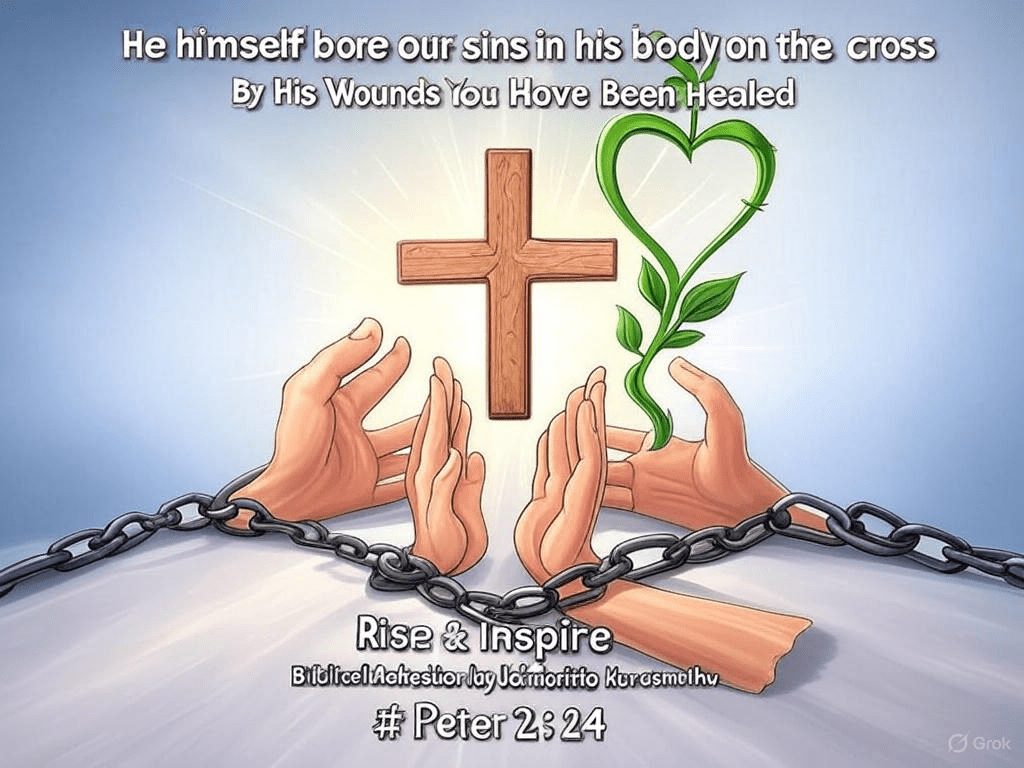
“He himself bore our sins in his body on the cross, so that, having died to sins, we might live for righteousness; by his wounds you have been healed.”

Let us dissect this verse as scholars of history, theology, and lived faith.

The Language of Sacrifice and Liberation

The Greek text of 1 Peter 2:24 is rich with imagery. The verb “bore” (anēnengken) means “to carry up,” evoking the sacrificial system where sins were symbolically placed on an animal. Here, Christ becomes the ultimate sacrifice, “carrying up” humanity’s sins to the cross. The phrase “died to sins” is a legal term, declaring believers free from sin’s power. “By his wounds” echoes Isaiah 53:5, linking Jesus to the Suffering Servant, whose bruises bring healing (sōthēte—saved, restored).

Literally, this verse proclaims: Christ’s death breaks sin’s chains, redirecting our lives toward righteousness and holistic healing.

Context and Purpose

Author & Audience: Traditionally attributed to the Apostle Peter, this letter targets persecuted Christians in Asia Minor (modern-day Turkey). Facing social ostracization and state-sponsored violence, they needed reassurance that their suffering had meaning.

Why Was It Written? Peter reframes their struggles through Christ’s example. Just as Jesus endured unjust suffering to redeem others, believers are called to “live for righteousness” amid opposition. The cross is not defeat but victory—a paradox where wounds become the source of healing.

Message for Today: In a world fractured by injustice, addiction, and despair, 1 Peter 2:24 offers a radical alternative: liberation from self-destruction and a call to embody Christ’s healing love.

A Walk-Up Call from Bishop Selvister Ponnumuthan

His Excellency, the Rt. Rev. Dr. Selvister Ponnumuthan, underscores this verse as a spiritual wake-up call:
“Christ’s sacrifice is not a relic of history but a living invitation. To ‘die to sins’ is to reject the lies that bind us—greed, hatred, fear. To ‘live for righteousness’ is to become agents of justice, mercy, and reconciliation. His wounds are our mandate: heal the broken, as you have been healed.”

Meditative Reflection:

 “By His Wounds”

To deepen your reflection, listen to the hymn By His Wounds. As the melody unfolds, ponder the cost of your healing and the life you are called to live.

Prayer for Transformation

Merciful Father,
We bow before the cross, where Your Son bore our sins.
Thank You for the gift of liberation—for breaking the shackles of shame and despair.
Forgive us when we cling to old ways; reorient our hearts to Your righteousness.
By the wounds of Christ, heal our divisions, our addictions, our apathy.
Make us instruments of Your healing in a wounded world.
Grant us courage to live as resurrection people, defiant in hope and relentless in love.
In Jesus’ name, Amen.

Guided Meditation

  1. Stillness: Sit quietly, breathing deeply. Imagine yourself at the foot of the cross.
  2. Surrender: Visualize placing your burdens—guilt, fear, pain—into Christ’s wounded hands.
  3. Receive Healing: Picture His light filling you, mending brokenness, igniting purpose.
  4. Commission: Ask, “Lord, how will You use my healed heart to heal others today?”

Rise & Inspire Challenge

Today, perform one act of righteousness—forgiveness, advocacy, generosity—as a testament to Christ’s transformative love.

You are healed. Now go and heal.
— Johnbritto Kurusumuthu

Let this verse be more than words on parchment. Let it be your story.

Verse of the Day – 12/04/2025
A Trilingual Whisper from the Cross

Before you close this reflection, pause and let 1 Peter 2:24 echo through the languages of your soul. The message is universal—the call is personal. Let it speak in the tongues of your heritage, your heart, and your healing.

In English – The Divine Exchange

“He himself bore our sins in his body on the cross, so that, having died to sins, we might live for righteousness; by his wounds, you have been healed.”
— 1 Peter 2:24

In Malayalam – ക്രൂശിലെ സ്നേഹത്തിന്റേ പൊരുൾ

“നമ്മുടെ പാപങ്ങള്‍ സ്വന്തം ശരീരത്തില്‍ വഹിച്ചുകൊണ്ട്‌ അവന്‍ കുരിശിലേറി.
അത്‌, നാം പാപത്തിനു മരിച്ചു നീതിക്കായി ജീവിക്കേണ്ടതിനാണ്‌.
അവന്റെ മുറിവിനാല്‍ നിങ്ങള്‍ സൗഖ്യമുള്ളവരാക്കപ്പെട്ടിരിക്കുന്നു.”
— 1 പത്രോസ് 2:24

In Tamil – காயங்களால் குணமடைந்தோம்

“சிலுவையின் மேல் கிறிஸ்து தம் சரீரத்தில் நம் பாவங்களையும் சுமந்தார்.
நாம் பாவங்களுக்காக வாழ்வதை நிறுத்தி, நேர்மையாக வாழ்வதற்காக அவர் இதைச் செய்தார்.
அவரது காயங்களினால் நீங்கள் குணமாக்கப்பட்டீர்கள்.”
— 1 பேதுரு 2:24

Let these three voices bear one truth:
You are not bound by your wounds—you are healed to live with purpose.

Let this be your declaration. Your reset. Your resurrection.
Because yes—one verse can rewrite your purpose in life.

🌐 Home | Blog | About Us | Contact| Resources

Categories: Astrology & Numerology | Daily Prompts | Law | Motivational Blogs | Motivational Quotes | Others | Personal Development | Tech Insights | Wake-Up Calls

📱 Follow us: @RiseNinspireHub

© 2025 Rise&Inspire. All Rights Reserved.

Word Count:843

How Does Isaiah 54:7-8 Reveal God’s Unfailing Love and Compassion?


God’s Unfailing Love – Isaiah 54:7-8 Illus…

Core Message of Isaiah 54:7-8

The core message of Isaiah 54:7-8 is one of divine compassion and restoration. These verses emphasize God’s unfailing love and mercy towards His people, even after a period of seeming abandonment. The Lord acknowledges that He momentarily turned away in anger, but He promises to gather His people back with great compassion and everlasting kindness. This message underscores the enduring nature of God’s covenant with His people and His commitment to their redemption and restoration.

A Rise & Inspire Biblical Reflection By Johnbritto Kurusumuthu

Examining Isaiah 54:7-8

Scriptural Examination

As you look into Isaiah 54:7-8, you are struck by the profound contrast between God’s momentary anger and His enduring compassion. The text reads:

“For a brief moment I abandoned you, but with great compassion, I will gather you. In overflowing wrath for a moment I hid my face from you, but with everlasting love, I will have compassion on you, says the Lord, your Redeemer.”

The language is both poignant and reassuring. The phrase “brief moment” underscores the temporary nature of God’s anger, while “great compassion” and “everlasting love” highlight the permanence of His mercy. The repetition of “moment” emphasizes the fleeting nature of divine displeasure compared to the eternal nature of divine love.

Contextual Study

To fully grasp the significance of these verses, you must consider their historical and cultural context. Isaiah 54 is part of a larger section (Isaiah 40-66) often referred to as “Second Isaiah,” which addresses the Israelites during their exile in Babylon. The prophet Isaiah speaks words of comfort and hope to people who feel abandoned and forgotten by God.

The historical backdrop is important. The Israelites had experienced the destruction of Jerusalem and the Temple, and they were now living in a foreign land. These verses would have resonated deeply with their feelings of despair and longing for restoration. The prophet assures them that their current suffering is temporary and that God’s compassion and love will ultimately prevail.

The theological message is clear: God’s covenant with His people is unbreakable. Even in times of apparent abandonment, God’s love and mercy remain steadfast. This message is not only relevant to the exiled Israelites but also to you today. It reminds you that God’s love is constant, even when you face trials and tribulations.

Contemporary Application

In your modern context, these verses offer a powerful reminder of God’s unchanging nature. You live in a world filled with uncertainty and change, but God’s love and compassion remain constant. Whether you face personal struggles, communal challenges, or global crises, you can find comfort in knowing that God’s mercy endures forever.

For a deeper understanding, I invite you to watch this insightful video reflection on Isaiah 54:7-8: [Isaiah 54:7-8 Reflection](https://youtu.be/UwDWpJInVyU?si=oIvXVGgEs8shFljA).

Conclusion

Isaiah 54:7-8 is a testament to God’s unfailing love and compassion. These verses remind you that even in your darkest moments, God’s mercy and kindness are ever-present. As you reflect on these words, let yourself be encouraged and inspired to trust in God’s enduring love and to share that love with others.

A Walkup Call Message from His Excellency, the Rt. Rev. Dr. Selvister Ponnumuthan

Dear Brothers and Sisters in Christ,

As you meditate on Isaiah 54:7-8, let yourself be reminded of God’s unfailing love and compassion. In times of trial and tribulation, it is easy to feel abandoned and forgotten. However, these verses assure you that God’s mercy endures forever. Even when you face challenges, you can trust in His everlasting love and kindness.

Let yourself take this message to heart and share it with those around you. May you be beacons of hope and compassion, reflecting God’s love in your words and actions. Let you pray for one another and our world, that you may experience God’s mercy and kindness in your lives.

Prayer and Meditation

Prayer:

Heavenly Father, we thank You for Your unfailing love and compassion. Even in our darkest moments, You are with us, offering mercy and kindness. Help us to trust in Your everlasting love and to share that love with others. May we be instruments of Your peace and compassion in our world. In Jesus’ name, we pray. Amen.

Meditation:

Take a few moments to reflect on God’s love and compassion in your life. Consider the times when you felt abandoned or forgotten, and remember how God’s mercy and kindness sustained you. Allow these memories to fill you with gratitude and hope. As you go about your day, look for opportunities to share God’s love with others, knowing that His mercy endures forever.

May God’s everlasting love and compassion be with you always.

In Christ’s love,

The Rt. Rev. Dr. Selvister Ponnumuthan

Today’s Verse: 08/04/2025

“In the Shadow of Wrath, the Light of Love”

Isaiah 54:7-8 – A Promise of Compassion

“For a brief moment I abandoned you, but with great compassion, I will gather you. In overflowing wrath for a moment I hid my face from you, but with everlasting love, I will have compassion on you,” says the Lord, your Redeemer.
— Isaiah 54:7-8 (NRSV)

“നിമിഷനേരത്തേക്കു നിന്നെ ഞാന്‍ ഉപേക്‌ഷിച്ചു; മഹാകരുണയോടെ നിന്നെ ഞാന്‍ തിരിച്ചുവിളിക്കും. കോപാധിക്യത്താല്‍ ക്‌ഷണനേരത്തേക്കു ഞാന്‍ എന്റെ മുഖം നിന്നില്‍നിന്നു മറച്ചുവച്ചു; എന്നാല്‍ അനന്തമായ സ്‌നേഹത്തോടെ നിന്നോടു ഞാന്‍ കരുണ കാണിക്കും എന്ന്‌ നിന്റെ വിമോചകനായ ദൈവം അരുളിച്ചെയ്യുന്നു.”
— ഏശയ്യാ 54:7-8 (Malayalam)

“இமைப்பொழுது உன்னைக் கைவிட்டேன்; ஆனாலும் உருக்கமான இரக்கங்களால் உன்னைச் சேர்த்துக்கொள்வேன்.
அற்பகாலம் மூண்ட கோபத்தினால் என் முகத்தை இமைப்பொழுது உனக்கு மறைத்தேன்; ஆனாலும் நித்திய கிருபையுடன் உனக்கு இரங்குவேன் என்று தேவனாகிய உன் மீட்பர் சொல்லுகிறார்.”
— எசாயா 54:7-8 (Tamil)

Reflection:
Even in moments of silence or distance, God’s love never ceases. What may feel like abandonment is often a pause before a greater embrace. His compassion outweighs His momentary wrath, and His everlasting love promises healing and restoration.

Let today’s verse be a gentle reminder: God gathers, God redeems, and God never truly lets go.

🌐 Home | Blog | About Us | Contact| Resources

Categories: Astrology & Numerology | Daily Prompts | Law | Motivational Blogs | Motivational Quotes | Others | Personal Development | Tech Insights | Wake-Up Calls

📱 Follow us: @RiseNinspireHub

© 2025 Rise&Inspire. All Rights Reserved.

Word Count:1025

How Can Submitting to God Lead to Victory Over Temptation?

A Rise & Inspire Biblical Reflection By  Johnbritto Kurusumuthu

A Prayerful Meditation on James 4:7

A Wake-Up Call from His Excellency, the Rt. Rev. Dr. Selvister Ponnumuthan

Beloved in Christ, as we begin this blessed day, let us receive the wake-up call from the Word of God:

“Submit yourselves therefore to God. Resist the devil, and he will flee from you.” – James 4:7

This verse is a divine instruction, a call to surrender fully to God’s authority while actively resisting the enemy’s influence. It reminds us that true strength is found not in self-reliance but in humble obedience to the Lord. 

Let us now enter into a prayerful reflection, seeking wisdom, strength, and transformation through this powerful Scripture.

A Prayerful Reading of the Text (Textual Analysis)

Heavenly Father, as we meditate on James 4:7, let us carefully read and reflect upon each word, just as one would examine an ancient manuscript, seeking to understand its deepest meaning.

Submit yourselves therefore to God” – Lord, You call us to surrender, not in weakness but in trust. We recognize that submission to You is not about loss, but about gaining true freedom in Your divine will.

Resist the devil” – You remind us that we are in a spiritual battle. Temptations and trials surround us, but You empower us to stand firm.

And he will flee from you” – Your Word assures us of victory. When we resist evil in Your name, the enemy has no power over us.

O Lord, imprint these words on our hearts, that we may live by them daily. Amen.

Understanding the Message (Exegetical Analysis)

Holy Spirit, grant us the wisdom to understand the depth of this verse, as we consider its historical and spiritual significance.

Who wrote this verse?

James, the brother of Jesus**, inspired by the Holy Spirit, penned this letter to the early Christians, urging them to remain steadfast in faith.

Why was it written?

The early believers faced many trials—persecution, temptation, and conflicts within their communities. James provided guidance on how to live a holy and righteous life in the midst of these struggles.

What does it mean for us today?

Father, in a world filled with distractions, temptations, and spiritual warfare, You remind us that the first step to victory is surrendering to You. Help us to resist the devil—not by our strength, but through faith in Your power. May we find comfort in knowing that when we stand firm, the enemy must flee.

Lord, just as we examine the past to learn from it, may we apply this truth to our present and future. Amen.

A Prayer for Strength and Submission

O Lord, our Rock and Redeemer,

We come before You in humility, submitting ourselves to Your divine authority. We acknowledge that without You, we are weak, but in You, we are strong. Help us to resist every temptation that seeks to pull us away from Your light. When we feel weary in the battle, remind us that victory belongs to those who stand firm in faith.

Lord Jesus, You resisted the devil in the wilderness, using the power of Scripture. Teach us to do the same. Let Your Word be our shield, our weapon, and our guide. When darkness tries to overtake us, may we find refuge in You.

As we meditate on this truth, let us find encouragement in the words spoken through song:

“Submit to God and resist the devil” – Worship Reflection

Father, strengthen our hearts to choose You daily. May our lives reflect Your love and righteousness, and may we be living testimonies of the power that comes through submission to You.

In Jesus’ mighty name, we pray, Amen.

Living the Verse: A Call to Action

As we step into today, let us remember:

Submission to God is the key to spiritual victory.

Resisting evil is not a passive act but an active choice.

When we stand firm in faith, the enemy has no hold on us.

May this verse guide our hearts, strengthen our spirits, and lead us to a life that glorifies God in all that we do.

Go forth in faith, for the Lord is with you. Amen.

**Understanding James: Brother, Stepbrother, or Cousin of Jesus?

The exact nature of the relationship between James and Jesus has been a subject of theological discussion and varying interpretations across Christian traditions. The New Testament refers to James as the “brother of Jesus” (Matthew 13:55; Mark 6:3), but the term “brother” in the original Greek, “adelphos,” can denote a range of familial relationships, including brothers, stepbrothers, or cousins.

Protestant Perspective:

Many Protestant denominations interpret James as the biological son of Mary and Joseph, making him Jesus’ younger half-brother. This view is supported by passages that mention Jesus’ siblings, such as Matthew 13:55, which names James, Joseph, Simon, and Judas as his brothers. This interpretation suggests that Mary had other children after Jesus, indicating she did not remain a perpetual virgin.  The US Sun+2Wikipedia+2GotQuestions.org+2GotQuestions.org+1Wikipedia+1

Catholic and Eastern Orthodox Perspectives:

In contrast, the Catholic and Eastern Orthodox traditions uphold the doctrine of Mary’s perpetual virginity, leading to different interpretations of James’ relationship to Jesus: Wikipedia

  1. Stepbrother Theory: This view posits that James was a son of Joseph from a previous marriage, making him Jesus’ stepbrother. The Protoevangelium of James, a 2nd-century apocryphal text, supports this claim by describing Joseph as a widower with children before his betrothal to Mary.  Catholic Answers+1Reddit+1Wikipedia
  2. Cousin Theory: Another perspective suggests that James was actually Jesus’ cousin. This interpretation arises from the understanding that terms like “brother” were sometimes used to describe other close relatives, such as cousins, especially in languages like Aramaic and Hebrew, which lacked specific words for “cousin.” Eusebius of Caesarea and Saint Jerome supported this view, proposing that James was the son of Mary of Clopas, who was referred to as the sister of Mary, the mother of Jesus.  Bart Ehrman Courses OnlineWikipedia

The debate over James’ exact relationship to Jesus reflects broader theological discussions about Mary’s virginity and the composition of Jesus’ family. Each tradition’s interpretation aligns with its doctrinal beliefs and understanding of early Christian writings.

The Power of Surrender and Resistance

Today’s Verse: 04/04/2025

“Submit yourselves therefore to God. Resist the devil, and he will flee from you.” — James 4:7

Malayalam (മലയാളം):
“ആകയാല്‍ ദൈവത്തിനു വിധേയരാകുവിന്‍; പിശാചിനെ ചെറുത്തു നില്‍ക്കുവിന്‍, അപ്പോള്‍ അവന്‍ നിങ്ങളില്‍നിന്ന്‌ ഓടിയകന്നുകൊള്ളും.” — യാക്കോബ്‌ 4:7

Tamil (தமிழ்):
“ஆதலால், தேவனுக்குச் கீழ்ப்படிந்திருங்கள்; பிசாசை எதிர்த்துப்பாருங்கள், அவன் உங்களிடமிருந்து ஓடிவிடுவான்.” — யாக்கோபு 4:7

Hindi (हिन्दी):
“इसलिए परमेश्वर के आधीन हो जाओ; शैतान का सामना करो, तो वह तुम से भाग जाएगा।” — याकूब 4:7

Spanish (Español):
“Someteos, pues, a Dios; resistid al diablo, y huirá de vosotros.” — Santiago 4:7

French (Français):
“Soumettez-vous donc à Dieu; résistez au diable, et il fuira loin de vous.” — Jacques 4:7

German (Deutsch):
“So unterwerft euch nun Gott. Widersteht dem Teufel, und er wird von euch fliehen.” — Jakobus 4:7

Portuguese (Português):
“Sujeitai-vos, pois, a Deus; resisti ao diabo, e ele fugirá de vós.” — Tiago 4:7

Italian (Italiano):
“Sottomettetevi dunque a Dio; resistete al diavolo, ed egli fuggirà da voi.” — Giacomo 4:7

🌐 Home | Blog | About Us | Contact| Resources

Categories: Astrology & Numerology | Daily Prompts | Law | Motivational Blogs | Motivational Quotes | Others | Personal Development | Tech Insights | Wake-Up Calls

📱 Follow us: @RiseNinspireHub

© 2025 Rise&Inspire. All Rights Reserved.

Word Count:1243

Is Your Hope in Christ Limited to This Life?


Hope Beyond This Life – Christian Reflec…

“Christianity is not just a moral philosophy or a way to achieve happiness in this world. It is a faith anchored in the reality of Christ’s resurrection and the promise of eternal life. Without this hope, our struggles, sacrifices, and faithfulness would be in vain.”

“Am I placing my hope only in earthly blessings, or do I truly believe in the promise of eternal life?”

A Rise & Inspire Biblical Reflection

By Johnbritto Kurusumuthu

A Wake-Up Call Message from His Excellency, the Rt. Rev. Dr. Selvister Ponnumuthan

Beloved in Christ, today’s verse, “If for this life only we have hoped in Christ, we are of all people most to be pitied” (1 Corinthians 15:19), is a powerful reminder that our faith is not limited to this world. Our hope in Christ extends beyond earthly life into the promise of eternal resurrection. If we trust in Christ only for temporary comfort, blessings, or security, we have missed the fullness of His gift—eternal life.

As we reflect on this verse today, let us open our hearts to God’s truth and renew our faith in His eternal promise.

Prayer & Meditation on 1 Corinthians 15:19

Opening Prayer: Seeking Eternal Hope

Heavenly Father, we come before You today with open hearts, seeking wisdom and understanding. As we meditate on Your Word, teach us to place our trust in the eternal hope of Christ. Let our faith be rooted not in temporary gains but in the assurance of resurrection and everlasting life. Open our eyes to see beyond the fleeting joys and struggles of this world, and set our hearts firmly on the things above.

Lord, as we reflect on 1 Corinthians 15:19, illuminate our minds to grasp its deeper meaning. Amen.

Textual Analysis: Reading the Handwriting of Paul’s Message

In this verse, the Apostle Paul presents a stark contrast—if our hope in Christ is limited to this life, we are to be pitied. The Greek word used for “hope” (ἐλπίζομεν, elpízomen) signifies trust or expectation. Paul challenges believers: if our faith in Christ does not extend to the resurrection, then it is incomplete.

The phrase “we are of all people most to be pitied” suggests that without the resurrection, Christians would be enduring suffering, persecution, and sacrifice for nothing. This highlights the centrality of Christ’s resurrection to the Christian faith—it is not an optional belief but the very foundation of our hope.

Exegetical Analysis: Understanding Paul’s Message in Context

To fully grasp this verse, we must examine its historical and theological context.

Who Wrote It?

This passage comes from Paul’s first letter to the Corinthians, written around AD 55 to the church in Corinth, a city deeply influenced by Greek philosophy and skepticism about bodily resurrection.

Why Was It Written?

Paul wrote this section to correct misunderstandings about the resurrection. Some members of the Corinthian church believed in Christ but denied the idea of bodily resurrection. Paul rebukes this, stating that if there is no resurrection, then Christ Himself has not been raised—and if Christ has not been raised, then the entire foundation of the Christian faith collapses (1 Corinthians 15:13-17).

The Message for Us Today

This verse reminds us that Christianity is not just a moral philosophy or a way to achieve happiness in this world. It is a faith anchored in the reality of Christ’s resurrection and the promise of eternal life. Without this hope, our struggles, sacrifices, and faithfulness would be in vain.

Paul is urging us: Do not place your hope only in this life. Live with eternity in mind.

🙏A Prayer for True Hope Beyond This Life

Lord Jesus,

We come before You, humbled and in awe of Your glorious resurrection. You did not suffer and die merely to offer us temporary relief, but to grant us eternal life in You.

Too often, we anchor our hopes in things that fade—wealth, status, health, and human approval. But today, we turn our eyes to You, the author and finisher of our faith.

Help us, Lord, to remember that our hope is not in the fleeting joys of this world, but in the eternal joy of Your presence. Strengthen our faith so that when trials come, we do not waver. Remind us that suffering for Your sake is not in vain, for You have conquered death and offered us life beyond the grave.

May we live each day with heaven in our hearts, knowing that our true home is with You. Guide us to proclaim this truth boldly, to encourage those who waver, and to trust in the victory You have already secured.

In Jesus’ name, we pray. Amen.

Meditation: Living in the Light of Eternity

As we reflect on this verse, let us ask ourselves:

Am I placing my hope only in earthly blessings, or do I truly believe in the promise of eternal life?

Do I live as though Christ’s resurrection changes everything about how I view suffering, success, and purpose?

How can I share this eternal hope with those who are struggling?

Let this be a moment of deep reflection. Watch this powerful video on the importance of the resurrection and how it changes everything:

The Hope of Resurrection – Video Link

May this message resonate in our hearts and renew our commitment to Christ.

🙇Closing Prayer: Walking in Resurrection Faith

Father,

As we conclude this time of reflection, we thank You for the gift of eternal hope. Strengthen our faith so that we may not be shaken by temporary trials. Let us be living witnesses of Your resurrection power, radiating joy, peace, and unwavering trust in Your promises.

May we go forth today with eyes fixed on eternity, hearts burning with faith, and lives that reflect the truth of Christ’s victory over death.

We ask this in Jesus’ name, Amen.

Final Thought: Holding on to Eternal Hope

1 Corinthians 15:19 is a powerful wake-up call. It reminds us that Christianity is not just about improving this life—it is about preparing for the life to come. If we live only for temporary gains, we miss the greatest treasure of all: the eternal presence of Christ.

Let us walk forward in faith, knowing that our hope is not in vain. Christ is risen—and so shall we be.

May this reflection inspire you to live with eternity in your heart. Stay blessed!

The Eternal Hope Beyond This Life

Today’s Verse: 03/04/2025

“If for this life only we have hoped in Christ, we are of all people most to be pitied.”
— 1 Corinthians 15:19

Malayalam (മലയാളം):
“ഈ ജീവിതത്തിനു വേണ്ടി മാത്രം ക്രിസ്‌തുവില്‍ പ്രത്യാശ വച്ചിട്ടുള്ളവരാണെങ്കില്‍ നമ്മള്‍ എല്ലാ മനുഷ്യരെയും കാള്‍ നിര്‍ഭാഗ്യരാണ്‌.”
— 1 കോറിന്തോസ്‌ 15:19

Tamil (தமிழ்):
“கிறிஸ்துவிடம் நாம் கொண்டுள்ள எதிர்நோக்கு இவ்வுலக வாழ்வை மட்டும் சார்ந்திருந்தால் எல்லா மக்களையும்விட இரங்குதற்கு உரியவராய் இருப்போம்.”
— 1 கொரிந்தியர் 15:19

Hindi (हिन्दी):
“यदि केवल इसी जीवन में हमने मसीह पर आशा रखी है, तो हम सब मनुष्यों से बढ़कर दयनीय हैं।”
— 1 कुरिन्थियों 15:19

Spanish (Español):
“Si solamente para esta vida tenemos esperanza en Cristo, somos los más dignos de lástima de todos los hombres.”
— 1 Corintios 15:19

French (Français):
“Si c’est pour cette vie seulement que nous avons espéré en Christ, nous sommes les plus malheureux de tous les hommes.”
— 1 Corinthiens 15:19

German (Deutsch):
“Wenn wir nur in diesem Leben auf Christus gehofft haben, sind wir die elendesten unter allen Menschen.”
— 1 Korinther 15:19

Portuguese (Português):
“Se a nossa esperança em Cristo se limita apenas a esta vida, somos os mais infelizes de todos os homens.”
— 1 Coríntios 15:19

Italian (Italiano):
“Se abbiamo sperato in Cristo solo per questa vita, noi siamo i più miseri di tutti gli uomini.”
— 1 Corinzi 15:19

🌐 Home | Blog | About Us | Contact| Resources

Categories: Astrology & Numerology | Daily Prompts | Law | Motivational Blogs | Motivational Quotes | Others | Personal Development | Tech Insights | Wake-Up Calls

📱 Follow us: @RiseNinspireHub

© 2025 Rise&Inspire. All Rights Reserved.

Word Count:1331

How Does Job’s Story Reveal the Power of Restoration and Forgiveness?

Message from Job 42:10

The Power of Restoration and Forgiveness

Job’s story teaches that restoration comes when we forgive and pray for others. Despite his immense suffering, Job’s fortunes were restored twice as much after he prayed for his friends. This passage highlights four key lessons:

  1. Forgiveness unlocks blessings – Job’s breakthrough came when he let go of resentment.
  2. God’s restoration exceeds expectations – He blesses abundantly beyond what was lost.
  3. Trials refine, not define – Suffering is a path to greater faith and purpose.
  4. God’s timing is perfect – Delays in restoration are part of His divine plan.

Call to Action: Let go of bitterness, pray for those who wronged you, and trust that God’s restoration will be greater than before.

 A Prayerful Reflection on Job 42:10

“And the Lord restored the fortunes of Job when he had prayed for his friends, and the Lord gave Job twice as much as he had before.”

— Job 42:10

A Wake-Up Call Message from His Excellency, the Rt. Rev. Dr. Selvister Ponnumuthan

“God’s blessings flow when we release bitterness, forgive, and trust in His divine plan. Job’s story reminds us that trials are not the end, but a path to greater restoration. Open your heart today, pray for those who have wronged you, and watch how God transforms your life.”

A Prayer of Restoration and Renewal

I. Entering into the Presence of the Divine

Heavenly Father, we come before You with hearts that have known suffering, just as Job endured trials beyond comprehension. We seek to understand the depth of Your wisdom, the meaning of perseverance, and the power of forgiveness. As we reflect on Your Word, open our eyes to see the great lesson You have placed before us.

II. Textual and Exegetical Analysis: 

The Handwriting of God

Lord, as we examine the sacred text, we read the words carefully, as one would study an ancient scroll.

Job 42:10 tells us that restoration came only after Job prayed for his friends. His suffering was not in vain; it was a process of refining faith and deepening trust.

The verse speaks of “fortunes being restored”—a symbol of divine compensation, not just in material wealth, but in spiritual wholeness.

The language of “twice as much” emphasizes that when You restore, it is never just to the former state but to an abundant, overflowing measure.

Historically, this passage marks the conclusion of Job’s journey—from immense suffering to divine vindication. It was written during a time when the people of Israel grappled with understanding why the righteous suffer. Today, it speaks to every soul burdened by trials, reassuring them that Your timing is perfect, Your justice is unfailing, and Your blessings are limitless.

III. A Prayer of Trust and Forgiveness

Lord, just as Job prayed for those who misunderstood him, we lift up in prayer all who have wronged us. We release resentment, choosing instead the path of mercy.

Father,

Heal the wounds caused by betrayal.

Restore what was lost in seasons of trial.

Bless those who have persecuted us, just as Job did.

Let our hearts not be consumed by pain, but by the certainty that restoration is coming.

IV. A Meditation on Divine Restoration🧘‍♂️

Close your eyes for a moment. Picture Job, stripped of everything, sitting in dust and ashes. Then, envision the moment of restoration—his wealth returned, his health renewed, his family expanded.

Now, place yourself in Job’s story.

What loss have you endured?

What prayers have gone unanswered?

Have you forgiven those who have spoken against you?

Restoration is not just about receiving back what was lost, but about becoming who we were meant to be.

As we meditate, let us be reminded that the process of loss is the soil in which greater blessings take root.

[Watch this reflection to deepen your understanding of Job’s restoration: https://youtu.be/tQkjIoAeLjM?si=YCwTpVn3aUGS5Vs9]

V. Closing Prayer: Rising in Faith

Father, we stand on the promise of Job 42:10. We believe in the restoration You have planned for us—whether in this life or in eternity.

May our losses lead to greater faith.

May our trials shape our testimony.

May our forgiveness unlock Your divine favour.

We declare that we are not defined by our suffering, but by Your faithfulness. As Job was restored, so shall we rise again.

In the mighty name of Jesus, we pray,

Amen.

Key Takeaway: The Phoenix Rises from the Ashes

Job’s story is not one of despair, but of renewal. God’s restoration is greater than what was lost. If you are in a season of trial, pray, forgive, and trust—because when restoration comes, it will be beyond what you imagined.

Let us rise in faith and inspire others to do the same.

Today’s Verse: 02/04/2025

“And the Lord restored the fortunes of Job when he had prayed for his friends, and the Lord gave Job twice as much as he had before.”
— Job 42:10

“ജോബ്‌ തന്റെ സ്‌നേഹിതന്‍മാര്‍ക്കു വേണ്ടി പ്രാര്‍ത്‌ഥിച്ചപ്പോള്‍, അവനുണ്ടായിരുന്ന ഐശ്വര്യം കര്‍ത്താവ്‌ തിരികെകൊടുത്തു; കൂടാതെ, അതിന് ഇരട്ടിയായി അനുഗ്രഹിച്ചു.”
— ജോബ്‌ 42:10

“யோபு தம் நண்பர்களுக்காக மன்றாடிய பிறகு, ஆண்டவர் அவருடைய செல்வங்களையெல்லாம் மீண்டும் அளித்தார்; மேலும், அவை இரண்டு மடங்கு பெருகின.”
— யோபு 42:10

These verses, presented in English, Malayalam, and Tamil, bridge cultures and languages, fostering a deeper spiritual connection both locally and globally.

Rise & Inspire

“Motivation is the wind. Positivity is the sail. Elevation is the destination.”

Rise & Inspire Biblical Reflection

By Johnbritto Kurusumuthu

🌐 Home | Blog | About Us | Contact| Resources

Categories: Astrology & Numerology | Daily Prompts | Law | Motivational Blogs | Motivational Quotes | Others | Personal Development | Tech Insights | Wake-Up Calls

📱 Follow us: @RiseNinspireHub

© 2025 Rise&Inspire. All Rights Reserved.

Word Count:955

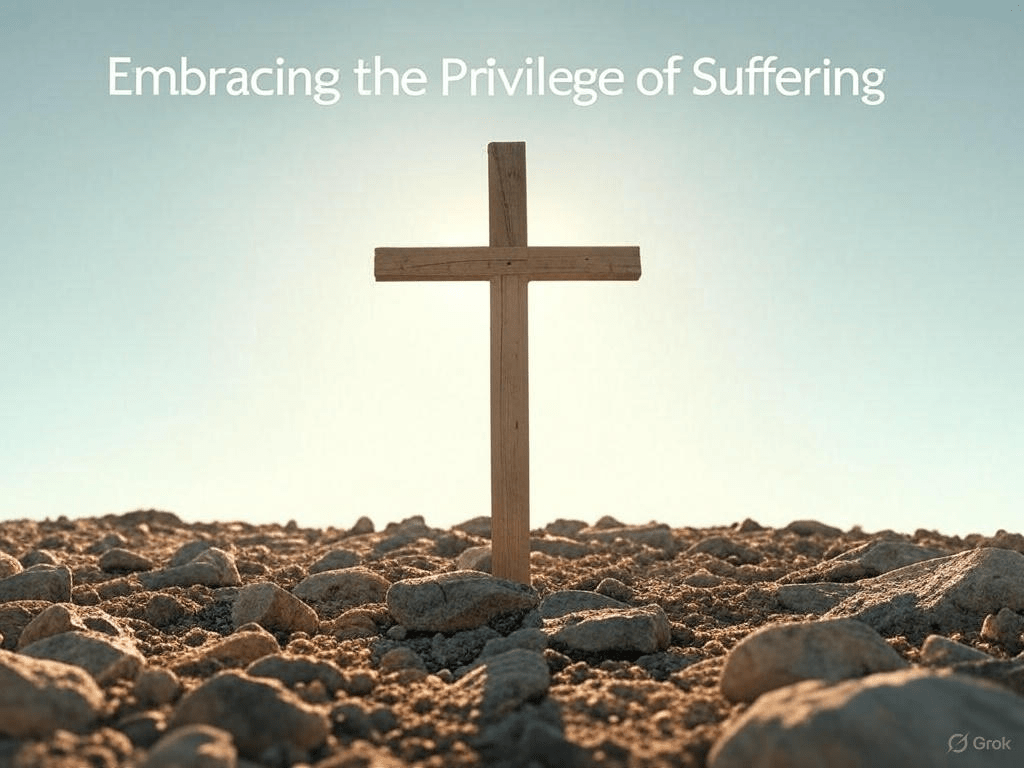
Are You Willing to Embrace the Privilege of Suffering for Christ?

“Suffering is not just about pain—it is about participation in Christ’s story.”

A Rise & Inspire Biblical Reflection

By Johnbritto Kurusumuthu
Date: March 28, 2025

Today’s Verse: Philippians 1:29

“For he has graciously granted you the privilege not only of believing in Christ but of suffering for him as well.”

Unpacking the Words

Have you ever considered suffering as a privilege? At first glance, Paul’s words might seem counterintuitive. Yet, when you look deeper, you see that he is offering a profound truth. The Greek term charizomai (graciously granted) reveals that both your faith and your struggles are divine gifts. The word paschein (to suffer) carries the weight of endurance, showing that suffering is not just about pain—it is about participation in Christ’s story.

Paul’s phrasing—”not only… but also”—challenges the idea that suffering is merely an obstacle to overcome. Instead, it stands on equal ground with belief, a sacred part of your journey with Christ.

Understanding the Context

Who Was Paul Writing To?

Paul wrote this letter while imprisoned, likely in Rome around AD 60–62. The Philippians, a small Christian community in a Roman colony, faced persecution for their faith. In a society that valued power and dominance, following Christ set them apart—and not always in a good way.

Why Does This Matter to You?

Like the Philippians, you may face challenges for standing firm in your faith. Whether it’s rejection, criticism, or even deeper struggles, Paul reminds you that your suffering has meaning. It is not a sign of failure but a mark of your connection to Christ.

By linking belief and suffering, Paul transforms the narrative. In a world that sees hardship as defeat, he calls you to view it as a victory—a sign that you are walking the same path as Christ.

What This Means for You Today

In a culture where comfort is often seen as a blessing, Paul’s words might feel uncomfortable. But what if suffering isn’t a sign of God’s absence, but of His presence?

Here’s how you can apply this verse to your life:

  1. Reframe Your Perspective on Persecution – If you face challenges because of your faith, see them as a testament to the Gospel’s power in your life.
  2. Stand in Solidarity with Others – Around the world, believers endure trials for Christ. Your prayers, support, and awareness make a difference.
  3. Find Strength in Sacrifice – Hardship can refine your faith, stripping away superficial devotion and deepening your relationship with Christ.

As His Excellency, the Rt. Rev. Dr. Selvister Ponnumuthan, Bishop of Punalur, says: “Theology is lived in the crucible of trials. To suffer with Christ is to reign with Him.” His words remind you that faith isn’t about avoiding pain—it’s about embracing the cost of love.

A Personal Challenge

Think about believers today—those who are imprisoned for their faith, ridiculed for their convictions or marginalized for their acts of service. Their stories echo Paul’s message: suffering is not proof that God has abandoned you; it is proof that you are part of something greater.

Want to go deeper? Watch “Finding Strength in Suffering: A Biblical Perspective” to explore how early Christians turned trials into testimonies.

Final Encouragement

Philippians 1:29 reminds you that Christianity is not about avoiding hardship—it is about embracing a journey that includes both joy and suffering. To believe in Christ is to step into a greater story, one where even trials are woven into the fabric of redemption.

So, take heart. Rise in faith. Be inspired by the courage of those who have walked before you. And know that when you suffer for Christ, you are never alone.

Rise & Inspire!

A Prayer Inspired by Philippians 1:29

By Johnbritto Kurusumuthu

Heavenly Father,
You who graciously grant us the sacred gifts of faith and fellowship with Christ,
we bow before You in humble gratitude.

Thank You for the privilege of believing in Your Son,
the cornerstone of our hope and the light of our salvation.
Thank You for the honour of sharing in His sufferings,
a mystery that binds us closer to His heart and purpose.

When trials arise, Lord, remind us that our struggles are not in vain.
As Paul wrote to the Philippians from chains,
so too do we ask for courage to see hardship as a testament to Your grace,
a refining fire that purifies our faith and deepens our dependence on You.

Strengthen us, as You strengthened the early church,
to stand firm in the face of persecution, ridicule, or loss.
Grant us the grace to echo the words of Your servant,
His Excellency, the Rt. Rev. Dr. Selvister Ponnumuthan
teaches us that theology is lived in the crucible of trials.
May our lives become living testimonies of Your kingdom,
where suffering is transformed into surrender,
and sacrifice becomes a sacred song.

Give us hearts of compassion for those who suffer today—
the persecuted, the marginalized, the weary.
Unite us in solidarity, as one body in Christ,
carrying one another’s burdens as we carry His cross.

Lord, anchor our souls in the truth that to suffer with You
is to reign with You.
Align our wills with Yours,
that we might proclaim Your love not only in words
but through lives poured out in service and sacrifice.

In the name of Jesus,
who suffered first and conquered all,
we pray.

Amen.

Rise & Inspire!

Today’s Verse – March 28, 2025

“For he has graciously granted you the privilege not only of believing in Christ but of suffering for him as well.”
— Philippians 1:29 (NRSV)

Malayalam Translation:
“ക്രിസ്‌തുവില്‍ വിശ്വസിക്കാന്‍ മാത്രമല്ല, അവനു വേണ്ടി സഹിക്കാന്‍ കൂടിയുള്ള അനുഗ്രഹം അവനെ പ്രതി നിങ്ങള്‍ക്കു ലഭിച്ചിരിക്കുന്നു.”
— ഫിലിപ്പി 1:29

Tamil Translation:
“ஏனெனில் கிறிஸ்துவினிடத்தில் விசுவாசிக்கிறதற்குமாத்திரமல்ல, அவர்நிமித்தமாகப் பாடுபடுகிறதற்கும் உங்களுக்கு அருளப்பட்டிருக்கிறது.”
— பிலிப்பியர் 1:29

These are translations of Philippians 1:29, highlighting the divine privilege of both believing in Christ and sharing in His sufferings.

Johnbritto Kurusumuthu is a writer passionate about bridging ancient Scripture and modern life. Follow Rise & Inspire for daily reflections that challenge and uplift.

🌐 Home | Blog | About Us | Contact| Resources

📱 Follow us: @RiseNinspireHub

© 2025 Rise&Inspire. All Rights Reserved.

Word Count:1031

Are You Truly Clothed in Forgiveness and Grace?


Clothed in Forgiveness and Grace

A Journey of Compassion and Grace

By Johnbritto Kurusumuthu | A Rise & Inspire Biblical Reflection

The Verse: 

Colossians 3:12-13 

Colossians 3:12-13 in Multiple Translations: English, Malayalam, and Tamil

“Bear with one another and, if anyone has a complaint against another, forgive each other; just as the Lord has forgiven you, so you also must forgive. As God’s chosen ones, holy and beloved, clothe yourselves with compassion, kindness, humility, meekness, and patience.” 

Colossians 3 : 12-13

“അതിനാല്‍, ദൈവത്തിന്റെ തെരഞ്ഞെടുക്കപ്പെട്ടവരും വാത്‌സല്യഭാജനങ്ങളും പരിശുദ്‌ധരുമെന്ന നിലയില്‍ നിങ്ങള്‍ കാരുണ്യം, ദയ, വിനയം, സൗമ്യത, ക്‌ഷമ എന്നിവ ധരിക്കുവിന്‍. ഒരാള്‍ക്കു മറ്റൊരാളോടു പരിഭവമുണ്ടായാല്‍ പരസ്‌പരം ക്‌ഷമിച്ചു സഹിഷ്‌ണുതയോടെ വര്‍ത്തിക്കുവിന്‍. കര്‍ത്താവ്‌ നിങ്ങളോടു ക്‌ഷമിച്ചതുപോലെ തന്നെ നിങ്ങളും ക്‌ഷമിക്കണം.”

കൊളോസോസ്‌ 3 : 12-13

12 ஆகையால், நீங்கள் தேவனால் தெரிந்துகொள்ளப்பட்ட பரிசுத்தரும் பிரியருமாய், உருக்கமான இரக்கத்தையும், தயவையும், மனத்தாழ்மையையும், சாந்தத்தையும், நீடிய பொறுமையையும் தரித்துக்கொண்டு;

13 ஒருவரையொருவர் தாங்கி, ஒருவர்பேரில் ஒருவருக்குக் குறைபாடு உண்டானால், கிறிஸ்து உங்களை மன்னித்ததுபோல, ஒருவருக்கொருவர் மன்னியுங்கள்.

கொலோசையர் 3:12-13

Quotes for Reflection

“To be a Christian means to forgive the inexcusable because God has forgiven the inexcusable in you.” —C.S. Lewis

“Without forgiveness, there’s no future.” —Desmond Tutu

Introduction: 

The Call to Forgive in a Fractured World

In an era marked by division and conflict, Colossians 3:12-13 offers a radical blueprint for unity:
“Clothe yourselves with compassion, kindness, humility, meekness, and patience… forgive as the Lord forgave you.”

These words invite us to embody Christ-like virtues, transforming our relationships and communities. But what does it truly mean to “wear” these traits daily? 

Let’s explore this transformative passage.

Historical and Literary Context

Author and Audience

Written by Paul during his imprisonment (AD 60–62), Colossians addresses a church combating syncretism—a blend of pagan rituals, Jewish legalism, and early Gnostic ideas. The false teachings minimized Christ’s supremacy, prompting Paul to reaffirm, “In Him, all things hold together” (Colossians 1:17).

Literary Structure

Chapter 3 shifts from doctrine to practice. After urging believers to “put off” old vices (Colossians 3:8-9), Paul exhorts them to “clothe themselves” in virtues reflecting their new identity in Christ. The metaphor of clothing signifies intentional, daily action—like putting on a uniform of grace.

Theological Insights: God’s Character and Our Response

Chosen, Holy, Beloved

These three terms anchor the passage. As God’s chosen (elected for purpose), holy (set apart), and beloved (deeply loved), believers are called to mirror His nature.

Virtues as Divine Reflection

  • Compassion (Greek splanchna): Literally “bowels,” symbolizing deep empathy.
  • Kindness (chrēstotēs): Generosity without merit.
  • Humility (tapeinophrosynē): Rejecting self-exaltation, as Christ “humbled Himself” (Philippians 2:8).
  • Patience (makrothymia): Long-suffering amid provocation.

Forgiveness as Mandate


Clothed in Forgiveness and Grace

The Greek charizomai (“forgive”) derives from charis (grace). We forgive because God’s grace first covered us (Ephesians 4:32).

Cross-References

  • Matthew 18:21-22: Peter’s question on forgiveness limits; Jesus’ reply shatters them.
  • Luke 6:36: “Be merciful, just as your Father is merciful.”
  • 1 Peter 4:8: “Love covers a multitude of sins.”

Modern Application: From Ancient Text to Today’s Struggles

Real-Life Scenarios

  • A coworker takes credit for your idea.
  • A family feud over inheritance.
  • Social media vitriol from a friend.

Misinterpretations Clarified

  • “Forgiveness enables abuse.” No—forgiveness releases bitterness; boundaries protect.
  • “Virtues imply weakness.” False—Jesus modelled meekness (power under control) and kindness even on the cross (Luke 23:34).

Actionable Steps and Reflection

  1. Daily Examen – End each day by asking, “Where did I mirror Christ’s compassion today?”
  2. The Forgiveness Letter – Write (but don’t send) a letter releasing someone’s debt.
  3. Virtue Practice – Focus on one trait weekly (e.g., “Today, I choose kindness in traffic”).

Reflection Questions

  • Which virtue feels most challenging? Why?
  • Who in your life models Christ-like forgiveness?
  • How does unforgiveness hinder your spiritual growth?

Guided Meditation: Clothed in Grace

Find a quiet place. Breathe deeply. Read Colossians 3:12-13 aloud.

  1. Visualize – Imagine dressing in a robe symbolizing compassion. Feel its weight as God’s love.
  2. Confess – “Lord, I struggle to forgive [name]. Help me release this hurt.”
  3. Receive – Pray “Clothe me in Your humility today,” resting in His presence.

Devotional Entry: Walking in Forgiveness

Verse: “Bear with one another… as the Lord forgave you.” (Colossians 3:13)

Reflection

Forgiveness isn’t a feeling but a choice—a daily surrender to God’s higher way. When resentment arises, remember the cross: Jesus bore your sins so you might bear others’ faults graciously.

Prayer

“Lord, strip me of pride. Clothe me in Your kindness. When wounds deepen, remind me: You forgave first. Amen.”

Conclusion: A Call to Radical Love

As His Excellency, the Rt. Rev. Dr. Selvister Ponnumuthan urges, “Let forgiveness be your anthem in a world singing songs of revenge.” This week, watch this powerful testimony on reconciliation to see grace in action.

Call to Action


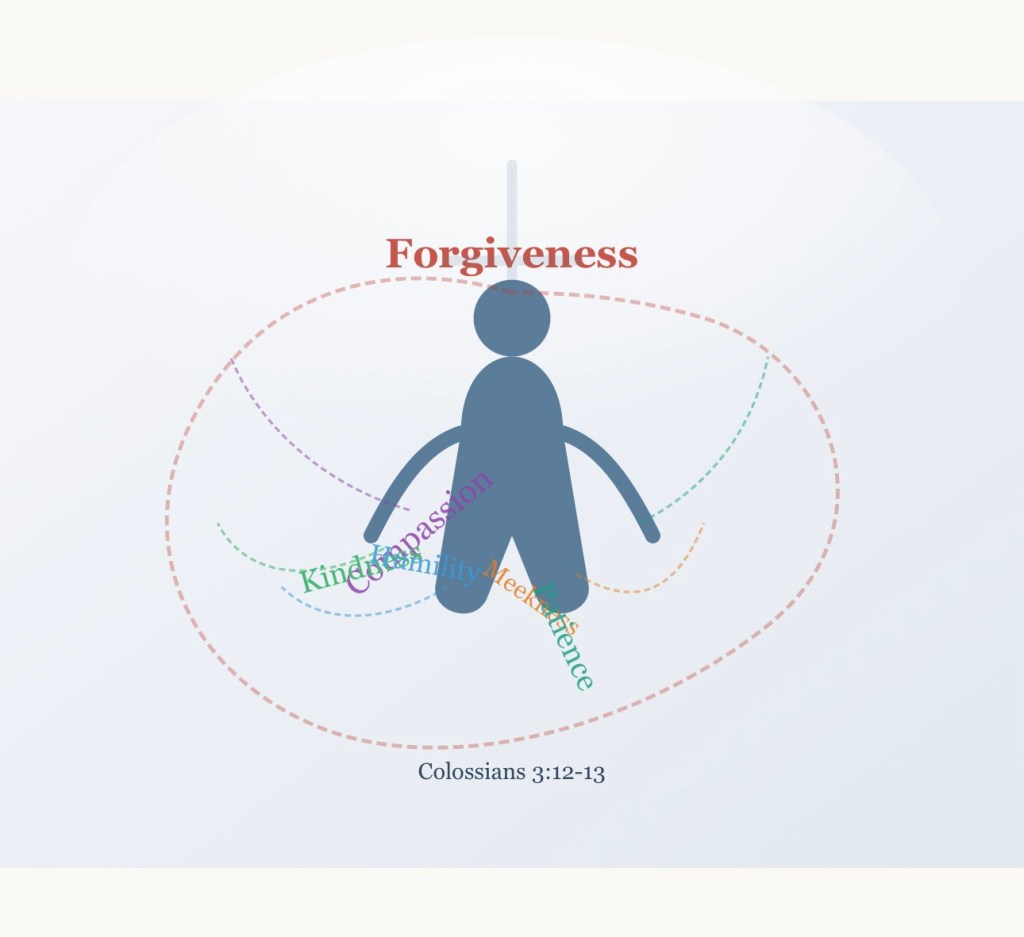
AI-generated artwork inspired by Colossians 3:12-13.

Share this post with someone needing encouragement. Comment below: “I choose to wear [virtue] today.” Together, let’s rise as Christ’s ambassadors—clothed in grace, walking in forgiveness.

May the God of patience and comfort empower you to reflect His heart daily.

—Johnbritto Kurusumuthu | Rise & Inspire

🌐 Home | Blog | About Us | Contact| Resources

📱 Follow us: @RiseNinspireHub

© 2025 Rise&Inspire. All Rights Reserved.

Word Count:837

How Can Confidence in God Lead to Great Rewards?


Confidence in God – Hebrews 10:35 Illust…

“Hold tightly to your bold trust in God; it leads to unimaginable blessings.”

“Many assume that faith guarantees a problem-free life. Instead, it assures that God is with us, even in trials.”

“Some think this verse promises instant blessings, but its primary focus is eternal rewards and spiritual growth.”

A Rise & Inspire Biblical Reflection by Johnbritto Kurusumuthu

The Verse:

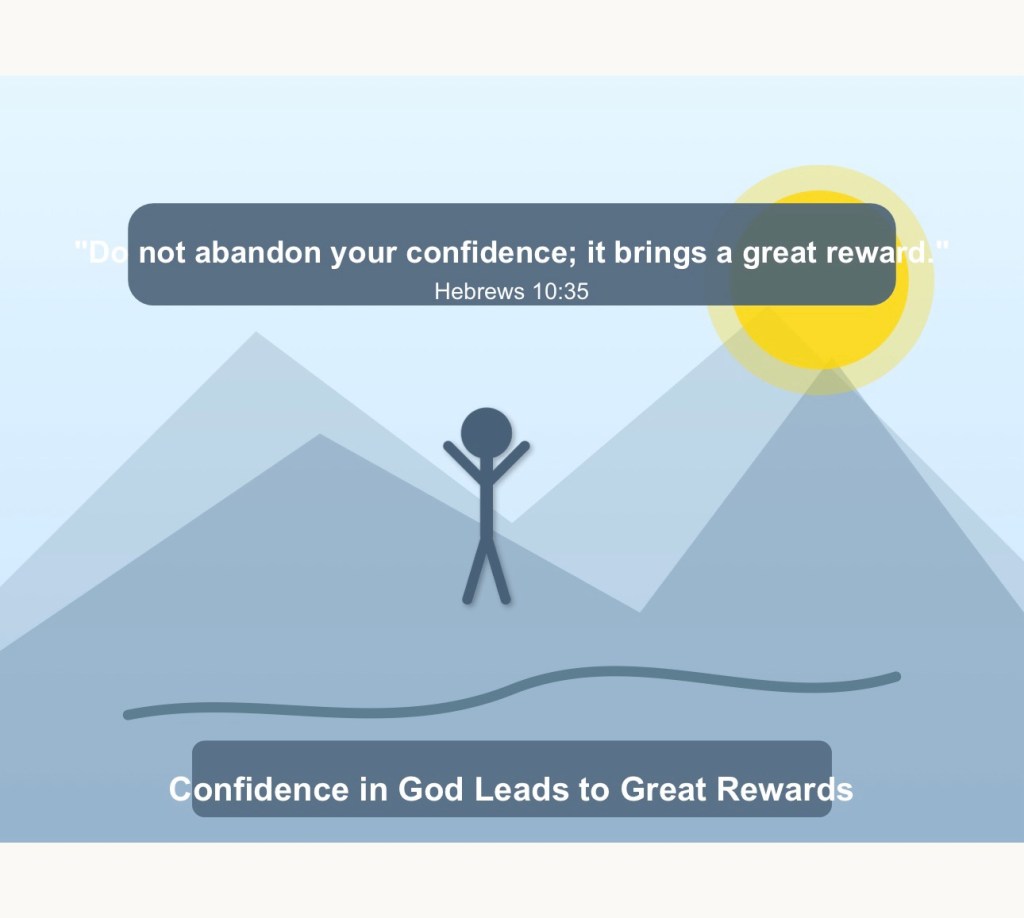
“Do not, therefore, abandon that confidence of yours; it brings a great reward.” – Hebrews 10:35

“നിങ്ങളുടെ ആത്‌മധൈര്യം നിങ്ങള്‍ നശിപ്പിച്ചു കളയരുത്‌. അതിനു വലിയ പ്രതിഫലം ലഭിക്കാനിരിക്കുന്നു.” – ഹെബ്രായര്‍ 10:35

“ஆகையால், மிகுந்த பலனுக்கேதுவான உங்கள் தைரியத்தை விட்டுவிடாதிருங்கள்.”-எபிரேயர் அதிகாரம் – 10:35

bible.catholicgallery.org

Confidence is the foundation of faith. It is the unwavering trust that God’s promises are true and that He is working for our good, even when circumstances suggest otherwise. In Hebrews 10:35, we are encouraged not to abandon our confidence because it will bring great rewards. But what does this verse truly mean? How does it apply to our lives today?

Let us explore the depth of this powerful scripture and how we can live by its truth.

What Is the Context of Hebrews 10:35?

Historical Background

The Epistle to the Hebrews was written to Jewish Christians facing intense persecution and societal pressure to abandon their faith. Scholars suggest it was composed before 70 AD, a time when the Temple still stood, but tensions between Jewish tradition and the burgeoning Christian movement were escalating. The author emphasizes Christ’s supremacy over the old covenant, urging believers to hold fast despite suffering.

Hebrews 10:35 sits within a larger exhortation (vv. 19–39) to persevere. Earlier verses remind readers of their past endurance (Hebrews 10:32–34), while verse 35 bridges a call for future faithfulness. The Greek word for “confidence” (parrhesia) connotes boldness, openness, and unwavering trust—a radical stance in a hostile world.

Literary and Theological Significance

The verse centres on two themes:

Confidence in Christ – This is not self-reliance but trust in God’s promises.

“Let us then approach God’s throne of grace with confidence.” (Hebrews 4:16)

Eternal Reward – The “great reward” is not earthly success but eternal communion with God.

“Blessed is the one who perseveres under trial.” (James 1:12)

Paraphrase – “Hold tightly to your bold trust in God; it leads to unimaginable blessings.”

What Does the Bible Say About Confidence in God?

Hebrews 10:35 is reinforced by several other scriptures:

Philippians 1:6 – “… being confident of this, that he who began a good work in you will carry it on to completion until the day of Christ Jesus.”

Proverbs 3:26 – “For the Lord will be your confidence and will keep your foot from being caught.”

Isaiah 41:10 – “Do not fear, for I am with you; do not be dismayed, for I am your God. I will strengthen you and help you; I will uphold you with my righteous right hand.”

These verses remind us that our confidence should not be in ourselves, but in God, who is faithful to His promises.

How Does This Verse Apply to Our Lives Today?

Many times, we face trials that shake our faith—loss, financial struggles, disappointments, or unanswered prayers. In such moments, we may question if God is still with us. However, Hebrews 10:35 reminds us to hold on.

Real-Life Connection

Imagine an entrepreneur who has worked tirelessly to build a business, facing repeated failures. Or a student struggling with academics despite hard work. Perhaps a believer is praying for healing but sees no immediate change.

In all these cases, confidence in God’s plan is essential. Faith doesn’t mean everything will be easy; it means we trust that God’s purpose will prevail, even when we don’t understand.

Actionable Steps to Strengthen Your Confidence in God

1. Meditate on God’s Word Daily – Faith grows by hearing and studying scripture (Romans 10:17).

2. Recall Past Victories – Reflect on times God has been faithful in your life.

3. Pray Boldly – Speak to God with assurance that He hears you (1 John 5:14).

4. Surround Yourself with Faith-Building People – Community strengthens faith (Hebrews 10:25).

5. Trust in God’s Timing – Delays are not denials; God’s plan is always perfect (Ecclesiastes 3:11).

Reflection Questions for Deeper Insight

1. Have you ever felt tempted to abandon your confidence in God? What circumstances led to that?

2. How can you strengthen your faith when you face trials?

3. What past experiences remind you of God’s faithfulness?

4. How can you encourage someone else to remain confident in God today?

A Guided Prayer Based on Hebrews 10:35

Heavenly Father,

I come before You, acknowledging that at times, my confidence wavers. Life’s challenges test my faith, but I choose to trust in Your promises. Your Word assures me that holding onto my confidence will bring great rewards. Strengthen my heart, Lord. Help me to remain steadfast, to walk in faith even when I cannot see the way ahead. Remind me of Your faithfulness, and let my life be a testimony of unwavering trust in You.

In Jesus’ name, Amen.

A Devotional Moment: How Can You Live Out Hebrews 10:35?

Faith is not just about belief—it’s about action. Confidence in God means stepping forward despite uncertainty. Today, make a commitment to trust God more deeply. Speak words of faith, not doubt. Pray with conviction, not hesitation. Encourage someone who is struggling to hold onto their faith.

Watch this inspiring video on confidence in God:

Hebrews 10:35 – Encouragement to Keep the Faith

Common Misinterpretations of Hebrews 10:35

1. Confidence in God does not mean everything will go as planned. Many assume that faith guarantees a problem-free life. Instead, it assures that God is with us, even in trials.

2. The “great reward” is not always immediate. Some think this verse promises instant blessings, but its primary focus is eternal rewards and spiritual growth.

A Hopeful Takeaway: God Rewards Unwavering Faith

Confidence in God is the key to endurance. The early Christians faced persecution, yet they were encouraged to persevere. Today, we face different struggles, but the message remains the same—hold onto faith, and you will see God’s hand at work.

A Call to Action by His Excellency, the Rt. Rev. Dr. Selvister Ponnumuthan

“My dear brothers and sisters in Christ, let us not abandon our confidence in the Lord. Stand firm in faith, knowing that God’s promises never fail. As you go about your day, remember that perseverance in faith is a testimony to God’s greatness. Encourage others, pray without ceasing, and let your life be a beacon of faith. May God bless you abundantly as you walk in confidence!”

🌐 Home | Blog | About Us | Contact| Resources

📱 Follow us: @RiseNinspireHub

© 2025 Rise&Inspire. All Rights Reserved.

Word Count:1134

Are You Fasting for God or for Approval?

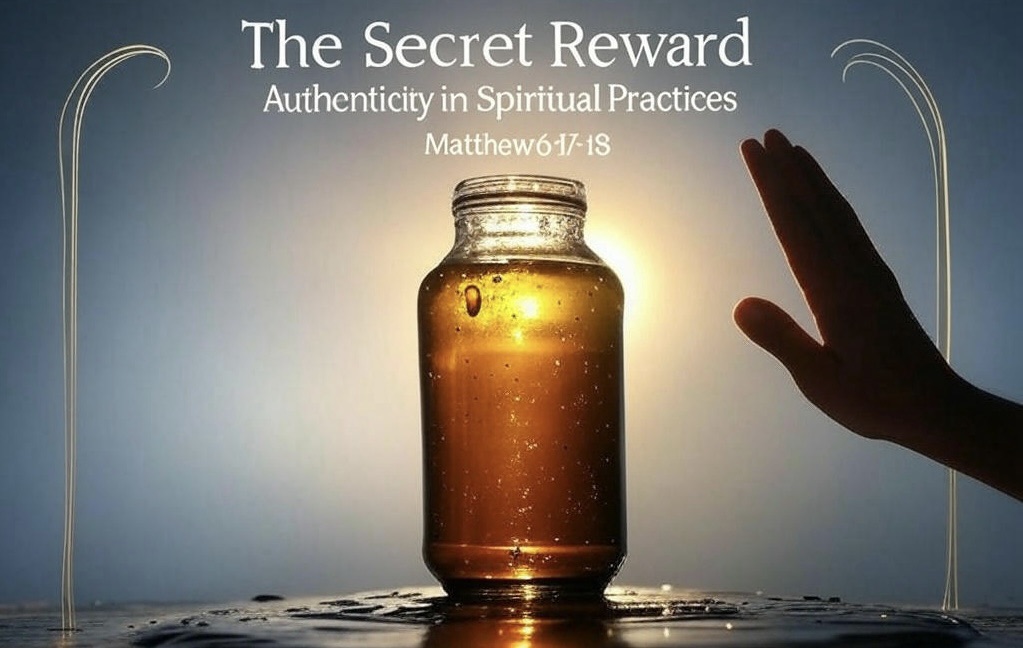
The Secret Reward: 

Authenticity in Spiritual Practices

A Rise & Inspire Biblical Reflection

By Johnbritto Kurusumuthu

The Heart Behind Matthew 6:17-18

1. The Day I Fasted for Likes

Imagine this: A young woman posts a photo of her empty plate on Instagram with the caption, “Day 3 of fasting! #SpiritualJourney,” Hours later, she checks her phone, disappointed by the lack of likes. Contrast this with a man who fasts quietly, pours oil on his head, and goes about his day with joy—no one knows except God. Which act holds deeper meaning?

Jesus addresses this very tension in Matthew 6:17-18:

“But when you fast, put oil on your head and wash your face, so that your fasting may be seen not by others but by your Father who is in secret, and your Father who sees in secret will reward you.”

2. Why Did Jesus Say This?

Jesus spoke these words during the Sermon on the Mount (Matthew 5-7), a radical manifesto on kingdom living. In first-century Judaism, fasting was a revered practice tied to repentance (e.g., Day of Atonement) or crisis (Esther 4:16). However, some Pharisees fasted ostentatiously, wearing sackcloth and ashes to signal their “piety” (Matthew 6:16). Jesus rebukes this hypocrisy, urging disciples to fast for God’s eyes alone.

Fasting as a Posture of the Heart

Fasting isn’t a transaction to earn God’s favour but a posture of humility and dependence.

Understanding the Verse

In Matthew 6:17-18, Jesus teaches about the heart of fasting—not as a performance for others, but as a sacred act between the believer and God:

“But when you fast, put oil on your head and wash your face, so that your fasting may be seen not by others but by your Father who is in secret. And your Father who sees in secret will reward you.”

Context & Key Teachings

This passage is part of Jesus’ Sermon on the Mount (Matthew 5-7), where He redefines righteousness as an inward transformation rather than an outward display. Just as He warns against hypocritical prayer and giving (Matthew 6:1-6), He now addresses fasting—another pillar of Jewish piety.

1. Sincerity Over Showmanship

Fasting is about humility, not public recognition. In Jesus’ time, applying oil and washing one’s face were normal grooming habits, reinforcing that fasting should be discreet rather than a display of suffering.

2. God-Centered Devotion

Jesus assures us that the Father, who sees in secret, will reward what is done for Him alone. Spiritual disciplines should seek God’s presence, not human praise.

3. Inner Transformation Over Rituals

True spirituality is not about religious theatrics but about aligning our hearts with God.

3. Verse Breakdown: Anointing Heads and Hidden Rewards

  • “Put oil on your head” – In Jesus’ culture, anointing with oil was a daily act of grooming. By instructing this, Jesus normalizes fasting—it’s not a spectacle but a private devotion.
  • “Your Father who sees in secret” – Echoing His earlier teachings on prayer and giving (Matthew 6:4-6), Jesus emphasizes God’s intimate attentiveness.
  • Cross-Reference: Isaiah 58:3-7 condemns fasting without justice; Joel 2:12-13 urges rending hearts, not garments.

Modern Paraphrase

When you fast, don’t make it obvious. Go about your day normally. Your unseen Father notices—and His approval is the greatest reward.

4. Personal Reflection: When My Fasting Became a Performance

Years ago, I joined a church-wide fast but secretly hoped others would notice my “dedication.” When no one did, I felt bitter—until I realized my motive was flawed. This verse reshaped my understanding: Fasting isn’t about me; it’s about drawing near to God.

5. How to Fast Authentically

Practical Steps

  1. Fast discreetly (e.g., skip social media posts about it).
  2. Use the time saved from meals for prayer or serving others.
  3. Journal reflections on your spiritual hunger.

Reflection Questions

  • Do I fast to grow closer to God or to appear “holy”?
  • How can I guard my heart from seeking human approval?

Prayer

“Father, purify my motives. Help me seek You in secret, trusting Your reward is enough. Amen.”

Prayer for Humble Devotion

Father,
You see the secrets of my heart. Forgive me when I have sought applause over intimacy with You. Teach me to fast, pray, and give in hiddenness, trusting Your promise to reward what is done in love. Anoint my life with Your Spirit so that my worship may be pure and my joy complete in You.
Amen.

6. Addressing Misconceptions

Is Fasting Outdated?

Jesus said “When you fast”—He expects it, but with sincerity (Matthew 9:15).

Is All Public Fasting Wrong?

Corporate fasts (e.g., Esther 4) are biblical, but motives matter (Joel 2:12-13).

7. The Bigger Picture: God Sees the Heart

This verse reveals God’s character: He values authenticity over appearance. In an age of curated social media personas, Jesus’ words are a timely reminder: Our Father sees through filters to the heart.

8. Your Secret is Safe with God

God doesn’t miss a single act of hidden devotion. Whether it’s a quiet prayer or a secret fast, He sees, He knows, and He rewards.

Call to Action

Share your experiences with authentic fasting in the comments!

9. Further Study & Resources

Wake-up call from Bishop Selvister Ponnumuthan

Beloved in Christ,

In a world obsessed with image, Jesus calls us to radical authenticity. Fasting is not a spiritual trophy but a tender surrender to the Father. Let us shed the masks of religiosity and seek Him in the quiet.

Remember: The Almighty treasures what the world overlooks. Rise today—not to perform but to commune.

— His Excellency, the Rt. Rev. Dr. Selvister Ponnumuthan

Let’s journey toward hidden holiness together—where only God’s applause matters.
Blessings,
Johnbritto Kurusumuthu

Scripture in Multiple Languages

For deeper reflection, here is Matthew 6:17-18 in Malayalam and Tamil.

Malayalam (മത്തായി 6:17-18)

എന്നാല്‍, നീ ഉപവസിക്കുന്നത്‌ അദൃശ്യനായ പിതാവല്ലാതെ മറ്റാരും കാണാതിരിക്കുന്നതിന്‌, ശിരസ്‌സില്‍ തൈലം പുരട്ടുകയും മുഖം കഴുകുകയും ചെയ്യുക. രഹസ്യങ്ങള്‍ അറിയുന്ന പിതാവ്‌ നിനക്കു പ്രതിഫലം നല്‍കും.

Tamil (மத்தேயு 6:17-18)

ஆனால், நீ உபவாசிக்கும் போது, உன் தலையில் எண்ணெய் தடவவும், முகத்தை கழுவவும் செய்யுங்கள். அப்பொழுது உன் உபவாசம் மனிதர்களுக்குத் தெரியாமல், மறைவாக இருக்கிற உன் பிதாவுக்குத் தெரியும். மறைவில் காண்கிற உன் பிதா உன்னை விருதளிப்பார்.

Let these words guide us in sincere devotion, seeking God in the secret place of our hearts.

🌐 Home | Blog | About Us | Contact| Resources

📱 Follow us: @RiseNinspireHub

© 2025 Rise&Inspire. All Rights Reserved.

Word Count:1088

Why Is Prayer the Key to Understanding God’s Wisdom?

“As you wake up, take a moment to call out to God with an open heart. Ask Him to reveal His purpose for you today.”

☕ 𝕎𝔸𝕂𝔼 𝕌ℙ ℂ𝔸𝕃𝕃 ☕

Thus says the Lord who made the earth, the Lord who formed it to establish it—the Lord is his name: Call to me and I will answer you, and will tell you great and hidden things that you have not known.

Jeremiah 33:2-3

മഹത്തായ ദൈവത്തിന്റെ വിളി

“ഭൂമിയെ സൃഷ്‌ടിക്കുകയും അതിനെ രൂപപ്പെടുത്തി ഉറപ്പിക്കുകയും ചെയ്‌ത കര്‍ത്താവ്‌ – അവിടുത്തെ നാമം കര്‍ത്താവ്‌ ആണ്‌ – അരുളിച്ചെയ്യുന്നു: എന്നെ വിളിക്കുക, ഞാന്‍ മറുപടി നല്‍കും. നിന്റെ ബുദ്‌ധിക്കതീതമായ മഹത്തും നിഗൂഢവുമായ കാര്യങ്ങള്‍ ഞാന്‍ നിനക്കു വെളിപ്പെടുത്തും.”

ജരെമിയാ 33:2-3

Dear Faithful Friends,

This morning, let us embrace the tender yet powerful invitation from the Lord—a call to strengthen our connection with Him. Jeremiah 33:2-3 reminds us that the Creator of the universe is ready to share unimaginable truths with those who earnestly seek Him.

Have you ever felt burdened by life’s mysteries or overwhelmed by challenges? This verse assures us: that God, who knows all, sees the unseen and desires to reveal His wisdom and guidance.

Practical Applications

📖 Start your day in prayer: As you wake up, take a moment to call out to God with an open heart. Ask Him to reveal His purpose for you today.

👂 Listen for His voice: God speaks through Scripture, silence, and even through the people around us. Be attentive to His direction.

Trust His timing: Sometimes, the “hidden things” are revealed gradually. Be patient, knowing God works in perfect seasons.

Inspiration for Today

Consider Jeremiah himself—a prophet who faced immense challenges but stayed firm in his faith. His life exemplifies the blessings of trusting God’s promises.

For a deeper reflection on this verse, I invite you to watch this inspiring video that explores God’s call to reveal the hidden and great truths:

Click here to watch.

A Prayer to Begin the Day

Lord, Creator of heaven and earth, we come before You with open hearts. Reveal to us the hidden things that will guide our paths and strengthen our faith. Help us trust in Your promises and seek You in every moment. Lead us into the depths of Your wisdom and love. Amen.

Discussion Points for Families and Groups

🤔 What does it mean to “call on God”?

🙏 Can you recall a time when God surprisingly answered your prayers?

📅 How can we make space in our lives to hear God’s voice daily?

Creative Expression

🎨 Art: Create a painting or drawing inspired by the themes of this verse, such as light breaking into darkness or hidden treasures revealed.

📓 Journaling: Write about moments when you felt God answered your prayers.

📖 Storytelling: Write a short story about someone whose life changed by trusting God’s plan.

A Final Encouragement

Dear brothers and sisters, God’s promise is clear: no matter how hidden or complex life’s challenges seem, when you call on Him, He will answer. Step boldly into today, trusting in His divine plan and embracing the mysteries He is ready to reveal.

Blessings to you all,

His Excellency, Rt. Rev. Dr. Selvister Ponnumuthan

Bishop of Punalur, Kerala, India

Stay Connected:

🌐 Home | Blog | About Us | Contact| Resources

📱 Follow us: @RiseNinspireHub

© 2025 Rise&Inspire. All Rights Reserved.

Word Count:565 words 

How Do We Cultivate Spiritual Strength in Our Daily Lives?

The essence of Isaiah 40:30-31 revolves around finding strength and renewal through trusting in God, especially during times of weariness and exhaustion. The verse emphasizes that even the strongest and youngest among us can become tired, but those who wait on the Lord will experience a supernatural renewal. Instead of relying on our strength, God promises to uplift us, enabling us to soar like eagles, run without fatigue, and walk without fainting. 

This is a call to trust in God’s timing and power, * allowing His strength to carry us through life’s challenges.

☕ *𝕎𝔸𝕂𝔼 𝕌ℙ ℂ𝔸𝕃𝕃* ☕

“Even youths will faint and be weary and the young will fall exhausted; but those who wait for the Lord shall renew their strength, they shall mount up with wings like eagles, they shall run and not be weary, they shall walk and not faint.”

Isaiah 40: 30-31

Finding Strength in the Waiting: Reflecting on Isaiah 40:30-31

Textual Analysis:
In Isaiah 40:30-31, the prophet offers a message of hope, contrasting the inevitable weariness that even the young face with the promise of renewed strength for those who trust in God. The image of soaring eagles and running without fatigue highlights not just physical strength but spiritual endurance. These verses invite us to move beyond our limitations and into a place where God’s power can carry us through life’s challenges.

Historical Context:
Isaiah 40 comes at a time when the Israelites were deeply disheartened, and exiled far from their home. They were struggling with a loss of identity and purpose. The prophet brings them words of comfort and assurance, reminding them that God’s ability to renew and empower is available even in their darkest moments. For the Israelites, this was a reassurance that despite their circumstances, God’s strength would never fail them.

Theological Interpretation:
At the heart of these verses is the theme of waiting—waiting for God to act, waiting in trust. It’s not passive. Waiting, in the biblical sense, means actively relying on God’s promises, no matter how things appear. The strength that comes from God is not a fleeting energy that burns out but a deep, enduring power that sustains us for the long haul. We are invited to rely on that, to trust in it, and to live it out, especially when our resources run dry.

Secondary Sources:
Various theologians highlight the importance of “waiting” in these verses. John Calvin, for example, speaks about how our waiting on the Lord should not be filled with frustration or impatience, but with a steady hope and trust in God’s timing. Modern Christian writers like Henri Nouwen emphasize that in the act of waiting, we grow spiritually and develop a deeper dependence on God’s care and provision. This is not just about getting through tough times but about a transformation that strengthens us for whatever comes next.

Contemporary Relevance:
In our fast-paced world, where everything seems to demand immediate attention, we often forget the value of waiting. Waiting might feel like a waste of time, but these verses remind us that waiting on God is far from that. It’s an invitation to experience a deep rest in God’s presence, to allow Him to renew our spirits, and to give us the strength we need for each day. Whether we’re dealing with personal struggles, career challenges, or emotional burnout, this promise of renewal holds just as much significance today as it did for the Israelites centuries ago.

Guided Meditation/Prayer: Finding Renewal in Waiting

Meditation:
Find a quiet place and settle into a comfortable position. Close your eyes, take a deep breath, and focus on your breathing. Inhale deeply, imagining God’s strength filling your body. As you exhale, release any exhaustion, doubts, or frustrations you’ve been carrying.

Visualize yourself as an eagle, high above the chaos and weariness of life, gliding effortlessly on the wind. With each breath, feel the weight of your worries lift, replaced by God’s steady strength. Allow this image to sink in deeply: you are not alone in your struggles, and you are never without help.

Think about areas in your life where you feel tired or overwhelmed. Take a moment to bring them before God. Trust that He will renew your strength, just as He promises in His word.

Prayer:
Lord,
Thank You for the promise of renewal. When I feel worn out, remind me that Your strength is more than enough to carry me. Teach me to wait on You, not in frustration but with trust and patience. Help me soar like an eagle, free from weariness, and run with endurance, knowing that You walk with me. Thank You for Your never-failing presence and support.
Amen.

Devotional Reflection: Trusting God for Strength

Reflection Questions:

  1. Are there areas in my life where I’ve been relying on my strength and feeling drained because of it?
  2. How can I better practice waiting on God in those areas, trusting that He will provide the strength I need?
  3. What does it mean for me to truly “soar” like an eagle, and how can I cultivate that strength in my everyday life?

Prayer:
God,
I trust in Your promise that when I wait on You, You will renew my strength. Help me to let go of the need to control everything and rely on Your timing and provision. May I always remember that my strength comes from You and that I can run the race of life with endurance, knowing You are with me every step of the way?
Amen.

Wake-Up Call Message from Rt. Rev. Dr. Selvister Ponnumuthan

“Renewed Strength: Trusting in God’s Promise”

Dear friends,
As you begin your day, take a moment to reflect on the words from Isaiah 40:30-31. Life can sometimes feel like a race that leaves us exhausted, and unable to keep up. But God’s promise to us is clear: when we trust in Him, our strength is renewed.

Today, no matter what challenges you face, remember that you do not have to carry them alone. God is with you, offering the strength you need to rise above life’s weariness. Trust in Him, and let His power lift you like an eagle soaring above the storm.

As you reflect on these promises, I encourage you to watch this prayer and reflection, knowing that God is always by your side. [Watch and listen here: Isaiah 40:30-31 – Renewal in God]

May your day be filled with strength and peace.
Blessings,
Rt. Rev. Dr. Selvister Ponnumuthan

* (Video credit goes to the rightful owners)

🌐 Home | Blog | About Us | Contact| Resources

📱 Follow us: @RiseNinspireHub

© 2025 Rise&Inspire. All Rights Reserved.

Word Count:1116

What Does the Promise of No More Death and Pain Mean for Us Today?

A Divine Promise of Renewal: An Analysis of Revelation 21:4

“He will wipe every tear from their eyes. Death will be no more; mourning and crying and pain will be no more, for the first things have passed away.”
— Revelation 21:4

The Book of Revelation stands as one of the most enigmatic and awe-inspiring texts in the Biblical canon. Its vivid imagery, profound theological insights, and eschatological hope have captivated and consoled generations of believers. At the heart of this narrative lies Revelation 21:4, a verse that speaks directly to the human condition, offering solace and a vision of eternal restoration. 

This analysis explores the context, themes, and enduring relevance of this promise, revealing its transformative power for both individual faith and collective spirituality.

Contextual Overview: Revelation 21 in the Biblical Narrative

Revelation 21 marks the culmination of the apocalyptic vision granted to John. In this climactic chapter, we witness the unveiling of a new heaven and a new earth, symbolizing the final triumph of God’s redemptive plan. The imagery of the New Jerusalem described as the dwelling place of God with His people, encapsulates the ultimate reconciliation between Creator and creation.

Positioned within this grand vision, Revelation 21:4 offers an intimate, almost tender, assurance. It transitions from the cosmic scope of divine judgment and renewal to the personal experience of humanity’s restoration. This verse underscores the heart of God’s promise: a world where suffering is extinguished, and divine presence brings eternal comfort.

Key Themes in Revelation 21:4

1. Divine Compassion: “He will wipe every tear from their eyes”

The act of wiping away tears evokes an image of intimate care. This is not a distant deity but a loving Creator who engages directly with human sorrow.

Reflection: This imagery invites us to trust in the boundless compassion of God. It reassures us that no suffering goes unnoticed, and it affirms the personal nature of divine love.

2. The End of Death: “Death will be no more”

Death, the ultimate symbol of human frailty and separation, is vanquished. This declaration points to the victory achieved through Christ’s resurrection.

Introspection: For believers, this assurance of eternal life reframes the temporal nature of existence. It invites us to live with purpose, grounded in the hope of resurrection.

3. Freedom from Suffering: “Mourning, crying, and pain will be no more”

This theme captures the comprehensive nature of divine renewal. It is a promise of liberation from all forms of anguish—physical, emotional, and spiritual.

Insight: In a world fraught with challenges, this vision offers strength and resilience. It reminds us that suffering is transitory and will ultimately give way to joy and peace.

4. Renewal of Creation: “The first things have passed away”

The passing of the “first things” signifies a radical transformation. The old order, marred by sin and decay, is replaced by God’s perfect design.

Observation: This theme Invites us to embrace the process of spiritual renewal, trusting that God’s purposes transcend human understanding.

Analysis: Relevance to Modern Life

1. Comfort in Grief

In a world marked by loss and uncertainty, Revelation 21:4 offers a source of hope. It reminds us that pain and sorrow are not eternal but are part of a passing order.

2. An Invitation to Trust

The verse inspires a profound trust in God’s sovereignty. It calls us to anchor our faith in His promise, even when circumstances seem bleak.

3. A Call to Action

While awaiting the fulfilment of this promise, we are tasked with embodying divine love in our interactions. This verse inspires us to comfort others and to become active agents of healing and hope in our communities.

Practical Takeaways

  • Anchor Your Hope in God: In moments of despair, meditate on Revelation 21:4 as a reminder of God’s unchanging promise.
  • Adopt an Eternal Perspective: Let the vision of a renewed creation inspire your daily actions and decisions.
  • Be a Comforter: Reflect God’s compassion by offering solace to those who are grieving or in pain.

Personal Reflection and Prayer

Revelation 21:4 has been a personal source of comfort during times of profound loss. Its assurance of a future free from sorrow has often guided me through periods of doubt and despair, reminding me that God’s plans extend beyond the confines of our earthly understanding.

Prayer:
“Heavenly Father, thank You for the promise of renewal and restoration. Help us to hold fast to Your word and to live as witnesses to Your boundless compassion. May we bring comfort to others as we await the day when all things will be made new. Amen.”

Final Verdict: A Verse of Eternal Hope

Revelation 21:4 transcends its historical and theological context to offer a timeless message of hope. It reassures us that pain, grief, and death are not final realities but fleeting experiences in the grand narrative of God’s redemption. This verse calls us to live with faith, to embody love, and to look forward to the day when God’s kingdom will be fully realized.

What does Revelation 21:4 mean to you? How has it shaped your understanding of hope and restoration? Share your thoughts and reflections in the comments below.

Wake-Up Call Message
By His Excellency, the Rt. Rev. Dr. Selvister Ponnumuthan

“Beloved in Christ,

This morning, let us meditate on the profound promise of Revelation 21:4. This verse is not merely poetic reassurance but a testament to the heart of our Christian faith—a vision of divine compassion, ultimate victory over death, and the promise of eternal renewal.

As you face the trials of life, remember that your tears are precious to God. He sees your struggles, and His love is a balm for your wounds. Trust in His promise of a future free from pain and sorrow, and live today with faith and courage. May your life reflect the hope and love of Christ to those around you.

Go forth in peace and joy, knowing that the God who promises to wipe away every tear walks beside you at every step of your journey.

Praise be to Jesus Christ!

Key Takeaway:

Revelation 21:4 offers a profound promise of divine restoration, assuring us that God’s compassion will wipe away every tear and that death, pain, and suffering will be no more. This verse invites us to trust in God’s sovereignty, embrace the hope of eternal renewal, and live with the assurance that our present struggles are temporary, while His eternal promises are unshakable.

🌐 Home | Blog | About Us | Contact| Resources
Social Media: @RiseNinspireHub
© 2024 Rise&Inspire. All Rights Reserved.

Word Count:1119

The Unstoppable Power of Humble Prayer

Meaning and Significance of Sirach 35:21-22

“The prayer of the humble pierces the clouds, and it will not rest until it reaches its goal; it will not desist until the Most High responds and does justice for the righteous, and executes judgment.”
(Sirach 35:21-22)

This passage from Sirach highlights the power of humble, persistent prayer. It speaks to the efficacy of the prayers of those who approach God with sincerity and humility. The image of the prayer piercing the clouds suggests that, no matter the obstacles, a prayer uttered in humility cannot be stopped from reaching God. It emphasizes God’s justice and His unwavering response to the righteous and the humble. There is a promise embedded in these verses: the faithful, especially those burdened by injustice, can be assured that their pleas are not in vain, as God hears and acts on their behalf.

Textual Analysis

The key phrase, “pierces the clouds,” uses vivid imagery to describe prayer as an active force that breaks through barriers, reaching God. The term “the humble” refers to those who are lowly, often oppressed or marginalized, and whose reliance on God is profound. The word “justice” here signifies God’s intervention in worldly affairs, ensuring righteousness and equity.

In the original Greek, the verse reads: “Προσευχὴ δὲ ταπεινοῦ διὰ νεφῶν διέρχεται, καὶ οὐκ ἀνέχεται ἕως οὗ ἐγγίσῃ, καὶ οὐκ ἀποστήσεται, ἕως οὗ ἐπισκέψηται ὁ ὕψιστος καὶ κρίνῃ δίκαιον κριτήριον καὶ ποιήσῃ κρίσιν.”

Transliteration: “Proseukhḕ dè tapeinoû dià nephôn diérkhetai, kaì ouk anékhetai héōs hou engísei, kaì ouk apostḕsetai, héōs hou episkḗpsetai ho hýpsistos kaì krínēi díkaion kritḕrion kaì poiḗsēi kríse.”

This transliteration sheds light on the original depth of meaning, where “diérkhetai” (pierces) and “episkḗpsetai” (visit/respond) emphasize the continuous action and divine attention toward those who pray earnestly.

Historical Context

Sirach, also known as Ecclesiasticus, was written by the Jewish scribe Ben Sira around 180-175 BCE, during the Second Temple period. This was a time of great political and social upheaval for the Jewish people. The text reflects the wisdom tradition of ancient Israel, where the faithful were encouraged to seek justice and maintain hope through prayer. The focus on humility and divine justice aligns with the struggles of the Jewish people under foreign domination, reassuring them that their cries for justice were not overlooked by God.

Theological Interpretation

Theologically, Sirach 35:21-22 conveys the idea that prayer is not a passive act but one that engages God’s attention and moves Him to action. It reminds us that God is not distant or unconcerned with the struggles of the righteous. Instead, He is deeply involved in ensuring that justice prevails. This ties into the broader biblical theme of God’s preferential concern for the humble, the oppressed, and the poor (cf. Psalm 34:17-18, Luke 18:1-8). It also encourages perseverance in prayer, trusting that God’s timing and wisdom are perfect.

Secondary Sources

  • The Jerusalem Bible commentary notes that this passage in Sirach emphasizes God’s faithfulness to those who humbly depend on Him.
  • The Anchor Bible Dictionary elaborates on the book’s message of justice, highlighting how Sirach calls for divine intervention in situations of injustice, a theme deeply resonant in Second Temple Judaism.
  • Rabbi Ben Sira’s Teachings highlight the importance of prayer as a means of aligning oneself with divine will.

Contemporary Relevance

In today’s world, this passage offers hope and encouragement to those who feel powerless or oppressed. We live in a time when injustices still occur daily, and many feel as though their cries for help go unheard. Sirach reminds us that no prayer is too small, and no cry for justice is overlooked by God. In moments of personal struggle or societal injustice, the faithful are encouraged to continue praying, knowing that their pleas will reach God and that He will respond at the right time.

Guided Meditation/Prayer

Find a quiet space and close your eyes. As you take a deep breath, imagine your prayers as beams of light rising up toward the heavens. Feel the connection between your heart and the divine presence. Reflect on the moments in your life where you felt unseen, unheard, or burdened by the weight of injustice. As you breathe in, acknowledge those feelings, and as you exhale, release them to God. Trust that your prayer, like the humble’s, pierces the clouds and rests at the feet of the Almighty.

Prayer: “Lord, I come before You in humility, knowing that my prayers are heard. I place before You my burdens, my fears, and my cries for justice. I trust in Your timing and Your righteousness. Strengthen my faith to persist in prayer, even when I cannot see the answers immediately. May I find peace in knowing You are near, and may Your justice prevail in my life and in the world. Amen.”

Reflection Questions

  1. Are there areas in your life where you feel unheard or overlooked? How can you turn those situations over to God in prayer?
  2. How does this verse challenge your understanding of prayer?
  3. In what ways can you embody the humility this verse speaks about in your daily life?

Devotional Thought

Sirach reminds us that God is not far from us, and our humble prayers reach Him even through the thickest clouds of doubt or despair. In times of injustice or struggle, we are called to persist in prayer and trust that God will act. Today, take a moment to reflect on how you approach prayer. Is it with humility and trust? As you move forward, may this verse inspire you to deepen your faith in God’s timing and His unwavering commitment to justice.

Wake-Up Call Message by His Excellency, the Rt. Rev. Dr. Selvister Ponnumuthan

“Beloved in Christ, today we are reminded that the Lord hears the cry of the humble. As we go about our daily lives, let us never forget the power of persistent prayer. Like a beam of light piercing the clouds, our prayers rise to the throne of God. He sees your heart, He hears your cries, and He will bring justice in His perfect time. As we walk in faith, let us continue to trust in His divine plan, knowing that He is always near.”
Blessings to you this morning, and may your day be filled with the peace of Christ.

Call to Action

Explore more insights from Rise&Inspire to deepen your spiritual journey.

Visit: RiseNinspireHub

See all my posts and share your reflections.

Contact me: email: kjbtrs@riseandinspire.co.in

Let’s continue this journey together!

Further Reading:

(1) Biblical Wisdom for Today’s Society

(2) What Does Psalms 69:6 Teach Us About Personal Responsibility?

True Greatness: Serving Others Through Christ’s Teachings

Wake-Up Call: The Path to True Greatness

“Whoever wishes to be great among you must be your servant, and whoever wishes to be first among you must be your slave; just as the Son of Man came not to be served but to serve, and to give his life as a ransom for many.”
— Matthew 20:27-28

Have you ever paused to wonder what true greatness looks like? In a world that celebrates success, status, and power, it’s easy to believe that climbing the ladder is the ultimate goal. But in this passage from the Gospel of Matthew, Jesus invites us to reconsider our definition of greatness. His message is clear and powerful: the path to true greatness lies not in authority or recognition but in humble service to others.

What the Scripture Means

At first glance, this might seem like a paradox. How can greatness come from servitude? In this verse, Jesus is speaking directly to His disciples, who were disputing over who among them would be greatest in His Kingdom. He turns their thinking upside down, telling them that greatness in His eyes comes through becoming a servant (doulos in Greek) and even a slave (diakonos), two roles associated with humility and sacrifice.

Jesus, often referred to as the Son of Man, didn’t come to be served but to serve others. His ultimate act of service was His sacrificial death—a ransom paid to free us from sin. Here, Jesus demonstrates that leadership in God’s Kingdom isn’t about dominance but about loving others through selfless acts.

Historical and Theological Context

In Jesus’ time, the Roman Empire was a world where power was typically expressed through dominance and hierarchy. Leaders were expected to command and control, not serve. Against this backdrop, Jesus’ teaching was nothing short of revolutionary. His call for servant leadership was a stark contrast to the prevailing cultural norms. This model of leadership, one rooted in love and humility, would eventually shape early Christian communities, creating a new paradigm of service over self-interest.

Theologically, this passage ties deeply into the concept of Christ as the Suffering Servant prophesied in Isaiah 53. By offering Himself as a ransom, Jesus shows that the path to spiritual freedom and eternal life is through His sacrifice—a key theme in Christian thought.

How Does This Relate to Your Life Today?

In our modern world, this teaching remains countercultural. Everywhere you look, people are striving to stand out, to be recognized, to lead. But Jesus’ message calls you to take a different path. Instead of seeking self-promotion, He challenges you to look for ways to serve others. The idea that greatness comes from humility can be difficult to accept, but when you live it out, you realize its transformative power.

Think of those in your life who have made the most significant impact on you. Chances are, they were not the people who demanded respect or authority but the ones who served with humility, kindness, and love. Jesus invites you to become that kind of person. Whether at work, home or in your community, consider how you can serve rather than be served.

Common Ground Across Religions

Interestingly, this idea of servant-leadership isn’t unique to Christianity. Other religious traditions also teach the importance of humility and service. In Buddhism, for example, compassion and selflessness are central virtues. Hinduism’s Bhagavad Gita encourages performing one’s duties without attachment to the outcome. Islam emphasizes service to humanity as a form of worship.

Despite these commonalities, Christianity uniquely emphasizes the idea of God becoming a servant. Jesus’ life and death are not mere examples to follow but the actual means by which we are freed from sin.

How Different Faith Traditions View This Passage

Across different Christian denominations, this passage holds significant meaning. In Catholicism, it underscores the role of the priesthood and the call to serve through acts of love and charity. Protestant traditions, particularly in Lutheran and Reformed circles, focus on the priesthood of all believers, encouraging every Christian to take on the role of servant-leader. In Eastern Orthodox thought, this teaching is linked to the idea of kenosis, or self-emptying, as an essential aspect of spiritual growth.

Incorporating This Teaching Into Your Life

So how can you bring this teaching into your everyday routine? It starts with small, intentional acts of kindness. You don’t need to take on monumental tasks to embody servant leadership. Volunteering a few hours, helping a colleague, or being a listening ear to a friend can all reflect the heart of this passage.

Guided Meditation and Prayer

Take a moment to reflect on how you can embody Jesus’ example. Close your eyes and picture Jesus, not on a throne, but kneeling to wash the feet of His disciples. Imagine Him looking at you, inviting you to do the same for others.

Prayer:
“Lord Jesus,
Teach me to serve as You have served.
Help me to seek humility in my daily life,
And to love others as You have loved me.
May I find joy in the simple acts of kindness,
And may my life be a reflection of Your servant’s heart.
Amen.”

A Devotional Reflection for You

This passage challenges you to ask yourself: Where in your life are you seeking to be served rather than to serve? What opportunities do you have today to reflect Jesus’ humility and selflessness?

Reflection Questions:

  1. In what areas of your life do you need to let go of pride and embrace humility?
  2. How can you serve others in your family, community, or workplace this week?
  3. What does it mean to you to follow Jesus’ example of selfless love?

Wake-Up Call from His Excellency, the Rt. Rev. Dr. Selvister Ponnumuthan:

“My dear brothers and sisters in Christ,
As you begin your day, I invite you to meditate on the profound truth that Jesus offers in today’s reading. He teaches us that greatness is not found in what we gain, but in what we give. It is not about how many people serve us, but how many lives we can touch through our service.
Let today be a day where you choose to serve. Look for the unnoticed tasks, the forgotten people, and the quiet opportunities to reflect Christ’s love. In doing so, you will discover the path to true greatness. May your heart be filled with the same love and humility that Jesus showed in giving His life to you.
Blessings and peace to you,

Rt. Rev. Dr. Selvister Ponnumuthan

As you walk this path of humility and service, remember that greatness in God’s Kingdom doesn’t come from status or power, but from the love and care you offer to others. May this call serve to inspire you today, and may you find joy in following Jesus’ example?

👉 Read our past articles on ‘True Greatness‘ through the links provided below.

(1) http://riseandinspire.co.in/2024/07/25/what-defines-true-greatness-according-to-the-bible/

(2) http://riseandinspire.co.in/2023/11/29/marking-greatness-beyond-tuition-and-seo-in-achieving-excellence/

(3) http://riseandinspire.co.in/2023/11/03/the-power-of-humility-lessons-from-matthew-2311-12/

For further insights and inspiration, visit Rise&InspireHub. The blog offers stories that touch the heart and spark the imagination.

Email: kjbtrs@riseandinspire.co.in

Wake-Up Call: Restoring Broken Walls Through Scripture

☕ 𝕎𝔸𝕂𝔼 𝕌ℙ ℂ𝔸𝕃𝕃 ☕

“Your ancient ruins shall be rebuilt; you shall raise up the foundations of many generations; you shall be called the repairer of the breach, the restorer of streets to live in.”
— Isaiah 58:12

🔥🔥 GOOᗪ ᗰOᖇᑎIᑎG – Praise be to Jesus Christ! 🔥🔥

Verse Overview: Rebuilding the Ruins of Life

The Bible verse from Isaiah 58:12 is a profound promise of restoration, renewal, and rebuilding. It speaks to a future where brokenness is not the end but the beginning of revival. In this passage, God assures us that what was once lost or in ruins will be rebuilt, not only for the present but for future generations as well. This verse is often interpreted as a message of hope, offering comfort to those who feel that they are surrounded by destruction—whether in their personal lives, communities, or the broader world. Through faith, the fractured aspects of life can be healed, restored, and transformed into something greater.

Comparative Analysis: Similar Themes in the Bible

Isaiah 58:12 isn’t the only place in the Bible that touches on restoration and rebuilding. Several other verses echo the theme of renewal:

  1. Amos 9:11 – “In that day I will raise up the fallen booth of David, wall up its breaches, raise up its ruins, and rebuild it as in the days of old.” This verse from Amos parallels Isaiah’s message, promising that what has fallen into ruin will be raised again by God’s intervention.
  2. Nehemiah 2:17 – “Then I said to them, ‘You see the trouble we are in, how Jerusalem lies in ruins with its gates burned. Come, let us rebuild the wall of Jerusalem, that we may no longer suffer disgrace.’” Nehemiah’s leadership in rebuilding the walls of Jerusalem after exile reflects the same spirit of restoration and communal healing.
  3. Jeremiah 30:18 – “Thus says the Lord: Behold, I will restore the fortunes of the tents of Jacob and have compassion on his dwellings; the city shall be rebuilt on its mound, and the palace shall stand where it used to be.” This passage in Jeremiah echoes the promise of restoring cities and homes that have been destroyed, emphasizing God’s compassion.

In all these instances, the common thread is God’s promise to rebuild and restore—not just physically, but spiritually, emotionally, and communally.

Scholarly Perspectives: Diverse Interpretations of Isaiah 58:12

Different scholars and denominations provide unique insights into Isaiah 58:12. Many theologians view this verse as a call to action for believers to actively participate in God’s work of restoration:

  • Historical Perspective: Some scholars focus on the historical context, where this passage is seen as a response to the exile of the Israelites. The verse is interpreted as a metaphor for national and spiritual rebuilding after a period of destruction and displacement.
  • Spiritual Restoration: In more mystical or spiritual interpretations, the verse goes beyond physical restoration and is seen as a metaphor for the restoration of the soul. The “ruins” symbolize the spiritual wasteland that many believers experience, and the act of “raising up foundations” is seen as personal and communal renewal through faith.
  • Denominational Views: In various Christian traditions, this verse is embraced as a broader call to social justice. Many denominations see it as a mandate to be “repairers of the breach” by helping the marginalized, fighting poverty, and healing societal divisions.

Implications for Faith: Living as Repairers of the Breach

Isaiah 58:12 not only offers a message of hope for restoration, but it also calls Christians to action. This verse encourages believers to take up the role of “repairers of the breach” in both a literal and spiritual sense. The implications for faith are vast:

  • Personal Restoration: This verse reminds us that no matter how broken we may feel—whether emotionally, spiritually, or mentally—there is always the potential for restoration. Through faith, God can rebuild even the most shattered parts of our lives.
  • Community Healing: On a larger scale, this verse challenges Christians to work for the restoration of their communities. Whether it’s addressing social injustices, helping those in need, or rebuilding relationships, we are called to be agents of healing.
  • Generational Impact: The verse highlights the long-lasting effects of restoration, emphasizing the importance of laying foundations for future generations. What we do today—whether in our families, communities, or churches—will impact those who come after us.

Personal Insight: A Journey of Rebuilding

Reflecting on this verse, I’ve come to realize how deeply it resonates with my own journey of faith. There have been times when I’ve felt as though parts of my life were in ruins—whether from personal loss, challenges, or uncertainties. Yet, through prayer and faith, I’ve experienced the power of restoration firsthand.

Comparing this verse with others, I’m reminded of how God’s promises are consistent. The theme of restoration is not a one-time event but a continuous process that we are invited to partake in. Just as Nehemiah rebuilt the walls of Jerusalem, we are called to rebuild the broken parts of our lives, communities, and even our faith.

Theological Exploration: Meditate on Restoration

As you reflect on Isaiah 58:12, I invite you to meditate and pray on its deeper spiritual meanings. Consider the areas in your life that feel like “ruins” or “breaches”—whether they are broken relationships, struggles with faith, or emotional wounds. Allow this verse to remind you that God’s work of restoration is always at hand.

Prayer for Restoration:

“Lord, you are the restorer of all things. Just as you promised to rebuild the ancient ruins, I ask that you rebuild the broken parts of my life. Help me to be a repairer of the breach in my relationships, my community, and my faith. May I raise up strong foundations for future generations, reflecting your love and grace in all that I do. Amen.”

Wake-Up Call Message from His Excellency, the Rt. Rev. Dr. Selvister Ponnumuthan

Beloved brothers and sisters in Christ, today we are reminded of our call to be repairers of the breach. As followers of Christ, we are not meant to stand idly by in the face of brokenness. Whether it’s in our homes, our communities, or within ourselves, let us take up the mantle of restoration.

The ancient ruins in our lives—whether physical, emotional, or spiritual—are not beyond repair. With God’s grace, we are empowered to rebuild and raise up the foundations for generations to come. This is not simply a message of personal hope, but a call to action.

Let us live out the teachings of Isaiah 58:12 by being beacons of hope and healing in our world. Together, we can be the “repairers of the breach” and the “restorers of streets to live in,” carrying forward Christ’s mission of love, peace, and restoration.

🔥🔥 GOOᗪ ᗰOᖇᑎIᑎG – Praise be to Jesus Christ! 🙏🏻🔥🔥

👉 Discover more about ‘restoration and rebuilding‘ in our past article by clicking the links below.

✔️ http://riseandinspire.co.in/2024/05/24/how-can-we-find-true-happiness-in-divine-help/

For further insights and inspiration, visit Rise&InspireHub. The blog offers stories that touch the heart and spark the imagination.

Email: kjbtrs@riseandinspire.co.in