Are You Pursuing Peace and Holiness Daily?

A Rise & Inspire Biblical Reflection

By Johnbritto Kurusumuthu

Hebrews 12:14 – A Call to Peace and Holiness

“Pursue peace with everyone and the holiness without which no one will see the Lord.”
— Hebrews 12:14 (NRSV)

This verse offers profound guidance for our spiritual journey. It serves both as an invitation and a challenge—calling us to actively engage in two essential aspects of Christian living: peace with others and holiness before God.

Textual Insight: More Than a Suggestion

The Greek word for pursue, diōkete, implies persistent, determined effort—not a casual approach. The peace mentioned (eirēnēn) isn’t just the absence of conflict, but a state of deep well-being and relational harmony. Meanwhile, holiness(hagiasmon) refers to a life set apart for God, marked by moral purity and spiritual transformation.

The conjunction “and” binds these two pursuits together—they are inseparable on our path toward seeing the Lord. Holiness is not optional—it is essential.

Contextual Reflection: The Letter to the Hebrews

Hebrews was written to believers facing persecution, tempted to turn back from their faith. Chapter 12 encourages endurance, discipline, and focus on Jesus.

Placed in this context, Hebrews 12:14 reminds us that faith is communal as well as personal. The call to peace isn’t only for times of ease—it’s especially for seasons of trial. Just like Christ called us to love even our enemies, we are reminded that peace is a radical choice.

The pursuit of holiness is a call to transformation—not merely ethical living, but becoming like Christ. As we are changed, we are prepared to truly see God, both in this life and the next.

Bishop Selvister Ponnumuthan beautifully echoes this truth in his powerful message, reminding us that peace and holiness are not passive gifts—they are active pursuits requiring discipline and grace.

Today’s Relevance: A Countercultural Command

In a world filled with division and noise, this verse invites us to swim upstream. Peace must be pursued—not through compromise of truth but through love that reaches across differences. And holiness must be cultivated—not for appearance, but for authentic transformation.

Our relationship with God (vertical) and with others (horizontal) are deeply intertwined. As John writes elsewhere, “Anyone who does not love a brother or sister, whom he has seen, cannot love God, whom he has not seen.” (1 John 4:20)

Faith is not merely personal—it must spill over into every relationship, every interaction, every corner of life.

Wake-Up Call: A Word from Bishop Selvister Ponnumuthan

“The pursuit of peace and holiness is not optional for the believer—it is the very path by which we come to see God.”

His Excellency, Rt. Rev. Dr. Selvister Ponnumuthan, urges us not to grow complacent. Hebrews 12:14 is a spiritual alarm clock—it calls us away from passivity and into daily, disciplined action.

In this age of instant gratification, we’re reminded that true spiritual growth often feels slow, deliberate, and even uncomfortable. But it is worth the cost.

A Prayer of Pursuit

Heavenly Father,

Your word challenges us to pursue peace and holiness with unwavering commitment. We confess the times we’ve favored comfort over truth, or devotion over reconciliation.

Empower us, Lord, to be peacemakers in our homes, workplaces, and communities. Help us speak with grace, listen with empathy, and forgive with courage.

Sanctify us, not for selfish fulfillment, but so our lives reflect Your love and light to a watching world.

We pause now to lift up relationships that need healing…
— Pause for silent reflection —

We confess areas where we have compromised our call to holiness…
— Pause for silent reflection —

Give us the courage to take a step today—toward peace, toward purity, and toward You.

In Jesus’ name,
Amen.

Meditation Moment: Your Step Toward Peace

Set aside five quiet minutes.

Close your eyes. Imagine yourself standing in God’s presence, surrounded by His radiant peace and purity.

Now, gently bring to mind someone you need to make peace with. Ask God to show you one simple action you can take today. Maybe it’s a call, a message, or a prayer.

Let this verse become your compass today:
“Pursue peace with everyone and the holiness without which no one will see the Lord.”

Today’s Verse: 14 April 2025

“Pursue peace with everyone and the holiness without which no one will see the Lord.”
— Hebrews 12:14

“എല്ലാവരോടും സമാധാനത്തില്‍ വര്‍ത്തിച്ച്‌ വിശുദ്‌ധിക്കു വേണ്ടി പരിശ്രമിക്കുവിന്‍. വിശുദ്‌ധി കൂടാതെ ആര്‍ക്കും കര്‍ത്താവിനെ ദര്‍ശിക്കാന്‍ സാധിക്കുകയില്ല.”
— ഹെബ്രായര്‍ 12:14

“யாவருடனும் சமாதானமாக வாழவும், பரிசுத்த வாழ்க்கையை நாடவும் முயற்சி செய்யுங்கள்; ஏனெனில் பரிசுத்தமில்லாமல் எந்த மனுஷனும் ஆண்டவரை தரிசிக்க முடியாது.”
— எபிரெயர் 12:14

🌐 Home | Blog | About Us | Contact| Resources

Categories: Astrology & Numerology | Daily Prompts | Law | Motivational Blogs | Motivational Quotes | Others | Personal Development | Tech Insights | Wake-Up Calls

📱 Follow us: @RiseNinspireHub

© 2025 Rise&Inspire. All Rights Reserved.

Word Count:807

Can One Verse Rewrite Your Purpose in Life?


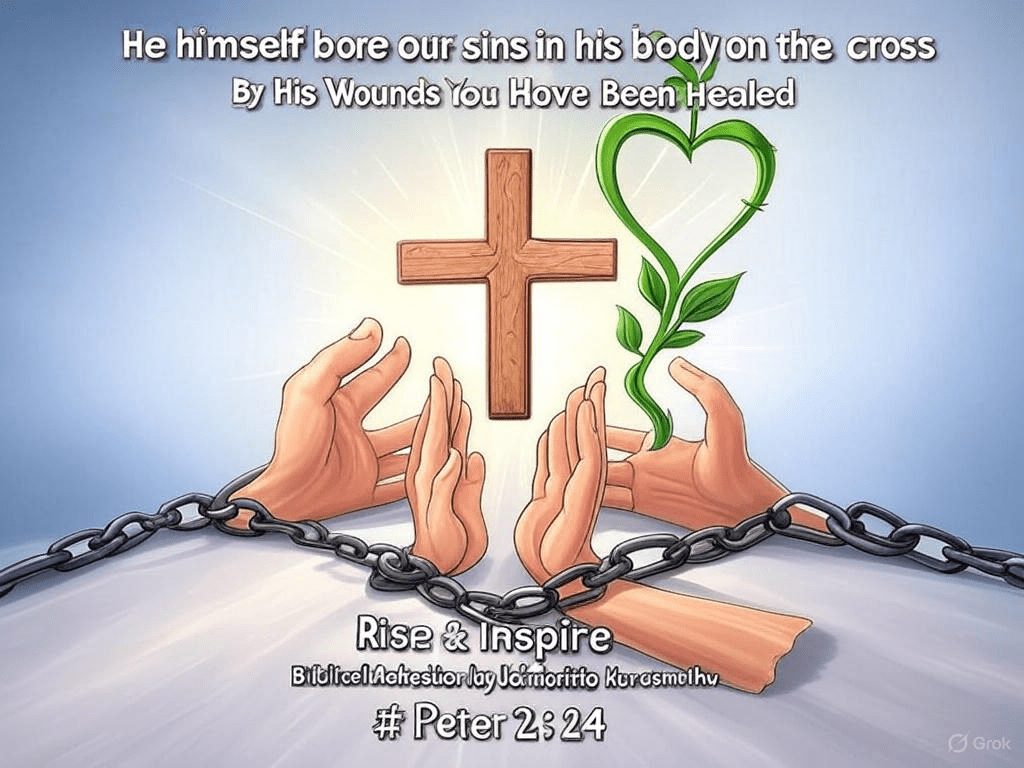
1 Peter 2:24 – Healing Through His Woun…

A Rise & Inspire Biblical Reflection
By Johnbritto Kurusumuthu

The Radical Message of 1 Peter 2:24

Imagine holding a fragile, ancient letter, its ink faded but its words pulsating with urgency. This is the essence of 1 Peter, a first-century epistle addressed to early Christians scattered across the Roman Empire. Among its treasures is 2:24, a verse that distills the heart of the Christian faith:
“He himself bore our sins in his body on the cross, so that, having died to sins, we might live for righteousness; by his wounds you have been healed.”

Let us dissect this verse as scholars of history, theology, and lived faith.

The Language of Sacrifice and Liberation

The Greek text of 1 Peter 2:24 is rich with imagery. The verb “bore” (anēnengken) means “to carry up,” evoking the sacrificial system where sins were symbolically placed on an animal. Here, Christ becomes the ultimate sacrifice, “carrying up” humanity’s sins to the cross. The phrase “died to sins” is a legal term, declaring believers free from sin’s power. “By his wounds” echoes Isaiah 53:5, linking Jesus to the Suffering Servant, whose bruises bring healing (sōthēte—saved, restored).

Literally, this verse proclaims: Christ’s death breaks sin’s chains, redirecting our lives toward righteousness and holistic healing.

Context and Purpose

Author & Audience: Traditionally attributed to the Apostle Peter, this letter targets persecuted Christians in Asia Minor (modern-day Turkey). Facing social ostracization and state-sponsored violence, they needed reassurance that their suffering had meaning.

Why Was It Written? Peter reframes their struggles through Christ’s example. Just as Jesus endured unjust suffering to redeem others, believers are called to “live for righteousness” amid opposition. The cross is not defeat but victory—a paradox where wounds become the source of healing.

Message for Today: In a world fractured by injustice, addiction, and despair, 1 Peter 2:24 offers a radical alternative: liberation from self-destruction and a call to embody Christ’s healing love.

A Walk-Up Call from Bishop Selvister Ponnumuthan

His Excellency, the Rt. Rev. Dr. Selvister Ponnumuthan, underscores this verse as a spiritual wake-up call:
“Christ’s sacrifice is not a relic of history but a living invitation. To ‘die to sins’ is to reject the lies that bind us—greed, hatred, fear. To ‘live for righteousness’ is to become agents of justice, mercy, and reconciliation. His wounds are our mandate: heal the broken, as you have been healed.”

Meditative Reflection:

 “By His Wounds”

To deepen your reflection, listen to the hymn By His Wounds. As the melody unfolds, ponder the cost of your healing and the life you are called to live.

Prayer for Transformation

Merciful Father,
We bow before the cross, where Your Son bore our sins.
Thank You for the gift of liberation—for breaking the shackles of shame and despair.
Forgive us when we cling to old ways; reorient our hearts to Your righteousness.
By the wounds of Christ, heal our divisions, our addictions, our apathy.
Make us instruments of Your healing in a wounded world.
Grant us courage to live as resurrection people, defiant in hope and relentless in love.
In Jesus’ name, Amen.

Guided Meditation

  1. Stillness: Sit quietly, breathing deeply. Imagine yourself at the foot of the cross.
  2. Surrender: Visualize placing your burdens—guilt, fear, pain—into Christ’s wounded hands.
  3. Receive Healing: Picture His light filling you, mending brokenness, igniting purpose.
  4. Commission: Ask, “Lord, how will You use my healed heart to heal others today?”

Rise & Inspire Challenge

Today, perform one act of righteousness—forgiveness, advocacy, generosity—as a testament to Christ’s transformative love.

You are healed. Now go and heal.
— Johnbritto Kurusumuthu

Let this verse be more than words on parchment. Let it be your story.

Verse of the Day – 12/04/2025

A Trilingual Whisper from the Cross

Before you close this reflection, pause and let 1 Peter 2:24 echo through the languages of your soul. The message is universal—the call is personal. Let it speak in the tongues of your heritage, your heart, and your healing.

In English – The Divine Exchange

“He himself bore our sins in his body on the cross, so that, having died to sins, we might live for righteousness; by his wounds, you have been healed.”
— 1 Peter 2:24

In Malayalam – ക്രൂശിലെ സ്നേഹത്തിന്റേ പൊരുൾ

“നമ്മുടെ പാപങ്ങള്‍ സ്വന്തം ശരീരത്തില്‍ വഹിച്ചുകൊണ്ട്‌ അവന്‍ കുരിശിലേറി.
അത്‌, നാം പാപത്തിനു മരിച്ചു നീതിക്കായി ജീവിക്കേണ്ടതിനാണ്‌.
അവന്റെ മുറിവിനാല്‍ നിങ്ങള്‍ സൗഖ്യമുള്ളവരാക്കപ്പെട്ടിരിക്കുന്നു.”
— 1 പത്രോസ് 2:24

In Tamil – காயங்களால் குணமடைந்தோம்

“சிலுவையின் மேல் கிறிஸ்து தம் சரீரத்தில் நம் பாவங்களையும் சுமந்தார்.
நாம் பாவங்களுக்காக வாழ்வதை நிறுத்தி, நேர்மையாக வாழ்வதற்காக அவர் இதைச் செய்தார்.
அவரது காயங்களினால் நீங்கள் குணமாக்கப்பட்டீர்கள்.”
— 1 பேதுரு 2:24

Let these three voices bear one truth:
You are not bound by your wounds—you are healed to live with purpose.

Let this be your declaration. Your reset. Your resurrection.
Because yes—one verse can rewrite your purpose in life.

🌐 Home | Blog | About Us | Contact| Resources

Categories: Astrology & Numerology | Daily Prompts | Law | Motivational Blogs | Motivational Quotes | Others | Personal Development | Tech Insights | Wake-Up Calls

📱 Follow us: @RiseNinspireHub

© 2025 Rise&Inspire. All Rights Reserved.

Word Count:843

What’s the Best Way to Study the Bible in Depth?

Have you ever opened the Bible with the desire not just to read its words, but to truly understand them—letting them shape your heart and draw wisdom that speaks into your life today? Whether you’re just beginning your spiritual walk or seeking a deeper, more meaningful connection with Scripture, the question naturally arises: What’s the best way to study the Bible in depth? You’re not alone in that pursuit. There are several time-tested and systematic approaches—many endorsed by academic institutions, religious communities, and respected biblical scholars—that can guide your journey. In a world filled with distractions, finding a method that engages your mind and nourishes your soul can be transformative. Whether you’re aiming for spiritual growth, historical insight, or theological clarity, there’s a study path for every heart and hunger. 

In this post, we’ll explore some of the most effective and respected Bible study methods—along with time commitments and reliable resources—so you can find the one that resonates with your spiritual rhythm and growth goals. 

Let’s dive into the Word together—with clarity, purpose, and inspiration.

1. Inductive Bible Study

This method starts with the text itself—no assumptions or outside interpretations. It invites you to engage in three key steps: observation, where you ask what the passage says; interpretation, where you explore what it means; and application, where you reflect on how it speaks into your life.

To get started, Precept Ministries International offers excellent structured tools, while Bible Study Tools provides commentaries, lexicons, and more. Studying one book might take you one to three months depending on its length and complexity. To go through the entire Bible deeply, plan for three to five years, studying 30 to 60 minutes daily.

2. Historical-Grammatical Method

This method invites you to dive into the cultural, historical, and grammatical background of the text. It’s commonly used in academic or scholarly circles and provides rich insights for those ready to dig beneath the surface.

You’ll find great tools through Logos Bible Software for studying original languages and historical context. The Bible Project also offers brilliant videos breaking down biblical books and themes. Studying a single book could take two to six months, especially if you incorporate original languages like Hebrew or Greek. A complete scholarly study of the Bible might take five to ten years.

3. Lectio Divina (Divine Reading)

This contemplative method invites you to read Scripture slowly and prayerfully. It unfolds in four steps: lectio, or reading; meditatio, or meditation; oratio, or prayer; and contemplatio, or contemplation.

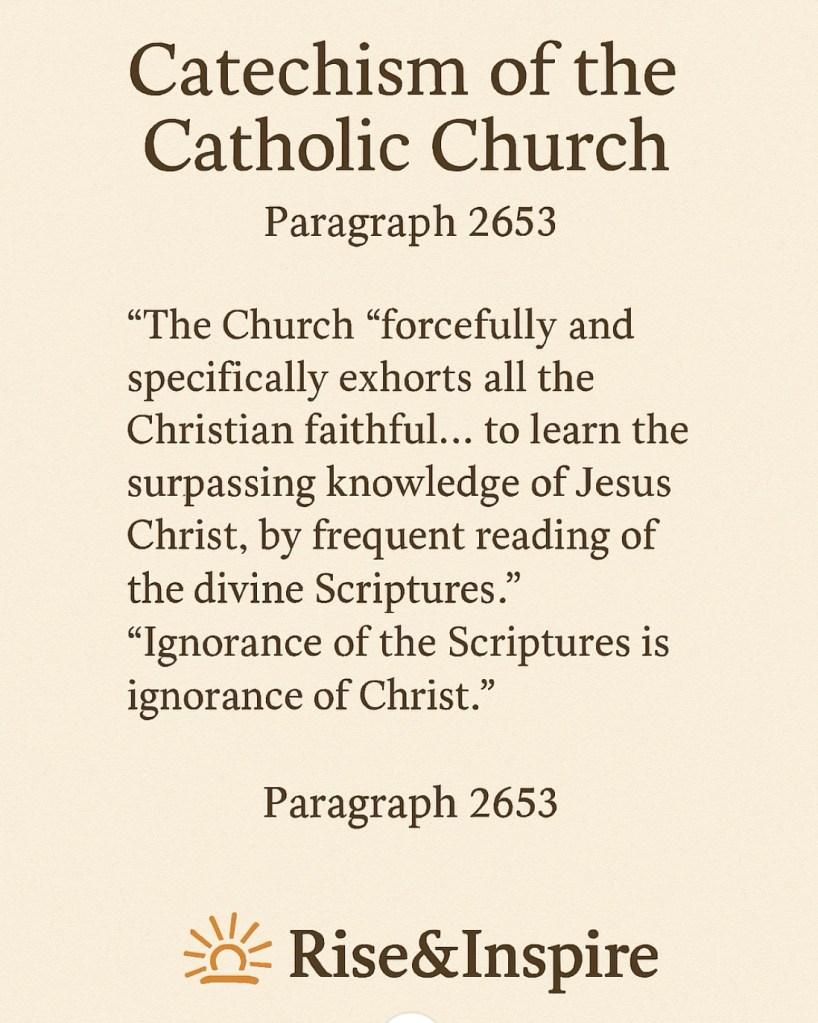
The Catechism of the Catholic Church encourages this method in Paragraph 2653. You can also find a helpful guide through Contemplative Outreach. You’ll likely spend 20 to 60 minutes with each passage. This is more of a lifelong journey, focused on transformation rather than completion.

4. Topical/Thematic Study

Instead of studying book by book, this method allows you to explore specific themes such as faith, grace, justice, or prayer across Scripture.

You can start your exploration with tools like Blue Letter Bible and its topical features, or browse insightful writings on Crossway Articles. One topic may take you one to three months, and there’s no fixed timeline for completing the full Bible—it’s entirely up to the themes you choose to study.

5. Academic Programs

If you’re looking for formal education, theological schools and universities offer a structured path. These programs often include in-depth study of Greek and Hebrew, theology, hermeneutics, and biblical history.

Consider institutions like Dallas Theological Seminary, which provides online courses, or Wheaton College Graduate School, which offers comprehensive biblical studies programs. A certificate can take one to two years, a Master’s degree between two to four years, and a PhD program may span four to seven years.

6. Bible Reading Plans

Sometimes all you need is structure. Bible reading plans help you move through Scripture either chronologically or from Genesis to Revelation, with daily readings designed to keep you consistent.

Popular resources include the YouVersion Bible App, which offers countless reading plans including one-year challenges. The Bible in a Year with Fr. Mike Schmitz is a beloved audio-guided journey. With just 15 to 20 minutes a day, you can read the entire Bible in one year.

What Affects Your Timeline?

Several key factors will influence how long it takes you to study the Bible in depth. It depends on how deeply you want to go—are you skimming the surface or diving into detailed exegesis? Your frequency matters too. Do you study every day or just on weekends? And finally, your personal goal plays a major role. Are you reading for personal growth, spiritual nourishment, or academic mastery?

So, What’s the Right Approach for You?

Most people find that blending methods works best—maybe you’ll combine an inductive approach with a reading plan, or practice Lectio Divina alongside historical study. For a deep, balanced understanding, you can expect to commit at least two to five years. But if you’re aiming for rigorous, scholarly mastery, prepare for five or more years of focused study.

You don’t have to go it alone. There’s a world of trusted resources and faith communities to help you stay motivated and on track.

Ready to start your journey? Let me know how I can help you tailor a study plan that’s perfect for you!

Closing Paragraph:

The Bible isn’t just a book—it’s a living dialogue between God and your soul, waiting to unfold its meaning in your life. Whether you choose a scholarly path, a meditative practice, or a blend of both, what matters most is your willingness to stay committed and open-hearted. Studying the Bible in depth is not a sprint; it’s a sacred journey—one that refines your mind, transforms your spirit, and draws you closer to divine wisdom with each step.

Call-to-Action:

So, where will you begin? Choose the method that resonates with you and take that first step today. And remember—you don’t have to walk this path alone. Share your thoughts in the comments, join our Rise&Inspire community, or reach out if you’d like help creating a personalized Bible study plan. Let’s grow in faith, together.

Here is your downloadable PDF summary:

Bible Study Methods: A Guide by Rise&Inspire

This guide offers a concise overview of six in-depth Bible study methods, along with recommended tools and estimated timelines.

Rise & Inspire: 4-Week Transformational Study Plan

A holistic blend of motivation, mindfulness, creativity, and spiritual enrichment

Week 1: Grounded Beginnings Clarity & Purpose

Theme: Self-awareness, Mission, Goal-setting

Focus Verse: Jeremiah 29:11 “For I know the plans I have for you…”

Day 1: Reflect on your life’s mission. Journal: What truly drives me?

Day 2: Create a vision board (physical or digital)

Day 3: Read a motivational post from Rise & Inspire. Summarize your takeaway.

Day 4: Meditate on purpose. Use breath-focused silence for 10 mins.

Day 5: Bible reading: Psalm 139. Journal: How does God see me?

Day 6: Listen to a podcast/interview on self-discovery.

Day 7: Share your reflections (blog, social media, or with a friend)

Week 2: Fuel the Fire Creativity & Courage

Theme: Innovation, Confidence, Breaking Comfort Zones

Focus Verse: 2 Timothy 1:7 “For God has not given us a spirit of fear…”

Day 1: Try a new creative expression, sketch, reel, or voice memo

Day 2: Blog prompt: What scares me about success?

Day 3: Watch a motivational TED talk

Day 4: Mindful walk in nature, photograph, and post

Day 5: Prayer of courage (can include a message from Bishop Selvister)

Day 6: Read Rise & Inspires post Igniting Creativity… and respond in your journal

Day 7: Celebrate a small win with a joyful ritual (coffee treat, music, prayer)

Week 3: Deep Wells Faith, Reflection, and ResilienceTheme: Spiritual Growth, Healing, and Trust

Focus Verse: James 5:15 “And the prayer of faith will save the one who is sick…”

Day 1: Morning devotion + Gratitude journaling

Day 2: Listen to a Malayalam worship song or reflect on a Malayalam Bible verse

Day 3: Blog Prompt: What does resilience look like in my story?

Day 4: Silent retreat time (1-hour digital detox with just your journal and Bible)

Day 5: Read Bishop Selvister’s prayer/reflection

Day 6: Re-read a favorite Rise & Inspire post. Add a new insight to it.

Day 7: Light a candle and offer a prayer for someone else’s healing

Week 4: Rise & Radiate Action & Abundance

Theme: Empowered Living, Service, and Flow

Focus Verse: Sirach 17:29 “How great is the mercy of the Lord…”

Day 1: Intention setting: What will I do with what I’ve learned?

Day 2: Reach out and encourage someone.

Day 3: Make a list of all your gifts and skills. How can you share them?

Day 4: Post your transformation journey online/blog.

Day 5: Whether time, energy, or kindness

Day 6: Group call/chat with other Rise & Inspire readers (idea for future)

Day 7: Celebrate completionaffirmations, journaling, prayer of thanksgiving

Bonus Tips for Your Journey

– Keep a Study Journal dedicated to this plan

– Use your iPhone Notes or Notion App for digital tracking

– Join or start a Rise & Inspire Reflection Group

– Revisit your favourite week every quarter 

🌐 Home | Blog | About Us | Contact| Resources

Categories: Astrology & Numerology | Daily Prompts | Law | Motivational Blogs | Motivational Quotes | Others | Personal Development | Tech Insights | Wake-Up Calls

📱 Follow us: @RiseNinspireHub

© 2025 Rise&Inspire. All Rights Reserved.

Word Count1568

How Does Isaiah 54:7-8 Reveal God’s Unfailing Love and Compassion?


God’s Unfailing Love – Isaiah 54:7-8 Illus…

Core Message of Isaiah 54:7-8

The core message of Isaiah 54:7-8 is one of divine compassion and restoration. These verses emphasize God’s unfailing love and mercy towards His people, even after a period of seeming abandonment. The Lord acknowledges that He momentarily turned away in anger, but He promises to gather His people back with great compassion and everlasting kindness. This message underscores the enduring nature of God’s covenant with His people and His commitment to their redemption and restoration.

A Rise & Inspire Biblical Reflection By Johnbritto Kurusumuthu

Examining Isaiah 54:7-8

Scriptural Examination

As you look into Isaiah 54:7-8, you are struck by the profound contrast between God’s momentary anger and His enduring compassion. The text reads:

“For a brief moment I abandoned you, but with great compassion, I will gather you. In overflowing wrath for a moment I hid my face from you, but with everlasting love, I will have compassion on you, says the Lord, your Redeemer.”

The language is both poignant and reassuring. The phrase “brief moment” underscores the temporary nature of God’s anger, while “great compassion” and “everlasting love” highlight the permanence of His mercy. The repetition of “moment” emphasizes the fleeting nature of divine displeasure compared to the eternal nature of divine love.

Contextual Study

To fully grasp the significance of these verses, you must consider their historical and cultural context. Isaiah 54 is part of a larger section (Isaiah 40-66) often referred to as “Second Isaiah,” which addresses the Israelites during their exile in Babylon. The prophet Isaiah speaks words of comfort and hope to people who feel abandoned and forgotten by God.

The historical backdrop is important. The Israelites had experienced the destruction of Jerusalem and the Temple, and they were now living in a foreign land. These verses would have resonated deeply with their feelings of despair and longing for restoration. The prophet assures them that their current suffering is temporary and that God’s compassion and love will ultimately prevail.

The theological message is clear: God’s covenant with His people is unbreakable. Even in times of apparent abandonment, God’s love and mercy remain steadfast. This message is not only relevant to the exiled Israelites but also to you today. It reminds you that God’s love is constant, even when you face trials and tribulations.

Contemporary Application

In your modern context, these verses offer a powerful reminder of God’s unchanging nature. You live in a world filled with uncertainty and change, but God’s love and compassion remain constant. Whether you face personal struggles, communal challenges, or global crises, you can find comfort in knowing that God’s mercy endures forever.

For a deeper understanding, I invite you to watch this insightful video reflection on Isaiah 54:7-8: [Isaiah 54:7-8 Reflection](https://youtu.be/UwDWpJInVyU?si=oIvXVGgEs8shFljA).

Conclusion

Isaiah 54:7-8 is a testament to God’s unfailing love and compassion. These verses remind you that even in your darkest moments, God’s mercy and kindness are ever-present. As you reflect on these words, let yourself be encouraged and inspired to trust in God’s enduring love and to share that love with others.

A Walkup Call Message from His Excellency, the Rt. Rev. Dr. Selvister Ponnumuthan

Dear Brothers and Sisters in Christ,

As you meditate on Isaiah 54:7-8, let yourself be reminded of God’s unfailing love and compassion. In times of trial and tribulation, it is easy to feel abandoned and forgotten. However, these verses assure you that God’s mercy endures forever. Even when you face challenges, you can trust in His everlasting love and kindness.

Let yourself take this message to heart and share it with those around you. May you be beacons of hope and compassion, reflecting God’s love in your words and actions. Let you pray for one another and our world, that you may experience God’s mercy and kindness in your lives.

Prayer and Meditation

Prayer:

Heavenly Father, we thank You for Your unfailing love and compassion. Even in our darkest moments, You are with us, offering mercy and kindness. Help us to trust in Your everlasting love and to share that love with others. May we be instruments of Your peace and compassion in our world. In Jesus’ name, we pray. Amen.

Meditation:

Take a few moments to reflect on God’s love and compassion in your life. Consider the times when you felt abandoned or forgotten, and remember how God’s mercy and kindness sustained you. Allow these memories to fill you with gratitude and hope. As you go about your day, look for opportunities to share God’s love with others, knowing that His mercy endures forever.

May God’s everlasting love and compassion be with you always.

In Christ’s love,

The Rt. Rev. Dr. Selvister Ponnumuthan

Today’s Verse: 08/04/2025

“In the Shadow of Wrath, the Light of Love”

Isaiah 54:7-8 – A Promise of Compassion

“For a brief moment I abandoned you, but with great compassion, I will gather you. In overflowing wrath for a moment I hid my face from you, but with everlasting love, I will have compassion on you,” says the Lord, your Redeemer.
— Isaiah 54:7-8 (NRSV)

“നിമിഷനേരത്തേക്കു നിന്നെ ഞാന്‍ ഉപേക്‌ഷിച്ചു; മഹാകരുണയോടെ നിന്നെ ഞാന്‍ തിരിച്ചുവിളിക്കും. കോപാധിക്യത്താല്‍ ക്‌ഷണനേരത്തേക്കു ഞാന്‍ എന്റെ മുഖം നിന്നില്‍നിന്നു മറച്ചുവച്ചു; എന്നാല്‍ അനന്തമായ സ്‌നേഹത്തോടെ നിന്നോടു ഞാന്‍ കരുണ കാണിക്കും എന്ന്‌ നിന്റെ വിമോചകനായ ദൈവം അരുളിച്ചെയ്യുന്നു.”
— ഏശയ്യാ 54:7-8 (Malayalam)

“இமைப்பொழுது உன்னைக் கைவிட்டேன்; ஆனாலும் உருக்கமான இரக்கங்களால் உன்னைச் சேர்த்துக்கொள்வேன்.
அற்பகாலம் மூண்ட கோபத்தினால் என் முகத்தை இமைப்பொழுது உனக்கு மறைத்தேன்; ஆனாலும் நித்திய கிருபையுடன் உனக்கு இரங்குவேன் என்று தேவனாகிய உன் மீட்பர் சொல்லுகிறார்.”
— எசாயா 54:7-8 (Tamil)

Reflection:
Even in moments of silence or distance, God’s love never ceases. What may feel like abandonment is often a pause before a greater embrace. His compassion outweighs His momentary wrath, and His everlasting love promises healing and restoration.

Let today’s verse be a gentle reminder: God gathers, God redeems, and God never truly lets go.

🌐 Home | Blog | About Us | Contact| Resources

Categories: Astrology & Numerology | Daily Prompts | Law | Motivational Blogs | Motivational Quotes | Others | Personal Development | Tech Insights | Wake-Up Calls

📱 Follow us: @RiseNinspireHub

© 2025 Rise&Inspire. All Rights Reserved.

Word Count:1025

Is Unforgiveness Blocking Your Prayers?


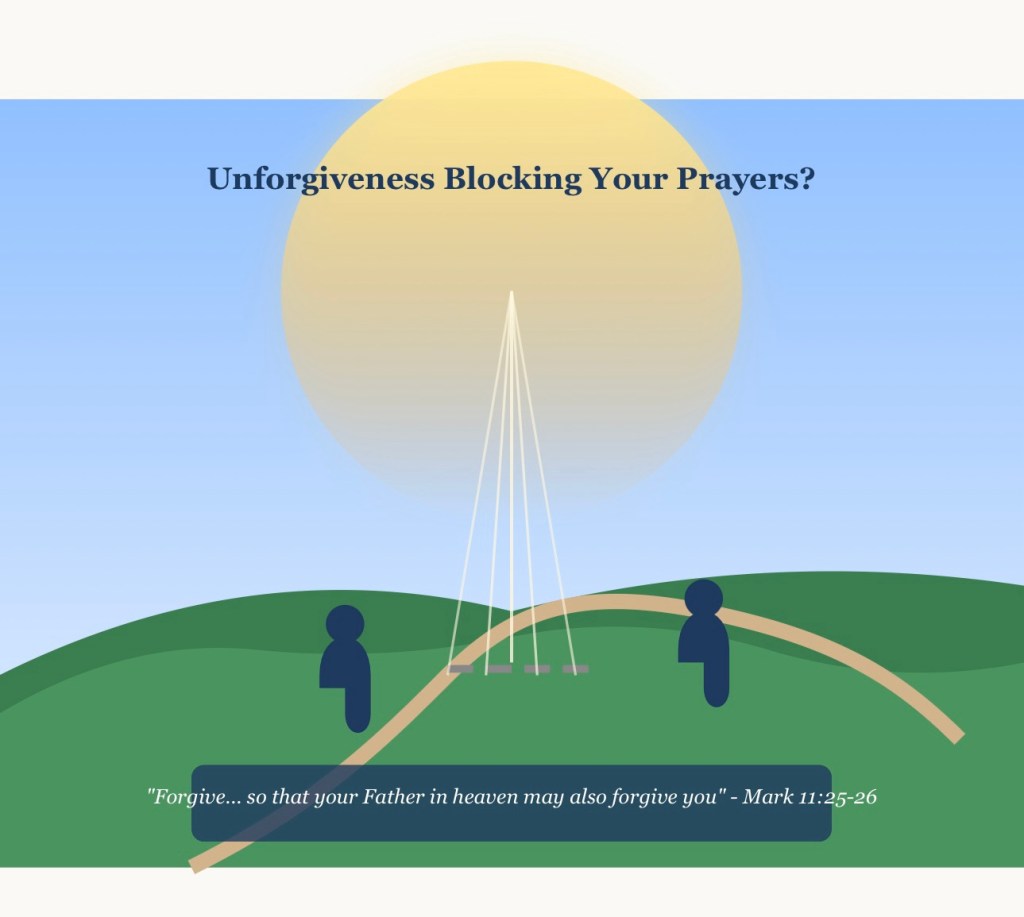
Forgiveness and Prayer – Mark 11:25-26
A Reflection on Mark 11:25-26

Today’s Verse: 31/03/2025

“Whenever you stand praying, forgive, if you have anything against anyone, so that your Father in heaven may also forgive you your trespasses.”
— Mark 11:25-26

“നിങ്ങള്‍ പ്രാര്‍ഥിക്കുമ്പോള്‍ നിങ്ങള്‍ക്ക്‌ ആരോടെങ്കിലും എന്തെങ്കിലും വിരോധമുണ്ടെങ്കില്‍, അതു ക്‌ഷമിക്കുവിന്‍. അപ്പോള്‍ സ്വര്‍ഗ്ഗത്തിലുള്ള നിങ്ങളുടെ പിതാവ്‌ നിങ്ങളുടെ തെറ്റുകള്‍ ക്ഷമിക്കും.”
— മര്‍ക്കോസ്‌ 11:25-26

“நீங்கள் ஜெபம் செய்யும்போது, ஒருவனுக்கெதிராக உங்களுக்குப் ஏதாவது குறை உண்டானால், உங்கள் பரலோகத் தந்தை உங்கள் தவறுகளை மன்னிப்பதற்காக, நீங்கள் அவனை மன்னியுங்கள்.
நீங்கள் மன்னிக்கவில்லை என்றால், பரலோகத்திலிருக்கிற உங்கள் பிதாவும் உங்கள் தவறுகளை மன்னிக்கமாட்டார்.”
— மாற்கு 11:25-26

A Rise & Inspire Biblical Reflection

By Johnbritto Kurusumuthu
Date: March 31, 2025

The Transformative Power of Forgiveness: 

A Reflection on Mark 11:25-26

Opening Prayer

Heavenly Father,
We come before You on this blessed day, grateful for the gift of Your Word and the wisdom it imparts. As we reflect on the words of Your Son in Mark 11:25-26, open our hearts to receive its truth. Guide us, Lord, as we delve into this sacred text, that we might understand its historical roots, its eternal message, and its urgent call to forgive as You have forgiven us. Amen.

Prayer & Meditation: A Journey Through Mark 11:25-26

1. Textual Analysis: Unpacking the Historical Document

Lord, as we imagine examining an ancient manuscript of Mark’s Gospel, we marvel at the careful strokes of Greek letters preserving Your truth. The words aphiete (“forgive”) and paraptōma (“trespasses”) leap from the page. In their literal sense, You command us to release grievances before approaching You in prayer. The structure is clear: forgiveness is not optional but essential—a divine prerequisite for receiving Your mercy.

2. Exegetical Insight: Context and Purpose

Gracious God, we acknowledge that Your servant Mark penned these words around 70 CE, a time of upheaval for early Christians. Written likely in Rome, this Gospel strengthened believers facing persecution, reminding them that their faith must be rooted in love and reconciliation. The message is timeless: unresolved bitterness hinders communion with You. Just as You forgave us through Christ’s sacrifice, we are called to mirror that grace daily.

3. Message for Today: A Call to Radical Forgiveness

Father, how often do we cling to hurts, allowing them to fester? This passage pierces our pride, urging us to lay down anger and embrace liberation. In a world fractured by division, Your command to forgive is a balm. Teach us, Lord, to see forgiveness not as weakness but as a reflection of Your strength—a pathway to healing and unity.

A Wake-Up Call from His Excellency, Rt. Rev. Dr. Selvister Ponnumuthan

“Beloved, Mark 11:25-26 is not a suggestion—it is a divine imperative. Forgiveness is the heartbeat of Christian discipleship. When we withhold it, we build walls between ourselves and God’s grace. Let this verse shake us from complacency. Choose forgiveness today, not because others deserve it, but because Christ deserves our obedience.”

Meditation: Reflect, Release, and Restore

Close your eyes, breathe deeply, and ask:

  • Who have I not forgiven? What weight does this grudge place on my soul?
  • How might releasing this hurt draw me closer to God and others?

Pray silently: Lord, soften my heart. Help me forgive as You do—freely and fully.

Closing Prayer

Merciful Father,
We thank You for the clarity of Your Word. Forgive us for the times we’ve held onto resentment, thinking it justified. Equip us with courage to reconcile, trusting that Your forgiveness covers our failings. As we strive to live Mark 11:25-26, may our prayers rise unhindered, our hearts lightened by grace.

We ask this in Jesus’ name. Amen.

Blessing

Go forth, liberated by forgiveness, to be ambassadors of Christ’s reconciling love.

Video Reflection

For further inspiration, watch “The Freedom of Forgiveness”, a powerful testimony on embracing God’s call to let go and heal.

Rise & Inspire—Where Scripture Meets the Soul.
🌐 Home | Blog | About Us | Contact| Resources

Categories: Astrology & Numerology | Daily Prompts | Law | Motivational Blogs | Motivational Quotes | Others | Personal Development | Tech Insights | Wake-Up Calls

📱 Follow us: @RiseNinspireHub

© 2025 Rise&Inspire. All Rights Reserved.

Word Count:676

Are You Growing Weary in Doing What Is Right?

Staying Strong in Doing What Is Right:

 A Biblical Reflection

By Johnbritto Kurusumuthu
Date: March 29, 2025

Examining the Historical Document: 2 Thessalonians 3:13

“Brothers and sisters, do not be weary in doing what is right.”

Textual Analysis

Imagine yourself among the early Christians in Thessalonica. You face opposition, uncertainty, and societal pressure. Paul’s words reach you like a ray of hope: Do not grow weary.

The Greek phrase mē enkakein means more than just feeling tired; it speaks of a deep discouragement that threatens your resolve. Enkakeō suggests an exhaustion that can make you question if doing good is even worth it. Paul urges you to press on. The word kalopoiountas—“doing what is right”—is a call to unwavering integrity in your daily life.

Exegetical Analysis

Place yourself in the world of the Thessalonians. Some around you have stopped working, assuming Christ’s return is imminent. They rely on the generosity of others without contributing (3:6-12). Paul’s message in 3:13 is not just encouragement—it is a correction. You are called to continue in righteousness, even when those around you take shortcuts.

Today, this verse speaks directly to your struggles. In a world where apathy and exhaustion are common, you might wonder if your kindness, honesty, and perseverance matter. Paul assures you—they do. Every act of goodness, no matter how small, has eternal significance.

A Wake-Up Call Message from His Excellency, the Rt. Rev. Dr. Selvister Ponnumuthan

Beloved in Christ,

Have you ever felt weary in your pursuit of righteousness? Maybe you’ve fought for justice, shown kindness, or stood firm in your faith, only to be met with resistance or indifference. In moments like these, Paul’s words in 2 Thessalonians 3:13 are for you: Do not grow weary.

Why? Because doing good is not a transaction; it is a transformation. Every time you choose kindness over cruelty, truth over deception, and love over indifference, you shape the world around you. Even when no one acknowledges your efforts, God sees.

If you feel exhausted in your spiritual journey, I invite you to watch this short reflection. It explores how the early Christians turned their struggles into testimonies. Let it rekindle your strength.

The world needs your faithfulness. The Church needs your perseverance. Do not grow weary.

In Christ’s service,
The Rt. Rev. Dr. Selvister Ponnumuthan

A Prayer for Strength

Heavenly Father,

I come before You today, weary from the struggles of life. At times, doing what is right feels exhausting. The world tells me to give up, to take the easy way out, to blend in. But Your Word reminds me: that perseverance in goodness is never in vain.

Grant me the grace to keep going. When kindness feels unnoticed, remind me that You see. When justice seems delayed, strengthen my resolve. When doubt whispers that my efforts are wasted, fill me with the truth that Your kingdom grows through small, faithful acts of love.

Lord, I lift up all who are tired—parents, caregivers, leaders, and those working for justice. Renew their strength like eagles’ wings (Isaiah 40:31). Stir within me a holy determination to labour for Your glory, knowing that my work in You is never in vain (1 Corinthians 15:58).

I place my trust in You. Lead me forward.

In Jesus’ name, Amen.

Rise & Inspire

“Let us not become weary in doing good, for at the proper time we will reap a harvest if we do not give up.” (Galatians 6:9)

Subscribe for daily reflections. This reflection places you at the centre of the message, allowing Paul’s words to speak directly to your journey. May it renew your spirit and strengthen your resolve to continue doing good, no matter the challenges ahead.

Today’s Verse: March 29, 2025

“Brothers and sisters, do not be weary in doing what is right.”
— 2 Thessalonians 3:13

“സഹോദരരേ, നന്മ പ്രവർത്തിക്കുന്നതിൽ നിങ്ങൾ നിരുത്സാഹരാകരുത്‌.”
— 2 തെസലോനിക്കാ 3:13

“சகோதர சகோதரிகளே! நன்மை செய்வதில் நீங்கள் மனந்தளர வேண்டாம்.”
— 2 தெசலோனிக்கா 3:13

🌐 Home | Blog | About Us | Contact| Resources

📱 Follow us: @RiseNinspireHub

© 2025 Rise&Inspire. All Rights Reserved.

Word Count:692

Are You Praying with Certainty or Doubt?

Faith in Prayer: The Key to Divine Blessings

Rise & Inspire Biblical Reflection | March 24, 2025
By Johnbritto Kurusumuthu

Today’s Verse:
“So I tell you, whatever you ask for in prayer, believe that you have received it, and it will be yours.”
Mark 11:24

മര്‍ക്കോസ് 11:24
“അതിനാല്‍, ഞാന്‍ പറയുന്നു: പ്രാര്‍ഥിക്കുകയും യാചിക്കുകയും ചെയ്യുന്ന എന്തും ലഭിക്കുമെന്നു വിശ്വസിക്കുവിന്‍; നിങ്ങള്‍ക്കു ലഭിക്കുക തന്നെ ചെയ്യും.”

மாற்கு 11:24
“ஆகையால், நீங்கள் பிரார்த்தனை செய்து, ஏதாவது கேட்கிறீர்கள் என்றால், அது உங்களுக்குக் கிடைத்தது என்று நம்புங்கள்; அது உங்களுக்குக் கிடைக்கும்.”

In Mark 11:24, Jesus invites us into a radical trust—prayer rooted not in desperation, but in certainty. Faith transforms petitions into declarations. As His Excellency, Rt. Rev. Dr. Selvister Ponnumuthan often teaches, “Prayer is the bridge between human longing and divine promise; walk it with conviction.

This verse calls us to live in the fulfilment of our prayers even before they manifest. Doubt shrinks miracles, but belief expands them. Whether seeking healing, guidance, or peace, approach God with the boldness of a heart already assured of His goodness.

For deeper reflection, I invite you to meditate with this soul-stirring hymn: Faith’s Anthem. Let its melody anchor you in the truth that with God, all things are possible (Mark 10:27).

Prayer:

Dear Lord, help us to pray with faith and conviction. Strengthen our belief in Your promises and guide us to trust in Your divine plan. Amen.

May this reflection inspire you to deepen your faith and strengthen your prayers. 

Let us rise together and inspire each other to live in the light of God’s love and promises.

Blessings,

Johnbritto Kurusumuthu

#RiseAndInspire, #FaithInAction, #PrayWithPurpose,

Join the #RiseAndInspire community daily for Scripture reflections that ignite faith and courage. Share your prayer journey below!

🌐 Home | Blog | About Us | Contact| Resources

📱 Follow us: @RiseNinspireHub

© 2025 Rise&Inspire. All Rights Reserved.

Word Count:311

How Can Repentance Transform Your Life?


Repentance and Transformation – Biblic…

A Rise & Inspire Biblical Reflection by Johnbritto Kurusumuthu

Today’s Verse: Isaiah 55:7 – A Call to Repentance and Divine Mercy in Three Languages

“Let the wicked forsake their way, and the unrighteous their thoughts; let them return to the Lord, that he may have mercy on them, and to our God, for he will abundantly pardon.”

— Isaiah 55:7 (NRSV)

“ദുഷ്‌ടന്‍ തന്റെ മാര്‍ഗവും അധര്‍മി തന്റെ ചിന്താഗതികളും ഉപേക്‌ഷിക്കട്ടെ! അവിടുത്തെ കരുണ ലഭിക്കേണ്ടതിന്‌ അവന്‍ കര്‍ത്താവിങ്കലേക്കു തിരിയട്ടെ; നമ്മുടെ ദൈവത്തിങ്കലേക്കു തിരിയട്ടെ. അവിടുന്ന്‌ ഉദാരമായി ക്‌ഷമിക്കും.”

— ഏശയ്യാ 55:7 (Malayalam)

“துன்மார்க்கன் தன் வழியையும், அக்கிரமக்காரன் தன் நினைவுகளையும் விட்டுவிட்டு, ஆண்டவரிடத்தில் திரும்பட்டும்; அவர் அவன்மேல் இரங்குவார்; நம்முடைய தேவனிடத்தில் திரும்பட்டும்; அவர் மிகுந்த இரக்கம் கொண்டவர்.”

— Isaiah 55:7 (Tamil)

Introduction: The Transforming Power of Repentance

The Book of Isaiah carries a message of divine mercy and redemption. Isaiah 55:7 is a profound call to repentance, reminding us that no matter how far we have strayed, God’s mercy and forgiveness remain available to those who sincerely turn to Him.

In this reflection, we will explore:

✅ The historical and literary background of Isaiah 55:7

✅ Its theological significance and connection to other scriptures

✅ How it applies to our daily struggles and spiritual growth

Let’s dive in and uncover the depth of God’s boundless grace!

1. Historical and Literary Background

Isaiah 55:7 belongs to the second part of Isaiah (Chapters 40–66), which shifts from messages of judgment to themes of comfort, restoration, and divine grace.

This verse was written during the period when the Israelites were in exile, offering them hope and an invitation to return not only to their homeland but also to a righteous relationship with God.

The literary style is poetic and prophetic, emphasizing God’s generosity in offering forgiveness to those who truly repent.

2. Theological Significance of Isaiah 55:7

This verse conveys three core spiritual truths:

a) God’s Mercy and Forgiveness

God is always ready to forgive, no matter how deep our sins. His mercy is not limited but “abundant,” reassuring us that repentance leads to complete restoration.

b) True Repentance Involves Transformation

Repentance is not just about feeling sorry—it requires forsaking wicked ways and thoughts. It is a call to a renewed mind and a changed heart.

c) A Restored Relationship with God

Repentance is not about fear but about returning to a loving relationship with God. It aligns our hearts with His, allowing us to experience His peace and guidance.

3. Cross-References and Biblical Parallels

Scripture reinforces the theme of repentance and divine mercy:

Ezekiel 18:21-23 – God desires the wicked to turn from sin and live.

Joel 2:13 – “Return to the Lord, for He is gracious and compassionate, slow to anger and abounding in love.”

Luke 15:20 – The parable of the prodigal son mirrors Isaiah 55:7, showing God’s abundant forgiveness.

📖 Paraphrased Version (The Message Bible):

“Let the wicked change their ways and banish their evil thoughts. Let them turn to the Lord that he may have mercy on them. Yes, turn to our God, for he will forgive generously.”

4. Connecting Isaiah 55:7 to Our Daily Lives

This verse remains relevant in today’s world, where distractions and temptations abound. Here are three practical ways to apply it:

🔹 Identify Areas of Repentance – Reflect on your habits, thoughts, and actions. What do you need to surrender to God?

🔹 Seek God’s Mercy Daily – Through prayer and humility, ask for His guidance and renewal.

🔹 Live a Transformed Life – True repentance leads to a change in behavior, reflecting Christ’s love in our actions.

Reflection Questions:

1️⃣ What specific areas of your life do you need to surrender to God?

2️⃣ How have you personally experienced God’s mercy and forgiveness?

3️⃣ What steps can you take to deepen your relationship with God?

5. Guided Prayer and Meditation

🙏 A Prayer for Repentance and Transformation

Heavenly Father,

I come before You, acknowledging my sins. I have strayed from Your path, but today, I turn back to You. I ask for Your abundant mercy and forgiveness. Help me to forsake my sinful ways and align my thoughts with Your will. Renew my heart and guide me in righteousness. Thank You for Your unwavering love.

In Jesus’ name, Amen.

6. Clarifying Misinterpretations

🔸 Does God’s forgiveness mean we can continue sinning?

No. True repentance involves a commitment to change, not a license to sin.

🔸 Is God’s forgiveness limited?

No. His mercy is abundant, but we must sincerely seek Him.

🔸 Is repentance only about actions?

No. It also involves transforming our thoughts and mindset.

7. Video Resource for Deeper Understanding

📺 Watch an insightful explanation of Isaiah 55:7 here:

🎥 Isaiah 55:7 Explained – The Power of Repentance

8. Hopeful Takeaway & Call to Action

Isaiah 55:7 is a message of hope, mercy, and transformation. God’s forgiveness is always available—all we need to do is turn to Him.

💡 Your Call to Action:

✅ Reflect on areas where you need repentance.

✅ Share your thoughts in the comments—How has repentance transformed your life?

✅ Encourage someone today by sharing this reflection.

Let’s seek God’s mercy and live in the joy of His abundant pardon!

His Excellency, the Rt. Rev. Dr. Selvister Ponnumuthan


The digital illustration inspired by Isaiah 55:7.

🌐 Home | Blog | About Us | Contact| Resources

📱 Follow us: @RiseNinspireHub

© 2025 Rise&Inspire. All Rights Reserved.

Word Count:895

How Can Confidence in God Lead to Great Rewards?


Confidence in God – Hebrews 10:35 Illust…

“Hold tightly to your bold trust in God; it leads to unimaginable blessings.”

“Many assume that faith guarantees a problem-free life. Instead, it assures that God is with us, even in trials.”

“Some think this verse promises instant blessings, but its primary focus is eternal rewards and spiritual growth.”

A Rise & Inspire Biblical Reflection by Johnbritto Kurusumuthu

The Verse:

“Do not, therefore, abandon that confidence of yours; it brings a great reward.” – Hebrews 10:35

“നിങ്ങളുടെ ആത്‌മധൈര്യം നിങ്ങള്‍ നശിപ്പിച്ചു കളയരുത്‌. അതിനു വലിയ പ്രതിഫലം ലഭിക്കാനിരിക്കുന്നു.” – ഹെബ്രായര്‍ 10:35

“ஆகையால், மிகுந்த பலனுக்கேதுவான உங்கள் தைரியத்தை விட்டுவிடாதிருங்கள்.”-எபிரேயர் அதிகாரம் – 10:35

bible.catholicgallery.org

Confidence is the foundation of faith. It is the unwavering trust that God’s promises are true and that He is working for our good, even when circumstances suggest otherwise. In Hebrews 10:35, we are encouraged not to abandon our confidence because it will bring great rewards. But what does this verse truly mean? How does it apply to our lives today?

Let us explore the depth of this powerful scripture and how we can live by its truth.

What Is the Context of Hebrews 10:35?

Historical Background

The Epistle to the Hebrews was written to Jewish Christians facing intense persecution and societal pressure to abandon their faith. Scholars suggest it was composed before 70 AD, a time when the Temple still stood, but tensions between Jewish tradition and the burgeoning Christian movement were escalating. The author emphasizes Christ’s supremacy over the old covenant, urging believers to hold fast despite suffering.

Hebrews 10:35 sits within a larger exhortation (vv. 19–39) to persevere. Earlier verses remind readers of their past endurance (Hebrews 10:32–34), while verse 35 bridges a call for future faithfulness. The Greek word for “confidence” (parrhesia) connotes boldness, openness, and unwavering trust—a radical stance in a hostile world.

Literary and Theological Significance

The verse centres on two themes:

Confidence in Christ – This is not self-reliance but trust in God’s promises.

“Let us then approach God’s throne of grace with confidence.” (Hebrews 4:16)

Eternal Reward – The “great reward” is not earthly success but eternal communion with God.

“Blessed is the one who perseveres under trial.” (James 1:12)

Paraphrase – “Hold tightly to your bold trust in God; it leads to unimaginable blessings.”

What Does the Bible Say About Confidence in God?

Hebrews 10:35 is reinforced by several other scriptures:

Philippians 1:6 – “… being confident of this, that he who began a good work in you will carry it on to completion until the day of Christ Jesus.”

Proverbs 3:26 – “For the Lord will be your confidence and will keep your foot from being caught.”

Isaiah 41:10 – “Do not fear, for I am with you; do not be dismayed, for I am your God. I will strengthen you and help you; I will uphold you with my righteous right hand.”

These verses remind us that our confidence should not be in ourselves, but in God, who is faithful to His promises.

How Does This Verse Apply to Our Lives Today?

Many times, we face trials that shake our faith—loss, financial struggles, disappointments, or unanswered prayers. In such moments, we may question if God is still with us. However, Hebrews 10:35 reminds us to hold on.

Real-Life Connection

Imagine an entrepreneur who has worked tirelessly to build a business, facing repeated failures. Or a student struggling with academics despite hard work. Perhaps a believer is praying for healing but sees no immediate change.

In all these cases, confidence in God’s plan is essential. Faith doesn’t mean everything will be easy; it means we trust that God’s purpose will prevail, even when we don’t understand.

Actionable Steps to Strengthen Your Confidence in God

1. Meditate on God’s Word Daily – Faith grows by hearing and studying scripture (Romans 10:17).

2. Recall Past Victories – Reflect on times God has been faithful in your life.

3. Pray Boldly – Speak to God with assurance that He hears you (1 John 5:14).

4. Surround Yourself with Faith-Building People – Community strengthens faith (Hebrews 10:25).

5. Trust in God’s Timing – Delays are not denials; God’s plan is always perfect (Ecclesiastes 3:11).

Reflection Questions for Deeper Insight

1. Have you ever felt tempted to abandon your confidence in God? What circumstances led to that?

2. How can you strengthen your faith when you face trials?

3. What past experiences remind you of God’s faithfulness?

4. How can you encourage someone else to remain confident in God today?

A Guided Prayer Based on Hebrews 10:35

Heavenly Father,

I come before You, acknowledging that at times, my confidence wavers. Life’s challenges test my faith, but I choose to trust in Your promises. Your Word assures me that holding onto my confidence will bring great rewards. Strengthen my heart, Lord. Help me to remain steadfast, to walk in faith even when I cannot see the way ahead. Remind me of Your faithfulness, and let my life be a testimony of unwavering trust in You.

In Jesus’ name, Amen.

A Devotional Moment: How Can You Live Out Hebrews 10:35?

Faith is not just about belief—it’s about action. Confidence in God means stepping forward despite uncertainty. Today, make a commitment to trust God more deeply. Speak words of faith, not doubt. Pray with conviction, not hesitation. Encourage someone who is struggling to hold onto their faith.

Watch this inspiring video on confidence in God:

Hebrews 10:35 – Encouragement to Keep the Faith

Common Misinterpretations of Hebrews 10:35

1. Confidence in God does not mean everything will go as planned. Many assume that faith guarantees a problem-free life. Instead, it assures that God is with us, even in trials.

2. The “great reward” is not always immediate. Some think this verse promises instant blessings, but its primary focus is eternal rewards and spiritual growth.

A Hopeful Takeaway: God Rewards Unwavering Faith

Confidence in God is the key to endurance. The early Christians faced persecution, yet they were encouraged to persevere. Today, we face different struggles, but the message remains the same—hold onto faith, and you will see God’s hand at work.

A Call to Action by His Excellency, the Rt. Rev. Dr. Selvister Ponnumuthan

“My dear brothers and sisters in Christ, let us not abandon our confidence in the Lord. Stand firm in faith, knowing that God’s promises never fail. As you go about your day, remember that perseverance in faith is a testimony to God’s greatness. Encourage others, pray without ceasing, and let your life be a beacon of faith. May God bless you abundantly as you walk in confidence!”

🌐 Home | Blog | About Us | Contact| Resources

📱 Follow us: @RiseNinspireHub

© 2025 Rise&Inspire. All Rights Reserved.

Word Count:1134

Why Does God Correct Those He Loves?

A Call to Transformation


Divine Correction – A Sign of God’s Love

“Many people misinterpret discipline as God’s displeasure.”

“Divine correction is not punishment—it is preparation. It moulds us into the people God has called us to be.”

“God’s correction is not about breaking us; it’s about making us.”

“When we repent, we don’t just receive forgiveness—we receive communion with Christ Himself.”

“God’s discipline is a sign of His love, not His rejection.”

A Rise & Inspire Biblical Reflection By Johnbritto Kurusumuthu

“I reprove and discipline those whom I love. Be earnest, therefore, and repent.”

(Revelation 3:19)

In our spiritual journey, discipline often feels uncomfortable. We resist correction, fearing it as rejection or punishment. Yet, in Revelation 3:19, God reveals the profound truth that His discipline is an act of love, not condemnation. Like a loving parent who corrects a child, God’s reproof is meant to guide us back to Him.

But how often do we recognize His correction as an invitation rather than a burden? 

Let’s explore this powerful verse to understand its significance, its call to repentance, and how it applies to our lives today.

1. Understanding the Historical and Literary Context

The Book of Revelation, written by the apostle John while in exile on the island of Patmos, contains messages from Jesus Christ to the seven churches of Asia Minor. Revelation 3:19 is part of the letter to the church in Laodicea—a wealthy but spiritually lukewarm community.

Despite their material prosperity, the Laodiceans had become indifferent to God. They were neither passionate in faith nor completely turned away; they were complacent. Jesus rebuked them, warning that their lukewarm state made them ineffective (Revelation 3:15-16). However, instead of abandoning them, He extended an invitation to repentance and renewal.

This verse is a reminder that when God disciplines, it is not out of anger but out of deep, transformative love.

Cross-References and Paraphrases for Clarity

Proverbs 3:11-12 – “My son, do not despise the Lord’s discipline, or be weary of His reproof, for the Lord reproves the one He loves, as a father the son in whom he delights.”

Hebrews 12:6 – “For the Lord disciplines the one He loves and chastises every son whom He receives.”

These verses reinforce that divine correction is not punishment—it is preparation. It moulds us into the people God has called us to be.

2. God’s Discipline and Our Spiritual Growth

A Love That Corrects, Not Condemns

Imagine a skilled potter shaping clay. If the clay is too dry or resistant, the potter applies pressure, removing imperfections. Likewise, God, as the Master Potter (Isaiah 64:8), lovingly shapes us through trials, teachings, and even moments of hardship.

Many people misinterpret discipline as God’s displeasure. But just as a good teacher challenges students to help them grow, God corrects us so that we do not settle for a life of spiritual mediocrity.

Real-Life Application: How Do We Respond to God’s Discipline?

1. Self-examination: Are there areas in our lives where we resist God’s correction?

2. Repentance with Sincerity: Do we merely acknowledge our mistakes, or do we truly turn away from them?

3. Growth in Faith: Are we allowing God’s discipline to strengthen our character and deepen our relationship with Him?

“God’s correction is not about breaking us; it’s about making us.”

3. Actionable Steps for Embracing God’s Correction

1. Recognize Conviction as a Blessing – Instead of feeling ashamed, see it as an opportunity for growth.

2. Be Open to Change – Repentance means turning away from sin and toward God with sincerity.

3. Seek Spiritual Guidance – Engage in prayer, Scripture reading, and fellowship to gain clarity.

4. Trust in God’s Plan – Even in discipline, His love is unwavering.

Reflection Questions:

• Have I been avoiding God’s correction in any area of my life?

• How can I shift my perspective to see discipline as an act of love?

• What specific steps can I take today to be more receptive to God’s reproof?

4. Jesus’ Invitation: A Call to Repentance and Renewal

In the very next verse, Jesus makes a profound promise:

“Listen! I am standing at the door, knocking; if you hear my voice and open the door, I will come into you and eat with you, and you with me.” (Revelation 3:20)

God’s discipline is never meant to push us away but to bring us closer. When we repent, we don’t just receive forgiveness—we receive communion with Christ Himself.

Watch and Reflect:

To gain deeper insight into this verse, watch this enlightening video: Click Here. Let this message inspire you to welcome God’s correction with humility and love.

5. A Guided Prayer for Transformation

Heavenly Father,

I come before You with a humble heart, acknowledging that Your discipline is an expression of Your deep love for me. Help me to embrace Your correction, knowing that it is meant to refine and strengthen my faith. Grant me the courage to repent sincerely and the wisdom to walk in righteousness. Lord, shape me into the person You have called me to be. May I never grow complacent but always seek to grow closer to You. Amen.

6. Devotional Entry: Responding to God’s Loving Discipline

Bible Verse:

“I reprove and discipline those whom I love. Be earnest, therefore, and repent.” (Revelation 3:19)

Reflection:

God’s discipline is a sign of His love, not His rejection. When we accept His correction with humility, we open ourselves to His transforming power. Let today be a turning point—an opportunity to grow, repent, and walk in greater intimacy with God.

Call to Action by His Excellency, the Rt. Rev. Dr. Selvister Ponnumuthan

“God’s discipline is an invitation, not a condemnation. Open your heart to His correction, and you will find a path to renewal. Today, take a moment to reflect on the areas where God is calling you to grow. Pray, seek wisdom, and embrace His love with a heart eager for transformation.”

Final Takeaway: A New Perspective on Discipline


A Digital Spiritual Insight by Rise&Inspire

Instead of fearing God’s reproof, let us welcome it as a sign of His deep care for us. Just as a gardener prunes a vine to help it bear more fruit (John 15:2), God prunes our hearts so we can grow into His likeness.

Challenge for the Week:

Take a moment each day to reflect on areas where God is leading you to change. Write them down, pray over them, and trust that His discipline is shaping you into something greater.

Are you ready to embrace God’s loving correction and step into a life of deeper faith? Let’s walk this journey together.

Scripture Translations of Revelation 3:19

English (NRSV):

English (NRSV): “I reprove and discipline those whom I love. Be earnest, therefore, and repent.”

Malayalam (തിരുവെഴുത്ത്): “ഞാൻ സ്നേഹിക്കുന്നവരെ ശാസിക്കുകയും ശിക്ഷിക്കുകയും ചെയ്യുന്നു. അതുകൊണ്ട് തീക്ഷ്ണതയുള്ളവനാകുക. അനുതപിക്കുക.”

newchristianbiblestudy.org

Tamil (Tamil Catholic Bible): “நான் நேசிக்கும் ஒருவரைத் தண்டித்துக் கட்டாயப்படுத்துவேன். ஆகையால் உறுதியானவராகி மனந்திரும்பு.”

bible.catholicgallery.org

(These are translations of Revelation 3:19 from different versions of the Bible.)

🌐 Home | Blog | About Us | Contact| Resources

📱 Follow us: @RiseNinspireHub

© 2025 Rise&Inspire. All Rights Reserved.

Word Count:1182

Are We Truly Guarding Against Evil and Caring for Our Neighbor?

A Rise & Inspire Biblical Reflection

By Johnbritto Kurusumuthu

Guarding Against Evil, Guarding Each Other: 

A Call to Sacred Responsibility

Scripture Focus

“Beware of all evil. And he gave commandment to each of them concerning the neighbor.”
— Ecclesiasticus (Sirach) 17:14

Introduction

In a world where individualism often overshadows communal responsibility, Ecclesiasticus 17:14 offers a timeless reminder: true spirituality involves both vigilance against personal sin and active love for others. This verse, from the wisdom literature of Sirach, bridges the gap between piety and practice, urging us to live holistically holy lives.

Historical & Literary Context

Written by Jesus ben Sirach around 180–175 BCE, this book is part of the deuterocanonical texts (accepted by Catholic and Orthodox traditions but considered apocryphal by Protestants). It was composed during a period of Hellenistic Jewish struggles, emphasizing the importance of preserving ethical traditions amid cultural shifts.

Sirach blends proverbial wisdom with theological reflection. Chapter 17 reflects on God’s covenant, human dignity, and moral accountability. Verse 14 succinctly captures the dual call to personal holiness—“beware evil”—and social ethics—“commandment concerning the neighbor.”

Theological Depth & Cross-References

Turning away from evil is not just about avoiding sin but actively resisting it, as seen in Psalm 34:14: “Turn away from evil and do good.” The Greek word ponēros for evil implies moral corruption, something that requires conscious effort to overcome, as echoed in James 4:7: “Resist the devil, and he will flee from you.”

Loving one’s neighbour is a command deeply rooted in Scripture, from Leviticus 19:18—“Love your neighbour as yourself”—to Jesus’ reaffirmation in Matthew 22:39. Christ further expands this definition to include even enemies, as exemplified in the Parable of the Good Samaritan (Luke 10:25–37).

Some mistakenly interpret “beware evil” as a call to personal piety alone. However, Sirach ties it to social duty—evil thrives when we neglect our neighbour, as James 2:15–16 warns against the faith without action. True holiness is not solitary but communal, a lesson echoed in the words of Rev. Dr. Martin Luther King Jr.: “Injustice anywhere is a threat to justice everywhere.”

Connecting to Jesus & God’s Character

Jesus embodied this dual calling: resisting temptation (Matthew 4:1–11) while healing, feeding, and advocating for the marginalized. God’s character is both holy (1 Peter 1:16) and compassionate (Exodus 34:6–7). To live like Christ is to hate sin and serve sinners.

Real-Life Applications

In today’s digital age, evil manifests in many forms, from systemic injustice to online hatred and environmental neglect. Awareness alone is not enough; we must take deliberate steps toward change. One way to start is by assessing the impact of what we consume—our media, habits, and daily interactions. Does what we engage with promote fear or love?

Loving our neighbour means taking action. Whether it’s volunteering, advocating for the oppressed, or reconciling a broken relationship, our faith must translate into works. Micah 6:8 reminds us that God requires us “to act justly, love mercy, and walk humbly.”

Reflecting on our daily lives, we should ask ourselves: When have I ignored evil in my own heart or community? Who is my “neighbour” today? Perhaps a refugee, a struggling colleague, or even someone we disagree with politically.

Guided Meditation & Prayer

Close your eyes. Breathe deeply. Imagine Christ whispering, “Beware of evil.” Where is evil subtle in your life? Now hear Him say, “Love your neighbor.” Who comes to mind? Commit to one act of service today.

Prayer:
Father, open my eyes to evil’s disguises. Give me the courage to reject complacency. Teach me to see my neighbour as You do—worthy of dignity and love. May my life reflect Your holiness and mercy. Amen.

Hopeful Takeaway

Evil is not invincible. Every act of love dismantles its power. When we guard our hearts and tend to others, we become part of God’s redemptive work. The world is transformed not by grand gestures alone but by daily decisions to choose kindness over indifference, love over complacency, and action over passivity.

Call to Action by His Excellency, the Rt. Rev. Dr. Selvister Ponnumuthan

“Faith is not a private affair; it is a call to action. Let this verse inspire you to take a step beyond prayer into practice. Find a way this week to be a guardian of goodness—speak up against injustice, extend compassion to a stranger, or mend a broken bond. Share your journey using #RiseAndInspire and be a witness to the power of love in action.”

Enhance Your Understanding

Watch this short video exploring how ancient wisdom speaks to modern ethics.

Devotional Entry

Verse: “Beware of all evil… commandment concerning the neighbor.” (Sirach 17:14)
Reflection: Holiness is communal. Today, reject one harmful habit and perform one intentional act of kindness.
Prayer: Lord, make me a bridge between righteousness and mercy. Amen.

Let this reflection ignite a revolution of sacred responsibility in your heart. Rise, inspire, and act.

Translations in English, Malayalam, and Tamil

English:
“He said to them, ‘Beware of all evil.’ And he gave commandment to each of them concerning the neighbor.”
Ecclesiasticus 17:14

Malayalam:
“എല്ലാ അനീതികള്‍ക്കുമെതിരെ ജാഗരൂകത പാലിക്കുവിന്‍ എന്ന്‌ അവിടുന്ന്‌ അവരോടു പറഞ്ഞു: അയല്‍ക്കാരനോടുള്ള കടമ അവിടുന്ന്‌ ഓരോരുത്തരെയും പഠിപ്പിച്ചു.”
പ്രഭാഷകന്‍ 17:14

Tamil:
“அவர்களுக்கு அவர் தீயவற்றையெல்லாம் கவனியுங்கள் என்று ஆணையிட்டார்; அடுத்தவரைச் சார்ந்த கடமைகளை ஒவ்வொருவருக்கும் அறிவுறுத்தினார்.”
Ecclesiasticus 17:14

🌐 Home | Blog | About Us | Contact| Resources

📱 Follow us: @RiseNinspireHub

© 2025 Rise&Inspire. All Rights Reserved.

Word Count:917

What Does It Mean That ‘The Lord Is My Helper’?

A Rise & Inspire Biblical Reflection By  Johnbritto Kurusumuthu

Finding Courage in God’s Presence: 

A Reflection on Hebrews 13:6

“So we can say with confidence, ‘The Lord is my helper; I will not be afraid. What can anyone do to me?’”

— Hebrews 13:6 (NRSV)

Introduction

Fear is one of the most powerful emotions we experience. It can paralyze us, make us doubt our faith, and lead us away from trusting in God. But Hebrews 13:6 offers a bold declaration of faith and courage—one that reminds us that, no matter what challenges we face, God is always by our side. This verse is not just a statement; it is a promise and an invitation to live fearlessly under the protection of God’s unfailing help.

Historical, Literary, and Theological Background

Historical Context

The book of Hebrews was written to Jewish Christians facing persecution, hardship, and societal rejection. They were pressured to abandon their faith in Jesus and return to Judaism. The author of Hebrews encouraged them to hold fast to their faith, reminding them of God’s faithfulness throughout history.

Hebrews 13:6 is a paraphrase of Psalm 118:6, which says:

“The Lord is with me; I will not be afraid. What can mere mortals do to me?”

This connection shows that God’s faithfulness is not new—it is a theme woven throughout Scripture, reassuring believers across generations.

Literary Context

This verse is part of Hebrews 13, which emphasizes Christian conduct, contentment, and trust in God. Just before this verse, Hebrews 13:5 encourages believers to avoid greed and trust in God’s provision:

“Keep your lives free from the love of money, and be content with what you have, because God has said, ‘Never will I leave you; never will I forsake you.’”

Thus, Hebrews 13:6 is a response to that assurance—since God never abandons us, we can boldly proclaim our trust in Him.

Theological Insights

This verse teaches:

God is our Helper – He is actively involved in our lives.

Fear has no power over us – When God is our source of strength, no earthly threat can shake us.

• Our identity is in Christ – We are not defined by fear but by faith in an unshakable God.

Hebrews 13:6 in Real Life: Trusting God in Difficult Times

Life is filled with uncertainties—job loss, health crises, broken relationships, and the fear of failure. But this verse reminds us that we are never alone.

Real-Life Connection: A Story of Faith

Consider a person diagnosed with a serious illness. The fear of the unknown can be overwhelming. But by anchoring themselves in this verse, they find peace, knowing that God is their Helper. Doctors and treatments may work, but ultimate healing—whether physical or spiritual—rests in God’s hands.

Similarly, in moments of financial instability, rather than being consumed by anxiety, we can trust that God will provide as He has always done.

Actionable Steps: How to Apply Hebrews 13:6 in Daily Life

1. Speak the Verse Daily – Start your morning by declaring, “The Lord is my helper; I will not be afraid.”

2. Write a Fear List – Identify your fears, then surrender them in prayer, trusting God to handle them.

3. Practice Gratitude – Focus on what God has done rather than what you fear.

4. Encourage Others – Share this verse with someone going through a difficult time.

Reflection Questions for Spiritual Growth

• What fears do I need to surrender to God today?

• How have I seen God’s help in my past struggles?

• What steps can I take to grow in confidence in God’s provision?

Guided Meditation & Prayer on Hebrews 13:6

Guided Meditation

1. Find a quiet place where you can be still before God.

2. Close your eyes and breathe deeply. Imagine yourself sitting at the feet of Jesus.

3. Repeat the verse slowly: “The Lord is my helper; I will not be afraid.” Let its truth sink into your heart.

4. Visualize God’s protection surrounding you like a warm, unbreakable shield.

5. Give your fears to God, one by one. Picture Him taking them from you and replacing them with peace.

Prayer for Strength and Courage

“Heavenly Father, thank You for being my Helper. When fear tries to overwhelm me, remind me of Your presence. I surrender my worries and trust that You are in control. Strengthen my faith, Lord, so I can walk boldly, knowing You are with me. No situation, no person, no trial is greater than You. I declare today that I will not be afraid, for You are my rock and my salvation. In Jesus’ name, Amen.”

Devotional: Living Without Fear

Bible Reading: Psalm 118:6, Isaiah 41:10, Romans 8:31

Meditate on these verses that echo the truth of Hebrews 13:6.

Daily Challenge

Write Hebrews 13:6 on a sticky note and place it where you will see it often. Let it be a daily reminder of God’s presence.

Encouraging Quote

“Faith is not the absence of fear but the confidence that God is greater than our fears.”

Avoiding Misinterpretation

Some may think that this verse means believers will never face difficulties. But the truth is, Jesus Himself said:

“In this world you will have trouble. But take heart! I have overcome the world.” — John 16:33

God does not promise a trouble-free life, but He promises His presence, strength, and ultimate victory.

Connecting Hebrews 13:6 to Jesus and Today’s World

Jesus lived out this verse perfectly. He faced opposition, betrayal, and suffering, yet He never lived in fear because He fully trusted the Father. As followers of Christ, we are called to do the same.

In today’s world, where anxiety and uncertainty dominate, this verse is a powerful anchor. Whether we fear global crises, personal setbacks, or the future, Hebrews 13:6 reminds us: God is greater than our fears.

Call to Action: A Message from His Excellency, the Rt. Rev. Dr. Selvister Ponnumuthan

“Dear brothers and sisters in Christ, let us hold fast to the truth of Hebrews 13:6. The world may be uncertain, but our God remains unchanging. Walk boldly, live confidently, and trust completely in His help. May you find strength in His promises and live a life free from fear. Share this message with someone in need, and be a beacon of faith in this troubled world.”

Enhancing Your Faith with Worship

To deepen your connection to this verse, listen to this uplifting song:

Watch here → Hebrews 13:6 Worship Song

Final Takeaway

You are never alone. Whatever you are facing today, know that God is your Helper. Fear has no power over a heart that trusts in the Lord. Walk in faith, speak His promises, and embrace the peace that comes from knowing you are held by an unshakable God.

May Hebrews 13:6 be your declaration of courage today and always!

The Lord Is My Helper: Finding Strength in Hebrews 13:6

Here are translations of Hebrews 13:6 in different languages:

  • English: So we can say with confidence, “The Lord is my helper; I will not be afraid. What can anyone do to me?”(Hebrews 13:6)
  • Malayalam: അതിനാല്‍ നമുക്ക്‌ ആത്‌മധൈര്യത്തോടെ പറയാം: കര്‍ത്താവാണ്‌ എന്റെ സഹായകന്‍; ഞാന്‍ ഭയപ്പെടുകയില്ല; മനുഷ്യന്‌ എന്നോട്‌ എന്തു ചെയ്യാന്‍ കഴിയും? (ഹെബ്രായര്‍ 13:6)
  • Tamil: ஆகையால் நாம் தைரியமாகச் சொல்லலாம்: இறைவன் எனக்கு துணையாக இருக்கிறார்; நான் பயப்படேன்; மனுஷன் என்ன செய்யப் போகிறான்? (Hebrews 13:6)

🌐 Home | Blog | About Us | Contact| Resources

📱 Follow us: @RiseNinspireHub

© 2025 Rise&Inspire. All Rights Reserved.

Word Count:1257

Why Was the Rejected Stone Chosen as the Cornerstone?

Jesus: The Foundation of Our Faith

“This Jesus is ‘the stone that was rejected by you, the builders; it has become the cornerstone.’ There is salvation in no one else, for there is no other name under heaven given among mortals by which we must be saved.”

Acts of Apostles 4: 11-12

This Verse from Acts of the Apostles 4:11-12 highlights a powerful truth about Jesus’ role in salvation.

Breaking It Down:

  1. “The stone that was rejected by you, the builders; it has become the cornerstone.”
    • The metaphor of a “stone” refers to Jesus.
    • The “builders” are the religious leaders who rejected Him.
    • Despite their rejection, God made Jesus the cornerstone—the most important and foundational part of faith.
  2. “There is salvation in no one else…”
    • Jesus is the only way to salvation.
    • No other prophet, leader, or belief system can offer redemption and eternal life.
  3. “For there is no other name under heaven given among mortals by which we must be saved.”
    • Only through faith in Jesus can humanity be saved.
    • His name carries divine authority, and He is the bridge between God and people.

Paraphrased Meaning:

Even though Jesus was rejected, God made Him the foundation of salvation. No one else has the power to save—He is the only way to eternal life.

A Rise & Inspire Biblical Reflection By  Johnbritto Kurusumuthu,

The Rejected Stone: 

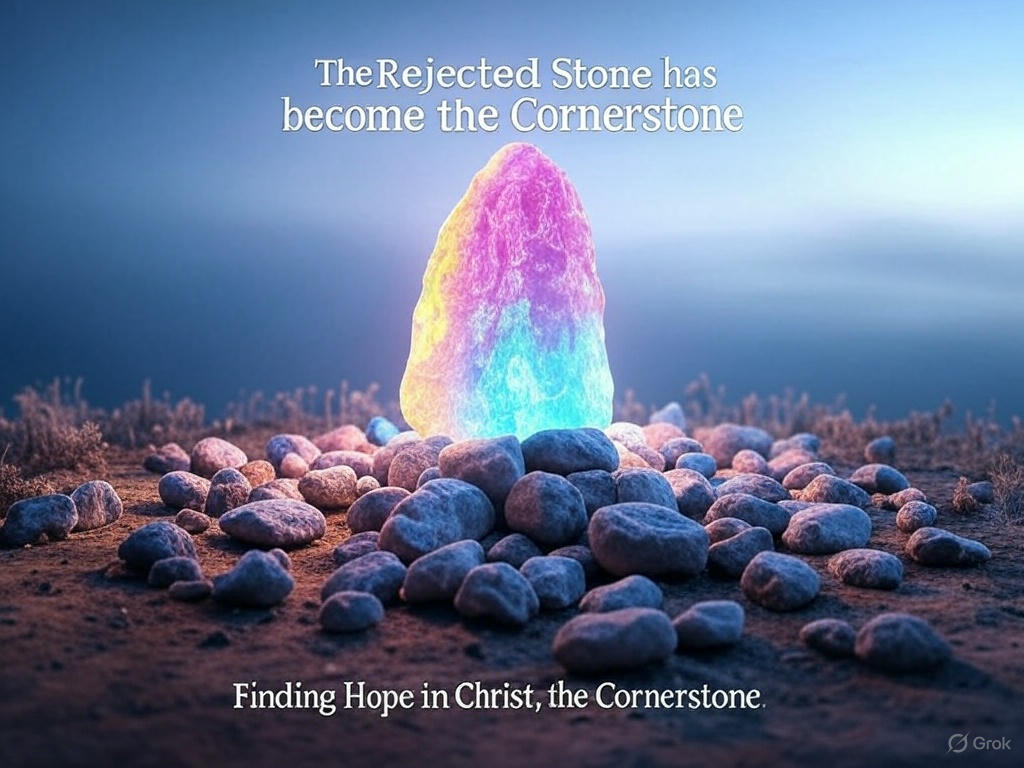
Finding Hope in Christ, the Cornerstone

Introduction: 

A Story of Rejection Turned to Purpose

Imagine a construction site where builders discard a stone, deeming it flawed. Years later, that same stone becomes the cornerstone of a majestic cathedral. This mirrors Jesus’ story—rejected by humanity but chosen by God to become the foundation of salvation. Acts 4:11-12 invite us to see beyond rejection and trust God’s redemptive plan.

Historical and Literary Context

Peter spoke these words to the Sanhedrin, the Jewish ruling council, after healing a lame man (Acts 3-4). Facing persecution, he boldly reinterpreted Psalm 118:22, a hymn sung during Passover, to declare Jesus as the Messiah. The “builders” (religious leaders) rejected Him, yet God exalted Him as the cornerstone—the stone that aligns and supports the entire structure of faith.

Theological Insight: Jesus’ resurrection validated His role as the exclusive source of salvation (John 14:6). This isn’t about superiority but sufficiency: Christ alone fulfils humanity’s need for redemption.

Cross-References and Paraphrase

  • Psalm 118:22: The stone the builders rejected has become the cornerstone.
  • 1 Peter 2:4-8: Believers are living stones built on Christ.
  • Isaiah 28:16: God’s precious cornerstone promises stability.

Paraphrase: You rejected Jesus, but God made Him the foundation of salvation. No one else can save—He’s the only way.

Modern Struggles and Real-Life Connections

In a world of pluralism and existential doubt, this verse confronts our search for hope. Like the rejected stone, many face dismissal—in careers, relationships, or self-worth. Yet God repurposes rejection for His glory.

Quote: God can turn your scars into stars.

Watch: Video on Peter’s Boldness explores how early Christians transformed societal margins into centers of faith.

Clarifying Misinterpretations

Some view “no other name” as exclusionary. Yet this isn’t condemnation but invitation: Christ’s sacrifice is universally sufficient, not culturally exclusive. As Timothy Keller said, The Gospel is offensive enough without us adding to it.

Actionable Steps and Reflection

  1. Trust in Rejection: Journal a time rejection led to growth. How did God work?
  2. Share Boldly: Invite someone to explore Jesus’ teachings.
  3. Build Community: Support others facing rejection.

Reflection Questions:

  • Where do I seek salvation outside Christ (approval, success)?
  • How can I view my rejected areas as avenues for God’s purpose?

Guided Meditation: The Living Cornerstone

  1. Sit quietly, visualizing a crumbling wall.
  2. Imagine Jesus as a radiant cornerstone. Place your struggles against Him.
  3. Pray: Lord, align my life with Your foundation. Turn my rejections into redemption.

Devotional Entry: Embracing the Cornerstone

Read: Acts 4:11-12.
Reflect: How does Christ’s sufficiency comfort you today?
Pray: Jesus, anchor me in Your truth. When I feel rejected, remind me I’m chosen. Amen.

Conclusion: A Call to Build on Christ

Beloved, Christ’s resurrection transforms our brokenness into beauty. Let’s build our lives on Him—the unshakable cornerstone.

Call to Action: Share your story of redemption with #CornerstoneHope. 

Together, let’s proclaim: Salvation is found in no one else!

May the grace of our Lord Jesus Christ, the love of God, and the fellowship of the Holy Spirit guide you always.
Rt. Rev. Dr. Selvister Ponnumuthan

Jesus Christ: The Cornerstone of Salvation

“This Jesus is ‘the stone that was rejected by you, the builders; it has become the cornerstone.’ There is salvation in no one else, for there is no other name under heaven given among mortals by which we must be saved.”

Acts of Apostles 4: 11-12

“വീടുപണിക്കാരായ നിങ്ങള്‍ തള്ളിക്കളഞ്ഞ കല്ല്‌ മൂലക്കല്ലായിത്തീര്‍ന്നു. ആ കല്ലാണ്‌ യേശു. മറ്റാരിലും രക്‌ഷയില്ല. ആകാശത്തിനു കീഴെ മനുഷ്യരുടെയിടയില്‍ നമുക്കു രക്‌ഷയ്‌ക്കു വേണ്ടി മറ്റൊരു നാമവും നല്‍കപ്പെട്ടിട്ടില്ല.”

അപ്പ. പ്രവര്‍ത്തനങ്ങള്‍ 4: 11-12

Tamil (திருவிவிலியம் – Catholic Bible)

“நீங்கள் கட்டிடக்காரர்களாகியிருக்க, நிராகரிக்கப்பட்ட கல், மூலையில் தலைக்கல்லாகி விட்டது. அவரைத் தவிர வேறு யாராலும் மீட்பைப் பெற முடியாது; வானத்தின் கீழ் மனிதர்களுக்குள் நாம் மீட்பைப் பெறுவதற்கு ஏற்ற வேறு பெயர் எதுவும் அளிக்கப்படவில்லை.”
— அப்போஸ்தலர் 4:11-12

🌐 Home | Blog | About Us | Contact| Resources

📱 Follow us: @RiseNinspireHub

© 2025 Rise&Inspire. All Rights Reserved.

Word Count:881

Is Your Heart Ready for Divine Surgery?


Divine Heart Surgery – Psalm 139:23-24

A Rise & Inspire Biblical Reflection by Johnbritto Kurusumuthu

Have you ever had your phone freeze at the worst possible moment? The screen stops responding, and no matter how many times you tap, it just won’t work. The only solution? A reset.

Now, imagine your heart like that phone—filled with worries, fears, and regrets that slow you down. What if God wants to “reset” your heart, clearing out everything that holds you back? Psalm 139:23-24 is a prayer asking God to search our hearts and lead us in the right direction.

This post is an invitation to take a closer look at your spiritual life. Are you holding on to things that need to go? Are you open to God’s guidance? Let’s explore this powerful prayer together and allow God to refresh our hearts.

Psalm 139:23-24 isn’t about divine snooping. It’s an invitation to deep, spiritual healing. Are you ready to let God search your heart? 

Let’s explore this ancient prayer with fresh eyes.

Psalm 139:23-24:

“Search me, O God, and know my heart; test me and know my thoughts. See if there is any wicked way in me, and lead me in the way everlasting.”

Malayalam Translation:

“ദൈവമേ, എന്നെ പരിശോധിച്ച്‌ എന്റെ ഹൃദയത്തെ അറിയണമേ! എന്നെ പരീക്‌ഷിച്ച്‌ എന്റെ വിചാരങ്ങള്‍ മനസ്‌സിലാക്കണമേ! വിനാശത്തിന്റെ മാര്‍ഗത്തിലാണോ ഞാന്‍ ചരിക്കുന്നതെന്നു നോക്കണമേ! ശാശ്വതമാര്‍ഗത്തിലൂടെ എന്നെ നയിക്കണമേ!”

സങ്കീര്‍ത്തനങ്ങള്‍ 139: 23-24

Tamil Catholic Bible (திருப்பாடல்கள் 139:23-24):
“என்னைக் கவனித்து, என் உள்ளத்தைக் காணும்; என்னைப் பரிசோதித்து, என் சிந்தனைகளை அறிந்து கொளும்.
என்னுள் தீய வழி ஏதாவது இருக்கிறதா என்று பார்த்து, நித்திய வழியில் என்னை நடத்தும்.”

Why This Prayer Still Matters to You

David’s words in this psalm move from awe at God’s omnipresence (verses 1–18) to a raw, personal plea for purification. In a culture that often focuses on outward appearances, David dares to ask God: “Dig deeper.”

The phrase “wicked way” (Hebrew דֶּרֶךְ כָּעַס—path of pain/grief) refers not just to obvious sins but to anything that leads you away from God’s purpose.

Cross-References:

  • “Create in me a pure heart” (Psalm 51:10).
  • “I the Lord search the heart” (Jeremiah 17:10).

Are You Hiding Behind a Filter?

Think about how much effort you put into curating your Instagram feed or perfecting your LinkedIn profile. But what about your heart?

David’s prayer dismantles the façades we build:

  1. “Search me” – Like a spiritual MRI, this prayer reveals hidden anxieties.
  2. “Test me” – God’s exams aren’t punitive; they refine and transform you (James 1:2–4).
  3. “Lead me” – This isn’t about reaching a destination; it’s about continually aligning with God’s eternal rhythm.

Misinterpretation Alert: “Wicked way” doesn’t just mean malice. It includes any habit, distraction, or thought pattern that pulls you off course.

Your Heart Check-Up: 3 Steps to Clarity

  1. Daily Scan – Spend five minutes asking, “God, what’s running in my background?”
  2. Journal Anxieties – Write down your worries, then pray Psalm 139:23-24 over each one.
  3. Accountability Check – Share one insight with a trusted friend.

Reflection Questions:

  • What area of your life feels “off-limits” to God?
  • How does knowing God sees everything bring you peace instead of fear?

Guided Meditation: A Soul Detox

Watch: Ambient Worship Video
Pause at 2:10. Close your eyes. Breathe deeply. Pray aloud:

“God, scan my heart like a surgeon. Highlight what harms, heal what hurts. Reboot me into Your everlasting rhythm. Amen.”

Jesus & the Heart’s GPS

Jesus embodied this prayer perfectly. He told Nathanael, “I saw you under the fig tree” (John 1:48), proving that God sees and knows you completely—and still calls you forward.

In a world where people feel unseen and misunderstood, Psalm 139 reminds you of a powerful truth:

You are fully known and fully loved.

Quote to Reflect On:

“God loves us as we are, but too much to leave us as we are.” —Tim Keller

Your Turn: Take the Next Step

A Call to Action by His Excellency, the Rt. Rev. Dr. Selvister Ponnumuthan:

“Share this post with someone who dares to pray boldly. Subscribe for a seven-day ‘Heart Check’ devotional, and let’s grow together on this journey!”

Social Media Prompt:

“What’s God revealing in your ‘heart scan’? Share your thoughts using #SoulAudit #Psalm139.”

Want to Go Deeper?

Final Prayer: Open Your Heart to Healing

“Divine Surgeon, operate on my hidden corners.
Where I cling to control, grant surrender.
Where I hoard hurt, pour forgiveness.
Recalibrate my chaos into Your everlasting song.
In Jesus’ name, Amen.”

Engage & Share

Comment below: What did God reveal in your “heart scan” today?
Share this post and invite others into courageous transparency!

🌐 Home | Blog | About Us | Contact| Resources

📱 Follow us: @RiseNinspireHub

© 2025 Rise&Inspire. All Rights Reserved.

Word Count:789

Are You Stronger Than Your Struggles?

“Overcoming Your Struggles Through the Power of God’s Faithfulness”

A Rise & Inspire Biblical Reflection By  Johnbritto Kurusumuthu,

The Verse That Holds Us Up:
“No testing has overtaken you that is not common to everyone. God is faithful, and He will not let you be tested beyond your strength, but with the testing He will also provide the way out so that you may be able to endure it.”
—1 Corinthians 10:13
മനുഷ്യസാധാരണമല്ലാത്ത ഒരു പ്രലോഭനവും നിങ്ങൾക്കു നേരിട്ടിട്ടില്ല. ദൈവം വിശ്വസ്തനാണ്. നിന്റെ ശക്തിക്കതീതമായ പ്രലോഭനങ്ങൾ ഉണ്ടാകാൻ അവിടുന്ന് അനുവദിക്കുകയില്ല. പ്രലോഭനങ്ങൾ ഉണ്ടാകുമ്പോൾ അവയെ അതിജീവിക്കാൻ വേണ്ട ശക്തി അവിടുന്ന് നിനക്കു നൽകും.”
—1
കൊറിന്തോസ് 10:13

The Heart of the Message

What if the struggles you’re facing today aren’t meant to break you—but to reveal the unbreakable strength God has placed within you? In 1 Corinthians 10:13, we find a promise that pulses with hope: God is faithful. He doesn’t just watch from a distance as we stumble through trials—He steps into the storm with us. Your struggles are not a sign of abandonment; they’re an invitation to discover His power, His presence, and the resilience He’s woven into your soul.

You are stronger than your struggles—not because of your own might, but because the One who holds the universe holds you. Let’s dive into this truth and rise together.

A Light in the Darkness

This verse isn’t just words on a page—it’s a lifeline. Let’s break it down and see how it meets us where we are:

  1. Your Struggle Is Not Uncommon
    “No testing has overtaken you that is not common to everyone.”
    Feel like you’re the only one drowning? You’re not. The pain, the doubt, the temptation—it’s part of the human story. This truth shatters the lie of isolation and calls you into connection. You’re not alone in this battle.
  2. God’s Faithfulness Never Falters
    “God is faithful.”
    When everything else shakes, He stands firm. His faithfulness isn’t a fleeting feeling—it’s a rock-solid reality. Even when you can’t see the way forward, He’s already there, steady and sure.
  3. Your Limits Are Known
    “He will not let you be tested beyond your strength.”
    God sees you—really sees you. He knows exactly how much you can carry, and He won’t let the weight crush you. This isn’t about avoiding hardship; it’s about trusting that every trial is measured by a hand that loves you.
  4. A Way Through, Not Just Out
    “He will also provide the way out so that you may be able to endure it.”
    Sometimes the “way out” isn’t an escape hatch—it’s a quiet strength, a friend’s voice, a spark of courage you didn’t know you had. God doesn’t always remove the storm, but He always equips you to stand in it.

Living the Promise: Steps to Rise Above

How do we take this truth from our heads to our hearts? Here’s how to walk it out when the waves crash in:

  • Anchor Yourself in Trust
    When the chaos feels too big, pause and whisper: This isn’t beyond God’s reach. Let go of the need to control and ask, What are You showing me, Lord? He’s shaping something beautiful through the struggle.
  • Seek the Hidden Path
    God’s “way out” might be a scripture that lights up your soul, a friend who listens, or a moment of peace in the madness. Keep your eyes open—He’s already moving.
  • Reach Out, Not In
    Struggles lose their power when shared. You weren’t meant to carry this alone. Let someone in— vulnerability is strength in disguise.
  • Run the Race with Endurance
    Endurance isn’t about gritting your teeth; it’s about lifting your eyes. Every step through the trial builds a faith that can’t be shaken. You’re not just surviving—you’re overcoming.

A Prayer to Stand Strong

Take a moment. Breathe. Let this prayer wash over you:

Heavenly Father,
In the shadows of my struggles, I lift my heart to You. Thank You for being faithful when I falter, for seeing me when I feel invisible. Show me the way You’ve carved through this storm. When I’m weak, be my strength. When I’m lost, be my guide. Let me endure—not with clenched fists, but with a spirit surrendered to Your love. Turn my trials into testimonies of Your grace. In Jesus’ name, Amen.

A Word of Encouragement

From His Excellency, the Rt. Rev. Dr. Selvister Ponnumuthan:
“Beloved, 1 Corinthians 10:13 isn’t just a promise—it’s God’s vow to you. He doesn’t abandon you to the fire; He walks through it with you. Your struggles are not the end of your story—they’re the beginning of a miracle. Lift your head, lean on His strength, and let your life sing of His faithfulness. You are never alone, for the King of all creation fights for you.”

A Song to Lift Your Spirit

Need a melody to carry this truth deeper? Listen to “Way Maker”—a song that declares God’s relentless love and provision. Let it remind you: Even when the night is long, He’s making a way.

The Final Truth: You Were Made to Triumph

Storms will come. That’s a given. But here’s the greater truth: You were built to overcome. Not because you’re invincible, but because the God who spoke light into darkness lives in you. Your struggle doesn’t have the final word—He does.

So stand, dear friend. You’re not alone in the fight. You’re equipped with His strength. And you will rise—not just to endure, but to shine.

“The same God who parted seas and raised the dead is carving a path through your pain. Trust Him. You are stronger than you know—because He is with you.”

Join the Journey:
For more reflections to fuel your faith, follow Rise & Inspire. Together, let’s turn struggles into songs of victory.

🌐 Home | Blog | About Us | Contact| Resources

📱 Follow us: @RiseNinspireHub

© 2025 Rise&Inspire. All Rights Reserved.

Word Count:986