Should Bloggers Write for Google or Their Readers?

Every blogger faces the same question: Am I writing for Google or for my readers? Traffic depends on algorithms, but loyalty comes from people. The truth is, lasting growth comes when you serve both.

Hidden Between the Lines: The Tale of Readers & Google

I remember sitting at my desk late one night, scrolling through my analytics dashboard to find a traffic dip. “It’s Google,” I thought; after all, everyone’s chasing the algorithm. Yet, an email ping interrupted me—it was from a loyal reader, thanking me for how a refreshed post helped them navigate a tough day. That’s when it hit me: in our digital world, readers and Google are entwined—and maybe this alliance is changing.

Chapter 1: Google—Your Invisible Partner

Let’s be honest: we write with Google in mind because Google decides whether our words get seen at all. Updating content every few months isn’t just helpful—it’s a ranking lifeline. Freshness matters to Google, especially for evolving topics gigde.comBlogging Wizard. Meanwhile, the rise of Answer Engine Optimization (AEO) and Generative Engine Optimization (GEO) shows the shift toward optimizing for AI-powered, conversational search responses Wikipedia+1.

And let’s not forget: search is changing. Voice assistants, zero-click results, snippet-driven answers—the future focuses on immediacy and usefulness, and that demands SEO strategies that serve both engines and humans Cybertek MarketingB2Bdaily.comTheeDigital.

Chapter 2: The Reader You Can’t Ignore

But while optimizing for search, the real power lies in the reader’s heart—and mind. Storytelling not only deepens engagement, it lets content breathe—and Google rewards that, too. A compelling narrative holds attention, reduces bounce rates, and drives sharing—creating signals that Google can’t help but love YoastAIContentfy.

Mind the balance: engaging content builds trust, loyalty, and authority—and that trust underpins SEO. As one blogger put it on Reddit, “If you have to choose one, choose the reader… they’ll keep reading and sharing. Writing solely for search engines risks empty traffic” Reddit.

Chapter 3: The Digital World’s Secret Harmony

So, is Google the most important? Invisibility, sure—but it’s the reader’s engagement that makes Google take notice. Think of Google as the puppet master—but the reader’s delight? That’s what moves the strings.

Here’s the secret: Write for readers, optimize for Google. Use clear headings, natural keywords, and structure for both scan-ability and storytelling Web1Media /WordPress. Combine human warmth with SEO smarts—metadata, internal links, mobile-friendly design, and fresh updates all contribute to visibility and trust SEO SpotBlogging Wizard.

Epilogue: Will This Ever Change?

Will Google’s influence fade? Unlikely—but its role will evolve. With AI search, voice, and zero-click landscapes rising, content that’s structured, helpful, and narrative-driven will thrive. GEO and AEO show AI is molding SEO not away from human value, but toward more conversational and user-centric forms Wikipedia+1.

In the end, our digital survival lies in writing that resonates first—and then meets the algorithm halfway.

Quick Recap: Readers vs Google

When it comes to blogging, Google serves as the visibility gatekeeper, relying on freshness, optimization, and structure to decide what gets seen, while readers provide the engagement, trust, and shares that give content lasting impact. The strongest approach is blending storytelling with SEO—creating content that feels human yet remains highly discoverable. And as AI and voice search continue to evolve, the future will increasingly reward conversational, reader-focused writing that balances both needs.

Final Thought

In the tug-of-war between readers and Google, maybe it’s not competition at all—but collaboration. Google might be the engine, but readers are the fuel. Keep your storytelling heartbeat strong—and let Google amplify it.

The following Rise & Inspire blogs tackle the timeless question: write for people or optimize for Google? The answer is finding harmony between the two.

1. How Can Beginners Learn SEO Hands-On While Building Their Blog?

This post tells a personal journey—how blogging became both a creative outlet and an SEO learning lab. It blends authentic writing with practical SEO lessons learned through hands-on experimentation, illustrating that connecting with real readers and the search algorithm can happen together.Rise&Inspire

2. Does Google Punish AI-Written Blogs? Here’s the Truth

Here, the author tackles a common SEO concern with storytelling and clarity. It emphasizes that Google doesn’t penalize AI content—it penalizes generic, unedited content. When bloggers infuse AI-generated drafts with human insight, trust, and voice, they win both reader trust and SEO standing.Rise&Inspire

3. How Did My Blog Get Indexed Without SEO Tricks?

A reminder that patience, authenticity, and genuine value-building can lead to organic visibility. The post recounts how Rise & Inspire earned indexing not through tactics, but by focused, meaningful writing. It reinforces the idea: loyal readers build SEO—not shortcuts.Rise&Inspire

4. How Can a Content Audit Improve Your Website’s SEO?

This piece aligns technical strategy with purposeful content. It shows how refreshing, restructuring, and repurposing existing posts can boost SEO and reader value alike. Think of it as pruning a garden: letting old posts bloom again.Rise&Inspire

5. Is Blogging Still Relevant in the Social Media Age?

This post celebrates the depth and longevity of blog content. Unlike short-lived social posts, well-crafted blogs thrive over time. It underscores that while algorithms matter, storytelling, authenticity, and lasting connections with readers endure.Rise&Inspire

Why These Posts Resonate

All of these Rise & Inspire posts embody the core message: writing for readers builds both trust and visibility. Here’s how:

  • They embrace storytelling and personal experience while weaving in SEO insights.
  • They honour the reader’s journey without neglecting search relevance.
  • They reflect evolution—how digital trends like AI-driven summaries or automation may influence writing—but with the constant guide of human connection.

Together, they reinforce my message: that lasting blogging success comes when writers write with readers’ hearts in mind, while gently inviting Google to listen too.

Explore more at the Rise & Inspire archive | Personal Development 

Categories: Astrology & Numerology | Daily Prompts | Law | Motivational Blogs | Motivational Quotes | Personal Development | Tech Insights | Wake-Up Calls

Visit Rise&Inspire to explore more on faith, law, technology, and the pursuit of purposeful living.

© 2025 Rise & Inspire. Follow our journey of reflection, renewal, and relevance.

Website: Home | Blog | About Us | Contact| Resources

Word Count:1031
Can You Become a Copywriter Without a Degree or Experience?

Learn copywriting step by step with this 30-day roadmap — perfect for beginners. Build real-world skills, create a portfolio, and land your first client in under a month.

The Rise & Inspire Guide to Copywriting:

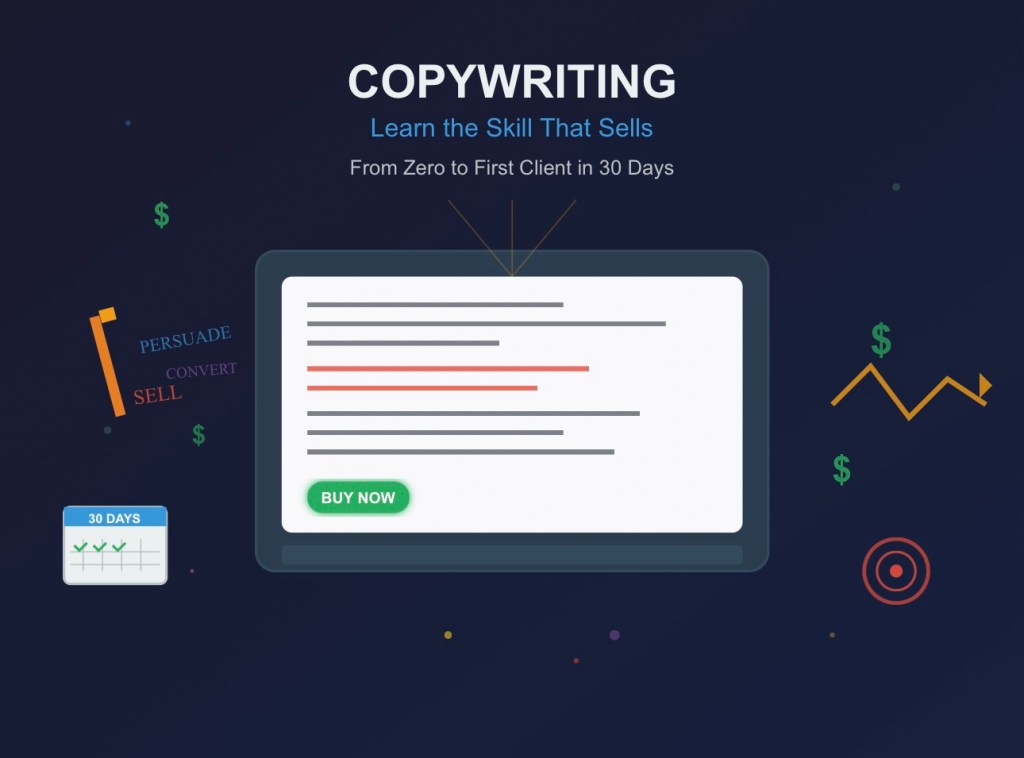
 Learn the Skill That Sells

Copywriting is one of today’s most valuable and income-generating skills. In a world shaped by digital content, those who know how to craft words that persuade hold a powerful advantage. Whether you’re stepping into the world of digital marketing, launching an e-commerce venture, or building a personal brand, becoming a skilled copywriter gives you leverage. At its core, copywriting is the art and science of influencing behaviour through language. It’s about writing with purpose and intent—to inspire action, to spark emotion, and most importantly, to sell. Let’s explore how to build this skill strategically and turn it into a real source of income, even if you’re starting from zero.

What Is Copywriting?

Copywriting is not simply writing for the sake of expression. It is a structured form of communication designed to drive specific actions. The copywriter is a strategist, someone who understands the power of psychology, clarity, and persuasion to create content that moves people. A copywriter writes to get results. That might be clicking a link, signing up for a newsletter, making a purchase, or simply staying on a page long enough to learn something valuable. While it may feel similar to general content creation or blogging, copywriting is different in one key way: it exists solely to convert. Every line has a job. Every paragraph builds momentum. Every word has weight. It is commercial storytelling that drives business goals forward.

Where Copywriters Thrive

Copywriting opportunities are far-reaching and exist across industries and platforms. On websites, copywriters craft everything from homepages and landing pages to product descriptions and about pages. In email marketing, they write high-converting welcome sequences, newsletters, and promotional campaigns. On social media, copywriters create captions, hooks, threads, and carousels that drive clicks, shares, and engagement. Paid advertising is another major area, where persuasive ad copy is essential for platforms like Facebook Ads, Google Ads, and YouTube Ads. Copywriters are also in demand for writing long-form sales pages that convince readers to buy a product or sign up for a program. E-commerce brands hire copywriters to write descriptions that turn casual browsers into buyers. Video content also requires scripts that are engaging and to the point. And finally, SEO-driven blog content that ranks well and drives organic traffic is another space where copywriters thrive. In short, if a business is using words to drive action online, a skilled copywriter is likely behind it.

How Copywriting Becomes a Source of Income

There are three powerful paths through which copywriting becomes not just a skill but a sustainable income stream. The first is freelancing. As a freelance copywriter, you can charge per piece or project, and rates vary widely depending on experience and results. A single email or web page might start at fifty dollars, but entire sales funnels can command fees of five hundred to two thousand dollars or more. Freelancers find work on platforms like Upwork, Fiverr, Contra, and Toptal, or go directly to businesses through cold outreach and strategic networking. The second path is remote employment. Businesses of all sizes are actively hiring for copywriting-related roles, including conversion copywriters, content strategists, and email marketing specialists. Salaries typically range from fifty thousand to over one hundred and twenty thousand dollars annually, with top performers earning even more. The third income path is entrepreneurship. By learning to write persuasive copy, you gain the ability to market and sell your own digital products, services, or courses. Many successful creators have leveraged copywriting skills to sell online courses, coaching programs, and e-books—turning ideas into scalable income.

What Sets Great Copywriters Apart

Great copywriting begins with an understanding of human behaviour. To write in a way that persuades, you must first understand what motivates people to take action. This includes knowing the psychological triggers behind urgency, curiosity, fear, belonging, and desire. Clarity is another key trait. A great copy is clean, simple, and to the point. It removes fluff and focuses the reader’s attention where it matters most. Strong headlines are essential, as they determine whether someone reads the next line. Storytelling is also critical—stories create emotional engagement and make information easier to remember. Great copywriters excel at writing calls to action, leading the reader to take the next step without hesitation. A solid grasp of SEO fundamentals helps copy reach more people, especially on search engines. Finally, top performers in copywriting test their work, analyse conversion data, and refine their messaging based on results. Copywriting is both art and analytics.

How to Learn Copywriting Step by Step

The process of learning copywriting can be broken into five distinct stages. The first step is to learn the basics. Begin by reading trusted books like The Copywriter’s Handbook by Robert Bly, Everybody Writes by Ann Handley, and Made to Stick by Chip and Dan Heath. For advanced understanding, Breakthrough Advertising by Eugene Schwartz is a classic resource. Supplement your reading with video content from respected copywriters like Alex Cattoni, Neville Medhora, and Justin Welsh. The second step is to analyse examples of effective copy. Study websites like Apple and Amazon to see how they structure their product pages. Explore landing pages from top course creators, and use curated sites to explore a wide range of successful examples. The third step is daily practice. Rewriting headlines, crafting mock product descriptions, and writing emails for fictional offers will sharpen your instincts and improve your flow. Even if you don’t have real clients, create personal or hypothetical projects to build your portfolio. The fourth step is getting feedback. Join online communities like Reddit’s r/copywriting, Facebook groups, and Discord channels dedicated to writing and marketing. Share your work, invite critique, and improve with input from others. The fifth step is to monetise your skill. Once you have 3–4 portfolio pieces, create a basic online presence using Notion, Carrd, or Google Docs. Start pitching businesses or applying for jobs. Keep your message clear and value-driven.

A 30-Day Copywriting Roadmap to Your First Paid Gig

Here is a structured 30-day plan designed to take you from beginner to earning your first dollar as a copywriter.

In Week One, focus on the foundations and daily writing practice. Begin by reading The Copywriter’s Handbook and watching Alex Cattoni’s Copywriting. On day two, study the AIDA formula and rewrite ads using that structure. Spend day three practising headline writing using inspiration from Buzzfeed or Facebook ads. Day four is for writing a fictional product description for a household item. On day five, write a promo email for a product you love. On day six, analyse five landing pages from Swipe.co. Day seven is for rest or reflection.

In Week Two, deepen your skills and build your portfolio. Learn the PAS formula and apply it to a sample ad. Write a mock landing page for a made-up course. Create a short email series with a welcome and soft pitch. Rewrite 10 weak CTAs into stronger versions. Study emotional triggers like urgency, scarcity, and social proof. Write a long-form sales page. End the week by polishing two portfolio-ready pieces.

In Week Three, it’s time to build your presence and gain real-world experience. Set up a Notion, Carrd, or Google Docs portfolio. Share your work for feedback in r/copywriting, Facebook groups, or Discord. Contact small businesses and creators with a simple offer of a free or discounted copy in exchange for testimonials. Turn your best project into a case study. Iterate on earlier work using critique. Set up profiles on Fiverr or Upwork or begin direct outreach. Begin posting value-driven content or tips on LinkedIn or X (formerly Twitter).

In Week Four, you’ll pitch, close, and deliver your first copywriting gig. Create a basic offer like “3 emails for $50.” Reach out to ten leads. Follow up on your previous outreach. Learn to invoice and deliver work professionally using tools like Bonsai, PayPal, or Canva. Complete a real client project. Add that project to your portfolio. Continue pitching and reviewing your outreach metrics. End the month by reflecting on your progress and setting goals for the next 30 days.

How to Position Yourself as a New Copywriter

When reaching out to clients early on, keep your message honest, simple, and value-driven. A strong opening pitch might sound like this: “Hi, I’m a new copywriter building my portfolio. I’d love to write your emails, ads, or landing page for free or at a discounted rate in exchange for feedback or a testimonial.” This type of transparent positioning is appreciated and opens doors, especially when paired with polished, enthusiastic work.

Final Thoughts

Copywriting is more than a career skill—it’s a life skill. It sharpens your ability to communicate, influence, and sell. It’s also one of the few skills that require no credentials to get started, only your initiative and willingness to learn. As the digital economy continues to grow, your ability to write persuasively will only become more valuable.

At Rise & Inspire, we believe in taking bold steps with clarity. The path to mastery begins with consistent action. Start with what you have. Write daily. Improve as you go. You are not behind—you are exactly where you need to be. This is your moment to begin.

Explore More at Rise & Inspire archive. |  Personal Development

Categories: Astrology & Numerology | Daily Prompts | Law | Motivational Blogs | Motivational Quotes | Others | Personal Development | Tech Insights | Wake-Up Calls

🌐 Home | Blog | About Us | Contact| Resources

📱 Follow us: @RiseNinspireHub

© 2025 Rise&Inspire. All Rights Reserved.

Word Count:1621

How Can Paraphrasing Unlock Creativity and Clarity in Writing?

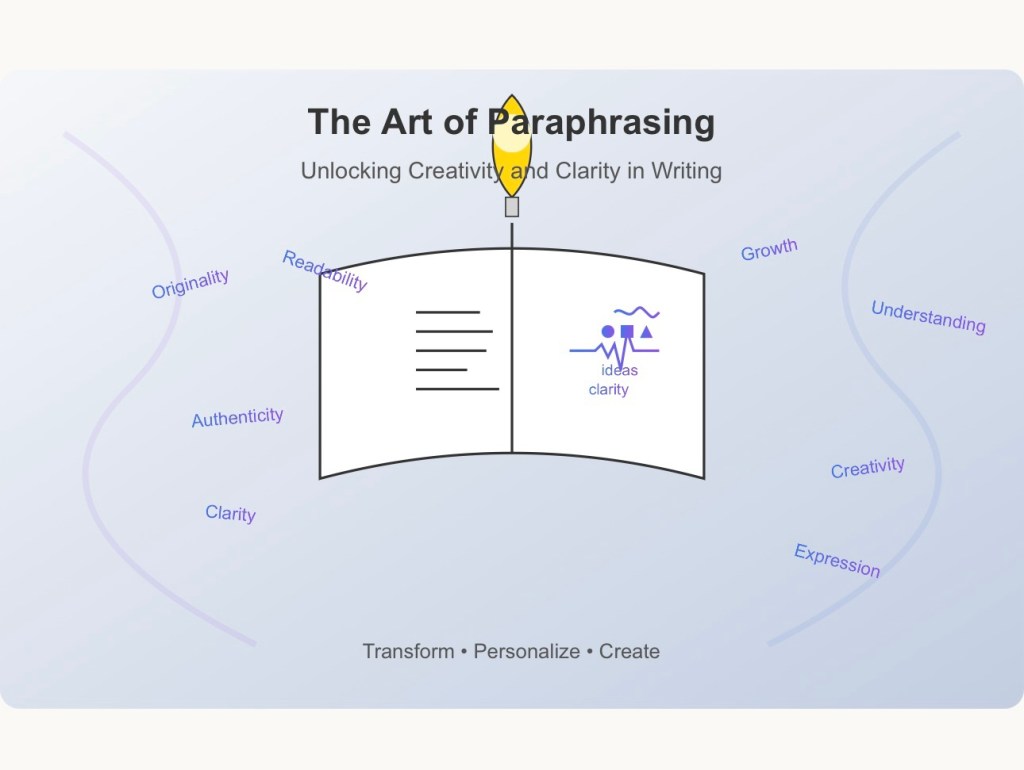
The Art of Paraphrasing

Unlocking Creativity and Clarity in Writing

In the world of content writing, the ability to paraphrase effectively is a powerful skill. Whether you’re a blogger, student, or professional writer, mastering paraphrasing techniques helps you transform ideas into original content without losing their essence. More than just rewriting, it’s about refining, understanding, and enhancing readability.

What Is Paraphrasing?

Paraphrasing is the process of restating information in your own words while keeping its original meaning. It involves changing sentence structure, choosing different words, and altering phrasing without modifying the core message.

Example:

Original Quote: Success is not the key to happiness. Happiness is the key to success.

Paraphrased: True success comes from finding happiness first, not the other way around.

When done correctly, paraphrasing improves clarity, avoids plagiarism, and adds a personal touch to your writing.

Why Is Paraphrasing Important?

1. Avoids Plagiarism & Enhances Originality

Search engines prioritize unique content, making originality essential for SEO ranking. Paraphrasing allows you to use research ethically, ensuring your content is plagiarism-free while still being informative.

2. Strengthens Understanding & Critical Thinking

When you rewrite information in your own words, you don’t just repeat it—you internalize and analyze it. This strengthens reading comprehension and improves critical thinking skills.

3. Improves Clarity & Readability

Some texts are difficult to understand in their original form. Paraphrasing simplifies complex ideas, making them easier to digest for readers of all levels.

4. Adapts Content for Different Audiences

A concept explained to a general audience differs from how it’s presented to academics or business professionals. Paraphrasing helps tailor content to suit different readers, improving engagement and accessibility.

5. Develops a Unique Writing Style

Every successful content writer has a distinctive voice. Paraphrasing helps refine your style, allowing you to develop a consistent brand identity and connect with your audience authentically.

6. Boosts SEO & Content Marketing Strategy

Search engines reward fresh, unique content. By rewriting articles, repurposing blog posts, and optimizing existing material, paraphrasing helps improve your SEO ranking and increases organic traffic to your website.

7. Encourages Lifelong Learning

When you make paraphrasing a habit, you train your brain to process, analyze, and reframe information efficiently. This strengthens memory retention, writing proficiency, and intellectual growth.

The Art of Effective Paraphrasing

To paraphrase effectively, follow these key strategies:

✅ Understand First, Rewrite Later – Always grasp the main idea before rewriting.

✅ Change Words & Sentence Structure – Don’t just swap words; rewrite the sentence completely.

✅ Make It Sound Natural – Ensure your version flows smoothly and sounds like authentic writing.

✅ Maintain Accuracy – Keep the original intent and meaning intact.

✅ Use AI Paraphrasing Tools (Wisely!) – Online tools like QuillBot, Grammarly, and Paraphraser.io can help—but always review and refine the output.

✅ Cite Sources When Necessary – If you’re summarizing someone else’s research, credit the source to maintain credibility.

Final Thoughts: Paraphrasing as a Path to Growth

Paraphrasing is more than a skill—it’s a mindset. It challenges us to think critically, communicate clearly, and express ideas in a unique way. By mastering effective paraphrasing techniques, you not only improve your content writing but also develop a deeper understanding of the topics you explore.

So, the next time you come across an inspiring idea, don’t just repeat it—transform it, personalize it, and make it your own. That’s where true creativity begins.

What’s Your Experience with Paraphrasing?

Have you ever found paraphrasing to be a game-changer in your writing? Share your thoughts in the comments below!

🌐 Home | Blog | About Us | Contact| Resources

📱 Follow us: @RiseNinspireHub

© 2025 Rise&Inspire. All Rights Reserved.

Word Count:604

How Can AI-Powered Automation Revolutionize Content Creation?


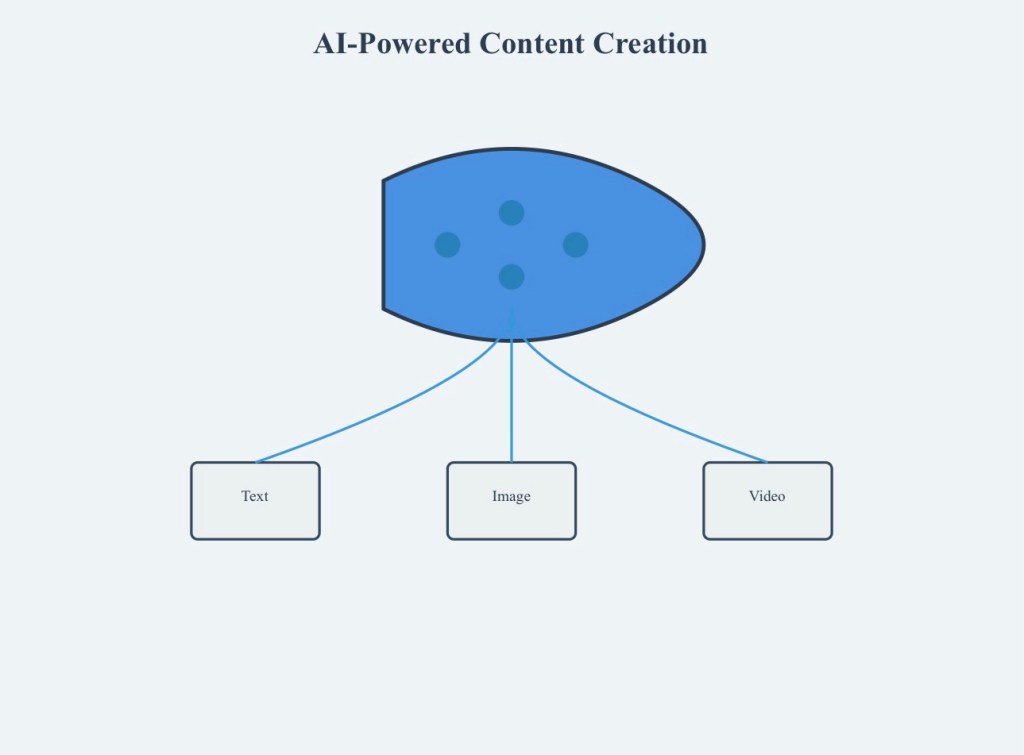
Al Content Creation Visualization

“AI-powered automation is no longer a vision of the future; it has become an essential tool for content creators seeking to boost efficiency and effectiveness today.”

AI-Powered Automation in Content Creation: 

How Can It Streamline Your Workflow?

In today’s digital landscape, producing high-quality content efficiently is crucial for engaging audiences and maintaining a competitive edge. AI-powered automation has emerged as a transformative solution, streamlining the content creation process from ideation to distribution. Here’s how AI is revolutionizing content creation and some tools leading the charge.

1. How Can AI Help with Ideation & Research?

AI tools can analyze current trends, audience preferences, and keyword performance to suggest compelling topics. For instance, platforms like Copy.ai generate content ideas and even draft outlines, expediting the brainstorming phase. (copy.ai)

2. Can AI Write and Edit Content Effectively?

Advanced AI writing assistants craft coherent and engaging content. Jasper.ai is renowned for generating articles, social media posts, and more, tailored to your brand’s voice. (piktochart.com)
Additionally, Wordtune offers real-time suggestions to enhance clarity and style, ensuring your message resonates with readers. (en.wikipedia.org)

3. How Does AI Optimize Content for SEO?

Optimizing content for search engines is vital for visibility. AI-driven platforms like Jetpack AI Assistant recommend keywords, meta descriptions, and other SEO elements to enhance your content’s discoverability. (jetpack.com)

4. Can AI Generate Multimedia Content?

AI isn’t limited to text; it also excels in creating visual and audio content. Tools like Synthesia enable the production of AI-generated videos with lifelike avatars, ideal for corporate training and marketing. (thetimes.co.uk)
Similarly, Lumen5 transforms articles into engaging videos, enhancing content diversity. (sprinklr.com)

5. How Can AI Automate Social Media Management?

Maintaining an active social media presence is simplified with AI. Buffer offers AI-powered features to inspire post ideas and automate content generation, handling everything from writing text and recommending hashtags to image creation. (buffer.com)

6. How Does AI Help with Scheduling & Automation?

AI streamlines the scheduling and distribution of content. Platforms like Zapier integrate with various apps to automate posting, ensuring your content reaches the audience at optimal times without manual intervention. (zapier.com)

7. Can AI Improve Content Performance?

Understanding how your content performs is essential for continuous improvement. AI analytics tools provide insights into engagement metrics, audience behavior, and content effectiveness, enabling data-driven decisions.

What Are the Key Benefits of AI-Powered Content Automation?

  • Efficiency: Reduces time spent on manual tasks, allowing focus on strategy and creativity.
  • Consistency: Maintains a uniform brand voice across all content.
  • Scalability: Enables the production of large volumes of content to meet growing demands.
  • Personalization: Tailors content to individual preferences, enhancing user engagement.

Integrating AI into your content strategy not only streamlines operations but also elevates the quality and impact of your communications. By leveraging these advanced tools, businesses can stay ahead in the ever-evolving digital landscape.

Where Can You Learn More About AI-Powered Content Creation?

For further exploration into AI-powered content creation, consider these resources:

  • ContentBot: Offers automated content creation with a visual flow builder. (contentbot.ai)
  • Synthesia’s AI Tools List: A comprehensive overview of top AI tools in 2025. (synthesia.io)
  • Copy.ai’s Guide: Insights on getting started with AI for content creation. (copy.ai)
  • Piktochart’s AI Tools Review: An analysis of the best AI content generators. (piktochart.com)
  • Buffer’s AI Tools for Social Media: Must-try AI tools for social media content creation. (buffer.com)

AI-powered automation is no longer a vision of the future; it has become an essential tool for content creators seeking to boost efficiency and effectiveness today.

For a practical demonstration of how AI can automate content creation, you might find this video insightful.

“Rise & Inspire: Breathing Life into Purpose”

🌐 Home | Blog | About Us | Contact| Resources

📱 Follow us: @RiseNinspireHub

© 2025 Rise&Inspire. All Rights Reserved.

Word Count:640

The Role of a Professional Ghostwriter

What You Need to Know

Have you ever read a book, article, or blog post and wondered how busy public figures have the time to write so much? The answer, more often than not, is that they don’t write it themselves. Behind many of those polished pages is a professional ghostwriter—someone who turns another person’s ideas, experiences, or knowledge into compelling content, while staying completely behind the scenes.

So, what exactly does a ghostwriter do, and why would you consider hiring one? Let’s dive into it.

What Does a Ghostwriter Do?

At its core, a ghostwriter’s job is to write on behalf of someone else. They’re the unsung heroes who transform your thoughts and expertise into words, whether it’s for a book, blog post, speech, or corporate material. But their work goes beyond simply writing. A ghostwriter wears many hats:

  1. Master Wordsmith: The ghostwriter’s main task is to take your ideas and put them into words that reflect your voice and message. Whether you’re writing a memoir, publishing articles, or delivering a speech, they’ll ensure your words shine.
  2. In-Depth Researcher: Ghostwriters dive deep into research to back up the content with facts, trends, or historical context, ensuring that the final product is not just well-written but also accurate and insightful.
  3. Voice Mimic: A professional ghostwriter knows how to capture your unique voice and tone, making the writing sound authentic. Your readers won’t know the difference—except that the writing seems even more polished and clear.
  4. Confidential Collaborator: One of the biggest parts of ghostwriting is confidentiality. Ghostwriters sign agreements that ensure your name is the only one on the byline. Their role is to stay in the background, even when the work becomes widely recognized.

Why Hire a Ghostwriter?

You might be wondering why you’d ever hire a ghostwriter. Isn’t it better to write everything yourself? In reality, there are several strong reasons why working with a ghostwriter can be a game-changer for you:

  • Save Time: If you’re a busy professional, entrepreneur, or public figure, time is your most valuable asset. Writing can take hours, if not days, to do well. Hiring a ghostwriter frees you to focus on what you do best, while still getting high-quality content published under your name.
  • Professional Expertise: A ghostwriter brings professional-level writing skills to the table. They can help you craft clear, engaging, and persuasive content that captivates your audience. You’ll benefit from their experience in storytelling, structure, and style, all while keeping the focus on your message.
  • Amplify Your Voice: A good ghostwriter doesn’t just write—they make you sound like the best version of yourself. They have a knack for capturing your voice, making sure the words resonate with your personality, tone, and style. This is especially important if you’re building a personal brand or writing about deeply personal experiences.

Where Ghostwriters Make an Impact

Ghostwriting isn’t simply limited to books (though it’s quite common in publishing). Here are some areas where you might consider hiring one:

  • Books and Memoirs: Many public figures, from celebrities to business leaders, have their memoirs or non-fiction works ghostwritten. It allows them to tell their story without needing to master the art of writing.
  • Blogs and Articles: If you want to establish a regular presence online, whether through your personal blog or as a guest contributor, a ghostwriter can help maintain a consistent flow of high-quality content.
  • Corporate Communications: Ghostwriters are also common in the corporate world, helping craft reports, white papers, press releases, and thought leadership pieces that require a polished and professional touch.

Challenges in Ghostwriting

While hiring a ghostwriter offers many benefits, there are a few challenges to consider:

  • Voice Accuracy: One of the biggest challenges for a ghostwriter is getting your voice just right. It requires deep collaboration and feedback to ensure the writing feels authentic to you.
  • Revisions and Feedback: You’ll still need to be involved in the process. While a ghostwriter can take care of the heavy lifting, the content will reflect your ideas, which means your input and revisions will likely be necessary to get it just right.
  • Recognition: Keep in mind, when you hire a ghostwriter, they won’t get public credit. All the recognition and accolades go to you, as it’s your name that will appear on the work.

Should You Become a Ghostwriter?

If you’re a writer considering ghostwriting as a career path, there are plenty of opportunities out there. It’s a field that requires flexibility, confidentiality, and adaptability. You’ll be asked to dive into topics ranging from personal memoirs to complex business strategies, all while mimicking different writing styles. While the work is often anonymous, the rewards of seeing a project come to life—knowing you were behind it—can be incredibly fulfilling.

In Conclusion

Ghostwriting is an invaluable service for busy professionals and public figures who want to share their voices with the world without sacrificing time or quality. Whether you need help writing a book, keeping up with blog posts, or creating content for your business, hiring a ghostwriter can be a smart investment. Just remember, the key to a successful ghostwriting partnership is collaboration, trust, and clear communication.

So, if you’ve got a story or ideas to share but not enough time to put them into words, a professional ghostwriter might be the secret weapon you need to bring your vision to life.

For more tips and updates, visit Rise&InspireHub—your go-to source for technology, inspiration, and productivity.

Stay connected with us!

📧 Email: kjbtrs@riseandinspire.co.in