
“Regular, meditative reading of God’s Word remains the primary way God speaks to His people.”
“The promise of healing is not merely about the absence of disease, but about the presence of divine life flowing through every aspect of our being. When we truly listen to God’s voice and walk in His ways, we discover that He is indeed the source of all wholeness.”-John Wesley, founder of Methodism and great revivalist
“The healing of the Lord is not always the removal of our thorns, but the grace to find His strength perfected in our weakness. The Lord who heals is the Lord who turns our mourning into dancing, our sorrow into joy, even when the circumstances remain unchanged.”-Amy Carmichael
“The promise of the Lord who heals is not a promise of ease, but a promise of presence. When we listen carefully to His voice and follow Him completely, we find that even in the darkest valley, even unto death itself, He is with us, and His presence is healing for the soul.”-Dietrich Bonhoeffer
“Listening to God means staying rooted in Scripture, attentive to the Holy Spirit, and open to His voice through people, circumstances, and creation. Closeness to Him sharpens our ability to hear.”
“The primary application for believers today is spiritual healing – forgiveness of sins, reconciliation with God, transformation of character, and eternal life. Physical healing, while God certainly can and does provide it, is secondary to the spiritual healing that all believers receive.”
“The cross doesn’t necessarily remove all suffering from our lives, but it transforms suffering from meaningless pain into redemptive participation in Christ’s sufferings.”
Rise & Inspire Biblical Reflection: The Divine Healer’s Promise
A Biblical Reflection by Johnbritto Kurusumuthu
Discover the Deep meaning of Exodus 15:26 and God’s promise of healing through obedience. Explore biblical context, modern applications, and spiritual insights for transformation and growth in this comprehensive Rise & Inspire reflection.
Wake-Up Call from His Excellency, the Rt. Rev. Dr. Selvister Ponnumuthan
“Beloved children of God, as we gather in the spirit of reflection and renewal, remember that our Heavenly Father’s promises are not mere words written in ancient texts, but living, breathing realities that transform lives today. In Exodus 15:26, we encounter not just a promise, but a divine covenant that bridges the gap between our human frailty and God’s infinite grace. Let this word penetrate your heart, awaken your spirit, and ignite your faith. For in listening to His voice and walking in His ways, we discover that our God is indeed Jehovah Rapha – the Lord who heals not just our bodies, but our souls, our relationships, and our very destiny. Rise up, beloved, and let His healing power flow through every aspect of your being.”
Opening Reflection: In the mosaic of Scripture, certain verses shine like precious gems, catching the light of divine truth and refracting it into countless facets of meaning.
Exodus 15:26 is one such jewel – a verse that encapsulates the very heart of God’s character as our Healer and reveals the profound connection between obedience and divine wellness.
As we embark on this journey of deep reflection, we find ourselves standing at the shores of the Red Sea with the Israelites, having just witnessed one of history’s most spectacular displays of divine power. Yet in this moment of triumph, God speaks a word that transcends the immediate circumstances and echoes through millennia to reach our hearts today.
The Scriptural Foundation: Exodus 15:26 Unveiled
“He said, ‘If you will listen carefully to the voice of the Lord your God, and do what is right in his sight, and give heed to his commandments and keep all his statutes, I will not bring upon you any of the diseases that I brought upon the Egyptians, for I am the Lord who heals you.’”
This profound declaration contains a divine formula for health, healing, and wholeness that remains as relevant today as it was over three thousand years ago. Let us dissect each element of this sacred promise:
The Conditional Promise Structure
The verse begins with “If you will…” establishing this as a conditional promise. God’s blessings are not arbitrary but are intimately connected to our response to His voice and commands. This structure reveals several crucial truths:
Listening Carefully (Hebrew: שָׁמוֹעַ תִּשְׁמַע – shamoa tishma): The Hebrew construction here is emphatic, literally meaning “hearing, you shall hear” or “listening, you shall listen carefully.” This isn’t casual hearing but intentional, focused attention to God’s voice.
Doing What is Right: The Hebrew word for “right” (יָשָׁר – yashar) implies uprightness, straightness, and moral correctness. It’s about aligning our actions with God’s character and will.
Giving Heed to Commandments: The word “heed” (אָזַן – azan) means to provide an ear, to listen with the intent to obey. It’s active engagement with God’s instructions.
Keeping All Statutes: The comprehensive nature of obedience – not selective compliance but a wholehearted commitment to God’s ways.
The Divine Consequence
The promise is twofold: protection from the diseases that befell Egypt and the positive declaration of God’s healing nature. This reveals that divine health operates on both preventive and restorative levels.
Historical and Cultural Context: The Song by the Sea
To fully appreciate Exodus 15:26, we must understand its placement within the larger narrative. This verse comes immediately after the Israelites cross the Red Sea and their song of victory in Exodus 15:1-21. The people had just witnessed God’s mighty deliverance from Egyptian bondage, yet within three days, they found themselves complaining about bitter water at Marah.
The Marah Experience
The name “Marah” means “bitter,” and it represents one of life’s inevitable challenges. Even after experiencing God’s miraculous deliverance, the Israelites faced the reality of daily needs and difficulties. The bitter waters of Marah symbolize life’s disappointments, health challenges, and circumstances that taste bitter to our souls.
God’s response to the bitter waters was to show Moses a tree that, when thrown into the water, made it sweet. This tree prefigures the cross of Christ – the instrument through which all of life’s bitterness can be transformed into sweetness.
The Testing Ground
Verse 25 tells us that at Marah, God “tested them.” The Hebrew word for test (נָסָה – nasah) can also mean to prove or to try. This wasn’t a test designed for failure but an opportunity for the Israelites to prove their trust in God and for God to prove His faithfulness to them.
The Establishment of Statute and Ordinance
It was at Marah that God began to establish “statute and ordinance” for His people. This legal framework wasn’t burdensome legislation but loving guidance for a people learning to live in a covenant relationship with their God.
Deep Theological Analysis: The Nature of Divine Healing
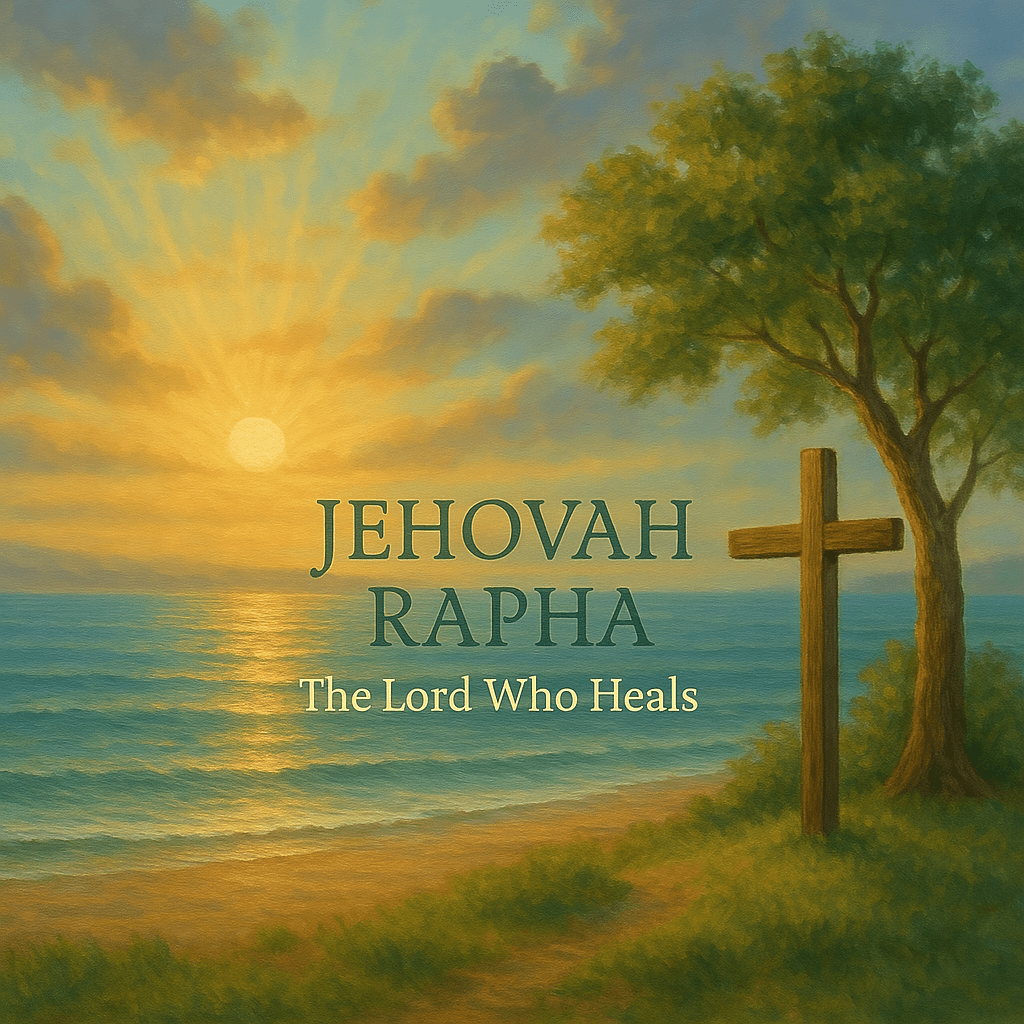
Jehovah Rapha: The Lord Who Heals
The climactic revelation in this verse is God’s self-identification as “the Lord who heals you” (יְהוָה רֹפְאֶךָ – Yahweh Rophe’eka). This is the first occurrence of this divine name in Scripture, making it profoundly significant.
The Hebrew word “rapha” (רָפָא) encompasses multiple dimensions of healing:
• Physical restoration and cure
• Emotional and psychological wholeness
• Spiritual renewal and forgiveness
• Relational reconciliation
• Social and communal restoration
This comprehensive understanding of healing reveals that God’s concern extends to every aspect of human existence. He is not merely interested in physical symptoms but in total human flourishing.
The Holistic Nature of Biblical Health
Unlike modern Western medicine, which often compartmentalizes physical, mental, and spiritual health, the biblical understanding of wellness is holistic. The Hebrew concept of “shalom” (peace/wholeness) encompasses:
Physical Wellbeing: Freedom from disease, strength, and vitality
Emotional Stability: Joy, peace, and emotional resilience
Spiritual Vitality: Connection with God, purpose, and meaning
Relational Harmony: Healthy relationships with others and community
Material Provision: Adequate resources for life and service
The Preventive Aspect of Divine Health
Notice that God’s promise includes prevention: “I will not bring upon you any of the diseases that I brought upon the Egyptians.” This preventive aspect of divine health is often overlooked but is crucial for understanding God’s comprehensive care for His people.
The diseases mentioned likely refer to the plagues that struck Egypt, which served both as judgments upon Egyptian gods and demonstrations of Yahweh’s supremacy. By promising protection from such afflictions, God was saying, “What I use to judge the rebellious, I will shield you from when you walk in obedience.”
Modern Applications: Living the Promise Today
Listening to God’s Voice in Contemporary Context
In our modern world, filled with countless voices competing for our attention, how do we “listen carefully to the voice of the Lord”? This ancient command takes on new dimensions in the 21st century:
Through Scripture: Regular, meditative reading of God’s Word remains the primary way God speaks to His people. The Holy Spirit illuminates the written Word to reveal God’s will for specific situations.
Through Prayer: Cultivating a lifestyle of two-way communication with God, not just speaking but listening for His response in the quiet moments of our hearts.
Through Community: God often speaks through the counsel of mature believers, spiritual mentors, and the corporate discernment of the church body.
Through Circumstances: God can speak through opened and closed doors, through the alignment of circumstances, and through the peace or unrest in our spirits regarding decisions.
Through Creation: The natural world declares God’s glory and can speak to our hearts about His character and ways.
Doing What is Right in His Sight
The call to do “what is right in his sight” challenges us to adopt God’s perspective on righteousness rather than cultural or personal definitions of right and wrong. This involves:
Moral Integrity: Living according to biblical ethical standards even when they conflict with societal norms.
Justice and Mercy: Advocating for the oppressed, caring for the vulnerable, and treating all people with dignity and respect.
Stewardship: Responsible care of our bodies, resources, relationships, and the environment as trustees of God’s gifts.
Service: Using our gifts and abilities to serve God and others rather than merely pursuing personal advancement.
Truth-telling: Maintaining honesty in all our dealings, even when it’s costly or inconvenient.
Keeping His Commandments and Statutes
While we live under the new covenant of grace, the principle of obedience to God’s revealed will remain central to Christian living. This involves:
Heart Transformation: Allowing the Holy Spirit to change our desires so that obedience flows from love rather than mere duty.
Wisdom Application: Understanding the principles behind God’s commands and applying them wisely to contemporary situations.
Community Accountability: Surrounding ourselves with believers who encourage and challenge us in our walk with God.
Consistent Practice: Developing spiritual disciplines that keep us aligned with God’s will and sensitive to His voice.
Insights From Great Spiritual Leaders
John Wesley (1703-1791): The Heart Strangely Warmed
John Wesley, founder of Methodism and great revivalist, understood the connection between spiritual obedience and divine blessing intimately. In his famous journal entry about his heart being “strangely warmed” at Aldersgate, Wesley wrote about the transformation that comes from truly hearing and responding to God’s voice.
Wesley would often say: “The best of all is, God is with us.” His understanding of Exodus 15:26 was deeply personal. He saw in this verse the promise that when we align our hearts with God’s will, we experience His presence and power in ways that transform not only our spiritual condition but our entire being.
Wesley’s own experience of divine healing – both physical and spiritual – throughout his long ministry demonstrated the reality of God as Jehovah Rapha. He lived to be 87 in an age when life expectancy was much shorter, maintaining incredible energy and vitality that he attributed to walking closely with God.
Wesley’s insight for us: “The promise of healing is not merely about the absence of disease, but about the presence of divine life flowing through every aspect of our being. When we truly listen to God’s voice and walk in His ways, we discover that He is indeed the source of all wholeness.”
Amy Carmichael (1867-1951): Strength in Suffering
Amy Carmichael, missionary to India and rescuer of temple children, understood Exodus 15:26 through the lens of suffering and divine grace. Despite her physical ailments and the challenges of her ministry, she found in God’s promise of healing a source of strength that transcended physical limitations.
Carmichael wrote: “The healing of the Lord is not always the removal of our thorns, but the grace to find His strength perfected in our weakness. The Lord who heals is the Lord who turns our mourning into dancing, our sorrow into joy, even when the circumstances remain unchanged.”
Her perspective on this verse was revolutionary: she saw God’s healing promise not as a guarantee of physical ease, but as an assurance that in our obedience to His voice, we would find the spiritual resources necessary for whatever He called us to endure.
Carmichael’s insight for us: “True healing begins in the heart that learns to say ‘Yes’ to God’s will, even when that will include suffering. In that ‘Yes,’ we discover reserves of strength, peace, and joy that no earthly medicine can provide.”
Dietrich Bonhoeffer (1906-1945): The Cost of Grace
Though his life was cut short by Nazi execution, Dietrich Bonhoeffer’s understanding of costly grace illuminates Exodus 15:26 powerfully. In his book “The Cost of Discipleship,” Bonhoeffer wrote about the difference between cheap grace and costly grace, emphasizing that true obedience to God’s voice requires everything of us.
Bonhoeffer understood that the healing promised in Exodus 15:26 might not always manifest as physical wellness, but would always manifest as spiritual wholeness for those who truly follow Christ.
He wrote: “The promise of the Lord who heals is not a promise of ease, but a promise of presence. When we listen carefully to His voice and follow Him completely, we find that even in the darkest valley, even unto death itself, He is with us, and His presence is healing for the soul.”
Bonhoeffer’s insight for us: “The Lord who heals asks for our complete surrender. In that surrender, we find not necessarily the healing of our circumstances, but the healing of our relationship with God, which is the source of all true wholeness.”
A Comprehensive Prayer and Meditation Guide
Opening Prayer
Heavenly Father, as we come before You with hearts open to receive Your word, we thank You for the precious promise found in Exodus 15:26. You have revealed Yourself as Jehovah Rapha, the Lord who heals, and we approach Your throne with faith and expectation.
Holy Spirit, illuminate our understanding as we meditate on this sacred text. Help us to hear not just with our ears but with our hearts. Transform our minds to think of Your thoughts and align our wills with Your perfect will.
Lord Jesus, You are the embodiment of this promise – the tree that makes bitter waters sweet, the source of all healing and wholeness. As we reflect on Your Word, may we encounter You in fresh and transforming ways.
We pray this in the mighty name of Jesus Christ, our Lord and Savior. Amen.
Structured Meditation: The Four Pillars of Promise
Pillar One: Listening Carefully (10 minutes)
Meditation Focus: “If you will listen carefully to the voice of the Lord your God…”
Guided Reflection:
Sit quietly and imagine yourself by the shore of the Red Sea with the Israelites. The victory celebration has ended, and now God is speaking intimately to His people. What does it mean to “listen carefully” to God’s voice?
Contemplative Questions:
What voices in my life compete with God’s voice for my attention?
How can I cultivate greater sensitivity to the Holy Spirit’s leading?
In what areas of my life do I need to listen more carefully to God’s direction?
Prayer Response:
Lord, quiet the noise of this world in my heart. Help me to recognize Your voice above all others. Give me ears to hear and a heart that responds quickly to Your whispers. I want to be a person who listens carefully to You.
Pillar Two: Doing What is Right (10 minutes)
Meditation Focus: “…and do what is right in his sight…”
Guided Reflection:
Consider the difference between doing what seems right to you and doing what is right in God’s sight. Reflect on areas where God’s standards differ from worldly standards.
Contemplative Questions:
Where in my life do I need to align my actions more closely with God’s will?
What “right things” is God calling me to do that I’ve been avoiding?
How can I develop a heart that naturally desires what God desires?
Prayer Response:
Father, I want to live a life that pleases You. Show me areas where my understanding of “right” differs from Yours. Give me the courage to choose Your way even when it’s difficult or unpopular. Transform my heart to love what You love.
Pillar Three: Giving Heed to Commandments (10 minutes)
Meditation Focus: “…and give heed to his commandments and keep all his statutes…”
Guided Reflection:
Meditate on the comprehensive nature of obedience – “all his statutes.” This isn’t selective obedience but a wholehearted commitment to God’s ways.
Contemplative Questions:
Are there areas where I practice selective obedience to God?
What commandments or principles do I find most challenging to obey?
How can I move from duty-based obedience to love-motivated obedience?
Prayer Response:
Lord, I don’t want to pick and choose which of Your commands to follow. Help me to see that Your commandments are expressions of Your love for me. Give me strength to obey completely, not out of fear, but out of love and trust in Your goodness.
Pillar Four: Receiving Divine Healing (10 minutes)
Meditation Focus: “…for I am the Lord who heals you.”
Guided Reflection:
Rest in the beautiful reality of God’s identity as your Healer. Consider all the ways you need His healing touch in your life – physical, emotional, spiritual, relational.
Contemplative Questions:
What areas of my life need God’s healing touch today?
How has God shown Himself as my Healer in the past?
What would it look like to trust God completely with my health and wholeness?
Prayer Response:
Jehovah Rapha, You are my Healer. I bring before You every broken place in my life – my body, my emotions, my relationships, my past hurts. I believe in Your power to heal and restore. Thank You for being not just a God who can heal, but the God who heals.
Closing Meditation and Prayer
Watch and Reflect:
[Insert YouTube video link here: https://youtu.be/6rOoA4QY0zg?si=tzSEN0wvh18-pwnY]
As you watch this powerful reflection on God’s healing nature, allow the Holy Spirit to speak to your heart about the specific ways He wants to minister healing to you today.
Closing Prayer:
Lord God, as we conclude this time of meditation and prayer, we are overwhelmed by Your goodness and faithfulness. You have promised to be our Healer, and we rest in that promise today.
Help us to carry the truths we’ve discovered into our daily lives. May we be people who listen carefully to Your voice, who do what is right in Your sight, and who obey Your commandments with joy.
We thank You for the healing You’ve already begun in our lives, and we anticipate with faith the complete healing and wholeness You will bring in Your perfect timing.
Use us, Lord, to be instruments of Your healing in the lives of others. May our obedience to You become a source of blessing and healing for all those You bring into our lives.
In the precious name of Jesus Christ, our Lord and Healer, we pray. Amen.
Guided Understanding (Frequently Asked Questions): Understanding the Roots
Q1: Does this verse promise that Christians will never get sick?
Answer: This verse must be understood within its proper context and in light of the entire biblical narrative. The promise in Exodus 15:26 was given specifically to the Israelites in their covenant relationship with God, and it emphasized the principle that obedience to God leads to blessing while disobedience leads to consequences.
However, this doesn’t mean that faithful Christians will never experience illness. The Bible records many godly people who faced health challenges, including the apostle Paul with his “thorn in the flesh” (2 Corinthians 12:7-10) and Timothy’s stomach problems (1 Timothy 5:23).
The deeper truth is that God’s healing includes more than just physical health. While He can and does heal physically, His promise of healing primarily refers to spiritual wholeness, restoration of relationship with Him, and ultimate healing in eternity. The “diseases of Egypt” can be understood metaphorically as the spiritual consequences of living apart from God – separation, emptiness, guilt, and spiritual death.
Q2: What does it mean to “listen carefully” to God’s voice today?
Answer: Listening carefully to God’s voice involves several key elements:
Primary Revelation through Scripture: God’s primary way of speaking to believers today is through His written Word, the Bible. “Listening carefully” means regular, meditative study of Scripture with an open heart to hear what God is saying.
Through the Holy Spirit: Jesus promised that the Holy Spirit would guide us into all truth (John 16:13). This involves cultivating sensitivity to the Spirit’s leading through prayer, meditation, and attentiveness to the peace or unrest in our spirits.
Through Community: God often speaks through the counsel of mature believers, spiritual mentors, and the corporate discernment of the church.
Through Circumstances: While we must be careful not to over-interpret events, God can speak through opened and closed doors, through the alignment of circumstances, and through divine appointments.
Through Creation: The natural world declares God’s glory and can speak to our hearts about His character and ways (Romans 1:20).
The key is developing a lifestyle of communion with God that makes us increasingly sensitive to His voice and able to distinguish it from other voices.
Q3: How do we reconcile God’s promise of healing with the reality of suffering in the world?
Answer: This is one of the most challenging questions in theology, often called the problem of suffering or theodicy. Several important principles help us understand this apparent tension:
The Already and Not Yet: We live in the tension between the inauguration of God’s kingdom through Christ and its complete fulfilment when He returns. Healing is available now, but complete healing awaits the resurrection.
Different Types of Healing: God’s healing isn’t limited to physical restoration. He heals spiritually (forgiveness and new life), emotionally (peace and joy), relationally (reconciliation), and mentally (sound mind). Sometimes the greatest healing is learning to find God’s strength in our weakness.
Redemptive Suffering: The Bible teaches that suffering can be redemptive when surrendered to God. Paul wrote about “filling up what is lacking in Christ’s afflictions” (Colossians 1:24), suggesting that our suffering can be used by God for His purposes.
The Mystery of God’s Ways: Scripture acknowledges that God’s ways are higher than our ways (Isaiah 55:8-9). There are aspects of suffering that remain mysterious to us, calling us to trust in God’s goodness even when we don’t understand His methods.
Ultimate Healing: The ultimate promise is resurrection and eternal life with God, where “there will be no more death or mourning or crying or pain” (Revelation 21:4).
Q4: What are the “diseases of Egypt” mentioned in the verse?
Answer: The “diseases of Egypt” likely refer to the various plagues that God sent upon Egypt during the Israelites’ deliverance, as recorded in Exodus 7-12. These included:
• The plague of blood (Exodus 7:14-25)
• Frogs (Exodus 8:1-15)
• Gnats or lice (Exodus 8:16-19)
• Flies (Exodus 8:20-32)
• Livestock disease (Exodus 9:1-7)
• Boils (Exodus 9:8-12)
• Hail (Exodus 9:13-35)
• Locusts (Exodus 10:1-20)
• Darkness (Exodus 10:21-29)
• Death of the firstborn (Exodus 11:1-12:36)
However, the reference may also extend beyond these specific plagues to include the general health conditions and diseases common in Egypt at that time. Ancient Egypt, despite its advanced civilization, struggled with various health challenges due to poor sanitation, contaminated water sources, and other factors.
On a deeper level, the “diseases of Egypt” can be understood symbolically as representing the spiritual and moral corruptions that come from living apart from God – idolatry, oppression, moral decay, and spiritual death. God promises that those who walk in a covenant relationship with Him will be protected from both the physical and spiritual consequences of ungodly living.
Q5: How does this Old Testament promise apply to New Testament believers?
Answer: While Exodus 15:26 was given specifically to the Israelites under the old covenant, its principles carry forward into the new covenant for several reasons:
God’s Character is Unchanging: The revelation of God as “the Lord who heals” (Jehovah Rapha) reflects His eternal character. He remains the same yesterday, today, and forever (Hebrews 13:8).
Jesus as the Ultimate Fulfillment: Christ’s healing ministry demonstrated that God’s heart for healing continues in the new covenant. Jesus is the perfect revelation of God’s healing nature, and His work on the cross provides healing for spirit, soul, and ultimately, body.
The Principle of Obedience and Blessing: While we’re not under the Mosaic law, the principle that obedience to God leads to blessing remains true. Jesus said, “If you love me, keep my commandments” (John 14:15), and Scripture teaches that walking in God’s ways leads to a flourishing life.
Spiritual Application: The primary application for believers today is spiritual healing – forgiveness of sins, reconciliation with God, transformation of character, and eternal life. Physical healing, while God certainly can and does provide it, is secondary to the spiritual healing that all believers receive.
Community and Covenant: Just as God made promises to Israel as His covenant people, the church is now God’s covenant community, and we can claim God’s promises of care, protection, and healing as His people.
Q6: What is the significance of God revealing Himself as “the Lord who heals” for the first time in this verse?
Answer: This is the first occurrence in Scripture of the divine name “Jehovah Rapha” (the Lord who heals), making it profoundly significant for several reasons:
Progressive Revelation: God reveals Himself progressively throughout Scripture. Each new name or attribute revealed shows us another facet of His character. At this moment, having just delivered His people from Egypt, God chose to reveal His healing nature.
Timing and Context: This revelation came at a moment when the Israelites faced their first crisis after deliverance – bitter water that they couldn’t drink. God’s timing in revealing Himself as a Healer precisely when His people needed healing demonstrates His perfect awareness of our needs.
Establishing Foundation for Relationship: This was part of God establishing the foundational principles for His relationship with His people. By revealing Himself as a Healer, God was essentially saying, “This is who I am about you – I am the source of your wholeness and well-being.”
Contrast with Egyptian Religion: Egyptian religion was heavily focused on healing and medicine, with numerous gods supposedly responsible for health and healing. By revealing Himself as the true Healer, Yahweh was demonstrating His supremacy over all Egyptian deities.
Prophetic Significance: This revelation pointed forward to the ultimate healing that would come through the Messiah. Every healing in the Old Testament was a foretaste of the complete healing that Christ would provide.
Holistic Understanding: By revealing Himself as a Healer in the context of establishing moral and spiritual laws, God was showing that true healing encompasses the whole person – physical, spiritual, emotional, and relational.
Contemporary Relevance: The Promise in Action
Healthcare and Faith Integration
In our modern world, the integration of faith and healthcare presents both opportunities and challenges. Exodus 15:26 provides a framework for understanding how believers can approach health and wellness:
Holistic Wellness: Just as God’s healing includes all aspects of human existence, our approach to health should consider physical, emotional, spiritual, and relational wellness. This might involve:
• Regular medical care combined with prayer and faith
• Attention to mental and emotional health as part of spiritual stewardship
• Community support and accountability in health decisions
• Lifestyle choices that honour God with our bodies
Preventive Measures: The promise includes protection from diseases, suggesting that walking in God’s ways naturally leads to healthier living. This might include:
• Biblical principles of rest (Sabbath observance)
• Wisdom in diet and exercise
• Avoiding harmful substances and behaviours
• Managing stress through trust in God’s provision
Trust and Medical Care: Faith in God as a Healer doesn’t negate the use of medical treatment. Just as God used Moses’ rod to part the sea, He can use doctors, medicine, and medical procedures as instruments of His healing.
Mental and Emotional Health
The promise of healing in Exodus 15:26 has particular relevance for mental and emotional health:
Freedom from Anxiety: Listening to God’s voice and walking in His ways provides a foundation of peace that guards against anxiety. The security of knowing we’re in God’s will brings emotional stability.
Healing from Trauma: God’s promise to heal can extend to emotional and psychological wounds. The process often involves both divine intervention and practical steps like counselling, community support, and spiritual disciplines.
Identity and Worth: Understanding our identity as God’s covenant people, protected and healed by Him, provides a foundation for healthy self-esteem and emotional well-being.
Social and Relational Healing
God’s healing extends beyond individual wellness to encompass our relationships and communities:
Family Restoration: Walking in God’s ways leads to healthier family relationships, breaking cycles of dysfunction and establishing patterns of love, forgiveness, and mutual support.
Community Wellness: When believers live according to God’s principles, entire communities can experience healing from social ills like injustice, poverty, and division.
Workplace Ethics: Applying biblical principles in professional settings can bring healing to toxic work environments and establish practices of integrity, fairness, and mutual respect.
The Healing Ministry of Jesus: The Ultimate Fulfillment
Jesus as the Embodiment of Exodus 15:26
When we turn to the New Testament, we see Jesus as the perfect fulfilment of God’s promise to be our Healer. His earthly ministry was characterized by the healing of every kind:
Physical Healing: Jesus healed the blind, deaf, lame, and those with various diseases, demonstrating God’s compassion for physical suffering and His power over all illnesses.
Spiritual Healing: Most importantly, Jesus provided healing for the human soul through forgiveness of sins and restoration of relationship with God.
Emotional Healing: Jesus brought peace to the troubled, hope to the despairing, and comfort to the grieving.
Social Healing: Jesus broke down barriers between Jews and Gentiles, men and women, rich and poor, demonstrating God’s heart for social reconciliation and justice.
The Cross as the Tree of Healing
Just as God showed Moses a tree to throw into the bitter waters of Marah to make them sweet, the cross of Christ is the ultimate “tree” that transforms all of life’s bitterness into sweetness:
Substitutionary Healing: “By his wounds, we are healed” (Isaiah 53:5). Christ took upon Himself not only our sins but also our sicknesses and sorrows.
Redemptive Transformation: The cross doesn’t necessarily remove all suffering from our lives, but it transforms suffering from meaningless pain into redemptive participation in Christ’s sufferings.
Ultimate Victory: The resurrection demonstrates that death itself has been defeated, promising ultimate healing and restoration for all who believe.
The Church as a Healing Community
The promise of Exodus 15:26 finds its expression today through the church as a community of healing:
Spiritual Gifts: The gifts of healing mentioned in 1 Corinthians 12 continue to operate in the church today, as the Holy Spirit works through believers to bring healing to others.
Community Care: The early church’s practice of caring for one another’s physical, emotional, and spiritual needs (Acts 2:44-47) demonstrates how God’s healing works through community.
Prayer and Faith: James 5:14-16 outlines the church’s role in praying for the sick and believing in healing, showing that the promise of healing continues through the faith community.
Practical Steps for Living the Promise
Daily Spiritual Disciplines
To live in the reality of Exodus 15:26, believers can establish practical spiritual disciplines:
Morning Listening: Begin each day with Scripture reading and prayer, specifically asking God to speak to you about the day ahead.
Obedience Checkpoints: Throughout the day, pause to ask: “Am I doing what is right in God’s sight in this situation?”
Evening Reflection: End each day by reviewing how well you listened to God’s voice and walked in His ways, repenting where necessary and giving thanks for His faithfulness.
Weekly Worship: Participate regularly in corporate worship, where God’s voice is proclaimed and His healing presence is experienced in the community.
Monthly Evaluation: Set aside time each month to evaluate your spiritual health and identify areas where you need God’s healing touch.
Health and Wellness Practices
Living out the promise of divine healing includes practical attention to health and wellness:
Physical Stewardship: Exercise regularly, eat nutritiously, get adequate rest, and avoid harmful substances as expressions of honouring God with your body (1 Corinthians 6:19-20).
Emotional Wellness: Practice forgiveness, maintain healthy relationships, seek counselling when needed, and cultivate joy and gratitude as spiritual disciplines.
Mental Health: Engage in activities that promote mental wellness – reading, learning, creative expression, and intellectual stimulation that glorify God.
Spiritual Vitality: Maintain regular spiritual disciplines that keep you connected to God and sensitive to His voice.
Community Engagement
To fully embody the promise of Exodus 15:26, believers are called to engage actively in their communities, extending God’s healing power to others:
Acts of Service: Volunteer in local ministries, shelters, or community outreach programs to bring God’s love and healing to those in need. Simple acts like visiting the sick, helping a neighbour, or mentoring youth can reflect Jehovah Rapha’s heart.
Intercessory Prayer: Commit to praying for the healing of others—physically, emotionally, and spiritually. Form or join prayer groups that focus on lifting up the needs of the church and community.
Reconciliation and Forgiveness: Actively pursue reconciliation in broken relationships, whether personal or communal, as a testimony to God’s restorative power. Practice forgiveness as a pathway to relational healing.
Advocacy for Justice: Stand against injustice, oppression, and inequality in your community, reflecting God’s heart for wholeness and shalom in all areas of life.
Sharing the Gospel: Share the message of Christ’s healing and salvation with others, inviting them into the covenant relationship with God where true healing begins.
By living out these practices, believers become conduits of God’s healing, fulfilling the call to be salt and light in the world (Matthew 5:13-16).
Reflection Questions for Personal Application
To help internalize the truths of Exodus 15:26, consider these questions for personal or group reflection:
1. Listening to God: What distractions prevent me from hearing God’s voice clearly, and how can I create space for intentional listening?
2. Obedience in Action: Are there specific areas in my life where I struggle to do what is right in God’s sight? What steps can I take to align my actions with His will?
3. Healing Needs: What areas of my life—physical, emotional, spiritual, or relational—need God’s healing touch? How can I trust Him more fully in these areas?
4. Community Impact: How can I be an agent of God’s healing in my family, church, or community? What practical steps can I take this week?
A Call to Action: Rise and Be Healed
The promise of Exodus 15:26 is not a relic of the past but a living invitation to experience God’s healing power today. As Jehovah Rapha, God desires to bring wholeness to every area of your life—body, soul, and spirit. This promise, however, comes with a call to action: to listen carefully to His voice, to align your life with His righteous standards, and to walk in wholehearted obedience to His commands.
As you step into this covenant relationship with the Divine Healer, trust that He is working to transform your bitterness into sweetness, your brokenness into wholeness, and your despair into hope. Rise up, beloved, and let the healing power of Jehovah Rapha flow through you, not only for your restoration but for the healing of the world around you.

Final Benediction
May the Lord who heals you guide your steps, renew your strength, and fill you with His peace. May you walk in the light of His promises, listening to His voice and living in His truth, so that His healing power may be made manifest in and through you. Go forth in faith, and let His love transform every aspect of your life. Amen.
Explore additional inspiration from the blog’s archive. | Wake-Up Calls
Categories: Astrology & Numerology | Daily Prompts | Law | Motivational Blogs | Motivational Quotes | Others | Personal Development | Tech Insights | Wake-Up Calls
🌐 Home | Blog | About Us | Contact| Resources
📱 Follow us: @RiseNinspireHub
© 2025 Rise&Inspire. All Rights Reserved.
Word Count:6123