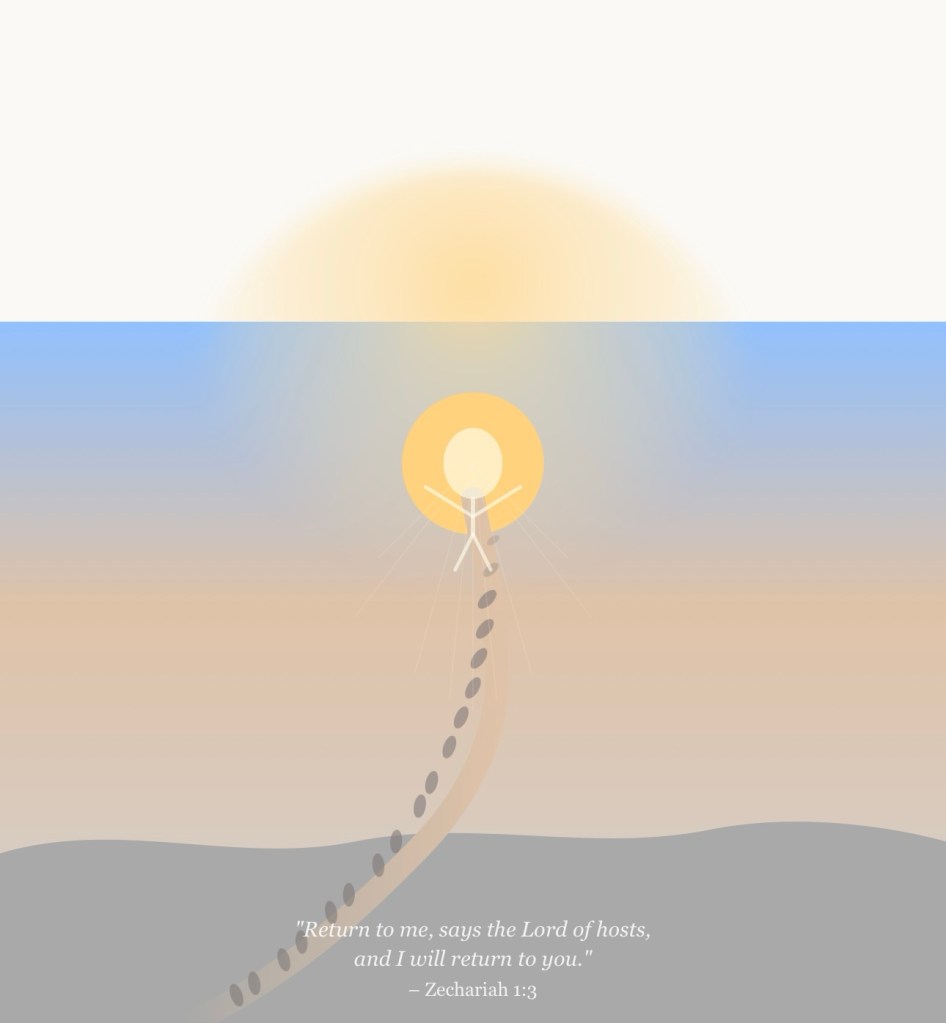
Explore the profound message of Zechariah 1:3—“Return to me, says the Lord of hosts, and I will return to you”—in this heartfelt reflection by Johnbritto Kurusumuthu. Explore its historical context, spiritual significance, and modern-day application, complemented by insights from esteemed theologians and a wake-up call from His Excellency, the Rt. Rev. Dr. Selvister Ponnumuthan.
“Beloved in Christ, let us heed the divine invitation to return wholeheartedly to our Lord. In turning back, we find our true purpose and the embrace of God’s unwavering love.”
1. The Heart of the Message
Zechariah 1:3 :(New Revised Standard Version Updated Edition (NRSVUE)
“Therefore, say to them: Thus says the Lord of hosts: Return to me, says the Lord of hosts, and I will return to you, says the Lord of hosts.”
This verse serves as a divine summons, urging us to realign our hearts with God. It emphasises that our relationship with the Divine is reciprocal; as we move towards God, He moves towards us.
2. Historical Context
Zechariah prophesied after the Israelites returned from Babylonian exile. Despite their physical return, their spiritual commitment wavered. God, through Zechariah, called them to genuine repentance and renewed faithfulness.
3. Spiritual Significance
The repeated phrase “says the Lord of hosts” underscores the authority and earnestness of God’s call. It’s not merely a suggestion but a heartfelt plea from the Creator to His creation, emphasising the importance of returning to a covenantal relationship.
4. Modern-Day Application
In today’s fast-paced world, it’s easy to drift away from spiritual disciplines. This verse reminds us that no matter how far we’ve strayed, God’s invitation remains open. By turning back—through prayer, reflection, and action—we rekindle our connection with the Divine.
5. Insights from Great Minds
Charles Spurgeon, the renowned preacher, once remarked:
“God’s mercy is so great that you may sooner drain the sea of its water, or deprive the sun of its light, or make space too narrow, than diminish the great mercy of God.”
This emphasises that God’s call to return is rooted in His boundless mercy.
6. Prayer and Meditation
Prayer:
Heavenly Father, I acknowledge the times I’ve turned away from You. Today, I choose to return, seeking your embrace and guidance. Restore in me a steadfast spirit, and let me walk in Your ways. Amen.
Meditation:
Find a quiet space. Reflect on areas in your life where you’ve distanced yourself from God. Visualise taking steps back towards Him, feeling His welcoming presence.
7. Frequently Asked Questions
Q: What does “return to me” entail?
A: It signifies repentance, turning away from sin, and re-establishing a relationship with God through faith and obedience.
Q: How can I know God has returned to me?
A: Through inner peace, a renewed sense of purpose, and the fruits of the Spirit manifesting in your life.
8. Reflective Action Step
Question:
In what areas of your life is God calling you to return to Him?
Action:
Identify one specific area—be it in thought, word, or deed—where you can realign with God’s will. Commit to making a change this week.
May this reflection inspire you to draw nearer to God, embracing His ever-present invitation to return and be renewed.
Explore additional inspiration from the blog’s archive. | Wake-Up Calls
Discover the powerful meaning of Psalm 28:7 in today’s biblical reflection. Explore its relevance in modern life, meditate with faith, and grow in spiritual strength. A Rise & Inspire post to elevate your soul.
David begins with a declaration, not a request. He doesn’t say “Lord, give me strength”—he claims the Lord as his strength.
This is the power of identity in God. In a world where our strength is often measured by productivity, power, or perfection, David reminds us that our true source of strength is divine, not man-made.
2. “…and my shield”
The shield protects. It absorbs what would otherwise destroy us. Here, the Lord is not just our inner fuel but also our outer defense. In times of fear, anxiety, or betrayal, God stands between us and what would harm us.
3. “In him my heart trusts”
This is the pivot point: trust. Not in outcomes, not in people, not even in ourselves—but in Him. Trust is surrender without anxiety. When we truly trust, peace follows.
4. “So I am helped”
This is not theoretical. It’s experiential. David’s trust isn’t a leap into emptiness; it brings real help. God shows up. He lifts. He heals.
5. “And my heart exults”
After help comes joy—not mere relief, but celebration. Exultation is deeper than happiness; it’s the soul dancing in gratitude.
6. “And with my song I give thanks to him.”
Gratitude finds expression in worship. David doesn’t just feel thankful—he sings it. When words fall short, music carries our spirit.
PART 3: Context & Significance
Psalms 28 was likely written during a time of deep personal trial for David—perhaps while facing betrayal or injustice. The Psalm shifts from a cry for help to a proclamation of deliverance. It teaches us to trust even while we wait, to celebrate even before we see the full picture.
“Faith brings a song even in the midnight of sorrow. A heart that trusts is a heart that sings.”
PART 4: Modern Application – Your Shield in a Digital Storm
In today’s hyperconnected, stress-loaded life, we often feel exposed—emotionally, mentally, even spiritually. We scroll endlessly, compare silently, and worry constantly. What shields us?
Psalms 28:7 offers a real-time strategy:
• When doubt arises—declare: The Lord is my strength.
• When criticism stings—remind yourself: He is my shield.
• When uncertainty overwhelms—say with David: In Him my heart trusts.
PART 5: A Prayer Based on Psalms 28:7
Heavenly Father,
You are my strength when I feel weak,
My shield when I feel attacked,
My peace when I feel anxious,
And my joy when the night has passed.
Help me to trust in You—not just with words, but with surrender.
Lift me, carry me, and lead me into praise.
Let my life become a song that thanks You.
In Jesus’ name, Amen.
PART 6: Meditation Moment (Take 3 minutes in stillness)
Breathe in: “You are my strength.”
Hold: “My heart trusts in You.”
Breathe out: “With my song, I give thanks.”
Ask yourself:
Where do I need to trust God more today?
PART 7: FAQs – Deepening Our Understanding
Q: What is the Hebrew word for ‘strength’ here?
A: The word is ‘oz, which means might, power, or boldness—an unshakable force from within.
Q: What is the spiritual difference between ‘help’ and ‘deliverance’?
A: Help is divine intervention in the midst of the trial; deliverance is being brought out of it. Psalms 28:7 emphasizes help before full rescue—trusting God while still in the storm.
Q: Can I still say this verse even if I don’t feel strong or shielded?
A: Absolutely. Faith doesn’t deny reality—it declares a greater one.
PART 8: Reflective Question & Action Step
Reflective Question:
What is one area of my life today where I need to stop striving and start trusting?
Action Step:
Write your own “Psalm sentence” today. Begin with:
“The Lord is my _____________, and in Him I will ____________.”
Share it in the comments or keep it on your heart.
Explore additional inspiration from the blog’s archive. | Wake-Up Calls
Transformed by Faith: Biblical Reflections for a Renewed Life is a powerful eBook drawn from five inspiring “Wake-Up Call” blog posts on Rise & Inspire. Through reflections on 2 Corinthians 5:17, Judith 9:12, 1 Chronicles 5:20, James 4:17, and Psalm 18:16, this devotional guide invites you to embrace renewal, pray boldly, trust God in battles, act courageously, and seek divine rescue. Perfect for spiritual growth, it offers prayers, challenges, and insights to transform your faith journey.
Index
Introduction
Chapter 1: A New Creation in Christ (2 Corinthians 5:17)
Chapter 2: Praying with Courage in Crisis (Judith 9:12)
Chapter 3: Faith That Wins Battles (1 Chronicles 5:20)
Chapter 4: Acting on What You Know Is Right (James 4:17)
Chapter 5: Divine Rescue from Mighty Waters (Psalm 18:16)
Conclusion
About the Author
Resources and Further Reading
Copyright Notice
Introduction
Introduction: A Journey of Transformation
Welcome to Transformed by Faith, a collection of biblical reflections designed to inspire and guide you toward a renewed life in Christ. These reflections, drawn from the “Rise & Inspire” blog, explore key scriptures that speak to transformation, courage, trust, obedience, and divine rescue. Each chapter offers practical applications, prayers, and challenges to help you grow spiritually.
As you read, may you hear God’s voice calling you to let go of the old, pray boldly, trust deeply, act courageously, and embrace His rescue? Let’s begin this journey together.
Chapter 1: A New Creation in Christ (2 Corinthians 5:17)
Key Verse: “So if anyone is in Christ, there is a new creation: everything old has passed away; look, new things have come into being!” (2 Corinthians 5:17)
Overview
In Christ, you are not just improved—you are reborn. This chapter explores the transformative power of becoming a new creation, leaving behind past guilt and embracing a new identity.
Context
Written by the Apostle Paul to the Corinthian church, this verse emphasizes total renewal through faith in Christ. The Greek term kainē ktisis means a completely new species, not a mere upgrade.
Key Points
Union with Christ: Anyone can be renewed, regardless of their past.
Internal Change: Transformation reshapes your identity and desires.
Letting Go: Old guilt and failures no longer define you.
Embracing Newness: Look with awe at the new life Christ offers.
Modern Application
Are you held back by past mistakes? This verse reminds you that God’s grace makes all things new. Stop trying to earn His love—accept it and live as a new creation.
Prayer
Lord Jesus, I surrender my past fears and failures. Recreate me in Your image. Let Your Spirit breathe new life into my soul. Amen.
Reflective Challenge
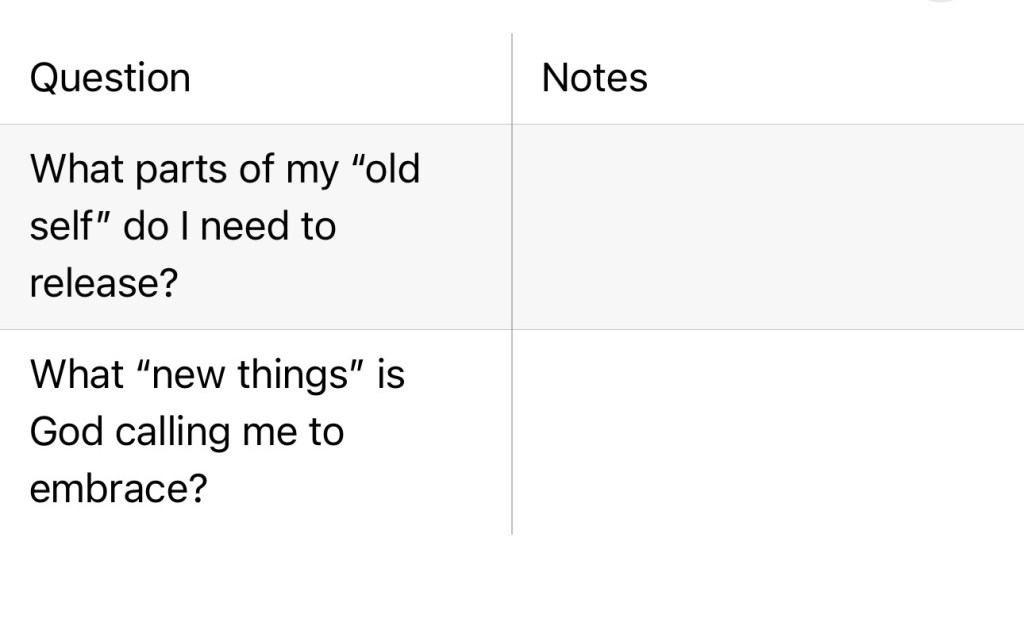
Journal: What “old self” habits do you need to release? What new things is God calling you to embrace?
Table: Reflective Journal Prompts
Chapter 2: Praying with Courage in Crisis (Judith 9:12)
Key Verse: “Please, please, God of my father, God of the heritage of Israel, Lord of heaven and earth, Creator of the waters, King of all your creation, hear my prayer!” (Judith 9:12)
Overview
Judith’s prayer teaches us to cry out to God with trust in times of crisis. This chapter explores how her faith can inspire us to pray boldly today.
Context
Judith, a widow in a time of national crisis, prayed with humility and confidence before confronting Israel’s enemy. Her prayer acknowledges God’s sovereignty and power.
Key Points
Intimate Faith: Judith calls God “God of my father,” connecting to her heritage.
Cosmic Power: She invokes God as “Lord of heaven and earth.”
Surrender: Prayer is not a last resort but a powerful first response.
Modern Application
In personal or global crises, pray like Judith—trusting God’s power over your limitations. Let prayer be your strength.
Prayer
O Lord, God of my fathers, hear my cry. Calm the storms in my soul and guide me with courage. Amen.
Reflective Challenge
Meditate for five minutes, repeating: “God of my father, hear my prayer.” Journal how this shifts your perspective.
Chapter 3: Faith That Wins Battles (1 Chronicles 5:20)
Key Verse: “For they cried to God in the battle, and he granted their entreaty because they trusted in him.” (1 Chronicles 5:20)
Overview
Faith transforms struggles into victories. This chapter shows how trusting God in life’s battles leads to triumph.
Context
The tribes of Reuben, Gad, and Manasseh cried out to God during a battle and won because of their trust. Their story highlights the power of active faith.
Key Points
Trust in Battle: Crying out to God is the most effective strategy.
Active Faith: Trust is a weapon, not a passive state.
Facing mental, emotional, or spiritual battles? Trust God actively through prayer and surrender.
Prayer
Heavenly Father, when I feel weak, teach me to trust You. Fight my battles with me and for me. Amen.
Reflective Challenge
Write down one current struggle. Pray over it daily for a week and journal any changes.
Chapter 4: Acting on What You Know Is Right (James 4:17)
Key Verse: “Anyone, then, who knows the right thing to do and fails to do it commits sin.” (James 4:17)
Overview
Knowing what’s right is not enough—acting on it is faith in action. This chapter challenges us to live obediently.
Context
James, Jesus’ brother, wrote to early Christians about practical faith. This verse warns against sins of omission—failing to act on known truth.
Key Points
Sins of Omission: Inaction can be as harmful as wrong action.
Active Faith: Christian living requires courage to act.
Moral Responsibility: Obedience is the heartbeat of faith.
Modern Application
Speak up against injustice, help a struggling neighbour, or act on a nudge to reach out. Don’t let passivity define you.
Prayer
Lord, forgive my hesitation. Give me the courage to act on what I know is right. Empower me to live Your will. Amen.
Reflective Challenge
Identify one “right thing” you’ve avoided. Take one step toward it this week and journal the outcome.
Chapter 5: Divine Rescue from Mighty Waters (Psalm 18:16)
Key Verse: “He reached down from on high; he took me; he drew me out of mighty waters.” (Psalm 18:16)
Overview
God rescues us from overwhelming challenges. This chapter explores how surrender leads to divine intervention.
Context
David wrote this psalm after escaping Saul’s pursuit. “Mighty waters” symbolize chaos and danger; God’s rescue is deliberate and powerful.
Key Points
Divine Intervention: God actively reaches into our struggles.
Surrender: True strength comes from trusting God, not self-reliance.
Hope for All: God’s rescue extends to emotional and spiritual struggles.
Modern Application
In financial stress, health crises, or anxiety, surrender to God’s rescuing hand instead of struggling alone.
Prayer
Lord, I surrender my mighty waters to You. Reach down and draw me into Your peace. Amen.
Reflective Challenge
Write down one overwhelming situation. Carry a small object (e.g., a stone) as a reminder of God’s presence.
Conclusion
Living a Transformed Life
These reflections remind us that faith is not passive—it’s a journey of renewal, courage, trust, obedience, and surrender. As you apply these lessons, may you walk confidently as a new creation, pray boldly, trust God in battles, act on truth, and embrace His rescue. Let your life be a testimony of transformation.
About the Author
Johnbritto Kurusumuthu is the voice behind Rise & Inspire, a blog dedicated to spiritual growth and biblical wisdom. Through heartfelt reflections, he inspires readers to live transformed lives in Christ.
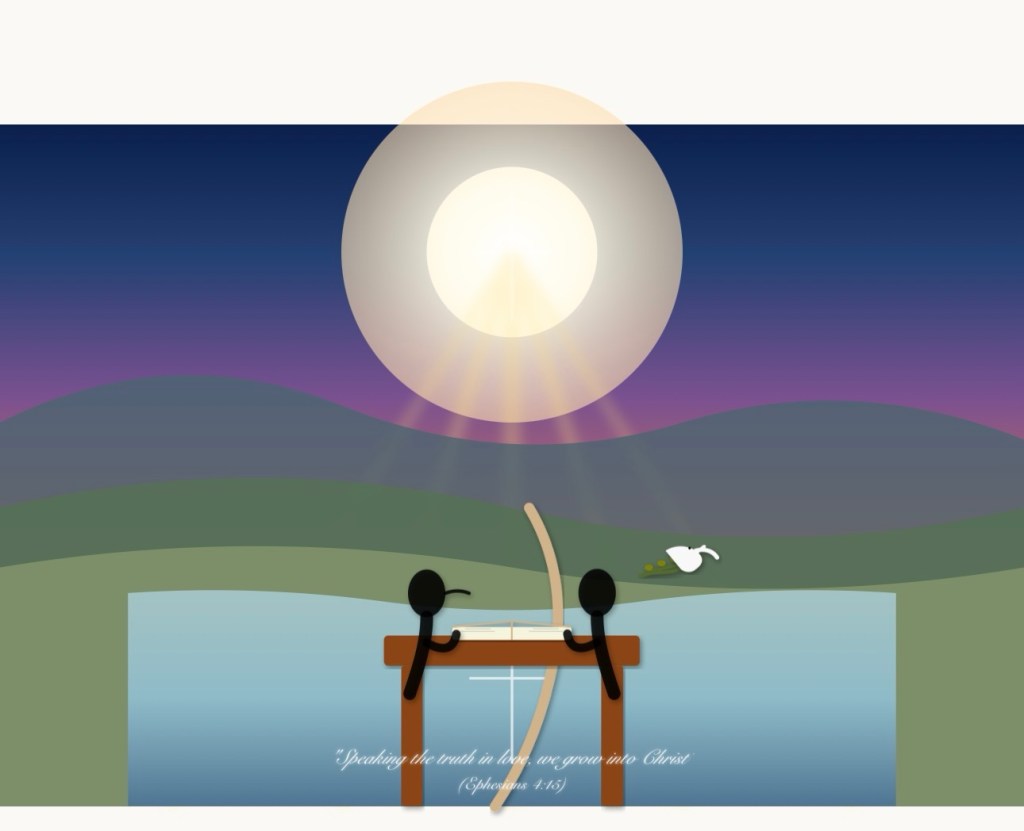
Discover the deep meaning of Ephesians 4:15, “Speaking the truth in love,” in this inspiring biblical reflection. Explore its context, modern-day application, and spiritual insights, with a wake-up call from His Excellency, the Rt. Rev. Dr. Selvister Ponnumuthan. Join Johnbritto Kurusumuthu for a reflective challenge to grow in faith and love.
Wake-Up Call: 02 May 2025 – Speaking Truth in Love (Ephesians 4:15)
A Morning of Truth and Love
As I stood at my window this morning, the first light of dawn wove a tapestry of amber and rose across the sky, whispering promises of hope. My thoughts drifted to a heartfelt conversation with a dear friend last week. They had gently shared an uncomfortable truth about a choice I’d made, one I hadn’t fully considered. At first, my heart resisted, wary of the sting. But their words, wrapped in genuine love and concern, opened my eyes to new possibilities for growth. It left me pondering: How often do we dare to speak truth with such grace, and how might it transform our bonds and walk with God?
Today’s verse, Ephesians 4:15, calls us to this very practice: “Speaking the truth in love, we must grow up in every way into him who is the head, into Christ.” Let’s dive into its depth, uncover its significance, and explore how it can transform our lives.
“Dear brothers and sisters, let us awaken to the divine call of truth and love. In a world filled with noise and division, the words of Ephesians 4:15 remind us to anchor our speech in the love of Christ. Speak boldly, yet tenderly, for it is through such words that we build up the Body of Christ and reflect His light. May this day be a step toward spiritual maturity, drawing us closer to our Savior.”
Breaking Down Ephesians 4:15
Context and Meaning
Ephesians, written by the Apostle Paul, is a letter to the church in Ephesus, emphasising unity and maturity in the Body of Christ. Chapter 4 focuses on living out our faith through spiritual growth and mutual edification. Verse 15 sits within a passage urging believers to move beyond childish ways and embrace maturity by aligning with Christ, the head of the church.
“Speaking the truth in love” is a delicate balance. The Greek word for truth here, aletheia, implies not just factual accuracy but divine truth rooted in God’s nature. Love, agape, is a selfless, sacrificial love that seeks the good of others. Together, they form a powerful directive: our words must be honest but always delivered with kindness and care, aiming to build up rather than tear down.
The latter part, “we must grow up in every way into him who is the head, into Christ,” points to the purpose of truthful, loving speech: spiritual maturity. By speaking this way, we align ourselves with Christ’s character and contribute to the growth of His church.
Significance in Modern Life
In today’s world, truth is often weaponized, and love can feel conditional. Social media debates, workplace conflicts, and even family disagreements can escalate when the truth is spoken without love or when love avoids the truth altogether. Ephesians 4:15 challenges us to rise above this.
Consider a parent correcting a child. A harsh word might convey the truth but crush the spirit. A loving approach, however, corrects while affirming the child’s worth. Similarly, in friendships, marriages, or communities, speaking truth in love fosters trust, healing, and growth. It’s not about being “nice” but about being intentional—choosing words that reflect Christ’s heart.
Insights from Great Men
C.S. Lewis, in Mere Christianity, wrote, “Love is not affectionate feeling, but a steady wish for the loved person’s ultimate good as far as it can be obtained.” This is reflected in Ephesians 4:15, where love is active, purposeful, and truth-driven. Likewise, Dietrich Bonhoeffer, a theologian who faced Nazi oppression, emphasized that truth without love becomes brutal, while love without truth becomes sentimental. Their insights reveal to us that this verse isn’t just a suggestion—it’s a transformative principle for living out our faith.
Key Takeaway
Speaking truth in love is a mark of spiritual maturity. It requires courage to be honest, humility to be kind, and faith to trust that God will use our words to build His kingdom. By shaping our speech with Christ’s love, we grow closer to Him and help others do the same.
FAQs
1. What does “speaking the truth in love” mean practically?
It means being honest in a way that uplifts rather than harms. For example, addressing a friend’s harmful behaviour with compassion rather than judgment, aiming to help them grow.
2. How can I balance truth and love in difficult conversations?
Pray for wisdom, choose your words carefully, and focus on the other person’s well-being. Ask yourself, “Will this build them up or tear them down?”
3. Why is spiritual maturity tied to this verse?
Maturity in Christ involves reflecting His character. Speaking truth in love mirrors Jesus’ approach—He was always truthful yet compassionate, leading others toward God.
4. How does this verse apply to social media?
On platforms where arguments thrive, this verse calls us to share our beliefs with kindness, avoiding hostility or passive-aggressiveness, and aiming to reflect Christ’s love.
Detailed Prayer and Meditation
Prayer:
Heavenly Father, You are the source of all truth and love. Thank You for the gift of Your Word, which guides us toward maturity in Christ. Today, I seek Your wisdom to speak truth with love in all my interactions. Soften my heart to choose words that build up rather than break down. Help me reflect on Your Son, Jesus, who spoke with grace and truth. Forgive me for the times I’ve spoken harshly or avoided the truth out of fear. Fill me with Your Spirit to grow in every way into Christ, my head and Savior. May my words today bring healing, unity, and glory to Your name. Amen.
Meditation:
Find a quiet space and sit comfortably. Close your eyes and take slow, deep breaths. Reflect on a recent conversation where you spoke or heard the truth. Was it delivered in love? How did it feel? Now, picture Jesus sitting with you, speaking words of truth and love. What does He say? Let His presence guide you to a place of peace. Spend five minutes meditating on the phrase, “Speaking the truth in love, I grow into Christ.” Journal any insights or emotions that arise.
Reflective Challenge for Readers
Today, choose one conversation—whether with a friend, family member, or colleague—and intentionally speak the truth in love. Before speaking, pause and pray for God’s guidance. Afterwards, reflect: How did it feel? How did the other person respond? Share your experience in a journal or with a trusted friend to deepen your growth.
Subtitle: A Rise & Inspire Biblical Reflection by Johnbritto Kurusumuthu Date: April 16, 2025
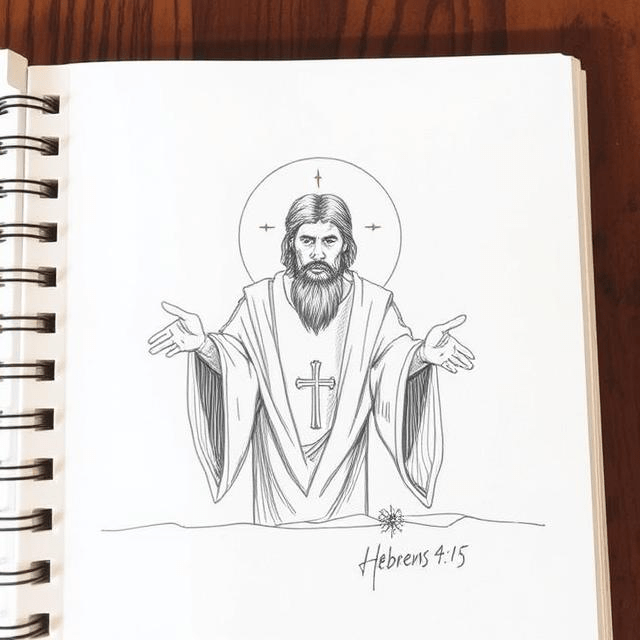
Verse of the Day: Hebrews 4:15
“For we do not have a high priest who is unable to sympathize with our weaknesses, but we have one who in every respect has been tested as we are, yet without sin.”
Let this day remind us that Christ walks with us—not as a distant Savior, but as one who has tasted the pain of rejection, temptation, and loneliness. Yet, He remained without sin. In our moments of despair, let us hold fast to Him, our divine companion, and compassionate priest.
Introduction:
The Struggle Is Real, and So Is Jesus’ Compassion
Have you ever wondered if anyone truly gets you—your struggles, your temptations, your silent battles?
In a world that often misunderstands pain and minimizes suffering, Hebrews 4:15 offers a profound truth: Jesus doesn’t just see our weakness—He feels it.
But what sets Him apart is this: He was tested in every way we are—yet He did not sin. This verse doesn’t just comfort; it anchors us in the greatest reality of Christian faith: We are never alone in our struggles.
Scripture in Focus:
Hebrews 4:15
“For we do not have a high priest who is unable to sympathize with our weaknesses, but we have one who in every respect has been tested as we are, yet without sin.”
Historical and Literary Context
The Book of Hebrews, traditionally attributed to Paul or one of his contemporaries like Barnabas or Apollos, was written to a group of Jewish Christians facing persecution.
They were tempted to return to old religious customs under pressure. The author seeks to prove that Jesus is the ultimate High Priest, surpassing the Levitical priesthood, and fully able to relate to human suffering.
This verse stands as a theological turning point—Jesus is divine yet profoundly human.
Unlike earthly priests or friends who may fail to understand, Jesus meets us exactly where we are—tired, broken, tempted—but calls us to rise with Him in victory, not guilt.
Practical Application:
What Can You Do Today?
Pause and pray when tempted. Jesus stood firm, and so can you—with Him.
Reach out to someone who’s struggling, just as Christ reached out to you.
Read the Gospels, and trace the moments Jesus expressed emotion—He wept, He groaned, He anguished in Gethsemane.
Key Takeaway
Jesus is not a distant deity; He is your empathetic High Priest, tested like you, victorious for you. Because He endured, you can overcome.
FAQs
Q: How could Jesus be tempted and yet sinless? A: Jesus experienced real human desires and trials but always chose obedience to the Father (Philippians 2:8).
Q: Why is Jesus called a “High Priest”? A: In Jewish tradition, the High Priest interceded between God and the people. Jesus fulfils this eternally by offering Himself as the perfect sacrifice (Hebrews 9:12).
Guided Prayer and Meditation
Prayer:
Gracious Lord Jesus, You walked the path of humanity with holy endurance and unshakable love. You know what it feels like to be tired, tempted, and misunderstood. Yet, You never turned away from the Father’s will. Today, I rest in the truth that I am not alone—You are with me, and You understand. When I stumble, remind me of Your grace. When I’m weak, let me lean into Your strength. May I become more like You—not by avoiding the test, but by trusting You through it. Amen.
Meditation Prompt:
Sit quietly for 5 minutes. Breathe deeply. Reflect on the word “sympathize.” Imagine Jesus beside you—not judging, but walking alongside you. Let His presence comfort your soul.
Today’s Verse – 16/04/2025 Hebrews 4:15
English: “For we do not have a high priest who is unable to sympathize with our weaknesses, but we have one who in every respect has been tested as we are, yet without sin.” — Hebrews 4:15
Malayalam: “നമ്മുടെ ബലഹീനതകളില് നമ്മോടൊത്തു സഹതപിക്കാന് കഴിയാത്ത ഒരു പ്രധാന പുരോഹിതനല്ല നമുക്കുള്ളത്; പിന്നെയോ, ഒരിക്കലും പാപം ചെയ്തിട്ടില്ലെങ്കിലും എല്ലാ കാര്യങ്ങളിലും നമ്മെപ്പോലെ തന്നെ പരീക്ഷിക്കപ്പെട്ടവനാണ് അവന് .” — ഹെബ്രായര് 4:15
Tamil: “நம்முடைய பலவீனங்களைக் குறித்து பரிதாபிக்க இயலாத பிரதான ஆசாரியர் நமக்கில்லை; மாறாக, எல்லாவிதத்திலும் நம்மைப்போல் சோதிக்கப்பட்டும், பாவமில்லாதவராயிருக்கிற பிரதான ஆசாரியரே நமக்கிருக்கிறார்.” — எபிரேயர் 4:15
Biblical Reflection: This powerful verse from Hebrews reminds us that Jesus Christ, our High Priest, is not distant or detached from our struggles. He fully understands our pain, our weakness, our temptations—because He Himself walked the path of humanity. He felt hunger, rejection, sorrow, and temptation, yet He remained sinless.
This is not just a theological truth; it’s a comforting reality. When we feel overwhelmed by our shortcomings, we can draw near to Christ with confidence. He doesn’t judge us from afar—He empathizes with us deeply. His sinlessness doesn’t distance Him from us; instead, it becomes the source of His strength to lift us up.
Let this verse remind you today: You are never alone in your struggles. You have a High Priest who understands you completely and offers you grace, strength, and hope.
“Pursue peace with everyone and the holiness without which no one will see the Lord.” — Hebrews 12:14 (NRSV)
This verse offers profound guidance for our spiritual journey. It serves both as an invitation and a challenge—calling us to actively engage in two essential aspects of Christian living: peace with others and holiness before God.
Textual Insight: More Than a Suggestion
The Greek word for pursue, diōkete, implies persistent, determined effort—not a casual approach. The peace mentioned (eirēnēn) isn’t just the absence of conflict, but a state of deep well-being and relational harmony. Meanwhile, holiness(hagiasmon) refers to a life set apart for God, marked by moral purity and spiritual transformation.
The conjunction “and” binds these two pursuits together—they are inseparable on our path toward seeing the Lord. Holiness is not optional—it is essential.
Contextual Reflection: The Letter to the Hebrews
Hebrews was written to believers facing persecution, tempted to turn back from their faith. Chapter 12 encourages endurance, discipline, and focus on Jesus.
Placed in this context, Hebrews 12:14 reminds us that faith is communal as well as personal. The call to peace isn’t only for times of ease—it’s especially for seasons of trial. Just like Christ called us to love even our enemies, we are reminded that peace is a radical choice.
The pursuit of holiness is a call to transformation—not merely ethical living, but becoming like Christ. As we are changed, we are prepared to truly see God, both in this life and the next.
Bishop Selvister Ponnumuthan beautifully echoes this truth in his powerful message, reminding us that peace and holiness are not passive gifts—they are active pursuits requiring discipline and grace.
Today’s Relevance: A Countercultural Command
In a world filled with division and noise, this verse invites us to swim upstream. Peace must be pursued—not through compromise of truth but through love that reaches across differences. And holiness must be cultivated—not for appearance, but for authentic transformation.
Our relationship with God (vertical) and with others (horizontal) are deeply intertwined. As John writes elsewhere, “Anyone who does not love a brother or sister, whom he has seen, cannot love God, whom he has not seen.” (1 John 4:20)
Faith is not merely personal—it must spill over into every relationship, every interaction, every corner of life.
“The pursuit of peace and holiness is not optional for the believer—it is the very path by which we come to see God.”
His Excellency, Rt. Rev. Dr. Selvister Ponnumuthan, urges us not to grow complacent. Hebrews 12:14 is a spiritual alarm clock—it calls us away from passivity and into daily, disciplined action.
In this age of instant gratification, we’re reminded that true spiritual growth often feels slow, deliberate, and even uncomfortable. But it is worth the cost.
A Prayer of Pursuit
Heavenly Father,
Your word challenges us to pursue peace and holiness with unwavering commitment. We confess the times we’ve favored comfort over truth, or devotion over reconciliation.
Empower us, Lord, to be peacemakers in our homes, workplaces, and communities. Help us speak with grace, listen with empathy, and forgive with courage.
Sanctify us, not for selfish fulfillment, but so our lives reflect Your love and light to a watching world.
We pause now to lift up relationships that need healing… — Pause for silent reflection —
We confess areas where we have compromised our call to holiness… — Pause for silent reflection —
Give us the courage to take a step today—toward peace, toward purity, and toward You.
In Jesus’ name, Amen.
Meditation Moment: Your Step Toward Peace
Set aside five quiet minutes.
Close your eyes. Imagine yourself standing in God’s presence, surrounded by His radiant peace and purity.
Now, gently bring to mind someone you need to make peace with. Ask God to show you one simple action you can take today. Maybe it’s a call, a message, or a prayer.
Let this verse become your compass today: “Pursue peace with everyone and the holiness without which no one will see the Lord.”
Today’s Verse: 14 April 2025
“Pursue peace with everyone and the holiness without which no one will see the Lord.” — Hebrews 12:14
“എല്ലാവരോടും സമാധാനത്തില് വര്ത്തിച്ച് വിശുദ്ധിക്കു വേണ്ടി പരിശ്രമിക്കുവിന്. വിശുദ്ധി കൂടാതെ ആര്ക്കും കര്ത്താവിനെ ദര്ശിക്കാന് സാധിക്കുകയില്ല.” — ഹെബ്രായര് 12:14
“யாவருடனும் சமாதானமாக வாழவும், பரிசுத்த வாழ்க்கையை நாடவும் முயற்சி செய்யுங்கள்; ஏனெனில் பரிசுத்தமில்லாமல் எந்த மனுஷனும் ஆண்டவரை தரிசிக்க முடியாது.” — எபிரெயர் 12:14
John 14:15 is part of Jesus’ farewell discourse (John 13–17) during the Last Supper, where He reassures His disciples before His crucifixion. Knowing their anxiety about His departure, Jesus promises the Holy Spirit (the “Helper”) and emphasizes that love and obedience are inseparable.
In Jewish tradition, obedience to God’s commandments (mitzvot) was central to covenantal faithfulness. However, Jesus redefines obedience—not as rigid legalism but as a natural response to love. The Greek word for “keep” (tēreō) implies treasuring, guarding, and actively living out His teachings.
Theological Significance
Jesus’ statement bridges divine love and human action. It echoes Deuteronomy 6:5 (Love the Lord your God with all your heart) but shifts the focus to Himself as the embodiment of God’s presence. Theologically, this verse underscores the covenant relationship, where obedience flows from love, not fear (1 John 5:3). It highlights Christ-centered faith, as Jesus’ commandments—such as loving God and neighbour (John 13:34)—reflect His character. It also emphasizes empowerment by the Spirit, as Jesus later promises the Holy Spirit to enable believers to live obediently (John 14:26).
Cross-References & Paraphrases
1 John 5:3 – This is love for God: to keep His commands.
John 15:10 – If you keep my commands, you will remain in my love.
Deuteronomy 10:12-13 – Serve the Lord with all your heart… keep His commandments.
Modern Paraphrase – Your love for me isn’t just a feeling—it’s shown by how you live out my teachings.
Common Misinterpretations
Obedience is sometimes mistaken as a way to earn salvation, but Scripture teaches that it is a response to God’s love (Ephesians 2:8-10). Another misconception is selective obedience, treating Jesus’ commandments as a checklist rather than a holistic call to love (Matthew 22:37-40).
Real-Life Application: Love in Action
In a world where love is often reduced to emotions or transactions, Jesus invites us into a transformative relationship.
Forgiveness, such as choosing to forgive a hurtful friend, mirrors Jesus’ command (Colossians 3:13).
Generosity, expressed by sharing resources, reflects His heart for the marginalized (James 2:15-17).
Integrity, demonstrated by honouring God in workplace ethics, aligns with biblical teachings (Colossians 3:23).
Action Steps
Start each morning by asking, How can I love Jesus through my actions today?
Perform one act of kindness without expecting recognition.
Study the Gospels and apply one of Jesus’ commands this week.
Reflection Questions
What areas of obedience feel challenging? How might love reshape your perspective?
How has God’s love empowered you to obey Him in the past?
Which of Jesus’ commands do you need to treasure more deeply?
Guided Meditation and Prayer
Find a quiet place. Breathe deeply. Read John 14:15 aloud.
Meditation
Lord, Your love is the foundation of my life. Reveal areas where I’ve substituted duty for devotion. Help me see Your commandments as gifts, not burdens. Fill me with Your Spirit, that my actions may flow from gratitude.
Prayer
Father, transform my heart to love You wholly. Where I struggle to obey, grant me grace. Let my life be a living testimony of love for Christ. In His name, Amen.
Connecting to Modern Struggles
In an age of individualism, Jesus’ call to obedience challenges cultural norms. Yet, His yoke is easy (Matthew 11:30) because love lightens the load. As theologian Dietrich Bonhoeffer wrote, Only the obedient believe, and only the believing obey.
Obedience is not a burden but an invitation to intimacy. Every step taken in love draws us closer to Jesus’ heart. As His Excellency, the Rt. Rev. Dr. Selvister Ponnumuthan reminds us that to love Christ is to walk with Him—not perfectly, but persistently.
Call to Action
Share your story—how has loving Jesus shaped your actions?
Encourage someone to join you in studying John 14.
Let the linked hymn inspire you to trust and obey.
Devotional Entry
Love is the root, obedience the fruit.
Reflect – Where is God asking you to grow today?
Pray – Jesus, align my heart with Yours. May my love for You blossom into joyful obedience. Amen.
May this reflection ignite a passion to love Christ wholeheartedly. Rise & Inspire!