How Your Session Duration, Bounce Rate, and Conversion Rate Predict Long-Term Blog Success

Your blog’s success isn’t just about traffic spikes or the occasional viral post—it’s about building sustainable growth. Three key metrics—session duration, bounce rate, and conversion rate—help you understand how well your blog engages readers, retains them, and converts them into loyal followers.

In this guide, you’ll learn why these metrics matter, how they connect, and what you can do to optimize them for long-term success.

1. Session Duration: How Engaged Are Your Readers?

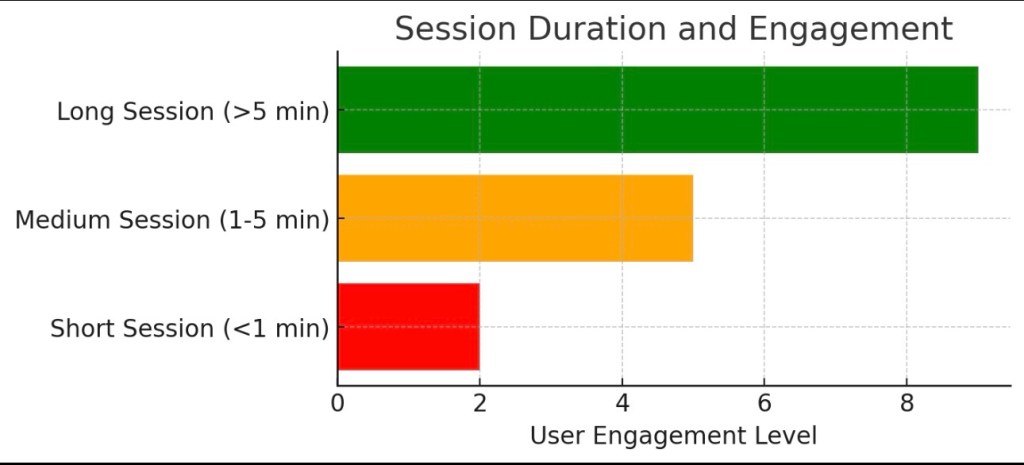
Session duration measures how long visitors stay on your blog. A higher session duration means your content is keeping them engaged—whether through compelling storytelling, interactive elements, or deep insights.

Session Duration Chart
What This Means for You:
A healthy blog will have more visitors in the “Long Session” category, meaning your audience is sticking around and exploring your content.

How to Keep Readers on Your Blog Longer

  • Write long-form content (1,500+ words) that fully answers their questions.
  • Embed videos or audio clips to add multimedia engagement.
  • Use relevant infographics to make complex topics visually appealing.
  • Include internal links to guide visitors to more of your content.
  • Add interactive elements like quizzes or polls to encourage participation.

Why This Matters

Google considers engagement a ranking factor. If visitors spend more time on your blog, it signals to search engines that your content is valuable, helping improve your SEO rankings.

How You Can Improve It

  • Write content that fully addresses a topic instead of just scratching the surface.
  • Format your posts with headings, bullet points, and images to make them easier to read.
  • Use storytelling techniques to create an emotional connection with your audience.

2. Bounce Rate: Are Visitors Staying or Leaving?

Your blog’s bounce rate tells you how many visitors leave after viewing just one page. A high bounce rate could mean they didn’t find what they were looking for—or that something on your blog is pushing them away.

Bounce Rate Chart

What This Means for You:
If too many visitors “bounce,” it could be a sign that your site isn’t delivering the experience they expect. Ideally, you want the “Bounced” segment to be smaller, indicating that visitors are exploring multiple pages.

What Makes Readers Leave?

  • Slow page load speed → Visitors won’t wait more than a few seconds.
  • Clickbait headlines → If your content doesn’t match the title, they’ll leave.
  • Poor navigation → If your blog is hard to explore, people won’t stay.
  • Unrelated content → If visitors land on your page expecting one thing but find another, they’ll exit.

Why This Matters

If your bounce rate is over 70%, you may be losing potential long-term readers. According to SEMrush, an ideal bounce rate for blogs is between 40-60%.

How You Can Reduce Your Bounce Rate

  • Speed up your site using tools like Google PageSpeed Insights.
  • Use internal links to guide visitors to related articles.
  • Match your content to search intent—don’t mislead readers with clickbait.
  • Improve readability with clear formatting, images, and engaging subheadings.

3. Conversion Rate: Are Visitors Taking Action?

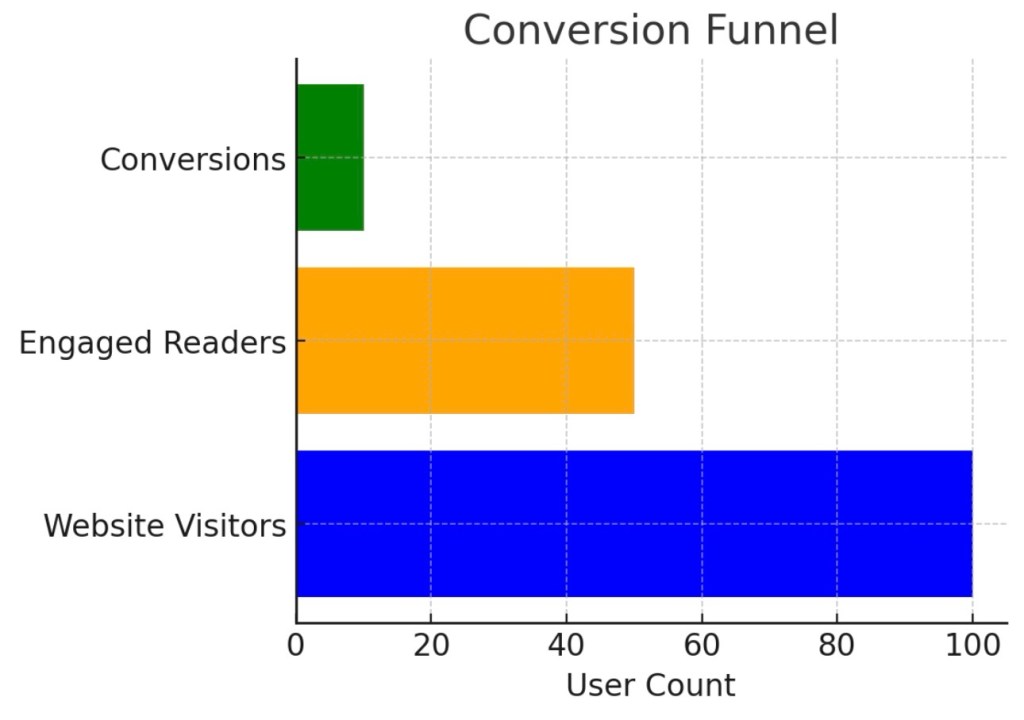
Your conversion rate measures how many visitors subscribe, download resources, or make a purchase. A high conversion rate means your blog isn’t just attracting readers—it’s turning them into engaged followers.

Conversion Funnel Chart
What This Means for You:
Your blog’s success isn’t just about traffic—it’s about what visitors do after arriving. If you’re not seeing conversions, you might need stronger calls to action (CTAs).

How to Encourage Visitors to Take Action

  • Offer a valuable lead magnet, like a free eBook, checklist, or webinar.
  • Use persuasive CTAs, like:
    • Button: Subscribe for Weekly Insights!
    • Banner: Download Your FREE Blogging Guide!
    • Text Link: Learn how to boost your SEO in 5 steps.
  • Make signup forms simple—the fewer fields, the better.
  • A/B test different CTAs and landing pages to see what works best.

Why This Matters

According to HubSpot’s 2024 Marketing Report, blogs with clear and well-placed CTAs convert 3x better than those without.

How You Can Improve Your Conversion Rate

  • Make sure your CTAs are clear and visible.
  • Offer something valuable in exchange for a subscription.
  • Create urgency—“Sign up now for exclusive early access!”

The Flywheel Effect: How These Metrics Work Together

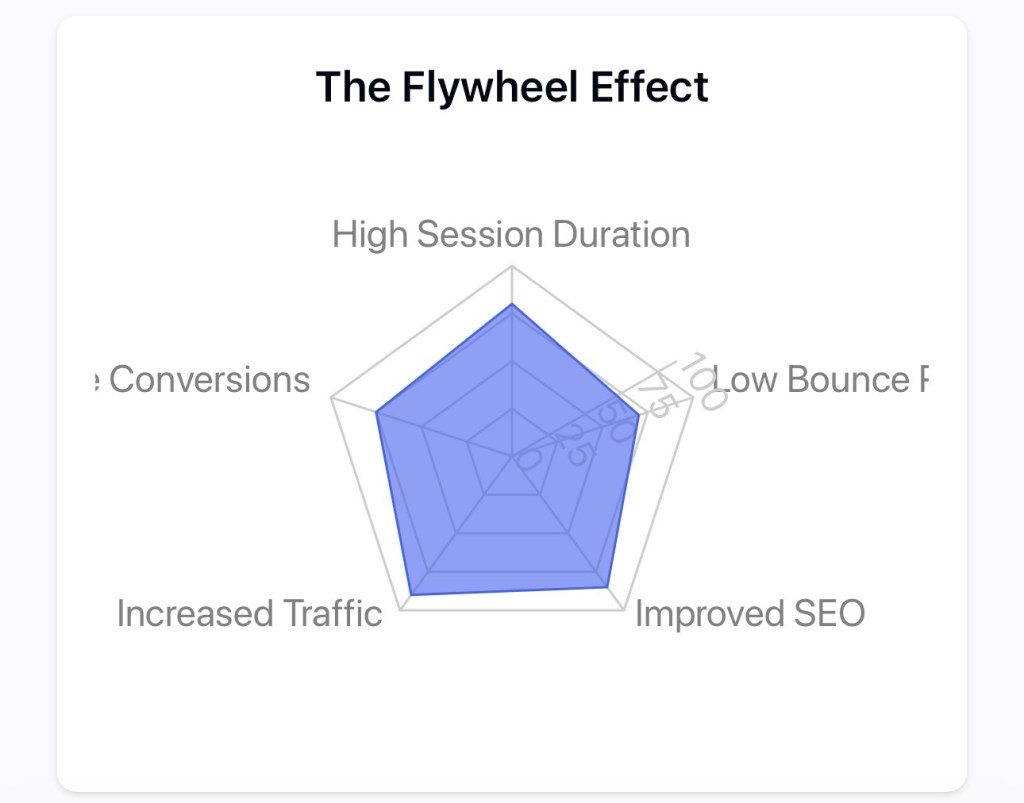
Your session duration, bounce rate, and conversion rate aren’t isolated—they work as part of a bigger system. When you improve one, the others benefit too.

Flywheel Effect Diagram
What This Means for You:
When you create high-quality content (session duration), visitors stay longer and explore more (lower bounce rate), leading to higher trust and conversions. The cycle continues, boosting your blog’s overall performance.

How You Can Keep the Momentum Going

  • Regularly audit your blog with tools like Google Analytics 4 to spot weak points.
  • Focus on search intent—deliver what readers are looking for.
  • Use email marketing to stay connected with your audience beyond a single visit.

Tools to Help You Track & Improve Your Blog Performance

To make these improvements, you need the right tools. Here are some essentials:

  • Google Analytics 4 → Track session duration, bounce rate, and conversions.
  • Google PageSpeed Insights → Identify and fix slow-loading pages.
  • Keyword Research Tools (Ahrefs, Google Keyword Planner) → Discover what your audience is searching for.
  • ConvertKit (or Mailchimp) → Build an email list and keep readers engaged.
  • A/B Testing Tools → Optimize your CTAs and landing pages.

Final Thoughts: Small Changes, Big Results

Long-term blog success isn’t about quick wins—it’s about consistent improvement.

By keeping readers engaged (session duration), reducing unnecessary exits (bounce rate), and encouraging action (conversion rate), you set your blog up for sustainable growth.

As marketing expert Neil Patel says, “Consistency compounds.” Focus on these key areas, and your blog will thrive for years to come.

Want to Learn More?

🌐 Home | Blog | About Us | Contact| Resources

Categories: Astrology & Numerology | Daily Prompts | Law | Motivational Blogs | Motivational Quotes | Others | Personal Development | Tech Insights | Wake-Up Calls

📱 Follow us: @RiseNinspireHub

© 2025 Rise&Inspire. All Rights Reserved.

Word Count:997
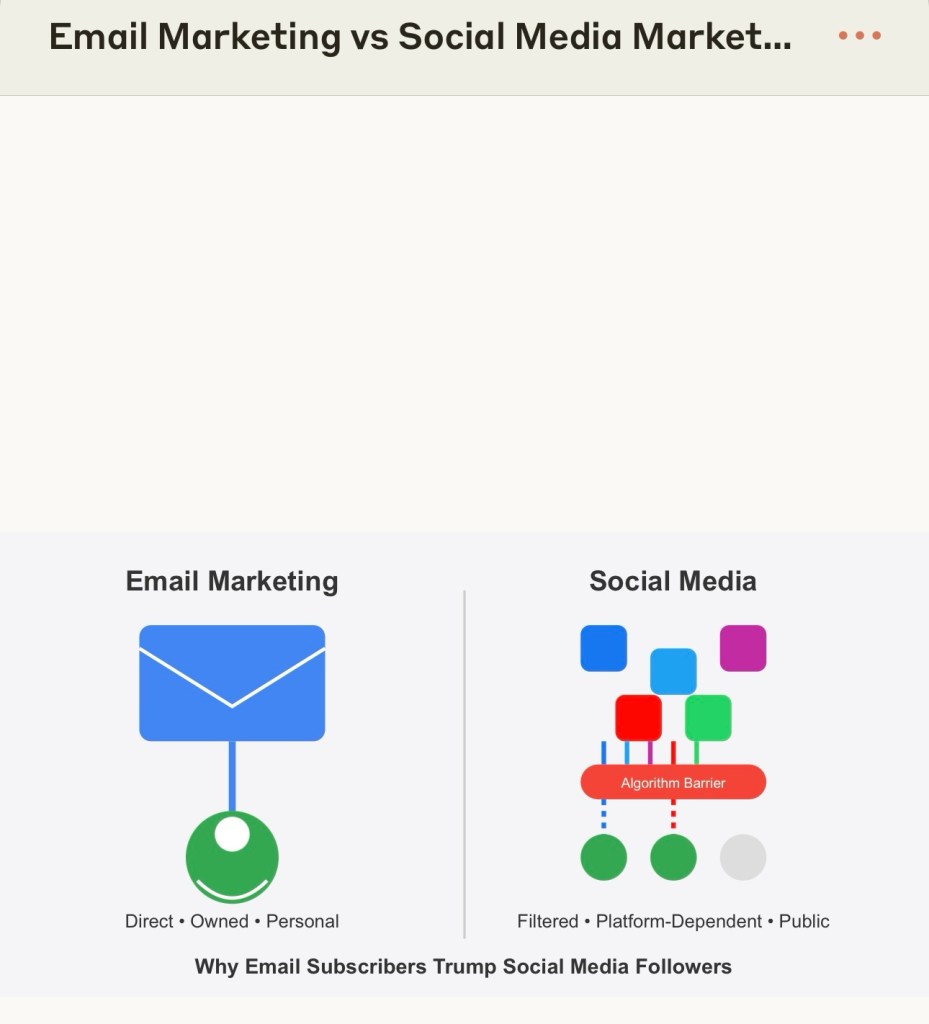
Why Should We (Bloggers)Focus on Email Subscribers More Than Social Media?

Rise & Inspire: Crafting Dreams, Igniting Spirits

How to Focus on Email Subscribers and Grow Your Blog’s Audience

Building an email subscriber list is one of the most powerful ways to grow your blog. Unlike social media or RSS feeds, email marketing gives you direct access to your readers—without depending on algorithms. If you want to create a strong, engaged audience for your blog, here’s how to focus on growing and maintaining your email subscribers.

1. Choose the Right Email Marketing Tool

Before you start collecting emails, you need the right platform to manage your subscribers. Some of the best tools include Mailchimp, which is great for beginners with automation features, ConvertKit, which is best for bloggers who want to build a loyal audience, Substack, which is ideal if you want to monetize your emails, and MailerLite, a budget-friendly option with great customization. Pick a tool that fits your needs and budget—most of these have free plans to get you started.

2. Create an Irresistible Lead Magnet

People won’t sign up for your email list just because you ask them to. You need to offer something valuable in return. This is called a lead magnet or freebie.

Some of the most effective lead magnets include an e-book or guide, which is a short, informative PDF related to your blog’s niche, exclusive content such as bonus tips, templates, or case studies, a checklist or cheat sheet that provides a quick, actionable resource, a free email course delivered over several days, or discounts and early access if you sell products.

For example, if your blog is about self-growth, you could offer “10 Morning Habits for a More Productive Life” as a free download.

3. Place Opt-in Forms Strategically

You need to make it easy and obvious for visitors to subscribe. The best places for **opt-in forms are your homepage, where a welcome message with a clear sign-up form can be displayed, within blog posts as a content upgrade related to the post, in a sidebar widget for visibility, in pop-ups and slide-ins that appear at the right time, and at the end of posts, where you can ask readers to subscribe for more content.

A two-step opt-in, where a button leads to the form, can increase conversions.

4. Send a Welcome Email to Series

Once someone subscribes, don’t leave them hanging. A welcome email series helps build trust and engagement.

A great sequence starts with the first email, which welcomes the subscriber and delivers the lead magnet. The second email shares your story and the purpose of your blog. The third email highlights your most popular content and resources. The fourth email encourages engagement by asking them to reply, join a community, or take action.

Automating this sequence using your email marketing tool saves time and ensures consistency.

5. Create Consistent & Engaging Emails

Growing your list is just the first step—now you need to keep subscribers engaged so they don’t unsubscribe.

Some of the best content to send includes weekly newsletters with blog updates, tips, and personal insights, exclusive content that isn’t available on your blog, personal stories and lessons to build a deeper connection, surveys and questions to gather feedback, and special offers or monetization opportunities through product promotions or affiliate links.

Keep your emails short, valuable, and personal—write as if you’re talking to a friend.

6. Optimize for Growth and Retention

Once your email list starts growing, track its performance and make improvements.

Key metrics to monitor include your open rate, which is the percentage of subscribers who open your emails, your click-through rate (CTR), which tells you how many people click on links in your emails, your unsubscribe rate, which helps you understand if your content is resonating, and your conversion rate, which tracks how many subscribers take action, such as purchasing or engaging with your content.

To improve these metrics, test different subject lines to make them more engaging, personalize emails by using the subscriber’s name, segment your list to send targeted content based on interests, and experiment with different sending times to maximize engagement.

7. Use a Referral Program or Giveaway

Encourage your existing subscribers to invite friends by offering rewards or incentives. A great way to do this is through giveaway contests where entry requires subscribing or sharing the link, referral bonuses where existing subscribers get a reward for referring friends, or exclusive community access for loyal readers.

For example, you could run a campaign that says, “Refer three friends to sign up for my newsletter and get an exclusive e-book.”

8. Promote Your Email List Everywhere

Your blog isn’t the only place to grow your email list. Use social media to share your lead magnet and opt-in link. Write guest blog posts for other sites and include a call-to-action to subscribe. Mention your email list in YouTube videos or podcasts. Host webinars and live sessions where attendees must sign up with their email to participate.

Final Thoughts: Email Subscribers Are Your Biggest Asset

Unlike social media followers or RSS readers, your email list is a direct, personal connection to your audience. Focus on delivering value, being consistent, and making it easy for people to sign up, and you’ll build a loyal subscriber base that keeps coming back.

Let’s Discuss

Do you have an email list for your blog? What’s working for you? Let me know in the comments.

**A Model Opt-In Form Designed for Rise & Inspire

A well-designed opt-in form should be visually appealing, clear, and persuasive. Below is a structured opt-in form that can be used in multiple locations on my blog—homepage, blog posts, sidebar widgets, pop-ups, and at the end of posts.

1. Welcome Message (For Homepage & Dedicated Sign-Up Page)

Headline:
Join the Rise & Inspire Community – Elevate Your Life with Motivation & Growth!

Subheadline:
Get exclusive insights, uplifting content, and practical strategies to fuel your journey toward success and fulfilment—straight to your inbox!

Two-Step Opt-In (Button + Form)
Step 1: Button (Call-to-Action – CTA)
[ Get My Free Motivation Guide! ]

Step 2: Form Appears After Clicking the Button

Sign-Up Form Fields:

  • Name (optional but recommended for personalization)
  • Email Address (required)
  • [ ✅ ] I agree to receive motivational emails and updates from Rise & Inspire.

Submit Button:
[ Join Now & Get Inspired! ]

Note:
A thank-you page or confirmation email should follow with a brief welcome and the freebie download link (if applicable).

2. Opt-In Form for Blog Posts (Content Upgrade)

Within Blog Posts Example:
🚀 Want to Dive Deeper? Get exclusive bonus content for this post—sign up below to receive additional tips and strategies!

[ Unlock Bonus Content ] (Button)

Form Appears After Clicking the Button

Enter your details below to receive your exclusive content:

  • Name
  • Email
  • [ ✅ ] Send me updates and free resources

[ Get My Bonus Content! ]

3. Sidebar Widget Opt-In Form

📩 Stay Inspired – Join Our Mailing List!
Rise & Inspire delivers weekly motivation, self-improvement tips, and exclusive content straight to your inbox.

[ Subscribe Now ]

Form Appears After Clicking the Button

  • Name
  • Email Address
  • [ ✅ ] Yes, I want to receive motivational emails.

[ Sign Me Up! ]

4. Pop-Ups & Slide-Ins (Timed for Higher Conversions)

Pop-Up Trigger:
Appears after 10-15 seconds or when the user scrolls 50% down the page.

Pop-Up Message:
✨ Don’t Miss Out on Your Weekly Dose of Inspiration! ✨
Subscribe to Rise & Inspire and receive exclusive insights to transform your mindset and achieve your goals.

[ Get Weekly Inspiration ]

Form Appears After Clicking the Button

  • Name
  • Email Address
  • [ ✅ ] Yes, I want motivation and updates from Rise & Inspire.

[ Subscribe Now! ]

5. Opt-In Form at the End of Blog Posts

🎉 Loved This Post? Keep the Inspiration Coming!
Join our email list for weekly motivation, exclusive content, and personal growth tips.

[ Yes! Keep Me Inspired ]

Form Appears After Clicking the Button

  • Name
  • Email Address
  • [ ✅ ] Send me weekly insights and special updates

[ Subscribe & Elevate! ]

🌐 Home | Blog | About Us | Contact| Resources

📱 Follow us: @RiseNinspireHub

© 2025 Rise&Inspire. All Rights Reserved.

Word Count:1328