What Am I Grateful For?

Exploring Personal Growth Through Astrological Reflections:

48 Journal Prompts for Every Season

Astrology, with its rich symbolism and ancient wisdom, offers a unique lens through which we can explore our inner worlds and navigate the complexities of life.

Each month and season, governed by the zodiac’s shifting energies, presents distinct opportunities for reflection, growth, and transformation. By aligning our introspective practices with the astrological calendar, we can gain deeper insights into our desires, challenges, and potential.

In this blog post, we’ve curated 48 thought-provoking journal prompts designed to guide you through a year of astrological reflection. These prompts, rooted in the energies of each zodiac season, will help you uncover your aspirations, enhance your relationships, and cultivate a more balanced, fulfilling life.

Whether you’re a seasoned astrology enthusiast or a curious newcomer, these reflections will inspire you to harness the power of the stars and align with your highest self.

So grab your journal, find a quiet space, and let’s embark on this journey of celestial self-discovery together.

January – Capricorn/Aquarius Season

1. Capricorn Focus: What are my professional goals for this year? How can I take practical steps to achieve them?

2. Reflection: Reflect on the foundations you have built in your career or personal life. What strengths can you leverage moving forward?

3. Aquarius Energy: How can I embrace my individuality and unique perspective this month?

4. Community: What role does community play in my life? How can I contribute to and benefit from my community?

February – Aquarius/Pisces Season

1. Innovation: What innovative ideas do I have? How can I start to bring one of them to life?

2. Pisces Intuition: How can I better tune into my intuition and dreams? What messages are they bringing me?

3. Empathy: Reflect on how you show empathy and compassion in your daily life. How can you enhance these qualities?

4. Vision: What is my vision for the future? What steps can I take to move toward it?

March – Pisces/Aries Season

1. Dreams: What are my dreams and aspirations? How can I start making them a reality?

2. New Beginnings: As Aries season begins, what new projects or phases of life am I excited to start?

3. Courage: Reflect on a time when you showed great courage. How can you harness that bravery now?

4. Balance: How can I balance my intuition and action to achieve my goals?

April – Aries/Taurus Season

1. Action: What actions can I take this month to move closer to my goals?

2. Grounding: Taurus season brings grounding energy. How can I create a stable foundation for my plans?

3. Patience: Reflect on the role of patience in your life. How can you cultivate more patience?

4. Self-Worth: How do I value myself and my contributions? What can I do to boost my self-esteem?

May – Taurus/Gemini Season

1. Sensory Experience: What simple pleasures bring me joy? How can I incorporate more of them into my daily routine?

2. Communication: How can I improve my communication skills? What important conversations do I need to have?

3. Learning: What new skills or knowledge am I interested in acquiring? How can I start learning them?

4. Flexibility: Reflect on a time when being flexible helped you achieve a goal. How can you apply this lesson now?

June – Gemini/Cancer Season

1. Curiosity: What am I curious about? How can I explore these interests further?

2. Home and Family: How do I nurture my relationships with family and close friends? What can I do to strengthen these bonds?

3. Emotional Health: Reflect on your emotional well-being. What practices help you feel emotionally balanced?

4. Communication: How can I communicate my feelings more effectively?

July – Cancer/Leo Season

1. Self-Care: How can I better care for myself emotionally and physically this month?

2. Creativity: Leo season brings creative energy. What creative projects am I passionate about?

3. Confidence: Reflect on your confidence levels. What makes you feel confident? How can you cultivate more self-assurance?

4. Joy: What activities bring you joy? How can you incorporate more joy into your daily life?

August – Leo/Virgo Season

1. Passion Projects: What projects am I passionate about? How can I prioritize them?

2. Organization: Virgo season calls for organization. How can I better organize my life and tasks?

3. Health: Reflect on your health habits. What changes can you make to improve your well-being?

4. Service: How do I serve others? What can I do to be of greater service to those around me?

September – Virgo/Libra Season

1. Improvement: What areas of my life could use improvement? What steps can I take to address them?

2. Balance: Libra season focuses on balance. How can I create more balance in my life?

3. Relationships: Reflect on your relationships. What actions can you take to enhance your connections with others?

4. Harmony: How can I create more harmony in my personal and professional life?

October – Libra/Scorpio Season

1. Partnerships: What do I value in my partnerships? How can I strengthen them?

2. Transformation: Scorpio season is about transformation. What areas of my life are undergoing change? How can I embrace these changes?

3. Intimacy: Reflect on your level of intimacy with those close to you. How can you deepen these connections?

4. Empowerment: What empowers me? How can I step into my personal power more fully?

November – Scorpio/Sagittarius Season

1. Depth: What areas of my life do I need to explore more deeply? How can I start this exploration?

2. Adventure: Sagittarius season brings adventurous energy. What new experiences am I excited to try?

3. Truth: Reflect on your personal truth. How can you live more authentically?

4. Expansion: How can I expand my horizons and push my boundaries?

December – Sagittarius/Capricorn Season

1. Reflection: Reflect on the past year. What were my biggest lessons and achievements?

2. Goals: As Capricorn season begins, what are my goals for the coming year? How can I start planning for them?

3. Gratitude: What am I grateful for? How can I express my gratitude more often?

4. Legacy: What legacy do I want to create? How can I work toward this vision?

These prompts correspond with the general energies of each astrological season and provoke encouraging self-reflection and personal growth throughout the year.

Explore More from Rise&Inspire

Visit my platform, “Rise&InspireHub,” to explore more insights.

Check out all my posts for more inspiration and positivity.
Email:kjbtrs@riseandinspire.co.in

The Wisdom of Integrity

A Reflection on Proverbs 19:1

What Makes Integrity More Valuable Than Wealth?

Why Is It Better to Be Honest and Poor Than Rich and Corrupt?

Can Integrity Outshine Material Success?

“Better the poor walking in integrity than one perverse of speech who is a fool.” — Proverbs 19:1

The book of Proverbs, attributed to King Solomon, is a treasure trove of wisdom literature in the Bible. Each verse is a compact lesson, offering guidance on how to live a righteous and fulfilling life. Proverbs 19:1 stands out as a poignant reminder of the value of integrity over wealth and the dangers of deceitful speech.

Understanding the Verse

At its core, this proverb draws a stark contrast between two types of people: the poor person who walks with integrity and the fool who is perverse in speech. The verse emphasizes that it is better to be honest and upright, even if one is poor than to be wealthy but corrupt and foolish in one’s words and actions.

1. The Poor Walking in Integrity:

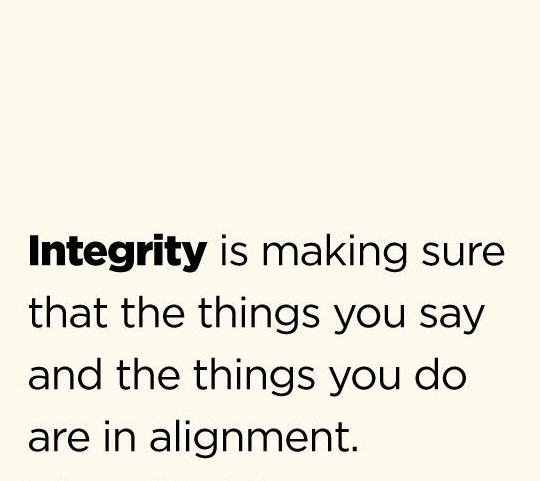
Integrity involves being honest and having strong moral principles. It is about doing the right thing, even when no one is watching. A person who walks with integrity is consistent in their values and actions, regardless of their socio-economic status.

The mention of poverty is significant. It underscores that integrity is not contingent upon wealth. In a society where material success is often equated with virtue, this verse serves as a reminder that true worth is measured by character, not possessions.

2. The Perverse of Speech Who is a Fool:

Perverse speech refers to dishonest, deceitful, or corrupt language. It represents a departure from truth and integrity. A person who engages in such speech is described as a fool—a term frequently used in Proverbs to denote someone who rejects wisdom and moral discipline.

The foolishness here is not just about a lack of intelligence but a moral failing. It is about choosing a path of dishonesty and deception, which ultimately leads to ruin.

The Teachings and Significance

This verse offers several key teachings relevant to our lives today:

1. Integrity Over Wealth:

In a world that often glorifies wealth and success, this proverb shifts our focus to the more enduring value of integrity. It reminds us that being honest and upright is more commendable and ultimately more rewarding than accumulating riches through dishonest means.

2. The Power of Words:

Speech is a powerful tool that can either build or destroy. This verse cautions against the use of perverse speech, highlighting that what we say reflects our inner character. Being careful with our words and ensuring they align with truth and kindness is essential.

3. True Wisdom:

The biblical definition of a fool is not merely someone lacking in knowledge but someone who actively chooses the wrong path. True wisdom, therefore, is not just about what we know but how we live. Walking in integrity is a sign of true wisdom.

4. Universal Application:

The message of this proverb transcends time and culture. Whether in ancient times or the modern era, the principle that integrity is better than deceit remains relevant. It speaks to the universal human experience and the timeless pursuit of a righteous life.

Practical Application

Self-Reflection:

Take time to evaluate your actions and words. Are they aligned with your values? Are you walking in integrity, even when it is challenging or when no one is watching?

Commitment to Truth:

Make a conscious effort to be truthful in your speech. Avoid exaggeration, deceit, and harmful words. Strive to speak with honesty and kindness.

Valuing Character Over Material Success:

Reassess what you consider important in life. While it is natural to seek financial stability, ensure that this pursuit does not compromise your integrity. Remember that true success is rooted in character.

Role Modeling:

Lead by example. Show others the importance of integrity through your actions. Your commitment to honesty can inspire others to follow suit.

Conclusion

Proverbs 19:1 offers a profound lesson on the value of integrity and the folly of deceitful speech. It challenges us to prioritize our moral character over material wealth and to use our words wisely. By embracing these teachings, we can navigate life with wisdom, honour, and a clear conscience, ultimately leading to a more fulfilling and righteous existence.

Explore Deeper:

Rise&Inspire: Dig into a collection of thought-provoking articles and reflections to expand your spiritual horizons. (https://riseandinspire.co.in/)

RiseNinspireHub: Visit our hub for all our blog posts.

View All My Posts: Read more inspiring content.

Contact Us:

For further inquiries, please feel free to reach out to us at Email:kjbtrs@riseandinspire.co.in

Today’s post is inspired by the wisdom of His Excellency, the Rt. Rev. Dr Selvister Ponnumuthan, Bishop of Punalur, Kerala, India, reflects on the profound message of Proverbs 19:1:

Can Repentance and Prayer Really Lead to Healing?

How Can Good Deeds and Moral Integrity Contribute to Our Health?

Sirach 38:9-10 offers valuable wisdom on dealing with illness, blending spiritual guidance with moral reflection.

The verse reads:

“My child, when you are ill, do not delay, but pray to the Lord, and he will heal you. Give up your faults and direct your hands rightly, and cleanse your heart from all sin.”

Explanation and Exploration

1. Prayer and Divine Healing:

When you’re sick, the verse urges you to pray to God without delay. It highlights the importance of turning to God for healing, emphasizing reliance on divine intervention.

This reflects the belief that God’s power is ultimate and that faith can play a crucial role in recovery. It suggests that prayer is a sincere plea for divine assistance, not just a ritual.

2. Self-Examination and Repentance:

The instruction to “give up your faults” suggests that illness is a time for personal reflection and repentance. It views illness as an opportunity to introspect and correct one’s behaviour.

This implies that healing involves addressing not just physical symptoms but also spiritual and moral shortcomings.

3. Righteous Actions:

“Direct your hands rightly” means engaging in just and ethical actions. It underscores the importance of aligning one’s actions with moral principles.

This suggests that living a righteous life contributes to overall well-being and is part of seeking healing.

4. Purification of the Heart:

The call to “cleanse your heart from all sin” highlights the need for inner purification. This involves seeking forgiveness, making amends, and striving for a pure heart.

It aligns with the broader biblical theme that spiritual health is interconnected with physical health.

Teachings

Integration of Faith and Healing: The verse teaches that faith and prayer are integral to the healing process. It suggests seeking both medical treatment and spiritual practices for healing.

Moral and Ethical Living: It emphasizes that moral integrity and ethical living are vital for health. Personal faults and sins are seen as barriers to well-being that need to be addressed.

Holistic Approach to Health: The verse promotes a holistic approach, considering physical, spiritual, and moral dimensions as interconnected aspects of health.

Personal Responsibility: It underscores personal responsibility in the healing process. Individuals are encouraged to actively seek healing through prayer and by making positive changes in behaviour and attitude.

In essence, Sirach 38:9-10 provides a comprehensive perspective on dealing with illness. It intertwines spiritual faith, moral rectitude, and personal responsibility, encouraging believers to engage in a healing process that includes prayer, ethical conduct, and inner purification.

Sirach 38:9-10 offers wisdom on how to handle illness through spiritual and moral actions.

A summary of different interpretations and suggestions for further study:

Viewpoints

1. Spiritual Healing:

This perspective highlights the importance of prayer and faith in God as essential components of healing. It suggests that divine intervention plays a crucial role in recovering from illness.

2. Moral and Ethical Reflection:

Illness is seen as a time for introspection and repentance. This viewpoint stresses the need to confront and rectify personal faults and sins to facilitate healing.

3. Holistic Approach:

This interpretation considers health as an integration of physical, spiritual, and moral well-being. It advocates for a comprehensive approach that includes medical care, prayer, and ethical living.

4. Personal Responsibility:

The verse emphasizes the individual’s responsibility in the healing process. It encourages people to seek healing through prayer and by making positive changes in their behaviour and attitudes.

Scientific Relevance to the Verses

The verses from Sirach 38:9-10 can be explored through the lens of scientific research on the mind-body connection and the benefits of holistic health practices:

1. Prayer and Meditation:

Studies have shown that prayer and meditation can reduce stress, improve mental health, and even have positive effects on physical health. Techniques such as mindfulness and meditation have been scientifically proven to lower blood pressure, reduce anxiety, and enhance overall well-being.

2. Moral and Ethical Living:

Research in psychology suggests that living ethically and resolving guilt through self-reflection and repentance can lead to improved mental health. Practices like forgiveness and moral alignment can reduce stress and promote a sense of peace, which is beneficial for physical health.

3. Holistic Health Approaches:

Holistic health practices, which include addressing spiritual, emotional, and physical aspects of well-being, are increasingly recognized in medical fields. Integrative medicine, which combines traditional medical treatments with alternative therapies, acknowledges the importance of treating the whole person.

4. Personal Responsibility in Health:

Taking an active role in one’s health, through lifestyle changes such as proper nutrition, exercise, and stress management, is supported by extensive research. Engaging in these practices can prevent and manage a variety of health conditions.

By integrating spiritual practices, moral reflection, and personal responsibility, the guidance in Sirach 38:9-10 aligns with contemporary holistic health approaches, which are supported by scientific evidence showing the interconnectedness of mental, spiritual, and physical health.

References for Further Study

1. Commentaries on Sirach:

To gain more insight into Sirach, you can refer to commentaries by scholars such as Patrick W. Skehan and Alexander A. Di Lella, which provide detailed analysis and context.

2. Faith and Healing:

Books like “The Healing Power of Prayer” by Chester Tolson and Harold G. Koenig explore the relationship between faith and the healing process.

3. Biblical Ethics:

Old Testament Ethics for the People of God” by Christopher J.H. Wright delves into the moral teachings of the Bible, providing a broader context for understanding the ethical dimensions of the text.

4. Spirituality and Health:

For a discussion on the integration of spirituality and health, “Spirituality and Health: Multidisciplinary Explorations” by Augustine Meier and Thomas St. James O’Connor offers a comprehensive look at how these elements intersect.

These resources will help you explore the various interpretations and deepen your understanding of Sirach 38:9-10.

🌷Every morning, I am blessed with an inspiring wake-up call from His Excellency, the Rt. Rev. Dr. Selvister Ponnumuthan, the Bishop of Punalur in Kerala, India.

Today’s blog post draws inspiration from the beautiful verses he shared in his morning message.

Explore Deeper Insights at Rise&Inspire

Expand your spiritual horizons and deepen your understanding with our collection of thought-provoking articles and reflections.

Visit: RiseNinspireHub

View All My Posts

For further inquiries or to share your thoughts, please feel free to contact us:

Email: kjbtrs@riseandinspire.co.in

A Message of Gratitude

Thank You for 100 Likes

Dear Readers,

I am happy to share that thanks to your incredible support, we’ve reached a milestone of 100 likes on Tumblr! 🎉🌟 Your engagement, encouragement, and inspiration have been the driving force behind this small achievement, and I am deeply grateful for each and every one of you who has contributed to our community.

Whether you’ve liked, shared, commented, or simply been a silent supporter, your presence has made a difference and has helped us grow. Together, we’re creating a space filled with positivity, motivation, and inspiration to uplift each other.

Let’s continue to Rise&Inspire one another as we journey forward. Here’s to many more milestones and moments of connection ahead!

With heartfelt gratitude,

Rise&Inspire

Celebrating Milestones with RISE&INSPRE magazine on Flipboard.

250 New Stories Added

Hello Rise&Inspire Readers,

Exciting news! We’ve just added 250 new stories to our magazine on Flipboard.

Each story is chosen to make you feel inspired and motivated.

We want to say a big thank you to all of you for being part of our Rise&Inspire community.

Your support means a lot to us!

Let’s celebrate this small achievement together. Every story we add brings us closer to our goal of inspiring each other.

Thank you for being part of Rise&Inspire!

Best wishes,

Rise&Inspire Team

Algorithmic Oversight

Lessons Learned from Pinterest

Dear Rise&Inspire Readers, In the age of digital platforms and algorithmic decision-making, we often find ourselves at the mercy of automated systems that dictate what content we can access and share.

Recently, I experienced firsthand the potential pitfalls of relying solely on algorithms to enforce community guidelines.

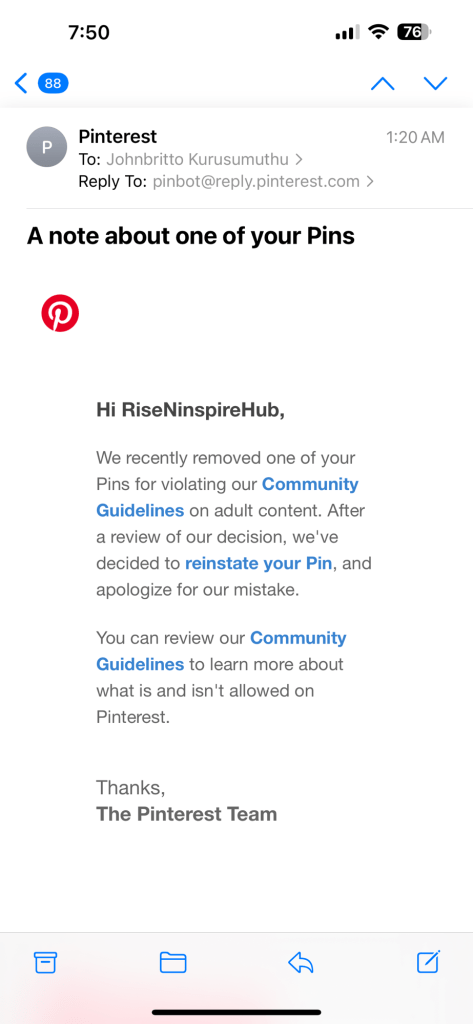
A few days ago, I received a concerning email from Pinterest informing me that one of my Idea Pins had been removed from my board “Quick Saves” due to a violation of their Community Guidelines on adult content.

Shocked and puzzled, as I was confident no such content existed on my board, I decided to appeal the decision. To my relief, Pinterest swiftly responded to my appeal, acknowledging their mistake and reinstating the Pin.

Their email was apologetic, admitting that after a review of their decision, they recognized the error. This incident shed light on the fallibility of algorithms and the importance of human oversight in content moderation processes.

While algorithms are undoubtedly valuable tools for managing the vast amount of content shared on platforms like Pinterest, they are not infallible.

They can misinterpret context, exhibit biases, and make mistakes, as evidenced by my recent experience.

As users, it’s crucial to be vigilant and proactive in challenging algorithmic decisions that seem unjust or inaccurate.

Moreover, this incident highlights the significance of platforms being transparent about their moderation processes and providing avenues for users to appeal decisions.

Pinterest’s prompt response and willingness to correct their error are commendable, but not all platforms may offer such responsiveness.

In conclusion, let us use this experience as a reminder to approach algorithmic decisions with caution and advocate for accountability and transparency in content moderation practices.

Together, we can strive to create online spaces that are fair, inclusive, and free from algorithmic errors.

Warm regards,

Rise&Inspire

Blog Post Performance Analysis

Blog Post Performance Analysis

Blog Post Performance

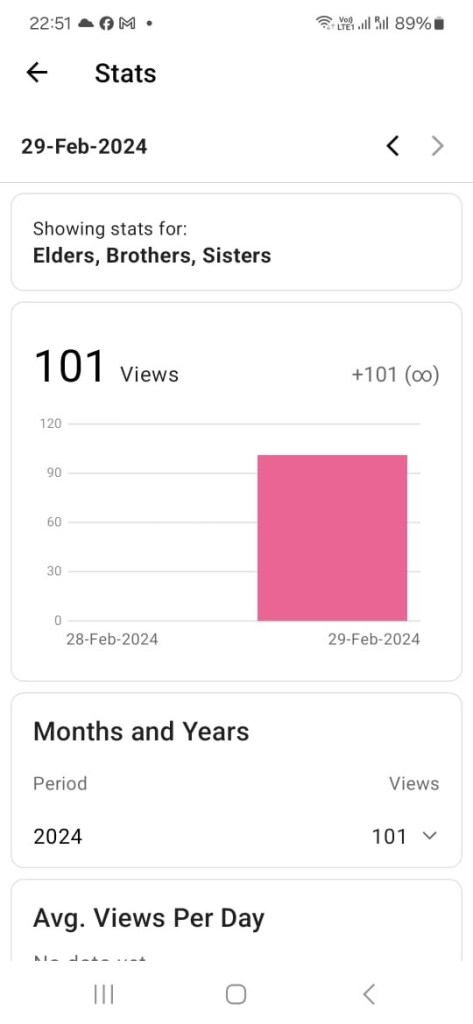
The blog post “elders, brothers, sisters” was published yesterday at around 9 AM.

By 10:52 PM on the same day, the post received 101 views, indicating a significant level of interest within the first day of publication.

Comparison with “Wake-up Calls” Category

The blog post “elders, brothers, sisters” was created in response to “wake-up calls.”

It is noted that “wake-up calls” received more views compared to other categories of blog posts, suggesting that this topic resonates well with the audience.

Explore more insights from Rise&Inspire

# The Evolution of IQ Testing

The Path to Wisdom

From 20s to 60s and Beyond

As you move through the different phases of your life, starting from your 20s all the way up to your 60s and beyond, you encounter different experiences and learn valuable lessons from each of them. However, it is in your 60s and beyond where you truly achieve a level of wisdom and expertise in dealing with life’s challenges. This is because experience reinforces this truth.

You can witness this affirmation firsthand by watching the video.

Explore more insights from Rise&Inspire

# Witchcraft

The Pursuit of Satisfaction vs. Success: A Personal Reflection

The Pursuit of Satisfaction vs. Success: A Personal Reflection

The image is visually appealing and evokes a sense of peace and tranquillity.
This is in line with the message of the blog post, which is that the pursuit of satisfaction is not about achieving external validation or material possessions.
It is about finding joy in the present moment and living a life that is true to yourself and your values.

In a world that often equates success with happiness, it’s easy to overlook the profound impact of inner satisfaction. This reflection delves into the journey of aligning personal values with daily actions, highlighting how true fulfillment arises not from external achievements but from a deep sense of contentment and purpose.

Introduction

In our world, success is often measured by external accomplishments, such as wealth, fame, and status. But is success truly the key to a happy and fulfilling life? Or does true happiness lie in the pursuit of satisfaction and contentment?

What is success?

Success is a subjective concept, and its definition varies widely from person to person.

For some, success means achieving a high level of professional success or financial security. For others, it means having a loving family and close friends. Still, others define success as making a positive impact on the world or living a life according to their values.

What is satisfaction?

Satisfaction is a feeling of contentment and fulfilment. It comes from knowing that you are living your life in a way that is true to yourself and your values. It also comes from having a sense of purpose and meaning in your life.

The pursuit of satisfaction vs. success

The pursuit of satisfaction and success are not mutually exclusive. They are complementary. When we pursue our goals and ambitions with a sense of purpose and meaning, we are more likely to achieve satisfaction in our lives.

However, it is important to remember that success alone does not guarantee happiness. Many people who have achieved traditional markers of success, such as wealth and fame, still report feeling unfulfilled and unhappy.

The importance of balance

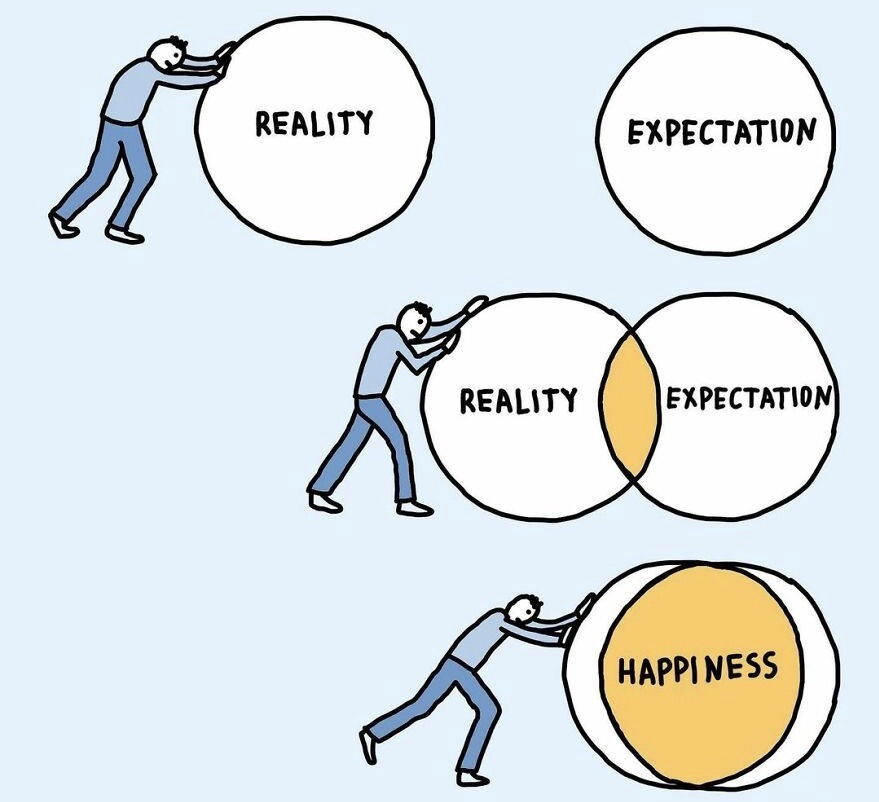
The key to a happy and fulfilling life is to find a balance between the pursuit of satisfaction and success.

This means setting realistic goals and expectations, and not sacrificing your well-being in the pursuit of external validation.

It also means taking the time to appreciate the simple things in life and cultivate relationships with the people who matter most to you.

Conclusion

The pursuit of a satisfied life is a journey, not a destination. It is about finding joy in the present moment and appreciating the unique gifts that each of us possesses.

As we navigate this journey, let us remember that success is not the key to happiness.

Happiness is the key to success.

References

Lyubomirsky, S., King, L., & Diener, E. (2005). The benefits of frequent positive affect: Does happiness lead to success? Psychological Bulletin, 131(6),803–855.

Emmons, R. A., & McCullough, M. E. (2003). Counting blessings versus burdens: An experimental investigation of gratitude and subjective well-being in daily life. Journal of Personality and Social Psychology, 84(2), 377–389.

Website: Home | Blog | About Us | Contact| Resources

Satisfaction

The woman in the image is enjoying the beauty of nature and the simple things in life. This image helps to inspire readers to pursue a more satisfying life.
The Key to a Fulfilling Life

In a world that often equates success with happiness, it’s easy to overlook the profound impact of inner satisfaction. This reflection delves into the journey of aligning personal values with daily actions, highlighting how true fulfilment arises not from external achievements but from a deep sense of contentment and purpose.

The statement “A satisfied life is better than a successful life because our success is measured by others, but our satisfaction is measured by our soul, mind and heart” highlights the important distinction between success and satisfaction.

Success is often externally defined, and measured by societal standards such as wealth, career achievements, recognition, or accomplishments. It is often about how others perceive you and your achievements. This external validation is fleeting and subject to others’ opinions and expectations.

Satisfaction, on the other hand, is internally defined. It is a deeply personal and subjective measure of contentment and well-being, determined by your sense of fulfilment, happiness, and alignment with your values and goals. Satisfaction is more about how you feel within yourself, irrespective of external judgments.

Why is satisfaction more important than success?

First, satisfaction is sustainable. When you are satisfied with your life, you are more likely to experience lasting joy and contentment. Success, on the other hand, is fleeting. Once you achieve a goal, you quickly move on to the next one, never feeling fully satisfied.

Second, satisfaction is empowering. When you are satisfied with your life, you are less dependent on external validation. You know that you are enough, regardless of what others think. This gives you a sense of inner strength and resilience.

Third, satisfaction is fulfilling. When you are living a life that is aligned with your values and goals, you are more likely to experience true fulfilment. You will feel a sense of purpose and meaning in your life.

How to achieve a satisfied life

Identify your values and goals. What is important to you? What do you want to achieve in your life? Once you know what you value and want to achieve, you can start to make choices that align with your values and goals.

Live in the present moment. It is easy to get caught up in the past or future, but the only moment that truly matters is the present. Make a conscious effort to be present in your everyday life and appreciate the little things.

Practice gratitude. Gratitude is one of the most powerful emotions you can experience. When you are grateful for what you have, you focus on the positive aspects of your life and attract more good things into your life.

Give back to others. Helping others is a great way to find meaning and purpose in your life. When you give back to others, you make a difference in the world and feel good about yourself.

Remember, satisfaction is a journey, not a destination. It is something that you have to work on every day. But if you are willing to put in the effort, you can create a life that is truly fulfilling and satisfying.

Explore more insights from Rise&Inspire

What Makes Life a Beautiful and Complex Journey?

www.linkedin.com/feed/update/urn:li:activity:7021324593751625728

Life is a complex and beautiful journey. It is a journey full of experiences and emotions, both good and bad. It is a journey that grants us the opportunity to learn, grow, and connect with others.

Life is a beautiful yet complex journey filled with lessons, emotions, and growth. Discover how every experience shapes who we become.