Is Anything Too Difficult for the Lord?

Insights from Genesis 18:14a

Introduction

In the book of Genesis, we encounter a profound question that transcends time and faith traditions: “Is anything too difficult for the Lord?” (Genesis 18:14a). These words invite us to explore the limitless power and sovereignty of the divine.

In this blog post, we will explain this scripture, drawing insights from the Bible itself and notable literary works that reflect upon the awe-inspiring question.

The Biblical Context

Genesis 18 unfolds a remarkable encounter between Abraham and three mysterious visitors who foretell the birth of a son to his elderly wife, Sarah. When Sarah overhears this promise, she laughs incredulously. It is in response to her scepticism that the question arises: “Is anything too difficult for the Lord?” This question underscores the divine ability to bring about the impossible, emphasizing faith and trust in God’s providence.

Divine Omnipotence

The phrase “too difficult for the Lord” highlights God’s omnipotence, a recurring theme in the Bible. Psalm 147:5 declares, “Great is our Lord and mighty in power; his understanding has no limit.” It reminds us that God’s abilities are beyond human comprehension, and nothing is beyond His reach.

Literary Reflections

Literature, too, has grappled with the concept of divine omnipotence. In Fyodor Dostoevsky’s novel “The Brothers Karamazov,” the character Ivan challenges the existence of an all-powerful, all-loving God in the face of human suffering. This novel prompts readers to ponder the same question posed in Genesis 18:14a within the context of life’s complexities.

Faith and Trust

At its core, the question reflects the importance of faith and trust in the divine. The Bible is replete with examples of people who placed their trust in God’s power and saw the miraculous come to pass. Abraham himself, despite his initial doubts, eventually trusted in God’s promise and became the father of nations.

Application in Everyday Life

While the question arises in a biblical narrative, its relevance extends to our everyday lives. It challenges us to examine our faith and trust in the face of seemingly insurmountable challenges. It makes us think that even when circumstances appear impossible, God’s power is unfathomable.

Conclusion

“Is anything too difficult for the Lord?” is a question that transcends time and resonates across faith traditions. It invites us to contemplate the boundless power of the divine, emphasizing faith, trust, and the miraculous. Whether encountered in the sacred pages of scripture or the narratives of great literature, this question helps as a reminder of the limitless possibilities that await those who place their trust in the Almighty.

References

The Bible – Genesis 18:14a

Psalm 147:5

“The Brothers Karamazov” by Fyodor Dostoevsky

🌹Each morning, I receive an inspiring wake-up call from His Excellency, the Rt. Rev. Dr. Selvister Ponnumuthan, the Bishop of Punalur in Kerala, India. Today’s blog post draws inspiration from the verses he shared in his morning message.

Explore more insights at Rise&Inspire

Building Bridges, Not Barriers: The Power of Reconciliation

Building Bridges, Not Barriers: The Power of Reconciliation:

An image of a hug, symbolizing love and acceptance.

In the journey of life, we often find ourselves faced with conflicts and disagreements. These clashes are as challenging to overcome as the mighty walls of a fortified city. The Bible, in Proverbs 18:19, beautifully captures this truth when it says, “A brother who is offended is harder to win than a strong city, and quarrels are like the bars of the Citadel.” This ancient wisdom still holds immense relevance today, teaching us the profound value of reconciliation and the art of healing wounded relationships.

Throughout history, we find stories of reconciliation that inspire us to bridge divides and foster harmony. One such powerful narrative is that of Joseph from the Bible. Joseph’s brothers, consumed by jealousy, sold him into slavery. Despite the hardships he endured, Joseph forgave his brothers when they came seeking help during a famine. His forgiveness and reconciliation with his family stand as proof of the transformative power of forgiveness.

Similarly, in the New Testament, we encounter the parable of the prodigal son. When the wayward son returns home, expecting nothing but judgment, his father embraces him with open arms, symbolizing the unconditional love and forgiveness of God. This parable reminds us that reconciliation is a profoundly healing and transformative experience.

Beyond the Bible, we find wisdom in the works of great thinkers and leaders. Mahatma Gandhi, who advocated for nonviolent resistance, once said, “You must be the change you wish to see in the world.” This quote reminds us that reconciliation begins with us, as individuals, choosing forgiveness over resentment, empathy over judgment, and love over hatred.

So, how can we apply these lessons of reconciliation in our own lives? It starts with humility and a willingness to let go of our pride. It involves seeking to understand the perspective of the other person and empathizing with his feelings. It requires forgiveness, not just for his sake but for our peace of mind. And it culminates in the restoration of relationships that were once fractured.

The wisdom of Proverbs 18:19 teaches us that winning over an offended brother is akin to conquering a strong city. But with the power of forgiveness, empathy, and reconciliation, we can break down the bars of the citadel and build bridges of understanding and love.

Let us be inspired by the stories of Joseph, the prodigal son, and the teachings of great leaders like Gandhi to embrace reconciliation in our lives. By doing so, we can not only heal our wounds but also contribute to a more harmonious and compassionate world.

🌹Each morning, I receive an inspiring wake-up call from His Excellency, the Rt. Rev. Dr. Silvester Ponnumuthan, the Bishop of Punalur in Kerala, India. Today’s blog post draws inspiration from the verses he shared in his morning message.

Explore More:

Rise&Inspire: Discover articles and reflections for spiritual growth.

RiseNinspireHub: Visit our hub for all blog posts.

View All My Posts: Read more inspiring content.

Contact Us: For inquiries, email us at kjbtrs@riseandinspire.co.in.

How Can Love Become the Guiding Light of Your Life?

A Guiding Light in Our Lives

In a world often marked by division and strife, there exists a timeless and profound truth that transcends boundaries, religions, and cultures: the power of love. The verses from 1 John 2:9-11 beautifully remind us of this eternal wisdom, that love is the guiding light that illuminates even the darkest corners of our lives.

Love as a Beacon of Light

Imagine a world where love reigns supreme, where compassion and understanding are the norm rather than the exception. These verses invite us to contemplate such a world, where the darkness of hatred and division has no place. Love, in its purest form, has the incredible ability to cast out the shadows of hatred and illuminate our path.

Love is a beacon of light that shines through the darkness, a force for good that transforms our lives and the world around us. It is the foundation of all true happiness and fulfilment, and it is the only thing that truly unites us as a global community.

Love’s Impact on Our Lives

When we embrace love and let it guide our actions and decisions, we find ourselves walking in the light. This light is not merely an external illumination but an internal one, a sense of peace and purpose that radiates from within.

When we love our brothers and sisters, when we extend a hand of friendship rather than one of enmity, we experience a profound transformation. Love has the power to elevate our souls, to connect us on a deeper level with our fellow human beings. It brings joy, fulfilment, and a sense of belonging.

Love also has the power to heal our wounds, to forgive those who have wronged us, and to let go of the past. When we love, we open our hearts to the possibility of new beginnings and new possibilities.

Overcoming the Darkness

Conversely, the verses warn us about the consequences of harbouring hatred. Hatred, like a thick fog, blinds us to the beauty of life, rendering us lost and disoriented. It’s a darkness that consumes us from within, clouding our judgment and preventing us from experiencing the true essence of our existence.

When we give in to hatred, we become prisoners of our anger and bitterness. We lose sight of what is truly important in life, and we become trapped in a cycle of negativity and violence.

The Power of Choice

But here’s the good news: We have the power to choose. We choose love over hatred, light over darkness. It all begins with a simple decision to let love be our guide. By loving one another, we not only improve our own lives but also contribute to a world that sorely needs more love and understanding.

Conclusion

The verses from 1 John 2:9-11 serve as a timeless reminder that love is the guiding light, the beacon of hope, and the ultimate source of enlightenment.

Let us strive to love one another, to be a force for good, and to walk in the light. By doing so, we not only find our way in this world but also help others discover theirs.

Love has the power to transform us, our communities, and the world at large. It’s time to let love lead the way.

🌹Each morning, I receive an inspiring wake-up call from His Excellency, the Rt. Rev. Dr. Silvester Ponnumuthan, the Bishop of Punalur in Kerala, India. Today’s blog post draws inspiration from the verses he shared in his morning message.

Explore more insights from Rise&Inspire

The Joy of Selflessness

The Joy of Selflessness
This image shows someone being kind and compassionate to someone less fortunate, which is an act of selflessness.

The Bible verse Philippians 2:4-5 is a powerful reminder of the importance of selflessness. It says, “Do not merely look out for your interests, but also for the interests of others. Have this attitude in yourself which was also in Christ Jesus.”

This verse is often interpreted as a call to humility and service. It prompts us that we should not be focused on our own needs and desires alone but on the needs and desires of others as well. When we live with this attitude, we make a real difference in the world.

There are many ways to live a life of selflessness. The following are a few ideas:

šŸ•ŠBe kind to others. This means something as simple as holding the door open for someone or letting someone go ahead of you in line.

šŸ•ŠVolunteer your time. Many organizations need volunteers, such as soup kitchens, homeless shelters, and animal shelters.

šŸ•ŠDonate to charity. Many charities are working to make the world a better place. Your donation helps them make a difference.

šŸ•ŠBe a good listener. When someone is talking to you, really listen to what they are saying. Don’t just wait for your turn to talk.

šŸ•ŠForgive others. Holding onto grudges and resentments will only hurt you in the long run. Forgive others and move on.

When we live a life of selflessness, we are following the example of Jesus Christ. He came to earth to serve others, not to be served. He sacrificed his own life for our salvation. We can never fully imitate Jesus’ selflessness, but we can strive to live like him.

The power of selflessness is truly amazing. When we put the needs of others before our own, we create a more compassionate and loving world. We also experience greater joy and fulfilment in our own lives.

So let’s all strive to live the attitude of Christ. Let’s be kind, compassionate, and selfless. Let’s make the world a better place, one act of kindness at a time.

I hope this blog post has inspired you to think about the power of selflessness and how you can incorporate it into your own life.

Thank you for reading!

🌹Each morning, I receive an inspiring wake-up call from His Excellency, the Rt. Rev. Dr. Silvester Ponnumuthan, the Bishop of Punalur in Kerala, India. Today’s blog post draws inspiration from the verses he shared in his morning message.

Visit Rise&Inspire for more inspiration

Can Humility Transform Relationships As Philippians 2 Suggests?

Lessons from Philippians 2:3

In a world that often celebrates self-promotion and individualism, the concept of humility seems like a forgotten virtue. However, the words of Philippians 2:3 remind us of the enduring significance of humility: “Do nothing from selfishness or empty conceit, but with humility consider one another as more important than yourself.”

In this blog post, we’ll explore the profound wisdom contained in this biblical verse and its relevance in today’s society.

The Essence of Humility

Humility, as defined in this verse, is the antithesis of selfishness and empty conceit. It’s the art of setting aside our ego and acknowledging the worth of others. In essence, it calls us to cultivate a genuine concern for the well-being of those around us.

Rejecting Selfishness

Selfishness is a pervasive force that erodes relationships and hinders personal growth. Philippians 2:3 reminds us that true humility involves a conscious decision to steer clear of self-serving motives. Instead, it encourages us to look beyond ourselves and our desires, considering how our actions impact others.

Overcoming Empty Conceit

Empty conceit is a trap that blinds us to the value of others. It feeds our ego but leaves our souls empty. Humility challenges us to let go of the need to inflate our importance and, instead, see the worth in those we encounter. It’s about recognizing the intrinsic value in every person, irrespective of their social status or achievements.

The Practice of Humility

Now that we understand the essence of humility, how can we apply it in our daily lives?

Active Listening

One way to practice humility is through active listening. Take the time to truly hear what others are saying, seeking to understand their perspectives and feelings. By doing so, you communicate that their thoughts and emotions are valuable.

Acts of Service

Humility often finds expression in acts of service. Whether it’s helping a neighbour, volunteering in your community, or supporting a friend in need, these selfless actions demonstrate that you value others above yourself.

Gratitude

Expressing gratitude is another aspect of humility. When we acknowledge the contributions and kindness of others, we’re affirming their significance in our lives.

Conclusion

The message of Philippians 2:3 remains as relevant today as it was when it was written. In a world that often elevates self-centeredness and conceit, humility serves as a counterforce that strengthens relationships, fosters empathy, and promotes a more compassionate society.

By adopting the principles of humility outlined in this verse, we each play a part in making the world a better place, one humble act at a time.

🌹Each morning, I receive an inspiring wake-up call from His Excellency, the Rt. Rev. Dr. Silvester Ponnumuthan, the Bishop of Punalur in Kerala, India. Today’s blog post draws inspiration from the verses he shared in his morning message.

Transform Your Life with Rise&Inspire – Be part of our community, where uplifting vibes pave the way to success.

Can a Kind Word Mean More Than a Gift?

Insights from Sirach 18:16-17

In a world that often values material possessions and grand gestures, it’s easy to overlook the simple yet profound power of words. But as the Book of Sirach reminds us, “Does not the dew give relief from the scorching heat? So a word is better than a gift” (Sirach 18:16-17).

This passage compares the refreshing quality of dew to the power of words to comfort, encourage, and uplift. Just as dew provides much-needed relief from the heat, words bring solace, warmth, and hope to those who are struggling.

The passage goes on to say, “Indeed, does not a word surpass a good gift?” (Sirach 18:17). This suggests that the impact of well-chosen words far surpasses even the most lavish of presents.

This is because words have the power to touch our hearts and souls in a way that material possessions cannot. They build up our self-esteem, inspire us to achieve our goals and help us to connect with others on a deeper level.

Of course, words are used to hurt and destroy. But when used wisely, they are a powerful force for good in the world.

So, how can we use words to make a positive impact on the world around us?

A few tips are here

Be mindful of the power of your words. Remember that they have a profound impact on others, both positive and negative.

Choose your words carefully. Speak with kindness, compassion, and understanding.

Be honest and truthful. Words that are not true can damage relationships and erode trust.

Be supportive and encouraging. Words of affirmation can make a real difference in someone’s life.

Be forgiving. Everyone makes mistakes. Let go of grudges and resentments.

When we use our words wisely, we make the world a kinder, more compassionate place. Let’s all strive to be gracious individuals who use our words to build up others, not tear them down.

In a world that is often harsh and unforgiving, words of kindness and compassion are a balm to the soul. They remind us that we are not alone and that we are loved and cared for. They give us hope and strength to face whatever challenges come our way.

So let’s all be mindful of the power of our words and use them to make a positive difference in the world. Let’s be the kind of people who spread kindness and compassion wherever we go.

🌹Each morning, I receive an inspiring wake-up call from His Excellency, the Rt. Rev. Dr. Silvester Ponnumuthan, the Bishop of Punalur in Kerala, India. Today’s blog post draws inspiration from the verses he shared in his morning message.

Explore more insights from Rise&Inspire

What Does Proverbs 22:6 Teach About Raising Children?

The Importance of Raising Children in the Right Way:

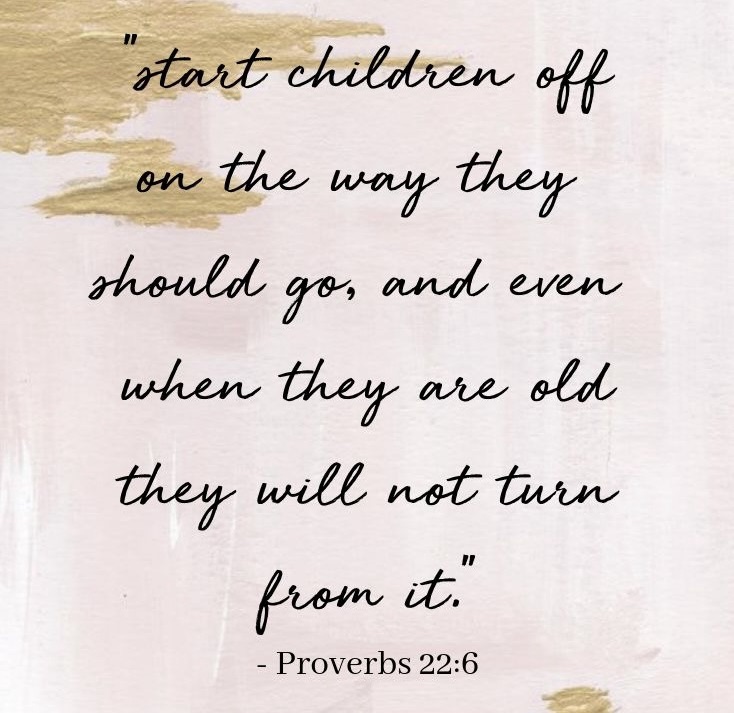
The proverb “Train up a child in the way he should go; even when he is old he will not depart from it” (Proverbs 22:6) is a popular verse that is often interpreted as a promise that if parents raise their children in a godly way, the children will always follow those principles. However, it is important to understand the verse in its original context. The Hebrew word translated as “train up” literally means “to dedicate” or “to set apart.” This suggests that the verse is not so much about a guarantee of future behaviour, but rather about the importance of parents setting their children on the right path from a young age.

The verse also does not specify what the “right way” is. This is because the concept of “right” is relative and varies depending on the person’s beliefs and values. However, the verse does suggest that parents should teach their children moral and ethical principles that will help them become good and responsible adults.

Of course, no parent guarantees that their child will always make the right choices. But by providing their children with a strong foundation in values and morals, parents give them the best possible chance of living a happy and fulfilling life.

Some specific ways that parents train their children in the way they should go:

Be a good role model. Children learn by watching the adults in their lives. If you want your children to be honest, trustworthy, and kind, then you need to model those qualities yourself.

Set clear expectations and rules. Children need to know what is expected of them. Be consistent in enforcing your rules, even when it is difficult.

Provide positive reinforcement. When your children do something good, be sure to praise them. This will help them to learn that good behaviour is rewarded.

Discipline appropriately. When your children make mistakes, discipline them in a way that is fair and consistent. Avoid physical punishment, which is harmful.

Talk to your children about values. Talk to your children about what you believe is important in life. This will help them to develop their own set of values.

Be patient and loving. Parenting is a challenging but rewarding journey. Be patient with your children and love them unconditionally.

This image represents the importance of parents spending time with their children and teaching them important values.

By following these principles parents help their children develop into healthy, happy, and responsible adults.

Each morning, I receive an inspiring wake-up call from Rt. Rev. Dr. Silvester Ponnumuthan, His Excellency the Bishop of Punalur in Kerala, India. Today’s blog post draws inspiration from the verses shared in his morning message.

Explore more insights from Rise&Inspire