Are You Learning From AI, Or Just Fooling Yourself?

“AI is your intellectual assistant, not your intellectual replacement.”

“Knowledge without application is like having a map but never taking the journey.”

“True mastery has never been about smooth, effortless progression. It’s about the willingness to struggle, the humility to be wrong, and the determination to bridge the gap between knowing and doing.”

{Every time you find yourself passively consuming AI-generated content, ask yourself: “Am I really learning, or am I just scrolling?”}

Are You Actually Learning, or Just Scrolling? A Guide to Meaningful AI Learning

You’ve probably been there – endlessly scrolling through AI-generated explanations, watching concept breakdowns, and feeling that satisfying rush of “understanding.” But here’s the uncomfortable truth: that feeling of comprehension might be more illusion than reality.

Think about the last time you used AI to learn something new. Did you just nod along, or did you actually put that knowledge to work? There’s a growing concern that we’re becoming “mental tourists” – observers who mistake the act of consuming information for genuine learning. It’s like believing you can learn to swim by watching YouTube videos from the comfort of your couch.

But don’t close your LLM tab just yet. AI isn’t the enemy of deep learning – it’s all in how you use it. Think of AI as your intellectual gym equipment: having access to it won’t automatically make you stronger, but with the right approach, it can amplify your growth dramatically.

Here’s how you can turn your AI interactions from passive consumption into active learning:

Embrace the Struggle

Remember when you learned to ride a bike? The wobbles, falls, and scraped knees were essential parts of the process. The same principle applies to learning with AI. Instead of just accepting its answers, challenge yourself first. Try solving problems on your own, make attempts (even imperfect ones), and use AI to validate or correct your approach. The cognitive friction you experience during this process isn’t an obstacle – it’s where real learning happens.

Make Friends with Being Wrong

When AI corrects your understanding, don’t just move on. This is your golden opportunity for growth. Ask yourself: “Why did I think differently? Where did my logic break down?” These moments of misconception are actually your brain’s renovation projects – tearing down faulty mental models and building stronger ones in their place.

Get Your Hands Dirty

Knowledge without application is like having a map but never taking the journey. For every concept you learn through AI, challenge yourself to find a real-world application. Learning about data structures? Build a small project using them. Studying a new language feature? Refactor some of your old code to incorporate it. The gap between understanding something in theory and applying it in practice is where your most valuable learning occurs.

Remember: AI is your intellectual assistant, not your intellectual replacement. It’s a powerful tool that can illuminate paths and provide guidance, but the actual journey of learning – with all its struggles, mistakes, and breakthroughs – has to be yours. Every time you find yourself passively consuming AI-generated content, ask yourself: “Am I really learning, or am I just scrolling?”

True mastery has never been about smooth, effortless progression. It’s about the willingness to struggle, the humility to be wrong, and the determination to bridge the gap between knowing and doing. So the next time you fire up your favourite AI tool, remember: you’re not there to be a tourist. You’re there to be a builder, a problem-solver, and most importantly, a genuine learner.

Your AI tools are ready to help you learn – but are you ready to do the real work of learning?

Stay Connected:

🌐 Home | Blog | About Us | Contact| Resources

📱 Follow us: @RiseNinspireHub

© 2025 Rise&Inspire. All Rights Reserved.

Word Count:626
How Can You Turn Pain into Power?

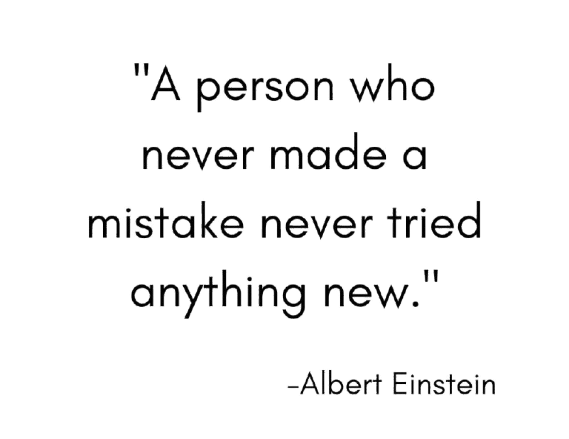
Mistakes do not define who we are—they reveal areas where we can improve.

The Hidden Battles We Fight: Finding Strength Amidst Struggles

Have you ever felt invisible in your moments of pain, sadness, or tears? Yet, the world seems to magnify your mistakes as if they define you. It’s a harsh reality many of us face, but within this truth lies an opportunity to rise above judgment and step into our power.

“No one notices your tears, no one notices your sadness, no one notices your pain. But they all notice your mistakes.”

This saying resonates deeply because it reflects the imbalance in how our vulnerabilities and flaws are perceived. While our struggles often go unnoticed, our errors can feel like spotlights exposing us to criticism. But instead of being discouraged by this reality, what if we turned it into motivation to grow stronger and more resilient?

Shifting Focus: From Mistakes to Mastery

Mistakes do not define who we are—they reveal areas where we can improve. Like a sculptor chiseling away imperfections to reveal a masterpiece, every stumble we face is an opportunity to refine ourselves.

Think about it: Tears and sadness may be hidden from others, but they are not hidden from us. They shape our inner strength, teaching us lessons that become the foundation of our growth. On the other hand, mistakes bring attention not because they represent failure but because they highlight moments of learning and progress.

What truly matters is how we respond. Do we dwell on the pain of being judged, or do we rise with renewed determination to prove to ourselves—not others—what we are capable of?

Turning Criticism into Motivation

Mistakes can feel like wounds, but they can also be the seeds of transformation. Just as a seed must be buried in darkness before it sprouts, our setbacks often prepare us for breakthroughs.

Instead of fearing mistakes, we can embrace them as stepping stones toward success. The world may not see your silent struggles, but it will eventually witness the strength you build through them.

When you focus on self-growth, the noise of criticism fades, and your actions begin to speak louder than any judgment.

Reflection: Own Your Story

Take a moment to reflect on your journey. Are there mistakes you’ve been afraid to face or struggles you’ve kept hidden? It’s time to acknowledge them—not as weaknesses but as catalysts for growth.

Remember, the world may not notice your silent battles, but that doesn’t make them insignificant. Your progress doesn’t need applause to be real. What matters is how you rise after falling and how you continue to evolve despite the odds.

Don’t let fear of mistakes hold you back. Let them shape you, refine you, and inspire you to become the best version of yourself.

Just as the most beautiful diamonds are created under pressure, your challenges and mistakes are preparing you for a brighter, more resilient future.

Stay Connected:

🌐 Home | Blog | About Us | Contact| Resources

📱 Follow us: @RiseNinspireHub

© 2025 Rise&Inspire. All Rights Reserved.

Word Count:526

Are You Cultivating the Right Mindset for Success?

The Power of Self-Awareness: Navigating Life with Purpose

Life is a journey of constant learning, growth, and self-discovery. Every moment presents an opportunity to refine our character, strengthen our relationships, and align ourselves with the success we seek. But how often do we stop and consider the importance of our mindset in shaping the outcomes of our lives?

Mind Your Thoughts, Even When Alone

When you’re alone, your mind is free to wander, yet it’s in these quiet moments that your thoughts shape your future. Are you focused on growth and positivity, or do you entertain doubts and negativity? The power of your thoughts cannot be underestimated—what you think often manifests into what you experience. So, when you’re by yourself, mind your thoughts. Fill your mind with gratitude, hope, and visions of success, for these will guide your path forward.

Mind Your Words, Especially With Friends

The company you keep greatly influences your life. When you’re with friends, it’s easy to be swept up in conversations that may not always serve your highest good. What do you speak about when you’re with others? Are your words uplifting and motivating, or do they sow seeds of doubt and negativity? Mind your tongue. Speak words that inspire, encourage, and bring people closer to their potential. In doing so, you not only empower others but yourself as well.

Mind Your Temper in Times of Anger

Anger is a natural emotion, but how we respond to it defines our character. In moments of frustration, it’s easy to lose control, but it’s important to remember that anger only clouds our judgment. When you feel anger rising, pause, breathe, and mind your temper. The way you handle conflict can either strengthen or break relationships. Responding with calmness and understanding will not only help you maintain peace but will also attract harmony into your life.

Mind Your Behaviour in Groups

When you’re part of a group, your actions speak louder than words. How do you conduct yourself when surrounded by others? Do you uplift, support, and encourage those around you, or do you contribute to negativity? Mind your behaviour, for it leaves a lasting impression. The energy you bring into any situation often determines how you are received by others and how you feel about yourself. Approach every group interaction with kindness, patience, and empathy.

Mind Your Emotions in Times of Trouble

Trouble comes for all of us. When life presents challenges, it’s easy to let your emotions take over. However, it’s important to maintain emotional control, especially during difficult times. Mind your emotions in times of trouble, for how you react can make all the difference. Stay grounded, find inner peace, and trust that every storm passes. The ability to manage your emotions will help you navigate any obstacle and move closer to the success you desire.

Mind Your Ego When Blessings Arrive

Success, growth, and blessings are wonderful, but they can sometimes inflate our egos if we’re not careful. As God blesses you with new opportunities, achievements, and abundance, always remember to stay humble. Mind your ego. Humility is the key to sustaining success and growing even more. When you remain grounded and thankful, you open yourself up to receiving even more blessings and attracting the right people and opportunities into your life.

Reflection: Are You Cultivating the Right Mindset?

Take a moment to reflect on these guidelines. How often do you mind your thoughts, words, actions, and emotions? Are you living intentionally and nurturing the right mindset for success? By cultivating self-awareness in every aspect of your life, you create an environment where success, peace, and fulfilment can naturally flow to you.

Stay Connected:

🌐 Home | Blog | About Us | Contact| Resources
Social Media: @RiseNinspireHub
© 2024 Rise&Inspire. All Rights Reserved.

Word Count:637

Why Is the Fear of the Lord Considered the Path to Wisdom?

Discovering Wisdom Through Sirach 1:26-27

Outline

1. Introduction

Personal reflection or story

2. Meaning and Significance

Explanation of the verse

Real-life examples of wisdom and humility

Expert commentary and insights

3. Exploration of the Verse

Practical applications and actionable tips

Comparative analysis with other wisdom literature

4. Authorship and Historical Context

Brief overview of the Book of Sirach

Connection to modern life

Advanced scriptural analysis

5. Connecting with God and Living Righteously

Reflection questions and personal challenge

Scriptural connections

Case studies and practical workshops/webinars

6. Core Idea

Summary of the key teachings

7. Clarifications

FAQs with practical advice

8. Resources for Further Research

Expert video interviews

Infographics and additional reading materials

9. Community Engagement

Discussion forums and interactive content

Invitation to comment and share

10. Prayer or Meditation Guide

Guided prayer and meditation practice

1. Introduction

Wisdom often feels like an elusive treasure, something we all seek but struggle to grasp fully. Reflecting on Sirach 1:26-27, I recall a pivotal moment in my life when I faced a critical decision. Overwhelmed and unsure, I found that embracing God’s commandments and developing a deeper respect for Him led me to the wisdom I so desperately needed. This personal journey has taught me that wisdom is not just an intellectual pursuit but a profound spiritual transformation.

2. Meaning and Significance

Explanation of the Verse

Sirach 1:26-27 reads:

“If you desire wisdom, keep the commandments, and the Lord will lavish her upon you. For the fear of the Lord is wisdom and discipline, fidelity and humility are his delight.”

This passage emphasizes that true wisdom is a divine gift given to those who live according to God’s commandments. The “fear of the Lord” here denotes a deep, reverent respect for God, which forms the foundation for acquiring wisdom. By living in reverence, one naturally adopts qualities such as discipline, fidelity, and humility, which are highly valued by God.

Real-Life Examples of Wisdom and Humility

Consider figures like Mahatma Gandhi and Nelson Mandela. Gandhi’s unwavering commitment to non-violence and Mandela’s perseverance in the face of adversity are exemplary of wisdom and humility. Their lives illustrate how living by core values and principles can lead to impactful wisdom and enduring legacy.

Expert Commentary and Insights

Dr. John Walton, a scholar in Old Testament studies, notes that the “fear of the Lord” is not about being scared but about cultivating a respectful and obedient relationship with God. According to Walton, this profound reverence enables a deeper understanding and application of divine wisdom in everyday life.

3. Exploration of the Verse

Practical Applications and Actionable Tips

1. Daily Reflection: Begin each day with a moment of reflection on God’s commandments. Ask yourself how you can incorporate these teachings into your daily actions.

2. Practice Humility: Engage in acts of kindness and service. Recognize that humility enriches your spiritual journey and relationships.

3. Seek Discipline: Develop a personal growth plan including regular prayer, scripture study, and ethical adherence.

Comparative Analysis with Other Wisdom Literature

Comparing Sirach 1:26-27 with Proverbs 1:7, which states, “The fear of the Lord is the beginning of knowledge; fools despise wisdom and instruction,” reveals a common thread in biblical wisdom literature. Both texts highlight that reverence for God is foundational to acquiring wisdom. Similarly, Confucian texts emphasize the value of respect and propriety in gaining wisdom.

4. Authorship and Historical Context

Brief Overview of the Book of Sirach

The Book of Sirach, also known as Ecclesiasticus, is part of the Apocrypha and was written by Jesus ben Sirach in the early 2nd century BCE. It offers practical ethical teachings and guidance for living a righteous life amidst Hellenistic influences.

Connection to Modern Life

In our modern, fast-paced world, the principles from Sirach 1:26-27 are still relevant. Embracing divine commandments and maintaining reverence for God provides timeless guidance for making ethical decisions and living with integrity.

Advanced Scriptural Analysis

A detailed examination of the Hebrew term for “fear” (יראה, yir’ah) reveals its connotations of awe and respect rather than terror. This deeper understanding enhances our appreciation of how reverence for God underpins true wisdom.

5. Connecting with God and Living Righteously

Reflection Questions and Personal Challenge

1. How can you demonstrate greater respect for God in your daily actions?

2. What steps can you take to develop more discipline and humility in your life?

Personal Challenge: Undertake a 30-day challenge focusing on practicing humility, discipline, and adherence to God’s commandments. Reflect on the changes this challenge brings to your life and relationships.

Scriptural Connections

Proverbs 1:7: “The fear of the Lord is the beginning of knowledge; fools despise wisdom and instruction.”

James 1:5: “If any of you lacks wisdom, let him ask of God, who gives to all liberally and without reproach, and it will be given to him.”

Case Studies and Practical Workshops/Webinars

Explore case studies of individuals who have lived out these principles. Consider participating in workshops or webinars that offer practical advice on living wisely and reverently.

6. Core Idea

Sirach 1:26-27 teaches that wisdom is a divine gift granted to those who live by God’s commandments and cultivate a respectful fear of Him. By embodying discipline, fidelity, and humility, individuals align themselves with divine wisdom and lead a more righteous life.

7. Clarifications

Q: What does “fear of the Lord” mean?

A: It signifies a profound respect and reverence for God, fostering wisdom and righteous living.

Q: How can I apply this verse to my life?

A: Embrace God’s commandments, practice humility, and seek discipline in your daily actions. Reflect on how these principles guide your decisions.

Q: What historical background should I know about the Book of Sirach?

A: Written by Jesus ben Sirach in the early 2nd century BCE, it provides ethical guidance for Jewish communities influenced by Hellenistic culture.

8. Resources for Further Research

Bible Gateway – Sirach 1:26-27

Bible Hub – Commentary on Sirach

Apocrypha Project – Overview of Sirach

Infographic: Understanding Wisdom in the Bible

Video: The Fear of the Lord and Wisdom

Expert Interview: Dr. John Walton on Wisdom and Reverence

9. Community Engagement

We invite you to share your thoughts on Sirach 1:26-27. How has the pursuit of wisdom and humility influenced your life? Join the discussion in the comments below and connect with others on this journey of faith.

10. Prayer or Meditation Guide

Guided Prayer:

“Lord, grant me the wisdom to live according to Your commandments. Help me to cultivate a deep respect for You, guiding my actions with humility and discipline. May Your wisdom illuminate my path and strengthen my faith. Amen.”

Use this prayer to start your day and align your actions with divine wisdom.

This blog post aims to offer a comprehensive and engaging exploration of Sirach 1:26-27, blending personal reflections, expert insights, practical applications, and interactive elements to resonate with both general and expert readers.

Explore more insights and connect with us at Rise&Inspire. Visit RiseNinspireHub to see all my posts or reach out via Email Address. Each morning, I am uplifted by an inspiring message from His Excellency, the Rt. Rev. Dr. Selvister Ponnumuthan, Bishop of Punalur in Kerala, India. Today’s blog post is deeply influenced by his profound wisdom.

Your Intuition Your Secret Weapon?

Unveiling Its Mysteries

How Sharp Is Your Intuition? Mastering the Art of Inner Guidance?

Do You Listen to Your Gut Feelings? Harnessing Intuition for Success?

Could Intuition Be Your Superpower? Cultivating Inner Wisdom?

In the quiet moments between our bustling thoughts and hurried actions, there exists a whisper—an instinct that nudges us towards paths unknown yet somehow familiar. It’s that fleeting sensation, a gut feeling that tells us to proceed or pause, to trust or hesitate.

This innate gift is our intuition, a compass navigating us through life’s complexities with a wisdom beyond logical explanation. How can we harness this mysterious force, sharpening it to guide us through pivotal moments?

Join me as we explore the art of intuition—its nuances, its cultivation, and its profound impact on our journey of self-discovery and decision-making.

Intuition is a powerful innate ability that allows us to make decisions or judgments without conscious reasoning. It often manifests as a gut feeling or instinctual knowing, guiding us towards positive outcomes or warning us of potential pitfalls.

Here’s how we can sharpen our intuition to effectively guide us in critical times:

Understanding Intuition

1. Recognize and Trust It: Intuition often appears as a subtle feeling, a hunch, or an inner voice. The first step in sharpening intuition is acknowledging its presence and learning to trust it. This requires being attuned to your feelings and emotions, as intuition often communicates through these channels.

2. Practice Mindfulness: Engaging in mindfulness practices, such as meditation or deep breathing exercises, helps quiet the mind and enhances our ability to listen to our intuition. By reducing external distractions and inner chatter, we create space for intuitive insights to emerge more clearly.

3. Reflect on Past Experiences: Reflecting on times when your intuition proved correct can provide valuable insights. Analyze these instances to understand the cues or signals your intuition picked up on. This retrospective analysis can help you recognize patterns and refine your intuitive senses.

Techniques to Sharpen Intuition

1. Listen to Your Body: Intuition often manifests physically, such as in sensations like butterflies in the stomach or tension in the shoulders. Pay attention to these bodily signals, as they can provide clues about the right course of action.

2. Journaling: Keeping a journal of your intuitive experiences can help you track patterns over time. Write down your hunches, decisions based on intuition, and the outcomes. This practice not only strengthens your intuitive muscle but also enhances self-awareness.

3. Engage in Creative Activities: Activities like painting, writing, or playing music stimulate creativity and intuition. These endeavors encourage you to tap into your subconscious mind, where intuitive insights often reside.

Trusting Your Intuition in Critical Times

1. Quiet the Mind: In moments of stress or decision-making, practice calming techniques to quiet the mind. This reduces anxiety and allows your intuition to surface more clearly.

2. Seek Solitude: Sometimes, stepping away from external influences and spending time alone can help clarify intuitive messages. Solitude provides space for introspection and tuning into your inner wisdom.

3. Test and Validate: When faced with critical decisions, use your intuition as one factor in your decision-making process. Over time, as you validate its accuracy, you’ll develop greater confidence in relying on it during crucial moments.

Conclusion

Sharpening our intuition involves cultivating self-awareness, practicing mindfulness, and trusting our inner guidance system. By integrating these practices into our daily lives, we can harness the power of intuition to navigate challenges, make informed decisions, and lead a more fulfilling life.

Key Insight

Trust in your intuition as a valuable inner compass that guides you through life’s decisions and challenges. By cultivating mindfulness, listening to your body, and reflecting on past experiences, you can sharpen your intuitive abilities and make more informed choices aligned with your true self.

Queries You Might Have

1. How can I differentiate between intuition and fear/anxiety? Intuition often feels calm and assured, while fear or anxiety tends to be more erratic and unsettling. Intuition provides a sense of clarity and alignment with your values.

2. Can intuition be developed or is it innate? Intuition is innate but can be honed through practices like mindfulness, journaling, and reflecting on past intuitive experiences.

3. What if my intuition seems to contradict logical reasoning? Intuition often considers factors beyond logical analysis, such as emotions and subtle cues. It’s valuable to integrate both intuition and reasoning for well-rounded decision-making.

4. How do I know if I’m mistaking wishful thinking for intuition? Genuine intuition feels grounded and is often accompanied by a sense of certainty. Wishful thinking tends to be more driven by desires without a clear sense of knowing.

5. Can intuition guide career decisions or major life choices? Absolutely. Many successful individuals credit their intuition for pivotal career moves or life decisions. It can provide insights that logical analysis alone may overlook.

6. What if my intuition leads me astray? Intuition isn’t infallible and can sometimes be influenced by biases or incomplete information. Regularly testing and validating intuitive insights can help refine its accuracy over time.

7. How can I cultivate trust in my intuition? Building trust in your intuition involves practice, self-awareness, and validating intuitive hunches through reflection and action. Over time, as you see positive outcomes from following your intuition, your trust will naturally strengthen.

These Queries aim to address common concerns and provide clarity on how readers can enhance their understanding and application of intuition in their lives.

Some resources, both online and offline, where readers can further explore the topic of intuition:

Online Resources:

1. Psychology Today – Intuition: Offers articles and insights on the psychology behind intuition and its role in decision-making. Psychology Today Intuition

2. Greater Good Magazine – The Science of Intuition: Provides scientific perspectives on how intuition works and its benefits in everyday life. Greater Good Magazine Intuition

3. Harvard Business Review – The Business Case for Trusting Your Gut: Discusses how intuition can be a valuable tool in business and leadership. HBR Trusting Your Gut

4. The Intuitive Way by Penney Peirce: A book exploring how to develop and apply intuition in personal and professional settings. The Intuitive Way

5. Intuitive Studies Institute: Offers courses and resources for those interested in exploring intuition from a spiritual and holistic perspective. Intuitive Studies Institute

Offline Resources:

1. “Blink: The Power of Thinking Without Thinking” by Malcolm Gladwell: Explores the role of intuition in decision-making through real-world examples and scientific research.

2. “Intuition: Knowing Beyond Logic” by Osho: A spiritual perspective on intuition and its significance in personal growth and enlightenment.

3. Local Libraries and Bookstores: Many libraries and bookstores carry books on psychology, spirituality, and personal development that discuss intuition.

These resources provide a variety of perspectives on intuition, ranging from scientific explanations to spiritual insights, allowing readers to deepen their understanding and practical application of intuition in their lives.

Explore more insights from Rise&Inspire

Visit: RiseNinspireHub

See All My Posts: All Posts

Contact Me: Email Address

How Do Successful Solopreneurs Manage Their Time Effectively?

Are you a solopreneur?

A solopreneur is an entrepreneur who runs their business alone without the support of a co-founder or a team. Unlike traditional entrepreneurs who often seek to grow their businesses by hiring employees or partners, solopreneurs handle all aspects of their business operations themselves, from planning and development to marketing and sales.

This approach allows for complete control and flexibility but also requires managing all responsibilities and challenges independently. Solopreneurship is often seen in fields such as freelancing, consulting, and digital businesses.

Solopreneurs face the unique challenge of managing every aspect of their business independently, which requires exceptional time management and productivity skills. Understanding and implementing strategies such as the Pomodoro Technique, time-boxing, and AI coaches are important for solopreneurs to maintain focus, structure their tasks efficiently, and receive personalized guidance. These methods empower solopreneurs to optimize their workflow, balance their responsibilities, and ultimately achieve greater success and satisfaction in their entrepreneurial journey.

The Pomodoro Technique, time-boxing, and AI coaches are productivity strategies and tools designed to help individuals manage their time more effectively.

1. Pomodoro Technique:

This is a time management method developed by Francesco Cirillo in the late 1980s. It involves breaking work into intervals, traditionally 25 minutes in length, separated by short breaks. Each interval is called a “pomodoro,” named after the tomato-shaped kitchen timer Cirillo used as a university student.

Steps:

1. Choose a task.

2. Set a timer for 25 minutes and work on the task until the timer rings.

3. Take a short 5-minute break.

4. Repeat the process four times, then take a longer break of 15-30 minutes.

2. Time-Boxing:

This technique involves allocating a fixed, maximum unit of time for an activity in advance and then completing the activity within that time frame.

It helps ensure tasks don’t take longer than planned and encourages focused work. It can be used for daily planning, project management, and personal time management.

Example: Setting aside one hour to work on emails and then stopping once the hour is up, regardless of how many emails are left.

3. AI Coaches:

These are digital tools or applications that use artificial intelligence to help individuals improve their productivity and personal development. AI coaches can provide personalized advice, reminders, and feedback based on the user’s behavior and goals.

Features:

Task and goal setting.

Time management and scheduling assistance.

Real-time feedback and motivation.

Insights and analytics on productivity patterns.

Examples: AI-powered apps like Coach.me, Replika, or those integrated into productivity tools like Microsoft’s MyAnalytics or Google’s Digital Wellbeing.

A blogger who manages their blog website independently fits within the definition of a solopreneur. Like other solopreneurs, an independent blogger handles all aspects of their business operations alone, from content creation and website management to marketing and monetization. This aligns with the solopreneur’s characteristic of running their business without the support of a co-founder or a team.

How bloggers can use these productivity tools to enhance their efficiency and manage their tasks more effectively.

Here’s how:

1. Pomodoro Technique:

Focus on Writing: Bloggers can use the Pomodoro Technique to maintain focus during writing sessions. By breaking their writing into 25-minute intervals with short breaks, they can prevent burnout and maintain a high level of productivity.

Task Segmentation: It helps in segmenting tasks such as research, writing, editing, and promotion into manageable time slots, making each task less overwhelming.

2. Time-Boxing:

Daily Planning: Bloggers can allocate specific time blocks for different activities, such as writing new posts, responding to comments, engaging on social media, and updating the website. This ensures that all necessary tasks get attention and helps prevent procrastination.

Efficiency: By setting fixed times for each task, bloggers can avoid spending too much time on one activity, ensuring a balanced approach to managing their blog.

3. AI Coaches:

Personalized Advice: AI coaches can provide bloggers with personalized tips on improving their writing and productivity habits. They can suggest optimal times for writing based on the blogger’s past performance and productivity patterns.

Task Management: AI tools can help in setting and tracking goals, managing deadlines, and providing reminders for important tasks such as posting schedules or promotional activities.

Analytics and Feedback: AI coaches can analyze productivity patterns and provide insights into how a blogger can optimize their workflow. This can include suggestions on time management, content strategy, and engagement techniques.

Conclusion

By integrating these methods, individuals/bloggers can better manage their work and personal tasks, leading to increased productivity and efficiency. For example, a solopreneur might use the Pomodoro Technique to maintain focus during work sessions, apply time-boxing to structure their day, and utilize an AI coach to receive personalized tips and track their progress.

By integrating these productivity tools, bloggers can manage their time more effectively, produce higher-quality content, and grow their blogs more efficiently.

Explore More from Rise&Inspire

Visit my platform, Rise&InspireHub, to explore more insights. Check out all my posts for more inspiration and positivity. Email:kjbtrs@riseandinspire.co.in

Truth on Demand? Not Quite!**

Are You Ready to Buy Truth and Wisdom?

Invest in Your Light: A Spark from Proverbs 23:23

Are You Ready to Buy Truth and Wisdom?

Ever wondered how ancient wisdom can guide us today? Proverbs 23:23 offers a timeless call to invest in truth, wisdom, instruction, and understanding.

Join me as we explore its profound message and uncover how it can light up our lives with meaning and clarity.

Proverbs 23:23 shimmers like a beacon in the vast collection of wisdom that is this biblical book.

It offers a message that transcends religious boundaries, a timeless call to cultivate knowledge and live a meaningful life: “Buy truth, and do not sell it; buy wisdom, instruction, and understanding.”

Unearthing the Treasure:

Active Pursuit, Not Passive Wish: The verse uses the concept of “buying” to emphasize the need for active engagement. Truth, wisdom, instruction, and understanding aren’t handed to us on a silver platter; they require dedication and effort.

Cling to Your Values: The phrase “do not sell it” highlights the importance of holding onto the knowledge and values we acquire. Don’t compromise your principles or let fleeting desires cloud your judgment.

A Gradual Ascent of Knowledge: The verse starts with truth, the bedrock upon which all understanding rests. Wisdom builds upon truth, offering a practical lens through which to apply it in our lives. Instruction and understanding refine this knowledge further, providing specific guidance and clarity.

Echoes of Wisdom in Other Faiths:

Hinduism: The Bhagavad Gita (2.46) echoes this sentiment: “Doubts always arise in the hearts of the bewildered. One should dispel them with the lamp of knowledge.” Both Hinduism and Proverbs emphasize knowledge as a tool to illuminate the path and dispel confusion.

Islam: The Quran (39:9) reinforces the value of knowledge and discernment: “Say, ‘Are those who know equal to those who do not know?‘” Similar to Proverbs, Islam highlights the importance of seeking knowledge and understanding.

Buddhism: The Dhammapada (Verse 188) reminds us, “Not by mere knowledge does one become wise. The one who practices the Dhamma is wise.” Like Proverbs, Buddhism recognizes the importance of integrating knowledge with action for true wisdom.

Interpretations Through the Lens of Faith:

Literal vs. Figurative Acquisition: Some Christian denominations interpret “buy” literally, emphasizing the pursuit of formal education and scholarship. Others see it metaphorically, focusing on seeking guidance from spiritual teachers and religious texts.

Balancing Faith and Reason: Some interpretations prioritize faith as the ultimate source of truth. Others acknowledge reason and logic as valuable tools alongside faith in understanding the world around us.

The Universal Spark: A Call to Action

Proverbs 23:23 transcends religious boundaries. It’s a clarion call, urging us to actively cultivate knowledge, wisdom, and understanding. Regardless of our faith tradition, we can all benefit from this timeless message.

Here are some ways to embrace this verse in your daily life:

Embrace Lifelong Learning: Dedicate time to reading, exploring new ideas, and challenging your assumptions.

Seek Mentorship: Find teachers, spiritual leaders, or wise figures who can offer valuable insights and guidance.

Live with Integrity: Uphold your values and principles, even when faced with challenges.

Action is Key: Integrate knowledge into your actions, allowing wisdom to guide your choices.

By following these steps, we can all transform Proverbs 23:23 from inspiring words into a guiding light on our path towards a more fulfilling existence. Let the pursuit of truth, wisdom, and understanding illuminate your journey.

Explore more insights from Rise&Inspire

Unlock further wisdom and inspiration from Proverbs and beyond at Rise&Inspire.

Visit our hub to delve into a collection of thought-provoking posts that aim to uplift and enlighten.

See All my posts: Discover a treasure trove of reflections and teachings.

Contact me: email:kjbtrs@riseandinspire.co.in

Note:

This note acknowledges the source of inspiration and gives credit to His Excellency, the Rt. Rev. Dr. Selvister Ponnumuthan, for his teachings and message that have influenced the content and interpretation of the blog post on Proverbs 23:23.

**The blog title “Truth on Demand? Not Quite” suggests that truth is not readily available whenever we want it. It implies that truth is not something that can be summoned or accessed at will, but rather something that requires effort, investigation, and sometimes uncertainty. The title acknowledges that truth can be elusive or complex, and isn’t always straightforward or immediately accessible.

What Are the Best Ways to Reflect After Studying the Bible?

After Studying the Bible, Take Time to Reflect on What You’ve Learned

Studying the Bible is a rewarding and often profound experience. It can provide guidance, comfort, and insight into spiritual truths.

But the journey doesn’t end when you close your Bible. Taking time to reflect on what you’ve learned is just as important as the study itself. Reflection helps you internalize the teachings, apply them to your life, and grow spiritually.

In this post, we’ll explore why reflection after Bible study is essential and offer some practical tips to help you make the most of it.

The Value of Reflection

Reflection is a crucial step in any learning process, but it’s especially significant in spiritual study. When you reflect on what you’ve read in the Bible, you’re engaging in a process of understanding, contemplating, and ultimately integrating the teachings into your life.

This deeper level of engagement can lead to greater spiritual growth and a stronger connection with your faith.

The Bible is filled with complex narratives, parables, and teachings that require thoughtful consideration to fully grasp their meanings. Reflection allows you to explore these complexities and discover personal insights that might not be immediately apparent during a casual reading.

Practical Ways to Reflect After Bible Study

Here are some practical ways to incorporate reflection into your Bible study routine:

Set Aside Quiet Time: Find a peaceful moment after your Bible study to sit quietly and think about what you’ve read. This quiet time helps you focus and allows the teachings to resonate within you.

Keep a Journal: Writing down your thoughts, questions, and insights can be a powerful way to reflect. Journaling allows you to organize your thoughts and revisit them later, providing a record of your spiritual journey.

Ask Reflective Questions: To guide your reflection, consider asking yourself questions like: “What is the key message of this passage?”, “How does this relate to my life?”, and “What action can I take based on what I’ve learned?” These questions can lead to deeper insights and practical applications.

Discuss with Others: Sharing your reflections with a Bible study group or a trusted friend can offer additional perspectives. Discussing different viewpoints can deepen your understanding and strengthen your connection to the community.

The Benefits of Reflection

Reflecting on what you’ve learned from the Bible has several benefits. It can deepen your spiritual understanding, help you apply biblical teachings to everyday life, and foster personal growth. By taking time to reflect, you allow the teachings to become part of your thought process, influencing your decisions and behaviors.

Reflection also enhances retention. When you think about a passage or teaching after studying it, you’re more likely to remember it and recall it later when needed. This ability to remember and apply biblical teachings is a key aspect of spiritual growth.

Conclusion

After studying the Bible, taking time to reflect on what you’ve learned is an essential practice for deepening your spiritual journey. It allows you to internalize biblical teachings, gain personal insights, and find ways to apply them to your life. By following the practical tips outlined in this post, you can create a reflection routine that enriches your Bible study experience and brings lasting benefits to your spiritual growth.

If you’re interested in exploring more about Bible study and spiritual growth, be sure to check out my blog at Rise&Inspire /RiseNinspireHub. I look forward to sharing more insights with you as we journey together in faith.

Looking for a Little Motivation?

Here’s How “Rise&Inspire” Can Help

When life gets too overwhelming for me, and I need a little boost, I turn to my blog, “Rise&Inspire“. It’s a platform I created to share content that inspires and uplifts people and can turn their day around. Let’s face it, we all have those moments when we need a little motivation to keep going.

The Story Behind “Rise&Inspire”

I started “Rise&Inspire” because I noticed a lot of negativity online. It seemed like every news story or social media post focused on what’s wrong with the world. I wanted to create a space that was all about motivation and positivity—a place where people could find a reason to smile, even on their worst days.

The Science Behind Positivity

There’s a reason “Rise&Inspire” works. Research shows that positive content can trigger dopamine, the neurotransmitter that makes us feel good. So when you read a motivational quote or watch an inspiring video on my blog, you’re not just consuming content—you’re boosting your mood.

And it’s not just about feeling good at the moment. A study from the University of Pennsylvania found that exposure to uplifting stories and quotes can improve your overall well-being and resilience. That’s why I fill “Rise&Inspire” with content that I know will have a lasting impact.

Why You Should Try “Rise&Inspire”

If you’re looking for motivation or just need a little pick-me-up, I invite you to explore “Rise&Inspire.” The blog is easy to navigate; you can search for specific topics using keywords like ‘motivation‘ or ‘positivity‘ to find exactly what you’re looking for. Whether you want tips to tackle a tough project or just need a dose of joy, there’s something for everyone.

Join the “Rise&Inspire” Community

I’d love for you to check out my blog and see how it can help you feel more motivated and positive.

I regularly update it with new content designed to inspire and uplift. Visit RiseNinspireHub, where you can read my latest posts, find stories that resonate with you, and even share your own experiences.

Give “Rise&Inspire” a try, and see if it helps you find that spark again. I believe it can make a difference, and I hope it brings as much joy and motivation to your life as it has to mine.