Why Do We Wait for a Crisis Before We Care About Our Health?
Discover 5 powerful, science-backed health truths that most people overlook — and why waiting for a health scare shouldn’t be your wake-up call. Learn simple, life-changing habits starting today.
5 Medical Truths That Will Change How You Treat Your Body — Starting Today
Because waiting for a health scare shouldn’t be your wake-up call
Most people wait until the diagnosis. Until the chest pain. Until the burnout. Until the body forces them to stop.
But the truth is, most chronic health issues don’t start suddenly — they build up silently, one overlooked habit at a time.
You don’t need to be a doctor to protect your health. You just need to understand the basics — and take them seriously.
Here are five powerful medical truths that could change everything:
1. Inflammation is the root of almost every chronic illness
Heart disease. Diabetes. Autoimmune issues. Even depression. Chronic inflammation is often the common thread.
You don’t have to change your entire life overnight. But every anti-inflammatory habit is one step toward future-proofing your health.
2. Your gut is your second brain — and it controls more than digestion
Over 70% of your immune system lives in your gut. Your gut also affects your mood, memory, energy, and even skin health.
If you’re constantly bloated, tired, or mentally foggy — your gut might be begging for help. Start with fibre, fermented foods, and cutting back on sugar. Don’t ignore the signs. The gut whispers before it screams.
3. Sleep is your built-in medicine
Sleep is not laziness. It’s a repair. While you sleep, your body restores, detoxifies, and balances hormones. Cutting sleep means cutting your body’s ability to heal.
Studies show even one night of poor sleep can raise cortisol, spike blood sugar, and weaken immunity. If you’re hustling so hard that sleep feels optional, understand this: You’re robbing your future self of strength.
4. Movement is non-negotiable
You don’t have to lift heavy or run marathons. But you do have to move. Exercise isn’t just about weight. It reduces inflammation, balances blood sugar, boosts mood, and prevents disease.
Aim for 30 minutes a day — even if it’s just walking. Your body was designed to move. When you ignore that, it starts to shut down.
5. Stress is a silent killer
This isn’t just a saying. Chronic stress raises blood pressure, suppresses immunity, disrupts digestion, and shortens lifespan.
What’s worse: most people live in stress autopilot and call it normal. Your nervous system is not built for constant fight-or-flight.
Start paying attention. Where can you slow down? What boundaries need building? What thoughts need rewriting? Protect your peace like it’s medicine — because it is.
You don’t have to wait for a crisis
You don’t need a diagnosis to start caring. You don’t need a breakdown to choose better habits. You just need to decide: your health matters — today.
Small choices. Daily effort. Unshakable self-respect. That’s the Rise&Inspire way.
Which of these 5 truths hit home for you? Start there. And if this helped you — pass it on. Someone else needs this reminder too.
Explore More at Rise & Inspire archive. | Others(Health tips included )
Transform your mental well-being by recognising these 14 sneaky thought patterns. Get practical tools to break free from negativity and build lasting confidence.
Core Message of the Blog Post:
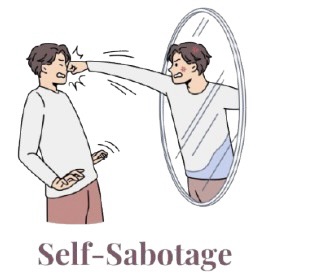
Your mind can be your greatest ally—or your biggest obstacle. The blog reveals how smart, capable people often fall into invisible mind traps—distorted thought patterns that quietly sabotage self-confidence, happiness, and growth. But with awareness, compassion, and intentional thinking, you can break free from these mental habits, rewire your inner dialogue, and unlock your limitless potential. You’re not broken—you’re powerful, evolving, and capable of choosing a brighter, more empowered way of thinking and living.
Mind Traps: Transform Your Inner Voice and Unlock Your Limitless Potential
Right now, as you read these words, there’s a conversation happening inside your mind. It’s constant, powerful, and shaping every moment of your reality. But here’s what most people don’t realise: that inner voice isn’t always your friend. Sometimes, it’s working against you, whispering lies that dim your light and shrink your dreams.
Today, we’re going to change that conversation forever.
You’re about to discover the hidden mind traps that have been quietly sabotaging your happiness, confidence, and success. More importantly, you’ll learn how to break free from these invisible chains and step into the radiant, unstoppable version of yourself that’s been waiting to emerge.
The Silent Saboteurs: What Are Mind Traps?
Mind traps are the false stories your brain tells you—sneaky thought patterns that twist reality and convince you of limitations that don’t actually exist. They’re like invisible prison walls built from your own thoughts, keeping you small when you’re meant to soar.
But here’s the extraordinary truth: You have the power to tear down every single wall.
Once you learn to recognise these traps, you become the architect of your own mental freedom. You transform from being a victim of your thoughts to being the master of your mind.
The 14 Mind Traps That Steal Your Joy (And How to Reclaim It)
1. Mind Reading – The Assumption Trap
The Trap: You convince yourself you know what others are thinking—and it’s always something negative about you.Example: “She thinks I’m incompetent,” or “He’s judging everything I say.”Your Freedom: You are not responsible for thoughts you cannot hear. Other people’s minds are mysterious territories you cannot navigate. Most often, they’re thinking about themselves, not scrutinising you. Release yourself from this impossible burden.
2. Catastrophizing – The Disaster Movie Trap
The Trap: You fast-forward to the worst possible outcome and convince yourself it’s inevitable.Example: “If I fail this presentation, I’ll lose my job, then my house, then everything.”Your Freedom: You are stronger than your worst-case scenarios. Your resilience has carried you through 100% of your difficult days so far. Trust in your ability to handle whatever comes with grace and wisdom.
3. Fortune Telling – The Crystal Ball Trap
The Trap: You predict failure before you’ve even tried.Example: “This won’t work out,” or “I know I’ll embarrass myself.”Your Freedom: The future is unwritten, and you hold the pen. Every great achievement in history started with someone who refused to accept a predetermined fate. Your story is still being written.
4. Dismissing Success – The Deflection Trap
The Trap: You minimise your accomplishments and brush off your victories.Example: “It was just luck,” or “Anyone could have done that.”Your Freedom: Your achievements are evidence of your excellence. Every win, no matter how small, is proof of your capability. Celebrate them—they’re stepping stones to your greatest life.
5. The Should Prison – The Expectation Trap
The Trap: You imprison yourself and others with rigid rules about how life “should” be.Example: “I should be further along by now,” or “People should be more grateful.”Your Freedom: Replace ‘should’ with ‘could’ and watch your world expand. Life is not a script—it’s an improvisation. Embrace the beautiful unpredictability of your unique journey.
6. Tunnel Vision – The Darkness Filter Trap
The Trap: You zoom in on what’s wrong and completely miss what’s right.Example: Focusing on one criticism while ignoring ten compliments.Your Freedom: Train your eyes to seek the light. For every shadow you notice, challenge yourself to find three rays of sunshine. Your attention is a spotlight—choose where to shine it.
7. Perfectionist Prison – The All-or-Nothing Trap
The Trap: You believe anything less than perfect equals complete failure.Example: “If it’s not flawless, it’s worthless.”Your Freedom: Excellence lives in the space between perfect and imperfect. Some of the world’s most beautiful art comes from embracing imperfection. You are beautifully, powerfully human—not a machine built for perfection.
8. The Blame Game – The Victim Trap
The Trap: You give away your power by making others responsible for your emotions.Example: “They ruined my day,” or “It’s their fault I feel this way.”Your Freedom: Your emotional state is your sovereign territory. While you cannot control others’ actions, you have complete authority over your responses. This is your greatest superpower.
9. Taking Everything Personally – The Centre of Universe Trap
The Trap: You assume other people’s actions are always about you.Example: “They didn’t respond to my text—they must be angry with me.”Your Freedom: Most of what happens around you has nothing to do with you. People’s behaviours reflect their own inner worlds, struggles, and circumstances. Free yourself from being the main character in everyone else’s story.
10. Shrinking Your Light – The Minimising Trap
The Trap: You downplay your talents, achievements, and positive qualities.Example: “It wasn’t that big of a deal,” or “I just got lucky.”Your Freedom: Your light was meant to shine brightly. When you minimise your gifts, you rob the world of your unique brilliance. Own your magnificence—it inspires others to own theirs.
11. Identity Imprisonment – The Labelling Trap
The Trap: You define yourself or others by single moments or mistakes.Example: “I failed the test—I’m stupid,” or “They lied once—they’re dishonest.”Your Freedom: You are an infinite being having human experiences. One moment, one mistake, one chapter does not define the entire book of your life. You are constantly evolving, growing, and becoming.
12. The Need to Win – The Always Right Trap
The Trap: You prioritise being right over being kind or understanding.Example: Arguing to prove a point instead of seeking a connection.Your Freedom: Sometimes the greatest victory is choosing love over being right. True strength lies in listening, understanding, and building bridges, not walls.
13. Comparison Quicksand – The Measuring Trap
The Trap: You measure your worth against others’ highlight reels.Example: “They have it all figured out—I’m so behind in life.”Your Freedom: Your journey is incomparable because you are incomparable. Every path is different, every timeline is unique. Focus on being better than who you were yesterday, not better than someone else today.
14. Feeling as Fact – The Emotional Truth Trap
The Trap: You believe your temporary emotions are permanent truths.Example: “I feel worthless, so I must be worthless.”Your Freedom: Feelings are weather, not climate. They come and go like clouds across the sky. You are the sky—vast, unchanging, and always beautiful, regardless of the weather.
Your Liberation Blueprint: Breaking Free Forever
Now that you can see these traps clearly, here’s your step-by-step guide to mental freedom:
1. The Awareness Awakening
The moment you notice a negative thought, pause and ask: “Is this thought serving my highest good, or is it a trap trying to keep me small?” Awareness is your first and most powerful tool.
2. The Evidence Investigation
Challenge every limiting thought like a detective. Ask: “What evidence supports this thought? What evidence contradicts it? What would I tell a dear friend having this same thought?”
3. The Narrative Revolution
Rewrite your internal story. Transform “I always mess up” into “I’m learning and growing with every experience.” You are the author of your inner dialogue—make it a bestseller.
4. The Compassion Cultivation
Speak to yourself with the same kindness you’d offer your best friend. You deserve your love, patience, and encouragement. You are worthy of your compassion.
5. The Present Moment Practice
When your mind races to past regrets or future fears, anchor yourself in now. This moment is where your power lives. This breath, this heartbeat, this opportunity to choose differently.
Your Magnificent Transformation Awaits
Beautiful soul, you now hold the keys to your mental freedom. These mind traps that once held you captive can never imprison you again—not when you can see them coming from miles away.
You are not broken and in need of fixing. You are magnificent and in the process of awakening. Every thought you choose to change, every trap you refuse to fall into, every moment you choose self-love over self-criticism is a victory worth celebrating.
Your brightest life isn’t somewhere in the distant future—it begins the moment you decide your thoughts no longer get to dim your light.
Which of these mind traps have you been wrestling with? Share your story in the comments below. Your courage to be vulnerable might be exactly what someone else needs to hear to begin their own journey to freedom.
Remember: You were born to shine, not to shrink. You were created to soar, not to stay small. And you have everything within you right now to live the extraordinary life that’s calling your name.
The world needs your light. It’s time to let it shine.
With infinite love and unwavering belief in your magnificence, Rise&Inspire
Explore additional inspiration from the blog’s archive. | Motivational Blogs
Life brings a range of emotions—some energizing, others heavy. These emotions, though challenging, can guide us toward clarity and growth if we know how to work with them. Instead of reacting on impulse, consider these thoughtful actions to channel your feelings productively:
When you feel angry, move your body.
Anger carries a lot of energy. Use it constructively by exercising. Go for a run, lift weights, or take a brisk walk. Physical activity helps release tension and clears the mental fog, leaving you more centered and ready to approach the situation with a calm mind.
When you feel envy, look inward.
Envy can be a signal to reconnect with your own goals. Instead of fixating on what others have, take a moment to reflect on your own journey. What steps can you take to improve? What’s one thing you can do today to get closer to your aspirations?
When you feel anxious, pause and breathe.
Anxiety thrives on racing thoughts. Ground yourself by taking slow, deliberate breaths. Bring your attention to the present moment—notice the sounds around you, the feel of your hands, or the rhythm of your breath. Small acts of mindfulness can create calm amidst chaos.
When you feel irritated, create space.
Irritation doesn’t have to control your actions. Take a step back. A few moments of silence or physical distance from the situation can offer perspective. This pause allows you to respond thoughtfully rather than react impulsively.
When you feel tired, honour the need for rest.
Fatigue is your body’s way of asking for recovery. Sleep isn’t a luxury—it’s essential for clear thinking and emotional balance. If rest feels out of reach, start with a short break or a power nap. Listening to your body helps you regain focus.
When you feel uninspired, change your environment.
A shift in perspective often comes with a change in surroundings. A shower, a walk outside, or even tidying your workspace can create the mental space needed to spark new ideas. Sometimes the simplest actions reset your creative energy.
When you feel doubt, write it out.
Doubt can cloud your thoughts. Writing helps you untangle them. List your fears, your hopes, and what matters most to you. Often, clarity emerges as you put words to what you’re feeling, helping you move forward with purpose.
Rethink How You Respond
Every emotion carries a message, and how you respond to it can shape your next steps. Instead of seeing these feelings as obstacles, use them as opportunities to realign with your values and goals. This practice isn’t about quick fixes—it’s about learning to navigate life with intention.
What strategies have helped you work through tough emotions? Let’s learn from each other—share your thoughts in the comments.
We all encounter challenges in life, from overthinking and anxiety to procrastination and stress. These problems can feel overwhelming, but often the real issue lies not in the problem itself, but in how we approach it.
The Key to Overcoming Obstacles
You may find yourself stuck in a cycle of overthinking, anxious about the future, and unsure of how to move forward. But here’s the truth: your problems aren’t as insurmountable as they seem. The key to turning them into progress lies in taking action and finding clarity.
✍️ You overthink because you don’t write. When your mind is cluttered, it’s easy to become paralyzed by endless thoughts. Writing them down helps you organize your ideas, focus on solutions, and regain control of your thoughts.
🏃♂️ You are anxious because you don’t act. Anxiety often stems from feeling like you’re not in control of your situation. The antidote is action. Taking even small steps toward your goal can reduce fear and make the path ahead seem more manageable.
📝 You procrastinate because you don’t have a plan. Procrastination thrives in chaos and uncertainty. Without a clear plan of action, it’s easy to put things off. A detailed plan not only keeps you on track, but it also makes your goals feel more achievable.
💪 You stress because you don’t train. Stress comes from feeling ill-prepared to face the demands of life. Training—whether it’s building new skills or practicing mindfulness—prepares you to handle whatever comes your way with resilience and confidence.
📖 You lack clarity because you don’t journal. Journaling helps you gain insight into your thoughts and emotions. By writing regularly, you can gain the clarity needed to see solutions and make decisions with confidence.
All Your Problems Have a Solution
The truth is, every problem you face has a solution. The challenge is not in the problem itself, but in how you respond to it. When you take action—whether it’s writing, planning, acting, training, or journaling—you gain the power to transform obstacles into opportunities.
Taking Action Is the First Step
The first step toward solving any problem is to take action. Whether you’re starting small or tackling a big goal, the key is to begin. As you start moving forward, you’ll gain momentum, clarity, and confidence in your ability to overcome any challenge.
Reflection: Transform Your Problems into Progress
Take a moment to reflect on your current struggles. Are you overthinking, procrastinating, or feeling stressed? What can you do today to turn these problems into progress? Write down your thoughts, make a plan, take action, and watch as your challenges become stepping stones toward success.
Remember, your problems are simply opportunities in disguise. With the right mindset and a clear plan, you can turn every obstacle into a victory.
“Worries are temporary. Don’t let them overshadow the light of your present.”
Are You Losing Peace While Overthinking?
The Thief of Peace: How Overthinking Steals Your Joy
The Mind’s Playground: Finding Freedom from Overthinking
Have you ever caught yourself replaying the same scenarios over and over in your head, worrying about things you can’t control? Overthinking has a way of creeping in, robbing us of our peace and anchoring us in fear.
Here’s a powerful reminder:
“Worrying does not take away tomorrow’s trouble; it takes away today’s peace.”
This quote sheds light on a universal truth: we often invest too much energy in worrying about what might happen, forgetting to live fully in the present moment. While it’s natural to anticipate challenges or plan, excessive worrying only magnifies problems that may never come to pass.
Choosing Peace Over Worry
Overthinking doesn’t solve problems—it creates them. When you allow your mind to spiral into endless “what ifs” and “maybes,” you drain yourself of the mental clarity and emotional resilience needed to face life’s real challenges.
Instead of fixating on tomorrow’s uncertainties, practice grounding yourself in the present moment. By focusing on what you can control today, you reclaim your peace and create a solid foundation for the future. Remember, worry doesn’t prevent problems; it prevents joy.
Cultivating a Peaceful Mind
The secret to overcoming overthinking lies in mindfulness and perspective. Here’s how you can nurture your inner peace:
Practice Gratitude: Shift your focus to what you have, not what you fear. Gratitude reminds you of the abundance in your life right now.
Set Boundaries for Your Thoughts: If you catch yourself spiralling, pause and ask, “Can I control this? Is this thought helping or harming me?”
Embrace Stillness: Spend a few moments each day meditating or journaling to clear mental clutter. Stillness helps your mind settle and see clearly.
When you prioritize peace, you train your mind to let go of unnecessary worries and focus on what truly matters.
Reflection: Let Go of Tomorrow’s Troubles
Take a moment to reflect: Are you carrying the weight of tomorrow’s problems on your shoulders today? Let go. Focus on the beauty of the present moment. Trust that the challenges of tomorrow will be met with the strength and clarity you cultivate today.
Like clouds passing in the sky, worries are temporary. Don’t let them overshadow the light of your present.
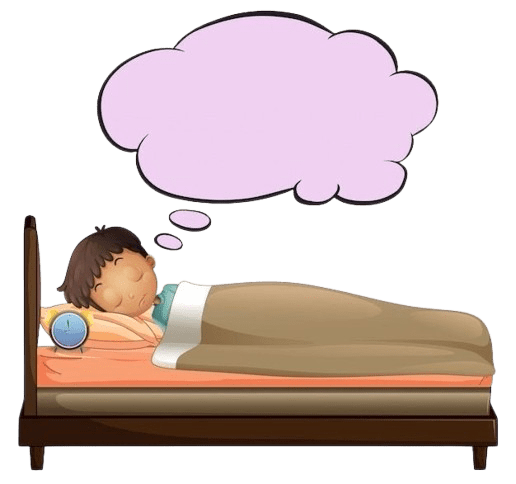
Achieving deep, restorative sleep is a universal challenge, especially when our minds are preoccupied with the stresses and events of daily life. This critical stage of rest, often called “deep sleep” or slow-wave sleep, allows our minds and bodies to disengage from conscious thoughts. It’s the time when the brain is least active, yet the body works hardest to repair, recover, and rejuvenate. If you’ve struggled to quiet your racing mind at night, know that you’re not alone. With the right mindset and strategies, you can create the ideal conditions to experience the peaceful, restorative sleep you deserve.
Why Deep Sleep Matters Deep sleep is more than just rest—it’s a lifeline for your physical and emotional well-being. During this phase, your body repairs tissues, strengthens your immune system, balances hormones, and processes emotions. It’s also when memories are consolidated, giving your mind clarity and focus for the next day. However, when your thoughts are consumed with worries, your body remains in lighter stages of sleep, leaving you tired and drained. To break free from this cycle, you must take proactive steps to calm your mind and prepare for true relaxation.
Cultivating Calm Before Bed Your mind needs a dedicated “cool-down” period before it can drift into the tranquil depths of deep sleep. Begin by offloading your mental clutter with a simple journaling exercise—write down everything weighing on your mind. This practice, often called a “brain dump,” clears your mental space for peace. You might also try guided visualization, imagining serene scenes like a gentle forest or a tranquil beach. Even a moment of gratitude, reflecting on the blessings in your day, can shift your focus from stress to positivity.
Transforming Your Sleep Environment Your surroundings play a significant role in promoting deep sleep. Consider reducing noise with white noise machines or earplugs and ensuring your room is completely dark with blackout curtains or a sleep mask. Your bed should be a sanctuary of comfort; invest in bedding that supports your body and invites relaxation. A warm, inviting environment signals to your brain that it’s time to let go and rest.
Embracing Evening Rituals Simple, calming routines can work wonders for your sleep. Dim the lights in your home, take a warm bath, or stretch gently to release tension from your muscles. Aromatherapy with scents like lavender or chamomile can soothe your senses and guide you into a relaxed state. These rituals not only prepare your body for sleep but also train your mind to associate these actions with rest.
Mastering the Art of Letting Go Sometimes, the biggest hurdle to sleep is the inability to release the day’s thoughts. Mindfulness meditation can help you focus on the present moment, quieting the mental chatter. A practice like Yoga Nidra, which bridges the gap between wakefulness and sleep, is particularly effective in inducing deep relaxation. Repeating calming affirmations such as, “I release today’s thoughts and welcome peaceful rest,” can help reprogram your mind for calm.
Small Changes for Big Impact Your daily habits significantly influence the quality of your sleep. Engage in regular exercise to reduce stress hormones like cortisol and balance your energy. Spend time outdoors, letting sunlight regulate your body’s natural sleep-wake cycle. Avoid stimulants like caffeine or blue light from screens in the hours leading up to bedtime. Even small steps like these, practiced consistently, can yield profound results.
Tools and Techniques for Better Sleep Explore tools that can deepen your relaxation. Weighted blankets, for example, can calm the nervous system, while binaural beats gently guide your brain into a state of tranquility. Consider natural remedies such as chamomile tea or magnesium supplements to enhance your relaxation. If sleep remains elusive, don’t hesitate to seek guidance from a sleep specialist or explore cognitive behavioral therapy for insomnia (CBT-I).
The Path to Restful Nights The journey to deep, restorative sleep is not about perfection but persistence. Start small—dedicate 20 minutes tonight to a guided meditation or journal your lingering thoughts before bed. Dim the lights, play soothing music, and embrace the stillness. With patience and consistency, you can retrain your mind and body to welcome deep sleep as a natural, healing process.
When your mind races at night, remember: rest is your birthright. You have the power to reclaim peaceful nights and energized mornings. Believe in your ability to create a life where deep, restorative sleep becomes the foundation for clarity, strength, and joy.
How Does Deep Breathing Activate the Parasympathetic Nervous System to Calm Stress?
How Deep Breathing Activates the Parasympathetic Nervous System and Helps Calm Your Stress
If you’ve ever felt your heart racing or your mind racing during stressful situations, you know how overwhelming it can be. When stress kicks in, your body automatically shifts into “fight or flight” mode, thanks to the sympathetic nervous system (SNS). But what if there was a way to switch off that heightened stress response and activate your body’s natural calming mechanism? That’s where deep breathing comes in, and it can help activate your parasympathetic nervous system (PNS), bringing you back to a state of relaxation.
What Is the Parasympathetic Nervous System?
Your body has two primary systems that regulate involuntary functions, like heart rate, breathing, and digestion:
Sympathetic Nervous System (SNS): This system is what gets activated when you’re faced with stress. It triggers the “fight or flight” response, increasing your heart rate, dilating your pupils, and preparing your body for action.
Parasympathetic Nervous System (PNS): This system is the opposite. It’s responsible for calming your body after stress, helping you relax and recover. Think of it as your “rest and digest” system, as it slows your heart rate, lowers blood pressure, and helps you relax.
When you practice deep breathing, you can activate the PNS, counteracting the stress-induced SNS. This is how deep breathing helps calm your body and mind.
How Does Deep Breathing Activate the Parasympathetic Nervous System?
Stimulates the Vagus Nerve: The vagus nerve is a key player in the PNS, connecting your brain to important organs like your heart and lungs. When you breathe deeply, especially during exhalation, you activate the vagus nerve, signaling your brain to lower your heart rate and reduce stress. By taking slow, deep breaths, you tap into your body’s natural calming mechanism.
Regulates Your Heart Rate: One of the most immediate effects of deep breathing is a decrease in heart rate. When you inhale, your heart rate naturally increases, and when you exhale, it slows down. Deep breathing exaggerates this effect, leading to a calmer heart rate, signaling to your body that you are safe and relaxed.
Reduces Cortisol Levels: Cortisol, also known as the stress hormone, is released by your adrenal glands in response to stress. While it’s essential in the short term, chronic high levels of cortisol can lead to health issues like anxiety and heart disease. Deep breathing helps reduce cortisol levels, allowing your body to return to a more balanced state.
Promotes Muscle Relaxation: Stress causes muscle tension, often in your neck, shoulders, and jaw. By breathing deeply, you encourage muscle relaxation throughout your body. When you activate your PNS, it tells your muscles to relax, helping you release that built-up tension.
Clears Your Mind: Have you ever tried focusing on your breath during a stressful moment? Deep breathing not only calms your body, but it also clears your mind. As your body relaxes, your thoughts slow down, helping you regain mental clarity. This is why deep breathing is often recommended during moments of anxiety or panic.
Why Is Activating the Parasympathetic Nervous System Important?
Your body needs a balance between the SNS and PNS for optimal health. Chronic activation of the SNS (due to ongoing stress or anxiety) can lead to:
Increased heart rate and blood pressure, putting strain on your cardiovascular system.
Digestive issues, as your body prioritizes “fight or flight” over digestion.
Mental health challenges, including anxiety, depression, and sleep disturbances.
Chronic muscle tension, which can lead to headaches or body aches.
Activating your PNS through deep breathing helps restore balance and promotes relaxation, reducing these health risks.
How to Practice Deep Breathing to Activate Your Parasympathetic Nervous System
Here’s a simple guide to help you get started with deep breathing:
Find a Quiet Space: Sit or lie down in a comfortable position. Close your eyes and focus on your breath.
Inhale Deeply: Breathe in slowly through your nose, allowing your abdomen to rise (not just your chest). Try to inhale for a count of 4.
Hold Your Breath: Pause for a moment after inhaling, holding your breath for a count of 4.
Exhale Slowly: Exhale slowly through your mouth for a count of 6 or 8, allowing your body to relax with each breath.
Repeat: Continue this cycle for 5–10 minutes, focusing on your breath and the sensation of relaxation.
The more regularly you practice deep breathing, the better your body will become at switching into a calm, relaxed state.
Other Ways to Activate Your Parasympathetic Nervous System
While deep breathing is one of the most effective ways to activate the PNS, there are other practices that can also help:
Meditation: Mindfulness or guided meditation can trigger the PNS, helping you clear your mind and relax.
Progressive Muscle Relaxation: This involves tensing and then relaxing each muscle group to promote overall relaxation.
Yoga: Certain yoga poses, especially those that focus on deep breathing, can activate the PNS.
Massage: A relaxing massage can also help reduce tension and activate the parasympathetic response.
Conclusion: Embrace the Power of Deep Breathing
Deep breathing is a simple yet powerful tool that helps you activate your parasympathetic nervous system and calm your stress response. By incorporating deep breathing into your daily routine, you can promote relaxation, improve your heart health, and reduce anxiety. The next time you’re feeling overwhelmed or stressed, take a few moments to focus on your breath. It’s one of the most effective ways to restore balance to your body and mind.
So, why not give it a try? Let your breath be the bridge between stress and serenity.
The Cost of Worry: How to Stop Losing Precious Time to Anxiety
Introduction Time is our most precious resource. Every day that passes is a day we’ll never get back. Yet, many of us spend these fleeting moments consumed by worry, stress, and anxiety—letting our lives slip through our fingers while we wrestle with problems that may never materialize. It raises a critical question: If we know our time is limited, why do we allow worry to rob us of the joy, peace, and presence we could be experiencing?
In this post, I want to explore the root causes of worry, its impact on our lives, and how we can reclaim our days by shifting our mindset.
Let’s dive into why so many of us get caught in this cycle of anxiety and stress—and how we can break free to live more intentionally, with mindfulness and a sense of calm.
Why Do We Worry? Worry has deep roots in human nature. It evolved as a survival instinct, helping our ancestors stay alert to danger and prepare for potential threats. But in today’s world, the instinct to worry often works against us. We find ourselves worrying not just about physical dangers but about everything—from finances and relationships to health and the future.
While a certain amount of worry can help us stay cautious and prepared, too much of it keeps us stuck in a loop of anxiety. Instead of preparing us for life’s challenges, excessive worry drains our energy, clouds our minds, and steals our focus from the present moment. We may feel like we’re “solving” our problems by thinking them over, but in reality, we’re often just running in circles.
So why do we let this happen? Here are some common reasons:
Lack of Control: Many of us worry because life feels unpredictable. We try to regain control by anticipating problems, but this often leads to more anxiety.
Perfectionism: High expectations can trap us in worry. If things don’t go as planned, we may start to stress about how we’re falling short of our own or others’ standards.
Habit: Worry can become a pattern of thinking. After years of ruminating on worst-case scenarios, it feels almost natural—even though it’s harmful.
Negativity Bias: Our brains are wired to focus on threats. While this helped our ancestors survive, it can lead us to fixate on what might go wrong rather than on the good in our lives.
The Impact of Worry on Our Daily Lives Worry doesn’t just steal our time—it takes a toll on our physical and mental health. When we’re stuck in a state of anxiety, our bodies respond with tension, headaches, fatigue, and other stress-related symptoms. Mentally, worry makes it hard to think clearly and saps our motivation, while emotionally, it disconnects us from the things and people that bring us joy.
Long-term, chronic worry and stress have even more serious consequences. Studies show that they increase the risk of heart disease, stroke, depression, and a host of other illnesses. In essence, the more time we spend worrying, the less time we have left to truly live.
Breaking Free from the Cycle of Worry The good news is that we can break free from worry’s hold—but it requires conscious effort and practice.
Here are some strategies to help you reclaim your time and live more mindfully:
Practice Mindfulness: Mindfulness helps us stay grounded in the present moment. Techniques like meditation, deep breathing, or simply focusing on the sensations around us can calm our anxious minds and bring us back to now.
Challenge Your Thoughts: When you notice yourself worrying, take a step back and evaluate your thoughts. Are they realistic, or are you imagining the worst-case scenario? Ask yourself, “What’s the likelihood this will happen?” Putting things in perspective can reduce the power of worry.
Focus on What You Can Control: You can’t control every situation, but you can control how you respond. Instead of worrying about things you can’t change, shift your energy toward what you can influence—your attitude, actions, and outlook.
Practice Gratitude: Gratitude helps retrain your brain to focus on the positives in your life. Take a few minutes each day to reflect on what’s going well. This simple practice can shift your mindset away from worry and toward appreciation.
Conclusion Every day we spend worrying is a day lost. We can’t change the fact that life will bring challenges, but we can change how we respond to them. The key to reclaiming our time isn’t to eliminate all worry but to recognize when it’s taking over and gently guide ourselves back to the present.
By learning to focus on what we can control, embracing uncertainty, and practicing mindfulness, we can reduce worry’s grip and live more fully. Life is too short to waste on worry—let’s make every day count by choosing calm, focus, and gratitude.
Thank you for being part of this journey. Let’s continue to rise and inspire—together.
In today’s fast-paced world, it’s easy to believe that success demands relentless effort without pause. However, experts and research reveal a different path: the power of rest.
Instead of pushing through fatigue, learning to rest can enhance productivity, boost creativity, and prevent burnout. Embracing breaks and recovery periods is essential for sustaining long-term success and well-being.
Discover why resting, not quitting, is the ultimate strategy for thriving in both your personal and professional life.
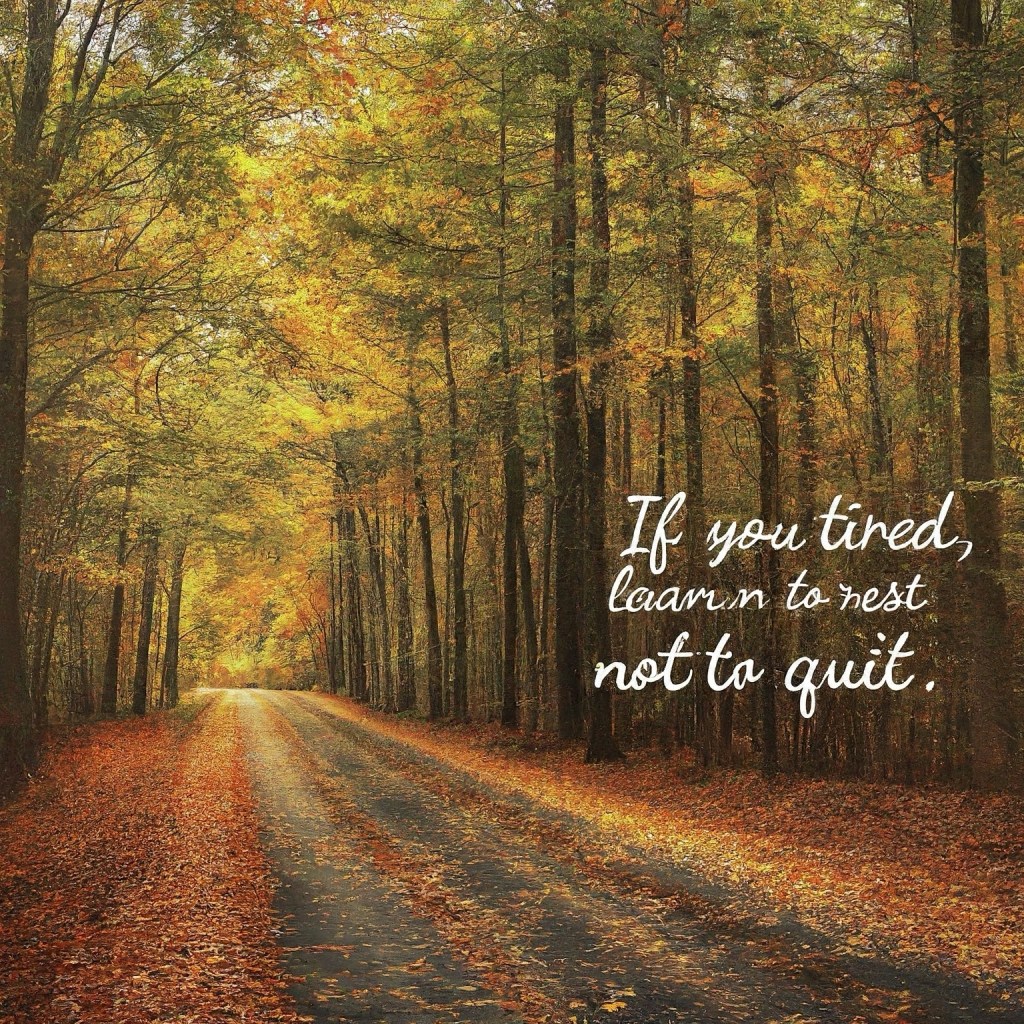
The phrase “If you get tired, learn to rest, not to quit” underscores the importance of taking breaks and managing fatigue rather than giving up when faced with challenges. This approach is supported by various experts and research findings across different fields, including psychology, sports science, and workplace productivity.
Psychological Perspective
Dr. Angela Duckworth, a psychologist and author of “Grit: The Power of Passion and Perseverance,” emphasizes the importance of resilience and perseverance. She notes that taking breaks can help individuals maintain their passion and effort over long periods. Duckworth’s research indicates that those who practice self-care and take breaks are more likely to achieve long-term goals.
Sports Science
Dr. Jack Raglin, a professor of kinesiology at Indiana University, has conducted research on the importance of rest and recovery in athletic performance. He explains that rest periods are crucial for physical recovery and mental rejuvenation, which can prevent burnout and injuries. According to Raglin, athletes who incorporate adequate rest into their training schedules show improved performance and longer careers.
Workplace Productivity
Dr. Alex Pang, a Silicon Valley consultant and author of “Rest: Why You Get More Done When You Work Less,” argues that taking breaks can significantly boost productivity. Pang’s research suggests that periods of rest enhance creativity and problem-solving abilities, leading to better outcomes in professional settings. He advocates for structured rest periods, such as short breaks throughout the day and vacations, to maintain high levels of productivity and job satisfaction.
Research Findings
1. The Role of Rest in Preventing Burnout: A study published in the journal “Work & Stress” found that employees who take regular breaks are less likely to experience burnout. The study suggests that short breaks can help restore energy and focus, improving overall job performance.
2. Sleep and Cognitive Function: Research published in “Nature Reviews Neuroscience” highlights the importance of sleep for cognitive function. Adequate sleep improves memory, learning, and decision-making abilities, all of which are crucial for maintaining productivity and achieving goals.
3. The Impact of Microbreaks: A study in the journal “Organizational Behavior and Human Decision Processes” found that microbreaks (short, frequent breaks) can reduce fatigue and increase engagement at work. The study suggests that even brief pauses can help replenish mental resources and improve overall well-being.
Practical Tips for Incorporating Rest
1. Schedule Regular Breaks: Incorporate short breaks into your daily routine. Use techniques like the Pomodoro Technique, which involves working for 25 minutes and then taking a 5-minute break.
2. Prioritize Sleep: Ensure you get 7-9 hours of sleep per night. Establish a regular sleep schedule and create a restful sleeping environment.
3. Take Vacations: Plan regular vacations to disconnect from work and recharge. Even short getaways can have a significant positive impact on your mental and physical health.
5. Listen to Your Body: Pay attention to signs of fatigue and take breaks when needed. Don’t push through exhaustion; instead, allow yourself time to rest and recover.
In summary, the concept of learning to rest rather than quitting is supported by extensive research and expert opinions. Integrating rest into your routine can enhance performance, prevent burnout, and lead to greater overall well-being.
Explore more insights and inspiration on my platform, Rise&InspireHub. Visit my blog for more stories that touch the heart and spark the imagination.
What Happens When Your Mind Overpowers Your Emotions?
Imagine standing on the precipice of a crucial decision, your heart racing and your mind clouded by a whirlwind of emotions. In moments like these, the ability to harness the power of your mind to rise above emotional turbulence becomes not just a skill, but a necessity.
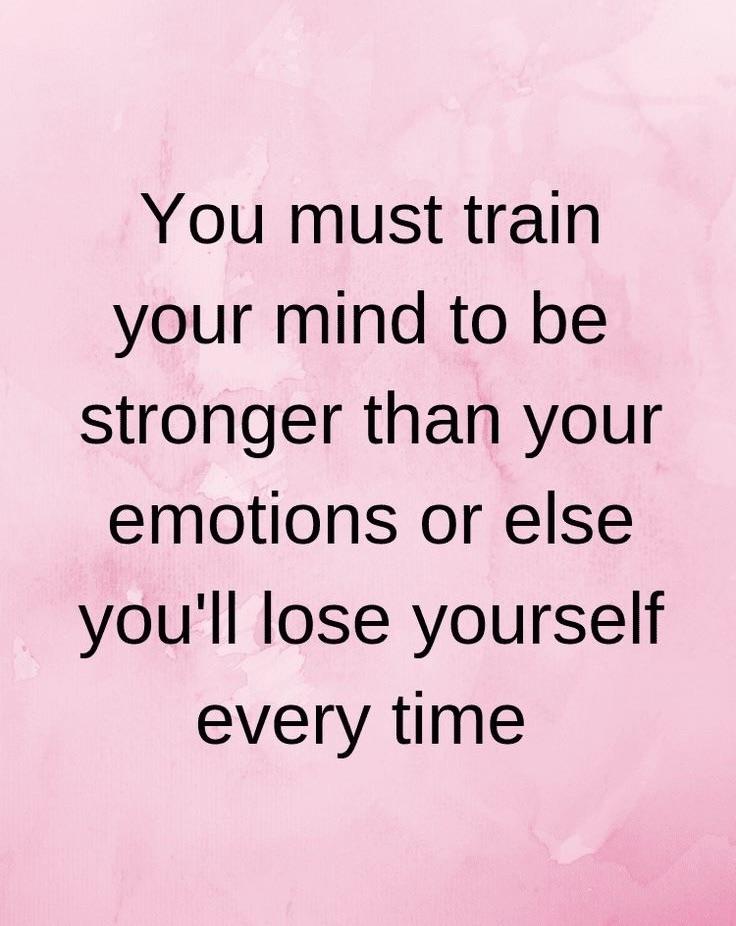
Training your mind to be stronger than your emotions isn’t about suppressing feelings or denying their existence; it’s about achieving a harmonious balance where emotions inform your decisions without overpowering them.
This balance can be the difference between success and failure, clarity and confusion, resilience and despair.
In this exploration, we’ll examine the importance of cognitive control, backed by expert insights and cutting-edge research, to understand how mastering this balance can lead to a more fulfilling and successful life.
Understanding the Concept
1. Emotional Regulation:
Emotional regulation is the ability to manage and respond to emotional experiences in a healthy and adaptive way. It involves recognizing emotional responses, understanding their impact, and employing strategies to control them.
2. The Role of Cognitive Control:
Cognitive control refers to the mental processes that allow us to regulate our thoughts and actions to achieve goals, particularly in the face of distractions or emotional challenges.
“Emotional agility is the ability to be with your emotions with curiosity, compassion, and especially the courage to take values-connected steps. It’s not about ignoring emotions or forcing positivity but about facing your feelings bravely.”
“Emotional intelligence, which includes skills such as self-awareness, self-regulation, motivation, empathy, and social skills, is a better predictor of success than traditional measures of cognitive intelligence.”
Research in Psychological Science highlighted that individuals with stronger cognitive control are better at making decisions that align with long-term goals rather than immediate emotional impulses .
3. The Impact of Mindfulness:
Studies on mindfulness meditation show that regular practice can enhance emotional regulation by increasing activity in the prefrontal cortex, the brain region responsible for cognitive control. This helps individuals respond to emotional stimuli more calmly and thoughtfully .
Practical Strategies
1. Mindfulness Meditation:
Regular mindfulness practice helps increase awareness of emotional responses and reduces reactivity. This allows individuals to observe their emotions without getting overwhelmed by them.
This technique involves changing the way one thinks about a potentially emotion-eliciting situation to alter its emotional impact. For instance, viewing a challenging situation as a learning opportunity rather than a threat can reduce stress and improve outcomes.
3. Self-Reflection:
Engaging in regular self-reflection helps build self-awareness, allowing individuals to recognize emotional triggers and develop strategies to manage them effectively.
4. Emotional Support:
Seeking support from friends, family, or a mental health professional can provide additional perspectives and coping strategies for managing strong emotions.
Conclusion
Training your mind to be stronger than your emotions is about developing emotional intelligence and cognitive control. By practicing mindfulness, engaging in cognitive reappraisal, and seeking support, individuals can better manage their emotional responses and make decisions that align with their long-term goals. This balance between emotion and cognition is key to personal and professional success.
By integrating these insights and strategies into daily life, individuals can achieve greater emotional stability and resilience, ultimately leading to more fulfilling and successful experiences.
Explore more insights and inspiration on my platform, Rise&InspireHub. Visit my blog for more stories that touch the heart and spark the imagination.
Why Should You Include Progressive Muscle Relaxation in Your Daily Routine?
Progressive muscle relaxation (PMR) is a technique designed to reduce physical tension and promote relaxation by sequentially tensing and then relaxing different muscle groups in the body.
This method helps you become more aware of physical sensations and teaches you how to consciously release muscle tension, which can also help reduce stress and improve sleep quality.
How Can You Effectively Practice Progressive Muscle Relaxation at Home?
How Progressive Muscle Relaxation Works
1. Preparation:
Find a quiet, comfortable place where you won’t be disturbed.
Sit or lie down in a comfortable position.
Close your eyes and take a few deep breaths, inhaling through your nose and exhaling through your mouth.
2. Progression Through Muscle Groups:
Begin with your feet and work your way up to your head, or vice versa.
Focus on one muscle group at a time.
Tense each muscle group for about 5-10 seconds, then relax for 15-20 seconds.
Notice the difference in sensation between the tension and relaxation.
3. Muscle Groups to Target:
Feet and toes: Curl your toes tightly, then release.
Calves: Flex your calves by pointing your toes up, then relax.
Thighs: Tighten your thigh muscles, then release.
Buttocks: Squeeze your buttocks, then relax.
Abdomen: Tense your abdominal muscles, then release.
Chest: Take a deep breath and hold it, then release the breath and relax.
Back: Arch your back slightly, then relax.
Hands: Clench your fists tightly, then release.
Arms: Tense your biceps by pulling your forearms towards your shoulders, then relax.
Shoulders: Shrug your shoulders up to your ears, then release.
Neck: Press your head back gently (if lying down) or forward (if sitting), then relax.
Face: Tighten your facial muscles by scrunching up your face, then relax.
Jaw: Clench your jaw, then release and let your mouth drop open slightly.
What Are the Steps to Mastering Progressive Muscle Relaxation?
Steps in Detail:
1. Feet and Toes:
Tense: Curl your toes downward and hold.
Relax: Release the tension and let your toes fall naturally.
2. Calves:
Tense: Flex your feet upward, pulling your toes toward your shins.
Relax: Let your feet return to a natural position.
3. Thighs:
Tense: Tighten your thigh muscles by pressing your legs together.
Relax: Release the tension and let your legs lie naturally.
4. Buttocks:
Tense: Squeeze your glutes.
Relax: Release and let your muscles go slack.
5. Abdomen:
Tense: Tighten your stomach muscles by pulling your belly button in.
Relax: Let your abdomen soften.
6. Chest:
Tense: Take a deep breath in and hold.
Relax: Exhale slowly and fully.
7. Back:
Tense: Arch your lower back slightly (without causing discomfort).
Relax: Let your back settle into a comfortable position.
8. Hands:
Tense: Make a fist with each hand.
Relax: Open your hands and let your fingers spread out.
9. Arms:
Tense: Bend your elbows and bring your fists toward your shoulders.
Relax: Let your arms fall to your sides or rest comfortably.
10. Shoulders:
Tense: Lift your shoulders up towards your ears.
Relax: Drop your shoulders back down.
11. Neck:
Tense: Gently press your head backward (if lying down) or forward (if sitting).
Relax: Return to a neutral position.
12. Face:
Tense: Scrunch up your facial muscles tightly.
Relax: Let your face go slack.
13. Jaw:
Tense: Clench your teeth together.
Relax: Let your jaw drop slightly.
What Are Some Tips for Getting the Most Out of Progressive Muscle Relaxation?
Tips for Effective PMR:
Breathe Slowly: Inhale while tensing the muscles and exhale while releasing the tension.
Focus on the Feeling: Pay attention to the contrast between tension and relaxation.
Stay Consistent: Practice PMR regularly for the best results.
By regularly practising PMR, you can develop a greater awareness of your body and learn to release muscle tension more effectively, which can contribute to overall relaxation and improved sleep quality.
Take a moment to breathe and prepare yourself mentally for the tasks ahead.
Did you know that 80% of people feel overwhelmed by challenges at some point in their lives? But what if you could transform that feeling into a chance to grow and become more resilient?
This post will give you a step-by-step approach to tackle any challenge and come out stronger on the other side.
Understanding and Analyzing Your Challenges:
A Step-by-Step Approach
1. Define and Understand the Challenge
Identify the Problem: Clearly define the challenge you’re facing.
Gather Information: Research and gather relevant data to understand the challenge fully.
2. Break It Down into Smaller Parts
Divide into Manageable Pieces: Split the challenge into smaller, manageable tasks.
Prioritize Tasks: Determine which tasks are urgent or important and address them first.
3. Set Clear Goals for Each Part
Establish Achievable Goals: Define clear, achievable goals for each part of the challenge.
Take Action: Begin working on each task systematically to make progress.
4. Manage Your Initial Reaction
Acknowledge Feelings: Recognize and accept any initial feelings of shock or overwhelm.
Reflect and Prepare: Take a moment to breathe and prepare mentally for the tasks ahead.
5. Analyze the Problem
Evaluate the Situation: Examine the problem from different perspectives.
Seek Insights: Consult others or use analytical tools to gain new insights.
SWOT Analysis: Assess Strengths, Weaknesses, Opportunities, and Threats.
Fishbone Diagram: Identify root causes and contributing factors.
6. Gain Clarity and Motivation
Develop a Clear Vision: Once analyzed, your understanding of the problem will become clearer.
Stay Positive: Focus on your ability to tackle and overcome the challenge.
7. Implement Solutions
Execute Your Plan: With a clear vision and plan, begin implementing solutions.
Adapt and Overcome: Be flexible and adjust your approach as needed.
By following this structured approach, you can effectively transform overwhelming challenges into manageable tasks. This method not only helps in overcoming immediate difficulties but also enhances resilience and problem-solving skills for future challenges.