Can One Simple Test Help You Prevent Diabetes Before It Starts?

Stop Diabetes in Its Tracks with This One Simple Test!

At Rise & Inspire, we’re committed to equipping you with practical, science-backed strategies to stay ahead of preventable health challenges. One of the most important tools in early diabetes prevention is surprisingly simple: the fasting insulin test.

If you’re serious about taking control of your health and preventing type 2 diabetes before it begins, this one test can provide life-changing insight. 

Let’s explore why fasting insulin is quickly becoming a must-have marker for proactive health management.

Understanding Insulin Resistance: The Silent Risk

Insulin is a vital hormone that allows glucose (sugar) to enter your cells and be used for energy. Insulin resistance occurs when your cells stop responding effectively to insulin, prompting your pancreas to produce more. Over time, this dysfunction can lead to chronically elevated insulin, eventually resulting in type 2 diabetes.

The concerning part? Insulin resistance often develops silently, with no noticeable symptoms. That’s where early testing makes a difference.

Why the Fasting Insulin Test Matters

Unlike standard glucose tests that only measure blood sugar levels, the fasting insulin test measures the amount of insulin in your bloodstream after 8–12 hours of fasting. This gives you a deeper look into how hard your pancreas is working and whether your body is showing early signs of insulin resistance—even if your glucose levels appear normal.

A Simple Metric, a Powerful Insight

  • Optimal fasting insulin: under 10 µIU/mL
  • Early warning zone: 10–25 µIU/mL
  • High risk: Above 25 µIU/mL

Catching elevated insulin levels early allows you to take meaningful, preventive action before more serious issues develop.

How to Get a Fasting Insulin Test

Here’s how to get started:

  1. Talk to Your Healthcare Provider
    This test is not always included in routine bloodwork, so it’s important to request it directly.
  2. Prepare Properly
    Fast for 8–12 hours beforehand, and avoid intense exercise and heavy meals the day before for accurate results.
  3. Pair It with Glucose Testing
    Combine fasting insulin with fasting glucose or HbA1c for a more comprehensive view of your metabolic health.
  4. Monitor Regularly
    Periodic testing can help you track improvements and guide your health decisions over time.

Evidence-Based Ways to Improve Insulin Sensitivity

If your fasting insulin levels are elevated, don’t panic—this is your opportunity to make powerful, positive changes. Below are five strategies shown to improve insulin sensitivity and support metabolic wellness:

1. Optimize Your Nutrition

  • Focus on fiber-rich vegetables, legumes, and berries to support stable blood sugar.
  • Incorporate healthy fats like avocados, olive oil, and nuts to reduce inflammation.
  • Limit refined carbohydrates and sugary foods, which can spike insulin levels.

A Mediterranean-style eating pattern has been shown in multiple studies to improve insulin function and reduce diabetes risk.

2. Engage in Regular Physical Activity

  • Aerobic exercise (e.g., walking, biking) enhances glucose uptake by muscles.
  • Strength training builds lean muscle mass and improves insulin sensitivity.

Aim for 150 minutes of moderate exercise weekly, and incorporate resistance training 2–3 times per week.

3. Manage Stress Effectively

Chronic stress elevates cortisol, which can worsen insulin resistance. Build daily habits that support relaxation, such as:

  • Deep breathing exercises
  • Mindfulness or meditation
  • Regular sleep (7–9 hours per night)

4. Maintain a Healthy Weight

Carrying excess abdominal fat increases insulin resistance. Losing even 5–10% of your body weight can significantly improve insulin sensitivity.

Focus on sustainable changes like mindful eating, portion awareness, and consistent activity, rather than drastic diets.

5. Consider Targeted Supplementation

While supplements should never replace lifestyle changes, some can support insulin health:

  • Magnesium: Supports glucose metabolism and is often deficient in modern diets.
  • Omega-3 fatty acids: Help reduce inflammation and support heart health.
  • Berberine: A plant compound shown to improve insulin sensitivity in clinical studies.

Always consult your healthcare provider before beginning any new supplements.

Your Action Plan for Better Health

Start taking proactive steps today:

  1. Request a fasting insulin test at your next medical visit.
  2. Make one sustainable lifestyle change—like replacing sugary drinks with herbal tea or committing to a 20-minute daily walk.
  3. Share this knowledge with friends and family. Health improves when communities support each other.

By identifying insulin resistance early, you’re not just preventing diabetes—you’re laying the foundation for a healthier, more vibrant life.

Stay Proactive. Stay Inspired.

At Rise & Inspire, we believe small actions can lead to major transformations. Monitoring your fasting insulin is one of the smartest steps you can take for long-term vitality. Together, let’s move toward a future of empowered wellness.

Disclaimer: This article is for informational purposes only and does not replace professional medical advice. Always consult your healthcare provider before making health-related decisions.

References:

Explore more at the Rise & Inspire archive |  Motivational Blogs 

Categories: Astrology & Numerology | Daily Prompts | Law | Motivational Blogs | Motivational Quotes | Others | Personal Development | Tech Insights | Wake-Up Calls

© 2025 Rise & Inspire. All Rights Reserved.
Follow our journey of reflection, renewal, and relevance at @RiseNinspireHub
Website: Home | Blog | About Us | Contact| Resources

Word Count:847
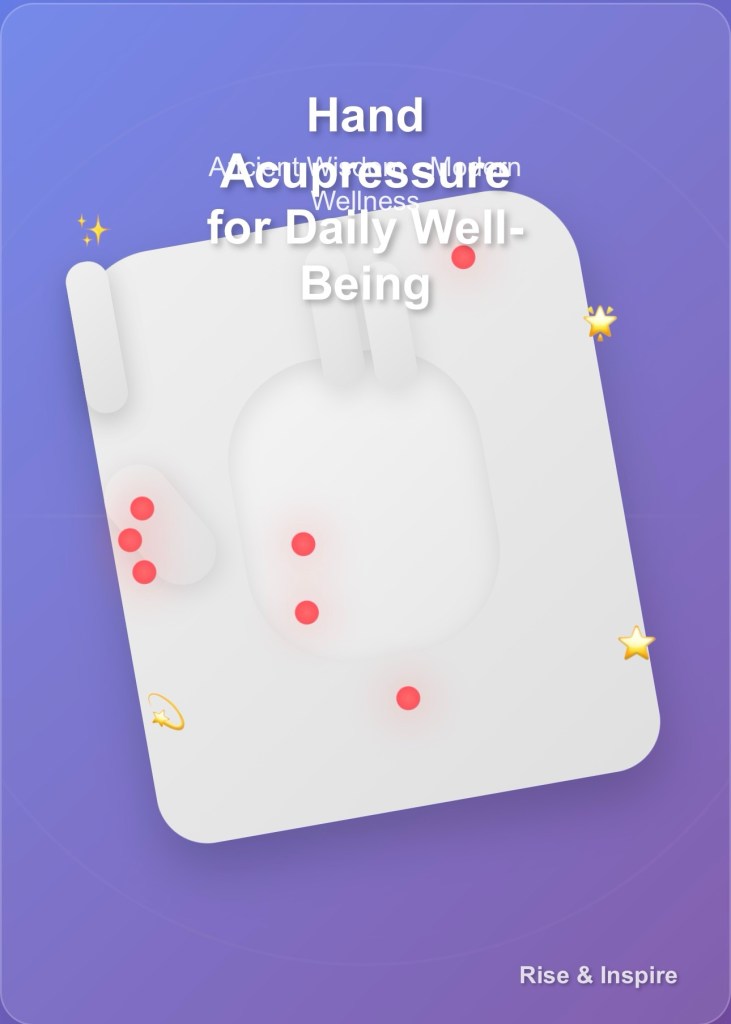
How Does Acupressure on the Hand Support Daily Well-Being?

Discover the power of acupressure points on your hand to boost health and wellness naturally. Learn how to stimulate organs like the brain, eyes, and stomach with this ancient technique. Rise & Inspire your journey! 

Introduction

In today’s fast-paced world, finding simple yet effective ways to support our daily well-being is more important than ever. One such time-honored technique is acupressure, a natural practice that uses gentle touch to stimulate healing within the body. Rooted in traditional Chinese medicine, acupressure can be applied anywhere—even right on your hands. In this guide, we’ll explore how specific points on your hands correspond to vital organs like the brain, lungs, and stomach, and how you can activate these points to encourage balance, relieve stress, and promote everyday wellness. Welcome to another empowering session with Rise & Inspire, where small steps lead to big transformations.

Acupressure Points: 

A Natural Path to Wellness

Today, we look into the ancient practice of acupressure, a technique rooted in traditional Chinese medicine that harnesses the body’s natural energy to promote health and balance.

 Let’s explore how you can use this knowledge to enhance your well-being.

Understanding Acupressure

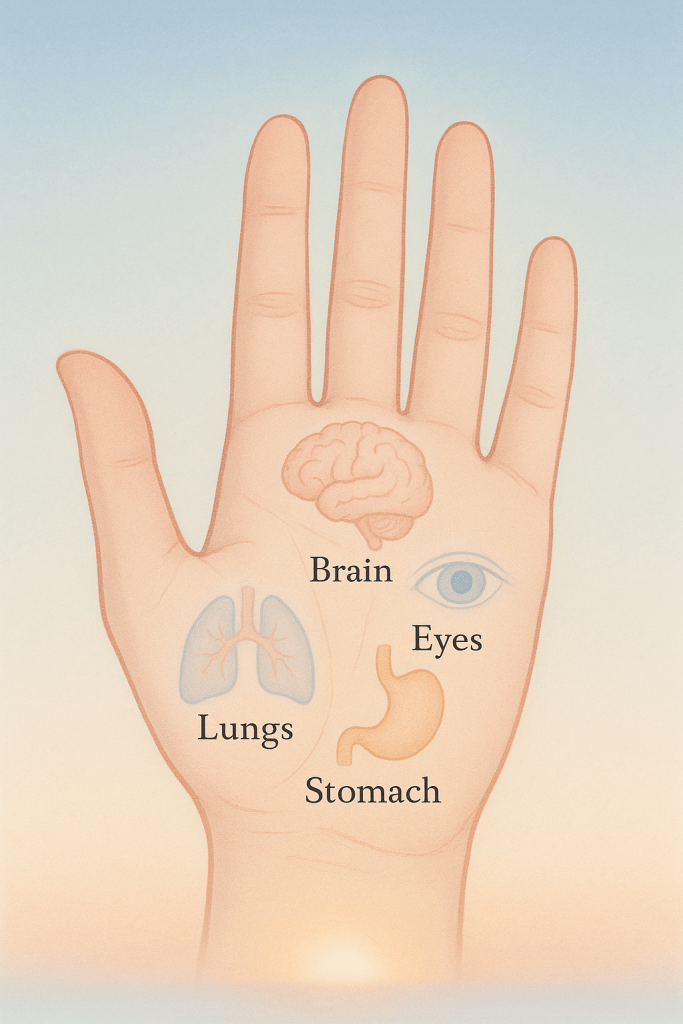
Acupressure involves applying pressure to specific points on the body to stimulate healing and relieve discomfort. By gently pressing these areas, you can potentially alleviate issues related to the brain, eyes, ears, stomach, lungs, kidneys, spine, and more. This holistic approach encourages self-care and empowers you to take charge of your health.

Key Acupressure Points on the Hand

  Brain: Located at the tip of the thumb, stimulating this point may help improve mental clarity and reduce stress.

  Eyes: Found on the upper palm near the base of the thumb, this area can be pressed to relieve eye strain or fatigue.

  Ears: Positioned on the outer edge of the palm, applying pressure here might support ear health.

  Sinus: Located at the tip of the index finger, this point can aid in clearing sinus congestion.

  Stomach: Situated near the base of the thumb, pressing this area may assist with digestion.

  Lungs: Found along the inner edge of the palm, this point could help with respiratory comfort.

  Kidney: Positioned near the base of the palm, this area might support kidney function.

  Spine: Running along the inner side of the hand, this line can be massaged to promote spinal health.

  Intestine: Located at the base of the palm, this point may aid in digestive regularity.

  Spleen and Liver: Found on the outer palm, these points can contribute to overall organ balance.

  Para Thyroid: At the tip of the middle finger, this area might support thyroid health.

How to Practice Acupressure

To begin, find a quiet space and sit comfortably. Use your thumb or fingertip to apply gentle, steady pressure to each point for 1-2 minutes. Breathe deeply and focus on the area you’re working on. If you feel discomfort, reduce the pressure. Consistency is key—practicing daily can yield the best results. Always consult a healthcare professional if you have underlying conditions or concerns.

Rise & Inspire Your Health

We believe in nurturing your body as a foundation for a vibrant life. Acupressure offers a simple, accessible way to tap into your body’s innate healing abilities. Whether you’re seeking relief from daily stress or aiming to support your organ health, these hand points provide a starting point. Embrace this practice with an open heart, and let it inspire you to rise each day with renewed energy.

Conclusion

By incorporating hand acupressure into your daily routine, you’re choosing a proactive and mindful path to health—one rooted in balance, simplicity, and ancient wisdom. These subtle yet powerful techniques not only help support various bodily functions but also encourage a deeper connection to your own well-being. Whether you’re seeking a moment of calm or a natural boost in energy, acupressure can be a reliable ally in your self-care journey. At Rise & Inspire, we invite you to explore this practice with curiosity and intention—and let each press be a gentle reminder of your power to heal, restore, and rise.

Stay tuned for more health tips and uplifting content as we continue to journey together toward a healthier, more inspired you.

Published: July 18, 2025

Explore More at Rise & Inspire archive. |  Motivational Blogs

Categories: Astrology & Numerology | Daily Prompts | Law | Motivational Blogs | Motivational Quotes | Others | Personal Development | Tech Insights | Wake-Up Calls

🌐 Home | Blog | About Us | Contact| Resources

📱 Follow us: @RiseNinspireHub

© 2025 Rise&Inspire. All Rights Reserved.

Word Count:748

Can Your Hands Heal Your Body? Discover the Power of Hand Reflexology

Learn how to activate your body’s natural healing power with hand reflexology! Discover pressure points to relieve headaches, coughs, digestive issues, and more in this guide for Rise&Inspire readers.

PRESS THE RIGHT POINTS – ACTIVATE YOUR BODY’S NATURAL HEALING POWER

The Healing Map… Right in the Palm of Your Hand!

Hello, Rise&Inspire readers! Today, we’re exploring an incredible and empowering concept: the healing potential that resides within your own hands. Our body is often referred to as the best doctor—if we tune in and stimulate the right spots, we can encourage energy flow and help our body recover naturally.

Many of us deal with everyday challenges like headaches, coughs, backaches, or sleeplessness, often seeking external solutions. But what if the answer lies within your hands? By massaging and activating specific pressure points on your hands, you can tap into your body’s internal immune system, nervous system, and vital organs. This approach draws from ancient practices like acupressure and reflexology, which connect different parts of the body to specific zones on the hands, feet, and beyond.

In this post, we’ll walk you through several key pressure zones on your hands and explain how to stimulate them daily to address common ailments. These techniques are simple, accessible, and remarkably effective. Let’s dive in!

The Healing Power in Your Hands

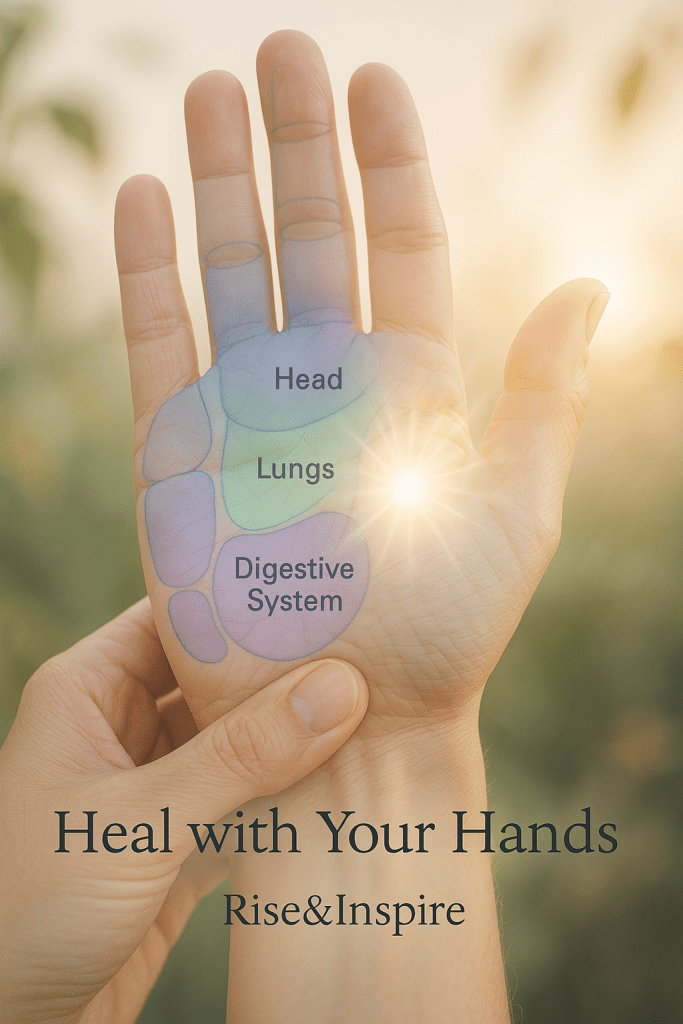
Hand reflexology works by linking different areas of your hand to various parts of your body. By applying gentle pressure to these zones, you can support the corresponding organs or systems, enhance energy flow, and promote healing. Below, we’ll explore several key pressure points and how to use them to improve your well-being.

1. HEADACHE – EYE STRAIN – BRAIN FATIGUE – SINUS INFLAMMATION

Location: The tip of your middle finger, extending down to the creases between the joints.

How to Stimulate: Use your thumb to press gently, making circular motions while taking deep breaths for 1–2 minutes.

Advantages: This area helps soothe the upper body, enhances blood flow to the brain, eases pain in the forehead or temples, improves vision clarity, and lightens head heaviness. It’s particularly useful for those spending long hours on screens or dealing with sinus discomfort.

2. COUGH – BREATHING ISSUES – SORE THROAT – ACID REFLUX

Location: The central part of your palm, roughly in the middle of your hand.

How to Stimulate: Use your thumb or knuckles to gently massage this area in a circular motion for 1–2 minutes while breathing deeply.

Effects: Activating this zone supports respiratory health, calms coughs, soothes sore throats, and can even reduce acid reflux by relaxing the upper digestive tract. This is an excellent method for those dealing with seasonal colds or breathing difficulties.

3. DIGESTIVE ISSUES – BLOATING – CONSTIPATION

Location: The lower central part of your palm, just below the middle section of your hand.

How to Stimulate: Press gently with your thumb or fingers, making small circular motions across this area for 2–3 minutes. Focus on deep, slow breathing to enhance relaxation.

Gains: This region supports your digestive system, helping to improve digestion, reduce bloating, and ease constipation. Regular stimulation can enhance gut movement and alleviate discomfort after meals.

4. KIDNEY SUPPORT – DETOXIFICATION – FATIGUE

Location: The lower part of your palm, just below the digestive zone, closer to the base of your hand.

How to Stimulate: Apply gentle pressure with your thumb, massaging in a circular motion for 1–2 minutes on each side of this area.

Impact: Stimulating this spot supports kidney function, aids in detoxification, and helps combat fatigue. The kidneys are essential for filtering toxins, so this can be especially helpful if you feel sluggish or experience water retention.

5. BLADDER HEALTH – URINARY ISSUES

Location: A small area near the base of your palm, just below the kidney zone.

How to Stimulate: Use your thumb to press gently and massage in a circular motion for 1–2 minutes.

Perks: This spot promotes bladder health and can assist with urinary issues like frequent urination or discomfort. It’s a simple way to encourage balance in the lower urinary system.

6. SHOULDER PAIN – NECK STIFFNESS

Location: The outer edges of your palm, near the base of your thumb and pinky finger.

How to Stimulate: Press firmly but gently with your thumb, moving in a circular motion for 1–2 minutes on each side.

Advantages: These points help release tension in the shoulders and neck, which is particularly helpful for those who sit for long periods or carry stress in their upper body. Regular stimulation can improve mobility and reduce stiffness.

7. LOWER BACK PAIN – KNEE DISCOMFORT

Location: The outer edge of your hand, along the side, and the very base of your palm near the wrist.

How to Stimulate: Massage these areas with your thumb or fingers in a circular motion for 2–3 minutes. Apply slightly more pressure if it feels comfortable, as these spots can handle it.

Effects: Activating these zones can help ease lower back pain, knee discomfort, and even foot fatigue. It’s a great technique for those who stand for long hours or experience chronic pain in these areas.

Why It Works

Hand reflexology is based on the idea that the body is interconnected through energy pathways. By stimulating specific points on the hands, you can influence the related organs or systems, encouraging better circulation, reducing tension, and supporting the body’s natural healing processes. While this isn’t a substitute for medical treatment, it’s a powerful complementary practice that can enhance your overall well-being.

Tips for Effective Practice

  Be Consistent: Spend 5–10 minutes daily massaging these pressure points to see the best results.

  Stay Relaxed: Find a quiet space, sit comfortably, and focus on deep breathing while you massage.

  Listen to Your Body: If an area feels tender, go gently—it might indicate a spot that needs extra care.

  Hydrate: Drink water after your session to support detoxification and circulation.

Final Thoughts

Your hands hold the key to unlocking your body’s natural healing potential. By incorporating these simple reflexology techniques into your daily routine, you can address common ailments, reduce stress, and feel more connected to your body’s innate wisdom. So, the next time you feel a headache coming on, a cough lingering, or tension building in your shoulders, take a moment to press the right points and let your body do the rest.

Rise&Inspire readers, I’d love to hear how these techniques work for you! Have you tried hand reflexology before, or is this your first time? Drop a comment below and let’s inspire each other to live healthier, more balanced lives.

Stay well,

Johnbritto Kurusumuthu

Note: Always consult a healthcare professional if you have chronic or severe symptoms. Reflexology is a complementary practice and should not replace medical advice.

Explore additional inspiration from the blog’s archive. | Astrology & Numerology 

Categories: Astrology & Numerology | Daily Prompts | Law | Motivational Blogs | Motivational Quotes | Others | Personal Development | Tech Insights | Wake-Up Calls

🌐 Home | Blog | About Us | Contact| Resources

📱 Follow us: @RiseNinspireHub

© 2025 Rise&Inspire. All Rights Reserved.

Word Count:1173

The Ultimate Gut Reset:

8 Steps to Heal Your Digestive Health

Struggling with bloating, fatigue, or poor digestion? Learn 8 proven steps to reset your gut, restore balance, and feel your best—naturally and effectively.

Your gut does more than digest food—it supports your immunity, energy, mood, and more. If you’ve been feeling bloated, tired, or just off, your digestive system could be calling for a reset.

Here’s your step-by-step guide to healing your gut from the inside out.

1. Ditch the Toxins

Clear out what’s harming your gut. Eliminate or reduce:

  • Alcohol
  • Caffeine
  • Processed foods
  • Refined sugars
  • Seed oils

Replace them with whole, nourishing options like:

  • Grass-fed or pasture-raised meats
  • Quinoa, sweet potatoes, and other gut-friendly carbs

Think of this step as a detox for your digestive system.

2. Embrace Fermented Foods

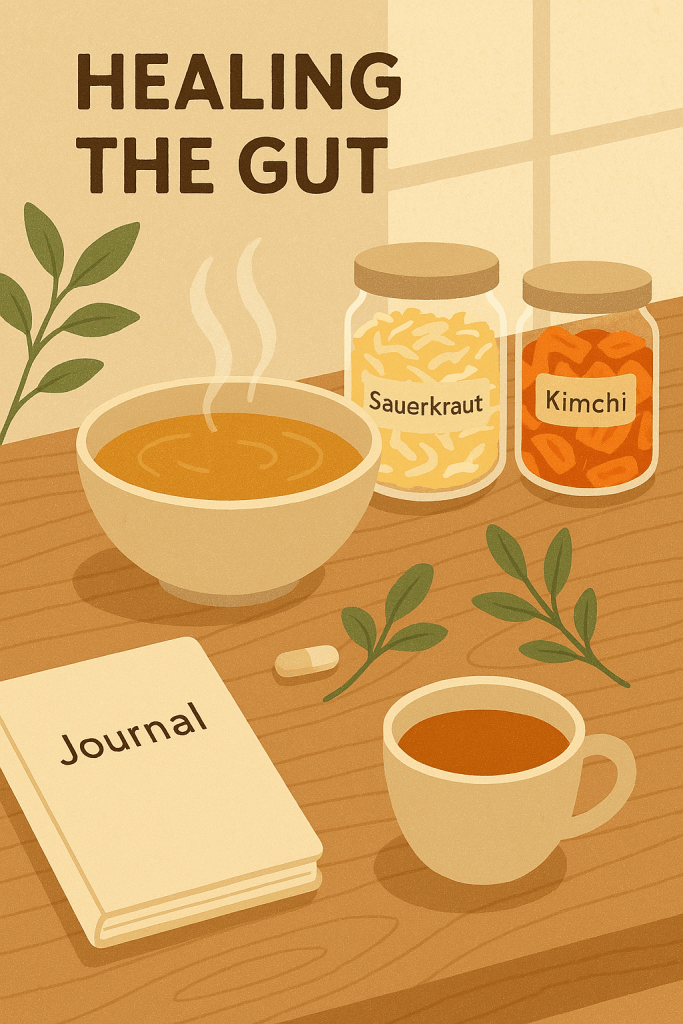
Fermented foods are rich in probiotics that restore gut balance. Add these to your daily meals:

  • Sauerkraut
  • Kimchi
  • Raw milk yoghurt or kefir

They help boost beneficial bacteria like lactobacillus and bifidobacterium. Aim for a fermented bite at every meal.

3. Take a Probiotic Supplement

Even with a great diet, a quality probiotic gives your gut a powerful edge.

Look for supplements with strains such as:

  • Lactobacillus acidophilus
  • Bifidobacterium lactis

Especially if you’ve used antibiotics or struggle with gut issues, this step is essential.

4. Avoid Antibiotics (Unless Necessary)

Antibiotics kill harmful and helpful bacteria. Only take them when absolutely necessary, and always consult your doctor about alternatives.

5. Sip Bone Broth Daily

Bone broth is liquid gold for your gut. It’s packed with:

  • Collagen
  • Amino acids
  • Minerals

Drink a warm mug daily to repair your gut lining and support digestion.

6. Support Digestion with Enzymes

Digestive enzymes help your body break down food and absorb nutrients. Supplement with a high-quality enzyme blend to:

  • Reduce bloating
  • Improve nutrient absorption
  • Support digestion, especially if you’re over 30 or under stress

7. Add Natural Gut-Healers

Rebuild your gut lining and reduce inflammation with these powerful additions:

  • Aloe vera juice – Soothes the digestive tract
  • L-glutamine – Repairs the gut lining
  • Vitamins A, C, and E – Fight inflammation
  • Omega-3s – Reduce gut irritation (fish oil, flaxseed)

As always, consult your healthcare provider before starting supplements.

8. Relax and Reset

Chronic stress harms your gut as much as junk food. Daily stress management practices can restore digestive balance:

  • Deep breathing
  • Meditation
  • Yoga
  • Journaling

Your gut thrives when you do.

Start Your Gut Reset Today

Healing your gut takes commitment, but the payoff is massive: better energy, a stronger immune system, and a happier you.

Start small. Stay consistent. And remember—every bite and breath is a chance to rebuild your health from within.

You’ve got this.

Explore additional inspiration from the blog’s archive. | Motivational Blogs

Categories: Astrology & Numerology | Daily Prompts | Law | Motivational Blogs | Motivational Quotes | Others | Personal Development | Tech Insights | Wake-Up Calls

🌐 Home | Blog | About Us | Contact| Resources

📱 Follow us: @RiseNinspireHub

© 2025 Rise&Inspire. All Rights Reserved.

Word Count:488

Have You Tried Walking Barefoot? The Secret Power of Grounding

Category: Motivational blogs

In our fast-paced, technology-driven world, we often overlook the simple yet profound act of connecting with nature. Barefoot walking, or grounding, is a practice that has been embraced for centuries across cultures. By removing our shoes and allowing our feet to touch the earth, we can tap into a natural source of healing and balance. But what exactly happens when we walk barefoot on natural surfaces? Let’s explore the science and benefits behind this grounding practice.

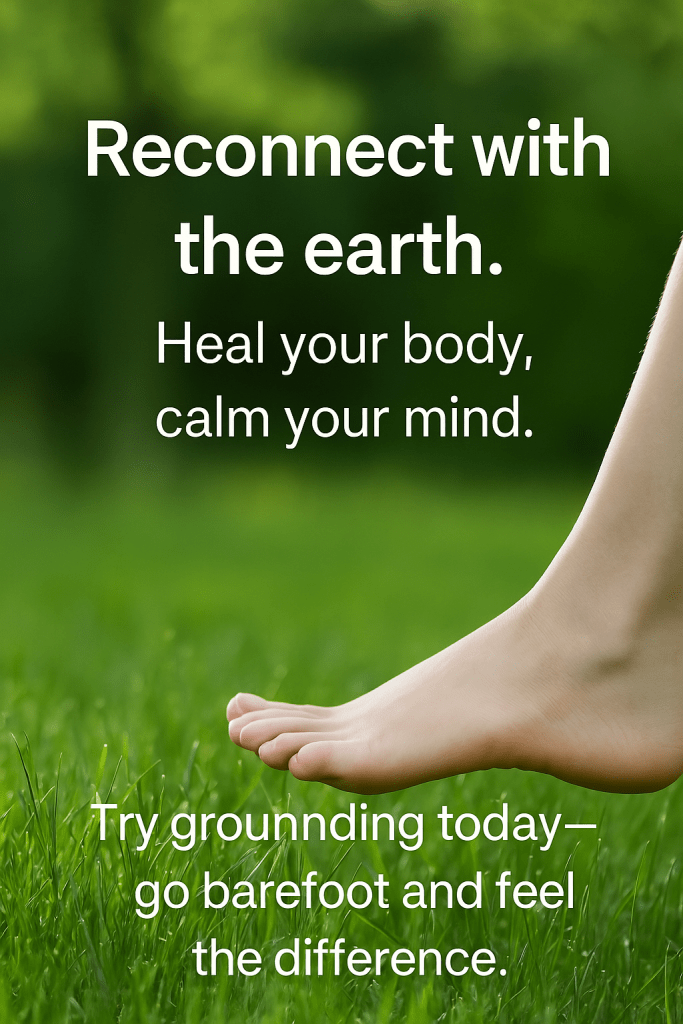
“Reconnect with the earth. Heal your body, calm your mind. Try grounding today—go barefoot and feel the difference.”

Inspiring Quote Block:

“Nature itself is the best physician.”

– Hippocrates

“Did you know that something as simple as walking barefoot in nature can have a powerful healing effect on your body?”

In our modern, fast-paced lives, we often forget that healing doesn’t always come in the form of pills or procedures. Sometimes, the earth itself offers us a remedy. One such forgotten remedy is grounding—also known as earthing—which involves walking barefoot on natural surfaces like grass, soil, or sand.

What Is Grounding?

Grounding is the practice of physically connecting with the earth’s surface. When we walk barefoot, our body comes into direct contact with the Earth’s natural electrons. This exposure is believed to offer a host of benefits by neutralizing free radicals and stabilizing our body’s internal bioelectrical environment.

You can read more about the science behind it in this peer-reviewed article on grounding and health from the National Center for Biotechnology Information (NCBI).

Benefits of Grounding:

Reduces stress and tension: Grounding has been shown to shift the body from a stressed state to a more relaxed parasympathetic state (study link).

Decreases inflammation and pain: A study published in the Journal of Inflammation Research showed reduced markers of inflammation after grounding sessions (see study).

Improves sleep: Regular grounding may improve sleep quality by helping to reset circadian rhythms (research article).

Boosts overall well-being: Being barefoot in nature fosters a sense of peace, mindfulness, and overall physical balance.

A Divine Connection

When we touch the earth barefoot, we align with what some call the divine electromagnetic healing forces of the planet. Whether you see this as spiritual or scientific, it’s undeniable that nature has an extraordinary way of restoring balance in our lives.

Take the First Step

So next time you visit a garden, beach, or a quiet patch of land, kick off your shoes. Let your feet touch the earth. Just a few minutes a day of grounding can become your daily ritual of wellness and connection.

Key Takeaway:

Healing isn’t always high-tech—it can be as humble as the ground beneath your feet. Reconnect with nature, and in turn, reconnect with yourself.

Resources for Further Reading:

1. Earthing: Health Implications of Reconnecting the Human Body to the Earth’s Surface Electrons (NCBI)

2. The Effects of Grounding on Inflammation and Pain (NCBI)

3. Grounding and Sleep: Impact on Diurnal Rhythm of Cortisol (PubMed)

🌐 Home | Blog | About Us | Contact| Resources

Categories: Astrology & Numerology | Daily Prompts | Law | Motivational Blogs | Motivational Quotes | Others | Personal Development | Tech Insights | Wake-Up Calls

📱 Follow us: @RiseNinspireHub

© 2025 Rise&Inspire. All Rights Reserved.

Word Count:462

Staying Grounded in Tough Times

A Mindfulness Routine for Your Daily Life

Staying Grounded in Tough Times: A Mindfulness Routine for Your Daily Life

When life gets tough, it’s easy to feel overwhelmed by stress and uncertainty. During these challenging times, mindfulness can be a powerful tool to help you stay grounded and present. By intentionally focusing your attention on the present moment without judgment, you can reduce anxiety, enhance emotional resilience, and find a sense of peace and clarity in your daily life. 

In this post, you’ll explore five simple mindfulness exercises that you can incorporate into your routine, each designed to help you stay present by engaging different senses and aspects of your environment.

1. Morning Grounding with Breath Awareness

Instructions:

  • Start your day by finding a quiet space where you can sit comfortably or lie down in bed.
  • Close your eyes and take a few deep breaths, inhaling through your nose and exhaling through your mouth.
  • Focus on the sensation of your breath as it enters and leaves your body, noticing the rise and fall of your chest or abdomen with each breath.
  • If your mind begins to wander, gently bring your attention back to your breath.

Why It Helps: Focusing on your breath anchors you in the present moment, creating a sense of calm and stability. Starting your day with breath awareness can set a peaceful tone for the hours ahead, reducing anxiety and helping you approach challenges with a clear mind.

2. Mindful Eating

Instructions:

  • Choose one meal or snack each day to eat mindfully.
  • Before you begin eating, take a moment to observe the food on your plate, noticing its colors, textures, and shapes.
  • Breathe in the aroma of your food and savor the smell before taking a bite.
  • As you eat, chew slowly and focus on the taste, texture, and sensation of the food in your mouth.
  • Fully experience each bite, allowing yourself to appreciate the flavors and the nourishment your food provides.

Why It Helps: Mindful eating brings your attention to the sensory experience of a meal, helping you stay present and appreciate the nourishment your body receives. It can also improve digestion and foster a healthier relationship with food, reducing stress and mindless eating.

3. Sensory Walk

Instructions:

  • Take a short walk, whether in your neighborhood, a park, or even indoors.
  • During your walk, focus on the sensory details around you, such as the feel of the ground beneath your feet, the temperature of the air, the sounds you hear, and the sights around you.
  • Occasionally, pause to touch something—a tree bark, a leaf, or a wall—and feel its texture and temperature.
  • Breathe deeply and allow yourself to fully experience your surroundings.

Why It Helps: A sensory walk engages multiple senses, pulling you out of your thoughts and into the present moment. This practice is especially useful when you’re feeling overwhelmed or distracted, as it shifts your focus from internal worries to external sensations, helping you ground yourself in your environment.

4. Mindful Listening

Instructions:

  • Find a quiet moment during your day to sit still and close your eyes.
  • Focus on the sounds around you—whether it’s distant traffic, birds chirping, or the hum of appliances.
  • Rather than labeling or judging the sounds, simply notice them as they come and go.
  • If your mind begins to wander, gently bring your focus back to the sounds around you.

Why It Helps: Mindful listening sharpens your awareness of the present moment by tuning into your auditory environment. This exercise helps you connect with your surroundings and can also improve your ability to listen attentively in conversations, enhancing your communication and relationships.

5. Body Scan Before Bed

Instructions:

  • As you lie in bed, close your eyes and take a few deep breaths.
  • Starting from the top of your head, slowly move your attention down through your body, noticing any sensations—such as tension, warmth, tingling, or relaxation.
  • Spend a few moments on each body part, from head to toes, without trying to change anything. Simply observe and acknowledge what you feel.
  • Finish the exercise with a few deep breaths, letting go of any remaining tension.

Why It Helps: A body scan is a powerful way to release physical tension and bring focus to the sensations in your body. This practice can be especially effective at night, as it helps calm your mind and body, making it easier for you to relax and fall asleep.

Resources for Further Research

If you’re looking to deepen your mindfulness practice and explore additional techniques, here are some resources that may be helpful:

  1. Books:
  2. Online Courses:
  3. Apps:
    • Headspace: Provides guided meditation sessions and mindfulness exercises that you can practice anywhere.
    • Calm: Offers guided meditations, breathing exercises, and sleep stories designed to help you relax and stay present.
    • Insight Timer: A free app with thousands of guided meditations and mindfulness practices from various teachers.
  4. Podcasts:

By incorporating mindfulness into your daily routine, you can significantly impact your mental and emotional well-being, especially during tough times. Practicing these simple exercises can help you cultivate a sense of presence and stability, allowing you to navigate life’s challenges with greater ease and resilience.

Remember, mindfulness is a practice, and with time, it can become a natural and supportive part of your daily life.

Weekly Mindfulness Planner & Exercise Summary

This planner is designed to help you integrate mindfulness into your daily life. Below are five simple exercises, along with space to plan and reflect on your practice each day.

Morning Grounding with Breath Awareness

Start your day by finding a quiet space to sit comfortably or lie down. Close your eyes and take deep breaths,

focusing on the sensation of your breath. If your mind wanders, gently bring your attention back to your breath.

Mindful Eating

Choose one meal or snack each day to eat mindfully. Observe the food, savour the smell, and fully experience each bite. Focus on the taste, texture, and the nourishment your food provides.

Sensory Walk

Take a short walk, focusing on the sensory details around you. Feel the ground beneath your feet, listen to the sounds, and observe your surroundings. Engage your senses fully to stay present.

Mindful Listening

Find a quiet moment to sit still and close your eyes. Focus on the sounds around you without labeling or judging them. Simply notice the sounds as they come and go.

Body Scan Before Bed

As you lie in bed, close your eyes and take deep breaths. Slowly move your attention down through your body, noticing any sensations. Observe and acknowledge what you feel without trying to change anything.

Weekly Mindfulness Planner

Use this space to plan and reflect on your mindfulness practice each day. 

Note which exercises you plan to


Weekly Mindfulness Planner & Exercise Summary

Do and any observations or feelings you experience.

Monday: ____________________________________________

Tuesday: ____________________________________________

Wednesday: __________________________________________

Thursday: ___________________________________________

Friday: _____________________________________________

Saturday: ___________________________________________

Sunday: _____________________________________________

For further insights and inspiration, visit Rise&InspireHub. The blog offers stories that touch the heart and spark the imagination.
Email: kjbtrs@riseandinspire.co.in

What Is Progressive Muscle Relaxation (PMR) and How Can It Help You?

Why Should You Include Progressive Muscle Relaxation in Your Daily Routine?

Progressive muscle relaxation (PMR) is a technique designed to reduce physical tension and promote relaxation by sequentially tensing and then relaxing different muscle groups in the body.

This method helps you become more aware of physical sensations and teaches you how to consciously release muscle tension, which can also help reduce stress and improve sleep quality.

How Can You Effectively Practice Progressive Muscle Relaxation at Home?

How Progressive Muscle Relaxation Works

1. Preparation:

Find a quiet, comfortable place where you won’t be disturbed.

Sit or lie down in a comfortable position.

Close your eyes and take a few deep breaths, inhaling through your nose and exhaling through your mouth.

2. Progression Through Muscle Groups:

Begin with your feet and work your way up to your head, or vice versa.

Focus on one muscle group at a time.

Tense each muscle group for about 5-10 seconds, then relax for 15-20 seconds.

Notice the difference in sensation between the tension and relaxation.

3. Muscle Groups to Target:

Feet and toes: Curl your toes tightly, then release.

Calves: Flex your calves by pointing your toes up, then relax.

Thighs: Tighten your thigh muscles, then release.

Buttocks: Squeeze your buttocks, then relax.

Abdomen: Tense your abdominal muscles, then release.

Chest: Take a deep breath and hold it, then release the breath and relax.

Back: Arch your back slightly, then relax.

Hands: Clench your fists tightly, then release.

Arms: Tense your biceps by pulling your forearms towards your shoulders, then relax.

Shoulders: Shrug your shoulders up to your ears, then release.

Neck: Press your head back gently (if lying down) or forward (if sitting), then relax.

Face: Tighten your facial muscles by scrunching up your face, then relax.

Jaw: Clench your jaw, then release and let your mouth drop open slightly.

What Are the Steps to Mastering Progressive Muscle Relaxation?

Steps in Detail:

1. Feet and Toes:

Tense: Curl your toes downward and hold.

Relax: Release the tension and let your toes fall naturally.

2. Calves:

Tense: Flex your feet upward, pulling your toes toward your shins.

Relax: Let your feet return to a natural position.

3. Thighs:

Tense: Tighten your thigh muscles by pressing your legs together.

Relax: Release the tension and let your legs lie naturally.

4. Buttocks:

Tense: Squeeze your glutes.

Relax: Release and let your muscles go slack.

5. Abdomen:

Tense: Tighten your stomach muscles by pulling your belly button in.

Relax: Let your abdomen soften.

6. Chest:

Tense: Take a deep breath in and hold.

Relax: Exhale slowly and fully.

7. Back:

Tense: Arch your lower back slightly (without causing discomfort).

Relax: Let your back settle into a comfortable position.

8. Hands:

Tense: Make a fist with each hand.

Relax: Open your hands and let your fingers spread out.

9. Arms:

Tense: Bend your elbows and bring your fists toward your shoulders.

Relax: Let your arms fall to your sides or rest comfortably.

10. Shoulders:

Tense: Lift your shoulders up towards your ears.

Relax: Drop your shoulders back down.

11. Neck:

Tense: Gently press your head backward (if lying down) or forward (if sitting).

Relax: Return to a neutral position.

12. Face:

Tense: Scrunch up your facial muscles tightly.

Relax: Let your face go slack.

13. Jaw:

Tense: Clench your teeth together.

Relax: Let your jaw drop slightly.

What Are Some Tips for Getting the Most Out of Progressive Muscle Relaxation?

Tips for Effective PMR:

Breathe Slowly: Inhale while tensing the muscles and exhale while releasing the tension.

Focus on the Feeling: Pay attention to the contrast between tension and relaxation.

Stay Consistent: Practice PMR regularly for the best results.

By regularly practising PMR, you can develop a greater awareness of your body and learn to release muscle tension more effectively, which can contribute to overall relaxation and improved sleep quality.

Explore More from Rise&Inspire

Visit my platform, “Rise&InspireHub,” to explore more insights.

Check out all my posts for more inspiration and positivity.

Email:kjbtrs@riseandinspire.co.in