What’s the Story Behind my nickname?

What’s the story behind your nickname?

Born as Johnbrittokurusumuthu, I found inspiration in the teachings of Saint John de Britto, guiding me to explore beyond the boundaries of tradition.

Hey there, my name is Johnbrittokurusumuthu, but most people call me Britto. I want to share with you the incredible journey of my life—a journey that has been anything but ordinary.

I was born in a small village, a place where tradition and spirituality were deeply ingrained in the hearts of its people. My parents gave me the name Johnbrittokurusumuthu, a name carrying the weight of their beliefs and aspirations. But to my friends and family, I was just Britto—a curious and spirited soul who often sought to challenge the norms around me.

From a young age, I was drawn to the teachings of Saint John de Britto, a revered figure whose legacy of compassion and unwavering dedication spoke to my heart. I saw in him the embodiment of the values I wanted to embrace, and his name became my inspiration.

Growing up, I couldn’t help but question the rigid customs of our village. While everyone celebrated our traditions, I yearned to explore beyond the boundaries, to see what lay beyond the horizon. It wasn’t easy, facing opposition from the conservative elders who wanted me to conform, but my parents saw something special in me. They encouraged me to pursue my dreams, knowing that my journey would be unconventional, just like the teachings of Jesus.

And so, one momentous day, I bid farewell to my family and set out on an adventure that would change my life forever. I ventured into distant lands, where the richness of diverse cultures and beliefs captivated me. Each encounter became a learning experience, and every connection I made added depth to my understanding of the world.

Of course, my journey wasn’t without challenges. There were moments of doubt and darkness, but my unshakable faith in the goodness of humanity and the teachings of Saint John de Britto carried me through. I discovered an inner strength that I never knew I possessed, and I emerged from each trial stronger and more determined to make a difference.

Back in my birth village, my parents watched my journey with pride, knowing that the name they had given me had transcended the boundaries of tradition and found a place in the hearts of countless souls.

My tale is a reminder that life’s most inspiring stories are often born from unconventional paths. Just like Jesus’ recipe for love defied expectations, my journey too challenged norms, proving that by embracing our individuality and cultivating compassion, we can create a recipe for a better, more connected world.

So, my friend, I encourage you to fearlessly embrace your journey, for it is in the pursuit of goodness that we truly discover our purpose and make a lasting impact on the world.

Together, we create a world that celebrates our differences and embraces the beauty of being unique.

Explore more insights at Rise&Inspire

Website: Home | Blog | About Us | Contact| Resources

Is Youthful Living at 65 Attainable?

No Magic is Required!

Testosterone is a hormone that is primarily produced in the testicles in men and smaller amounts in the ovaries and adrenal glands in women. It is an important hormone for both sexes, but it is often referred to as the “male hormone” because it plays a key role in male reproductive and sexual development. Testosterone is responsible for the development of male sexual characteristics during puberty, such as deepening of the voice, facial hair growth, and muscle mass development.

In addition to its role in sexual development, testosterone also has other important functions, including:

Maintaining bone density

Regulating fat distribution

Enhancing muscle mass and strength

Supporting red blood cell production

Affecting mood and energy levels

As people age, testosterone levels tend to decline gradually. This decline is a natural part of the ageing process and is often referred to as “andropause” or “male menopause.” While some reduction in testosterone levels is normal and may not cause significant problems, extremely low levels can lead to various symptoms and health issues.

If you are 65 and looking to support healthy testosterone levels, here are some strategies you can consider:

Exercise regularly: Engaging in both aerobic and resistance exercises can help boost testosterone levels. Weightlifting and high-intensity interval training (HIIT) are particularly effective.

Maintain a healthy diet: Make sure your diet includes an adequate amount of protein, healthy fats (such as omega-3 fatty acids), and essential vitamins and minerals like vitamin D and zinc. A balanced diet can support testosterone production.

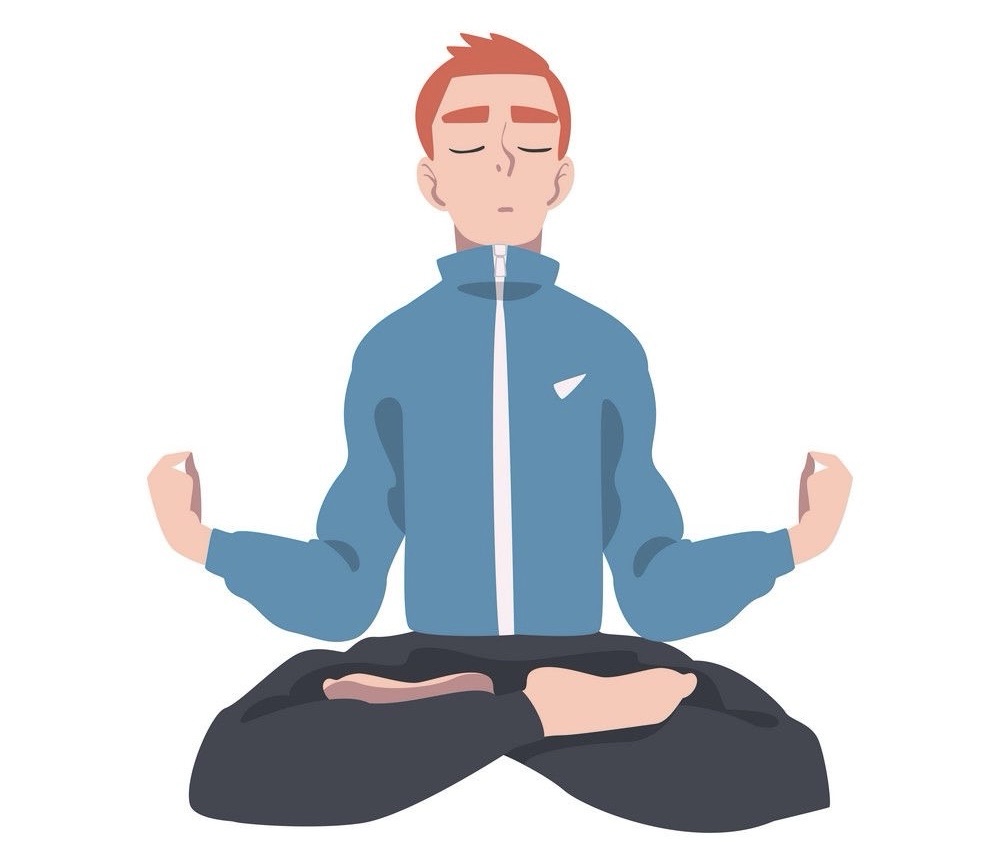
Manage stress: High-stress levels contribute to hormone imbalances, including reduced testosterone levels. Practice relaxation techniques such as meditation, deep breathing, or yoga to manage stress.

Get enough sleep: Poor sleep negatively impact hormone production, so ensure you are getting enough restful sleep each night.

Maintain a healthy weight: Being overweight or obese leads to lower testosterone levels. By maintaining a healthy weight, you can support hormonal balance.

Avoid excessive alcohol and tobacco use: Both alcohol and tobacco use have been linked to lower testosterone levels. Reducing or eliminating these habits can be beneficial.

Consult a healthcare professional: If you are experiencing significant symptoms related to low testosterone, it’s essential to consult a healthcare professional. They can perform tests to assess your hormone levels and provide personalized recommendations or treatments if necessary.

Keep in mind that individual responses to lifestyle changes vary, and some age-related decline in testosterone is normal. It’s important to focus on overall health and well-being rather than solely trying to increase testosterone levels.

Always consult with a healthcare professional before making any significant changes to your lifestyle or starting any supplements or medications.

Transform Your Life with Rise&Inspire – Be part of our community, where uplifting vibes pave the way to success.

How Did Keyboards Evolve from Typewriters to Smartphones?

Keyboards have become an integral part of our daily lives, allowing us to communicate, work, and interact with technology efficiently.

QWERTY keyboard
A Brief History of Keyboard Evolution

From the earliest typewriters to the sleek smartphones we carry today, the evolution of keyboards has been a fascinating journey.

The Birth of QWERTY

The keyboard journey begins in the 19th century when Christopher Latham Sholes designed the first practical typewriter, the “Remington No. 1,” in 1874. Sholes, along with Samuel Soule and Carlos Glidden, devised the QWERTY layout, which is still used in most keyboards today. The QWERTY layout was designed to prevent jamming of the mechanical arms in typewriters by distributing commonly used letters away from each other. Despite the advancement of technology, the QWERTY layout has remained the standard for over a century.

Teletype Machines and Early Data Communication

As the world moved towards telegraphy and data communication in the early 20th century, teletype machines emerged. These devices featured keyboards that allowed operators to type messages and transmit them over telegraph lines. Teletype machines were important in the development of early data communication networks and played a significant role during World War II.

Computer Terminals and ASCII

In the 1960s and 1970s, computer terminals came into prominence with the rise of mainframe computers. These terminals featured typewriter-like keyboards that enabled users to interact with the computer. During this era, the American Standard Code for Information Interchange (ASCII) was developed, providing a standardized way to represent characters in computers. The compatibility between keyboards and computer systems was further strengthened with the use of ASCII.

The Personal Computer Revolution

The 1970s and 1980s marked the advent of personal computers. Keyboards became a standard input device for these machines, allowing users to type text and commands. Early personal computers, like the Altair 8800 and the Apple I, featured simple keyboards. The introduction of graphical user interfaces (GUIs) in the 1980s revolutionized the way we interacted with computers, making keyboards even more indispensable.

The Era of Ergonomics

As technology advanced and people spent more time using keyboards, concerns about ergonomics arose. Researchers and designers focused on creating keyboards that were more comfortable and reduced the risk of repetitive strain injuries. The split keyboard design and ergonomic key arrangements were among the innovations that aimed to improve user comfort.

Modern Keyboards: Beyond the PC

In the 21st century, keyboards have transcended traditional PCs. With the advent of smartphones and tablets, virtual keyboards have become the norm. Touchscreens and haptic feedback technology allow users to type on the go, changing the way we interact with our devices. Additionally, wireless and Bluetooth keyboards offer enhanced flexibility and mobility, catering to diverse user needs.

Conclusion

The evolution of keyboards, from the QWERTY layout of the typewriter era to the virtual keyboards of our smartphones, is a testament to human ingenuity and adaptability. Keyboards have continuously evolved to meet the demands of technology and user preferences.

virtual keyboard on a smartphone

As we move forward, it’s exciting to imagine what new keyboard innovations await us in the future. Until then, let’s continue to type away, bridging the gap between our thoughts and the digital world.

Explore more insights from Rise&Inspire

Website: Home | Blog | About Us | Contact| Resources

Effective Coping Strategies for Managing Stress and Anxiety

Introduction

Stress and anxiety are common experiences in today’s fast-paced world. The pressures of work, relationships, health, and other challenges take a toll on our mental well-being.

However, there are effective coping strategies that help us manage stress and anxiety, fostering emotional resilience and overall well-being.

Recognizing and Accepting Stress

The first step in managing stress and anxiety is recognizing and accepting their presence. Often, we deny or ignore our stress, believing it to be a sign of weakness. However, acknowledging stress is a normal human response and not a character flaw. By accepting stress, we begin to understand its triggers and impact, making it easier to address effectively.

Mindfulness and Meditation

Mindfulness and meditation practices have gained significant popularity for their positive effects on mental health. Mindfulness involves being present at the moment without judgment, allowing us to focus on our thoughts and feelings non-reactively. Meditation, on the other hand, cultivates a sense of calmness and inner peace. Both practices help reduce stress and anxiety, promoting a more balanced perspective on life’s challenges.

Regular Exercise

Physical activity has proven to be a powerful stress reliever. Engaging in regular exercise, whether it’s jogging, yoga, or simply walking, releases endorphins, the body’s natural mood elevators. Exercise helps to divert attention from stressors, promotes better sleep, and enhances overall physical health, contributing to a more resilient mindset.

Social Support

Maintaining strong social connections is a crucial aspect of coping with stress and anxiety. Talking to friends, family, or support groups about challenges and emotions provide a sense of relief and validation. Social support networks offer a safe space to express feelings and receive valuable advice or perspective from others who have faced similar situations.

Time Management

Feeling overwhelmed by a never-ending to-do list is a common stressor. Effective time management helps us prioritize tasks, set realistic goals, and allocate time for self-care and relaxation. By organizing our schedules, we regain a sense of control, reducing stress and increasing productivity.

Cognitive Restructuring

Cognitive restructuring involves challenging negative thought patterns and replacing them with more constructive and realistic ones. Often, stress and anxiety are exacerbated by irrational or pessimistic thoughts. Through cognitive restructuring, we identify these patterns and develop a more positive and adaptive mindset, leading to reduced stress levels.

Setting Boundaries

In today’s digital age, it’s easy to be constantly connected, leading to information overload and perpetual work-related stress. Setting boundaries between work and personal life is crucial for maintaining mental well-being. Designating time for relaxation and leisure activities away from screens and work-related tasks lead to increased satisfaction and reduced anxiety.

Seeking Professional Help

Sometimes, stress and anxiety become overwhelming, and coping strategies may not be enough. In such cases, seeking professional help from therapists, counsellors, or mental health specialists is essential. These professionals provide valuable insights, personalized coping strategies, and support to navigate through challenging times.

Conclusion

Stress and anxiety are natural responses to life’s challenges, but they can be managed effectively through various coping strategies. Recognizing stress, practising mindfulness, engaging in regular exercise, seeking social support, setting boundaries, and seeking professional help are just a few of the effective techniques one can adopt. By prioritizing mental well-being and implementing these coping strategies, one can cultivate emotional resilience, leading to a healthier and more balanced life. It is important to remember that everyone’s journey is unique, and finding the most suitable coping strategies requires time and exploration, but the effort is well worth the benefits achieved in achieving a happier and more stress-free life.

Today’s Challenge is Tomorrow’s Triumph: Keep Going!

Transform Your Life with Rise&Inspire

Why Do Some Tablets Have Split Lines in the Middle?

The split lines in the middle of tablets are called scoring. They are put there by the manufacturer to indicate that the tablet can be split in half. This is done for a few reasons:

🏓To allow patients to take a lower dose of the medication. This can be helpful for people who are sensitive to the medication or who only need a small amount.

🏓To make the tablet easier to swallow. Some people find it easier to swallow half a tablet than a whole one.

🏓To save money on prescription drugs. If a tablet is available in a higher dose, splitting it in half can allow patients to get a 2-month supply of medication for the price of one.

Not all tablets have scored. This is because some medications cannot be split safely. For example, extended-release tablets are designed to release the medication slowly over time. If they are split, the medication may be released too quickly, which could be dangerous.

If you are unsure whether or not a tablet can be split, it is always best to check with your doctor or pharmacist. They can help you determine if splitting the tablet is safe and if it will be effective for your needs.

When splitting tablets:

🔪Use a sharp knife or pill splitter to ensure that the tablet is split evenly.

Take both halves of the tablet at the same time.

Store the unused halves of the tablet in a cool, dry place.

Splitting tablets can be a safe and effective way to take medication.

tablet with a split line in the middle

However, it is important to do so carefully and to follow your doctor’s instructions.

Q1: Why do some tablets have a line in the middle?
The line, called a score mark, indicates that the tablet is designed to be split for easier dosing, swallowing, or cost savings.

Q2: Can all tablets be split?
No. Only scored tablets should be split. Extended-release, enteric-coated, or unscored tablets should not be broken, as this may affect how the medicine works.

Q3: Is it safe to split tablets without a pill cutter?
Using a pill cutter is safest because it ensures an even split. Breaking tablets by hand or with a knife can result in uneven doses.

Q4: What happens if you split an extended-release tablet?
Splitting an extended-release tablet can cause the drug to release too quickly, leading to side effects or reduced effectiveness. Always check with your doctor first.

Q5: Can splitting tablets save money on prescriptions?
Yes. Some patients get a higher-strength prescription and split the tablets to lower costs—but only if approved by a doctor or pharmacist.

Q6: How should I store split tablets?
Store them in a cool, dry place, ideally in their original container, and only split them right before use if possible to keep them effective.

Website: Home | Blog | About Us | Contact| Resources

How Can You Maintain Optimal Health and Well-Being Every Day?

What strategies do you use to maintain your health and well-being?


To maintain my health and well-being, I prioritize regular exercise, balanced nutrition, adequate sleep, stress management techniques like mindfulness and deep breathing, nurturing social connections, limiting screen time, practicing self-reflection, and scheduling regular health check-ups. These strategies help me stay physically, mentally, and emotionally healthy in today’s fast-paced world.

In today’s fast-paced world, it is challenging to maintain good health and overall well-being. Therefore, it is important to prioritise our health for a fulfilling and productive life. This blog post explores key strategies everyone incorporates into their daily routines to promote physical, mental, and emotional well-being.

Regular Exercise

Physical activity is important for a healthy lifestyle. It helps maintain a healthy weight, improves cardiovascular health, strengthens muscles, and boosts mood. Many different types of exercise can be incorporated into a routine, such as cardiovascular workouts, strength training, yoga, or simply walking. The key is to find an activity that you enjoy and that fits into your lifestyle.

Balanced Nutrition

A well-balanced diet provides the body with the nutrients it needs to function properly. Focus on eating plenty of fruits, vegetables, whole grains, lean proteins, and healthy fats. Avoid processed foods, sugary drinks, and high-calorie snacks. Mindful eating and portion control are also important aspects of maintaining a healthy diet.

Prioritize Sleep

Adequate sleep is essential for overall well-being. Lack of sleep can lead to impaired cognitive function, weakened immune systems, and other health problems. Establish a regular sleep schedule, create a relaxing bedtime routine, and optimize sleep conditions to improve the quality and duration of your sleep.

Manage Stress

Chronic stress hurts physical and mental health. Many different stress-reduction techniques are helpful, such as mindfulness meditation, deep breathing exercises, yoga, or spending time in nature. It is important to identify the stressors in your life and develop healthy coping mechanisms to manage them effectively.

Cultivate Social Connections

Human beings are social creatures, and strong social connections are vital for emotional well-being. Nurture relationships with family, friends, and colleagues. Engaging in social activities, joining clubs, or volunteering fosters a sense of belonging and support.

Practice Mindfulness and Self-Reflection

Mindfulness is the practice of staying present and aware of one’s thoughts and emotions. Regular self-reflection allows individuals to identify areas of improvement and set goals for personal growth. Journaling, mindfulness exercises, and setting aside time for self-care activities are valuable practices to enhance self-awareness.

Limit Screen Time

Excessive screen time, especially on electronic devices, negatively impacts both physical and mental health. Set boundaries on screen usage and ensure dedicated time for offline activities, such as reading, hobbies, or spending quality time with loved ones.

Regular Health Check-ups

Preventive healthcare is essential for detecting potential health issues early on. Schedule regular check-ups with healthcare professionals and follow their recommendations for vaccinations, screenings, and maintaining overall health.

Conclusion

Prioritizing health and well-being is a journey that requires commitment and effort. By incorporating these strategies into daily life, every person can take significant steps towards achieving a healthier and more fulfilling lifestyle.

Always keep in mind that each person’s journey is unique, so find a balance that works best for your needs and circumstances. Start small, stay consistent, and embrace the positive changes that come with nurturing your health and well-being.

Explore more insights from Rise&Inspire

Email: kjbtrs@riseandinspire.co.in

Dance in the Rain: Find Joy in Life’s Little Moments.

Website: Home | Blog | About Us | Contact| Resources

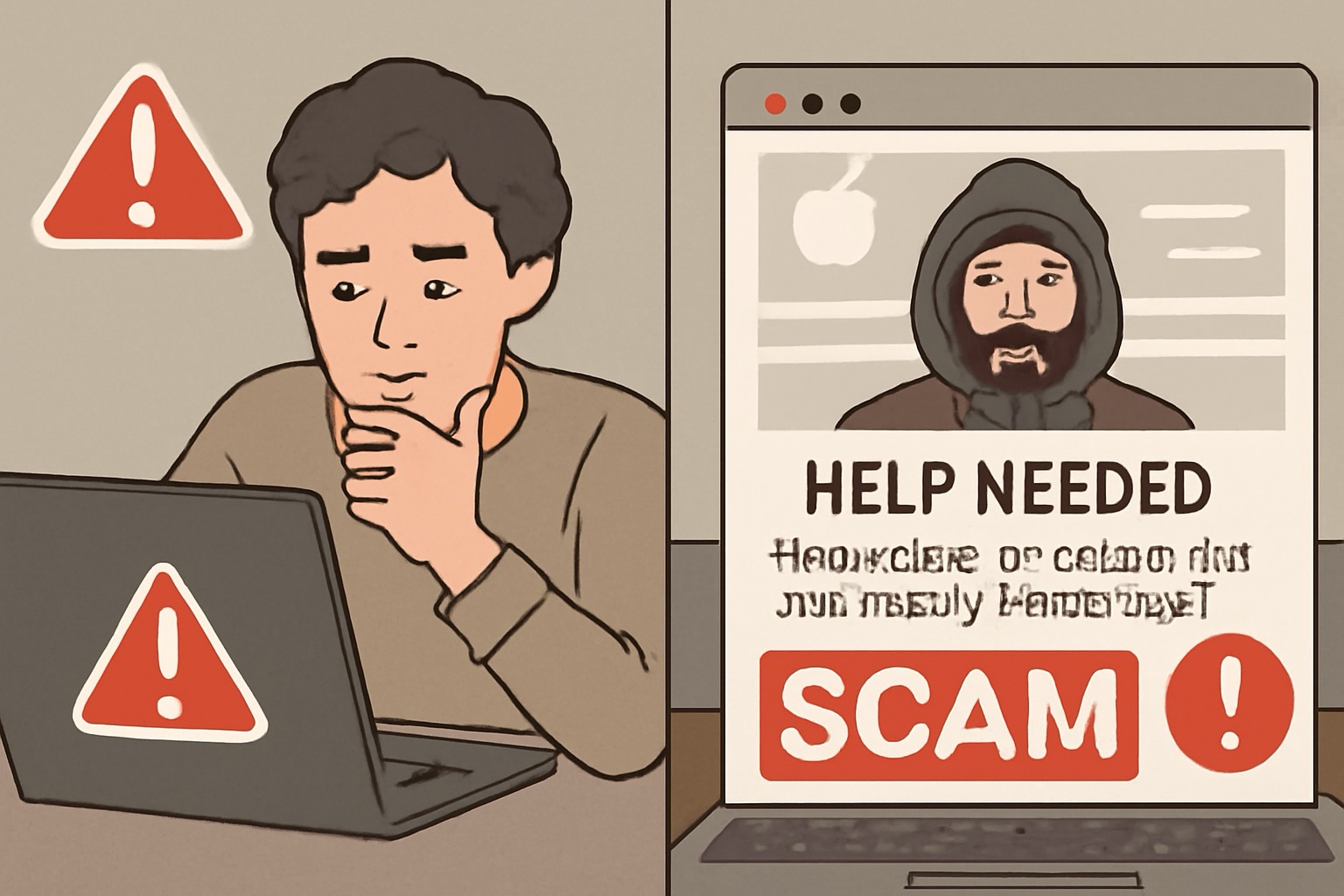
How Can You Protect Yourself from Online Scams?

Verify the identity of unknown individuals online before engaging further. Do a quick Google search to see if the person’s name and photos match any known profiles. You can also try to find their social media accounts and see if they have any friends or family members in common with you.

Avoid sharing sensitive personal and financial information with strangers. This includes your bank account number, credit card number, Social Security number, or any other information that could be used to steal your identity.

Be sceptical of sob stories and requests for money from unfamiliar people. If someone you don’t know asks you for money, it’s best to err on the side of caution and not give them anything. Some many legitimate charities and organizations can help people in need, so there’s no need to give money to someone you don’t know and trust.

Stick to reputable social media platforms and report suspicious accounts. If you see an account that seems suspicious, report it to the platform. Most social media platforms have a way to report suspicious accounts, and they will take action if they find that the account is violating their terms of service.

Adjust privacy settings on social media to control interactions. You can adjust your privacy settings on social media to control who can see your posts and send you messages. This can help to protect you from scammers who may try to contact you through social media.

Stay informed about common online scams to recognize potential threats. There are many different types of online scams, so it’s important to stay informed about the most common ones. You can find information about online scams on the websites of the Federal Trade Commission (FTC) and the Cybersecurity and Infrastructure Security Agency (CISA).

Don’t rush into hasty decisions and take your time to think critically. If someone asks you for money, don’t feel pressured to give it to them right away. Take some time to think about the situation and make sure that you’re making a sound decision.

Double-check requests for financial aid from people you know online. If someone you know online asks you for financial aid, double-check the request to make sure that it’s legitimate. You can do this by contacting the person directly or by checking with a trusted friend or family member.

Use trusted payment methods and avoid unfamiliar ones. If you do decide to give someone money, use a trusted payment method, such as PayPal or Venmo. Avoid using unfamiliar payment methods, as these may be more susceptible to fraud.

Seek advice from trusted sources if unsure about a situation. If you’re ever unsure about a situation, don’t hesitate to seek advice from a trusted source, such as a friend, family member, or financial advisor.

Trust your instincts and be cautious if something feels off. If something about a situation feels off, it probably is. Trust your instincts and don’t give in to pressure.

Transform Your Life with Rise&Inspire – Be part of our community, where uplifting vibes pave the way to success.

🌐 Home | Blog | About Us | Contact| Resources

What Does the Future of Travel Look Like — and Are You Ready for It?

The Future of Travel

What are your future travel plans?

The future of travel is full of possibilities. Initially, I thought to share my own personal travel plans and bucket list destinations also but considering the length of the blog I think I to include them on a separate blog.

Introduction

The world of travel has been forever changed by the pandemic. Borders have closed, businesses have shuttered, and people have been forced to stay home. But as the world begins to reopen, the future of travel is full of possibilities.

In this blog post, I try to explore the future of travel through the lenses of changing trends, sustainability, and technology.

Initially, I think to share my own personal travel plans and bucket list destinations also but considering the length of the blog I think to include them on a separate blog.

Travel Trends and Forecasts

The travel industry has undergone a profound transformation in recent times. The rise of social media has made it easier than ever to plan and share travel experiences. And the increasing popularity of sustainable travel is driving demand for more eco-friendly options.

Post-Pandemic Travel Landscape

The pandemic has had a seismic impact on the travel industry. But as the world begins to reopen, there is hope for a brighter future. Destinations and businesses are adapting to the new normal by implementing safety measures and reimagining experiences to cater to the changing needs of travellers.

Emerging Destinations and Experiences

As the world reopens, there are several emerging destinations and experiences that are gaining popularity. These include off-the-beaten-path destinations, immersive experiences, and sustainable travel options.

Sustainable and Responsible Travel

As stewards of the Earth, it is important to make mindful choices when we travel. We can choose to support sustainable businesses, reduce our environmental impact, and learn about local cultures. By making these choices, we can leave a positive impact on the places we visit.

Technological Advancements in Travel

Technology is playing an increasingly important role in the travel industry. From AI-driven trip planning to virtual reality escapades, technology is revolutionizing the way we travel. By embracing these technologies, we can make our travel experiences more efficient, enjoyable, and sustainable.

Personal Travel Plans and Bucket List

We all have our travel bucket lists. Some of us dream of visiting far-off lands, while others prefer to explore closer to home. Whatever our goals, travel is a transformative experience that opens our eyes to new cultures and perspectives.

Travel Safety and Precautions

As we travel, it is important to stay safe and healthy. We can do this by following the latest travel advisories, getting vaccinated, and practising good hygiene. By taking these precautions, we can ensure that our travels are as safe and enjoyable as possible.

Travel Budgeting and Tips

Travelling is expensive, but there are ways to save money. We can do this by planning our trips, booking flights and accommodations in advance, and taking advantage of travel deals.

By following these tips, we can make our travel dreams a reality without breaking the bank.

Conclusion

The future of travel is full of possibilities. As we embrace the horizon, let us be mindful of the impact we have on the world around us. By making sustainable choices and practising safe travel habits, we can ensure that our travels are both enjoyable and beneficial for the planet.

Transform Your Life with Rise&Inspire – Be part of our community, where uplifting vibes pave the way to success.

Building a Better Modern Society

What would you change about modern society?

I would advocate for fostering empathy, embracing sustainability, and promoting inclusivity to shape a future that generations to come can take pride in inheriting.

The world is changing rapidly, and with it, our society. Technological advancements and societal changes are shaping our daily lives, and we must pause and reflect on how we can create a better modern society.

As the world evolves, so must we, with open minds, empathetic hearts, and a collective will to improve the lives of all individuals.

The following are some essential changes we can make to build a more inspiring, compassionate, and sustainable future:

Foster empathy and inclusivity. In our rapidly globalizing world, it is easy to feel disconnected from people and cultures far away from our own. However, embracing empathy and inclusivity is the key to understanding and appreciating our shared humanity. By actively seeking to understand different perspectives, we can build bridges of compassion that transcend borders, ethnicities, and religions.

Prioritize mental health. Modern society often pushes us to prioritize productivity and achievement above all else. However, it is important to recognize that true success comes from maintaining a healthy mind and soul. Let’s break the stigma surrounding mental health and create an environment where seeking help is encouraged, and everyone feels safe to talk openly about their struggles.

Adopt sustainable living practices. Our planet’s well-being is intricately linked to our actions. To build a better society, we must adopt sustainable practices in our daily lives. From reducing plastic waste to choosing renewable energy sources, small changes can collectively make a significant impact on the health of our environment.

Ensure quality education for all. Education is the foundation on which a progressive society thrives. It is imperative to ensure that quality education is accessible to all, regardless of their socioeconomic background. By empowering our youth with knowledge and critical thinking skills, we equip them to tackle the challenges of tomorrow.

Embrace technological advancements responsibly. Technology has the potential to revolutionize society for the better, but it requires responsible and ethical implementation. As we embrace technological advancements, let’s ensure that they serve humanity’s best interests and do not perpetuate inequality.

Promote gender equality. True progress lies in embracing gender equality in all aspects of life. Empowering women and breaking down gender stereotypes will lead to a more balanced and harmonious society, where everyone can thrive regardless of their gender identity.

Cultivate a culture of kindness. A little kindness can go a long way. Simple acts of compassion can create a ripple effect, inspiring others to spread positivity and make the world a brighter place. Let’s cultivate a culture where kindness is celebrated and valued.

Make responsible consumption choices. The culture of consumerism has its consequences, both on our environment and our well-being. By being mindful of our consumption patterns and supporting sustainable businesses, we can make conscious choices that protect both humanity and nature.

Encourage critical thinking. In a world filled with information, critical thinking is crucial to separate facts from fiction. By encouraging a culture of critical inquiry and promoting media literacy, we can equip ourselves to make informed decisions for the greater good.

Engage in civic participation. Our voices matter, and our actions can shape the course of society. Engaging in civic participation, such as voting, advocating for social justice, and participating in community initiatives, allows us to contribute actively to the positive transformation of our world.

Building a better modern society requires a collective effort, where each one of us takes responsibility for our actions and their impact on the world around us. By fostering empathy, embracing sustainability, and promoting inclusivity, we can create an inspiring future that generations to come will be proud to inherit.

So, let us embark on this journey of change together, and may our united efforts shape a brighter and more compassionate world.

Transform Your Life with Rise&Inspire – Be part of our community, where uplifting vibes pave the way to success.

What Role Does Storytelling Play in the Digital Age?

The titles “content writer“, “content creator“, and “content developer” are often used interchangeably, but they have slightly different meanings.

Content writers focus on creating written content, such as articles, blog posts, website copy, and social media posts. They are skilled at crafting engaging, informative, and persuasive content that resonates with the target audience. They may also be responsible for conducting research and optimizing content for search engines (SEO).

Content creators have a broader scope than content writers. They can create a variety of content, including written content, visual content (such as images, infographics, and videos), and audio content (such as podcasts). Content creators are versatile and can adapt their skills to various mediums to deliver compelling content experiences.

Content developers typically work on more complex and interactive content, such as e-learning materials, interactive websites, multimedia presentations, or digital courses. They may collaborate with subject matter experts and instructional designers to develop educational content and experiences that are engaging and interactive.

The best title for an individual depends on their specific skills, expertise, and the type of content they specialize in. For example, if someone excels in writing and has a strong command of language, the title “content writer” might be the most fitting title for them. If an individual possesses a versatile skill set, working with various forms of content (visual, written, audio, etc.), they might prefer the title “content creator”. And if someone’s expertise lies in developing interactive and educational content, the title “content developer” would be more appropriate.

In short, the best title for an individual depends on their unique abilities and the type of content they are most proficient in creating. Additionally, some individuals may prefer one title over another based on personal preference or the industry they work in. It’s important to understand the nuances of each title and choose the one that aligns most accurately with their skills and responsibilities.

Explore more insights from Rise&Inspire

What Makes Life a Beautiful and Complex Journey?

www.linkedin.com/feed/update/urn:li:activity:7021324593751625728

Life is a complex and beautiful journey. It is a journey full of experiences and emotions, both good and bad. It is a journey that grants us the opportunity to learn, grow, and connect with others.

Life is a beautiful yet complex journey filled with lessons, emotions, and growth. Discover how every experience shapes who we become.

What Makes Chicken Noodle Soup the Ultimate Comfort Food?

What’s your go-to comfort food?

My go-to comfort food is chicken noodle soup. It’s not just about the taste; it’s about the memories and emotions it evokes. This simple dish reminds me of cozy moments with loved ones and teaches me the power of finding solace in simplicity.

In the hustle and bustle of our daily lives, we often find ourselves yearning for a moment of solace and warmth. In times of stress, uncertainty, or exhaustion, there is something undeniably soothing about indulging in comfort food. For me, one dish stands out among the rest as my go-to source of solace: chicken noodle soup.

The Power of Nostalgia

Comfort food isn’t just about satisfying our taste buds; it’s about feeding our souls with nostalgia and memories. It transcends mere nourishment, becoming a source of emotional sustenance.

My chicken noodle soup is a simple yet magical concoction passed down through generations in my family. The aroma alone triggers a flood of cherished memories: rainy afternoons spent with my grandmother in her cosy kitchen, the laughter of loved ones around the dining table, and the feeling of being cared for and nurtured. Each spoonful of this soul-soothing broth carries a sense of comfort that transcends time and distance.

The Beauty of Simplicity

Comfort food doesn’t have to be elaborate or extravagant; in fact, it’s often the simple dishes that hold the most power to comfort and heal. The beauty of my chicken noodle soup lies in its simplicity: tender chicken, aromatic vegetables, and al-dente noodles, seasoned with love and a pinch of nostalgia.

This teaches us a valuable life lesson: amidst life’s complexities, simplicity can be the key to finding solace. Embracing the uncomplicated pleasures in life can ground us and remind us of the things that truly matter.

Nourishing the Soul

Comfort food nourishes not only our bodies but also our souls. It is a reminder that we are deserving of self-compassion and care. In the hustle of modern life, we often forget to prioritize ourselves, but taking the time to indulge in our favourite comfort foods can serve as a gentle reminder to slow down and appreciate life’s small joys.

Moreover, comfort food has the incredible ability to foster connections and strengthen bonds. Sharing a comforting meal with loved ones creates a safe space for vulnerability and opens the doors for meaningful conversations. In times of celebration and sorrow alike, these dishes have a unique power to unite us and remind us of our shared humanity.

Finding Your Comfort

Each one of us has a unique relationship with comfort food. It might be a warm bowl of soup, a gooey slice of macaroni and cheese, or a simple piece of chocolate that melts away the worries of the day. Whatever it may be, embrace it wholeheartedly.

Take a moment to reflect on the memories and emotions associated with your comfort food. Allow yourself to bask in the warmth it brings, and don’t be afraid to share it with those around you. Life can be challenging, but these small acts of self-care and indulgence can make all the difference in our overall well-being.

In a world that often feels chaotic and uncertain, comfort food serves as a beacon of warmth and familiarity. My journey with chicken noodle soup has taught me that simplicity holds great power and that nurturing our souls is as important as nourishing our bodies.

I encourage you to explore and embrace your go-to comfort food. Let it be a reminder that you are deserving of care, compassion, and joy. And, just as my grandmother’s soup brought people together, may your comfort food become a vessel to forge meaningful connections and inspire moments of love and togetherness.

I hope you enjoyed this blog post!

Discover more insights from Rise&Inspire

🌐 Home | Blog | About Us | Contact| Resources

Balancing Anticipation, Uncertainty, and Nostalgia

Anticipation: Employees may be excited to see their colleagues in person again, to collaborate more easily, and to participate in company culture.

Uncertainty: Employees may be unsure about how to adjust to the new normal, such as how to balance work and personal life, how to collaborate effectively in person, and how to follow new health and safety guidelines.

Familiarity: Employees may feel a sense of comfort and familiarity being back in the office, as they may have worked there for many years.

Nostalgia: Employees may be reminded of past experiences and memories as they walk through the office and interact with their colleagues.

Apprehension: Employees may be apprehensive about returning to the office, as they may be worried about getting sick, about not being able to focus, or about not being able to adjust to the new normal.

Employees are returning from a period of remote work, where they operated from home or other remote locations due to factors like the COVID-19 pandemic or other flexible work arrangements.

The Emotional Journey of Returning to the Office

Explore more insights from Rise&Inspire

kjbtrs@riseandinspire.co.in

Believe in Your Spark, Ignite Your Success.

Dogs or Cats?

Dogs or cats?

While there are many factors to consider when choosing a furry companion, such as lifestyle, personality, and maintenance, there are some key differences between dogs and cats that can help you make the best decision for you.
The Eternal Debate

Dogs and cats have been man’s best friends for centuries, and the debate over which pet is superior has raged on for just as long. While there are many factors to consider when choosing a furry companion, such as lifestyle, personality, and maintenance, there are some key differences between dogs and cats that can help you make the best decision for you.

Loyalty and Companionship

Dogs are known for their loyalty and companionship. They form strong bonds with their owners and are always eager to please. Dogs can provide unconditional love and support, and they can be a great source of comfort and companionship.

Cats, on the other hand, are more independent creatures. They don’t need as much attention as dogs, and they can be content to spend time on their own. However, cats can still be very affectionate, and they can provide their owners with a sense of calm and relaxation.

Lifestyle and Activity Levels

Dogs are generally more active than cats. They need regular exercise to stay healthy and happy. If you are an active person who enjoys spending time outdoors, a dog may be a good fit for you.

Cats, on the other hand, are more adaptable to different lifestyles. They can be content to live in apartments or small homes, and they don’t need as much exercise as dogs. If you have a busy lifestyle or you prefer a more relaxed home environment, a cat may be a better choice for you.

Maintenance and Care

Dogs require more maintenance than cats. They need to be walked, groomed and bathed regularly. Cats, on the other hand, are much more self-sufficient. They can groom themselves and they can use litter boxes, which makes them a good choice for people with busy schedules or limited time.

Conclusion

The decision of whether to get a dog or a cat is a personal one. There is no right or wrong answer, and the best choice for you will depend on your lifestyle, personality, and preferences. If you are still undecided, consider talking to a veterinarian or pet behaviourist. They can help you assess your needs and make the best decision for you and your family.

But Why Choose Just One?

Of course, you don’t have to choose just one! Many people enjoy the companionship of both dogs and cats. The two species can complement each other well, and they can provide each other with love, support, and entertainment.

Ultimately, the best pet for you is the one that you connect with on a personal level. Whether you choose a dog, a cat, or both, you are sure to find a furry friend who will bring you years of joy.

Explore more insights from Rise&Inspire

Carefully analyze the entire situation before reacting to others

www.linkedin.com/feed/update/urn:li:activity:7084429109770006528

The perception of rotation direction can be influenced by visual context, as demonstrated by the left and right images.

In the left image, with clockwise arrows on the sides, we tend to perceive all three images rotating clockwise. Conversely, in the right image, counterclockwise arrows on the sides lead us to perceive the rotation as counterclockwise.

However, the actual rotation direction remains the same in both scenarios.

Our brain’s interpretation of rotational motion is influenced by surrounding elements and our tendency to seek patterns and associations in visual information.

🫵This serves as a reminder to carefully analyze the entire situation before reacting to others and not to solely rely on our initial perceptions.

🗣Watch the video.