How Can 1 Chronicles 17:19 Transform Your Understanding of Divine Grace?

You work hard. You pray faithfully. You serve diligently. But have you ever stopped to ask the uncomfortable question: who gets the credit? King David faced this exact moment when God blessed him beyond imagination. His response in 1 Chronicles 17:19 flips our achievement-obsessed culture on its head and offers something far more liberating than self-made success.

Daily Biblical Reflection – Verse for Today (25th November 2025)

For your servant’s sake, O Lord, and according to your own heart, you have done all these great deeds, making known all these great things.

1 Chronicles 17:19

A Heart That Recognises Grace

In this beautiful verse from the first book of Chronicles, we encounter King David in a moment of deep humility and wonder. He has just received an extraordinary promise from God through the prophet Nathan, a covenant that his house and kingdom would endure forever. Yet instead of boasting in his own merit or achievements, David acknowledges a fundamental truth at the heart of our relationship with God. Everything comes from His grace, not from our deserving.

David’s response teaches us something essential about the spiritual life. He recognises that God’s great deeds are done “for your servant’s sake” out of divine love and faithfulness, not because we have earned them. How often do we forget this? We work, we strive, we achieve, and gradually we begin to think that our blessings are the fruit of our own efforts alone. But David reminds us that behind every good thing in our lives stands the loving heart of God.

According to Your Own Heart

The phrase “according to your own heart” reveals something beautiful about God’s nature. God acts not out of obligation or external pressure, but from the abundance of His own loving heart. His generosity flows from who He is, not from what we deserve. This is the essence of grace, unmerited favour that springs from divine love.

When we grasp this truth, it transforms how we approach God. We come not as creditors demanding payment, but as beloved children receiving gifts from a generous Father. We pray not to manipulate or bargain, but to align our hearts with His. We serve not to earn His approval, but in grateful response to love already given.

Making Known All These Great Things

David also recognises that God’s mighty acts serve a purpose beyond individual blessing. God makes known His great deeds so that His people, and through them, all nations might come to know His character, His power, and His faithfulness. Every personal blessing carries a communal dimension. Every testimony of God’s goodness is meant to be shared, encouraging others and building up the body of believers.

This calls us to be witnesses, not just recipients. When God does something wonderful in our lives, when He answers a prayer, provides in a time of need, or strengthens us through a trial, we are called to “make known” these great things. Not to boast about ourselves, but to point others toward the God who is faithful, loving, and mighty to save.

Living in Grateful Response

As we reflect on this verse today, let us examine our own hearts. Do we recognise the grace that undergirds every good thing in our lives? Are we living in humble gratitude, or have we begun to take credit for blessings that come from God’s hand? Do we see our testimonies as private possessions, or as gifts meant to encourage and build up the community of faith?

Let David’s prayer become our own. May we approach each day with wonder at God’s goodness, humility about our own deserving, and eagerness to make known the great things He has done. For truly, all that we have and all that we are flows from His generous heart.

Prayer: Gracious Lord, open our eyes to see Your hand in every blessing. Give us hearts that overflow with gratitude rather than entitlement, humility rather than pride. Help us to recognise that all good things come from You, and give us courage to testify to Your faithfulness. According to Your own heart, continue Your work in us and through us, that Your name may be glorified. Amen.

The Davidic Covenant — God’s Faithful Promise

The promise given to David in 1 Chronicles 17 is part of the Davidic Covenant, God’s unconditional assurance that David’s house, kingdom, and throne would endure forever.
This eternal promise finds its fulfilment in Jesus Christ, the Son of David whose kingdom has no end.
If God kept this promise across centuries and human failures, we can trust every promise He makes to us today.

Verses forwarded every morning by His Excellency, Rt. Rev. Dr. Selvister Ponnumuthan, upon whom Johnbritto Kurusumuthu wrote reflections.

Check the Rise & Inspire “Wake-Up Calls” archive at riseandinspire.co.in

© 2025 Johnbritto Kurusumuthu | Rise & Inspire Devotional Series

Word count:818
What Makes Someone Your Favourite Person at This Stage of Life?

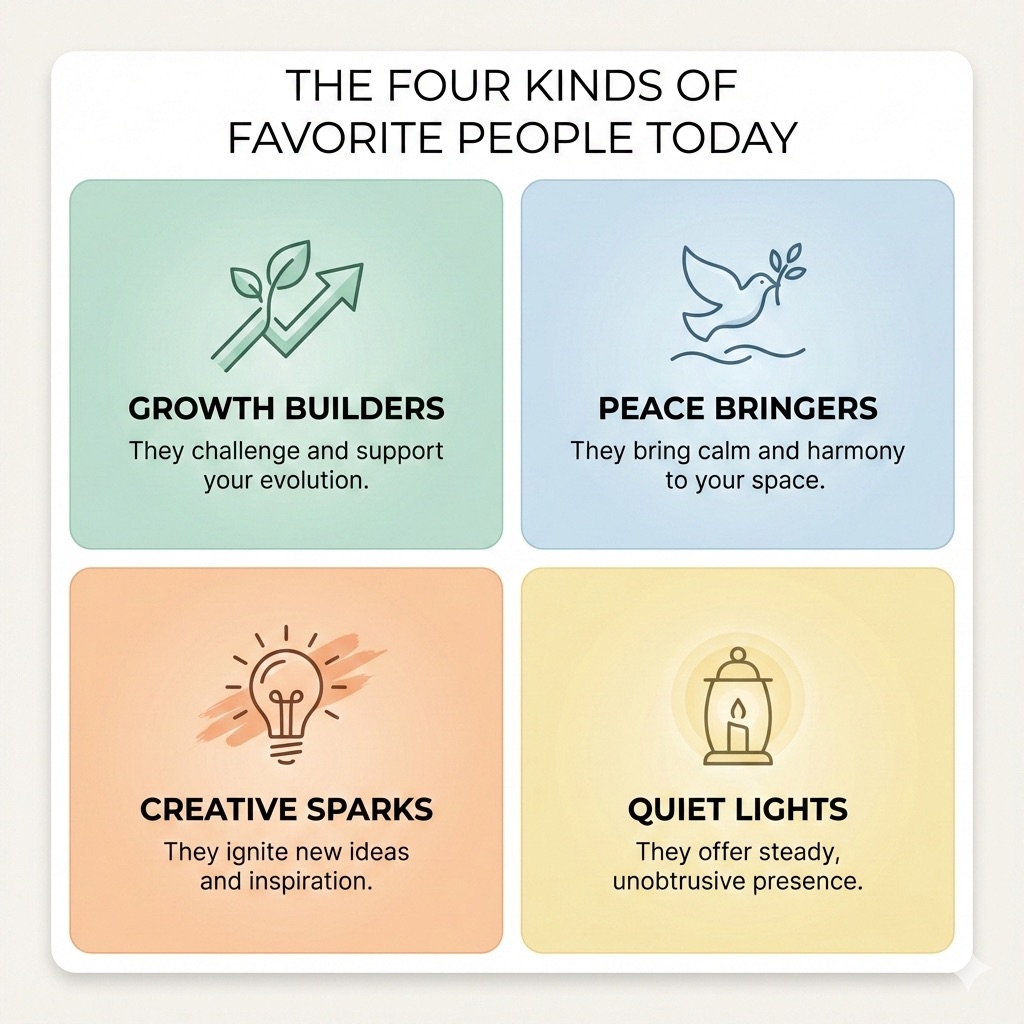
My current favourite people are those who inspire my growth, bring peace into my life, spark my creativity, and quietly radiate goodness in a loud world.

Daily writing prompt
Who are your current most favorite people?

A question repeated three times shouldn’t feel new, yet this one did. When I let myself drift for a moment before answering again, I realised my favourite people today aren’t who they once were. This post uncovers why, and what that shift reveals about growth, peace, creativity, and the quiet influences that shape us.

When a Question Returns: Who Are My Favourite People Today?

(WordPress Prompt 2132— 24 November 2025)

Some questions arrive once. Some twice. And today, one question has returned for the third time:

“Who are your current most favorite people?”

At first glance, I wondered whether this prompt deserved another post. After all, I’ve answered it not once, but twice — in different years of my blogging journey.

Here are those reflections:

🔗 My 2023 Post

Unseen Heroes:

🔗 My 2024 Post

People Who Shape Us:

Both posts capture seasons of my life, moments when I took time to honour the people who shaped me quietly, consistently, meaningfully.

But today, in 2025, I realised something surprising:

A repeated question can still reveal a new truth.

Who Are My Favorite People Right Now?

Even though the question is the same, I am not.

Life shifts, priorities change, and the heart learns to love differently with passing time.

Here is who stands out for me today:

1. The People Who Inspire My Growth

These are the ones who push me upward, not through pressure but through belief.

They see potential in me even on days when my vision blurs, and they show me the person I’m becoming.

2. The People Who Bring Peace into My Life

Some people walk into your life with calmness in their footsteps.

Their presence reassures, stabilises, and softens the edges of the world.

These quiet carriers of peace are truly priceless.

3. The People Who Nourish My Creativity

As a blogger, my imagination thrives on sparks, conversations, insights, feedback, and shared experiences.

Those who ignite that spark, knowingly or unknowingly, become my favourites at this moment.

4. The People Who Are Light in a Loud World

Not everyone needs to be loud or dramatic to make a difference.

Some simply live with integrity, radiate goodness, and gently uplift others.

These are the kind of people who stay etched in memory long after the noise fades.

💬 Why Answer This Prompt Again?

Because every year teaches us something new about the people we value.

Revisiting this question after 2023 and 2024 made me realise:

✨ Some people continue to be your favourites because of who they are.

✨ Some become favourites because of who you’ve become.

✨ And some return to the list when life brings them back into focus.

This third reflection isn’t a repetition,

it’s recognition of growth, gratitude, and changing seasons.

Final Thought

Prompts don’t just ask us questions.

Sometimes they ask us to be still.

By answering the same question three times, across three years, I’m able to trace a quiet journey through my own heart — the people who shaped it, the ones who held it, and the ones who continue to inspire it today.

And that, I believe, is worth writing about.

© 2025 Rise&Inspire. All Rights Reserved.

Social Media: @RiseNinspireHub

Contact: kjbtrs@riseandinspire.co.in

Website: Home | Blog | About Us | Contact| Resources

Word Count:596

Why Does God Feel Distant When You Need Him Most?

What do you do when the God who once felt close now seems distant? When prayers that once flowed freely now feel forced? When the lamp that lit your path appears to have dimmed? Job faced this exact crisis, and his words in chapter 29 hold a truth that might change everything you think about walking through spiritual darkness.

Daily Biblical Reflection

24th November 2025

Job 29:2-3

O that I were as in the months of old, as in the days when God watched over me, when his lamp shone over my head, and by his light I walked through darkness.

Video Reflection

Reflection

In these poignant words from the Book of Job, we hear the cry of a soul who has known the sweetness of God’s presence and now finds himself in the valley of suffering. Job looks back with longing to the days when he walked in the light of God’s face, when divine protection was his daily companion, and when even the darkest paths were illuminated by heaven’s lamp.

There is something deeply human in Job’s words. Who among us has not experienced seasons when God seemed near, when prayer flowed easily, when we felt the warmth of divine favour upon our lives? And who has not also known those bewildering times when the heavens seem silent, when the lamp that once shone so brightly appears to have dimmed, when we find ourselves groping in unexpected darkness?

Job’s reflection teaches us that remembering God’s faithfulness in the past is not mere nostalgia. It is a spiritual discipline that sustains us through present trials. When he recalls how God’s lamp shone over his head, he is not simply longing for comfort. He is anchoring his faith in the reality of God’s character, which does not change even when our circumstances do.

Notice the beautiful paradox in Job’s words: “by his light I walked through darkness.” Even in those blessed months of old, there was darkness to navigate. The difference was not the absence of difficulty but the presence of divine guidance. God’s lamp did not eliminate the darkness; it enabled Job to walk through it with confidence and peace.

This is a powerful truth for our own spiritual journey. We often pray for God to remove our difficulties, to clear away every shadow from our path. Yet what Job testifies to is something deeper: the grace to walk through darkness with God’s light as our guide. The lamp of God’s presence does not promise us a life without challenges, but it does promise us that we will never face those challenges alone.

In our own moments of trial, when we find ourselves echoing Job’s lament, let us remember that the God who watched over us in days of plenty is the same God who watches over us in days of want. His lamp has not been extinguished; sometimes our eyes simply need time to adjust to see it shining in new ways. The darkness may be real, but so is the light. And that light, as Job would later discover, is sufficient for every step of the journey.

May we, like Job, learn to trust not only in the memory of God’s past faithfulness but in the promise of His abiding presence, even when we cannot yet see the way forward.

Prayer

Loving Father, when we find ourselves in seasons of darkness, help us to remember the light of Your presence that has guided us before. Give us eyes to see Your lamp shining even now, and grant us the faith to walk forward trusting in Your unfailing love. Through Christ our Lord. Amen.

As Job’s story continues, chapter 42 reveals that the God who once felt distant was never absent. After the long night of silence, God speaks, vindicates Job, restores his relationships, and blesses him with a restoration so complete that his fortunes are doubled and his latter days become fuller than his former ones. Yet the deepest restoration was not the wealth or even the renewed family—it was Job’s encounter with God Himself: “I had heard of You… but now my eye sees You.” Job’s journey reminds us that while God may not always remove the darkness immediately, He leads us through it toward a deeper seeing, a truer faith, and a restoration shaped not just by external blessings but by renewed intimacy with Him. And like Job, we can trust that the God who walks with us in our darkest chapters is also the One who writes our final chapter with grace.

Check the Rise & Inspire “Wake-Up Calls” archive at riseandinspire.co.in

© 2025 Johnbritto Kurusumuthu | Rise & Inspire Devotional Series

Word count:790

How Can Your Favorite Animals Help You Understand Yourself?

Instead of naming specific animals, I now see this question as an invitation to reflect on the qualities I value. My favourite animals are simply those whose traits—wisdom, freedom, loyalty, or courage—resonate with who I am and who I am becoming.

Daily writing prompt
What are your favorite animals?

Before I even begin to answer the prompt, one truth stands out: choosing a favourite animal is never just a choice. It is a subtle expression of identity, values, and the traits we quietly admire. This post uncovers the deeper meaning behind why some animals resonate with us so strongly.

What Are Your Favourite Animals Really Asking You?

Today’s WordPress prompt, “What are your favorite animals?”, appears for the third time. I have answered it twice already, each time from a different angle and with different reflections. Those earlier posts remain meaningful and relevant:

2024: What Do Your Favourite Animals Say About You?

2023: A Celebration of Fascinating Animals

This repetition naturally raises a question:

Do I really need to respond to the same prompt once more?

The honest answer is no — repetition is unnecessary.

But offering a new perspective can still be valuable.

That is exactly what I chose to do today.

A Meta-Reflection: What Does This Question Truly Mean?

When someone asks, “What are your favourite animals?”, they are not merely seeking a list. They are inviting us to reveal a part of ourselves. Our preferences often reflect deeper aspects of our identity.

People who admire elephants might value wisdom, memory, or gentleness.

Those who love birds may be drawn to freedom or clarity.

Those fond of lions may associate them with courage or dignity.

Those who adore dogs might appreciate loyalty or companionship.

In this sense, the question becomes more than a request—it becomes a quiet exploration of personality.

Perhaps WordPress repeats this prompt because we ourselves are never the same.

Our tastes evolve.

Our thoughts mature.

Our inner world shifts with time.

And each time we revisit this question, we discover something new about who we are today.

Why I Chose Not to Repeat My Previous Answers

I could easily list the same animals I wrote about before. But that would add nothing new. Instead, I decided to consider the intention behind the prompt itself.

This question seems simple, but its purpose is reflective. It encourages introspection rather than enumeration. It asks us to examine the qualities we admire, the traits we cherish, and the values we hold close.

So rather than repeat old answers, I chose to reinterpret the prompt in a more thoughtful, inward-looking way.

What This Question Reveals About Us

A question about favourite animals may truly be asking:

What qualities do you appreciate most?

What characteristics resonate with you?

Which traits mirror something within you?

Who are you becoming as you grow and change?

It is a gentle approach to understanding a person without intruding.

A simple question that opens the door to deeper reflection.

Perhaps that is why the prompt returns — because it is ultimately not about animals, but about identity.

Conclusion

It was not necessary to rewrite the same content again.

But revisiting the prompt from a new angle gave it renewed meaning and helped uncover a deeper purpose behind a seemingly ordinary question.

© 2025 Rise&Inspire. All Rights Reserved.

Social Media: @RiseNinspireHub

Contact: kjbtrs@riseandinspire.co.in

Website: Home | Blog | About Us | Contact| Resources

Word Count:586

Why Is Biblical Hope Different from Wishful Thinking?

You have been told to wait on God. But what does that actually mean when your soul is weary, your questions multiply, and answers feel impossibly far away? The ancient psalmist understood this struggle intimately, and his words in Psalm 130:5 offer something far more powerful than empty religious platitudes. They reveal a practice that transforms waiting from spiritual torture into sacred encounter.

Daily Biblical Reflection

November 23, 2025

I wait for the Lord; my soul waits, and in his word I hope.

Psalm 130:5

Beloved in Christ,

This morning’s verse from Psalm 130 speaks to the deepest longing of the human heart—the patient, expectant waiting for God’s presence and action in our lives. The psalmist gives us a beautiful model of faithful endurance, one that is neither passive resignation nor anxious fretting, but rather an active, hopeful anticipation rooted in God’s word.

Notice the progression in this single verse: “I wait for the Lord; my soul waits, and in his word I hope.” The repetition is not merely poetic; it reveals the totality of this waiting. It is not just the mind that waits, but the very soul, the core of our being. This is waiting with our whole selves, a complete orientation of our lives toward the Lord.

In our fast-paced world, where instant gratification has become the norm and delays feel like defeats, the psalmist’s words call us to a different rhythm. Waiting for the Lord is countercultural. It requires us to resist the temptation to take matters entirely into our own hands, to force solutions, or to give in to despair when answers don’t come on our timetable.

Yet this waiting is far from empty or uncertain. The psalmist anchors his hope firmly “in his word.” God’s word—his promises, his character, his revealed truth—becomes the foundation upon which we stand as we wait. We do not wait in darkness, wondering if anyone hears. We wait in the light of what God has already spoken, trusting that the One who has been faithful before will be faithful again.

[Video: Psalm 130:5 Reflection]

Think of the times in your life when waiting has been most difficult. Perhaps you’re waiting now, for healing, for reconciliation, for clarity about your calling, for relief from a burden that seems too heavy. In these moments, Psalm 130:5 offers us a sacred practice: to let our souls settle into the posture of waiting, not with clenched fists but with open hands, not with anxious hearts but with hearts anchored in hope.

The beauty of biblical hope is that it is never wishful thinking. It is confident expectation based on God’s proven faithfulness. When we hope “in his word,” we remember that God has never once failed to keep his promises. We recall how he delivered Israel from Egypt, how he sent his Son to redeem us, how he has walked with us through every valley. This remembering strengthens us for the present waiting.

Today, whatever you are waiting for, let this verse become your prayer. Tell the Lord honestly about your waiting, the weariness it brings, the questions it raises. But then, like the psalmist, let your soul settle into that holy posture of expectant hope. Return to God’s word. Find there the promises that speak to your situation. Let them become the ground beneath your feet.

Waiting for the Lord is not time wasted. It is often in the waiting that our faith deepens, our character is refined, and our dependence on God becomes more complete. The waiting itself becomes the place where we encounter him most deeply, where we learn to trust not just his gifts but his presence.

May you find strength today in the practice of holy waiting. May your soul rest in the assurance that the Lord you wait for is already at work, already hearing, already preparing his answer in his perfect time. And may his word be your constant hope, the light that guides you through every season of waiting.

Reflection by Johnbritto Kurusumuthu

Bible verse Forwarded by His Excellency, Rt. Rev. Dr. Selvister Ponnumuthan

Prayer for Today:

Lord, teach us to wait with patient hope. When our souls grow weary and answers seem delayed, anchor us in your faithful word. Help us to trust your timing, knowing that you are always working for our good. May our waiting draw us closer to you, and may we find in you the strength to endure with joy. Amen.

Check the Rise & Inspire “Wake-Up Calls” archive at riseandinspire.co.in

© 2025 Johnbritto Kurusumuthu | Rise & Inspire Devotional Series

Word count:777

What Do the 4 Labour Codes Mean for Employees and Businesses?

India’s labour landscape has officially stepped into a new era, replacing decades of fragmented regulations with a unified framework that affects every worker and employer. Before getting into the details, here’s the essential background that explains what this shift really means.

New Era of Work: Understanding the 4 Labour Codes Replacing 29 Fragmented Laws

India has undertaken a monumental reform of its labour market by consolidating 29 disparate Central Labour Laws into four comprehensive Labour Codes. This move aims to simplify compliance, enhance the ease of doing business for employers (especially MSMEs), and expand social security and protection for a modern workforce, including gig and platform workers.

Date of Implementation: A Transformational Shift
The Government of India has formally announced the implementation of all four Labour Codes, marking the biggest overhaul of the nation’s labour laws since Independence. All four Labour Codes came into effect on November 21, 2025, signifying the official transition from a fragmented, decades-old regulatory framework to a unified, modern system.

The 29 Laws Consolidated into 4 Codes
The Code on Wages, 2019 replaces four earlier laws and covers minimum wages, wage payment, equal remuneration, and timely disbursement of wages. The Industrial Relations Code, 2020 replaces three laws and governs trade unions, industrial relations, employment conditions, and dispute resolution. The Code on Social Security, 2020 replaces nine laws and expands the scope of provident fund, state insurance, gratuity, maternity benefits, and other welfare schemes. The Occupational Safety, Health and Working Conditions (OSHWC) Code, 2020 replaces thirteen laws and modernises workplace safety, health standards, and employment conditions across sectors.

Breakdown of the Acts Replaced

Under the Code on Wages, 2019:

  1. The Payment of Wages Act, 1936
  2. The Minimum Wages Act, 1948
  3. The Payment of Bonus Act, 1965
  4. The Equal Remuneration Act, 1976

Under the Industrial Relations Code, 2020:

  1. The Industrial Disputes Act, 1947
  2. The Trade Unions Act, 1926
  3. The Industrial Employment (Standing Orders) Act, 1946

Under the Code on Social Security, 2020:

  1. The Employees’ Compensation Act, 1923
  2. The Employees’ State Insurance Act, 1948
  3. The Employees’ Provident Funds and Miscellaneous Provisions Act, 1952
  4. The Employment Exchanges (Compulsory Notification of Vacancies) Act, 1959
  5. The Maternity Benefit Act, 1961
  6. The Payment of Gratuity Act, 1972
  7. The Cine-Workers Welfare Fund Act, 1981
  8. The Building and Other Construction Workers’ Welfare Cess Act, 1996
  9. The Unorganized Workers’ Social Security Act, 2008

Under the OSHWC Code, 2020:

  1. The Factories Act, 1948
  2. The Plantations Labour Act, 1951
  3. The Mines Act, 1952
  4. The Working Journalists and Other Newspaper Employees (Conditions of Service) and Miscellaneous Provisions Act, 1955
  5. The Working Journalists (Fixation of Rates of Wages) Act, 1958
  6. The Motor Transport Workers Act, 1961
  7. The Beedi and Cigar Workers (Conditions of Employment) Act, 1966
  8. The Contract Labour (Regulation and Abolition) Act, 1970
  9. The Sales Promotion Employees (Conditions of Service) Act, 1976
  10. The Inter-State Migrant Workmen (Regulation of Employment and Conditions of Service) Act, 1979
  11. The Dock Workers (Safety, Health and Welfare) Act, 1986
  12. The Cine-Workers and Cinema Theatre Workers (Regulation of Employment) Act, 1981
  13. The Building and Other Construction Workers (Regulation of Employment and Conditions of Service) Act, 1996

Modernising the Workforce: Gig Workers and Fixed-Term Employees
The new labour regime introduces formal recognition and protection for gig and platform workers. Under the Code on Social Security, 2020, these workers gain access to a dedicated Social Security Fund designed to support life insurance, disability coverage, and health schemes. Digital aggregators are required to contribute a percentage of their annual turnover to this fund, and workers receive an Aadhaar-linked Universal Account Number to ensure portability of benefits across platforms and geographic regions.

Fixed-term employment has been strengthened through provisions of the Industrial Relations Code, 2020. Fixed-term employees now receive the same wages and employment benefits as permanent employees performing similar work. Eligibility for gratuity after completing just one year of service significantly improves financial security for workers on shorter contracts.

Support for MSMEs and Empowerment of Women Workers
Micro, small, and medium enterprises benefit substantially from the simplification introduced by the codes. Procedures that previously required multiple registrations and returns now operate through Single Registration, Single Licence, and Single Return systems. The threshold requiring government permission for layoffs, retrenchment, or closure has increased from 100 to 300 workers. The Inspector-cum-Facilitator model promotes a cooperative approach to enforcement and reduces bureaucratic burdens.

The reforms also advance gender inclusion. Women are now permitted to work in all establishments and during all shifts, including night shifts, provided they give written consent and employers ensure safety and transportation. Equal pay and non-discrimination are reinforced. Establishments employing 50 or more workers must provide a crèche facility, and the definition of “family” is broadened to include parents-in-law under social security provisions.

Conclusion
The enforcement of the four Labour Codes on November 21, 2025 marks a historic transformation in India’s labour governance. By simplifying employer obligations, expanding worker protections, and adapting laws to modern work realities, India has taken a decisive step toward building a more inclusive, secure, and future-ready labour landscape.

🔗 On 21 November 2025 at 3:00 PM, the Press Information Bureau (PIB) in Delhi released the official announcement.

Government Makes the Four Labour Codes effective to Simplify and Streamline Labour Laws

Government Announces Implementation of Four

Labour Codes to Simplify and Streamline Labour

Laws

Website: Home | Blog | About Us | Contact| Resources

Word Count:892

Are You a Wave-Seeker or a Peak-Chaser? Here’s What It Reveals About You

I prefer the mountains because they offer a rare stillness that clears my mind and lifts my spirit. Yet the beach remains my place of release and renewal. My choice changes with my season of life, mountains when I need clarity, the sea when I need to let go.

Daily writing prompt
Beach or mountains? Which do you prefer? Why?

Every time this familiar question returns—beach or mountains?—It feels new again. The landscapes don’t change, but I do. And that shift turns a simple choice into a deeper reflection on what I need, where I find clarity, and how nature continues to speak to me in different ways each year.

A Third Choice: Why I Still Write About Beaches and Mountains

(Response to WordPress Daily Prompt 2130

22 November 2025)

Some prompts return to us again and again—not because we have nothing new to say, but because weare never the same person twice.

Today’s WordPress prompt, “Beach or mountains? Which do you prefer? Why?” is one I’ve written about before. Twice, in fact.

👉 In 2023, I explored how each landscape mirrors our inner seasons:

Beach vs Mountains (2023)

👉 In 2024, I reflected on how life’s transitions shape our preferences, making the waves and peaks symbols of the choices we make:

Choosing Between Waves and Peaks (2024)

So why write again?

Because this prompt—simple as it seems—keeps revealing deeper truths every time it returns.

Mountains: My Sanctuary of Stillness

At this stage of my life, I find myself choosing mountains more often than the sea.

Perhaps it’s because mountains demand something of us—

a climb, a stillness, a breath,

an honest confrontation with our own limits.

There’s a deep silence in the mountains that you don’t just hear,

you feel it settle inside you.

It is the silence that reorganises the scattered parts of the mind.

Standing on a ridge, I sense a renewal—a reminder that perspective is not found in noise, but in height.

Mountains lift you physically, yes,

but they also lift the parts of you that everyday life keeps pressed down.

Beaches: My Space for Surrender

And yet, the beach holds another kind of healing—one that is softer, gentler, and endlessly forgiving.

The waves repeat what life tries to teach us every day:

Let go. Return. Begin again.

Unlike mountains, the sea does not ask you to climb;

it invites you to sit still and surrender—

to breathe with the waves,

to feel small in a comforting way,

to let the horizon widen your thoughts.

The beach reminds me that not every struggle needs conquering;

some simply need releasing.

A Third Time Around: What’s Different Now?

What makes this third blog post worthy?

Because today, I realise that my preference between beach and mountains is no longer fixed.

It evolves with:

my pace of life,

my emotional landscape,

and the inner questions I’m wrestling with.

Earlier, I chose between them.

Today, I realise they are two halves of the same truth:

The mountain grounds my strength.

The sea softens my spirit.

Together, they shape my balance.

This prompt is not merely about geography,

it’s about the language of nature that speaks to our soul differently at different times.

So Which Do I Prefer Today?

If asked today, my heart leans toward mountains

for their clarity, discipline, and humbling grace.

But I also know that sooner or later,

I will return to the sea

to let the waves wash away what weight the mountains cannot carry.

Life isn’t about choosing one forever.

It’s about returning to whichever place your soul needs at that moment.

🔗 In Case You Missed My Earlier Reflections

For a full circle, here are my previous posts on the same prompt—each written from a different season of life:

✨ 2024: Choosing Between Waves and Peaks

✨ 2023: Beach vs Mountains

Final Thought

If WordPress gives me this prompt a fourth time next year,

I will probably write again.

Because the landscapes outside reflect the landscapes within,

and those are always changing.

© 2025 Rise&Inspire. All Rights Reserved.

Social Media: @RiseNinspireHub

Contact: kjbtrs@riseandinspire.co.in

Website: Home | Blog | About Us | Contact| Resources

Word Count:718

What Does Jeremiah 10:6 Teach Us About God’s Incomparable Greatness?

The most dangerous lies are the ones we tell ourselves about God. That He is mostly great. Generally powerful. Usually faithful. Jeremiah 10:6 obliterates these diminished versions of the Divine with one sweeping statement: there is none like the Lord, and His name is great in might. Not sometimes great. Not relatively mighty. Absolutely, incomparably, categorically without equal. This matters more than you think. Because the size of your God determines the size of your faith, the depth of your worship, and the confidence with which you face impossible circumstances. If you have been living with a scaled-down version of the Almighty, this verse is your wake-up call.

Daily Biblical Reflection

22nd November 2025

There is none like you, O Lord; you are great, and your name is great in might.

Jeremiah 10:6

The prophet Jeremiah lived in turbulent times, surrounded by nations that worshipped countless gods carved from wood and stone. Yet in the midst of this spiritual confusion, he proclaimed a truth that still resonates through the centuries: there is absolutely no one like our God.

When we declare “there is none like you, O Lord,” we are not simply making a comparison. We are acknowledging something far more significant: God exists in a category entirely His own. He is not merely the best among many options; He is the only true God, incomparable and beyond all human understanding.

Consider what makes our Lord unique. The idols of Jeremiah’s day had to be carried because they could not move. They had mouths but could not speak, eyes but could not see. How different is our living God! He speaks worlds into existence. He sees every hidden tear and hears every whispered prayer. He moves mountains and stills storms, yet He also draws near to the brokenhearted and binds up their wounds.

The verse continues: “you are great, and your name is great in might.” God’s greatness is not like human greatness, which so often depends on the diminishment of others. His greatness is expressed in creative power, in faithful love, in perfect justice tempered with abundant mercy. When we speak His name, we invoke not just a title but the fullness of His character and the totality of His power.

In our contemporary world, we face different idols than Jeremiah did. We may not bow to statues of wood and stone, but we can easily elevate money, success, popularity, or even our own plans to the place that belongs to God alone. We craft our own versions of security and meaning, forgetting that only the Lord can truly satisfy the deepest longings of our hearts.

This verse invites us to a posture of worship and wonder. When we truly grasp that there is none like Him, our response cannot be casual or indifferent. We are called to reverence, to awe, to a grateful acknowledgment of who God is and what He has done for us.

Think about your own life today. What challenges are you facing? What fears are troubling your heart? What impossibilities loom before you? Now remember: the God who holds the universe in His hands, whose name is great in might, is the same God who knows you by name and calls you His beloved child. There is no situation beyond His power, no problem too complex for His wisdom, no hurt too deep for His healing touch.

Let this truth shape how you walk through this day. When you feel overwhelmed, remember His greatness. When you feel alone, remember His uniqueness means no other god competes for His attention to you. When you feel weak, remember that His name is mighty and that you can call upon Him in confidence.

As we reflect on Jeremiah’s declaration, let us renew our commitment to worship the one true God with all our hearts. Let us put away the false gods that compete for our devotion and fix our eyes on the One who alone is worthy. Let us speak His great name with reverence and trust, knowing that in Him we find everything we truly need.

May this truth settle deep in your spirit today: there is none like the Lord. He is great, and His name is great in might. And wonder of wonders, this incomparable God loves you with an everlasting love.

May the Lord bless you and keep you. May His face shine upon you and give you peace.

Check the Rise & Inspire “Wake-Up Calls” archive at riseandinspire.co.in

© 2025 Johnbritto Kurusumuthu | Rise & Inspire Devotional Series

Word count:769

Have Our Family’s Top 3 Favourite Meals Changed Over the Years?

Our family’s top 3 favourite meals right now are our classic Sunday Chicken Roast, a light and flavourful Vegetable Biriyani, and our newest comfort favourite — Creamy Mushroom Pasta.

Daily writing prompt
What are your family’s top 3 favorite meals?

Every family has its signature meals, but what happens when those favourites shift with time? This year, our table tells a new story, one shaped by changing tastes, evolving habits, and the quiet comfort of meals that bring everyone home.

Nowadays, WordPress regularly repeats a familiar prompt — and today’s question, ‘What are your family’s top 3 favourite meals?’ brought me straight back to two of my earlier posts.”

Interestingly, those posts captured different phases of our family life, different tastes, and different stories behind the meals we loved then.

I first explored this prompt last year in my post

👉 Kappa, Pesto, and Biryani

That piece was a celebration of comfort food, tradition, and the simple joys that brought us together around the dining table.

Then I realised—this wasn’t even the first time I had written about it.

Two years ago, the same prompt inspired an entirely different culinary reflection:

👉 Savouring Family Favourites: A Culinary Adventure

That post carried the flavours of cherished memories and the excitement of dishes we used to call our “family staples.”

So here I am again, writing on the same question for the third time.

And yet, it feels wonderfully new.

Because family tastes change. Seasons of life change. And the meals we fall in love with also change.

Today, when I look at our table in 2025, here are the current Top 3 favourite meals that truly define who we are right now as a family.

1. Sunday Chicken Roast – The Unshakable Classic

Some meals evolve; some simply never leave their throne.

Our beloved chicken roast is one of them.

It’s a dish that gathers everyone without fail — tied to Sunday afternoons, slow conversations, and the warm comfort of home.

No matter how many new recipes we try, this one remains our anchor.

2. Vegetable Biriyani – The New Crowd-Puller

Biriyani was always on our list, but this year it transformed completely.

Our preference shifted from the rich, spicy, meat-heavy versions to a gentler, flavourful vegetable biriyani — light, aromatic, and surprisingly loved by everyone.

It marks a small but meaningful lifestyle shift, and somehow feels more “us” now.

3. Creamy Mushroom Pasta – The Unexpected Favourite

This is the newest entrant — a dish we didn’t even cook two years ago.

But it quickly became our go-to comfort dinner.

Simple, creamy, and satisfying, it’s the kind of meal that fills both the stomach and the soul after a long day.

It’s also the conversation starter that brings everyone to the table a little faster!

A Reflection on Evolving Flavours

Writing this third post made me realise something beautiful:

Our favourite meals don’t just fill our plates.

They tell the story of our family — who we were, who we are, and who we’re becoming.

Every repeat prompt becomes an opportunity to reflect and notice that even in familiar questions, life keeps changing quietly in the background.

And perhaps that is why writing, even on the same question, never feels repetitive.

Because we ourselves are not the same anymore.

© 2025 Rise&Inspire. All Rights Reserved.

Social Media: @RiseNinspireHub

Contact: kjbtrs@riseandinspire.co.in

Website: Home | Blog | About Us | Contact| Resources

Word Count:564

How Can You Gain the Honour That Matters Most in God’s Kingdom?

You can climb every ladder, earn every title, and win every accolade your family or society offers. But there’s a kind of honour that transcends all earthly recognition, a dignity that remains untouchable by circumstance or status. Ancient biblical wisdom reveals that while we should respect those who lead, the greatest honour isn’t found in position at all. It’s found in something far more accessible and infinitely more lasting. What if the honour you’ve been chasing has been within reach all along?

Daily Biblical Reflection

November 21, 2025

Ecclesiasticus 10:20-21

Among family members their leader is worthy of honor, but those who fear the Lord are worthy of honour in his eyes.

Dear Brothers and Sisters in Christ,

The Book of Sirach offers a deep meditation on the nature of true honour. In a world that often measures worth by position, power, or prestige, this ancient wisdom redirects our gaze toward a deeper truth: that genuine honour flows not from human recognition alone, but from our relationship with the Divine.

The verse acknowledges a beautiful reality of human community. Within families, the one who leads bears a natural dignity. This is not contested but affirmed. The parent who guides with wisdom, the elder who carries the weight of years and experience, the sibling who shoulders responsibility for others—these deserve our respect and honour. This is the fabric of healthy family life, woven with threads of mutual regard and appropriate recognition of those who bear the burden of leadership and care.

Yet the sacred author does not stop there. Having established this earthly hierarchy of honour, he lifts our vision to a higher plane. There exists an honour that transcends all human structures, an honour that resides “in his eyes”—in the eyes of God himself. And who are worthy of this supreme honour? Those who fear the Lord.

To fear the Lord is not to cower in terror before a tyrant, but to stand in reverent awe before the source of all life and goodness. It is to recognise our true place in the universe—not as autonomous beings who answer to no one, but as beloved creatures who find our deepest identity in relationship with our Creator. The fear of the Lord is that sacred awareness that transforms how we live, what we value, and whom we serve.

Consider the striking contrast the verse presents. Human honour is often contingent, conditional, and tied to roles that can change. A leader may step down, age may diminish authority, and circumstances may shift the dynamics of family life. But the honour that comes from fearing the Lord is anchored in something eternal and unchanging—the very character of God himself.

This teaching speaks powerfully to our contemporary situation. We live in times when traditional structures of authority are questioned, when family bonds are often strained, and when leadership itself is viewed with suspicion. Into this confusion, the wisdom of Sirach offers clarity. Yes, honour those who lead well. Yes, respect the structures that bind families together in love. But know that there is a greater honour, a more lasting dignity—that which comes from living in conscious awareness of God’s presence and ordering our lives according to his will.

What does this look like in practice? It means that whether we find ourselves in positions of leadership or not, whether we receive recognition from others or labour in obscurity, we can live with authentic dignity. The person who fears the Lord and walks in his ways carries an honour that no earthly circumstance can diminish. The mother who raises her children in faith, the worker who conducts business with integrity, the neighbour who serves without seeking recognition—all these are honoured in God’s eyes, regardless of their status in human hierarchies.

Furthermore, this verse invites those who hold positions of leadership to examine the foundation of their authority. Do we lead merely by virtue of position, or do we lead as those who ourselves bow before a higher authority? The family leader who fears the Lord leads not with domineering power but with humble service, recognising that they too stand accountable before God. Such leadership earns both human respect and divine approval.

As we move through this day, let us ask ourselves: What kind of honour do we seek? Are we content only with human recognition, or do we hunger for that deeper affirmation that comes from living in harmony with God’s will? Do we honour appropriately those who lead in our families and communities, while remembering that the greatest honour belongs to those whose lives are marked by reverence for the Lord?

The beauty of this teaching is that it democratizes dignity. You need not be the head of a household or hold any position of earthly prominence to possess the honour that matters most. You need only open your heart to God in reverent love, order your steps according to his wisdom, and live each day conscious of his presence. In doing so, you become worthy of honour in the eyes that matter most—the eyes of the One who created you, sustains you, and calls you by name.

May we grow daily in that holy fear of the Lord which is the beginning of wisdom. And may we extend appropriate honour to those who lead among us, while keeping our hearts fixed on the honour that comes from above—lasting, true, and available to all who seek it.

In Christ’s love,

Johnbritto Kurusumuthu.

Reflection verse shared through the grace of His Excellency, Rt. Rev. Dr. Selvister Ponnumuthan

Check the Rise & Inspire “Wake-Up Calls” archive at riseandinspire.co.in

© 2025 Johnbritto Kurusumuthu | Rise & Inspire Devotional Series

Word count:963

What Makes Mahatma Gandhi the One Historical Figure I’d Choose to Meet?

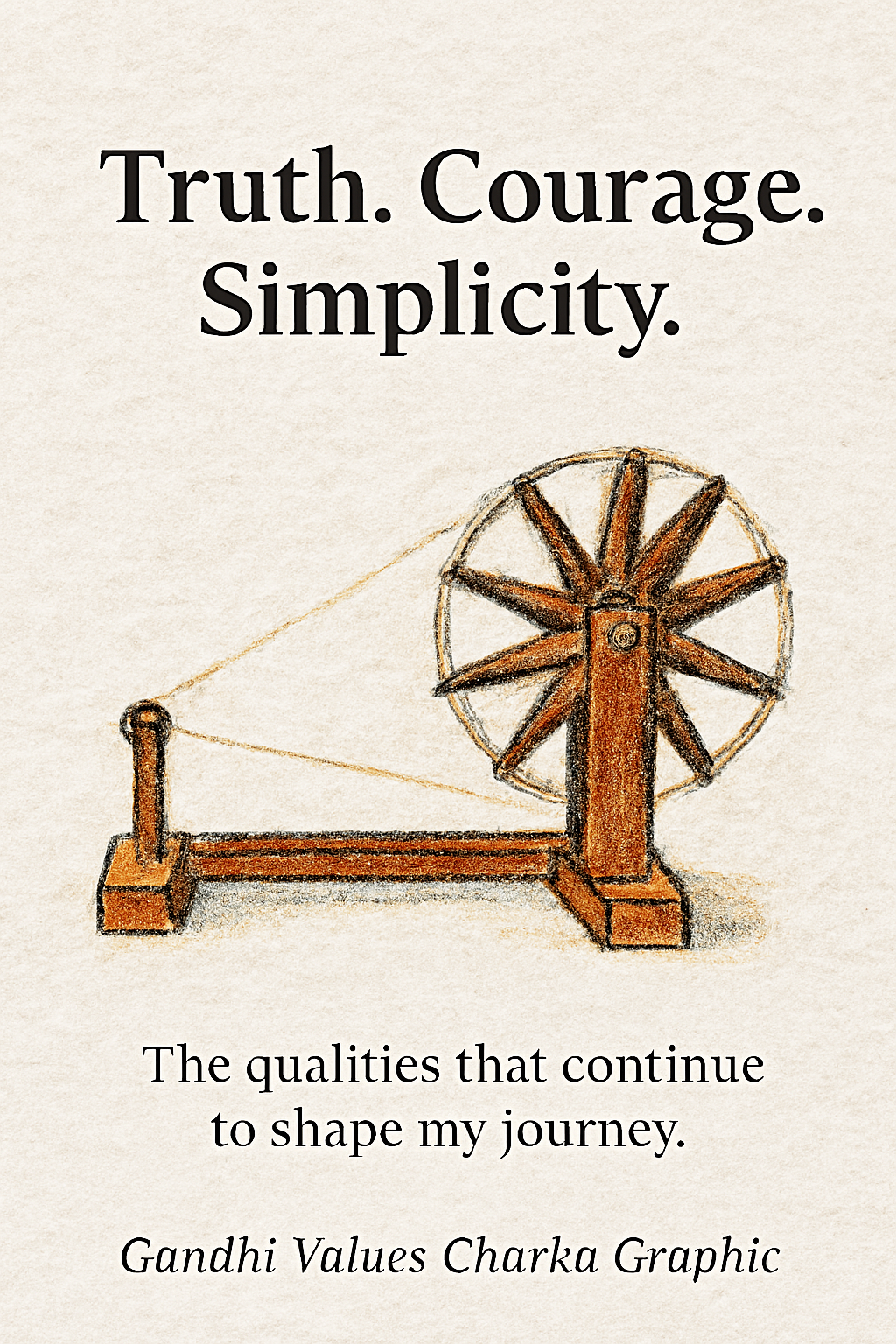
If I could meet a historical figure, I would choose Mahatma Gandhi, because his simplicity, courage, and deep commitment to truth and nonviolence continue to inspire me. His guidance would help me live with greater clarity and purpose in today’s world.

Daily writing prompt
If you could meet a historical figure, who would it be and why?

Before diving into the question of which historical figure I’d choose to meet, I must admit something: I’ve answered this prompt twice already. Yet every time, my mind returns to the same person. The real mystery isn’t my choice, it’s why the answer continues to hold meaning, even as life changes around me.

If I Could Meet a Historical Figure, Who Would It Be and Why? — Reflecting on a Repeat Prompt

Today’s WordPress prompt  “If you could meet a historical figure, who would it be and why?” instantly felt familiar to me. In fact, I’ve answered this exact question twice already. When I saw it appear again, I took a moment and wondered: Should I write about it once more?

The truth is, I don’t have to.

But I want to not by repeating myself, but by reflecting on why my answer has remained the same over the years.

Each time this prompt has come my way, my heart has consistently led me to Mahatma Gandhi.

And perhaps that’s the real message behind this repeated question: sometimes, a historical figure becomes so deeply rooted in our conscience that the choice doesn’t change only our understanding deepens.

Back in 2023, I explored what it might feel like to meet Gandhi, to listen to his quiet strength and witness the simplicity that shaped a nation.

👉 A Journey Through Time: Encountering Mahatma Gandhi

In 2024, when the same prompt returned, I found myself revisiting Gandhi’s message with a more reflective heart. The world felt noisier, more divided, and his teachings felt even more urgent.

👉 Revisiting Mahatma Gandhi

And now, here I am in 2025, facing the question again.

Do I still choose Gandhi?

Yes — without hesitation.

Why?

Because his presence represents something I continue to seek: clarity, courage, humility, and the unwavering belief that change begins within. If I truly had the chance to meet him, I would ask not for grand advice, but for guidance on living with greater purpose in an ever-changing world.

So instead of rewriting the same answer, I’m using this opportunity to look back, reconnect with my earlier reflections, and reaffirm what still resonates with me today.

Repeating a prompt doesn’t always mean repeating a post.

Sometimes, it simply reinforces to me how much a single figure can continue to shape my thoughts, my values, and my journey — year after year.

© 2025 Rise&Inspire. All Rights Reserved.

Social Media: @RiseNinspireHub

Contact: kjbtrs@riseandinspire.co.in

Website: Home | Blog | About Us | Contact| Resources

Word Count:487

How Can Blessing Your Enemies Transform Your Spiritual Life According to Luke 6:28?

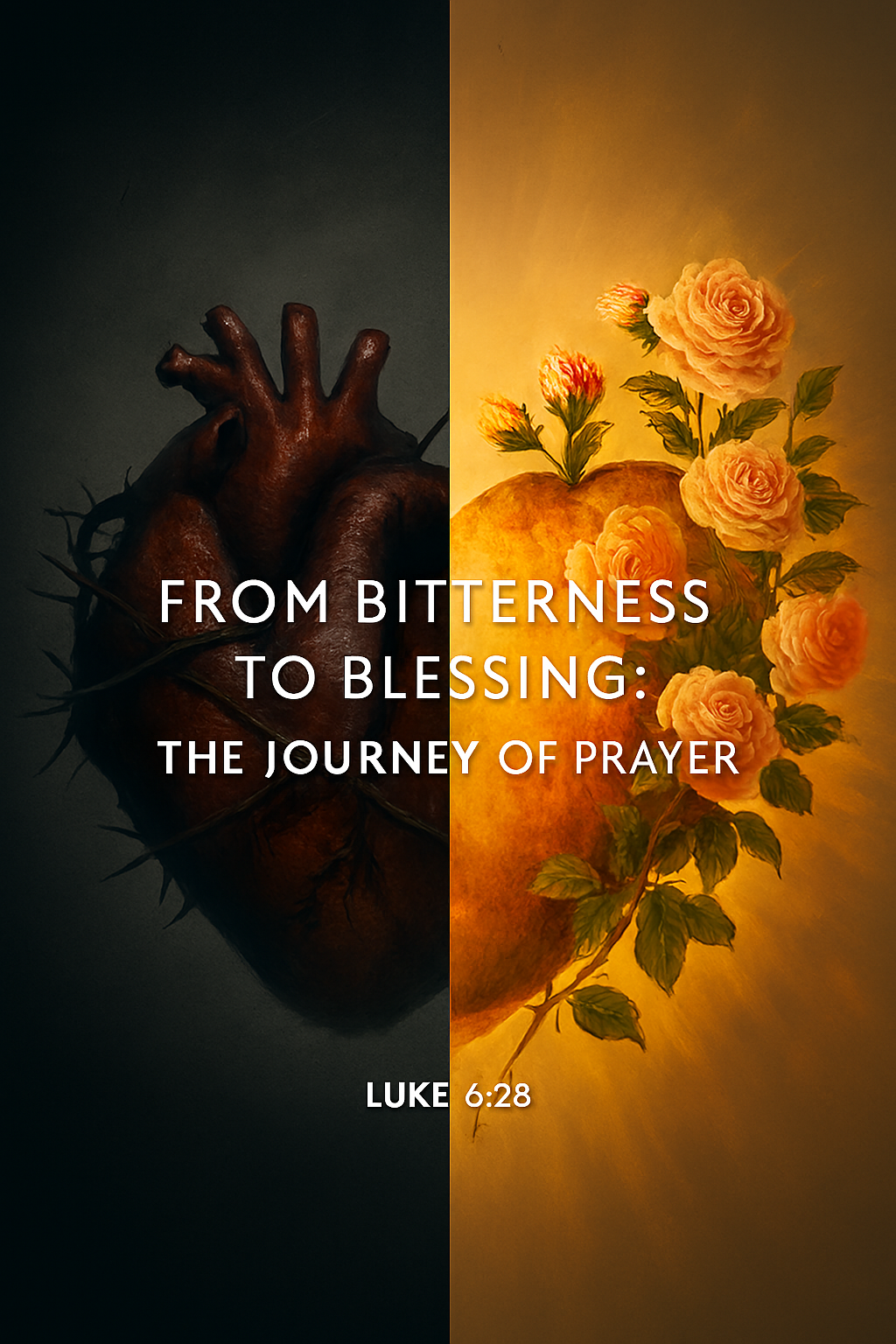
What if the most powerful response to betrayal isn’t revenge, silence, or even forgiveness alone—but blessing? In Luke 6:28, Jesus delivers one of Scripture’s most challenging commands, asking us to do something that defies every human instinct: to actively bless those who curse us and pray for those who mistreat us. This isn’t simply moral advice. It’s an invitation into a transformative way of living that breaks cycles of hatred, protects our hearts from bitterness, and mirrors the radical grace of God Himself. Today, we explore how this ancient teaching offers unexpected freedom for modern wounds.

Concise version 

Blessing Those Who Curse You (Luke 6:28)

November 20, 2025
Bless those who curse you; pray for those who mistreat you.” – Luke 6:28

Jesus doesn’t say “tolerate” or “ignore”—He says actively bless and pray.

Why?

  • It mirrors God’s grace (Matt 5:45)
  • It shields your heart from bitterness
  • It breaks the cycle of hate
  • It sets you free—others no longer control your peace

Bless = speak good, wish good.
Pray = ask God to change them (and you).

Jesus did it from the cross: “Father, forgive them.”

Prayer
Lord, give me grace today to bless those who curse me and pray for those who hurt me. Replace my bitterness with Your peace. Amen.

Live the radical love of Christ.

Full version

Daily Biblical Reflection

November 20, 2025

 “Bless those who curse you; pray for those who mistreat you.”

Luke 6:28

A Meditation on Divine Love

In these powerful words of our Lord Jesus Christ, we encounter one of the most challenging yet transformative teachings of the Gospel. This verse stands as a radical departure from the natural human response to hostility and mistreatment. It calls us not merely to endure persecution but to actively return it with blessing and prayer.

The Revolutionary Nature of Christ’s Command

When Jesus spoke these words during His Sermon on the Plain, He was fundamentally reshaping the moral landscape of human relationships. The Old Testament law had already elevated human conduct by teaching “an eye for an eye,” which limited vengeance and promoted proportional justice. But Christ takes us infinitely further. He asks us not for justice, not for restraint, not even for neutrality,but for active, intentional love toward those who harm us.

This teaching reveals the very heart of God. Our Heavenly Father causes His sun to rise on the evil and the good, and sends rain on the righteous and the unrighteous. In calling us to bless our cursers and pray for our persecutors, Jesus invites us to participate in the divine nature itself, to become children who bear the family resemblance of our Father in heaven.

The Practical Path of Blessing

But how do we live this seemingly impossible command? How do we bless when our hearts feel bruised? How do we pray for those whose words or actions have wounded us deeply?

First, we must recognize that this commandment is not about denying our pain or pretending that mistreatment doesn’t hurt. Jesus Himself wept, felt anguish, and experienced the full weight of human cruelty. Rather, this teaching calls us to a deliberate choice that transcends our immediate emotional response.

To bless those who curse us means to speak well of them, to refuse the temptation to retaliate with harsh words or vengeful thoughts. It means choosing to see them not as enemies to be defeated but as fellow human beings, perhaps imprisoned in their own pain, ignorance, or brokenness. When we bless, we release the poison of bitterness before it takes root in our own hearts.

To pray for those who mistreat us is an even deeper grace. In prayer, we bring our persecutors before the throne of God, asking not for their punishment but for their transformation. We acknowledge that only divine grace can change hearts—including our own. As we pray for them, something miraculous often happens: our own hearts begin to soften, our perspective shifts, and we find ourselves capable of compassion we never thought possible.

The Freedom This Brings

There is lasting freedom in this way of life. When we respond to cursing with blessing, we refuse to let others dictate our spiritual state. We break the cycle of hatred and retaliation that has plagued human relationships since Cain and Abel. We become agents of reconciliation in a fractured world.

This doesn’t mean we become doormats or that we accept abuse passively. Healthy boundaries and self-protection remain important. But even as we protect ourselves from harm, we can maintain a heart that desires good for the other person, that prays for their healing and conversion.

Living the Reflection

[Watch today’s reflection]

Dear friends, as we carry this verse into our day, let us ask ourselves: Who has cursed me with their words? Who has mistreated me through their actions? Can I, by God’s grace, speak a blessing over them today? Can I lift them up in prayer, even if my prayer is simply, “Lord, have mercy on them, and have mercy on me”?

This is the narrow path that leads to life. This is the way of the Cross. This is how we become not just followers of Christ but living reflections of His love in a world desperate for grace.

May the Holy Spirit strengthen us to live this radical love, not in our own power, but in the power of Him who prayed for His executioners even as they drove nails into His hands: “Father, forgive them, for they know not what they do.”

Prayer for Today:

Lord Jesus, You who blessed those who cursed You and prayed for those who crucified You, give us grace to follow in Your footsteps. When we face hostility, fill our mouths with blessing. When we are mistreated, turn our hearts to prayer. Heal us of bitterness, deliver us from the desire for revenge, and make us instruments of Your peace. Help us to see that in blessing others, we ourselves are blessed, and in praying for our enemies, we draw closer to Your heart. Amen.

May God’s peace guard your heart today as you walk in the way of Christ’s love.

Check the Rise & Inspire “Wake-Up Calls” archive at riseandinspire.co.in

© 2025 Johnbritto Kurusumuthu | Rise & Inspire Devotional Series

Word count:1061

How Many Times Must Instinct Speak Before We Listen?

Yes, I trust my instincts—because they’ve grown with me. Each time this question returns, it shows me that intuition isn’t a sudden feeling but a wiser inner voice shaped by experience, clarity, and confidence.

Daily writing prompt
Do you trust your instincts?

Before stepping into today’s reflection, let me ask you this: What if the questions that keep returning are the ones we’ve never fully answered? This is my third time facing this exact prompt, and it revealed something surprising about how instinct evolves with us.

Is Your Inner Voice Evolving Faster Than You Realise?

Sometimes life and WordPress repeat a message until we really pay attention.

Today’s prompt, “Do you trust your instincts?”, has appeared in my writing journey two times already. And interestingly, each time I’ve answered it from a slightly different stage of life and self-awareness.

So, is it worth writing about it again?

I think yes, because instinct itself isn’t a fixed voice. It grows, matures, and evolves with us.

What Instinct Means to Me Today

Right now, instinct feels less like a sudden gut feeling and more like an inner compass quietly shaped by past lessons, lived experiences, spiritual guidance, and a deepening sense of self.

Instinct isn’t impulsive.

It’s informed.

It’s intuitive.

It’s personal.

And each year, I notice how differently I hear it.

Why This Prompt Still Matters

Being asked the same question again feels like an invitation to pause and notice how far I’ve come. My earlier responses captured who I was then. Today, I can answer with more clarity:

I trust my instincts because they’ve proven, time and again, that they are rooted in my values — even when logic hesitates, and even when others disagree.

Instinct is not about certainty.

It is about confidence, the confidence to listen within.

A Look Back at My Earlier Thoughts

Each of my posts holds a snapshot of my journey:

📌 2024:

The Silent Reader – When instincts gently guided me toward reflection rather than reaction.

Read here ➝

📌 2023:

Do You Trust Your Instincts? – When intuition felt like a whisper I was still learning to trust.

Read here ➝

So, Do I Trust My Instincts?

Today, my answer is simple:

Yes. Because instincts have become the bridge between who I am and who I am becoming.

Every repeated prompt is a reminder that some questions never get old,

they deepen.

© 2025 Rise&Inspire. All Rights Reserved.

Social Media: @RiseNinspireHub

Contact: kjbtrs@riseandinspire.co.in

Website: Home | Blog | About Us | Contact| Resources

Word Count:419

What Does It Mean to Let God Ordain Peace in Your Life?

You wake up, accomplish tasks, make decisions, and at the end of the day, you might pat yourself on the back for a job well done. But what if the credit doesn’t belong where you think it does? Isaiah 26:12-13 dismantles our self-sufficient illusions with a stunning confession: all that we have done, God has done for us. This isn’t about becoming passive or denying human responsibility. It’s about discovering the grace that empowers every faithful step and learning to acknowledge God’s name alone in a world full of competing lords.

Daily Biblical Reflection

19th November 2025

O Lord, may you ordain peace for us, for indeed, all that we have done, you have done for us. O Lord our God, other lords besides you have ruled over us, but we acknowledge your name alone.

Isaiah 26:12-13

Stirring the Soul

There is something deeply humbling about standing before God and recognising that every breath we take, every accomplishment we claim, every good thing we have done has its origin not in our strength but in His grace. This morning, as we meditate on Isaiah’s prayer, let us linger and feel the weight of this truth: we are not self-made; we are God-sustained.

In a world that celebrates independence and self-sufficiency, the prophet invites us into a different posture, one of radical dependence and joyful surrender. Here is the soul’s deepest rest: to know that the God who ordains peace is also the God who works through us, enabling every step of faithfulness we take.

Unfolding the Meaning

Isaiah 26 is part of a prophetic song of praise, a vision of the restored city of God where righteousness dwells and God’s people find refuge. The prophet speaks on behalf of a community that has learned through suffering and exile what it means to trust God alone. The verse before us contains two significant confessions.

First, Isaiah asks God to ordain peace, not merely the absence of conflict, but shalom, the wholeness and flourishing that comes only from God’s presence. Yet immediately, he acknowledges a stunning reality: all that we have done, you have done for us. This is not false humility but theological precision. Every act of obedience, every work of love, every moment of faithfulness is made possible by God’s enabling grace. We are workers, yes, but God is the ultimate worker in and through us.

Second, Isaiah confesses that other lords have ruled over perhaps foreign powers, perhaps idols, perhaps the tyranny of our own desires and fears. But now, there is a decisive turn: we acknowledge your name alone. This is the heart of covenant faithfulness. To acknowledge God’s name alone is to give Him exclusive loyalty, to renounce all rival claims on our allegiance, and to find our identity and security in Him alone.

Shaping Christlike Character

This passage shapes us in at least three essential ways. First, it cultivates humility. When we grasp that our best efforts are empowered by God’s grace, we can neither boast in our achievements nor despair in our weaknesses. We become like Christ, who said, “I can do nothing on my own” (John 5:30), yet accomplished the work of redemption. True humility is not thinking less of ourselves but thinking of ourselves less, and thinking of God more.

Second, this truth nurtures gratitude. If all we have done, God has done for us, then every good thing is a gift. The successful project at work, the patient word spoken to a difficult person, the daily choice to forgive all bear the fingerprints of divine grace. Gratitude becomes our native language.

Third, acknowledging God’s name alone forms in us undivided loyalty. In a world of competing voices and divided hearts, this verse calls us to single-minded devotion. Like Christ in the wilderness, we learn to say, “The Lord your God shall you worship, and him only shall you serve” (Matthew 4:10). This is not narrow-mindedness but the focused love that Jesus embodied—a heart so full of the Father that there is no room for rival lords.

Living It Out

Today, let us practice the discipline of attribution. As you go through your day, slow down at moments of accomplishment, a task completed, a kind word offered, a temptation resisted, and whisper a prayer of acknowledgement: “Lord, this was You working through me.” Let this become as natural as breathing.

And where you notice other lords attempting to rule, the approval of others, the security of possessions, the comfort of control, name them honestly before God. Then, with Isaiah, make this declaration: “I acknowledge Your name alone.” This is not a one-time decision but a daily reorientation of the heart.

Finally, pray Isaiah’s prayer for peace, not just for yourself but for your family, your community, your world. Ask God to ordain peace, His deep, transforming shalom, and trust that as you do, He is at work in ways you cannot see, accomplishing through you what you could never accomplish alone.

May this day be marked by humble gratitude, undivided loyalty, and the peace that comes from knowing we are held and empowered by the God whose name alone we acknowledge.

Amen.

Check the Rise & Inspire “Wake-Up Calls” archive at riseandinspire.co.in

© 2025 Johnbritto Kurusumuthu | Rise & Inspire Devotional Series

Word count:893

Why Is November My Most Auspicious Month of the Year?

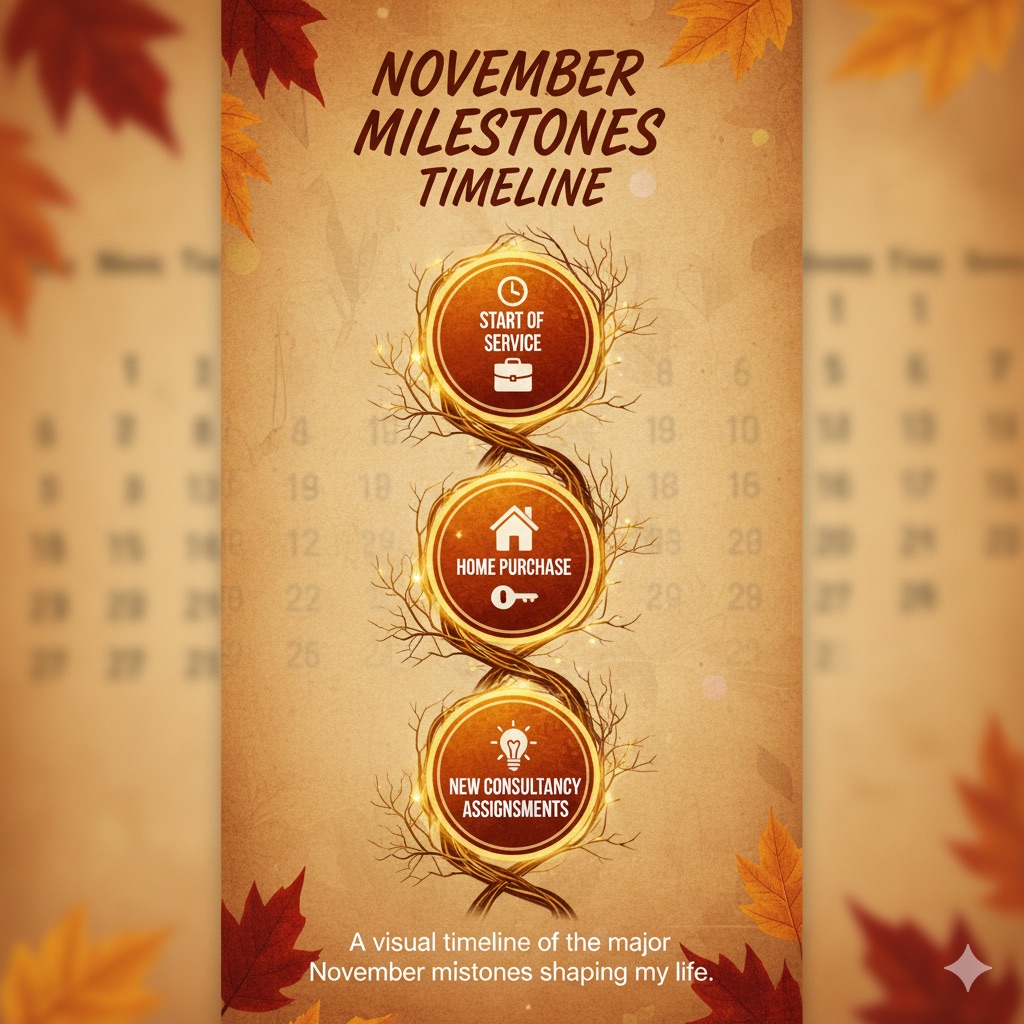
November is my favourite month because every major milestone in my life—starting my service, buying my home, and beginning new consulting assignments—has always happened in November. It’s the month that consistently brings me luck, new beginnings, and blessings.

Daily writing prompt
What’s your favorite month of the year? Why?

Some months simply pass by, but a few leave fingerprints on our lives. For years, I never noticed the pattern, but every major milestone—every shift, every new beginning—kept falling in the same month. This post uncovers the unexpected reason November became the quiet architect of my journey.

Why November Is My Favourite Month of the Year: A Personal Journey of Luck, Beginnings, and Blessings

When today’s WordPress prompt—“What’s your favorite month of the year? Why?”—appeared, I smiled. Not because the question was new, but precisely because it wasn’t.

This is a repeat prompt, one I’ve reflected on before with enthusiasm and nostalgia.

In earlier posts, I wrote passionately about October, a month I adored for its beauty, symbolism, and comfort. If you haven’t read them yet, you can find those reflections here:

🔗 My Favourite Month (2024)

Why Is October My Favorite Month?

🔗 October – My Favourite Month of the Year (2023)

But today, as I look back on my own life more honestly and more deeply, I realise that while October touches my heart, it is November that has consistently shaped my destiny.

A Month of New Beginnings

November has quietly stood behind every major turning point of my life—almost like a gentle guardian, guiding me from one milestone to the next.

 I began my service in November

The first major step into my professional journey happened in this month. It wasn’t just a job—it was the foundation on which the rest of my career was built. November gifted me stability, purpose, and direction.

 I purchased my home in November

Owning a house in the city was not just a financial decision; it was a dream rooted in years of effort. And fittingly, November brought that dream to life. It is as though this month opens doors—literally and symbolically.

 Every new consulting assignment began in November

There is something remarkable about this pattern. Whether coincidence or divine alignment, every significant consulting assignment—each a stepping stone to new professional horizons—has commenced in November. It is as if November recognises me, and I recognise it in return.

Why November Truly Feels Auspicious

Some months bring beauty. Some bring comfort. Some bring celebration.

But November brings alignment.

It is the month where my ambitions meet opportunity.

Where long-held prayers find their answers.

Where fresh paths open and life takes a step upward.

While October has always been a sentimental favourite, November has been the practical, powerful, life-changing favourite—the month that continues to gift me progress, prosperity, and positive change.

Looking Ahead: Honouring November With Gratitude

This year, as the prompt returned, I felt it was time to return to my truth as well. My journey shows a clear pattern, a quiet message:

November is the month in which my life moves forward.

So today’s reflection isn’t just an answer to a prompt—it’s gratitude.

Gratitude for the blessings wrapped in this eleventh month.

Gratitude for every new beginning that arrived wearing November’s colours.

Gratitude for a month that feels like a personal festival.

Final Thoughts

Even though I once crowned October as my favourite month, experience has taught me something profound:

The heart loves many things, but the soul recognises what truly shapes it.

For me, that is November—my month of auspicious beginnings.

© 2025 Rise&Inspire. All Rights Reserved.

Social Media: @RiseNinspireHub

Contact: kjbtrs@riseandinspire.co.in

Website: Home | Blog | About Us | Contact| Resources

Word Count:638