How Can Christians Stand Faithful in Spiritual Warfare Today?

Your greatest battles will not be won the way you think. The weapons that seem most powerful will fail you. The strength you’ve relied on will prove insufficient. This sounds like bad news until you understand what Revelation 17:14 is actually saying. The Lamb conquers, which means the rules of engagement are completely different than anything this world teaches. And that difference is precisely where your hope lies.

The cross looked like the end of everything. The disciples scattered. The enemies celebrated. Death appeared victorious. Three days later, that same cross became the ultimate weapon against sin, death, and hell itself. Revelation pulls back the curtain on this mystery and shows us that the Lamb’s sacrifice was never weakness. It was the most powerful act in cosmic history. And understanding why sacrifice conquers changes how you face every loss, every hardship, every moment when victory seems impossible.

Daily Biblical Reflection – December 29, 2025

Revelation 17:14

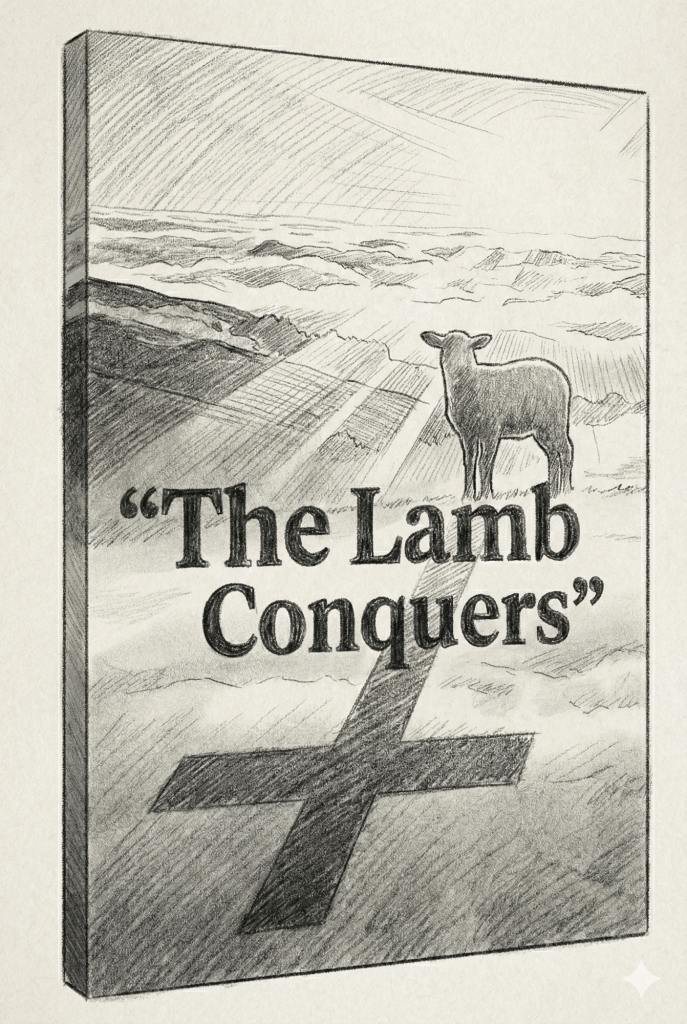
They will wage war on the Lamb, and the Lamb will conquer them, for he is Lord of lords and King of kings, and those with him are called and chosen and faithful.

Dear brothers and sisters in Christ,

As we journey through these final days of the year, the Book of Revelation offers us a word of deep hope and assurance. This verse places before us a vision of ultimate victory, not through the weapons of this world, but through the paradoxical power of the Lamb.

The imagery here is striking and intentional. Those who oppose God are described as waging war against a Lamb. In our human understanding, this seems impossible. A lamb is the very picture of vulnerability, gentleness, and innocence. Yet this Lamb conquers. This is the beautiful mystery of our faith: Christ’s victory comes not through domination but through sacrificial love. The cross, which seemed like defeat, became the very instrument of triumph over sin and death.

Notice the threefold assurance given to us in this passage. First, Christ is Lord of lords and King of kings. Every earthly power, every authority that seems so formidable today, exists under His sovereign rule. History is not spinning out of control; it is unfolding according to His divine purpose. When we feel overwhelmed by the darkness in our world, by injustice, by suffering, by powers that seem insurmountable, we must remember who truly reigns.

Second, we are reminded that those who stand with the Lamb are called. This is not a matter of our own merit or achievement. God has taken the initiative. He has called us out of darkness into His marvelous light. He has invited us into this great story of redemption. Before we ever sought Him, He was seeking us. What grace this is!

Third, we are chosen and faithful. God’s choice of us is sure and unshakeable. And in response to His faithfulness, we are called to be faithful ourselves. This faithfulness is not a burden but a joyful response to the One who first loved us. It means remaining steady when the world around us is unstable, holding fast to truth when lies proliferate, choosing love when hatred seems easier, and keeping hope alive when despair beckons.

The wars described in this verse are not merely ancient history. They continue today in different forms. The battle rages in our hearts between selfishness and sacrificial love, between fear and faith, between despair and hope. It plays out in our families, our communities, and our world. Forces of division, hatred, greed, and injustice seem powerful, but they cannot ultimately prevail against the Lamb.

This verse calls us to examine where we stand. Are we with the Lamb? Are we living as those who are called, chosen, and faithful? This doesn’t mean we will be perfect, but it does mean we know where our allegiance lies. It means that when we stumble, we return to Him. When we are weak, we draw strength from Him. When we are afraid, we remember His victory.

As we prepare to enter a new year, let this truth settle deep in your heart: you are on the winning side. Not because of your strength, but because of His. Not because you are mighty, but because you follow the Lamb who conquered through love. Whatever battles you face in the coming days, whatever struggles or sorrows, whatever mountains seem immovable, remember that the Lamb has already won the ultimate victory.

May you walk forward in confidence, not in yourself, but in the Lord of lords and King of kings. May you live as one who is called, responding daily to His voice. May you rest secure in being chosen, knowing you are deeply loved. And may you be faithful, not perfectly, but sincerely, trusting that He who began a good work in you will bring it to completion.

The Lamb reigns. And because He reigns, we have hope.

In Christ’s love,

Reflection by Johnbritto Kurusumuthu

“The Lamb Will Conquer”: A Catholic Devotional Reflection on Revelation 17:14

“They will make war on the Lamb, and the Lamb will conquer them, for He is Lord of lords and King of kings, and those with Him are called and chosen and faithful.”

— Revelation 17:14

Christ the Victorious Lamb

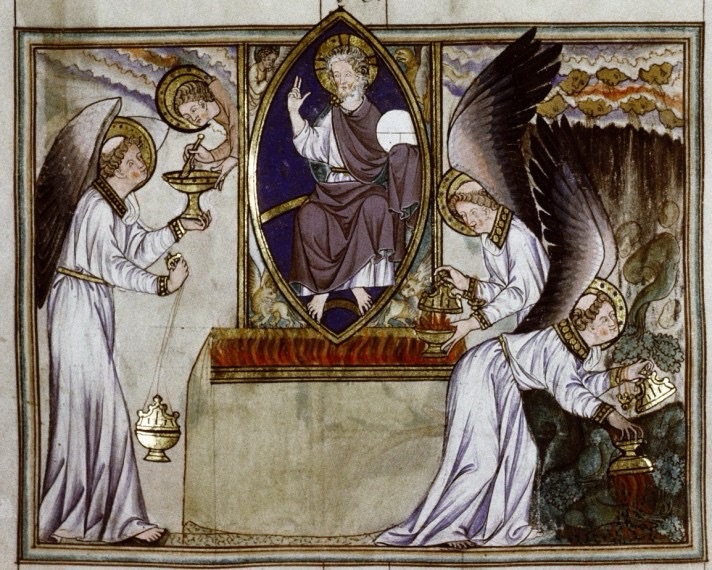
At the heart of Revelation 17:14 stands a striking paradox of the Christian faith: the Lamb conquers. Not a lion roaring with worldly power, not armies wielding violence—but a Lamb, marked by sacrifice. This image draws our hearts back to Calvary, where what appeared to be defeat became the definitive victory over sin and death.

In Catholic understanding, the Lamb’s triumph is inseparable from the Cross. Jesus conquers not by domination, but by self-giving love, obedience to the Father, and total surrender. Revelation invites us to see history through this lens: evil may rage, appear organized, seductive, and powerful—but it is already judged and ultimately overcome by Christ’s sacrificial love.

When the forces of the world “make war on the Lamb,” they are, in truth, waging war against love itself. And love, poured out completely, always prevails.

Lord of Lords, King of Kings

Revelation 17:14 boldly proclaims Christ’s sovereignty: He is Lord of lords and King of kings. This is not merely a future promise—it is a present reality, though often hidden from worldly eyes. No political power, no ideology, no empire, and no corrupt system stands outside His authority.

For Catholics, this proclamation strengthens our trust in divine providence. History is not random, nor is it ultimately controlled by human ambition or evil alliances. God remains at work, even when darkness seems to dominate. Christ reigns—not from a throne of fear, but from the Cross and the empty tomb.

Called, Chosen, and Faithful

Perhaps the most consoling words in this verse are those spoken about Christ’s followers: “those with Him are called and chosen and faithful.”

Called — God has taken the initiative. Our faith begins not with our effort, but with His grace.

Chosen — We belong to Him, not because of our merit, but because of His loving will.

Faithful — We are invited to persevere, to remain steadfast even amid trials, confusion, and suffering.

In Catholic spirituality, faithfulness is lived daily—in prayer, the sacraments, works of mercy, and patient endurance. To stand with the Lamb is not always dramatic; often it is quiet, hidden, and costly. Yet Revelation assures us that such faithfulness is never wasted.

Babylon, the Beast, and the Ongoing Struggle

Revelation 17 portrays “Babylon the Great” as a seductive and corrupt system that opposes God—an image that speaks not only of the past or future, but also of the present. Babylon represents everything that tempts the human heart away from God: pride, idolatry, injustice, moral compromise, and false security.

The Church, journeying through history, must constantly discern and resist these forces. The battle described in Revelation is not only cosmic—it unfolds in our hearts, families, communities, and societies. The struggle between truth and deception, fidelity and compromise, humility and pride continues until Christ’s return.

Yet the message is not fear, but hope: evil is self-destructive, temporary, and already judged. God even uses the collapse of corrupt powers to accomplish His saving plan.

A Call to Hopeful Perseverance

Revelation 17 does not invite speculation as much as steadfast faith. It reassures believers—especially those facing persecution, marginalization, or discouragement—that the final word belongs to Christ.

As Catholics, we live between the Cross and the full manifestation of the Kingdom. We do not fight with worldly weapons, but with faith, truth, charity, prayer, and trust in God’s justice. When we feel overwhelmed by the powers of our age, Revelation reminds us: the Lamb has already won.
Prayer

Lamb of God,

You who were slain and yet live forever,

strengthen our faith when the powers of this world seem overwhelming.

Help us to remain called, chosen, and faithful,

trusting not in our strength, but in Your victory.

Teach us to follow You in humility, perseverance, and love,

until the day when Your reign is fully revealed

and all creation proclaims You Lord of lords and King of kings.

Amen.

Concluding Reflection for Mass or Prayer Groups

Brothers and sisters, Revelation reminds us that the final victory does not belong to the powers of this world, but to the Lamb who was slain. Though evil may appear strong and seductive, its time is short. Christ already reigns as Lord of lords and King of kings, and His victory is certain.

We are not asked to conquer by force, but to remain faithful—faithful in prayer, in love, in truth, and in perseverance. Each time we choose forgiveness over resentment, hope over fear, and trust over despair, we stand with the Lamb.

As we leave this place, let us carry this assurance in our hearts:

we are called, we are chosen, and we are never alone.

The Lamb who conquered the Cross walks with us, today and always.

Scriptural reference for the reflection forwarded by His Excellency, Rt. Rev. Dr. Selvister Ponnumuthan.

© 2025 Johnbritto Kurusumuthu | Rise & Inspire Devotional Series

Word count:1697

Do Life Experiences Really Transform Our Political Perspectives?

Daily writing prompt
How have your political views changed over time?

I’ve written about this before—twice, actually. Rather than rehash familiar territory, I thought I’d share those earlier reflections with you. Political views do evolve, but perhaps not on an annual schedule neat enough for blogging. The shifts I’ve experienced have been gradual, shaped more by lived experience than by calendar years. What I believed at twenty looks different at thirty, and likely will look different again at forty. But the core transformation I’ve documented remains consistent: moving from certainty to nuance, from ideology to pragmatism, and from seeking answers to asking better questions. If you’re curious about the specifics of that journey, those earlier posts capture where I’ve been and how I got here.

Political transformation does not announce itself. It arrives quietly, through a conversation that stays with you, a documentary that cracks something open, a personal experience that rewrites your understanding. By the time you notice, you have already changed. The question is not whether your views will evolve, but what will cause the next shift.

The Prompt That Keeps Coming Back

For the third consecutive year, WordPress has served up the same daily writing prompt: “How have your political views changed over time?”

I’ve written about this before—twice, actually. Rather than rehash familiar territory, I thought I’d share those earlier reflections with you. Political views do evolve, but perhaps not on an annual schedule neat enough for blogging.

If you’re curious about my journey through political thought, these posts capture where I’ve been:

Maybe the real question isn’t whether our political views change, but whether we’re paying enough attention to notice when they do—and honest enough to admit it when they don’t.

What about you? Have your views shifted significantly in the past year, or have you found yourself standing firmer in beliefs you already held?

© 2025 Rise&Inspire

Reflections that grow with time.

Website: Home | Blog | About Us | Contact| Resources

Word Count:343

How Do I Know If My Desires Are Leading Me to Good or Wrath?

Your expectations reveal everything about your future. If your heart longs for what is righteous, your story will end in good. If your hopes are rooted in wickedness, no matter how you disguise it, your path leads to wrath. This is not a threat. It is a promise. It is an invitation to examine what you truly desire and to choose the trajectory that leads to life. Proverbs 11:23 is not just wisdom literature. It is a mirror for the soul.

This reflection explores the contrast between righteous desires and wicked expectations, offering practical application for daily Christian living.

Daily Biblical Reflection – Verse for Today (28th December 2025)

The desire of the righteous ends only in good, the expectation of the wicked in wrath.

Proverbs 11:23

A Reflection on Desires and Destinies

Dear brothers and sisters in Christ,

As we journey through the closing days of this year, the Book of Proverbs offers us profound wisdom about the trajectory of our lives. This morning’s verse presents us with a stark yet hopeful contrast: the desires of the righteous lead to good, while the expectations of the wicked end in wrath. These words invite us to examine not merely our actions, but the very orientation of our hearts.

What does it mean to be righteous? In the biblical sense, righteousness is not about perfection or self-righteousness. Rather, it speaks of a heart aligned with God’s will, a life oriented toward His purposes. The righteous person is one who seeks first the Kingdom of God, whose deepest longings are shaped by divine love rather than selfish ambition. When our desires are rooted in Christ, they naturally flow toward what is good, beautiful, and true.

Consider how the desires of the righteous differ from worldly ambitions. While the world chases after fleeting pleasures, accumulation of wealth, or the praise of others, the righteous heart yearns for things of eternal value: peace that surpasses understanding, love that never fails, justice that uplifts the oppressed, and mercy that heals the broken. These desires, when pursued with integrity and faith, cannot help but end in good, for they correspond with the very nature of God Himself.

The second half of our verse offers a sobering warning. The expectations of the wicked end in wrath. This is not about God being vengeful or arbitrary in His judgments. Rather, it speaks to the natural consequence of a life lived in opposition to divine wisdom. When we build our hopes on foundations of sand, when we invest our energies in pursuits that ignore or defy God’s loving order, we are setting ourselves up for disappointment and destruction. Wrath here is not merely divine anger, but the inevitable collapse that comes when we separate ourselves from the Source of all life and goodness.

As pastoral shepherds and faithful disciples, we must ask ourselves today: What are my deepest desires? What do I truly expect from life? Are my longings shaped by the values of the Kingdom, or have I allowed the anxieties and appetites of this world to define what I seek?

The beauty of this proverb lies in its implicit invitation to transformation. If we find that our desires have strayed, if we recognise patterns of expectation rooted in selfishness or fear, we need not despair. God’s grace is sufficient to reorient our hearts. Through prayer, through immersion in Scripture, through the fellowship of believers, and through acts of sacrificial love, our desires can be transformed. We can learn to want what God wants, to hope for what He promises, to seek what truly satisfies the human soul.

In this season between Christmas and the New Year, let us reflect on the desires that will shape our coming days. May we cultivate hearts that long for righteousness, not as a burden, but as the path to genuine flourishing. May our expectations be anchored not in the shifting sands of worldly success, but in the unchanging promises of our faithful God.

Let us pray: Heavenly Father, examine our hearts today. Reveal to us the true nature of our desires and expectations. Purify what is mixed with selfish ambition, and strengthen what is aligned with Your will. Help us to seek first Your Kingdom and Your righteousness, trusting that all good things will follow. In the name of Jesus Christ, our Lord. Amen.

May the peace of Christ be with you today and always.

Further Reflection: 

Walking the Way of Righteousness – Insights from Proverbs and Psalms

Walking the Way of Righteousness

A Catholic Devotional Reflection from Proverbs and Psalms

“The desire of the righteous ends only in good,

the expectation of the wicked in wrath.”

— Proverbs 11:23

Righteousness, in the wisdom of Scripture, is not merely about obeying rules or avoiding wrongdoing. It is about direction—the steady orientation of the heart toward God. The Books of Book of Proverbs and Book of Psalms together invite us to walk this path with both wisdom and trust, discipline and prayer.

Righteousness: A Path That Leads to Life

The wisdom sayings of Proverbs repeatedly assure us that righteousness is life-giving:

“In the way of righteousness there is life;

along that path is immortality.” (Proverbs 12:28)

This promise does not suggest a life free from hardship, but a life grounded in God’s order. Righteousness guards the person of integrity (Proverbs 13:6), delivers from death (Proverbs 10:2), and brings honour and peace to individuals and even to nations (Proverbs 14:34).

For the Catholic believer, these truths echo the deeper reality revealed in Christ: righteousness is ultimately participation in God’s own life, received through grace and lived out in love. When we choose what is right and just—not for recognition, but out of love for God—we align ourselves with His wisdom and open our lives to His sustaining presence.

“To do what is right and just is more acceptable to the Lord than sacrifice.” (Proverbs 21:3)

Here, Scripture gently reminds us that God desires not empty ritual, but hearts formed by justice, mercy, and humility.

The Psalms: The Cry of the Righteous Heart

While Proverbs teaches us how to live wisely, the Psalms give voice to the lived experience of the righteous—especially in moments of struggle.

The psalmist knows that righteousness does not shield one from suffering. At times, the wicked seem to prosper, and the faithful feel forgotten (Psalm 73). Yet, even in confusion and pain, the righteous turn toward God, not away from Him.

“For you bless the righteous, O Lord;

you cover them with favour as with a shield.” (Psalm 5:12)

The Psalms teach us that righteousness is not self-reliance, but radical dependence on God. When we are weary, misunderstood, or afflicted, we are invited to pray—not to abandon hope, but to deepen trust in God’s justice, which unfolds in His time.

One Way, Two Voices

Together, Proverbs and Psalms offer a complete spiritual vision:

  • Proverbs trains us in wisdom—calling us to pursue righteousness actively through daily choices.
  • Psalms sustain us in relationship—teaching us to pray, lament, praise, and hope as we walk that path.

Wisdom without prayer can become self-righteousness.

Prayer without wisdom can lose direction.

But when both are held together, the soul grows steady and faithful.

A Prayerful Invitation

Today, the Lord invites us not simply to know what is right, but to desire it.

“Whoever pursues righteousness and love finds life, prosperity, and honour.” (Proverbs 21:21)

Let us ask for the grace to pursue righteousness not out of fear, but out of love; not as a burden, but as a path to freedom.

Closing Prayer

Lord God,

You are righteous in all Your ways and faithful in all You do.

Teach us the wisdom to choose what is good,

the courage to walk the narrow path,

and the humility to trust You when the way is hard.

May our lives reflect not empty words,

but hearts formed by justice, mercy, and love.

Lead us in the way of righteousness,

that we may find life—now and forever.

Amen.

Below is a guided Catholic meditation suitable for 5–7 minutes, ideal for personal prayer, morning reflection, or closing a devotional reading. It is rooted in Scripture and draws gently from the wisdom of the Book of Proverbs and the Book of Psalms, without turning meditation into analysis.
A Guided Meditation on Walking the Way of Righteousness

“The desire of the righteous ends only in good.” (Proverbs 11:23)

1. Preparation: Entering Stillness

(30–45 seconds)

Find a quiet place.

Sit comfortably, with your feet grounded and your hands resting gently.

Close your eyes.

Take a slow, deep breath in…

and gently breathe out.

With each breath, let go of distractions.

Ask the Holy Spirit to guide this time of prayer.

Silently say:

“Speak, Lord, for your servant is listening.”

2. Becoming Aware of God’s Presence

(1 minute)

Bring your awareness to God’s nearness.

He is not distant. He is here—loving, attentive, and faithful.

Imagine yourself standing on a path before Him.

It is not crowded or noisy.

It is simple, steady, and peaceful.

This is the way of righteousness—

not a path of perfection,

but a path of sincere desire for God.

Breathe slowly…

and rest in His presence.

3. Listening to Wisdom

(1–2 minutes)

Hear these words spoken gently to your heart:

“In the way of righteousness there is life;

along that path is immortality.” (Proverbs 12:28)

Do not rush past these words.

Let them settle.

Ask yourself quietly:

  • Where is my heart directed right now?
  • What do I truly desire?

Righteousness begins not with achievement,

but with orientation—

a heart turned toward God.

If you notice restlessness, doubts, or fatigue,

place them gently before the Lord.

He receives them without judgment.

4. Trusting God in Struggle

(1–2 minutes)

Now hear the voice of the Psalmist:

“For you bless the righteous, O Lord;

you cover them with favour as with a shield.” (Psalm 5:12)

Recall a moment when doing what was right felt difficult—

perhaps unseen, unrewarded, or misunderstood.

Bring that moment into prayer.

The Psalms remind us that righteousness does not remove suffering,

but it anchors us in trust.

God sees what others do not.

God knows the way of the righteous.

Allow His promise to quiet your fears.

Breathe in trust…

breathe out anxiety.

5. Offering Your Life to God

(1 minute)

In your heart, pray slowly:

“Lord, I desire what is good.

Form my heart according to Your will.

Help me choose what is right and just,

not for praise, but for love of You.”

Remember the wisdom of Scripture:

“To do what is right and just

is more acceptable to the Lord than sacrifice.” (Proverbs 21:3)

Offer God not just your words,

but your intentions, decisions, and daily actions.

Let righteousness become not a burden,

but a response of love.

6. Resting in Hope

(30–45 seconds)

Remain still for a few moments.

Trust that God is at work—

even when results are unseen.

The desire of the righteous ends only in good.

Not always immediately.

But always securely—in God.

Rest in that hope.

Closing Prayer

Lord God,

You are the source of all righteousness.

Lead me in Your ways.

Strengthen me when I am weak,

and teach me to trust You when the path is hard.

May my life reflect Your wisdom,

my choices honour Your truth,

and my heart remain fixed on You.

Amen.

Verse for Today – 28th December 2025
This morning begins with God’s Word, lovingly shared by His Excellency, Rt. Rev. Dr. Selvister Ponnumuthan, and illuminated through the reflections of Johnbritto Kurusumuthu.

© 2025 Johnbritto Kurusumuthu | Rise & Inspire Devotional Series

Word count:1973

How Do You Design a Sanctuary That Inspires Better Writing Every Day?

Daily writing prompt
You get to build your perfect space for reading and writing. What’s it like?

My perfect reading and writing space begins with soft natural light filtering through sheer curtains, overlooking something green. A comfortable chair sits near the window beside a sturdy wooden desk holding notebooks, pens, a laptop, and my mobile—each tool ready for whatever form the words want to take. The air carries gentle sounds—birds, wind, distant life—while bookshelves line one wall and tea stays within reach. It’s a sanctuary where everything has its place, distractions fade, and words flow freely. A space designed not for luxury, but for focus, comfort, and the kind of quiet that invites creativity to stay awhile.

Close your eyes. Imagine the one place where your thoughts flow freely, where distractions fade, and where every word you write feels effortless. Now open them. What did you see? That vision matters more than you think. Because the space you create around your creativity shapes the creativity itself.

Designing My Perfect Reading & Writing Sanctuary

For the second year in a row, WordPress asks: what would my perfect reading and writing space look like? It’s become an annual invitation to dream, and I welcome it. Because while the prompt repeats, I’m not the same person I was last December—or the December before that.

The Foundation: Light and Air

My perfect space begins with natural light—not harsh, but filtered through sheer curtains that soften the afternoon sun. Large windows overlook something green: a garden, trees swaying gently, or even potted plants on a balcony. The air moves freely here, carrying the scent of jasmine or fresh rain.

The Heart: Comfort Without Distraction

At the center sits a comfortable chair—not too soft, not too firm—positioned near the window. A sturdy wooden desk holds my notebooks, pens that glide smoothly across paper, and perhaps a laptop for when words flow faster than my hand can write. Everything has its place; nothing competes for attention.

The Soul: Sound and Silence

Silence is golden, but not absolute. I’d want the distant hum of life—birds chirping, wind rustling leaves, the soft murmur of a neighborhood waking or settling. On days when silence feels heavy, instrumental music or nature sounds fill the gaps without demanding attention.

The Extras: Personal Touches

Shelves line one wall, holding books I’ve loved and books I’m eager to discover. A small table nearby offers tea or coffee, always within reach but never cluttering the workspace. Perhaps a candle, unlit most days but there for evenings when warmth and glow transform the mood.

Why This Space Matters

Our surroundings shape our thoughts. A space designed for focus becomes a catalyst for creativity. When we honor our need for beauty, comfort, and quiet, we give our words—and our inner voice—room to breathe.

This isn’t just about aesthetics. It’s about creating conditions where inspiration visits often and stays awhile.

A Tradition of Reflection

This marks the second consecutive year I’ve explored this prompt. Each time, I discover something new about what truly matters in my creative sanctuary:

What about you? If you could design your perfect reading and writing space, what would it include? What matters most—light, silence, comfort, or something else entirely?

© 2025 Rise&Inspire

Reflections that grow with time.

Website: Home | Blog | About Us | Contact| Resources

Word Count:566

Why Does God Say “Do Not Fear” When We Face the Impossible?

Fear says you will die. God says you will live. Fear says you are inadequate. God says you are chosen. Fear says hide. God says rise. In Judges 6:23, these two voices collide in a single moment that would change the destiny of a nation. The question is not which voice is louder but which voice you will believe. Because the voice you listen to will determine the life you live.

Three times in Scripture, God speaks the same pattern: Peace. Do not fear. You shall not die. To Gideon. To Mary. To the disciples. Three different people, three different circumstances, one consistent message. God’s presence does not bring the death we fear but the life we desperately need. What changes when you stop running from God’s presence and start running toward it?

What do you do when you realise you have encountered the Divine? Gideon’s response was immediate terror. Ancient wisdom said no one could see God and live. Yet in that moment of existential dread, three words changed everything: Do not fear. This is not merely comfort. It is revelation. It is the voice of a God who comes not to destroy but to deliver, not to condemn but to commission. And that same voice speaks to you today.

This reflection explores the transformative nature of God’s peace, connecting Gideon’s encounter with the Divine to our need to hear God’s reassuring voice in moments of fear and inadequacy. It emphasises the paradox of God’s calling—that He sees potential where we see weakness—and invites readers into a deeper trust in God’s sustaining presence.

Daily Biblical Reflection – Verse for Today (27th December 2025)

But the Lord said to him, “Peace be to you; do not fear; you shall not die.”

Judges 6:23

Peace in the Presence of God

How often do we find ourselves trembling in the presence of the Divine? Gideon, threshing wheat in secret, hiding from the oppressive Midianites, suddenly encountered an angel of the Lord. When he realized he had seen God face to face, terror gripped his heart. The ancient belief was clear: to see God was to face certain death, for no mortal could stand before such holiness and survive.

Yet into this moment of existential fear, the Lord speaks words that echo through the ages: “Peace be to you; do not fear; you shall not die.”

These are not merely words of comfort. They are a divine promise, a revelation of God’s very nature. The God who appears to Gideon is not a God who seeks to destroy but a God who comes to save, to commission, to transform. The peace He offers is not the absence of challenge but the presence of His sustaining grace in the midst of it.

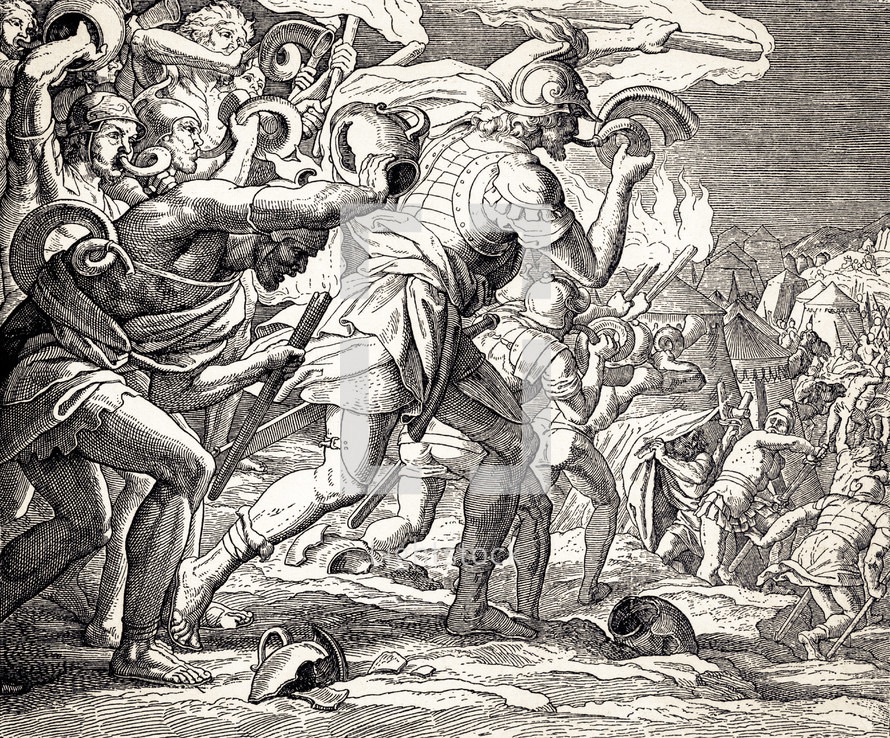
Consider the beautiful paradox: Gideon, who saw himself as the least in his family, from the weakest clan in Manasseh, is addressed by the angel as “mighty warrior.” God does not see us as we see ourselves. Where we see inadequacy, God sees potential. Where we see fear, God sees faith waiting to be awakened. Where we see impossibility, God sees His coming victory.

The peace God offers is transformative. It is shalom, that deep Hebrew concept that encompasses wholeness, completeness, welfare, and harmony. It is the peace that Christ would later promise His disciples: “Peace I leave with you; my peace I give you. I do not give to you as the world gives.” This is not a peace dependent on circumstances but a peace rooted in the unchanging character of God Himself.

Today, whatever fears grip your heart, whatever inadequacies haunt your mind, whatever impossibilities loom before you, hear again these ancient words spoken fresh to you: “Peace be to you; do not fear; you shall not die.” The God who called Gideon out of hiding calls you out of yours. The God who transformed a fearful farmer into a deliverer of Israel desires to work His purposes through your yielded life.

Do not be afraid of His presence. Do not shrink back from His calling. For the same God who spoke peace to Gideon speaks peace to you today. And where God’s peace dwells, fear cannot remain. Where God’s presence abides, death gives way to life. Where God’s purpose is embraced, weakness becomes strength.

Let us pray: Lord, when we tremble before You, remind us that You come not to condemn but to save, not to destroy but to deliver. Grant us the peace that transcends understanding, the courage that comes from Your presence, and the faith to believe that You can do immeasurably more through us than we could ask or imagine. In Your holy name, Amen.

Yahweh-Shalom: A Catholic Devotional Journey with Gideon

A 7-Day Devotional on Peace, Trust, and Divine Deliverance

Day 1: When Fear Meets God’s Call

Scripture: Judges 6:11–16

Theme: God sees beyond our fear

Gideon is first encountered hiding—threshing wheat in a winepress, afraid of Midianite raids. Yet God calls him a “mighty warrior.” This is the first lesson of grace: God names us not by our fear, but by our calling.

In Catholic spirituality, vocation always begins with God’s initiative. Like Mary at the Annunciation, Gideon is troubled—but chosen.

Reflection:

Where am I hiding because of fear?

What name might God be speaking over me today?

Prayer:

Lord, when fear defines me, remind me who I am in Your eyes. Give me the grace to listen to Your call. Amen.

Day 2: Yahweh-Shalom — The Lord Is Peace

Scripture: Judges 6:23–24

After encountering God, Gideon expects death. Instead, he receives peace:

“Do not fear; you shall not die.”

He builds an altar and names it Yahweh-Shalom.

In the Catholic faith, peace (shalom) is not merely the absence of conflict—it is the presence of God restoring wholeness. This altar becomes a proclamation: God’s holiness does not destroy the humble; it heals them.

Reflection:

Do I approach God with fear or trust?

What would it mean for me to declare, “The Lord is my peace”?

Prayer:

Lord, be my peace when my heart is restless. Let Your presence quiet my fears. Amen.

Day 3: Tearing Down False Altars

Scripture: Judges 6:25–27

Before publicly delivering Israel, Gideon must obey God privately. He destroys the altar of Baal and the Asherah pole—symbols of false security.

Catholic life demands the same courage. Idols today may be comfort, pride, approval, or control. Peace is impossible while false gods remain enthroned.

Reflection:

What false altar competes with God in my life?

What quiet act of obedience is God asking of me?

Prayer:

Lord, give me courage to tear down whatever draws my heart away from You. Rebuild me on truth and trust. Amen.

Day 4: The Fleece and God’s Patience

Scripture: Judges 6:36–40

Despite previous signs, Gideon asks again for reassurance. God responds—not with anger, but patience.

Catholic tradition teaches that while we are called to trust God’s word, He meets us gently in our weakness. Like a loving Father, He stoops to strengthen fragile faith.

Reflection:

Where do I seek reassurance instead of trust?

How has God patiently confirmed His presence in my life?

Prayer:

Merciful Father, thank You for meeting me where I am. Strengthen my faith when it trembles. Amen.

Day 5: Victory Through Weakness

Scripture: Judges 7:2–7

God reduces Gideon’s army to 300—not to humiliate Israel, but to reveal His glory. Human strength must give way to divine power.

This mirrors Catholic teaching on grace: salvation and victory are never earned; they are received.

Reflection:

What strength do I rely on instead of God’s grace?

Can I accept being small so God may be great?

Prayer:

Lord, strip away my pride and teach me to depend on You alone. May Your power be perfected in my weakness. Amen.

Day 6: Peace After the Battle

Scripture: Judges 8:28

After the victory, Israel enjoys forty years of peace. True peace flows from obedience and trust—but it must be guarded.

Gideon’s later failure with the ephod reminds us: spiritual victories must be followed by humility and vigilance.

Reflection:

How do I guard my heart after God blesses me?

Do I remain grateful—or slowly drift into self-reliance?

Prayer:

Lord, keep me faithful after success and humble after victory. Let my peace remain rooted in You. Amen.

Day 7: Christ, Our True Yahweh-Shalom

Scripture: John 14:27; Philippians 4:7

Yahweh-Shalom finds its fulfilment in Christ. Jesus does not merely give peace—He is our peace. His Cross becomes the ultimate altar where fear, sin, and death are overcome.

Every Eucharist renews this peace, guarding our hearts amid chaos.

Final Reflection:

Where do I need Christ’s peace today?

How can my life become an altar proclaiming, “The Lord is peace”?

Closing Prayer:

Jesus, Prince of Peace, dwell in my heart. Make me a witness of Your peace in a troubled world. Amen.

Frequently Asked Questions (FAQs)

1. What does “Yahweh-Shalom” mean in Catholic understanding?

“Yahweh-Shalom” means “The Lord is Peace.” In Catholic theology, peace (shalom) is not merely freedom from conflict but the fullness of life that flows from right relationship with God. It includes harmony with God, others, and oneself.

2. Why was Gideon afraid after encountering God?

In the Old Testament, seeing God was often associated with death due to His holiness (cf. Exodus 33:20). Gideon’s fear reflects human awareness of sin before divine holiness. God’s reassurance reveals His mercy and desire to save, not destroy.

3. Is Gideon’s fleece a model for how Catholics should discern God’s will today?

Not normally. Catholic discernment prioritises:

  • Scripture
  • Prayer
  • The Church’s teaching
  • Reason and conscience

Gideon’s fleece shows God’s patience with weak faith, not a recommended method for seeking signs. Mature faith trusts God’s word without demanding proof.

4. Why did God reduce Gideon’s army to 300 men?

God reduced the army so Israel would not attribute victory to human strength. This reveals a key biblical principle: salvation comes from God’s grace, not human power.

5. How does Yahweh-Shalom connect to Jesus Christ?

Jesus fulfils Yahweh-Shalom completely. He does not simply bring peace—He is our peace. Through His Cross and Resurrection, Christ restores humanity to God, establishing lasting peace (cf. John 14:27).

6. What warning does Gideon’s later failure with the ephod offer Catholics today?

It warns that spiritual success must be followed by humility. Even good intentions can lead to idolatry if they replace trust in God. Ongoing conversion is essential in Christian life.

7. How can Catholics “build altars” today as Gideon did?

Not physical altars, but spiritual ones through:

  • Prayer and worship
  • Remembering God’s faithfulness
  • Public testimony
  • Faithful participation in the Sacraments

Our lives become living altars when rooted in Christ.

Catechism of the Catholic Church (CCC) References

These references reinforce the theology behind Yahweh-Shalom, faith, peace, and divine deliverance:

On Peace

  • CCC 2304 – Peace is the tranquillity of order founded on justice and charity.
  • CCC 2305 – Earthly peace is an image of the peace of Christ, the Prince of Peace.

On Trust and Faith

  • CCC 150 – Faith is a personal adherence to God and assent to His truth.
  • CCC 1814 – Faith is a supernatural virtue by which we believe in God and all He has revealed.

On Fear and God’s Mercy

  • CCC 2090 – Hope responds to the desire for happiness placed in the human heart by God.
  • CCC 210 – God reveals Himself as merciful and gracious, slow to anger and rich in love.

On God’s Power Working Through Weakness

  • CCC 272 – Faith in God’s almighty love supports hope against discouragement.
  • CCC 309 – God permits evil only to draw greater good from it.

On Idolatry and False Security

  • CCC 2112–2114 – Idolatry consists in divinising what is not God.
  • CCC 2084 – Fidelity to God calls for rejecting whatever rivals Him.

On Christ as the Fulfilment of Peace

  • CCC 459 – The Word became flesh to reconcile us with God.
  • CCC 2305 – Christ’s peace is the fruit of His Cross

Faith-Based Conclusion

Yahweh-Shalom reveals a God who meets fear with mercy, weakness with grace, and chaos with peace—fully realised in Jesus Christ, our lasting peace.

Verse for Today (27th December 2025)
Prayerfully shared by His Excellency, Rt. Rev. Dr. Selvister Ponnumuthan, with profound reflections offered by Johnbritto Kurusumuthu.

© 2025 Johnbritto Kurusumuthu | Rise & Inspire Devotional Series

Word count:2082

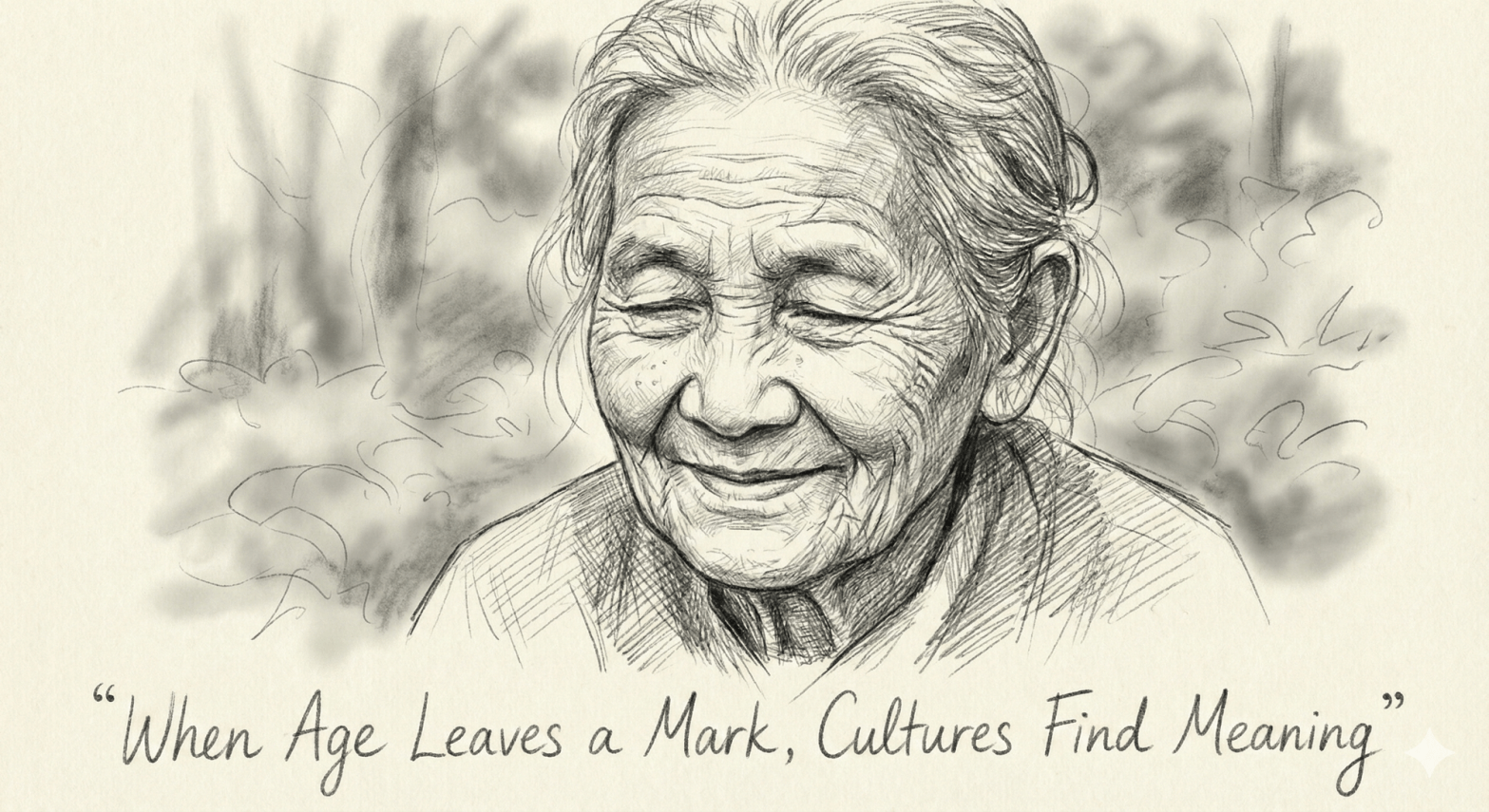
Why Does a Single Long Hair Appear With Age — And What Did Ancient Cultures Believe?

Ageing often reveals itself in quiet, unexpected ways. Sometimes, it’s not a wrinkle or a grey strand — but a single, stubborn hair that seems to appear overnight. Science may explain how it grows, but cultures across the world have long asked a deeper question: what does it mean?

The Wisdom Hair: When a Single Strand Becomes a Story

One day, often later in life, you notice it.

A single long black hair—growing from the ear, the nose, or an unexpected place. It seems to appear overnight, standing quietly yet confidently, refusing to be ignored. Many people smile, some laugh, and others wonder: Why this hair? Why now?

Science has its explanations.
But across cultures and centuries, humanity has given it something more meaningful — a story.

A Sign of Long Life

In many traditions, unusual changes that appear with age are seen not as flaws, but as badges of survival.
To live long enough for the body to change in unexpected ways is, in itself, a triumph.

This solitary hair becomes a quiet reminder:

You have lived. You have endured. You are still here.

Longevity is not counted only in years, but in experiences — joys felt, losses endured, lessons learned.

A Symbol of Wisdom and Spiritual Maturity

Wisdom is rarely loud.
It doesn’t rush.
It grows slowly — like that single strand.

Some cultures believe such signs appear when a person has crossed from mere aging into understanding. Not just knowing facts, but knowing life.

Wrinkles map stories.
Gray hair marks seasons.
And that lone, persistent hair?
It whispers: You have seen enough to understand what truly matters.

An Indication of Good Luck

Across folklore, unusual physical traits have often been linked to fortune. The unexpected is seen as auspicious — a small reminder that life still holds surprises.

Good luck isn’t always about wealth or success. Sometimes it’s about:

  • waking up another morning
  • having stories to tell
  • being able to laugh at yourself

That hair becomes a playful nudge from life itself:

Don’t take everything so seriously. You’re still part of the game.

Marked as “Chosen” or Special

Not chosen above others — but chosen by time.

Chosen to carry memories.
Chosen to guide, advise, and witness.
Chosen to stand as living proof that life continues to unfold, even when we think the chapters are complete.

In many spiritual traditions, elders are not sidelined — they are anchors. The strange little signs that come with age are seen as reminders of that sacred role.

Science Explains the “How.” Culture Explains the “Why.”

Yes, medically, it’s just aging, hormones, and biology doing their work.
There is no mystical cause, no hidden disease, no secret message from the universe.

But humans have always done something beautiful:
We turn ordinary things into meaning.

And meaning is what inspires us to age not with fear, but with grace.

A Final Thought

The next time you notice that lone hair and feel tempted to judge it, take a breath.

Smile.

It may not be a miracle.
But it is a reminder —
that life leaves its signature on all of us,
and every mark tells a story worth honouring.

Age is not a loss of beauty.
It is the accumulation of truth.

— Rise & Inspire 🌱

Key References and Resources

📚 Scientific & Biological Aging Research

1. Theories of Biological Ageing: An Integrative Review
PubMed review of major biological ageing theories (genetic, metabolic, immunological, etc.).
PubMed article:

  • Lastname, Initials. (2024). Theories of biological aging: An integrative review. Retrieved from PubMed. (PubMed)

2. Biology of Ageing: Mechanisms & Perspectives
PubMed article on molecular and systemic aging mechanisms.

  • Lastname, Initials. (2010). Biology of aging: Theories, mechanisms, and perspectives. Retrieved from PubMed. (PubMed)

3. Normal and Ageing Hair Biology and Structure
PubMed research on how hair changes with age.

  • Lastname, Initials. (2015). Normal and aging hair biology and structure. Retrieved from PubMed. (PubMed)

4. GeroScience
A peer-reviewed scientific journal focused on the biology of aging and age-related processes.

🌍 Interdisciplinary & Cultural Ageing Studies

5. Historical & Cross-Cultural Ageing Perspectives
PubMed article on aging from biological, psychological, and social contexts across cultures.

  • Lastname, Initials. (1995). Historical, cross-cultural, biological, and psychosocial perspectives of ageing. Retrieved from PubMed. (PubMed)

6. The Idea of Ageing: Historical & Psychological Analysis
PubMed review tracing cultural concepts of aging through history.

  • Lastname, Initials. (1988). The idea of ageing: An historical and psychological analysis. Retrieved from PubMed. (PubMed)

7. Culture and Ageing (Chapter in Oxford Academic)
A scholarly chapter analyzing cultural dimensions of aging.

  • Luborsky, M. R., & McMullen, C. K. (1999). Culture and Aging. In Gerontology: An Interdisciplinary Perspective. Oxford University Press. (OUP Academic)

8. The Short Guide to Ageing and Gerontology
A concise overview of gerontology and aging research (JSTOR).

  • Jones, R. (2006). The Short Guide to Aging and Gerontology. Retrieved from JSTOR. (JSTOR)

🧠 Anthropological & Sociocultural Research

9. Cultural Variations in Cognition: Implications for Ageing Research
NCBI Bookshelf chapter on cultural worldviews and aging.

  • Shweder, R. (1998). Cultural Variations in Cognition: Implications for Aging Research. Retrieved from NCBI Bookshelf. (NCBI)

10. Biological Anthropology and Ageing
Introduces ageing from evolutionary and biocultural perspectives.

  • Lastname, Initials. (2006). Biological anthropology and aging. Retrieved from PubMed. (PubMed)

11. Why Gerontology Needs Anthropology (MDPI)
Open-access article advocating integration of cultural insight and aging research.

  • Lastname, Initials. (2023). Why Gerontology Needs Anthropology: Toward an Applied Anthropological Gerontology. MDPI. (MDPI)

12. Gerontology (Health Encyclopedia)
Overview of gerontology including cultural aspects of ageing.

  • Gerontology: Health and Cultural Perspectives. Retrieved from HealthEncyclopedia.org. (Health Encyclopedia)

📖 Key Books for Deep Study (with Access Hints)

13. Ageing and Human Nature (Springer)
Anthropological and philosophical essays on aging.

  • Lastname, Initials (Eds.). (2020). Aging and Human Nature. Springer. (Springer Link)

14. Cultural Gerontology
Scholarly book examining cultural meaning, ageism, and identity in aging.

📈 Large-Scale Studies & Ongoing Research

15. The PINE Study (Population Study of Chinese Elderly)
Research project on ageing, health, and quality of life among elderly Chinese Americans (NIH-linked).

  • The PINE Study. Retrieved from Wikipedia (references to the official study site available). (Wikipedia)

🔍 Online Databases & Platforms for Further Research

PubMed – Biomedical and biological aging research.
https://pubmed.ncbi.nlm.nih.gov/

JSTOR – Academic journal access for cultural, historical ageing studies.
https://www.jstor.org/

NCBI Bookshelf – Free full-text books and chapters on ageing topics.
https://www.ncbi.nlm.nih.gov/books/

SpringerLink – Books and journals on ageing science and anthropology.
https://link.springer.com/

This tailored resource list supports both scientific understanding and cultural insight into ageing as a biological and human experience.

© 2025 Rise&Inspire

Reflections that grow with time.

Website: Home | Blog | About Us | Contact| Resources

Word Count:1122

What Is Your All-Time Favorite Automobile and Why Does It Matter?

Daily writing prompt
What is your all time favorite automobile?

My all-time favourite automobile isn’t a single car—it’s the journey itself. From the Maruti 800 to SUV aspirations and now the Toyota Innova Hycross, every vehicle served a purpose. My favourite is the car that carries me forward, meeting my changing needs and dreams at every stage of life.

When someone asks about your all-time favourite automobile, you might picture a specific make and model. But what if the real answer has nothing to do with horsepower, brand prestige, or luxury features? What if your favourite car is actually a mirror reflecting your own evolution, ambitions, and the person you are becoming?

The Automobile That Shaped My Perspective

Some prompts deserve to be revisited—not because we lack an answer, but because our answer evolves with time.

When WordPress asks “What is your all-time favourite automobile?” for the third consecutive year, I find myself reflecting not on which car I’d choose today, but on how my relationship with automobiles has transformed.

I’ve explored this question before:

In those posts, I traced my journey from practical beginnings to aspirational dreams. But today, I realise my “favourite” isn’t a single car—it’s the progression itself. Each vehicle represented a chapter: the Maruti 800 taught me mobility, the SUV dreams taught me ambition, and the Innova Hycross taught me that fulfilment comes from choices that align with our evolving needs.

Perhaps that’s the real answer: my favourite automobile is whichever one carries me forward, in both body and spirit.

© 2025 Rise&Inspire

Reflections that grow with time.

Website: Home | Blog | About Us | Contact| Resources

Word Count:292

What Is the Difference Between Knowing About God and Knowing God?

There are moments when God seems silent, when prayers feel unanswered, when seeking feels futile. Yet Psalms 9:10 speaks a promise into these very moments: God has not forsaken those who seek Him. But this promise rests on something deeper than wishful thinking. It rests on knowing His name and on recognising His character through every season. Let us discover together what this sacred knowing looks like.

Daily Biblical Reflection – December 26, 2025

Those who know your name put their trust in you, for you, O Lord, have not forsaken those who seek you.”

Psalms 9:10

In the journey of faith, there is a sacred difference between knowing about God and truly knowing God. The psalmist David draws our attention to this sacred distinction when he speaks of those who “know your name.” In the biblical tradition, a name is far more than a label—it represents a person’s very essence, character, and nature. To know God’s name is to encounter Him intimately, to experience His faithfulness, His mercy, His provision, and His unfailing love in the everyday moments of our lives.

This intimate knowledge becomes the foundation of trust. We live in uncertain times, where circumstances can shift like sand beneath our feet. Yet those who have walked with God, who have witnessed His hand in their valleys and on their mountaintops, find within themselves an unshakeable confidence. This trust is not built on wishful thinking or blind optimism, but on the proven faithfulness of a God who has never abandoned His children.

The second half of this verse offers us a beautiful promise and a gentle invitation: “for you, O Lord, have not forsaken those who seek you.” Notice the word “seek.” God is not distant or indifferent to our searching. He responds to the humble heart that reaches out to Him, even in confusion, even in doubt, even through tears. The very act of seeking God—through prayer, through His Word, through worship—positions us to experience His presence and His faithfulness.

History bears witness to this truth. Abraham sought God and became the father of faith. Moses sought God and encountered Him in the burning bush. David himself, though flawed and broken at times, sought God with all his heart and became a man after God’s own heart. In our own lives, we can look back and see the fingerprints of God’s faithfulness—the prayers answered, the doors opened, the comfort given, the strength provided when we thought we had none left.

Today, as we reflect on this verse, let us ask ourselves: Do we merely know about God, or do we truly know Him? Are we seeking Him not just in crisis, but in the quiet ordinariness of daily life? And can we trust Him, not because our circumstances are perfect, but because His character is unchanging?

God has not forsaken you. He will not forsake you. Even when you cannot see the way forward, even when silence seems deafening, even when the wait feels endless—He is there. Keep seeking. Keep trusting. For those who know His name have discovered a truth that sustains them through every season: our God is faithful, and He will never let us go.

May this truth anchor your soul today and always.​​​​​​​​​​​​​​​​

Core Interpretation: The distinction between “knowing about God” and “truly knowing God” is a well-established biblical concept. In Scripture, “knowing God’s name” (as in this verse) refers to intimate, experiential knowledge of His character, essence, and faithfulness—not mere intellectual awareness. This is rooted in Hebrew thought, where a “name” encompasses a person’s nature and reputation.

Psalm 9

Let us explore the fuller context of Psalm 9 and invite it into our prayer life.

Trusting the God Who Never Forsakes

“Those who know your name put their trust in you, for you, O Lord, have not forsaken those who seek you.” (Ps 9:10)

Psalm 9 is a song of thanksgiving that rises from lived experience. Traditionally attributed to King David, it flows from a moment of victory—when God’s justice was not merely believed, but felt. It celebrates a God who acts in history, who overturns the power of the wicked, and who remains a refuge for the humble and the oppressed.

For the Catholic believer, Psalm 9 is not just a hymn of the past; it is a prayer that continues to speak into the struggles of the present.

A Song Born of Gratitude

David begins with wholehearted praise: “I will give thanks to the Lord with my whole heart.” Gratitude here is not polite acknowledgement—it is total surrender. The psalmist recounts God’s “wonderful deeds,” reminding us that faith deepens when we remember how God has already acted in our lives.

In our own spiritual journey, this psalm invites us to linger in holy stillness and recall moments of quiet deliverance: prayers answered, strength given in weakness, light offered in confusion. Thanksgiving becomes the foundation of trust.

God, the Just Judge of All

Psalm 9 proclaims that the Lord “sits enthroned forever” and judges the world with righteousness. Nations rise and fall, human power fades, but God’s justice endures. Evil may appear strong for a season, yet it never has the final word.

Catholic tradition sees in this a reassurance that history is not random or abandoned. God remains sovereign—not distant, but attentive—especially to those whose voices go unheard.

Refuge for the Poor and Afflicted

At the heart of the psalm lies one of its most consoling truths:

“The Lord is a stronghold for the oppressed, a stronghold in times of trouble.”

This promise speaks directly to the wounded heart. God does not side with the powerful simply because they are powerful. He remembers the poor, the forgotten, the afflicted. He listens to their cry.

For believers, this echoes the Gospel itself—where Christ consistently draws near to the marginalised and assures them that they are seen.

From Praise to Petition

Though Psalm 9 is filled with confidence, it also makes room for honest petition. David asks God to “arise” and act once more. Faith, here, is not passive resignation; it is hopeful persistence.

Catholic prayer lives in this same tension—trusting God’s past faithfulness while boldly asking for present grace. We praise, and we plead. We remember, and we hope.

Christ Fulfilled in Justice and Mercy

In the light of Christ, Psalm 9 finds deeper fulfilment. Jesus embodies God’s perfect justice and tender mercy. His victory over sin and death assures us that evil, suffering, and injustice are never the end of the story.

What David sang in hope, the Church proclaims in faith: God reigns, God remembers, and God saves.

A Prayer to Carry Forward

Psalm 9 invites us to:

✔️Praise God with gratitude

✔️Trust Him amid uncertainty

✔️Stand with the poor and afflicted

✔️Pray boldly for justice and mercy

As we return to this psalm in prayer, may we grow in the confidence that the Lord never forsakes those who seek Him.

Closing Prayer

Lord, you are our refuge and strength. Teach us to trust your name, to remember your deeds, and to hope in your justice. May our praise rise from grateful hearts, and may our lives proclaim your faithfulness. Amen.

Guided Meditation on Psalm 9

“Those Who Know Your Name Trust in You”

Begin in stillness

Find a quiet place.

Sit comfortably or kneel if you prefer.

Gently close your eyes.

Take a slow, deep breath in… and breathe out.

Allow the noise of the day to soften.

1. Entering God’s Presence

“I will give thanks to the Lord with my whole heart.” (Ps 9:1)

Bring to mind the presence of God—loving, attentive, near.

You are not alone. You are seen.

In silence, recall one moment from your life where God has carried you—perhaps unnoticed at the time, but clear now in memory.

Let gratitude rise gently within you.

Do not force words.

Simply rest in thanksgiving.

 Be still for a few breaths.

2. Remembering God’s Deeds

“I will recount all your wonderful deeds.” (Ps 9:1)

Allow memories of God’s faithfulness to surface:

♱A prayer answered

♱Strength given in weakness

♱Peace in the midst of uncertainty

These are not coincidences.

They are signs of God’s quiet work in your life.

Offer each memory back to God as praise.

Rest in this truth.

3. Trusting the God Who Reigns Forever

“The Lord sits enthroned forever.” (Ps 9:7)

Now bring before God any concern that weighs on your heart:

• An injustice you cannot fix

• A situation beyond your control

• A fear about the future

Place it gently in God’s hands.

Whisper in your heart:

“You reign, Lord. I trust you.”

Rest in that trust.

4. Finding Refuge in Times of Trouble

“The Lord is a stronghold for the oppressed, a stronghold in times of trouble.” (Ps 9:9)

Imagine yourself stepping into a place of safety—God’s shelter.

Nothing threatens you here.

You are held.

If you feel weary, allow yourself to rest.

If you feel wounded, allow God to heal.

Hear the Lord say to you:

“I have not forgotten you.”

Pause in silence.

5. Knowing God’s Name

“Those who know your name put their trust in you.” (Ps 9:10)

In Scripture, to know God’s name is to know His character:

Faithful.

Just.

Merciful.

Near.

Ask quietly:

“Lord, help me to know you more deeply.”

Let this desire settle into your heart.

6. Praying with Hope

“Arise, O Lord.” (Ps 9:19)

Offer one prayer now—simple and honest.

Not rushed.

Not polished.

Just real.

Trust that God hears every word.

Closing Prayer

Lord God, you are my refuge and my strength.

Teach me to trust you—not only when life is easy,

but especially when I feel weak or forgotten.

Help me remember your deeds,

rest in your justice,

and hope in your mercy.

I place my life in your hands.

Amen.

End in silence

Take one final deep breath.

When you are ready, gently open your eyes.

Carry this peace with you into the day.

Thematic Fit: The focus on the distinction between knowing about God and knowing God, rooted in Ps 9:10, with calls to seek, trust, and reflect on His faithfulness. The additional material given above expands the full psalm contextually—starting with praise (v.1), justice (v.7–8), refuge (v.9), trust (v.10), and petition (v.19)—while echoing the same promises. It builds directly on the original’s invitation to “reflect on this verse” by providing deeper application, a prayer, and a meditation.

Verse for Today (26th December 2025) is the Scripture, graciously shared by His Excellency, Rt. Rev. Dr. Selvister Ponnumuthan, with reflections by Johnbritto Kurusumuthu.

© 2025 Johnbritto Kurusumuthu | Rise & Inspire Devotional Series

Word count:1819

Why Is Christmas a Moment of Gratitude at Rise&Inspire?

Dear Rise&Inspire Community,

As we gather to celebrate this special season, I want to take a moment to thank each of you for being part of our journey together this year.

Christmas reminds us of the power of hope, renewal, and the light we can bring into each other’s lives. Throughout this year, you’ve shown up with curiosity, courage, and a commitment to growth that truly embodies what Rise&Inspire is all about.

As you celebrate with loved ones, I hope you find moments of peace, joy, and reflection. May this season recharge your spirit and remind you of how far you’ve come, while filling you with excitement for all that’s ahead in the new year.

Thank you for being part of this community, for inspiring us, and for allowing us to be part of your journey toward becoming your best self.

Wishing you and yours a very Merry Christmas filled with warmth, laughter, and love.

With gratitude and holiday cheer,

Johnbritto Kurusumuthu

Rise&Inspire

© 2025 Rise&Inspire

Reflections that grow with time.

Website: Home | Blog | About Us | Contact| Resources

Word Count:193

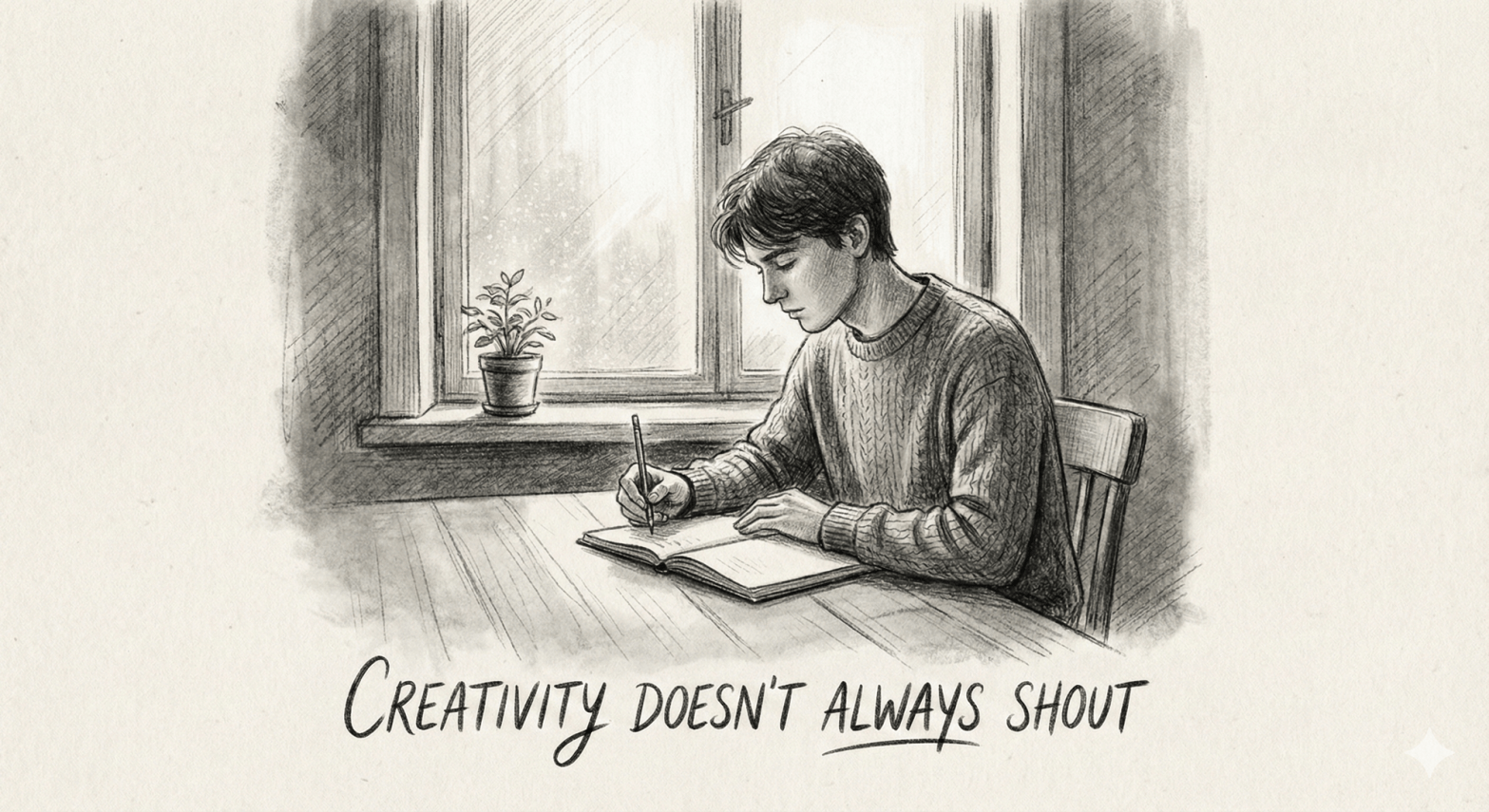
Is Creativity Found in Thinking Deeply Rather Than Creating Loudly?

Daily writing prompt
How are you creative?

I am creative through quiet reflection, patient problem-solving, and by connecting ideas drawn from faith, experience, and everyday life—finding meaning without needing noise or applause.

Creativity doesn’t always announce itself with colour, applause, or novelty. Sometimes it appears in silence, patience, and the courage to think slowly. This reflection explores how creativity lives quietly—in reflection, problem-solving, and the way meaning is shaped over time.

How Are You Creative?

For a long time, I thought creativity announced itself loudly—through art, applause, or obvious innovation. Over the years, I’ve come to realise that my creativity is quieter, steadier, and often invisible to others.

I am creative in how I reflect.

Before words ever reach the screen, they pass through silence—through memory, faith, and lived experience. Creativity, for me, begins not with invention, but with attention: noticing what lingers after a conversation, what stirs after a Scripture verse, what remains after a day has ended. I create by listening deeply to life before interpreting it.

I am creative in how I solve problems.

Some of my happiest moments come not from producing something new, but from untangling what seems stuck—whether it is a software glitch, a broken workflow, or a scattered thought. Creativity shows up in patience, in trying one more approach, in refusing to panic. There is quiet joy in making things work again.

I am creative in how I connect ideas.

Writing allows me to weave together faith, technology, personal memory, and everyday observation. What may seem unrelated at first—a biblical verse, a digital habit, a lived experience—often reveals meaning when placed side by side. My creativity lies in seeing relationships where others might see fragments.

I am creative in how I return to the same questions.

This very prompt is a repeat, yet my response is different. Creativity does not always mean novelty; sometimes it means revisiting the familiar with new eyes. Each return uncovers another layer of understanding—about myself, about the world, about God.

Above all, I am creative in choosing presence over performance.

I write not to impress, but to clarify. Not to chase trends, but to remain honest. Creativity, for me, is the courage to stay faithful to my voice, even when it is quiet, reflective, and slow.

That is how I am creative—

not by adding noise to the world,

but by offering meaning where silence has already spoken.

🔗 Explore More on Creativity & Growth

🧭 Final reassurance

Writing again on a repeat prompt is not redundancy —

it is documentation of growth.

© 2025 Rise&Inspire

Reflections that grow with time.

Website: Home | Blog | About Us | Contact| Resources

Word Count:467

Why Did Isaiah Call Jesus the Great Light?

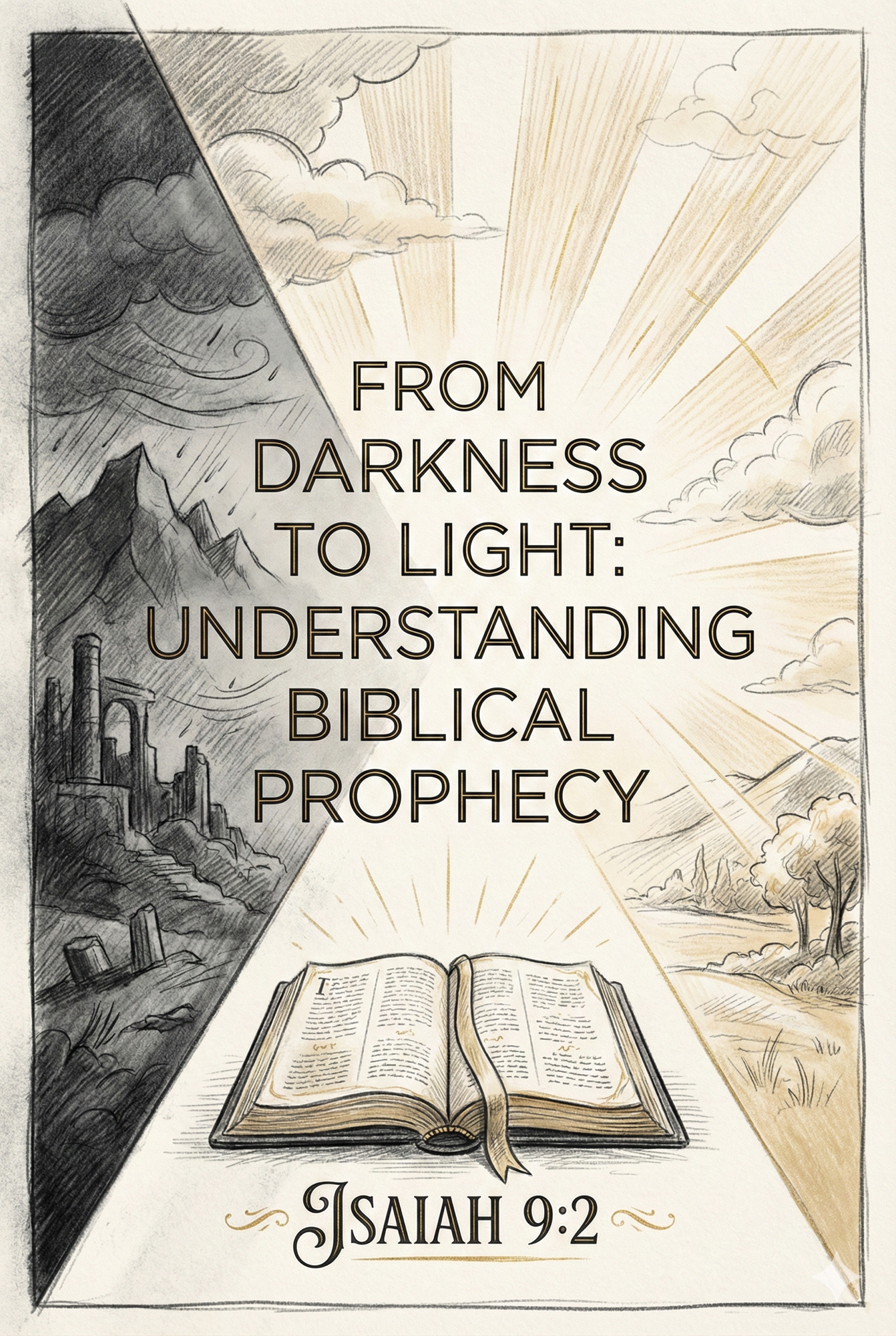
You have probably heard Isaiah 9:2 quoted in Christmas sermons, seen it on holiday cards, or sung it in carols. But do you really know what it means? This is not just poetic language about winter nights and starlight. It is a prophetic declaration about the human condition and the arrival of a Saviour who would change everything. Before you scroll past another Christmas post, please take a moment to discover why this single verse has captivated believers for thousands of years and what it means for your life right now.

This reflection explores the deep meaning of light entering darkness through Christ’s incarnation, with pastoral warmth and spiritual depth suitable for Christmas morning meditation.

Daily Biblical Reflection – Verse for Today (25th December 2025)

The people who walked in darkness have seen a great light; those who lived in a land of deep darkness—on them light has shined.

Isaiah 9:2

Wishing you a MERRY CHRISTMAS

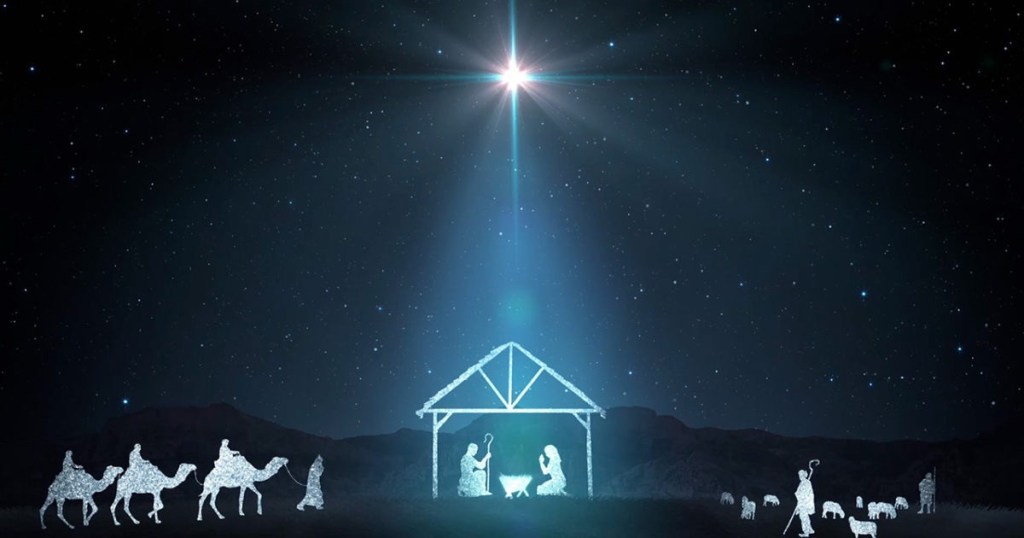
On this most sacred of days, we celebrate the fulfilment of an ancient promise. The prophet Isaiah spoke these words centuries before that first Christmas night, yet they capture perfectly what happened in Bethlehem: God entered our darkness bearing the light of His presence.

Consider the stark reality of darkness that Isaiah describes. This is not merely the absence of physical light, but the deep darkness of a world groping for meaning, lost in sin, burdened by fear and death. It is the darkness of every human heart that wanders far from God, the shadows that fall across our lives when we face suffering, loss, and the weight of our own failings. Into this very real, very human darkness, the prophet announces something extraordinary: light has come.

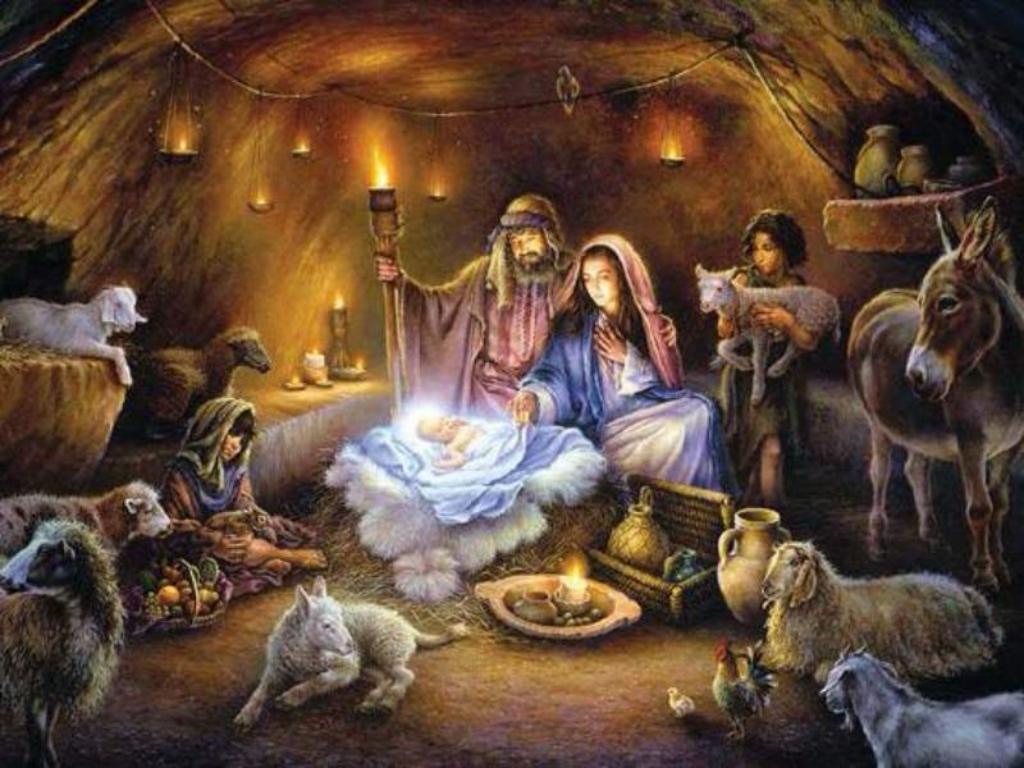
And what a light it is. Not a distant star to admire from afar, but Emmanuel, God with us. The infant lying in the manger is the eternal Word through whom all things were made, the very Light of the World entering into our shadowed existence. He does not shine from a safe distance but comes near, taking on human flesh, entering into the fullness of our condition so that we might enter into His divine life.

Christmas reminds us that God’s response to our darkness is not judgment from above but incarnation from within. He does not merely send light; He becomes our light. The helpless baby wrapped in swaddling clothes is the Almighty making Himself vulnerable for our love. The child born in poverty is the King of Kings choosing solidarity with the poorest among us. This is the scandal and the glory of the Christian faith: that the infinite God would love us enough to become finite, that eternal light would enter time to illumine our days.

As we celebrate today, let us ask ourselves: where do I still walk in darkness? What corners of my heart remain in shadow, resistant to His light? Perhaps it is an unforgiven grudge, a secret sin, a fear we cannot name, or simply the weariness of daily struggle. Whatever our darkness may be, the message of Christmas is clear: Christ has come for this very reason. He is not deterred by our shadows; He entered the world to dispel them.

The light that shined on that first Christmas continues to shine today. It shines in the sacraments of the Church, in the proclamation of the Gospel, in the quiet movements of grace in our souls. It shines whenever we choose love over hatred, forgiveness over revenge, hope over despair. It shines in the faces of those who have truly encountered Christ and been transformed by His presence.

Let us, then, not only rejoice in the light that has come but resolve to be bearers of that light to others. As St. John reminds us, the light shines in the darkness, and the darkness has not overcome it. We who have received this light are called to reflect it, to be Christ’s presence to a world that still walks in shadow. Our acts of kindness, our words of encouragement, and our witness of faith become ways that His light continues to shine through us.

On this Christmas Day, may we open our hearts completely to the Light that has come into the world. May we allow Jesus to illumine every darkness within us and around us. And may we go forth from this day as children of the light, carrying His radiance to all whom we meet, confident that the darkness will never overcome the Light that was born in Bethlehem and lives forever in our hearts.

Merry Christmas to you and your loved ones. May the light of Christ fill your home and your heart today and always.

Isaiah 9:6 — A Child Born for Our Peace

A Catholic Reflection on a Timeless Messianic Promise

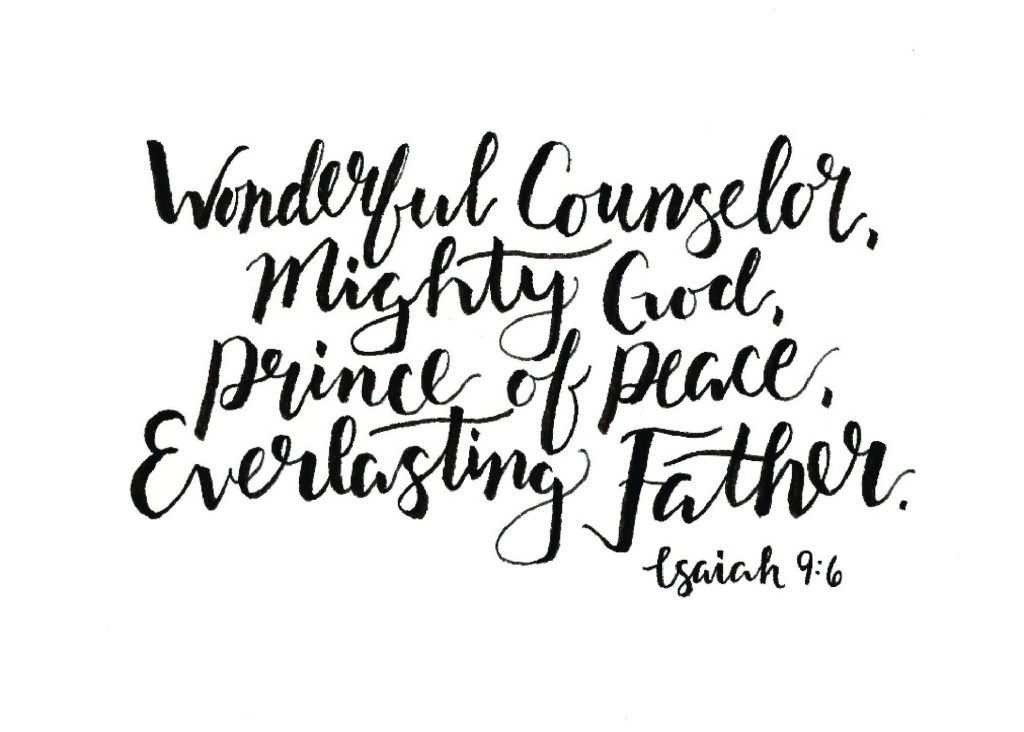
“For to us a child is born, to us a son is given;

and the government shall be upon his shoulder,

and his name shall be called Wonderful Counsellor,

Mighty God, Everlasting Father, Prince of Peace.”

Few passages of Sacred Scripture are proclaimed with such reverence and joy during the Christmas season as Isaiah 9:6. In a single verse, the prophet gathers the hopes of a suffering people and reveals God’s astonishing answer: not a weapon, not an army, but a Child—born among us, given by God, destined to reign forever.

Light in a Time of Darkness

Isaiah spoke during one of Judah’s bleakest hours. Assyrian power loomed, fear gripped the land, and political alliances replaced trust in God. The people walked in darkness, uncertain of their future and burdened by oppression. Yet into this night of anxiety, Isaiah proclaimed a promise: “The people who walked in darkness have seen a great light” (Isaiah 9:2).

This promise is not escapism. It is hope grounded in God’s fidelity. The prophet announces that God’s saving plan will unfold not through domination, but through divine humility—through a ruler whose authority rests not on force, but on righteousness.

A Child Born, a Son Given

The wording of the prophecy is deeply theological. “A child is born” speaks of true humanity—real flesh, vulnerability, and nearness. “A son is given” points beyond time, revealing a gift that comes from God Himself. The Church has always heard in these words the mystery of the Incarnation: Jesus Christ, fully human and fully divine, entering history for our salvation.

This is why the Church joyfully proclaims this reading at Christmas. The manger at Bethlehem is not a sentimental scene; it is the throne of the King whose reign will have no end.

The Throne Names of the Messiah

Isaiah unfolds the identity of this Child through four majestic titles—royal throne names that describe not only who He is, but how He reigns.

Wonderful Counsellor

Christ is wisdom incarnate. His words do not merely advise; they reveal the heart of the Father. In the Gospel, His teaching pierces confusion and brings clarity, and through the Holy Spirit, He continues to guide the Church in truth.

Mighty God

This title is unmistakably divine. Isaiah uses the same name elsewhere for the Lord Himself (cf. Isaiah 10:21). The Church rightly sees here a prophetic confession of Christ’s divinity—confirmed in His works, His authority over sin and death, and His resurrection.

Everlasting Father

This does not confuse the Son with God the Father. Rather, it reveals Christ as the giver and guardian of eternal life—the one who cares for His people with a father’s constancy, mercy, and unfailing presence.

Prince of Peace

Christ brings shalom—not merely the absence of conflict, but the fullness of reconciliation with God. His peace heals hearts now and will one day restore all creation.

Fulfilled in Christ, Completed in Glory

The Church understands this prophecy as having both a near hope and an ultimate fulfilment. While Isaiah’s first listeners may have associated it with a righteous Davidic king, such as Hezekiah, the grandeur of the titles and the promise of an eternal kingdom reach far beyond any earthly ruler.

In Jesus Christ, the prophecy finds its true meaning. His first coming establishes peace in the human heart; His second coming will bring justice and peace to the whole world. As the Book of Revelation proclaims, “The kingdom of the world has become the kingdom of our Lord and of His Christ”(Revelation 11:15).

A Living Word, Faithfully Handed Down

The discovery of the Dead Sea Scrolls, including the Great Isaiah Scroll, confirms the antiquity and integrity of this prophecy. The words proclaimed today are the same words cherished centuries before Christ—testifying to God’s faithfulness across generations.

A Promise for Our Time

Isaiah 9:6 is not only a Christmas proclamation; it is a daily assurance. In a world still marked by violence, fear, and uncertainty, God’s answer remains the same: a Saviour-King who reigns through love, humility, and peace.

As we contemplate the Child of Bethlehem, we are invited to place the burdens of our lives upon His shoulders and to trust that His kingdom—quietly begun in a manger—will never pass away.

Come, Lord Jesus, Prince of Peace.

Verse for Today (25 December 2025)
shared with blessings by His Excellency, Rt. Rev. Dr. Selvister Ponnumuthan, enriched with reflective insights by Johnbritto Kurusumuthu.

© 2025 Johnbritto Kurusumuthu | Rise & Inspire Devotional Series

Word count:1571

Are Your Biggest Influences the Ones You Never Noticed?

Daily writing prompt
Who are the biggest influences in your life?

Our biggest influences rarely announce themselves. They’re the patient ones—the grandmother demonstrating resilience through daily acts, the teacher asking why we chose that word, the friend who simply held space. They’re the books that found us at exactly the right moment, the inherited circumstances of culture and timing we’re still learning to recognise.

Influence works both ways. The people who shaped us saw something in us first, held up a mirror at just the right angle. And as we change, so do our influences. This year, I’m most shaped by those who’ve taught me gentleness—who’ve modelled rest and boundaries in a world that constantly pushes for more.

The answer keeps changing, and maybe that’s the point. We’re all works in progress, shaped by hands we may never see, moments we didn’t recognise as pivotal until much later.

The real question isn’t who influences us. It’s whether we’re paying attention to what we’re becoming because of them.

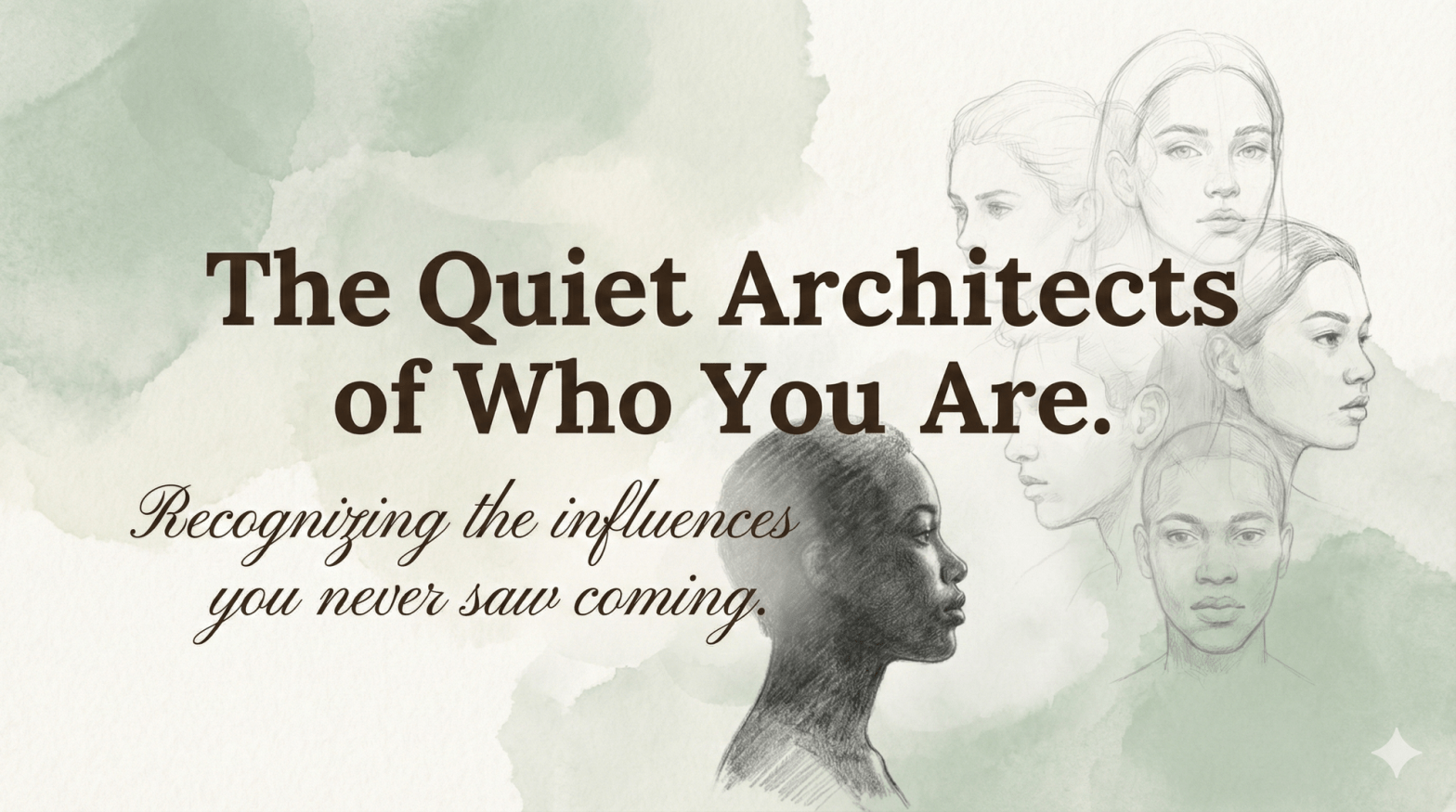
We love to name our influences. The famous author. The inspiring leader. The life-changing mentor. But what if the people who shaped you most never knew they did? What if your biggest influences worked so quietly you’re only now realising their fingerprints are all over who you’ve become? This isn’t about the voices that announced themselves. It’s about the quiet architects who sketched your blueprint when you weren’t looking.

The Quiet Architects: Who Shapes Us When We’re Not Looking

Every December, WordPress asks us to name the biggest influences in our lives. I’ve answered this prompt twice before, both times circling around technology’s grip on our minds and choices. You can revisit those reflections here:

Earlier reflections on the same prompt

(Shared here for continuity and deeper context)

https://riseandinspire.co.in/2024/12/24/are-we-influenced-more-by-technology-or-ourselves

But this year, I want to step away from screens and algorithms. Because the truth is, our deepest influences rarely announce themselves. They work quietly, like architects sketching blueprints we only recognise years later.

My biggest influences haven’t been the loudest voices in the room. They’ve been the patient ones. The grandmother who never lectured about resilience but demonstrated it every morning, making breakfast after a sleepless night of worry. The teacher who didn’t just correct my writing but asked why I chose that particular word, teaching me that precision matters. The friend who stayed silent when I needed to vent, understanding that influence sometimes means simply holding space.

I think about the books that cracked me open at exactly the right moment. Not necessarily the classics everyone recommends, but the ones that found me when I was ready. The novels that showed me how other people think, the essays that gave language to feelings I couldn’t name, the poetry that proved beauty could exist in broken things.

Then there are the influences we inherit without consent: culture, class, geography, timing. Being born in a particular decade, in a specific place, to certain circumstances—these shape us as surely as any mentor’s advice. Sometimes our work is recognising these invisible architects, deciding which inherited blueprints to keep and which to redraw.

What strikes me now, three years into answering this prompt, is how influence works both ways. The people who’ve shaped me didn’t just pour knowledge into an empty vessel. They saw something in me first, believed in a version of myself I hadn’t yet become. Influence, at its best, is collaborative. It’s someone holding up a mirror at just the right angle so you can finally see what was there all along.

Maybe that’s why this question returns every year. Our influences don’t stay fixed. The mentor who felt monumental at twenty might fade by thirty, not because they mattered less but because their work is done. New architects arrive, sketch new possibilities. We become influenced by different things as we change, as our needs evolve, as we learn to recognise what we’ve been missing.

This year, I’m most influenced by the people who’ve taught me to be gentle with myself. The ones who’ve modelled rest, boundaries, and saying no. In a world that constantly pushes for more, faster, better, the truly radical influences are those who whisper: you’re enough. Slow down. This matters more than that.

So who are the biggest influences in my life? The answer keeps changing, and maybe that’s the point. We’re all works in progress, shaped by hands we may never see, voices we might not remember, moments we didn’t recognise as pivotal until much later.

The real question isn’t who influences us. It’s whether we’re paying attention to what we’re becoming because of them.

© 2025 Rise&Inspire

Reflections that grow with time.

Website: Home | Blog | About Us | Contact| Resources

Word Count:790

What Makes Faithful Living the Greatest Sacrifice?

Stop waiting for the perfect moment to offer God something meaningful. Every time you keep his word in the messy middle of ordinary life, you’re building an altar. Every act of obedience, however small, becomes incense rising to heaven. This Christmas Eve reflection will change how you see every single moment of your day.

This reflection explores how faithful obedience to God’s law transforms every moment of our lives into an offering, making it especially meaningful on Christmas Eve as we prepare to celebrate Christ, who perfectly fulfilled the law.

Daily Biblical Reflection – Verse for Today (24th December 2025)

The one who keeps the law makes many offerings.

Ecclesiasticus 35:1

Reflection

On this Christmas Eve, as we stand on the threshold of celebrating the greatest gift ever given to humanity, this verse from Ecclesiasticus invites us into a profound truth about the nature of true worship and devotion. The wisdom writer teaches us that authentic spiritual life is not measured by the number of sacrifices we bring to the altar, but by the faithfulness with which we live according to God’s word.

The one who keeps the law makes many offerings. What a beautiful paradox this presents to us. In ancient Israel, offerings were tangible acts brought to the temple: animals, grain, and incense. Yet here we discover that every moment of obedience, every choice to conform our will with God’s, every act of justice and mercy becomes itself an offering, a fragrant sacrifice rising to heaven.

As we prepare to welcome the Christ child tonight, this verse takes on even deeper meaning. For in Jesus, we see the perfect fulfilment of the law, not as a burden but as love made visible. He came not to abolish the law but to fulfil it, and in doing so, he showed us that keeping God’s law is ultimately about keeping our hearts turned toward him in every moment of our lives.

Think of the ordinary moments of your day: the patience you showed to a difficult colleague, the truth you spoke when a lie would have been easier, the forgiveness you extended when holding a grudge felt justified, the time you gave to someone in need when you had little to spare. Each of these, dear friends, is an offering. Each act of love, however small, is incense burning before the throne of God.

The beauty of this teaching is that it democratizes holiness. You do not need to be wealthy to make many offerings. You need not have access to the temple or possess special privileges. The mother caring for her children with patience and love, the worker performing duties with integrity and diligence, the neighbour who listens with compassion, the friend who stays faithful in difficult times, all these are making many offerings through the simple act of keeping God’s law of love.

On this holy night, as we await the arrival of the one who would become both the perfect keeper of the law and the final sacrifice, let us examine our own lives. Are we seeking to honour God through external displays alone, or are we allowing his word to transform the very fabric of our daily existence? Are we offering him rituals without righteousness, or are we presenting to him the living sacrifice of obedient hearts?

The infant we will adore tonight came to show us that God desires mercy, not sacrifice; faithfulness, not burnt offerings. He came to write the law not on tablets of stone but on tablets of human hearts. He came so that our very lives might become a continuous act of worship, an unceasing offering of love.

As you prepare your home for Christmas, as you gather with loved ones, as you exchange gifts and share meals, remember that every act of kindness, every word of encouragement, every gesture of reconciliation is an offering pleasing to God. You are building an altar not of stone but of love, and upon it you place the gift of your obedient, faithful life.

May this Christmas Eve find you rich in offerings, not because you have done extraordinary things, but because you have chosen, in countless ordinary moments, to keep the law of love that Christ came to perfect and fulfil.

Prayer

Loving Father, as we stand on the threshold of Christmas, help us to understand that true worship flows from obedient hearts. May every moment of this holy season be an offering to you: our joy, our service, our love, our faithfulness. Teach us to see that in keeping your law of love, we make many offerings that please you far more than any external sacrifice. Through Christ our Lord, who is both the perfect keeper of your law and the lamb offered for our salvation. Amen.

Sirach 35: Living Worship That Pleases God

A Catholic Reflection for Christmas Eve

The wisdom of Sirach speaks quietly but firmly into every age—and Chapter 35 is one of its clearest reminders that God desires not performance, but a transformed life. Written around 180 BCE by Jesus ben Sirach, this chapter draws us beyond the visible rituals of religion and into the heart of true worship: obedience, mercy, humility, and justice.

On Christmas Eve, when the Church prepares to welcome Emmanuel—God with us—Sirach 35 offers a strikingly relevant message: holiness is lived in ordinary faithfulness, and such a life rises to God like incense.

Obedience as Sacrifice (Sirach 35:1–5)

Sirach begins by redefining sacrifice. Keeping the law, returning kindness, giving alms, and turning away from wickedness are all described as offerings placed upon God’s altar. Worship is no longer confined to the Temple; it unfolds in daily decisions.

This echoes the prophetic tradition so familiar to Israel—“I desire mercy, not sacrifice” (Hosea 6:6) and “to do justice, love kindness, and walk humbly with your God” (Micah 6:8). Sirach gathers these themes and makes them deeply personal: every ethical choice becomes an act of worship.

In this light, holiness is accessible to all. Parents, workers, caregivers, and the forgotten can all offer sacrifices pleasing to God—simply by living righteously.

Generosity Without Manipulation (Sirach 35:6–13)

The chapter then turns to the offerings themselves. God invites generosity, but He cannot be bribed. Dishonest gifts, self-serving piety, or calculated charity find no favour before Him. The Lord is judge, and with Him there is no partiality.

Yet Sirach also reassures us: God repays generosity sevenfold. True giving is never loss—it is trust. What matters is not the size of the offering, but the integrity of the heart behind it.

This prepares us beautifully for Christmas, where God Himself gives without calculation—freely, vulnerably, and completely.

The God Who Hears the Cry of the Poor (Sirach 35:14–23)

The final section of the chapter is among the most consoling passages in all of wisdom literature. God listens attentively to the cries of widows, orphans, and the oppressed. Their tears are not unnoticed; their prayers pierce the clouds.

Particularly striking is Sirach’s affirmation that the prayer of the humble will not rest until it reaches its goal. God may appear silent, but He is never indifferent. Justice will come, mercy will prevail, and wrongs will not have the final word.

For those who feel unseen or unheard, Sirach offers hope rooted not in sentiment, but in God’s unchanging character.

Fulfilled in Christ

For Christians, Sirach 35 finds its fullness in Jesus Christ, who declares that He has come not to abolish the law, but to fulfil it (Matthew 5:17). Christ embodies perfect obedience, perfect charity, and perfect justice. He becomes not only the true worshipper, but the true sacrifice.

On Christmas Eve, the Incarnation reveals God’s ultimate response to humble prayer. Emmanuel does not arrive demanding offerings; He arrives as the offering. In a manger, we see divine justice clothed in mercy.

A Living Offering

Sirach 35 invites us to examine our own worship. Do our prayers rise from lives shaped by mercy? Do our offerings reflect justice and humility? This Christmas Eve, the chapter reminds us that God delights in lives quietly lived for Him—lives that become continual incense before His throne.

May our faith be more than ritual.

May our charity be sincere.

May our obedience be joyful.

And may our lives, like the Child of Bethlehem, be humble offerings that please the Most High.

Authorship and Context

This reflection is written by Johnbritto Kurusumuthu, who runs the Rise & Inspire blog (riseandinspire.co.in). He regularly shares daily biblical reflections based on Scripture verses forwarded each morning by His Excellency, Rt. Rev. Dr. Selvister Ponnumuthu, Bishop of Punalur, India.

Verse for Today – 24th December 2025
Faithfully forwarded this morning by His Excellency, Rt. Rev. Dr. Selvister Ponnumuthan, and prayerfully reflected upon by Johnbritto Kurusumuthu.

© 2025 Johnbritto Kurusumuthu | Rise & Inspire Devotional Series

Word count:1492

What Happens When You Revisit Your Birth Year Three Times?

Daily writing prompt
Share what you know about the year you were born.

I was born in a year of transition, when old certainties were crumbling and new possibilities emerging. Over three years of reflecting on this same prompt, I’ve discovered that my birth year isn’t just historical fact—it’s a living conversation between past and present. The technological breakthroughs, the geopolitical shifts like India-China relations, and especially the cultural undercurrents all shaped the world I inherited. But what strikes me most is how each time I revisit this question, I uncover new layers of meaning. The year itself hasn’t changed, but my understanding of how it shaped my generation’s worldview continues to deepen. It’s less about what happened and more about the invisible forces—the hopes, conversations, and quiet revolutions in thinking—that created the person I’m becoming.

History repeats itself, but our understanding of it never does. For three consecutive years, WordPress has asked me the same question about my birth year. For three consecutive years, I’ve given completely different answers. The facts haven’t changed. The events remain fixed in time. But the story keeps shifting, revealing new truths about both the past and the person I’ve become since then.

The Year That Shaped a Generation: A Third Look Back

For the third consecutive year, WordPress has gifted us the same writing prompt: “Share what you know about the year you were born.” When I first encountered this prompt in 2023, I explored the historic chapter in India-China relations. Last year, I looked into the technological and scientific breakthroughs that defined my birth year. Today, as I return to this familiar invitation, I realise that each telling reveals not just what happened then, but who I’ve become in the years since.

There’s something meaningful about revisiting the same question annually. Like looking at an old photograph from different angles, each examination uncovers details previously overlooked. This year, I want to focus on something I haven’t fully explored before: the cultural and human story of my birth year, the everyday moments that, in aggregate, shaped the world I entered.

The world into which I was born was one of transition. It was a year when the old certainties were crumbling and new possibilities were emerging. People were learning to navigate change in ways both large and small. The conversations happening around dinner tables, the concerns keeping parents awake at night, the hopes animating young people’s dreams—these were the invisible forces that would shape my generation’s worldview.

What strikes me most, looking back now, is how the challenges of that time echo in our present. The fundamental questions people grappled with then—about identity, belonging, progress, and what kind of future to build—remain strikingly relevant. Perhaps that’s what each birth year truly gives us: not just a date in history, but a set of questions that follow us throughout our lives.

The music playing on radios that year, the books people were reading, the films they were watching—these weren’t just entertainment. They were collective dreams and anxieties taking form. They were society thinking out loud about where it had been and where it might go. Every chart-topping song and blockbuster film was, in its own way, a conversation about values, aspirations, and the human condition.

I think about the parents bringing children into the world that year, including my own. What were their hopes? What futures did they imagine for us? They couldn’t have predicted the specific technologies or events that would define our adulthood, but they passed down something more enduring: resilience, curiosity, and the capacity to adapt.

This third time writing about my birth year, I’m less interested in listing events and more drawn to understanding the spirit of that time. Every year has its headline moments, but it’s the undercurrents—the shifting attitudes, the quiet revolutions in how people thought and lived—that truly shape a generation.

What I’ve learned from returning to this prompt three years running is that history isn’t static. Our birth year doesn’t just tell us where we came from; it continues to inform where we’re going. Each time I revisit it, I understand myself a little better. I see new connections between then and now, fresh relevance in old stories.

As I close this third reflection, I’m grateful for the repetition. WordPress, intentionally or not, has given me an annual ritual of remembrance and discovery. Next December, if this prompt appears again, I’ll welcome it like an old friend. There will be new layers to uncover, new meanings to explore.

Because the year we were born isn’t just about what happened. It’s about the continuous conversation between past and present, between who we were meant to be and who we’re becoming. And that story, I’m learning, is never truly finished.

© 2025 Rise&Inspire

Reflections that grow with time.

Website: Home | Blog | About Us | Contact| Resources

Word Count:831

Does God See Your Pain or Have You Been Forgotten in Your Suffering?

You carry burdens no one else fully understands. Wounds that haven’t healed. Injustices that haven’t been resolved. Questions that haven’t been answered. But what if I told you that the God of the universe has already taken up your case? What if divine justice isn’t absent but simply operating on a timeline and wisdom beyond our comprehension? One verse from Jeremiah might revolutionise how you face today’s struggles.

Daily Biblical Reflection – December 23, 2025

“Therefore thus says the Lord: I am going to defend your cause and take vengeance for you.”

Jeremiah 51:36

In the closing days of Advent, as we prepare our hearts for the coming of our Lord, this powerful declaration from the prophet Jeremiah offers us profound comfort and hope. These words, spoken to the exiled people of Judah, remind us that God is not a distant observer of our struggles but an active defender of His beloved children.

The context of this verse is significant. Jeremiah prophesies against Babylon, the mighty empire that had conquered Jerusalem and carried God’s people into exile. In their suffering and displacement, the Israelites might have wondered if God had forgotten them, if their oppressors would triumph forever. Into this darkness, God speaks words of assurance: I will defend your cause. I will take vengeance for you.

What does this mean for us today, centuries removed from ancient Babylon? It speaks to the deepest longing of the human heart—the desire to be seen, defended, and vindicated by the One who loves us most. Each of us carries burdens that feel too heavy to bear alone. We face injustices, betrayals, and wounds that leave us feeling powerless. We cry out, sometimes silently, wondering if anyone truly sees our pain.

God’s promise through Jeremiah is this: He sees. He knows. And He acts on behalf of His people.

Notice the intimacy of God’s language. He doesn’t merely promise justice in an abstract sense. He says, “I am going to defend your cause”—your specific situation, your particular pain, your unique story. God personalises His care. He doesn’t deal with us as a collective mass but as individual souls, each precious beyond measure.

The promise of divine vengeance may trouble our modern sensibilities. We’ve been taught, rightly, to forgive and to leave judgment to God. But this is precisely the point. God’s vengeance is not petty human revenge. It is the righteous restoration of justice by the One who sees all, knows all, and judges with perfect wisdom and mercy. When God says He will take vengeance, He is freeing us from the burden of carrying anger and bitterness. He is inviting us to release our need to settle scores, trusting that He will make all things right in His time and His way.

As we stand on the threshold of Christmas, this verse takes on even deeper meaning. The God who promised to defend His people’s cause did not send armies or earthly power. He sent His Son, born in a stable, wrapped in swaddling clothes. Jesus came to defend our ultimate cause—our separation from God, our bondage to sin and death. On the cross, divine justice and divine mercy met. There, God took vengeance not against us, but against the powers of darkness that held us captive. There, He defended our cause by becoming our substitute, our sacrifice, our Savior.

The infant we celebrate at Christmas is the same Lord who speaks through Jeremiah. He is our Defender, our Advocate, our Champion. In every moment of helplessness, He stands with us. In every experience of injustice, He sees and remembers. And one day, when He returns in glory, every wrong will be righted, every tear wiped away, every sorrow transformed into joy.

Until that day, we live in the tension of already and not yet. Already, Christ has won the victory. Already, He defends us before the throne of God. But not yet have we seen the full outworking of His justice. Not yet have all things been made new. In this waiting time, we’re called to trust—to believe that God’s promises are true even when circumstances suggest otherwise.

So what does this mean practically? It means we can lay down our anxiety about outcomes we cannot control. It means we can forgive those who wrong us, knowing that God will deal with them justly and mercifully. It means we can face opposition without fear, because our Defender is the Creator of heaven and earth. It means we can rest, even in the midst of struggle, because the battle is ultimately the Lord’s.

Today, whatever you’re facing, hear these words as spoken directly to you: “I am going to defend your cause and take vengeance for you.” Your situation is not hidden from God. Your pain is not dismissed. Your cry for justice is not unheard. The God who keeps His promises is at work, even now, on your behalf.

As we prepare to celebrate the birth of our Savior, let us remember that Christmas is God’s great defense of humanity. In sending Jesus, God declared His eternal commitment to fight for us, to stand with us, to redeem us. The stable in Bethlehem is where heaven’s Champion entered the battlefield of human history.

May this promise sustain you today and always: You are not alone. You are not forgotten. You are defended by the King of Kings and Lord of Lords.

Amen.​​​​​​​​​​​​​​​​

A Catholic catechetical reflection on Jeremiah 51

God Defends His People and Brings Down False Powers

Jeremiah 51 is a powerful reminder that God remains faithful even when His people are suffering. This chapter announces God’s judgment on Babylon, the empire that destroyed Jerusalem, desecrated the Temple, and carried God’s people into exile. For the exiles, Babylon seemed invincible. For God, it was temporary.

This chapter teaches us that no power that oppresses, deceives, or exalts itself against God will endure forever.

God Is Sovereign Over History

One of the central lessons of Jeremiah 51 is that God governs history. Babylon rose not by chance, and it did not fall by chance. God had permitted Babylon to act as an instrument of discipline against Judah, but Babylon’s arrogance, cruelty, and idolatry brought it under judgment.

For Catholics, this is an important spiritual truth:

God can use even painful events for purification, without approving the evil done. When suffering comes, it is not proof that God has abandoned His people.

God Is the Defender of the Oppressed

At the heart of this chapter is a word of comfort:

“I will defend your cause and avenge you” (Jer 51:36).

God presents Himself as a divine advocate, taking up the case of His wounded people. This is not revenge born of anger, but justice born of covenant love. God sees the suffering of His people, hears their cries, and acts in His time.

For those who feel powerless, unheard, or wronged, Jeremiah 51 assures us that God does not forget injustice. His justice may be delayed, but it is never denied.

The Emptiness of Idolatry

Jeremiah strongly contrasts false gods with the living Creator. Babylon trusted in idols, wealth, military strength, and false religion. God exposes these as powerless and destined to fall.

For Catholics today, this invites self-examination. Idolatry is not only about statues. Anything that claims ultimate trust—power, money, influence, technology, or ideology—can become a modern “Babylon.”

Jeremiah reminds us:

Only the Lord is Creator, Sustainer, and Saviour. Everything else passes.

“Come Out of Her” — A Call to Separation

The repeated call to flee Babylon is both historical and spiritual. The exiles were urged to leave before destruction came, but the deeper message is timeless: God’s people must not cling to systems that oppose Him.

This echoes throughout Scripture and reaches its fullness in the New Testament, where believers are warned not to conform to the spirit of the world.

As Catholics, we are called to live in the world but not of it—to resist cultural pressures that normalise injustice, deception, or exploitation.

Hope Beyond Judgment

Jeremiah 51 does not end in despair but in hope. Babylon sinks, but God’s plan for His people continues. The symbolic act of sinking the scroll into the Euphrates declares that evil has an end, while God’s word remains.

For believers, this strengthens hope:

Empires fall. Injustice collapses. God’s promises endure.

Living the Message Today

Jeremiah 51 invites us to trust God when:

• injustice appears to triumph,

• faithfulness feels costly,

• evil seems entrenched and permanent.

It calls us to patience, courage, and fidelity—confidence that God is both just and merciful, and that His kingdom outlasts every false power.

Reflection Questions (for Catechesis or Prayer)

1. Where do I see “Babylon” today—systems or values that oppose God’s truth?

2. How does trusting God’s justice change the way I respond to injustice?

3. What false securities might God be asking me to let go of?

4. How does this chapter strengthen my hope in God’s ultimate victory?

Closing Prayer

Lord God, Defender of the oppressed and Judge of all nations,

give us faith to trust Your justice, courage to resist false powers,

and hope that Your word will prevail.

Teach us to live faithfully in every season,

until Your kingdom comes in fullness. Amen.

Verse for Today (23 December 2025)
Daily scripture shared with blessings by His Excellency, Rt. Rev. Dr. Selvister Ponnumuthan, enriched with reflective insights by Johnbritto Kurusumuthu.

© 2025 Johnbritto Kurusumuthu | Rise & Inspire Devotional Series

Word count:1600