Why Do We Keep Dreaming About the Same Cities We Never Visit?

I keep dreaming about the same cities because they mark moments of who I was becoming, not places I’ve already reached—and unless something truly changes, repeating the list feels less like growth and more like comfort.

Daily writing prompt
What cities do you want to visit?

Why Do We Keep Dreaming About the Same Cities We Never Visit?

Every December, WordPress asks me which cities I want to visit. Every December, I answer. And every December, I wonder if I’m building a travel plan or just curating a fantasy I’m too comfortable with to actually pursue.

I’ve been staring at today’s WordPress prompt – “What cities do you want to visit?” – and I have to be honest with you. This is my third year encountering this exact same question.

I look back at what I wrote in 2023, where I poured my heart into describing dream destinations with all that romantic wanderlust – Kyoto’s temples, Reykjavik’s Northern Lights, Porto’s cobblestone charm. Then came 2024, when I took a different angle and explored futuristic urban experiences, imagining myself in cities pushing the boundaries of innovation.

Both posts feel complete to me. They captured what I was feeling at those moments in time.

Now here I am again, and I’m wondering: is this prompt worth repeating a third time?

Unless something significant has shifted – maybe I’ve actually visited some of those dream cities and discovered new ones to chase, or my travel priorities have completely changed, or I want to explore a totally different angle like cities for food, art, or wellness – I worry a third post might just echo what I’ve already said. And I don’t want to bore you, my readers, with repetition.

So I’m considering some alternatives:

1. Write about cities I’ve recently discovered that genuinely surprised me

2. Shine a light on underrated destinations that deserve more attention

3. Reflect on how my travel wishlist has actually evolved over these three years

4. Skip this prompt altogether and find something that sparks fresh inspiration

What do you think? Should I take this in a completely new direction, or is it time to let this particular prompt rest?

© 2025 Rise&Inspire

Reflections that grow with time.

Website: Home | Blog | About Us | Contact| Resources

Word Count:365

Is There Real Hope in Suffering? What Revelation 7:17 Teaches Us

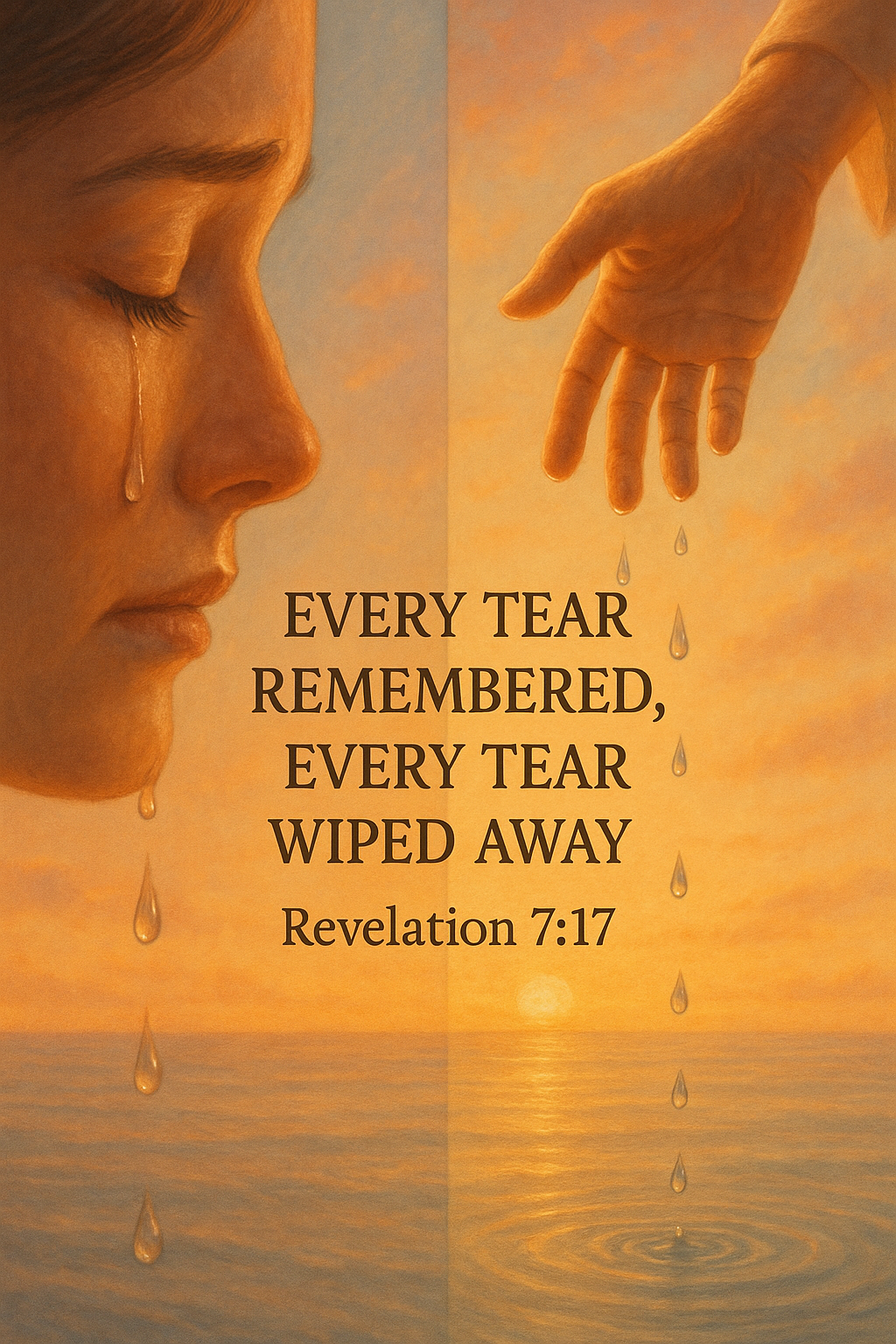
You’ve shed tears that nobody saw. You’ve carried burdens that nobody understood. You’ve walked through valleys that nobody else could navigate with you. Or so you thought. Revelation 7:17 reveals a truth that changes everything: the Lamb who knew ultimate suffering now shepherds you with perfect understanding. Every tear matters. Every step is guided. Every wound will be healed. And it all starts with recognising who’s actually leading you home.

I’ve written a pastoral reflection on Revelation 7:17 that explores the beautiful paradox of Christ as both Lamb and Shepherd. The reflection emphasises God’s intimate understanding of our suffering and the promise of ultimate consolation, written with warmth and spiritual depth.

The reflection connects the biblical imagery to contemporary Christian experience, offering both theological insight and pastoral comfort.​​​​​​​​​​​​​​​​

Daily Biblical Reflection – Verse for Today (15th December 2025)

Forwarded every morning by His Excellency, Rt. Rev. Dr. Selvister Ponnumuthan, upon whom Johnbritto Kurusumuthu wrote reflections.

For the Lamb at the centre of the throne will be their shepherd, and he will guide them to springs of the water of life, and God will wipe away every tear from their eyes.

Revelation 7:17

A Reflection on Divine Paradox and Tender Care

Today’s verse from the book of Revelation presents us with one of Scripture’s most beautiful paradoxes: the Lamb who is also the Shepherd. In our earthly experience, these roles stand in opposition to one another. A lamb is vulnerable, dependent, and led by another. A shepherd is strong, protective, and the one who leads. Yet in the divine economy of God’s love, Jesus Christ embodies both realities perfectly.

This paradox speaks to the very heart of our faith. The Lamb who was slain, who knew suffering and sacrifice, who experienced the full weight of human pain and rejection, now sits enthroned at the centre of heaven. His wounds have become his glory. His death has become the source of eternal life. The one who was led to slaughter now leads the redeemed multitude to springs of living water.

What comfort this brings to our weary souls. Our Shepherd is not distant from our struggles. He does not guide us from a place of untested strength or theoretical understanding. He leads us as one who has walked through the valley of the shadow of death himself. Every tear we shed, he has known. Every fear that grips our hearts, he has felt. Every burden that weighs us down, he has carried.

And so he guides us not with harshness or impatience, but with the tender understanding of one who remembers what it means to thirst, to hunger, to weep. He leads us to springs of living water because he himself cried out from the cross, “I thirst.” He knows our deepest needs because he has experienced our deepest vulnerabilities.

The promise of this verse extends beyond mere guidance. It speaks of ultimate consolation. God himself will wipe away every tear from our eyes. This is not a passive comfort, not a distant blessing pronounced from afar. This is the intimate gesture of a loving parent who bends down to wipe the tears from a child’s face. It is personal. It is tender. It is final.

In our present journey, we may feel that tears are our constant companions. We weep over broken relationships, lost opportunities, persistent illnesses, and the weight of a world that seems to grow heavier with each passing day. We may wonder if our tears matter, if they are even seen. Today’s verse assures us that not only are they seen, but they are numbered, remembered, and destined to be wiped away by the gentle hand of God himself.

The springs of living water to which the Lamb guides us are not just a future promise. Even now, in the midst of our earthly pilgrimage, we can drink from these springs. In prayer, in Scripture, in the sacraments, in the fellowship of believers, we taste the water that will one day fully satisfy our thirst. Every moment of peace in the midst of turmoil, every surge of hope when despair threatens to overwhelm, every experience of love when we feel most alone, these are foretastes of the eternal springs that await us.

As we reflect on this verse today, let us take courage. Our Shepherd knows the way because he has walked it. Our Shepherd cares for us because he has suffered with us. Our Shepherd will bring us home because he has prepared a place where sorrow and sighing shall flee away, where every tear will be tenderly wiped from our eyes, and where we will drink freely from the springs of eternal life.

Let us trust in the Lamb who shepherds us. Let us follow where he leads, knowing that every step, however difficult, brings us closer to that day when all our tears will be dried, and we will stand in the full light of God’s eternal love.

May this reflection bring you comfort and hope today. May you know that you are loved, guided, and destined for a joy that eye has not seen, nor ear heard, nor the heart of man imagined.

In Christ’s peace,

Johnbritto Kurusumuthu

This reflection’s focus on Christ’s closeness to our pain, His gentle guidance, and the assurance of final consolation is consistent with orthodox Christian teaching. The image of God personally wiping away tears, drawn from Revelation 21:4 and Isaiah 25:8, speaks of divine tenderness and parental care. At the same time, the reflection rightly emphasises that glimpses of eternal life are already given to us in the present through prayer, Scripture, and the sacraments.

© 2025 Johnbritto Kurusumuthu | Rise & Inspire Devotional Series

Word count:969

What Single Quality Do I Hope Defines Me in Others’ Eyes?

I hope people say that I was sincere — that my words, actions, and intentions were honest, consistent, and rooted in respect for others.

Daily writing prompt
Tell us one thing you hope people say about you.

It’s easy to say how we want to be seen. It’s harder to live in a way that makes others say it without being asked.

Tell Us One Thing You Hope People Say About You

Some prompts arrive like a mirror.

Others return like a quiet question that asks, “Has anything changed?”

Today’s WordPress prompt — “Tell us one thing you hope people say about you” — is one I’ve encountered before. And yet, it doesn’t feel exhausted. It feels seasonal. The same question, asked at a different point in the journey, invites a deeper answer.

At its heart, this prompt asks us to look beyond achievements, titles, or online presence. It asks us to name one lasting impression — a single truth we hope others carry about us when we’re not in the room.

What I Hope People Say About Me

If I had to choose just one thing, I hope people say:

“He was sincere.”

Not perfect.

Not always right.

But sincere — in intention, in effort, and in the way he showed up.

Sincerity, to me, is quiet integrity. It’s choosing honesty over applause, consistency over convenience, and responsibility over recognition. It’s being the same person in public conversations and private decisions. In writing, in leadership, and in everyday interactions.

Why This Matters More Than Ever

In a world that rewards performance, sincerity often goes unnoticed. Yet it is sincerity that builds trust, sustains relationships, and gives meaning to words long after they are spoken or written.

As a blogger, I’ve learned that readers don’t return merely for polished posts — they return for truth they can feel. And as a person, I’ve learned that people remember how safe, respected, and understood they felt, not how impressive you tried to be.

A Thought I’ve Explored Before — And Still Believe

This prompt isn’t new to me. I reflected on it last year in a post titled:

👉 What Do I Hope People Will Say About Me?

That reflection captured where I stood then — and it still holds true today.

Even earlier, I explored the broader journey of writing, growth, and presence in the blogosphere in:

👉 How to Effectively Explore the Blogosphere: My Journey as a Blogger

Looking back, I realise something important:

The platforms may evolve, the prompts may repeat, but the core values remain steady — or they reveal whether we’ve truly grown.

If Someone Speaks My Name Later…

I don’t need grand praise.

I don’t need flawless memories.

If someone says, “He meant what he said. He tried to do right by people,”

that would be enough.

Because sincerity leaves a trace —

not in headlines, but in hearts.

Sometimes a repeated question isn’t asking for a new answer — it’s asking for an honest one.

© 2025 Rise&Inspire

Reflections that grow with time.

Website: Home | Blog | About Us | Contact| Resources

Word Count:505

What Does the Bible Really Say About Generous Living and Lasting Joy?

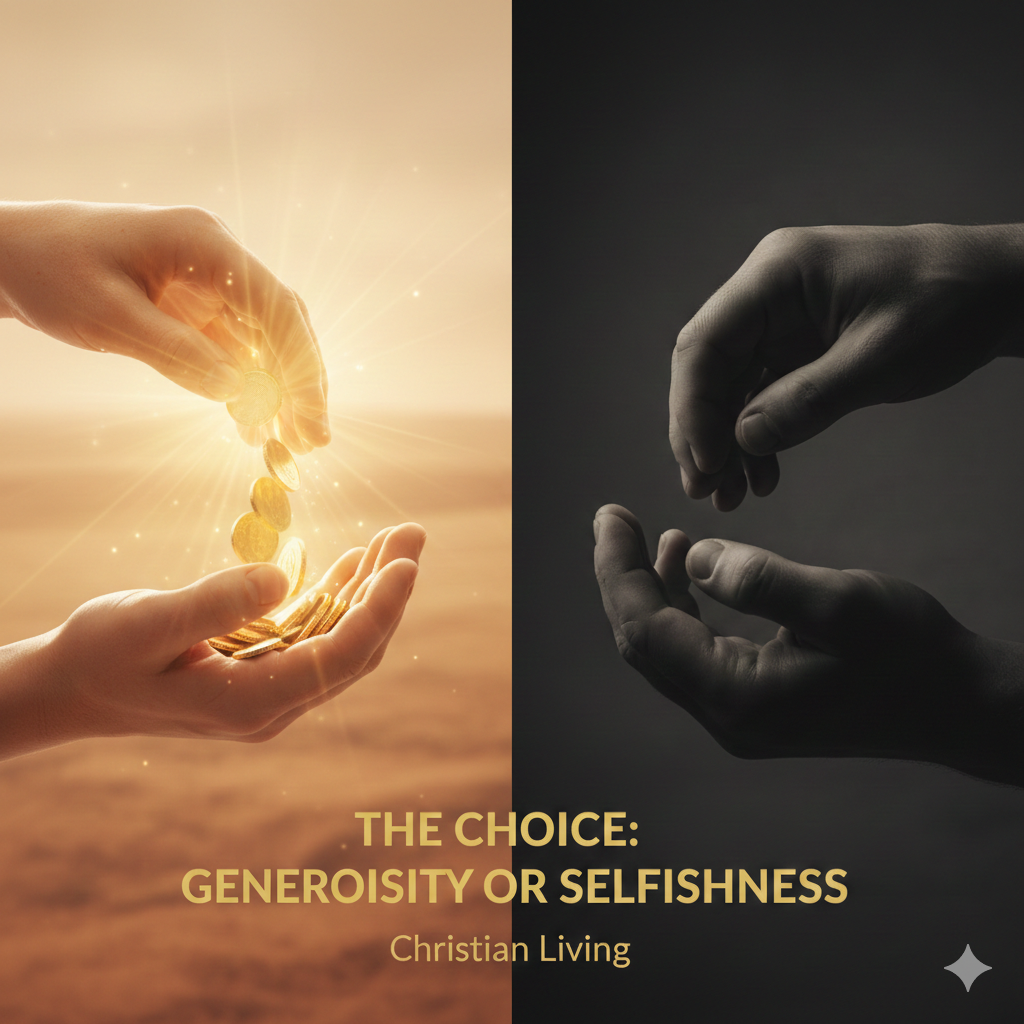
You have probably met them: people who seem lighter, freer, more alive than everyone around them. And if you look closely, you will notice something they all share. They give easily. They hold nothing back. They live with open hands and open hearts. Ecclesiasticus 40:14 explains why this pattern exists and why the opposite is equally true: those who live selfishly and lawlessly end in failure. This is not wishful thinking or religious fantasy. It is spiritual reality, and it has profound implications for how we live today.

I’ve written a pastoral biblical reflection on Ecclesiasticus 40:14 that explores the spiritual depth of generosity and the consequences of lawlessness. The reflection connects the verse to Advent themes, offers practical application, and concludes with a prayer.

Daily Biblical Reflection – Verse for Today (14th December 2025)

Forwarded every morning by His Excellency, Rt. Rev. Dr. Selvister Ponnumuthan, upon whom Johnbritto Kurusumuthu wrote reflections.

As a generous person has cause to rejoice, so lawbreakers will utterly fail.

Ecclesiasticus 40:14

A Reflection on Generosity and the Path to Lasting Joy

Dear brothers and sisters in Christ,

As we journey through this season of Advent, today’s verse from the Book of Ecclesiasticus speaks to us with profound clarity about two contrasting ways of life. Ben Sira, the wise teacher, presents us with a simple yet penetrating truth: the generous person finds joy, while those who break God’s law find only failure.

At first glance, this might seem like a mere observation about cause and effect. But when we allow these words to settle into our hearts, we discover something far deeper about the nature of Christian living and the kingdom of God.

The Joy of the Generous Heart

What does it mean to be generous? True generosity is not merely the act of giving from our surplus. It is a disposition of the heart, a way of being in the world that reflects the very nature of God himself. Our heavenly Father, who gave us his only Son, is the ultimate model of generosity. When we become generous, we participate in God’s own character.

The generous person has cause to rejoice because generosity liberates us from the tyranny of self-interest. When we clutch our possessions, our time, our talents tightly to ourselves, we become prisoners of our own making. We shrink our world to the small circle of our own needs and wants. But when we open our hands and hearts to give, we discover the paradox of the Gospel: in giving, we receive; in losing our life, we find it.

Think of the widow who gave her two small coins. She had so little, yet she gave everything. And in that moment, she experienced something the wealthy donors could not know: the joy of complete trust in God’s providence, the freedom of absolute surrender. Her generosity was not a transaction but a transformation.

During this Advent season, as we prepare for the coming of the One who emptied himself for our sake, we are called to examine the generosity of our own hearts. Are we holding back? Are we calculating our gifts, measuring our mercy, rationing our love? Or are we learning to give as God gives: freely, abundantly, without counting the cost?

The Failure of Lawlessness

The second part of our verse warns us that lawbreakers will utterly fail. This is not a vindictive pronouncement but a spiritual reality. When we speak of lawbreakers, we are not simply talking about those who violate civil statutes. We are speaking of those who reject God’s order, who live as if there were no moral foundation to the universe, no divine purpose guiding creation.

To break God’s law is to live against the grain of reality itself. It is like a fish trying to live on land or a bird refusing to fly. We were created for goodness, fashioned for love, designed for communion with God and neighbor. When we pursue selfishness, greed, cruelty, or indifference, we are working against our own nature and purpose.

The failure that comes to lawbreakers is not always immediate or dramatic. Sometimes it is the slow erosion of the soul, the gradual hardening of the heart, the accumulation of emptiness that no amount of worldly success can fill. The lawbreaker may appear to prosper for a time, but ultimately, a life built on violation of God’s ways cannot stand. As Jesus taught us, the house built on sand will fall when the storms come.

The Contrast That Illumines Our Choice

Ben Sira presents these two paths not to condemn but to illumine. He wants us to see clearly the choice that stands before us every day: Will we live generously or selfishly? Will we align ourselves with God’s ways or pursue our own lawless desires?

This choice is not made once and settled forever. It is a daily decision, moment by moment, in small acts and large commitments. Every time we choose to share rather than hoard, to forgive rather than harbor resentment, to serve rather than demand service, we are choosing the path of the generous heart. And every time we make that choice, we experience a measure of the joy that Ben Sira describes.

A Call to Advent Generosity

As we stand in the middle of Advent, waiting for the celebration of God’s greatest gift to humanity, this verse calls us to prepare our hearts through generosity. The Christ child who will soon be laid in a manger came from heavenly glory into human poverty. He who was rich became poor for our sake, that through his poverty we might become rich.

How can we respond to such overwhelming generosity? Only by allowing it to transform us into generous people ourselves. Perhaps today you can reach out to someone who is lonely, share with someone in need, forgive someone who has wronged you, or simply offer a word of encouragement to a struggling soul.

Remember, dear friends, that generosity is not about the size of the gift but the size of the heart. The Lord sees not what we give but how we give. He delights not in our abundance but in our love.

As you go through this day, carry with you the words of Ecclesiasticus: the generous person has cause to rejoice. May you discover that joy for yourself. May you find that in opening your hands to give, your heart opens to receive the infinite love of God.

Let us pray:

Loving and generous Father, you have given us everything in your Son Jesus Christ. Help us to become people of generous hearts, reflecting your boundless love in our daily lives. Free us from the grip of selfishness and the illusion that security comes from holding tightly to what we have. Teach us the joy of giving, the freedom of sharing, and the blessing of living according to your ways. As we prepare for the coming of your Son, prepare our hearts to receive him with generosity and joy. We ask this through Christ our Lord. Amen.

May the Lord bless you and keep you. May his face shine upon you and give you peace.

In Christ’s love,

Reflection by Johnbritto Kurusumuthu

© 2025 Johnbritto Kurusumuthu | Rise & Inspire Devotional Series

Word count:1227

Is Every First Day a New Chance to Begin Again?

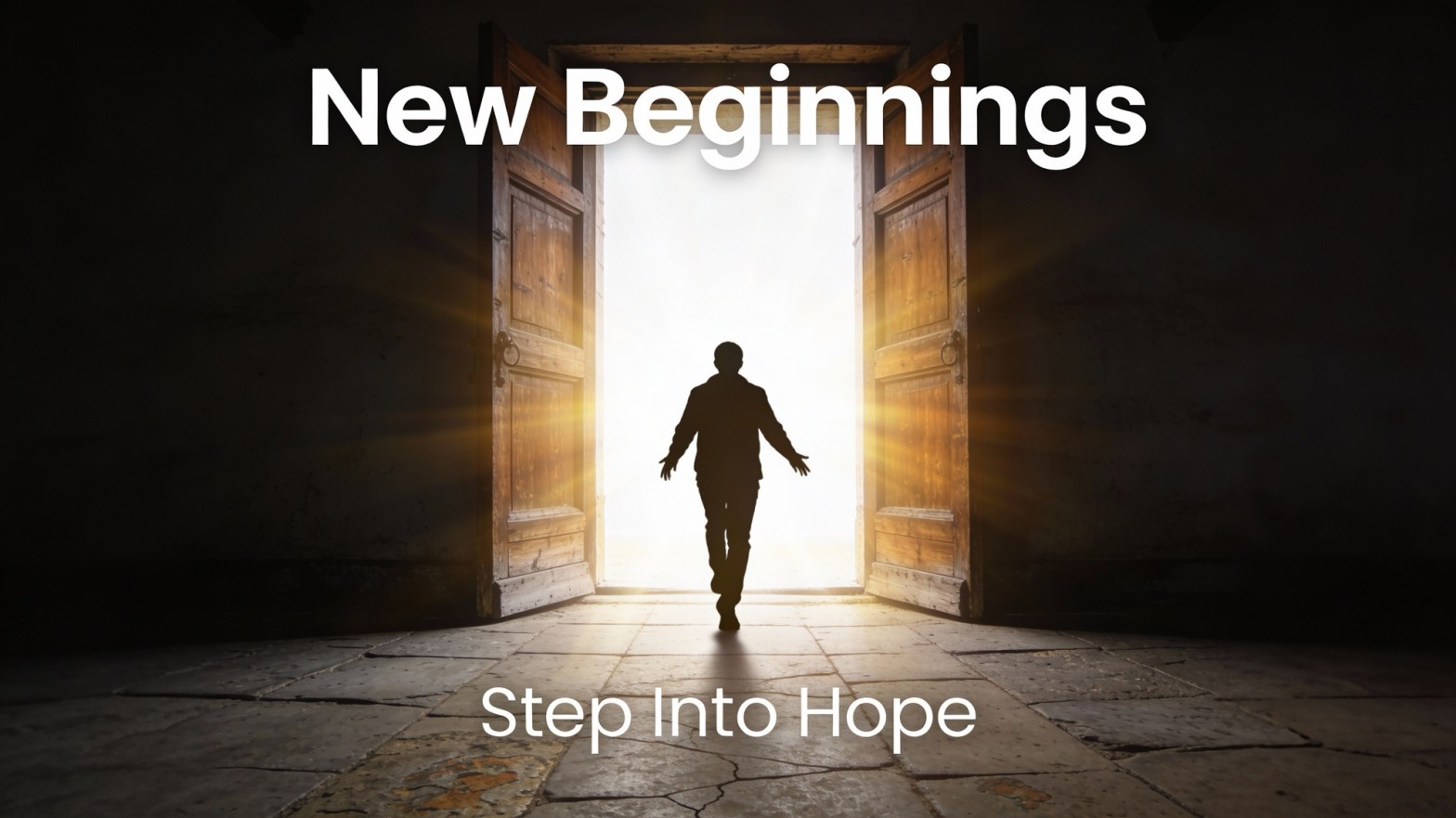
Every first day feels like an open door—uncertain, hopeful, and quietly transformative. Looking back, those beginnings show me that growth often starts with a single brave step forward.

Daily writing prompt
Tell us about your first day at something — school, work, as a parent, etc.

Every first day carries a spark – a little fear, a little hope, and a quiet push to grow. I’ve reflected on this before, here 👇

Today, I’m simply grateful for new beginnings. 🌟

© 2025 Rise&Inspire. All Rights Reserved.

Website: Home | Blog | About Us | Contact| Resources

Word Count:103

What Does the Bible Say About Power, Honour, and God’s Sovereignty?

You work hard. You plan carefully. You push through obstacles. But have you ever stopped to ask where your strength actually originates? King David did, and his answer might challenge everything you believe about success, wealth, and personal achievement. This is not about denying effort. It is about recognizing the hand behind every breakthrough.

Daily Biblical Reflection

December 13, 2025

1 Chronicles 29:12

“Riches and honor come from you, and you rule over all. In your hand are power and might, and it is in your hand to make great and to give strength to all.”

Dear Brothers and Sisters in Christ,

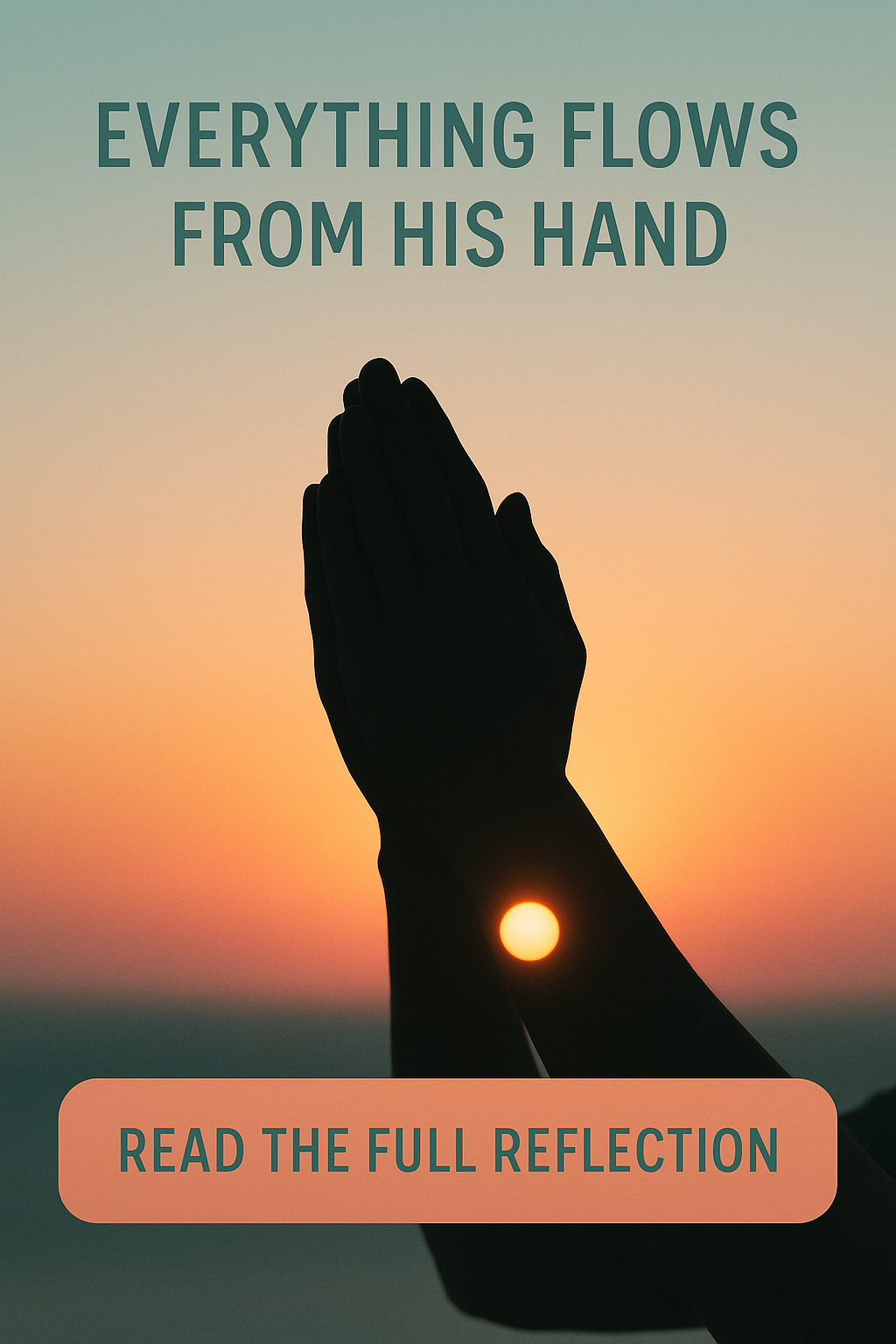
This morning’s Scripture invites us into a moment of deep recognition. King David, near the end of his life, offers these words not as mere poetry but as a declaration born from lived experience. He had known wealth and poverty, victory and defeat, honour and humiliation. And through it all, he discovered a truth that would anchor his soul: everything flows from the hand of God.

We live in a world that teaches us to be self-made, to climb by our own strength, to secure our future through our own wisdom. Yet David reminds us of a liberating reality: the riches we enjoy, the honor we receive, the positions we hold—none of these originate from our cleverness or effort alone. They are gifts, entrusted to us by a sovereign God who rules over all.

Notice the intimacy in David’s words: “In your hand.” Not in a distant decree or an impersonal force, but in the very hand of God. The same hand that formed us in our mother’s womb, that guides us through valleys and leads us beside still waters, that catches our tears and numbers our days—this is the hand that holds all power and might.

<https://youtu.be/VtwVPfK6bHY?si=Prvue-ikFbGTkQC0>

But here is where this passage transforms from theology into daily living: God’s power is not merely to possess, but to share. “It is in your hand to make great and to give strength to all.” What a beautiful vision of divine generosity. God does not hoard His power or ration His strength. He delights in lifting up the humble, in strengthening the weak, in making great those whom the world overlooks.

This should reshape how we view our own lives. If our achievements are gifts, then pride has no place in our hearts. If our strength comes from God, then exhaustion need not be our master. If honour flows from His hand, then we need not grasp or manipulate to secure our worth.

Today, whatever you face-whether you stand at the threshold of opportunity or in the shadow of difficulty-remember that you serve a God who holds all things in His capable hand. The promotion you seek, the healing you need, the breakthrough you long for, the wisdom you require—all rest in His power to give.

And when He does bless you with riches, honour, or influence, receive them as what they truly are: sacred trusts, meant not for your glory but for His kingdom’s advancement. Use your resources to bless others. Employ your honour to lift the forgotten. Exercise your strength to protect the vulnerable.

Let us pray: Gracious Father, we acknowledge today that everything we have and everything we are comes from Your generous hand. Forgive us when we forget this truth and live as though we are self-sufficient. Grant us humility to receive Your gifts with gratitude and wisdom to use them for Your glory. Strengthen us where we are weak, and teach us to depend entirely on Your power. In Jesus’ name, Amen.

May this day be marked by a deeper awareness of God’s sovereignty and a fuller trust in His provision.

In Christ’s love,

Compiled from verses forwarded by His Excellency Rt. Rev. Dr. Selvister Ponnumuthan; reflections by Johnbritto Kurusumuthu.

All things come from Him. All praise returns to Him.

David’s Full Temple Prayer

(1 Chronicles 29:10–19, ESV – Full Context)

David publicly prays after the people of Israel give an astonishingly generous freewill offering for the construction of the temple (over 200 tons of gold and 260 tons of silver in today’s terms). He is old, near death, and wants everyone to know: every single gift came from God’s hand in the first place.

David’s Full Temple Prayer (1 Chronicles 29:10–19 ESV)

10 Therefore David blessed the LORD in the presence of all the assembly. And David said:

“Blessed are you, O LORD, the God of Israel our father, forever and ever.

11 Yours, O LORD, is the greatness and the power and the glory and the victory and the majesty,

for all that is in the heavens and in the earth is yours.

Yours is the kingdom, O LORD, and you are exalted as head above all.

12 Both riches and honour come from you,

and you rule over all.

In your hand are power and might,

and in your hand it is to make great and to give strength to all.

13 And now we thank you, our God,

we give thanks to you

and praise your glorious name.

14 “But who am I, and what is my people, that we should be able thus to offer willingly?

For all things come from you, and of your own have we given you.

15 For we are strangers before you and sojourners, as all our fathers were.

Our days on earth are like a shadow, and there is no abiding.

16 O LORD our God, all this abundance that we have provided for building you a house for your holy name

comes from your hand and is all your own.

17 I know, my God, that you test the heart and have pleasure in uprightness.

In the uprightness of my heart, I have freely offered all these things,

and now I have seen your people, who are present here, offering freely and joyously to you.

18 O LORD, the God of Abraham, Isaac, and Israel, our fathers,

keep forever such purposes and thoughts in the hearts of your people,

and direct their hearts toward you.

19 Grant to Solomon my son a whole heart

that he may keep your commandments, your testimonies, and your statutes,

performing all, and that he may build the palace for which I have made provision.”

20 Then David said to all the assembly, “Bless the LORD your God.”

And all the assembly blessed the LORD, the God of their fathers, and bowed their heads and paid homage to the LORD and to the king.

David’s Temple Prayer Rephrased in Clear, Modern Language

(Faithful paraphrase — same meaning, same heart, contemporary voice)

Here’s David’s full temple prayer (1 Chronicles 29:10–19) rephrased in clear, heartfelt, modern language, as if David were standing in front of us today, microphone in hand, pouring out his soul:

“Everyone, look up here for a second.

I want to bless God out loud, right now, in front of all of you.

God, You are worthy of praise, today and forever.

You are the God of our fathers, the God of Israel, from eternity to eternity.

Everything great, everything powerful, everything beautiful, everything victorious, everything majestic; it all belongs to You.

The heavens are Yours. The earth is Yours. Every nation, every heartbeat, every dollar in every bank account; it’s all Yours.

Your kingdom has no rivals, and You are the King above every king.

Money and influence? They start in Your hand.

Real power and strength? They start in Your hand.

You decide who rises and who is strengthened. You can lift anyone You choose, anytime You choose.

So right now we’re saying thank You.

We’re praising Your breathtaking name with everything we’ve got.

Because, honestly, who am I? Who are we?

How did we even have the ability to give this massive offering?

Only because every single thing ultimately came from You in the first place.

We’re just handing You back what was already Yours.

We’re only guests on this planet, pilgrims passing through.

Our lives are short, like a shadow at sunset; here today, gone tomorrow.

All this gold, silver, and treasure piled up for Your house; every bit of it came from Your hand.

It’s still Yours. We’re just stewards.

God, You see straight into the heart.

You love when our motives are clean.

I’ve given joyfully, with no strings attached, and I’ve watched Your people do the same today. It’s beautiful.

So please, God of Abraham, Isaac, and Jacob;

lock this kind of heart into Your people forever.

Keep us leaning toward You. Keep us hungry for You.

And Solomon; my boy; give him an undivided heart.

Help him love Your Word, keep Your ways, and finish the temple I’ve spent my life preparing for.

Everybody, let’s praise the Lord together!”

And the whole crowd shouted their agreement, bowed low, and worshipped God (and honoured the king who had just honoured God so beautifully).

That’s David’s prayer, in the language of today; still the same heart, still the same thunderous truth.

© 2025 Johnbritto Kurusumuthu | Rise & Inspire Devotional Series

Word count:1534

Why Do We Fear the Stage Before We Even Step On It?

Yes, I’ve performed on stage and given speeches. I began with fear and trembling, but over time each experience taught me to step forward with authenticity, connect with others, and grow more confident with every moment in the spotlight.

Daily writing prompt
Have you ever performed on stage or given a speech?

I didn’t step onto the stage to prove anything. I stepped onto it because I was tired of letting fear decide who I could become. This is what happened when I finally took the mic.

From Trembling Hands to a Steady Heart: My Journey with the Stage

“Have you ever performed on stage or given a speech?”

For most of my life, that question triggered instant fear. My palms would sweat, my voice would vanish, and the very idea of a crowd felt overwhelming. My first school recital at seven ended with whispered prompts from a teacher and a quiet, tearful exit. I was convinced the stage was not for me.

But life kept placing a microphone in my path.

Everything shifted in college when I spoke about a cause close to my heart. The fear was still buzzing, but the message inside me was louder. I focused on a few friendly faces, treated it as a conversation, and somehow made it through. The applause felt less like judgment and more like connection—and that moment cracked something open.

Since then, I’ve spoken at community events, led workshops, and even shared a personal story on a live stage. Each time, the memory of that frightened child returns, but now I thank that version of myself and step forward anyway.

I’ve learned that the stage isn’t always a platform with lights. It’s any space where you choose to be seen—speaking up in a meeting, presenting an idea, or sharing a vulnerable piece of writing online. The inner battle is the same, and so is the reward: clarity, courage, connection.

If you’re curious about the practical steps that helped me grow, I wrote about them here:

👉 Mastering the Art of Public Speaking

And for the deeper reflection on finding your place in the world, here’s last year’s post:

👉 Have You Found Your Unique Stage in Life?

This microblog is the personal thread between the two—the journey from trembling hands to a steadier heart. I no longer fear the stage; I respect it. It has taught me that we don’t step into the light to be perfect. We step into it to be human.

So yes—I’ve performed, spoken, stumbled, and grown.

And every time, it has been worth it.

What about you? Where is your “stage,” and what has it taught you?

Share your story below.

© 2025 Rise&Inspire. All Rights Reserved.

Website: Home | Blog | About Us | Contact| Resources

Word Count:464

Why Can’t We Fully Understand God’s Plans? A Biblical Answer to Life’s Biggest Question

King Solomon had everything: wisdom, wealth, power, and direct access to divine revelation. Yet he asked a question that strips away all pretence: who can possibly understand what God is thinking? If the wisest person who ever lived couldn’t figure God out completely, what does that mean for the rest of us? The answer might surprise you, and it might just set you free.

This reflection explores the tension between human limitation and divine invitation, emphasising that recognising our inability to fully comprehend God’s counsel is itself the beginning of wisdom.

This blog post weaves together themes of humility, trust, and the revelation of God’s will through Christ, while maintaining an encouraging and contemplative tone suitable for daily spiritual reading.

Daily Biblical Reflection – Verse for Today (12th December 2025)

Forwarded every morning by His Excellency, Rt. Rev. Dr. Selvister Ponnumuthan, upon whom Johnbritto Kurusumuthu wrote reflections.

For who can learn the counsel of God? Or who can discern what the Lord wills?

Wisdom 9:13

A Reflection on Divine Mystery and Human Humility

In the heart of Solomon’s great prayer for wisdom, we encounter this insightful question that speaks directly to the human condition. It is not a question born of despair, but of humble recognition. The wisest king who ever lived understood what we too must grasp: the infinite gap between divine wisdom and human understanding.

This verse invites us into a sacred paradox. On the one hand, it acknowledges our limitations. We cannot, by our own power, fully comprehend the mind of God. His thoughts are higher than our thoughts, His ways beyond our ways. The mystery of God’s providence often exceeds our capacity to understand. When we face suffering we cannot explain, when prayers seem unanswered, when life takes unexpected turns, we stand before this truth: God’s counsel is beyond our complete comprehension.

Yet this is not a call to intellectual resignation or spiritual passivity. Rather, it is an invitation to deeper trust. Solomon asked this question precisely because he was seeking wisdom. He knew that recognising our limitations is itself the beginning of true wisdom. The proud person thinks they have God figured out, contained within their theological systems and certainties. The wise person knows that God is always greater, always deeper, always more mysterious than our finite minds can grasp.

This humility before divine mystery should shape our spiritual lives in beautiful ways. It teaches us patience when we cannot understand God’s timing. It cultivates gentleness when we encounter others who interpret God’s will differently than we do. It opens us to wonder and awe, keeping our faith fresh and alive rather than reduced to mere formulas and certainties.

But here is the beautiful promise hidden within this verse: though we cannot fully know God’s counsel, God has not left us in darkness. Through Scripture, through the Church, through prayer, through the indwelling Holy Spirit, God reveals enough for us to walk faithfully. We may not know everything, but we know the One who knows everything. We may not understand all His ways, but we can trust His heart.

Jesus himself became the ultimate revelation of God’s will. In Him, the mystery is not eliminated but illuminated. When we follow Christ, we walk in the light even when we cannot see the entire path ahead. His life, death, and resurrection show us that God’s will is always oriented toward love, redemption, and life abundant.

As we reflect on this verse today, let us embrace both sides of this truth. Let us acknowledge honestly what we cannot know, releasing our need to have all the answers, to control every outcome, to understand every circumstance. Let us also receive gratefully what God has revealed, trusting that His wisdom guides us even when we cannot trace His hand.

In our uncertainties, may we find not anxiety but peace. In our questions, may we discover not doubt but deeper faith. And in our acknowledgement that we cannot fully know God’s mind, may we draw closer to His heart, which has been made known to us in Jesus Christ, who is the wisdom of God made flesh among us.

Lord, grant us the humility to accept what we cannot know, the wisdom to embrace what You have revealed, and the faith to trust You completely in all circumstances. Amen.

Minor note:

This reflection attributes the prayer in Wisdom 9 to “King Solomon.” While the book is traditionally ascribed to Solomon (and written in his persona), most modern Catholic biblical scholars date its composition to the 1st century BC in Alexandria. However, the Church has always accepted it as inspired Scripture and traditionally links it to Solomon (as do the liturgy and magisterial documents).

Liturgy is the Church’s public worship (Mass, sacraments), while Magisterial Documents are official teachings from the Pope and bishops (like Vatican II’s *Sacrosanctum Concilium or Apostolic Constitutions) guiding its renewal, theology, and practice, ensuring continuity with tradition while adapting for the modern world, forming the authoritative basis for how liturgy is celebrated. These documents clarify liturgical principles, define roles, and direct reforms for better worship. 

Scripture Comparison Table 

1. Human Limitation & Divine Transcendence

ThemeGod’s ways and wisdom are infinitely higher than ours; humans cannot fully comprehend Him.
Isaiah 55:8–9God’s thoughts and ways are higher than human thoughts and ways.
Romans 11:33–34God’s wisdom is deep and unsearchable; no one can know His mind.
Job 11:7God’s mysteries cannot be fully understood.
Job 38–41God reveals Job’s limited understanding through questions about creation.

2. Humility as the Beginning of Wisdom 

ThemeWisdom begins with humility and fear of the Lord; Solomon exemplifies receiving wisdom through humble request.
Proverbs 9:10The fear of the Lord is the beginning of wisdom.
Sirach 1:14–20Wisdom comes from humility and reverence for God.
James 4:10Humble yourselves before God, and He will lift you up.
1 Peter 5:6Humble yourselves, and God will exalt you in due time.
1 Kings 3:5–14Solomon asks humbly for wisdom; God grants it abundantly.
2 Chronicles 1:7–12Parallel account confirming Solomon’s humble request and God’s generous response.

3. Revelation Is Partial but Sufficient

ThemeGod has not revealed everything, but what He has revealed is enough for faith, obedience, and salvation.
Deuteronomy 29:29The secret things belong to God; revealed things belong to us.
John 15:15Jesus reveals what the Father has made known to Him.
2 Timothy 3:16–17Scripture equips believers for every good work—sufficient for guidance.

4. Christ as the Full Revelation of God

ThemeJesus is the complete and final revelation of God’s nature, will, and heart.
John 1:18The Son reveals the unseen Father.
John 14:9Seeing Jesus is seeing the Father.
Hebrews 1:1–3Jesus is the radiance of God’s glory and the exact representation of His being.
Colossians 2:9All the fullness of the Godhead dwells bodily in Christ.

© 2025 Johnbritto Kurusumuthu | Rise & Inspire Devotional Series

Word count:1088

Why Do Earlier Fitness Insights Still Work Today?

My favourite physical activities are simple, creative movements like mindful walking, gentle stretching, and morning routines that ground my day. These habits have stayed with me over the years because they are timeless, flexible, and always keep me feeling centred and active.

Daily writing prompt
What are your favorite physical activities or exercises?

Some fitness ideas lose their spark quickly, but others stand firm year after year. When I revisited my earlier posts on staying active, I found the wisdom still felt surprisingly fresh. These reflections show that timeless movement habits don’t fade—they evolve with us.

Why My Earlier Reflections on Staying Active Still Hold True Today

Nowadays, WordPress brings us a familiar prompt—a gentle nudge to revisit thoughts we once explored with enthusiasm and clarity. Today’s question, “What are your favourite physical activities or exercises?” is one such repeat. Instead of drafting yet another list of routines and workouts, I felt inspired to look back on what I had already shared in past years.

And what I discovered was simple yet reassuring: my earlier blog posts still carry timeless wisdom.

Not because the activities themselves haven’t changed, but because the heart behind them—the intention to stay strong, grounded, and connected to my well-being—remains the same.

1. Creative Movement Never Goes Out of Style

In 2024, I wrote a piece titled

👉 What Are the Most Creative Ways to Stay Active?

That post wasn’t just about exercises. It was about discovering movement that sparks joy—walking mindfully, dancing freely, stretching gently, exploring nature, and turning everyday moments into opportunities to stay active.

The reason it still holds good today is simple:

Creativity in movement is timeless.

As long as we are willing to listen to our bodies and keep experimenting, we will always find new ways to stay energised and inspired.

2. A Strong Morning Sets the Tone for the Whole Day

A year earlier, in 2023, I shared one of my favourite reflections:

👉 Start Strong, Stay Stronger: A Holistic Morning Ritual

Though written two years ago, its message still feels fresh today:

Movement in the morning—however simple—creates resilience, focus, and inner strength.

Whether it’s stretching, a brisk walk, breathing exercises, or a bit of mindful stillness, these practices anchor the entire day.

The beauty of such rituals is that they evolve with us. My mornings may look different now, but the principle remains unchanged:

Consistency is more powerful than intensity.

This is why the earlier post still stands tall—its core message is evergreen.

3. Why Rewrite When the Heart of the Message Is Still True?

Today’s prompt might be a repeat, but the wisdom in my earlier answers continues to guide me. Those posts captured my mindset at the time—creative, hopeful, and committed to nurturing my physical and mental well-being. And even now, reading them again, I realise:

🏄‍♀️ The activities I loved then still energise me today.

🏄 The habits I built then are the foundation of my health now.

🏄‍♂️ The reflections I shared then continue to inspire not just others, but also me.

So instead of writing something new, I’m choosing to honour what already exists.

Sometimes, the most meaningful growth lies not in adding more, but in recognising the value of what we have already created.

4. A Gentle Reminder for Today

Movement is not just about workouts—it is about staying alive, aware, and connected to ourselves. Whether we walk, stretch, dance, or simply breathe deeply, the goal is the same:

Stay active. Stay inspired. Stay true to what keeps you grounded.

And for me, those truths were beautifully captured in the posts I wrote in 2023 and 2024. They still guide me today—so they stand as my answer to today’s prompt, once more.

© 2025 Rise&Inspire. All Rights Reserved.

Website: Home | Blog | About Us | Contact| Resources

Word Count:645

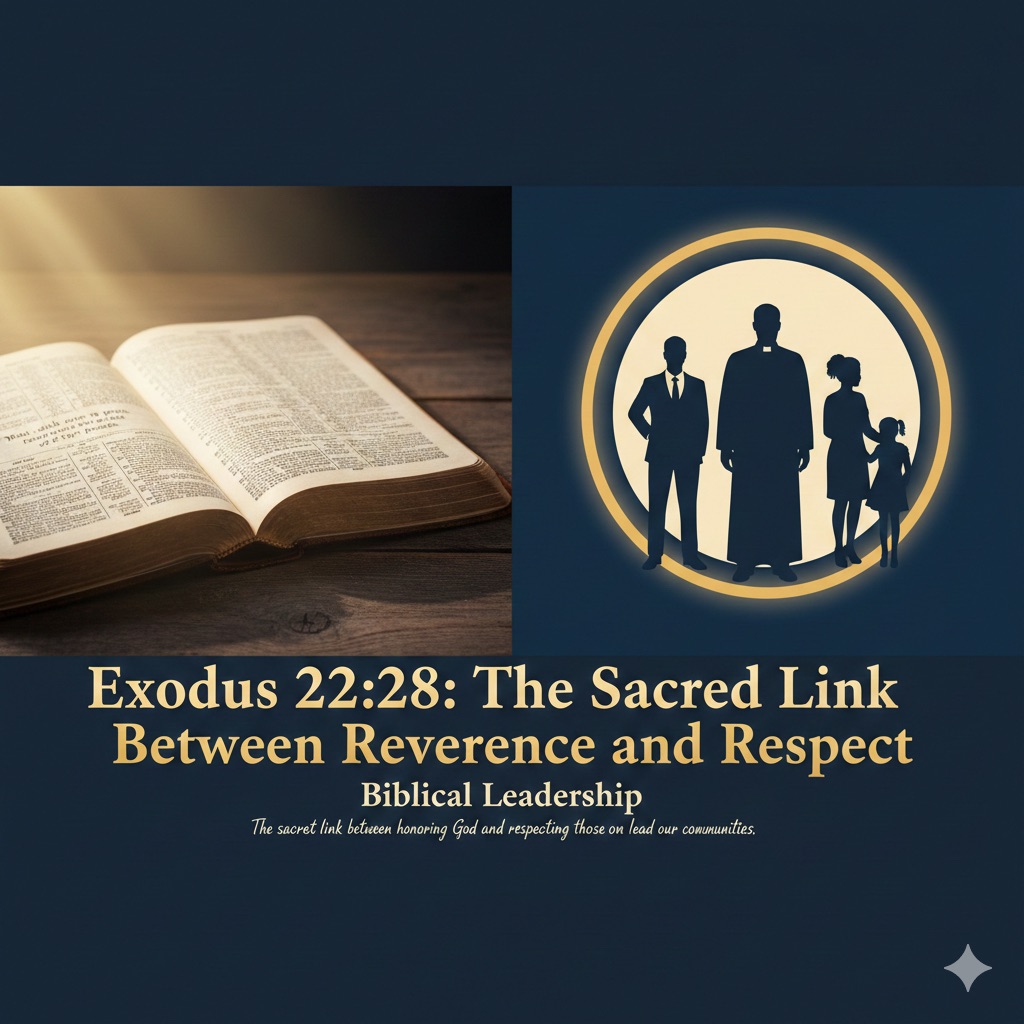
What Is the Connection Between Reverence for God and Respect for Leaders?

I’ve written a biblical reflection on Exodus 22:28. The reflection explores the dual nature of the commandment—reverence for God and respect for leaders—and connects these themes to contemporary life while maintaining a tone of gentle wisdom and practical application.

Daily Biblical Reflection – Verse for Today (11th December 2025)

Forwarded every morning by His Excellency, Rt. Rev. Dr. Selvister Ponnumuthan, upon whom Johnbritto Kurusumuthu wrote reflections.

You shall not revile God or curse a leader of your people.

Exodus 22:28

[Watch Reflection]

A Reflection on Reverence and Responsibility

Dear brothers and sisters in Christ,

In this brief yet meaningful verse from the Book of Exodus, we encounter a divine instruction that speaks to the very heart of how we are called to live in relationship with God and with one another. The commandment is twofold: do not revile God, and do not curse the leaders of your people. At first glance, these two prohibitions might seem to address entirely different spheres of life, but upon deeper reflection, we discover they are intimately connected, revealing a sacred principle about respect, authority, and the dignity inherent in all human communities.

The first part of this command, not to revile God,  underscores the fundamental posture of reverence that should characterise our relationship with the divine. God is not simply a distant concept or an abstract force; He is the living Lord who has entered into covenant with His people, who has shown His face in mercy and steadfast love. To revile God is to treat Him with contempt, to speak of Him carelessly or blasphemously, to reduce the infinite mystery of His being to something we can casually dismiss or mock. Such irreverence wounds not only our relationship with God but also damages our own souls, hardening our hearts to the whisper of grace.

Yet the verse does not stop with our vertical relationship with God. It immediately extends to the horizontal dimension of our lives, to our relationships with those who bear responsibility for the community. We are commanded not to curse the leaders of our people. This is not a call to blind obedience or to refrain from honest critique when leaders fail in their duties. Rather, it is an acknowledgement that leadership itself is a sacred trust, that those who bear the weight of guiding and caring for a community deserve our respect, our prayers, and our support, even when we disagree with their decisions.

In our contemporary world, where cynicism and contempt have become almost fashionable, where social media platforms amplify our worst impulses to tear down and ridicule those in authority, this ancient command rings with urgent relevance. We live in times when leaders, whether in church, government, or community, are often subjected to relentless criticism, personal attacks, and public humiliation. While accountability is essential and prophetic voices must speak truth to power when justice demands it, there is a profound difference between constructive criticism rooted in love and the bitter cursing that seeks only to destroy.

The wisdom of this commandment lies in recognising that how we speak about those in authority reveals the condition of our own hearts. When we curse and revile, we are not merely expressing disagreement; we are allowing bitterness, resentment, and pride to take root within us. We forget that leaders, too, are human beings, made in the image of God, worthy of dignity even in their failures. We forget that the tongue, as Saint James reminds us, is a small member of the body but capable of great destruction, able to set entire forests ablaze with its careless fire.

Moreover, there is a spiritual principle at work here that connects reverence for God with respect for human authority. Those who learn to honour God, who cultivate a heart of humility and gratitude before the divine, are more likely to extend that same spirit of respect to their fellow human beings. Conversely, those who treat God with contempt often find it easy to treat others, especially those in positions of responsibility, with equal disdain. The two parts of this commandment are not separate; they flow from the same wellspring of the heart.

This does not mean we are called to remain silent in the face of injustice or to pretend that all is well when leaders abuse their power or betray their trust. The prophets of Israel spoke boldly against corrupt kings and faithless priests, calling them to repentance and accountability. Jesus himself challenged the religious authorities of his day with penetrating clarity. But even in their strongest rebukes, the prophets and Jesus did not engage in petty cursing or personal vilification. Their words were motivated by love for God’s people and a desire for restoration, not by personal animosity or the pleasure of tearing someone down.

Today, as we reflect on this verse, let us examine our own hearts and our own words. How do we speak about God? Do we treat His name with reverence, or have we become casual and careless in our relationship with the sacred? And how do we speak about those who lead us, whether in our church communities, our civic institutions, or our families? Do our words build up or tear down? Do we pray for our leaders as earnestly as we critique them? Do we remember that behind every position of authority is a human person, struggling as we all do, in need of grace as we all are?

Let us choose today to be people of blessing rather than cursing, of reverence rather than reviling. Let us cultivate hearts that honour God in all things and that extend that honour to our brothers and sisters, especially those who bear the heavy burden of leadership. In doing so, we not only obey this ancient commandment; we become instruments of God’s peace in a world desperately in need of reconciliation and respect.

May the Lord bless you and keep you. May His face shine upon you and give you peace.

Amen.

 A short prayer for leaders

“Let us take a moment and pray silently for our bishops, priests, government leaders, and all who carry responsibility:

Lord Jesus, Good Shepherd, give them wisdom, courage, and humility. Protect them from discouragement, and protect us from bitterness. Heal what is wounded in your Church and in our nation. Amen.”

© 2025 Johnbritto Kurusumuthu | Rise & Inspire Devotional Series

Word count:1075

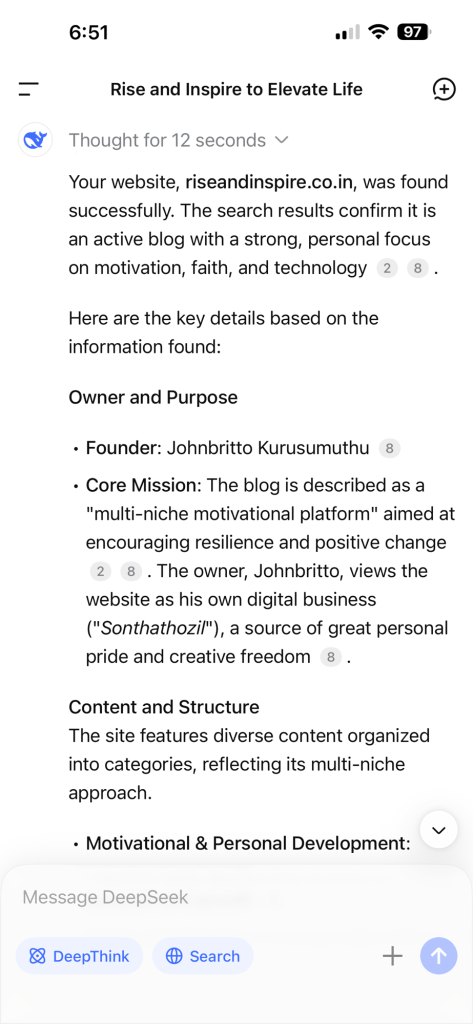
What the Internet Revealed About Rise&Inspire: A DeepSeek Analysis of My Website

Recently, I asked DeepSeek to explore the web and analyse my website, riseandinspire.co.in. What came back was both affirming and eye-opening—an honest portrait of what Rise & Inspire has become: its mission, identity, and growing influence.

Below is the refined version of the report, formatted for a smooth blog-reading experience.

Rise&Inspire: A Home Built on Purpose and Passion

According to the search findings, riseandinspire.co.in is recognised online as an active, vibrant platform rooted in motivation, faith, personal development, and technology.

The site reflects a multi-dimensional creative space designed to uplift readers while documenting my own learning journey.

Founder

Johnbritto Kurusumuthu

The analysis highlights me as the founder and creative force behind the platform—a detail that still feels humbling and inspiring every time I read it.

Core Mission

DeepSeek described Rise&Inspire as a:

“multi-niche motivational platform encouraging resilience and positive change.”

This reflects with the mission I envisioned when I started the site—

to inspire growth, strengthen confidence, and add a spark of light to someone’s day.

The report also noted that I see this platform as my “Sonthathozil”—my own digital entrepreneurship journey.

Rise&Inspire is not just a website; it’s a personal ecosystem for creativity, purpose, and continuous evolution.

A Multi-Niche Blog with a Clear Identity

DeepSeek noted that the website houses a variety of categories, all reflecting its multi-niche nature.

Here’s how it summarised them:

1. Motivational & Personal Development

Daily reflections, thought-provoking quotes, and articles encouraging growth, purpose, and self-improvement.

These are among the most-read sections of the site.

2. Spiritual Reflections

This includes daily biblical insights, reflections, and the “wake-up call” messages shared from His Excellency, the Rt. Rev. Dr. Selvister Ponnumuthan, Bishop of Punalur.

This section has become a quiet spiritual corner for many readers.

3. Technology Insights

From iOS updates to blogging automation and basic programming, the tech category offers simple, practical guides for beginners and bloggers.

4. Additional Themes

The analysis also recognised archived posts on:

• Law

• Astrology

• WordPress daily prompts

• Lifestyle and personal thoughts

Together, these categories show the diverse personality of Rise&Inspire—

a place where curiosity meets purpose.

A Site That Is Very Much Alive

DeepSeek confirmed that riseandinspire.co.in is fully active, and more importantly, consistently updated.

Recent Activity

The latest posts were indexed as recently as December 1, 2025, reflecting steady engagement and continuous publishing.

Contact Information

The site also carries a contact email for readers and collaborators:

kjbtrs@riseandinspire.co.in

Similar Names, Different Identities

The analysis also surfaced other organisations with similar names such as:

• Rise Inspire Academy

• Rise and Inspire Foundation

DeepSeek clarified that these are unrelated and independent entities, distinct from my personal blog.

Rise&Inspire stands as its own unique platform with its own voice and purpose.

Final Thoughts: Seeing Rise&Inspire Through Fresh Eyes

Asking DeepSeek to analyse my website gave me an unexpected gift—a fresh lens.

It made me realise that Rise&Inspire is not just a blog; it is a living space shaped by passion, faith, learning, and the desire to inspire.

Reading how the web perceives my site reaffirmed something important:

Every small post, every reflection, every update is building a digital legacy—quietly, steadily, and meaningfully.

Rise&Inspire continues to grow, and I’m grateful to every reader who joins me on this journey.

© 2025 Rise&Inspire. All Rights Reserved.

Website: Home | Blog | About Us | Contact| Resources

Word Count:581

What Should You Write When You’ve Already Answered the Same Prompt Before?

What sparks my admiration most is when people show quiet strength, genuine kindness, and steady consistency—those simple, everyday actions that reveal true character even when no one is watching.

Daily writing prompt
What is something others do that sparks your admiration?

When WordPress repeats a daily prompt, a writer faces a quiet dilemma: rewrite the same thoughts again or step back and reflect on what has changed since the last time the question appeared. Today’s prompt returned for the third year in a row—and instead of repeating myself, I uncovered something deeper.

When a Prompt Repeats, What Should a Writer Do? A Reflection on Today’s Question

WordPress Prompt:2148 (10 December 2025):

What is something others do that sparks your admiration?

When I saw today’s prompt, my first reaction was a familiar one:

I’ve already written about this. Twice.

And today, once again, WordPress brings back the same question—inviting me to revisit a topic I’ve already explored with depth and heart.

Here are my earlier posts on this very same prompt:

🔗 2024: Who Are the Everyday Heroes We Often Overlook?

🔗 2023: Kindness, Resilience, and Passion

Both posts speak to the qualities I admire most in people—kindness, quiet courage, consistency, resilience, and the often-invisible strength of ordinary individuals who keep moving forward despite personal storms.

So the real question today isn’t whether I can answer the prompt again.

The question is: Should I?

My Decision: Not a Third Blog on the Same Theme—But a New Reflection Instead

Writing a third full blog post on the same prompt would only repeat what I’ve already expressed with sincerity in the previous years.

But ignoring the prompt completely also goes against the discipline I hold as a writer on Rise&Inspire—

the discipline of showing up, reflecting, and engaging with each day’s question.

So today, instead of rewriting the same thoughts,

I’m choosing something different:

👉 A reflection on what happens when prompts repeat—and what it teaches me as a writer.

What a Repeat Prompt Reveals About Us

A repeated prompt is not a limitation.

It is a moment of self-discovery.

It asks:

• Have my values changed?

• Do the same qualities still inspire me?

• Or has my admiration evolved with time?

And most importantly:

What does it say about my growth as a person and as a writer?

If my answers remain the same, that consistency itself is an insight.

If my answers have shifted, that evolution is equally worthy of reflection.

What Still Sparks My Admiration Today?

Even without writing a full new essay, I can acknowledge this:

The qualities that move me deeply—

kindness, integrity, resilience, humility, and quiet strength—

still spark the same admiration today as they did in 2023 and 2024.

These qualities do not expire.

They do not lose relevance.

And they do not need to be rewritten every December.

Instead, they reaffirm who I am and what I value.

Final Thoughts

So no—

I am not writing a third full-length post on the same theme.

But yes—

I am showing up, honouring the prompt, and letting it guide me inward, the way good prompts always do.

Some prompts spark essays.

Some spark stories.

And some—like today’s—spark clarity.

And clarity, too, deserves a place on Rise&Inspire.

© 2025 Rise&Inspire. All Rights Reserved.

Website: Home | Blog | About Us | Contact| Resources

Word Count:548

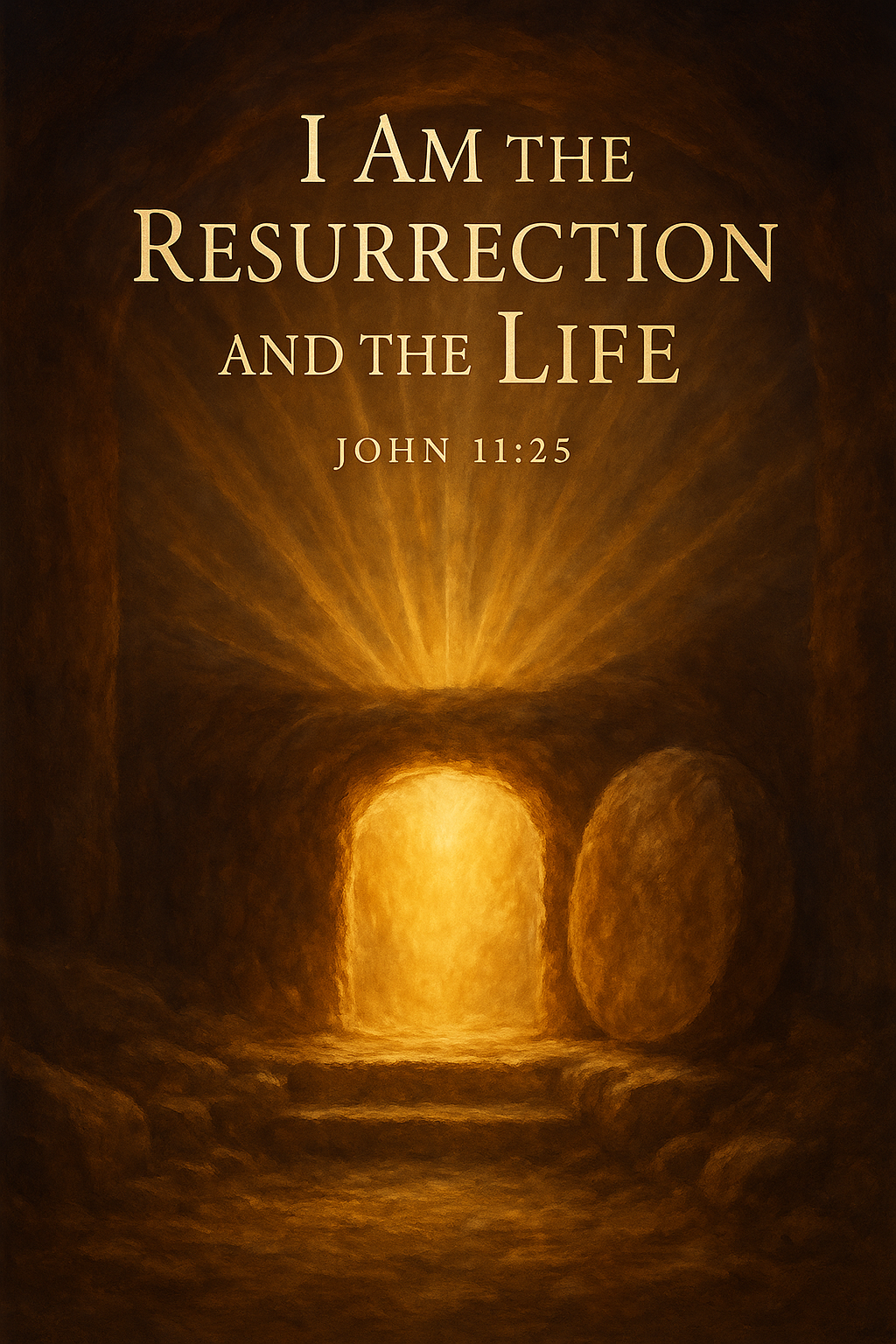
What Was Jesus Really Telling Martha When Her Brother Had Been Dead Four Days?

I’ve written a biblical reflection on John 11:25.

The reflection considers Jesus’s words to Martha, uncovering the deep meaning of Christ as the embodiment of resurrection and life, and how this promise offers hope and direction for our lives today.

Martha thought Jesus arrived too late. Four days too late. Her brother was dead, sealed in a tomb, already beginning to decay. Hope had been buried alongside Lazarus. But Jesus was about to teach her something that would shatter every assumption about timing, death, and what’s truly possible. What He told her that day still speaks to every impossible situation we face. The question is: do we believe it?

Daily Biblical Reflection – Verse for Today (10th December 2025)

Forwarded every morning by His Excellency, Rt. Rev. Dr. Selvister Ponnumuthan, upon whom Johnbritto Kurusumuthu wrote reflections.

Jesus said to her, I am the resurrection and the life. Those who believe in me, even though they die, will live.”

John 11:25

Reflection

In the shadow of death, hope seemed impossible. Martha stood before Jesus, her heart heavy with grief, her brother Lazarus four days in the tomb. It was in this moment of utter darkness that Jesus spoke words that would echo through the centuries, transforming our understanding of life, death, and everything in between.

“I am the resurrection and the life.” Not “I will bring” or “I can offer,” but “I am.” Jesus identifies himself as the very source and substance of life itself. He does not merely promise resurrection as a future event; he embodies it as a present reality. This is the heart of our Christian hope, not a distant promise but a living Person who stands with us in every valley.

Notice the tender context of these words. Jesus does not deliver this powerful truth from a pulpit or in a temple, but to a grieving sister who has just accused him of being too late. He meets Martha in her doubt, in her pain, in her raw humanity. This is how our Lord works. He does not wait for our faith to be perfect or our understanding to be complete. He comes to us in our brokenness and speaks life into our deepest fears.

“Those who believe in me, even though they die, will live.” Here is the great paradox of Christian faith. Physical death, which appears to be the end of everything, becomes merely a transition for those who are united with Christ. The grave loses its victory, death loses its sting. But this is not just about the future resurrection of our bodies on the last day, as glorious as that promise is. It is also about the quality of life we experience now.

To believe in Jesus is to begin living resurrection life today. It means that the parts of us that have died, whether through sin, disappointment, loss, or despair, can be brought back to life. Dead dreams can be resurrected. Broken relationships can be restored. Hearts that have grown cold can be warmed again. The same power that will raise our bodies on the last day is at work in us now, making all things new.

Martha’s response to Jesus reveals the journey of faith we all must take. She begins with theological understanding, professing belief in the resurrection at the last day. But Jesus invites her into something deeper, something more personal. He asks, “Do you believe this?” Not just as doctrine, but as present reality. Not just about Lazarus, but about herself. Not just in the future, but right now.

This is the question Jesus poses to each of us today. In the midst of whatever tomb experience we may be facing, whether it is the death of a loved one, the death of a dream, or the death of who we thought we would be, Jesus asks: “Do you believe that I am the resurrection and the life?” Do you believe that my power extends into your present circumstances? Do you trust that I can bring life where you see only death?

The story does not end with this conversation. Jesus goes on to raise Lazarus from the dead, giving Martha and Mary and all who witnessed it a tangible sign of the truth he had just proclaimed. But the real miracle was not just Lazarus walking out of the tomb. The real miracle was the revelation of who Jesus is. Every healing Jesus performed, every person he raised from death, pointed to this central truth: in him is life, and that life is the light of all people.

As we go through this day, let us carry this truth with us. Whatever death we are facing, whether literal or metaphorical, we serve a God who specialises in resurrection. The tomb is never the end of the story when Jesus is involved. He is not troubled by how long we have been dead, how impossible the situation appears, or how much decay has set in. He simply speaks, and life returns.

Let us also remember that Jesus wept at Lazarus’s tomb, even knowing he was about to raise him. Our Lord does not minimise our pain or rush us through our grief. He enters into it with us. His promise of resurrection does not negate the reality of death and loss, but it does transform how we face them. We grieve, but not as those without hope. We weep, but we weep in the arms of the One who is himself the Resurrection and the Life.

Today, may we live as resurrection people. May we face our challenges knowing that death does not have the final word. May we extend hope to others who are standing at their own tombs, sharing the good news that Jesus is still on a mission of calling dead things back to life. And may we rest in the assurance that the One who conquered death is with us, in us, and for us, now and forevermore.

© 2025 Johnbritto Kurusumuthu | Rise & Inspire Devotional Series

Word count:1024

Is the Secret to Happiness Hidden in These Two Simple Words?

We chase happiness as though it hides in the future, yet a saint once explained that the barriers to joy aren’t outside us—they’re within two simple words we repeat every day. Remove them, and what remains may surprise you.

Someone asked a saint: “I want happiness.”

The saint replied:

“Remove I → ego disappears.

Remove want → desire disappears.

What remains is happiness.”

© 2025 Rise&Inspire. All Rights Reserved.

Website: Home | Blog | About Us | Contact| Resources

Word Count:88

Why Today’s Prompt Feels Familiar And Why I’m Skipping a Repeat

Daily writing prompt
What’s your favorite cartoon?

Sometimes WordPress gives us a fresh spark; sometimes it hands us a déjà vu moment.

Today’s prompt – “What’s your favorite cartoon?” – is one I’ve already explored in depth. In fact, just a few months ago, I wrote a reflection titled:

👉 Why Do Cartoons Stay With Us Long After Childhood?

Instead of rewriting the same theme, I’m choosing to revisit the insights I shared earlier.

Some stories don’t need to be told twice-they need to be remembered, re-read, and re-felt.

So today, I’m simply letting that post speak again.

© 2025 Rise&Inspire. All Rights Reserved.

Website: Home | Blog | About Us | Contact| Resources

Word Count:104